IN
INundefined
Similar Products
Description
Our hydraulic universal testing machines represent advanced material testing technology that combines both analogue and computerized operation in a single robust system. These mach...
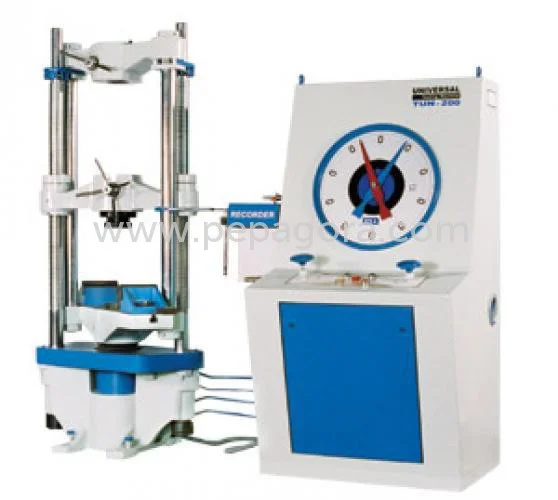
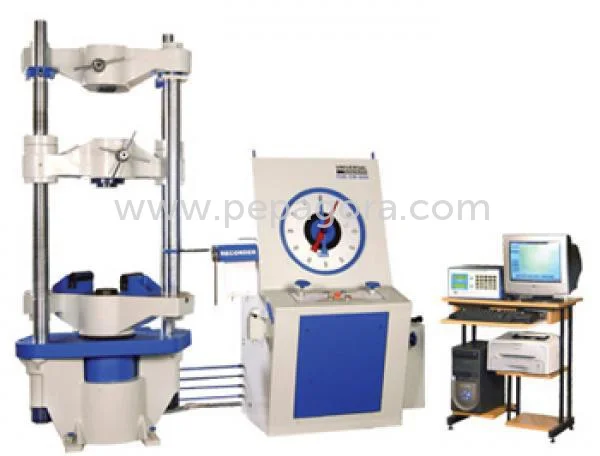
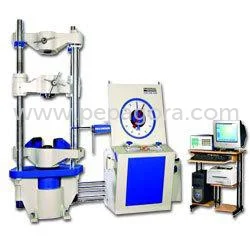
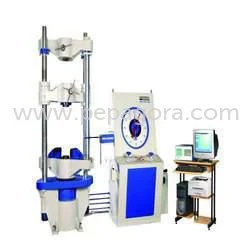
Our hydraulic universal testing machines represent advanced material testing technology that combines both analogue and computerized operation in a single robust system. These machines deliver precise strength testing capabilities for metals, plastics, composites, and various engineering materials with exceptional accuracy and reliability. Designed for industrial durability, they feature hydraulic loading systems that provide consistent force application and measurement across all testing parameters. The dual operation mode allows users to benefit from traditional analogue readability while having computerized data acquisition capabilities for detailed analysis, reporting, and long-term data management. These testing systems are engineered to withstand rigorous industrial use while maintaining calibration accuracy for trustworthy test results in every application scenario.

These universal testing machines serve essential functions across multiple industries where material integrity and performance are critical. In automotive manufacturing, they test component strength and material durability for vehicle safety and longevity. Aerospace companies rely on them for certifying advanced materials that must withstand extreme environmental conditions and stress factors. Construction firms utilize these machines for testing concrete, steel reinforcement, and building materials to ensure compliance with international safety standards and structural requirements. Plastics manufacturers depend on them for quality control of polymer products and composite materials throughout production cycles. The machines also find extensive applications in research institutions, quality control laboratories, and production facilities where material certification and failure analysis are daily operational necessities.

The business value of these testing machines lies in their proven reliability, measurement accuracy, and significant contribution to quality assurance processes. They help manufacturers prevent costly material failures, ensure regulatory compliance, and maintain consistent product quality standards across production batches. The robust construction ensures long-term operational reliability in demanding industrial environments, reducing maintenance requirements and operational downtime. These machines represent a strategic investment in quality control that delivers substantial returns through reduced rejection rates, improved product reliability, enhanced customer satisfaction, and strengthened market reputation for quality and safety compliance.

Key Features:
- Hydraulic loading system for consistent and reliable force application
- Dual analogue and computerized operation for testing flexibility
- Capable of tensile, compression, bend, and shear testing applications
- Robust construction designed for industrial environment durability
- Precise measurement accuracy for material certification and compliance

Benefits:
- Ensures material quality and compliance with industry standards
- Reduces product failure rates and associated costs
- Provides reliable data for research and development purposes
- Enhances manufacturing quality control processes
- Supports material certification and safety verification requirements
Specifications
| productDetailPage.specification.attribute | productDetailPage.specification.value |
|---|---|
| Power | Hydraulic |
| Usage | Strength Testing Machine |
| Additional Information | |
|---|---|
| Country of Origin | India |
| Customisable | No |
Application
Our hydraulic universal testing machines deliver precise strength evaluation for metals, plastics, and composite materials across manufacturing sectors. These systems perform essential tensile, compression, bend, and shear tests with high accuracy, ensuring materials meet required specifications and safety standards for industrial applications and quality assurance protocols.

These testing systems serve critical roles in automotive, aerospace, construction, and plastics manufacturing industries. They provide reliable data for material certification, product development, and failure analysis during both research phases and production quality control processes. The dual analogue and computerized operation offers testing flexibility for various environments and user requirements.
- Tensile strength testing of metal components in automotive part manufacturing
- Compression testing of construction materials including concrete and steel
- Quality verification of plastic products and composite materials in production
- Material research and development for aerospace component certification
- Bend and shear testing of raw materials in metal fabrication industries
Trade Details
| Available Stock | In stock |
| Sample Availability | No |
Payment Terms
| Payment Terms |
|
Company Profile

Hitech India Equipments Pvt.Ltd, Tamil Nadu
 Tamil Nadu, India
Tamil Nadu, IndiaDistributor / Wholesaler
Factory Details
Factory SizeBelow 1000 sqm
Annual Production Capacity0
Hydraulic Universal Testing Machine For Strength Testing Of Metals Plastics Composites
Hydraulic universal testing machine for precise strength testing of metals, plastics, and composites. Ideal for quality control, R&D, and material certification across manufacturing industries with reliable analogue and computerized operation.
Min. Order Quantity: 1 units
Shipping
Shipping fee and delivery date to be negotiated. Contact supplier now for more details.
Hitech India Equipments Pvt.Ltd Tamil Nadu, India
Tamil Nadu, IndiaDistributor / Wholesaler