IN
IN₹
Apparel & Fashion
Description
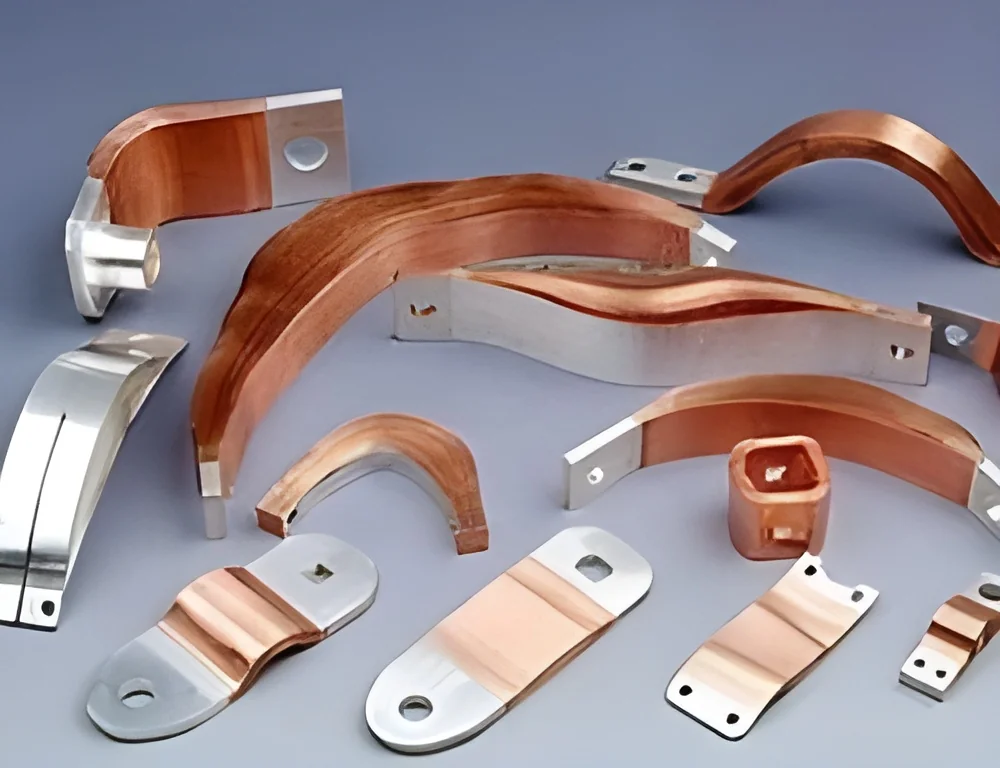
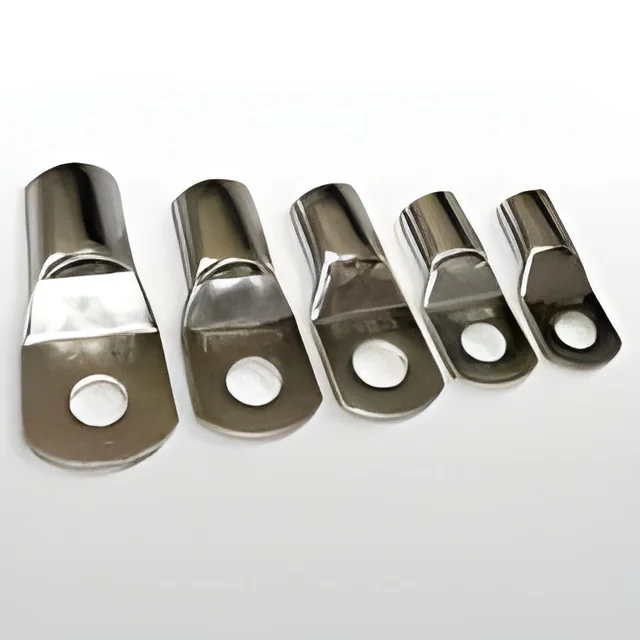
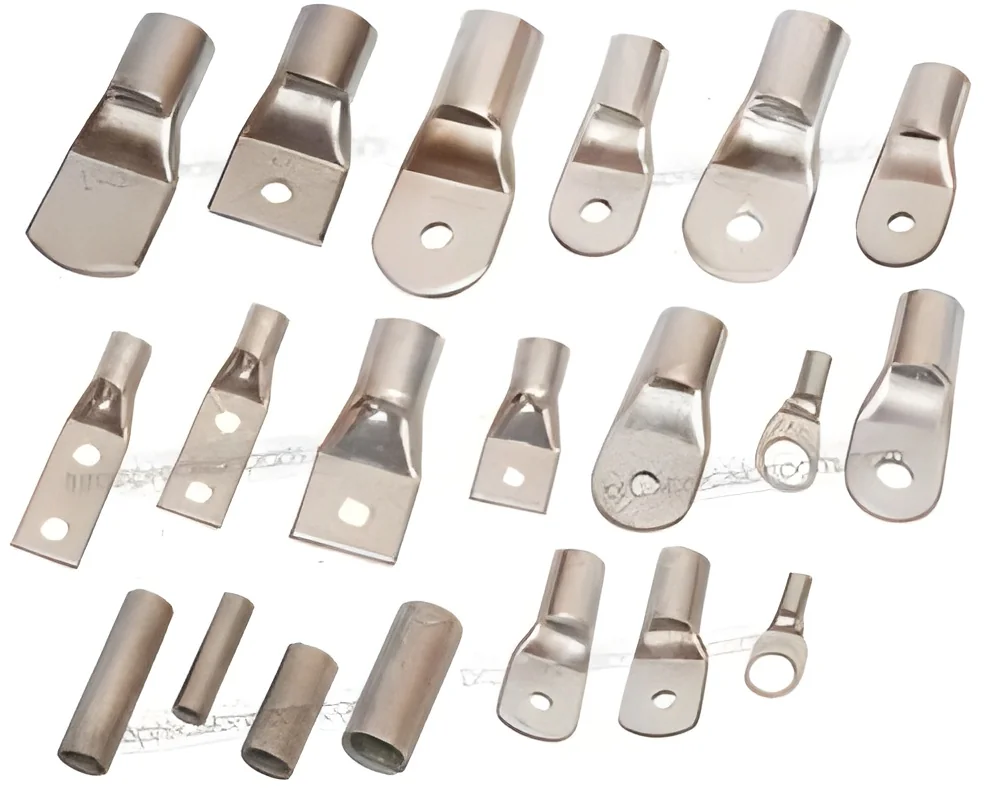
Engineered for critical power transmission and distribution, these industrial aluminum electrical connectors provide a robust and reliable solution for creating secure electrical joints. Manufactured from high-grade aluminum, they deliver excellent electrical conductivity essential for minimizing energy loss while offering significant advantages in weight and cost compared to traditional copper alternatives. Each connector is precision-designed to ensure optimal surface contact and clamping force, resulting in stable, low-resistance connections that can handle high current loads. Rigorous quality control and testing verify their performance under electrical, thermal, and mechanical stress, making them a dependable choice for engineers and contractors who specify components for long-term system integrity and safety.

These connectors serve as vital components across a spectrum of industries where dependable power connectivity is non-negotiable. Electrical utilities and power generation ...
Engineered for critical power transmission and distribution, these industrial aluminum electrical connectors provide a robust and reliable solution for creating secure electrical joints. Manufactured from high-grade aluminum, they deliver excellent electrical conductivity essential for minimizing energy loss while offering significant advantages in weight and cost compared to traditional copper alternatives. Each connector is precision-designed to ensure optimal surface contact and clamping force, resulting in stable, low-resistance connections that can handle high current loads. Rigorous quality control and testing verify their performance under electrical, thermal, and mechanical stress, making them a dependable choice for engineers and contractors who specify components for long-term system integrity and safety.

These connectors serve as vital components across a spectrum of industries where dependable power connectivity is non-negotiable. Electrical utilities and power generation companies rely on them for constructing and maintaining transmission grids, substations, and generator connections. In the industrial sector, they are integral to the electrical infrastructure of manufacturing plants, foundries, and chemical processing facilities, connecting heavy machinery and control systems. The renewable energy sector utilizes them extensively in solar farms and wind power installations to combine power from multiple sources. Furthermore, they are specified for large-scale construction projects, data center power distribution, and transportation electrification, demonstrating their versatility in both established and emerging electrical applications.

The primary business value lies in enhancing operational reliability while controlling project and lifecycle costs. These aluminum connectors offer a cost-effective material solution without sacrificing performance, providing substantial savings on material procurement, especially for large-scale projects. Their lightweight nature reduces handling effort and installation time, lowering labor costs. By ensuring a secure, low-maintenance connection, they help prevent costly downtime, equipment damage, and safety incidents caused by connection failure. Their reliability translates into predictable performance and reduced total cost of ownership, giving project managers and facility operators confidence in the long-term stability of their electrical infrastructure.

Key Features:
- Constructed from high-conductivity, industrial-grade aluminum alloy for efficient power transmission.
- Engineered for durability with designs that resist corrosion, oxidation, and mechanical fatigue.
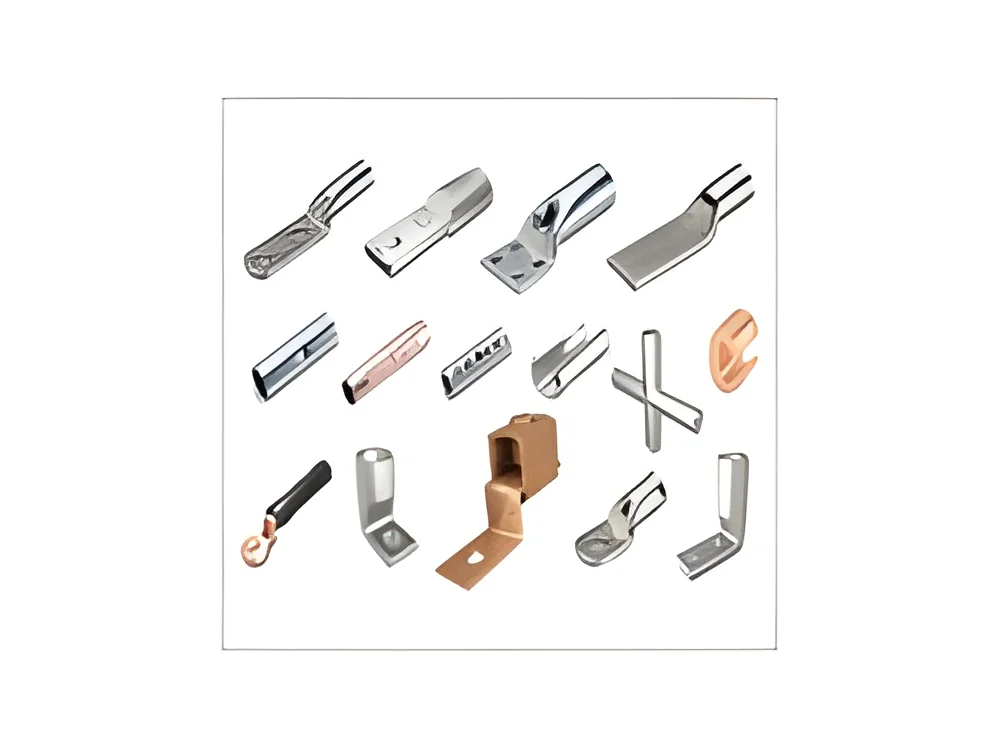
- Available in a comprehensive range of standard sizes, types, and configurations to match various cable and busbar specifications.
- Precision-machined contact surfaces and robust clamping mechanisms ensure a secure, stable electrical joint.
- Manufactured to comply with relevant international electrical standards for safety and performance.

Benefits:
- Delivers reliable, long-lasting electrical connections that minimize the risk of power interruptions and equipment failure.
- Provides a lighter-weight alternative to copper, simplifying handling and installation to reduce labor time and costs.
- Offers excellent value by combining material cost savings with high performance and extended service life.
- Reduces maintenance needs and associated costs due to its durable, corrosion-resistant construction.
- Ensures compatibility and safety for integration into diverse industrial and utility electrical systems.
Specifications
| Additional Information | |
|---|---|
| Country of Origin | India |
Application
These industrial-grade aluminum connectors are engineered to create secure, long-lasting electrical connections essential for transmitting power efficiently and safely. They are built to withstand demanding operational conditions, including temperature fluctuations, vibration, and environmental exposure, ensuring consistent performance in critical infrastructure. Their robust construction and reliable conductivity make them a fundamental component for maintaining uninterrupted power flow in various industrial and utility settings.
Widely utilized across power generation, manufacturing, and heavy industries, these connectors are specified for applications where connection integrity directly impacts system reliability and safety. From connecting transformers and switchgear to integrating renewable energy sources into the grid, they provide the necessary durability and electrical performance. Their design prioritizes ease of installation and maintenance, supporting efficient project execution and long-term operational stability in complex electrical networks.
- Connecting transformers, busbars, and switchgear in electrical substations and utility power distribution networks.
- Establishing reliable joints in overhead power transmission lines and underground cable systems for continuous energy flow.
- Integrating solar panel arrays and wind turbine outputs into inverter systems and grid connection points for renewable energy projects.
- Wiring motor control centers, industrial machinery, and automation panels within manufacturing plants and processing facilities.
- Electrifying railway traction systems, including overhead catenary lines and third rail connections for mass transit and freight rail.
Trade Details
| Available Stock | In Stock |
| Sample Availability | No |
Payment Terms
| Payment Terms |
|
Company Profile

Adarsh Enterprises, Maharashtra
 Maharashtra, India
Maharashtra, IndiaIndustrial Equipment & Machinery•Manufacturer•Trading Company•Importer / Exporter
Factory Details
Factory SizeBelow 1000 sqm
Annual Production Capacity0
Main Markets
Domestic
Industrial Aluminum Electrical Connectors For Power Transmission
Industrial aluminum electrical connectors for power transmission offer durable, reliable connections with excellent conductivity for industrial electrical systems and power distribution networks.
Min. Order Quantity: 1 unit
Shipping
Shipping fee and delivery date to be negotiated. Contact supplier now for more details.
Adarsh Enterprises
 Maharashtra, India
Maharashtra, IndiaIndustrial Equipment & MachineryManufacturer