IN
₹
Apparel & Fashion
Description
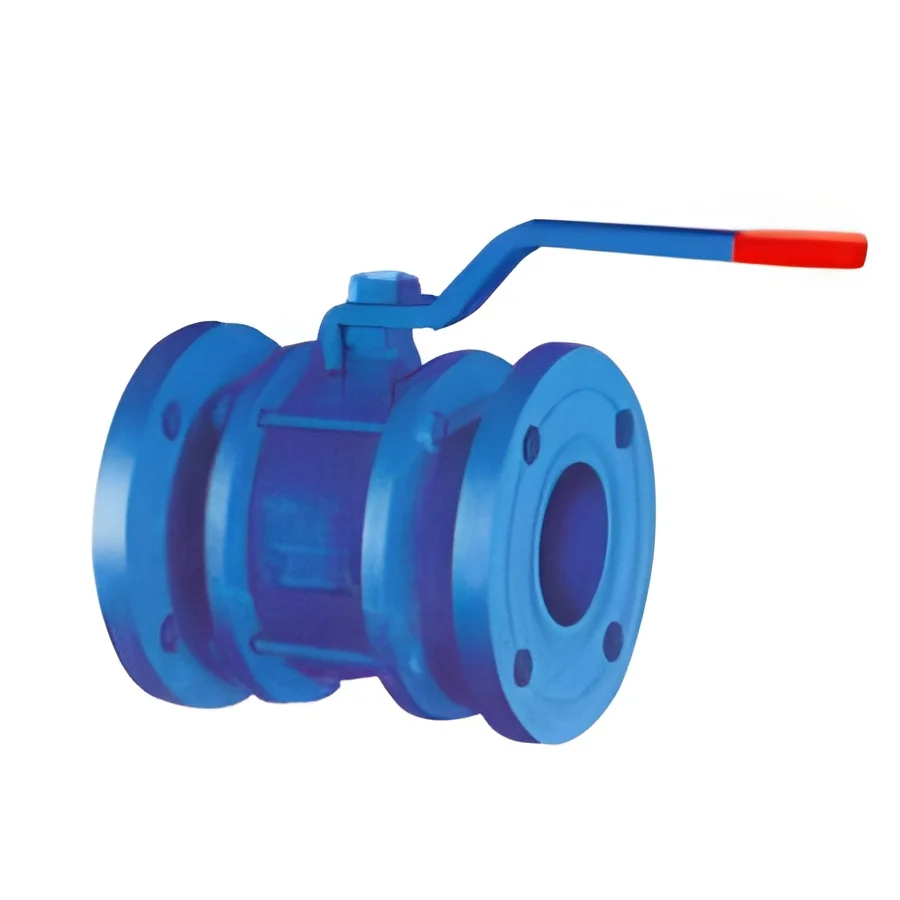
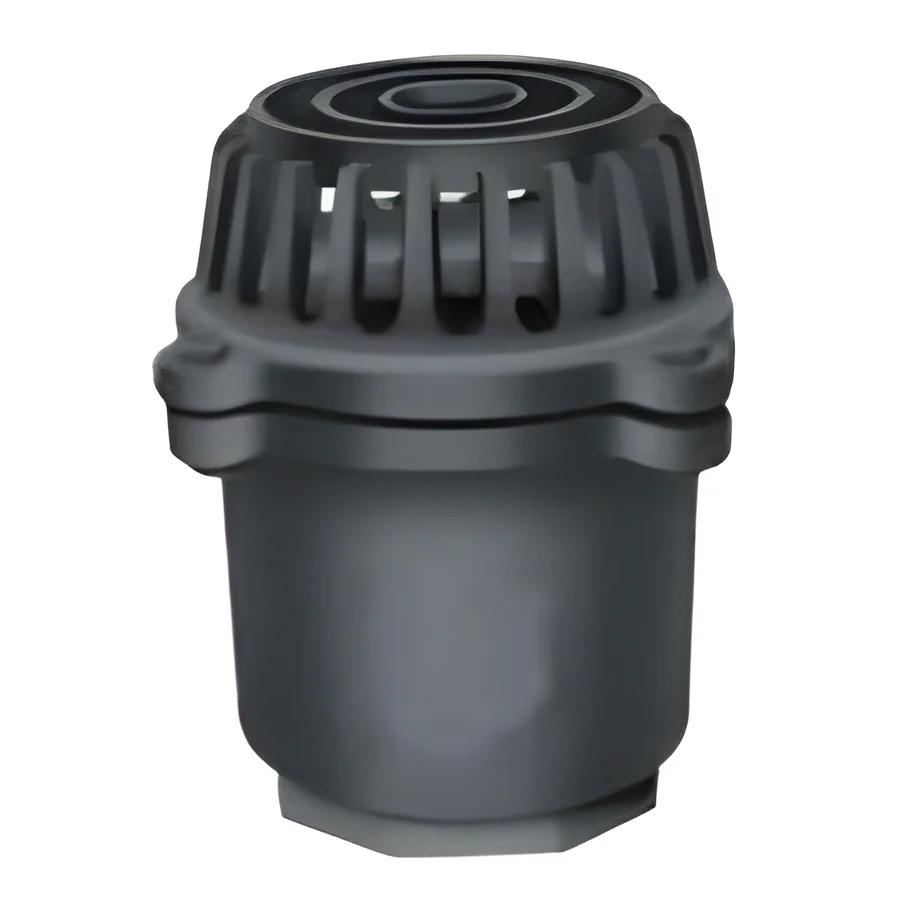
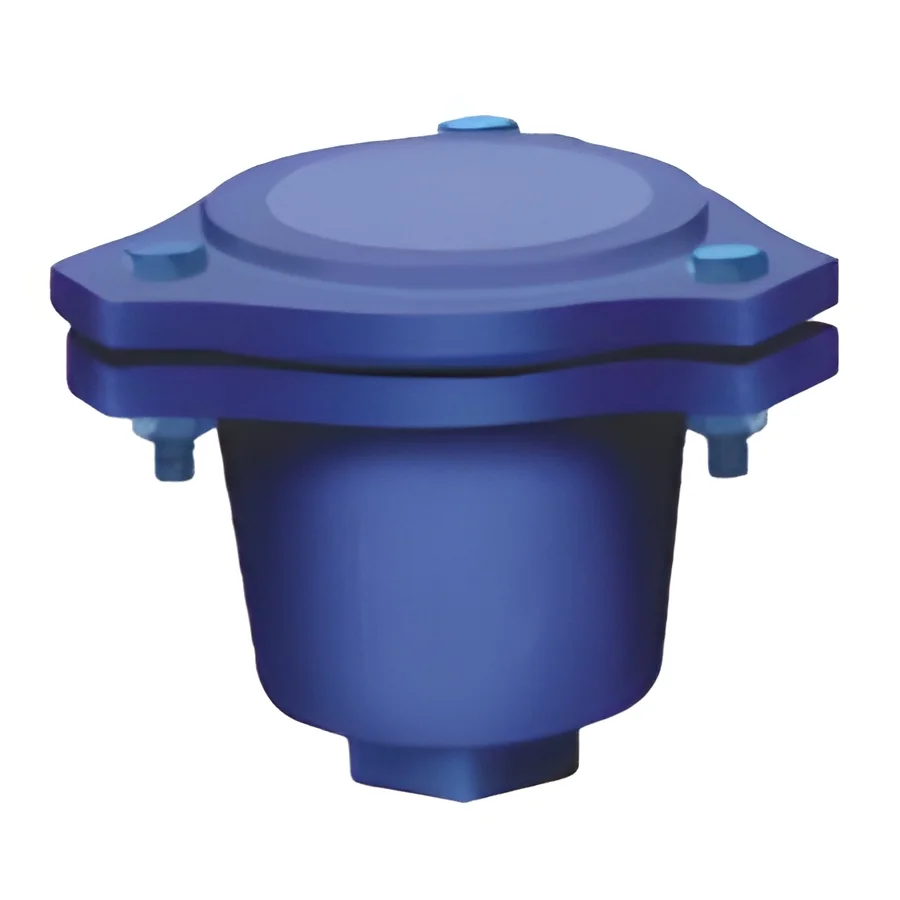
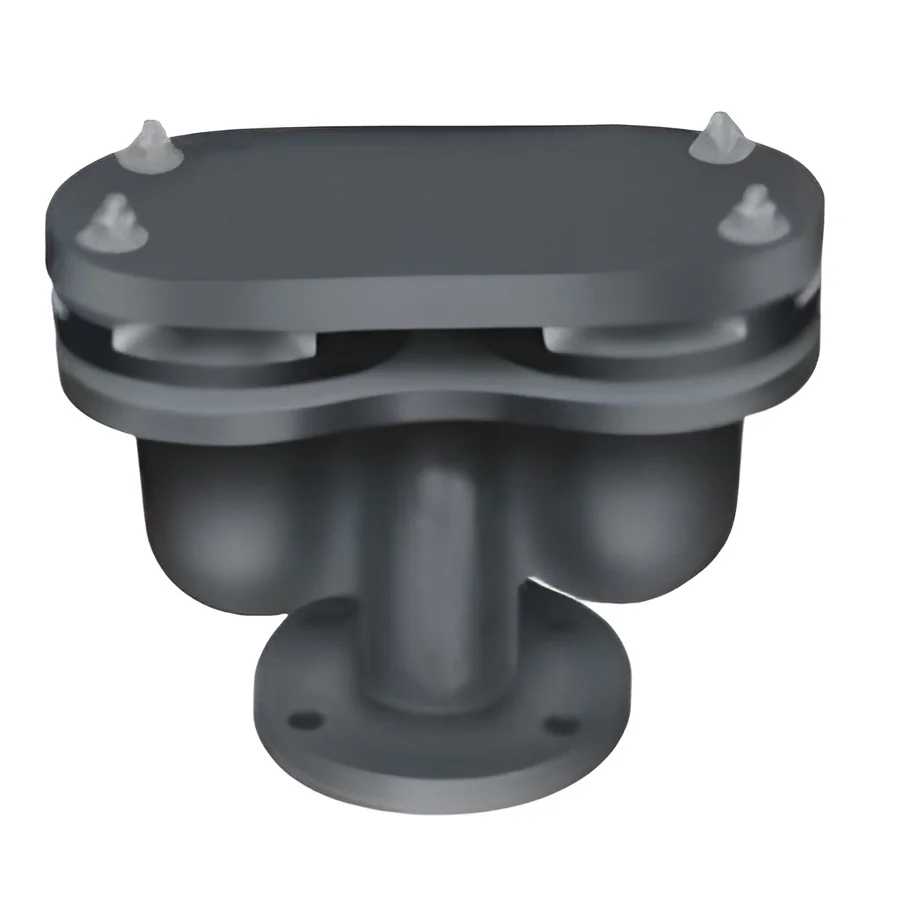
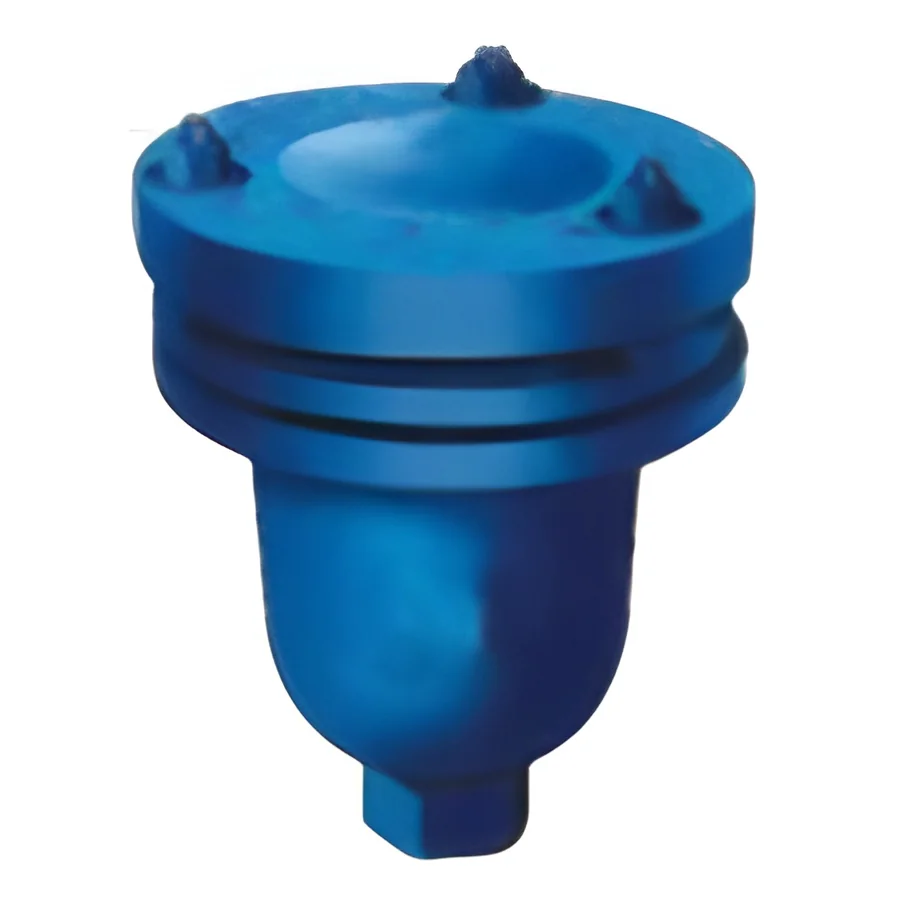
Single acting air release valves are precision-engineered components designed to automatically vent accumulated air from pressurized pipeline systems. These valves operate on a simple yet effective principle: a float mechanism rises with incoming fluid to seal the orifice, and drops when air enters to open the vent. This automatic cycle ensures continuous air elimination without manual intervention. Manufactured to work seamlessly with both plastic (PVC, HDPE) and metal (steel, copper, ductile iron) piping, they offer exceptional versatility. Available in three calibrated quality standards—heavy, medium, and light—each valve is specifically constructed to perform reliably within defined pressure ranges, from robust industrial systems to more delicate applications. Standard sizes from 1/2" to 4" with screwed or flanged connections ensure compatibility with most pipeline configurations.

These valves serve as critical components across numerous sectors where fluid integrity is paramount....
Single acting air release valves are precision-engineered components designed to automatically vent accumulated air from pressurized pipeline systems. These valves operate on a simple yet effective principle: a float mechanism rises with incoming fluid to seal the orifice, and drops when air enters to open the vent. This automatic cycle ensures continuous air elimination without manual intervention. Manufactured to work seamlessly with both plastic (PVC, HDPE) and metal (steel, copper, ductile iron) piping, they offer exceptional versatility. Available in three calibrated quality standards—heavy, medium, and light—each valve is specifically constructed to perform reliably within defined pressure ranges, from robust industrial systems to more delicate applications. Standard sizes from 1/2" to 4" with screwed or flanged connections ensure compatibility with most pipeline configurations.

These valves serve as critical components across numerous sectors where fluid integrity is paramount. In water treatment and distribution, they prevent air locks that disrupt flow and damage pumps, ensuring consistent delivery. Agricultural operations rely on them for irrigation systems to maintain even water distribution and protect pipelines from pressure surges. Manufacturing and chemical processing plants integrate them into process lines to guarantee air-free transfer of liquids, enhancing safety and product quality. HVAC systems in large buildings use them to maintain efficient coolant circulation, while construction projects incorporate them into plumbing infrastructure for long-term reliability. Their adaptability to different pressure environments makes them a universal solution for industries dependent on controlled fluid dynamics.

The inherent business value of these air release valves stems from their operational reliability and precise engineering, which directly reduce maintenance costs and system downtime. Their robust construction, using quality materials suited to each pressure grade, ensures extended service life even in demanding conditions, delivering an excellent return on investment. The availability of three distinct quality tiers allows for precise, cost-effective specification—preventing over-engineering and optimizing budget allocation. By automatically preventing air-related issues like flow reduction, energy waste, and potential equipment damage, these valves enhance overall system efficiency and longevity. This reliability translates into predictable performance, reduced operational risks, and sustained productivity for any fluid management operation.

Key Features:
- Three-tiered quality construction: heavy, medium, and light grades for specific pressure applications
- Universal compatibility with both plastic (PVC/HDPE) and metal (steel/copper/iron) piping systems
- Comprehensive size range from 1/2 inch to 4 inches to fit various pipeline diameters
- Secure installation options with screwed or flanged end connections
- Fully automatic float-operated mechanism for hands-free air release

Benefits:
- Prevents system inefficiencies like air locking, cavitation, and water hammer
- Reduces maintenance requirements and associated operational downtime
- Extends the service life of pumps, meters, and other pipeline components
- Improves overall system safety and operational reliability
- Offers cost-effective performance through targeted quality and pressure matching
Specifications
| Additional Information | |
|---|---|
| Country of Origin | India |
Application
Single acting air release valves are engineered to automatically purge trapped air from pipeline networks, preventing flow disruptions and pressure imbalances. Their automatic operation ensures continuous system efficiency by eliminating air pockets that can cause cavitation, water hammer, or reduced pump performance, making them indispensable for maintaining optimal hydraulic conditions.
Available in three distinct quality grades, these valves provide precise pressure management across diverse installations. Heavy-duty valves withstand high-pressure industrial lines, medium-grade valves handle standard commercial systems, and light-quality valves are ideal for low-pressure applications. This tiered approach allows for exact specification matching, ensuring cost-effective and reliable performance in any fluid handling scenario.
- Municipal and industrial water distribution networks to prevent air locking and maintain consistent pressure
- Agricultural irrigation systems for efficient water delivery and pipeline protection
- Commercial and industrial HVAC installations for optimal coolant flow and heat exchange
- Chemical and pharmaceutical processing plants for safe, air-free fluid transfer operations
- Wastewater and sewage treatment facilities to ensure smooth sludge movement and prevent blockages
Trade Details
| Available Stock | In Stock |
| Sample Availability | No |
Payment Terms
| Payment Terms |
|
Company Profile

Doshi Trading Co., Gujarat
 Gujarat, India
Industrial Equipment & Machinery•Trading Company•Distributor / Wholesaler
Factory Details
Factory SizeBelow 1000 sqm
Annual Production Capacity0
Main Markets
South Asia
Industrial Air Release Valves For Plastic And Metal Pipes
Single acting air release valves for plastic and metal pipes, available in heavy, medium, and light quality standards to handle varying industrial pressure levels for reliable fluid control systems.
Min. Order Quantity: 1 unit
Shipping
Shipping fee and delivery date to be negotiated. Contact supplier now for more details.
Doshi Trading Co.
 Gujarat, India
Industrial Equipment & MachineryTrading Company