IN
IN₹
Apparel & Fashion
Description
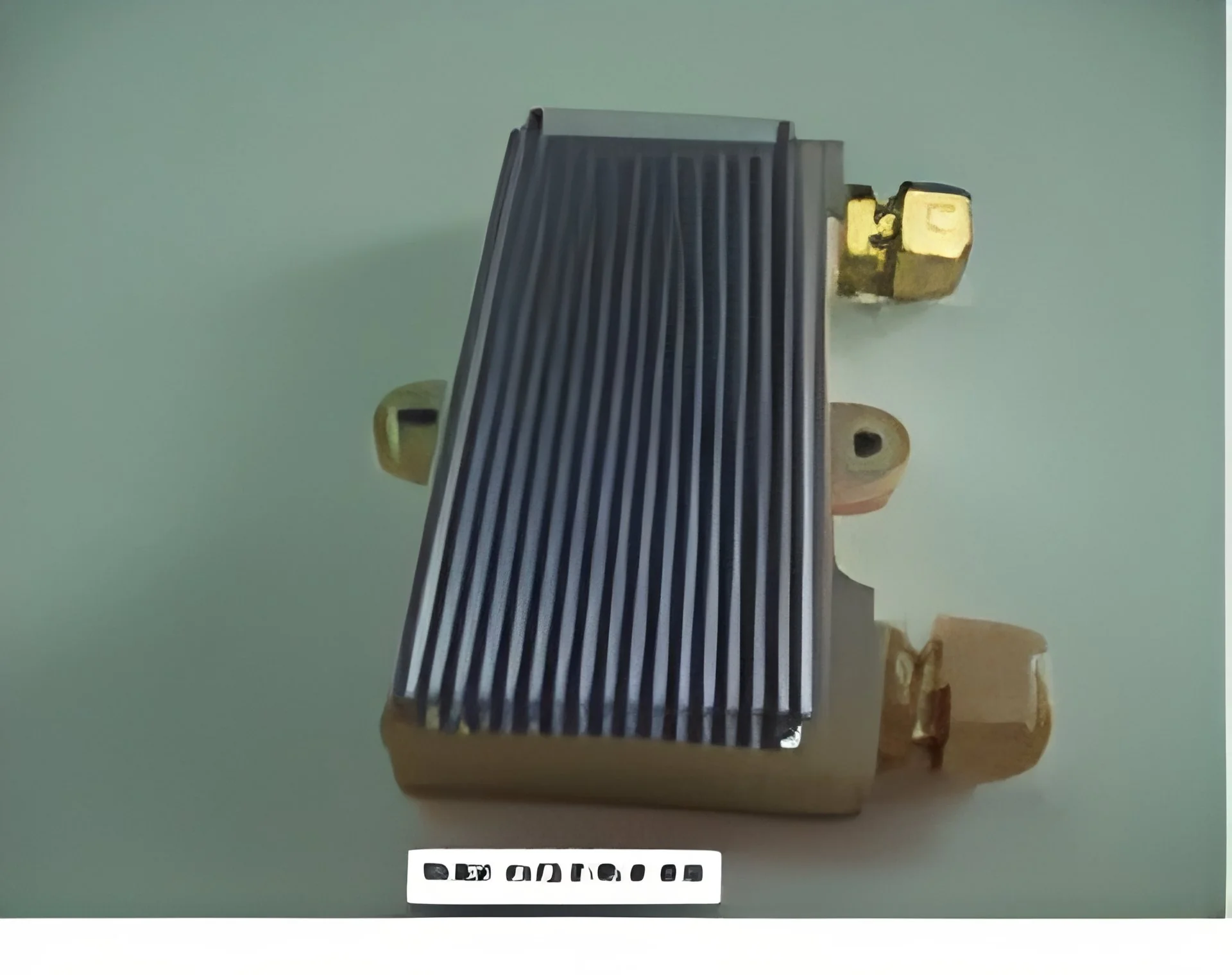
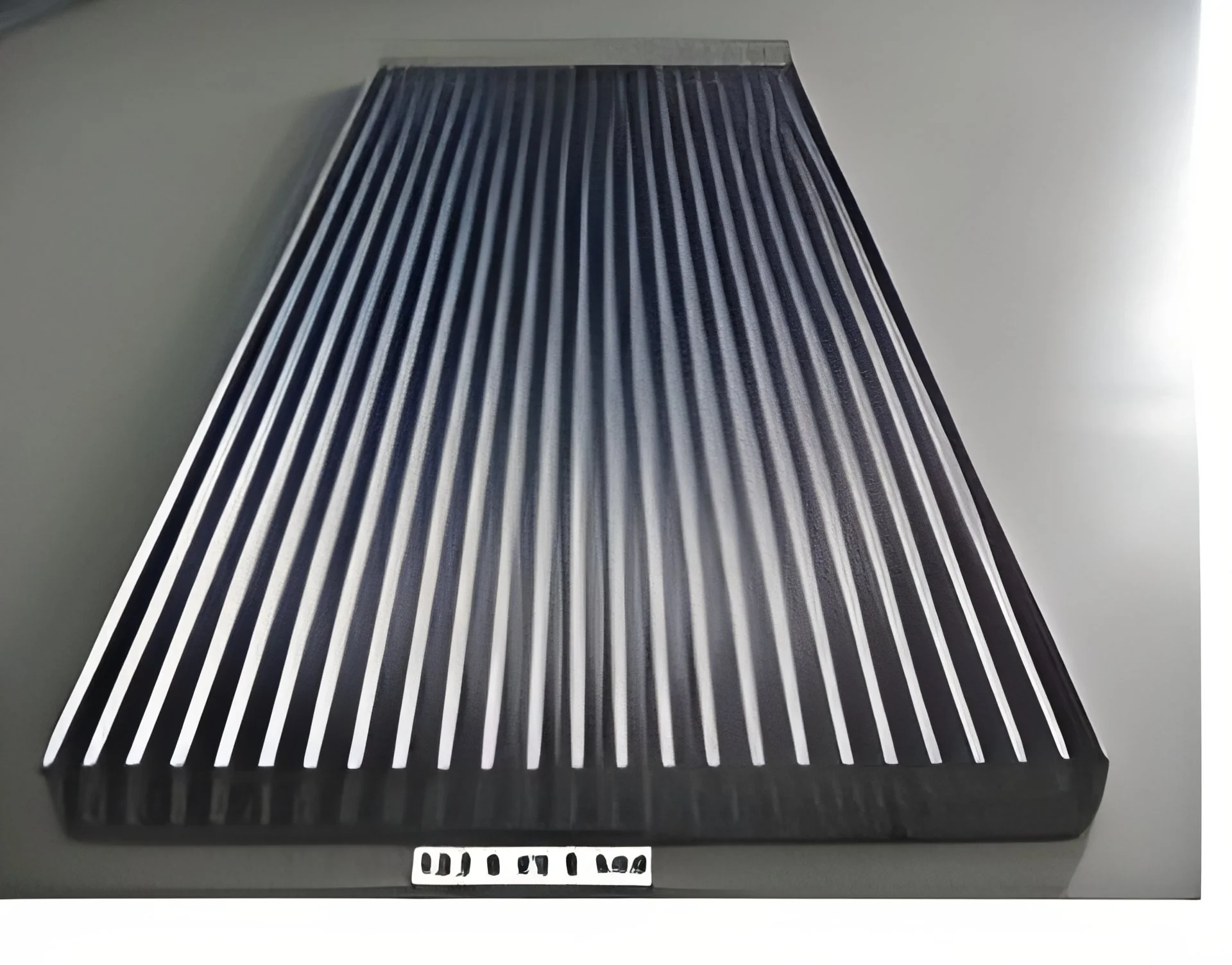
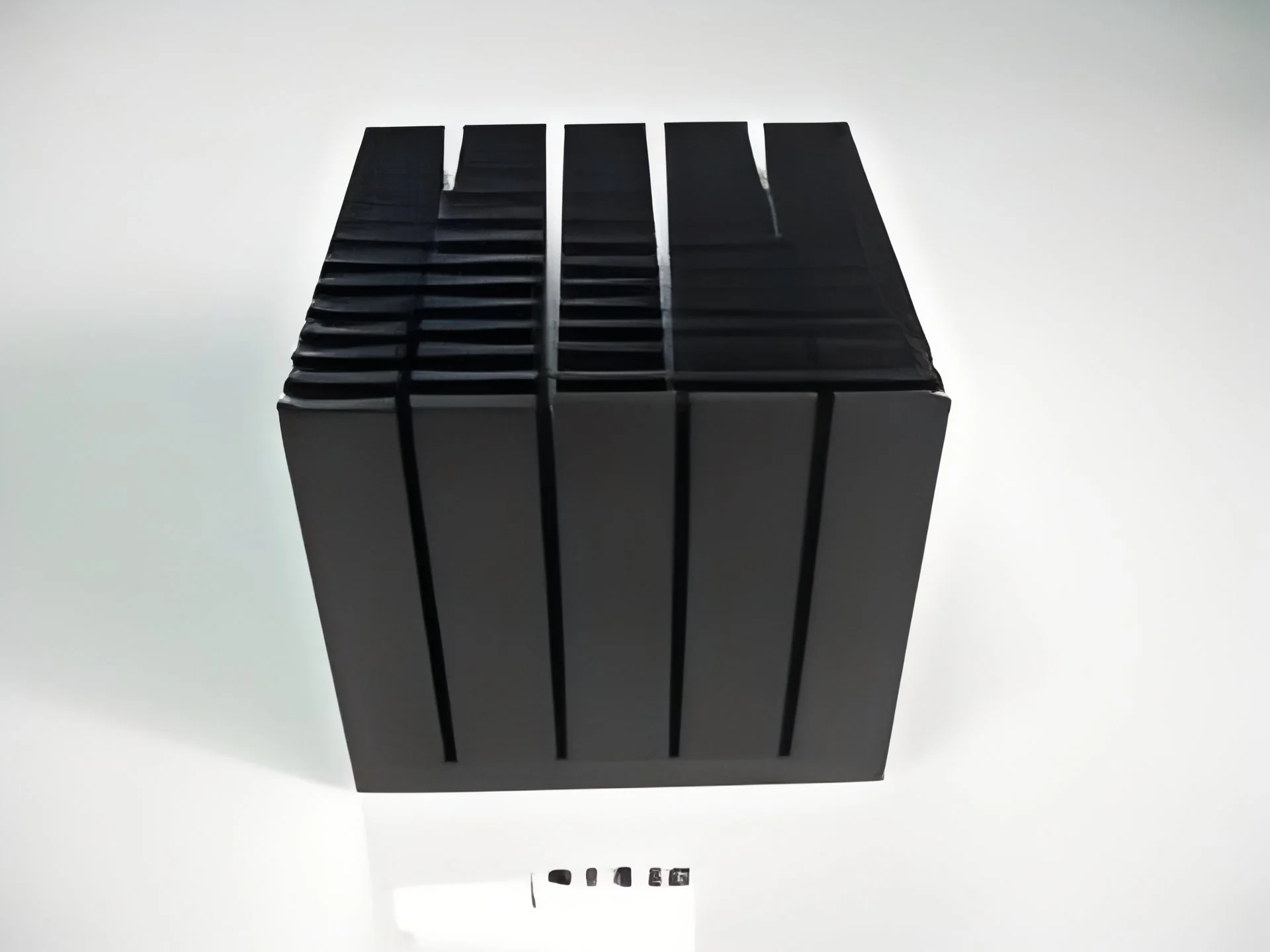
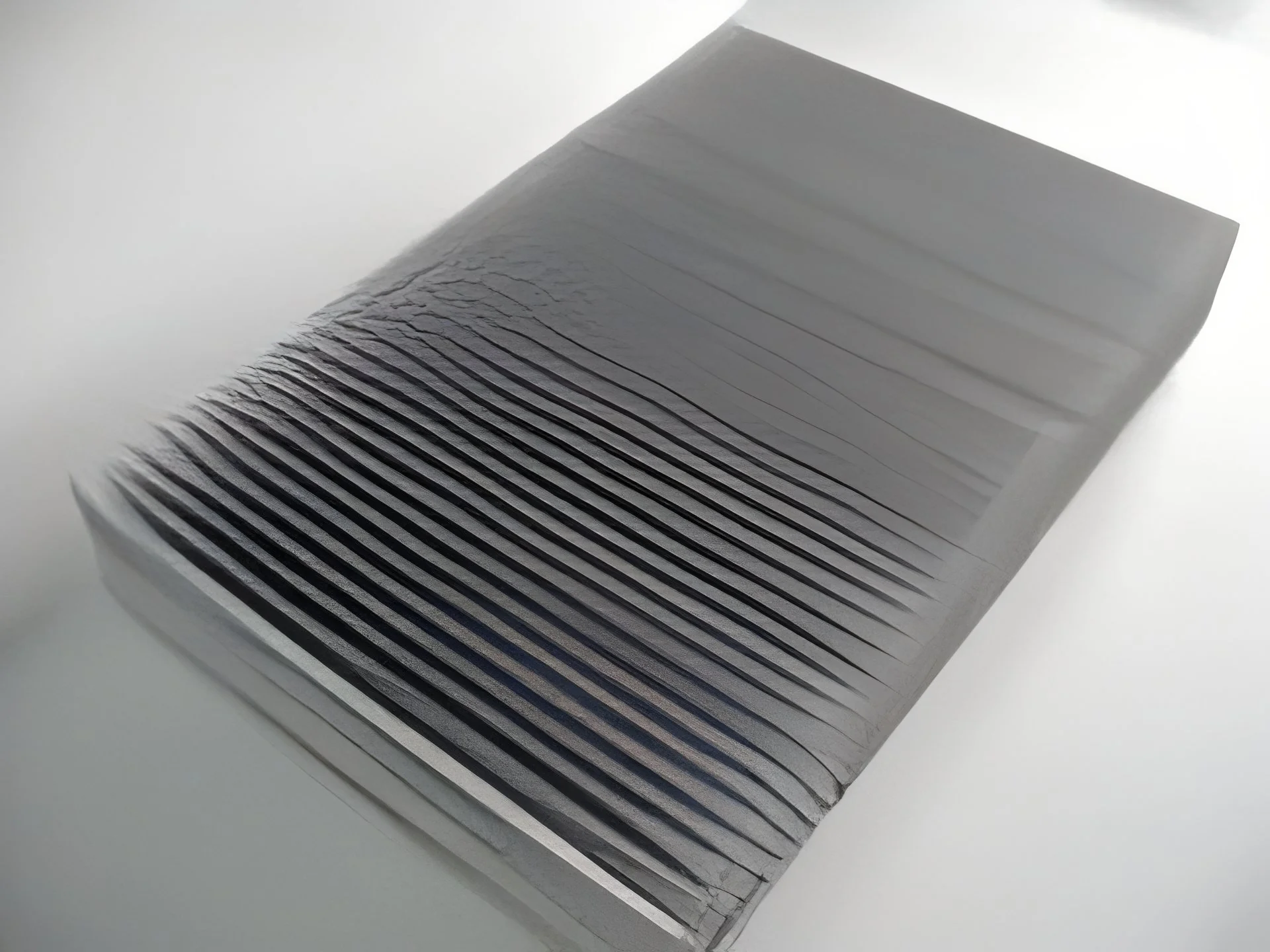
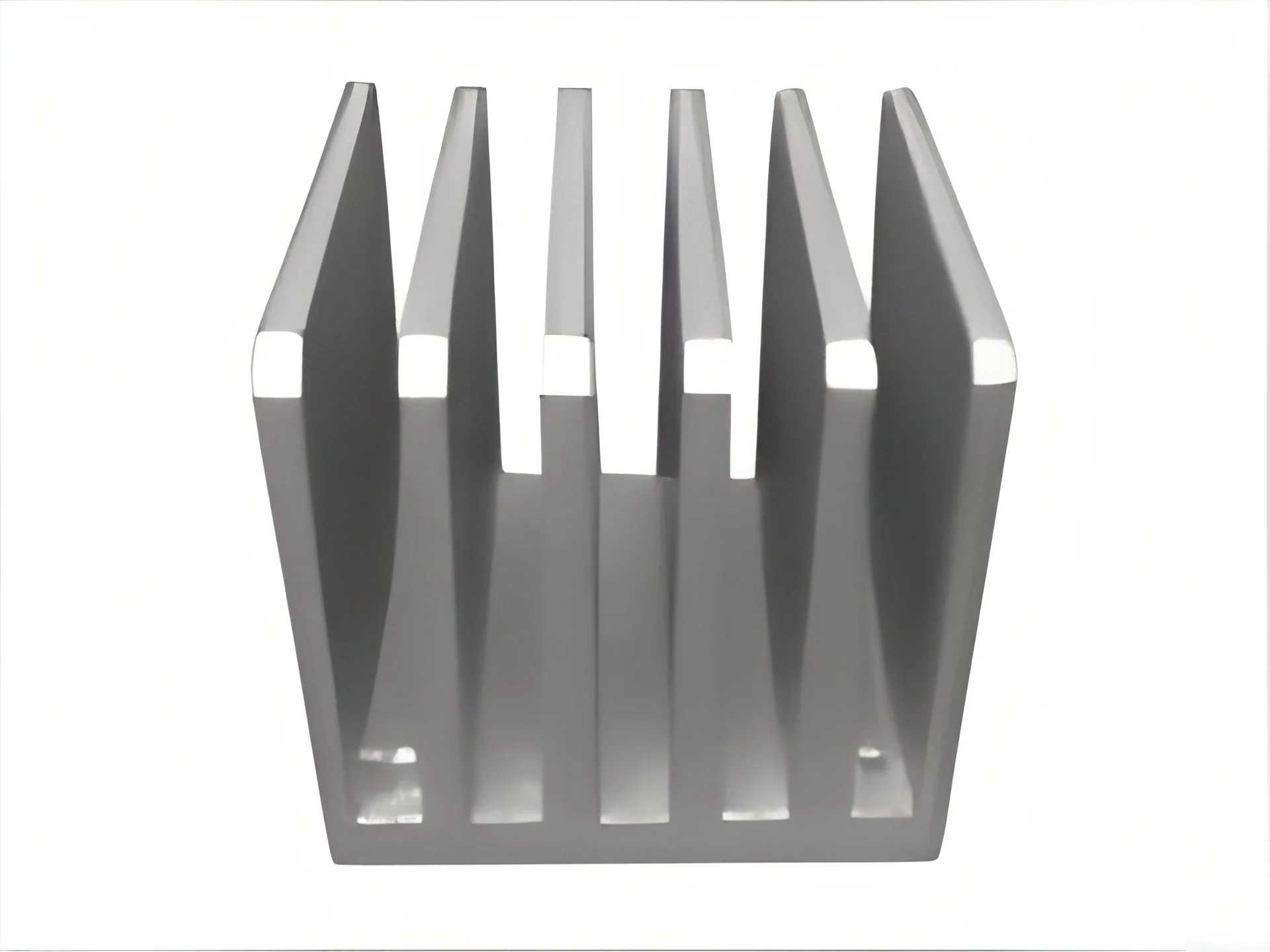
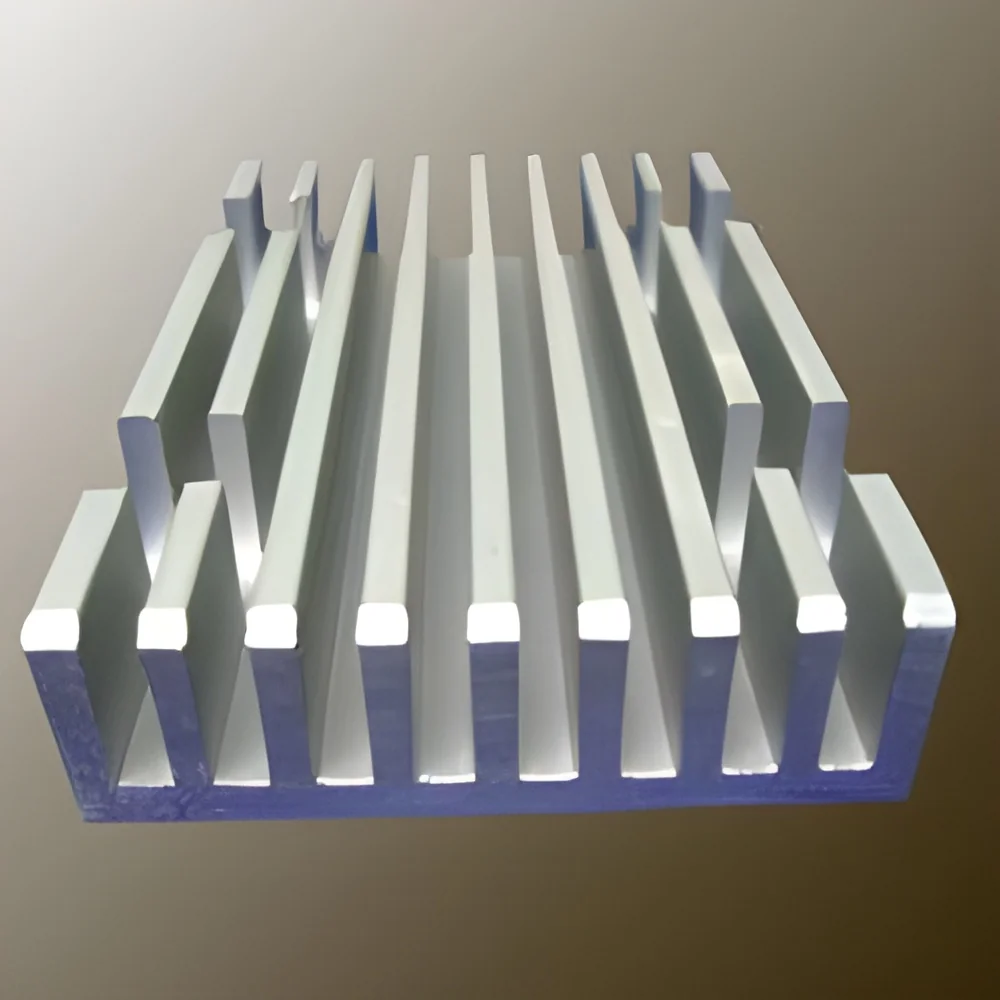
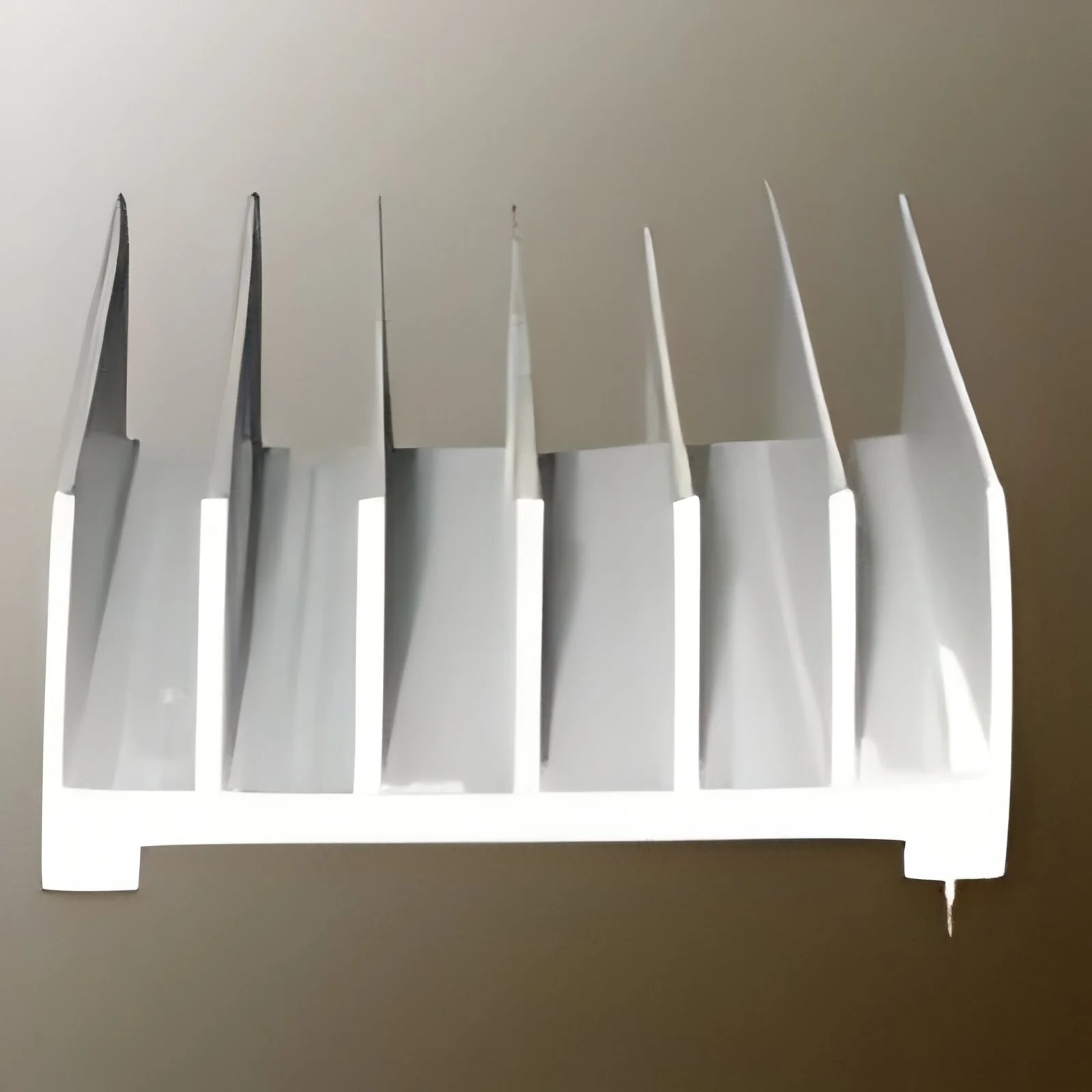
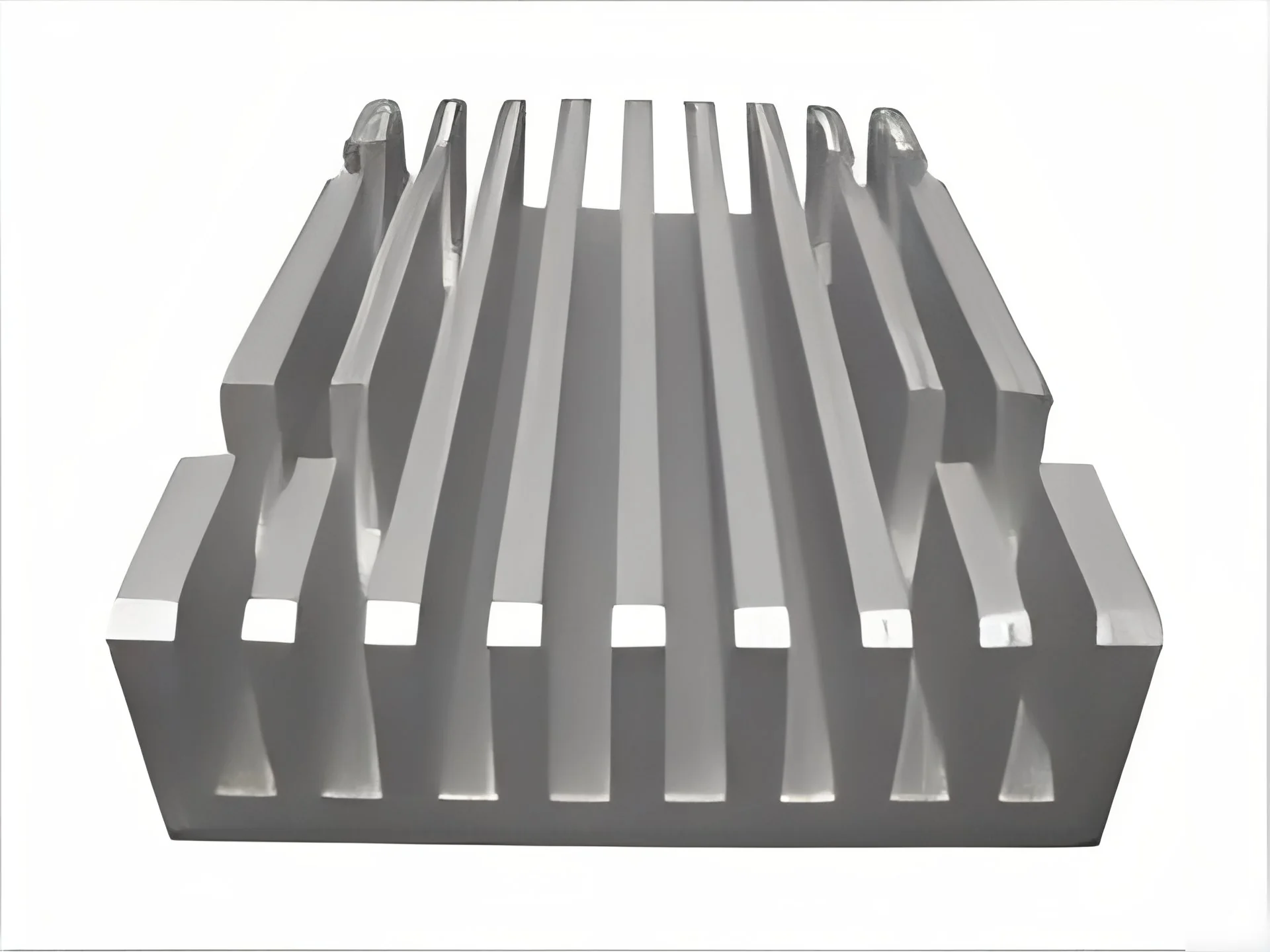
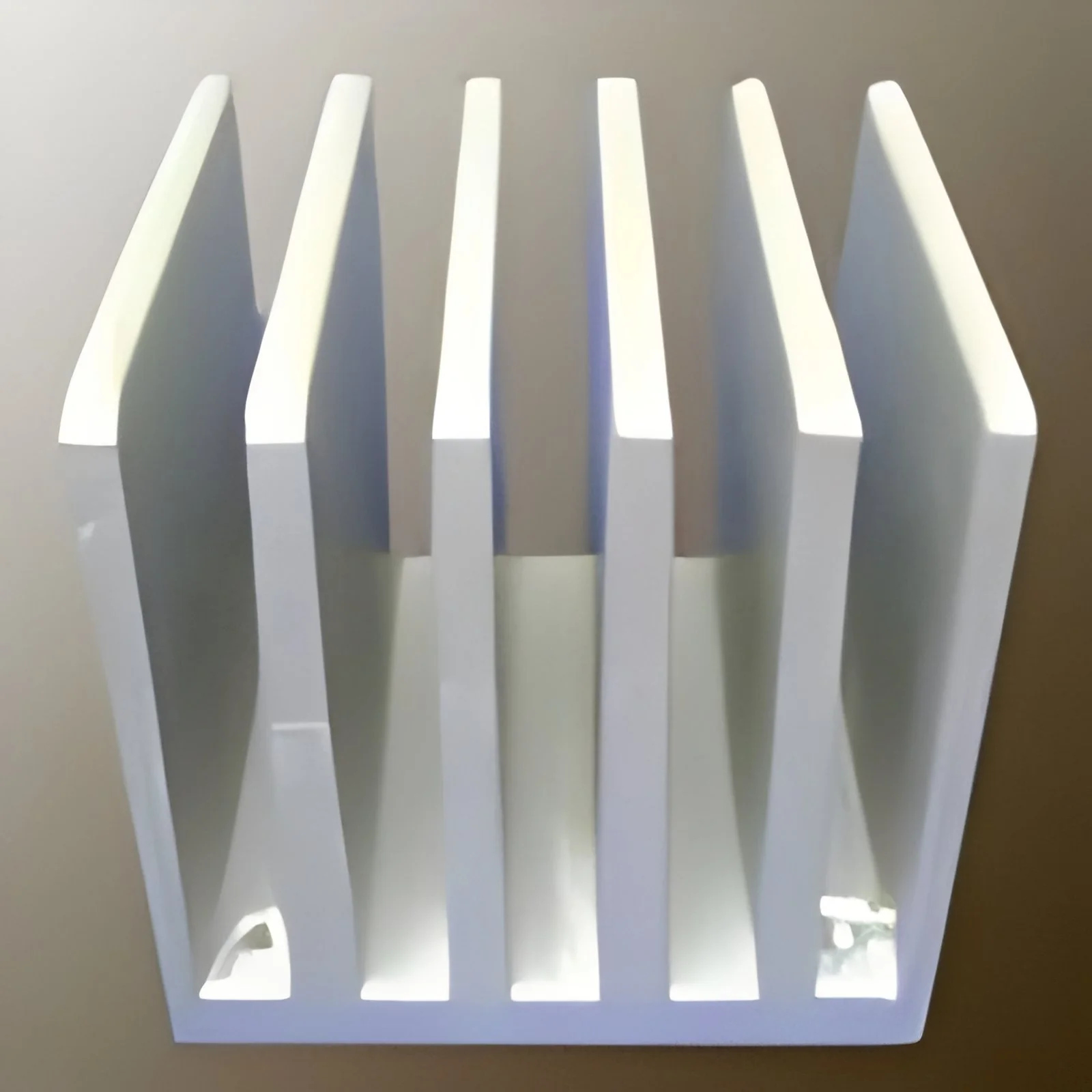
Our industrial air cooled heat sinks represent precision-engineered thermal management solutions designed for demanding industrial applications. These units efficiently transfer and dissipate heat from sensitive components through direct thermal contact, maintaining optimal operating temperatures even under high thermal loads. The robust construction ensures reliable performance in challenging environments, while the optimized fin designs maximize surface area for superior heat dissipation. Manufactured to exacting standards, these heat sinks provide consistent cooling performance that protects valuable industrial equipment from heat-related damage and ensures continuous operation without interruption.

These thermal management solutions serve critical functions across multiple industrial sectors including manufacturing, power generation, telecommunications, automotive, and renewable energy systems. In industrial automation environments, they effectively cool motor drives, control syst...
Our industrial air cooled heat sinks represent precision-engineered thermal management solutions designed for demanding industrial applications. These units efficiently transfer and dissipate heat from sensitive components through direct thermal contact, maintaining optimal operating temperatures even under high thermal loads. The robust construction ensures reliable performance in challenging environments, while the optimized fin designs maximize surface area for superior heat dissipation. Manufactured to exacting standards, these heat sinks provide consistent cooling performance that protects valuable industrial equipment from heat-related damage and ensures continuous operation without interruption.

These thermal management solutions serve critical functions across multiple industrial sectors including manufacturing, power generation, telecommunications, automotive, and renewable energy systems. In industrial automation environments, they effectively cool motor drives, control systems, and power electronics. Power generation facilities utilize them for cooling converters and inverters, while telecommunications applications include base station equipment cooling. Automotive systems benefit from their reliable performance in electric vehicle charging infrastructure and onboard electronics. Renewable energy installations, particularly solar and wind power systems, depend on these heat sinks for maintaining optimal inverter temperatures and ensuring efficient energy conversion processes.

Businesses select our air cooled heat sinks for their proven reliability and significant operational value. The reduction in equipment downtime provides substantial cost savings, while extended equipment lifespan delivers long-term return on investment. The robust construction ensures consistent performance in demanding industrial environments, reducing maintenance requirements and associated operational costs. These factors combine to create thermal management solutions that not only protect critical equipment but also contribute directly to operational efficiency and productivity improvements for industrial operations seeking reliable cooling solutions.

Key Features:
- High thermal conductivity materials for efficient heat transfer
- Optimized fin designs maximizing cooling surface area
- Robust construction suitable for industrial environments
- Precision engineering ensuring consistent thermal performance
- Reliable heat dissipation for demanding applications

Benefits:
- Prevents equipment overheating and extends operational lifespan
- Reduces maintenance requirements and associated costs
- Maintains optimal operating temperatures for critical equipment
- Ensures reliable performance in challenging industrial environments
- Provides consistent thermal management for continuous operation
Specifications
| Additional Information | |
|---|---|
| Country of Origin | India |
Application
Industrial air cooled heat sinks provide essential thermal management by efficiently transferring heat from sensitive components through conductive materials and optimized fin designs. These units prevent equipment overheating while maintaining optimal operating temperatures across various industrial environments, ensuring reliable performance and extended equipment lifespan through superior heat dissipation capabilities.
These thermal solutions serve critical roles across manufacturing facilities, power generation plants, automotive systems, and electronics applications. Their versatile design makes them suitable for cooling industrial machinery, power converters, motor drives, and electronic control systems while withstanding demanding operational conditions and maintaining consistent thermal performance in challenging environments.
- Cooling power electronics and semiconductor devices in industrial control systems
- Thermal management for motor drives and frequency converters in manufacturing equipment
- Heat dissipation for LED lighting systems in commercial and industrial facilities
- Temperature regulation in renewable energy systems including solar inverters and wind turbines
- Cooling automotive electronics and charging infrastructure components
Trade Details
| Available Stock | In Stock |
| Sample Availability | No |
Payment Terms
| Payment Terms |
|
Company Profile
Qualitek engineers., Karnataka
 Karnataka, India
Karnataka, IndiaIndustrial Equipment & Machinery•Manufacturer•Trading Company•Importer / Exporter
Factory Details
Factory SizeBelow 1000 sqm
Annual Production Capacity0
Main Markets
South Asia
Domestic
Industrial Air Cooled Heat Sinks For Efficient Thermal Management
Industrial air cooled heat sinks from our manufacturing provide efficient thermal management for industrial equipment through reliable heat dissipation and optimized fin designs for maximum cooling performance in demanding applications.
Min. Order Quantity: 1 unit
Shipping
Shipping fee and delivery date to be negotiated. Contact supplier now for more details.
Qualitek engineers.
 Karnataka, India
Karnataka, IndiaIndustrial Equipment & MachineryManufacturer