IN
IN₹
Apparel & Fashion
Description
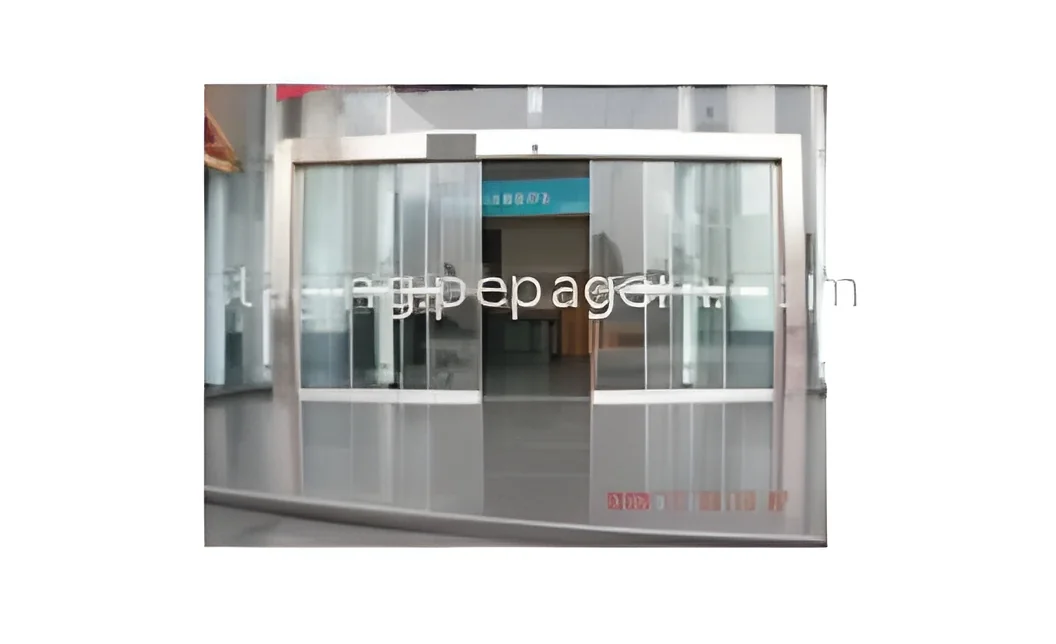
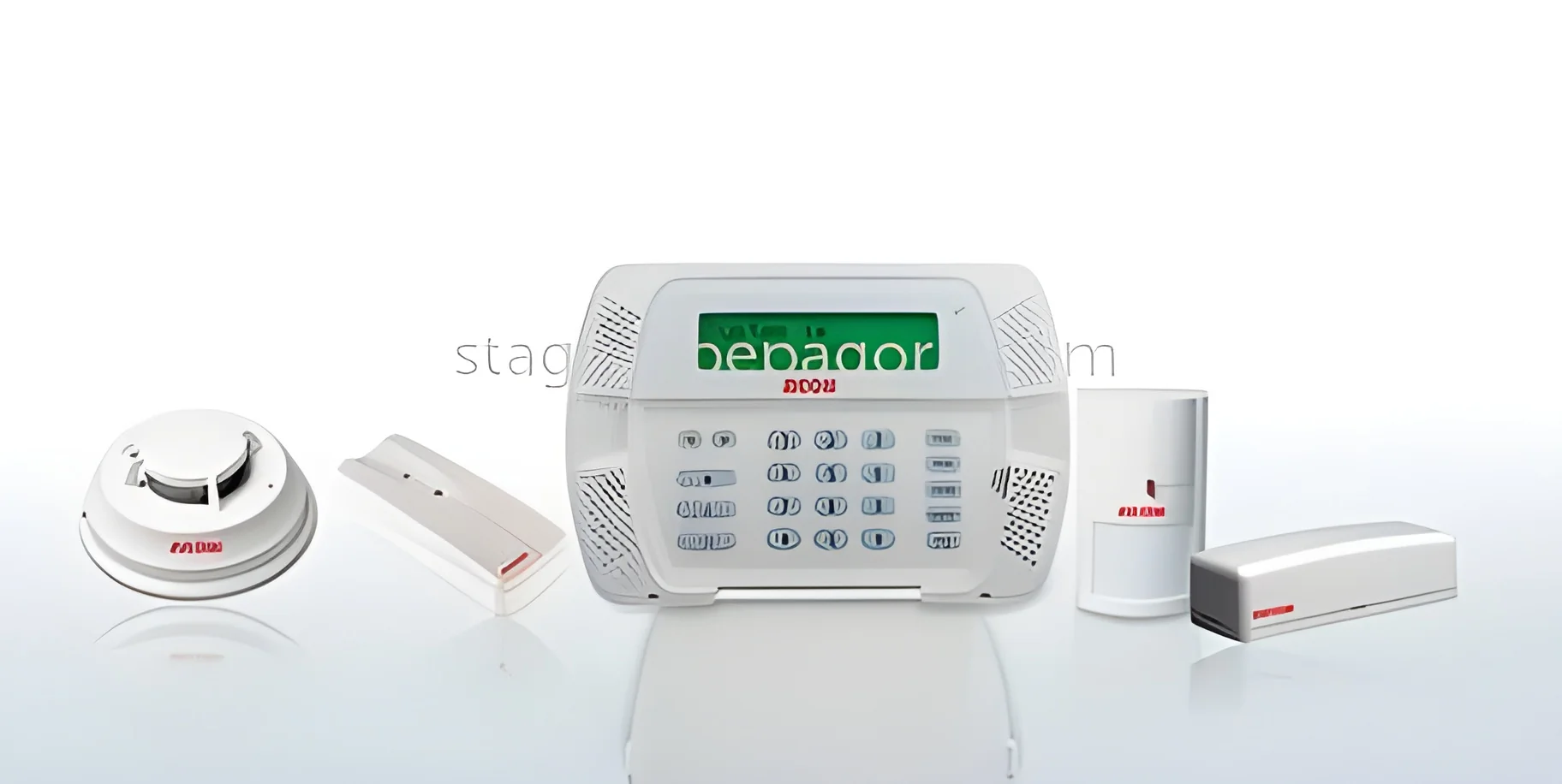
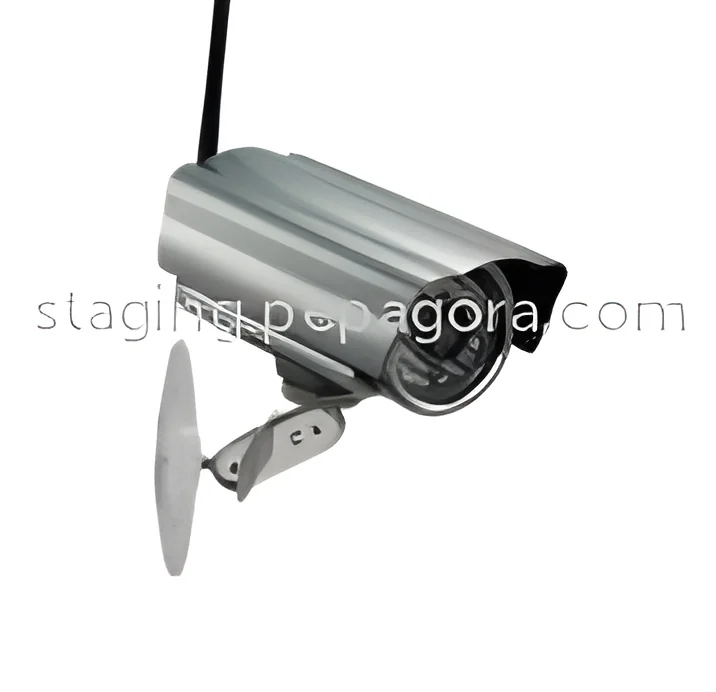
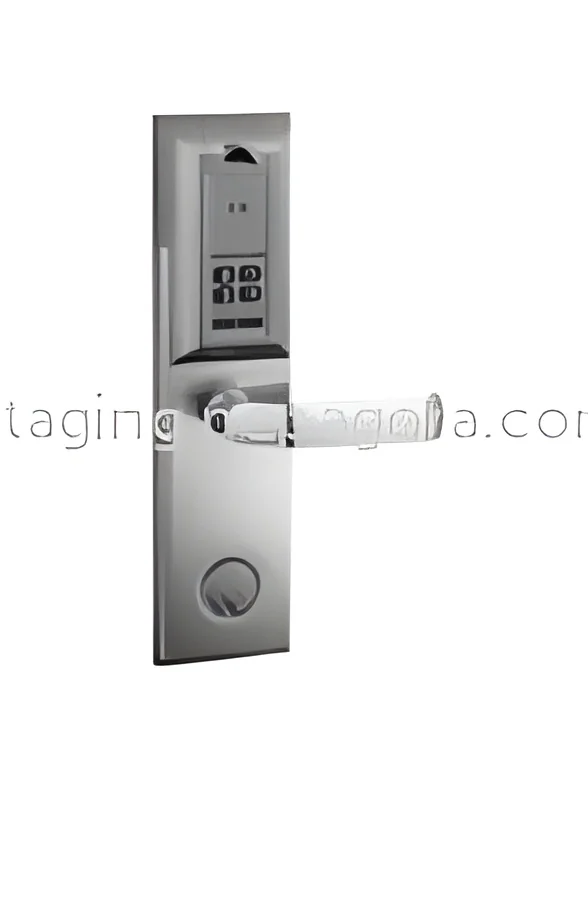
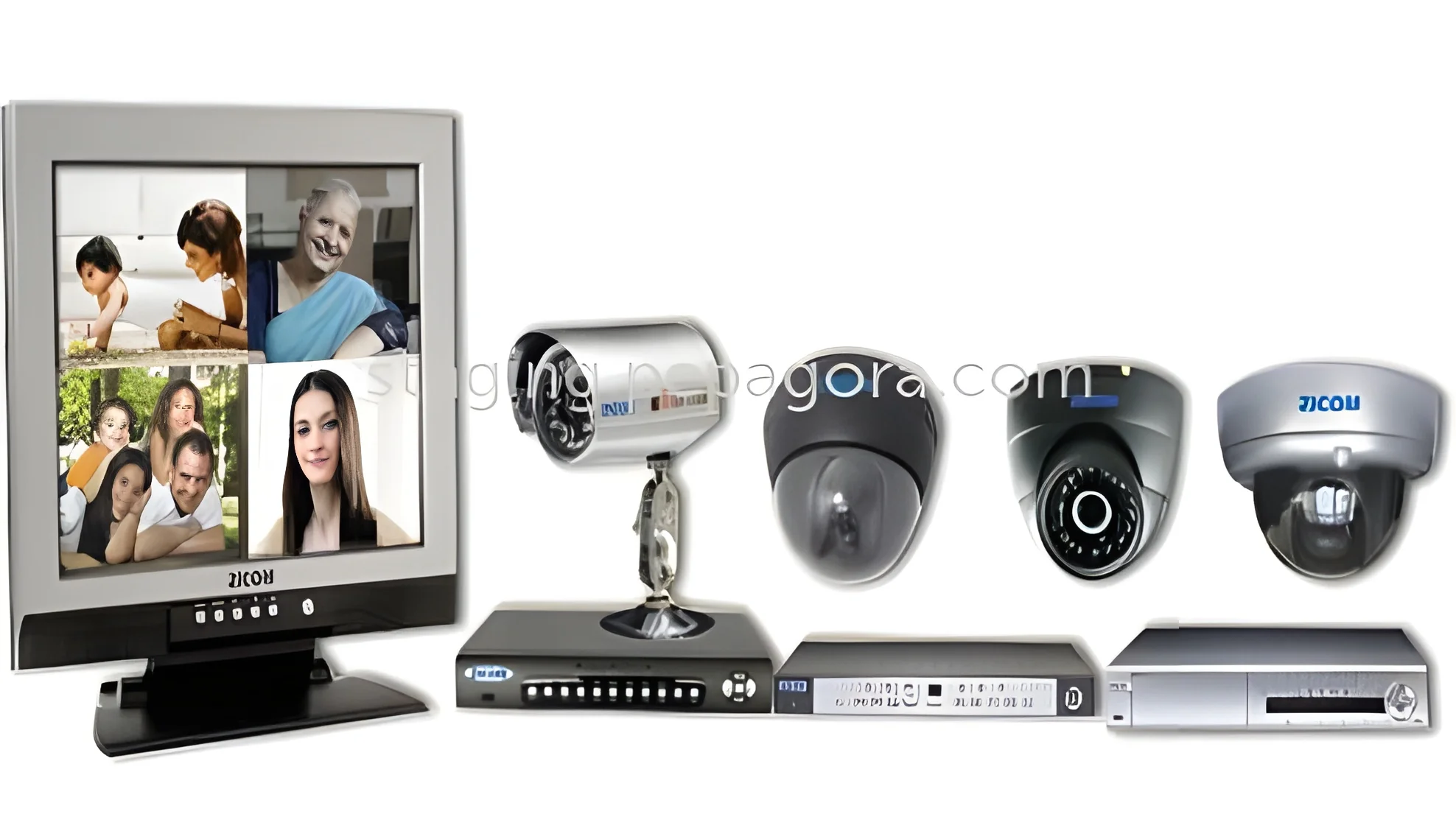
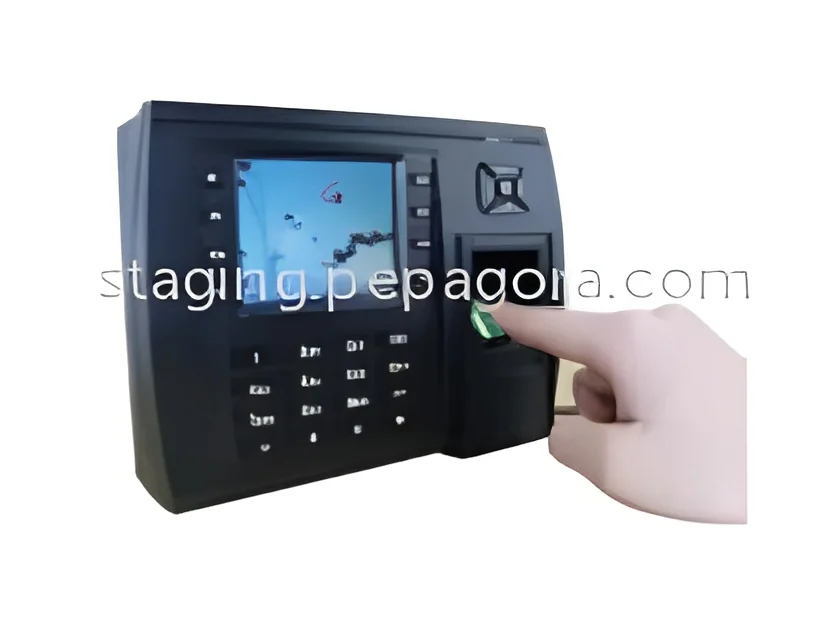
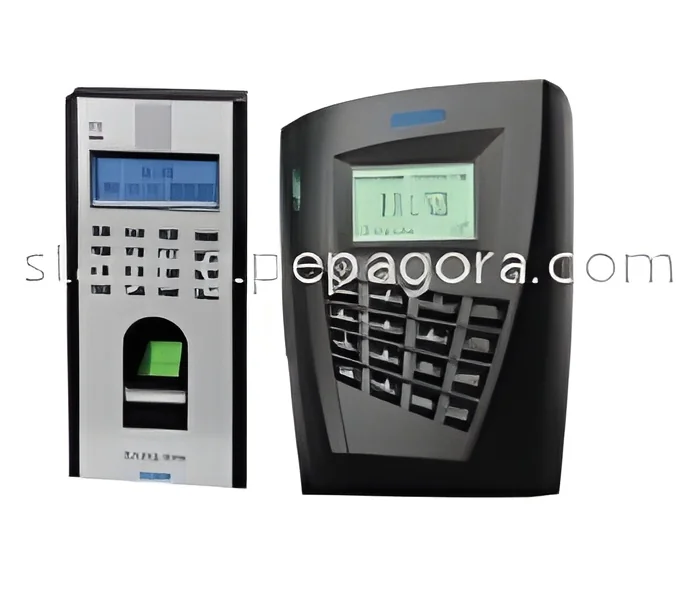
Modern access control systems represent sophisticated security technology designed for reliable facility protection. These systems utilize multiple authentication methods including RFID card readers, biometric fingerprint and facial recognition scanners, and secure PIN pads to verify authorized personnel. Engineered for continuous operation in demanding environments, they feature robust construction, backup power options, and fail-safe mechanisms. The architecture supports both standalone units for single entry points and networked systems for multi-location facilities, all managed through intuitive software interfaces that provide centralized control and real-time monitoring capabilities.

Industries across multiple sectors implement these systems to safeguard operations and assets. Corporate environments use them to protect sensitive areas containing financial data, intellectual property, and critical infrastructure. Manufacturing facilities regulate access to production zones, wareh...
Modern access control systems represent sophisticated security technology designed for reliable facility protection. These systems utilize multiple authentication methods including RFID card readers, biometric fingerprint and facial recognition scanners, and secure PIN pads to verify authorized personnel. Engineered for continuous operation in demanding environments, they feature robust construction, backup power options, and fail-safe mechanisms. The architecture supports both standalone units for single entry points and networked systems for multi-location facilities, all managed through intuitive software interfaces that provide centralized control and real-time monitoring capabilities.

Industries across multiple sectors implement these systems to safeguard operations and assets. Corporate environments use them to protect sensitive areas containing financial data, intellectual property, and critical infrastructure. Manufacturing facilities regulate access to production zones, warehouse storage, and maintenance areas. Educational institutions manage campus security and building access, while healthcare organizations secure medication storage and patient information areas. Research centers protect experimental labs and proprietary technology, and government facilities maintain strict access protocols for sensitive sections.

The implementation of robust access control delivers measurable operational value beyond basic security. These systems provide detailed audit trails of all entry and exit activities, supporting compliance requirements and facilitating incident investigations. The reduction in security breaches directly protects valuable assets while potentially lowering insurance costs. The reliability ensures minimal downtime with consistent performance, backed by quality components designed for commercial daily use. Scalable architecture accommodates future expansion, allowing systems to grow with organizational needs while maintaining security integrity.

Key Features:
- Multiple authentication methods including RFID cards, biometric verification, and PIN codes
- Network integration capabilities with existing security infrastructure and monitoring systems
- Real-time monitoring with instant alert notifications for security events
- Customizable access levels with time-based and location-specific permission settings
- Durable hardware construction suitable for high-traffic commercial and industrial use

Benefits:
- Enhanced physical security through controlled access to restricted and sensitive areas
- Automated personnel tracking and movement logging for operational oversight
- Reduced reliance on physical security personnel through automated verification systems
- Comprehensive audit trails supporting regulatory compliance and security investigations
- Scalable solutions that accommodate organizational growth and changing security needs
Specifications
| Additional Information | |
|---|---|
| SKU | ESSS-ACS-01 |
| Country of Origin | 106 |
Application
These advanced access control systems provide regulated entry to sensitive zones within commercial and institutional facilities. By integrating RFID, biometric, and smart card readers, they create secure perimeters that prevent unauthorized access while maintaining detailed logs of personnel movement. This layered security approach protects valuable assets, confidential data, and ensures only verified individuals can enter restricted areas.
The technology offers scalable solutions that adapt to growing organizational needs and compliance requirements. Systems can be configured for single entry points or networked across multiple locations with centralized monitoring. This flexibility makes them suitable for diverse environments requiring reliable access management, from corporate headquarters to industrial plants and research facilities.
- Corporate offices securing server rooms, executive suites, and financial departments with tiered access levels
- Manufacturing plants controlling entry to production floors, hazardous material storage, and equipment rooms
- Educational institutions managing campus building access, laboratory security, and after-hours facility control
- Healthcare facilities protecting patient record areas, pharmacies, and restricted medical supply storage
- Research and development centers securing intellectual property areas and sensitive experimental zones
Trade Details
| Available Stock | In Stock |
| Sample Availability | No |
Payment Terms
| Payment Terms |
|
Shipping & Logistics
| Port of Dispatch | New Delhi, India |
Company Profile
Electronic Security System Services, New Delhi
 New Delhi, India
New Delhi, IndiaConstruction•Retailer
Factory Details
Factory SizeBelow 1000 sqm
Annual Production Capacity0
SKU: ESSS-ACS-01
Access Control Systems RFID Biometric Smart Card Security
Access Control Systems with RFID, biometric, and smart card technology for secure facility entry management. Reliable solutions for offices, industries, and institutions to control authorized access and enhance security.
Min. Order Quantity: 2 Unit
Shipping
Shipping fee and delivery date to be negotiated. Contact supplier now for more details.
Electronic Security System Services
 New Delhi, India
New Delhi, IndiaConstructionRetailer