IN
IN₹
Apparel & Fashion
Description
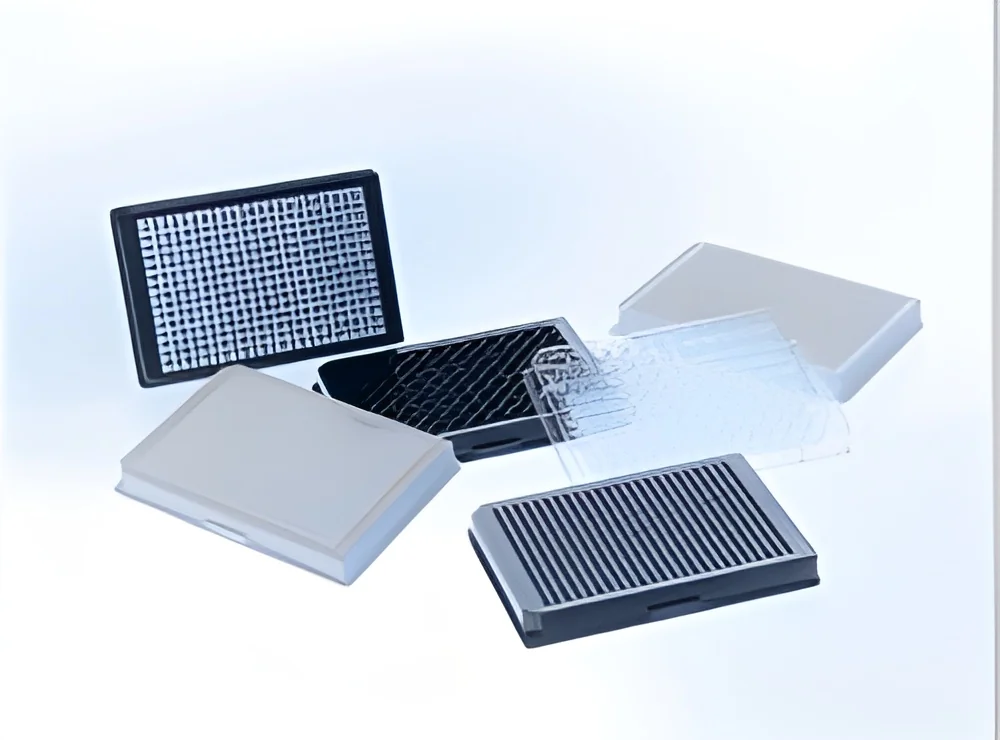
Non-binding 96-well microplates are essential laboratory consumables engineered to solve a common problem in biochemical assays: unwanted adhesion of biomolecules to the plate surface. These microplates feature a proprietary, chemically modified polystyrene surface that creates a stable hydration layer, effectively blocking the non-specific binding of proteins, peptides, DNA, and RNA. This technology ensures that assay signals originate solely from the intended molecular interactions, dramatically improving the signal-to-noise ratio. The result is cleaner data, enhanced sensitivity for detecting low-abundance targets, and superior reproducibility across experiments. Available in standard 96-well formats with options for clear, white, or black bottoms, these plates are compatible with a wide range of detection instruments, from plate readers to imaging systems, making them a versatile foundation for modern life science research.

These microplates are indispensable across industries whe...
Non-binding 96-well microplates are essential laboratory consumables engineered to solve a common problem in biochemical assays: unwanted adhesion of biomolecules to the plate surface. These microplates feature a proprietary, chemically modified polystyrene surface that creates a stable hydration layer, effectively blocking the non-specific binding of proteins, peptides, DNA, and RNA. This technology ensures that assay signals originate solely from the intended molecular interactions, dramatically improving the signal-to-noise ratio. The result is cleaner data, enhanced sensitivity for detecting low-abundance targets, and superior reproducibility across experiments. Available in standard 96-well formats with options for clear, white, or black bottoms, these plates are compatible with a wide range of detection instruments, from plate readers to imaging systems, making them a versatile foundation for modern life science research.

These microplates are indispensable across industries where precise biomolecular measurement is critical. In pharmaceutical and biotech R&D, they are the workhorse for high-throughput screening (HTS), enabling the rapid testing of thousands of compounds with confidence in the results. Diagnostic developers rely on them to create robust and sensitive immunoassays, where specificity directly impacts clinical accuracy. Academic and government research institutions utilize them for fundamental studies in proteomics, genomics, and cell biology. Furthermore, their reliability makes them suitable for use in quality control (QC) laboratories and in regulated environments (GLP/GMP) where documented consistency and minimal assay variability are non-negotiable requirements for compliance and validation.

The primary business value of these non-binding microplates is risk reduction. By virtually eliminating a major source of assay interference, they prevent costly false positives, negatives, and the need for extensive re-testing, saving significant time and resources. Their reliable, batch-to-batch consistent performance translates directly into research productivity, allowing scientists to proceed with confidence and accelerate project timelines. The robust surface modification is resistant to degradation, ensuring performance is maintained during incubation, washing, and storage, which is crucial for long-term or multi-step assays. This reliability, backed by stringent manufacturing controls, provides peace of mind and ensures that your research investment is protected by dependable consumables.

Key Features:
- Chemically modified, non-binding polystyrene surface prevents adhesion of proteins and nucleic acids
- Standard 96-well plate format compatible with automation and most plate readers
- Available with clear, white (for luminescence), or black (for fluorescence) bottom options
- Stable surface chemistry resistant to degradation under typical assay conditions (buffers, detergents)
- Manufactured under controlled conditions for exceptional batch-to-batch consistency

Benefits:
- Achieve superior signal-to-noise ratios and enhanced assay sensitivity
- Obtain highly reproducible and reliable data, reducing experimental variability
- Minimize background interference and the risk of false results
- Save time and resources by avoiding costly assay repeats and troubleshooting
- Gain confidence with a product trusted for consistent performance in demanding research
Specifications
| Additional Information | |
|---|---|
| Country of Origin | India |
Application
These specialized 96-well microplates feature a surface treatment that actively prevents non-specific binding of proteins, nucleic acids, and other biomolecules. This is critical for assays where even minimal adhesion can create false signals or mask true results, compromising data integrity and leading to costly experimental repeats. Their consistent performance ensures researchers can trust their readings across multiple plates and batches, supporting rigorous scientific investigation.
Laboratories engaged in high-throughput workflows benefit from the plates' reliable surface chemistry, which remains stable under various buffer conditions and temperature ranges. The plates do not degrade or leach chemicals into samples, preserving sample purity and assay validity over time. This makes them suitable for automated systems and long-term studies where plate integrity is paramount for generating publishable, reproducible data in both academic and industrial research environments.
- High-throughput screening (HTS) campaigns in pharmaceutical drug discovery
- Sensitive protein quantification and binding studies (e.g., ELISAs)
- Nucleic acid hybridization and detection assays
- Kinase and enzyme activity profiling with low background
- Cell-based assays requiring controlled biomolecule-surface interactions
Trade Details
| Available Stock | In Stock |
| Sample Availability | No |
Payment Terms
| Payment Terms |
|
Company Profile
Bio Globus, New Delhi
 New Delhi, India
New Delhi, IndiaDistributor / Wholesaler•Importer / Exporter
Factory Details
Factory SizeBelow 1000 sqm
Annual Production Capacity0
Non Binding 96 Well Microplates For High Throughput Screening Assays
Non-binding 96 well microplates prevent biomolecule adhesion for high signal-to-noise ratios in sensitive assays. Ideal for high-throughput screening in drug discovery with reliable reproducibility and minimal background interference.
Min. Order Quantity: 1 unit
Shipping
Shipping fee and delivery date to be negotiated. Contact supplier now for more details.
Bio Globus
 New Delhi, India
New Delhi, IndiaDistributor / Wholesaler