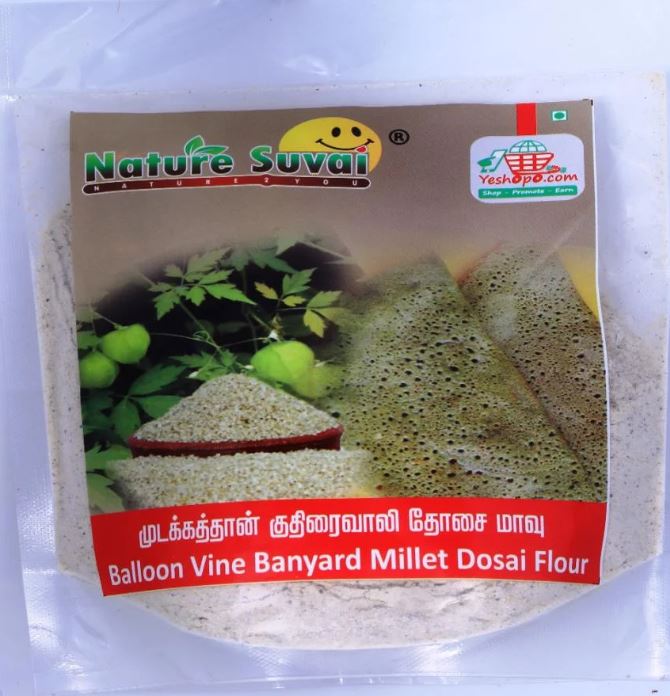
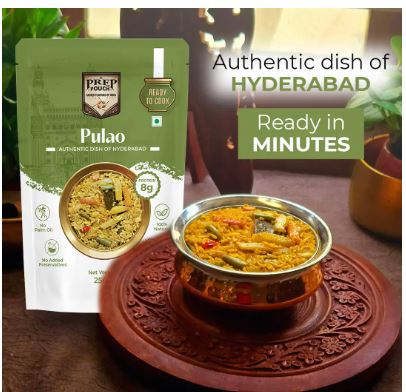
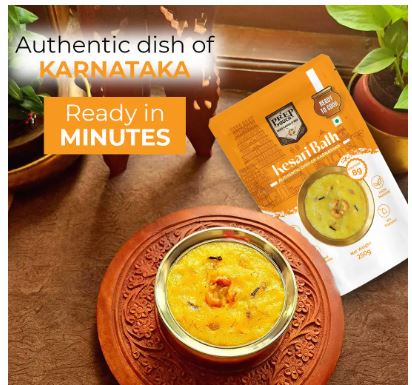
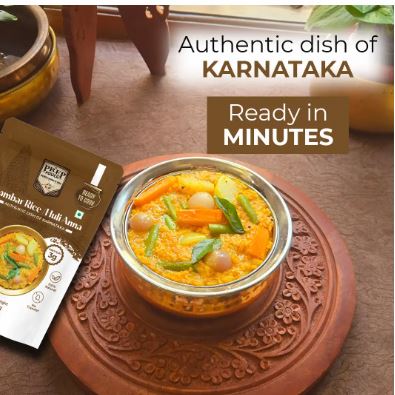
𝗪𝗵𝗮𝘁 𝗮𝗿𝗲 𝗥𝗲𝗮𝗱𝘆-𝘁𝗼-𝗘𝗮𝘁 & 𝗜𝗻𝘀𝘁𝗮𝗻𝘁 𝗙𝗼𝗼𝗱𝘀?
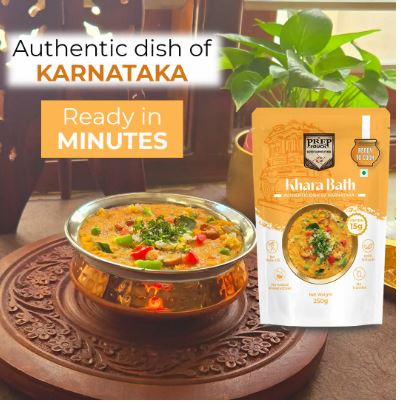
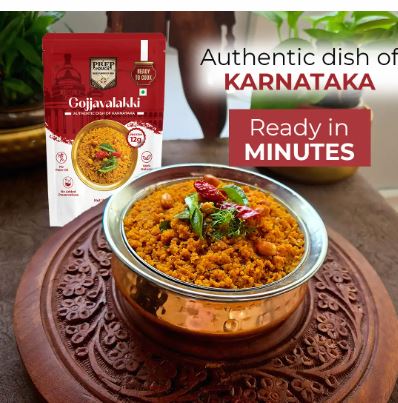
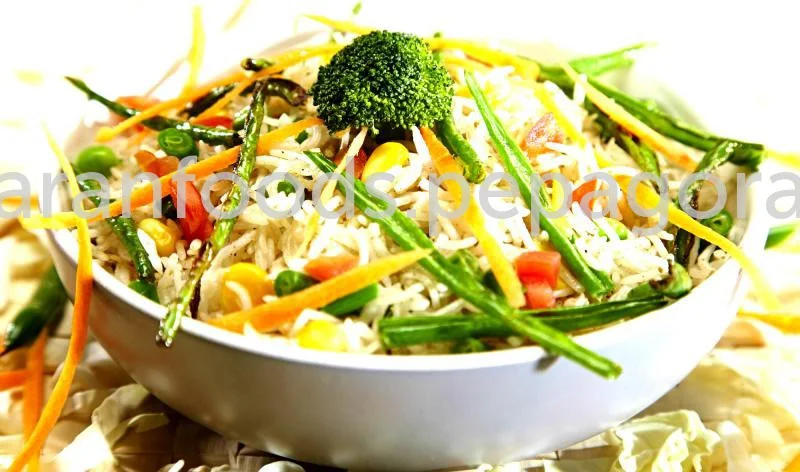
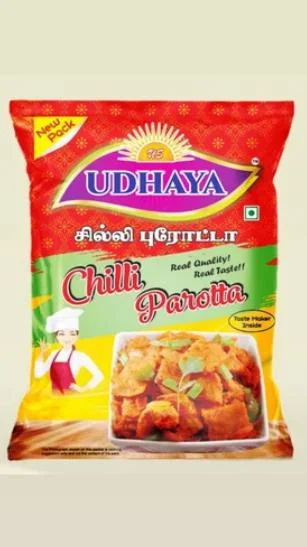
Ready-to-Eat and Instant Foods are pre-prepared meals designed for quick consumption without the need for extensive cooking or preparation. These products are typically packaged to ensure long shelf life and convenience, making them ideal for busy consumers and businesses alike. They can include a wide variety of items, such as canned meals, frozen dinners, and dehydrated foods that require only minimal heating or water to rehydrate.
These foods are primarily used in settings where time is at a premium, such as in hospitals, schools, military operations, and emergency relief situations. They provide a practical solution for individuals and organizations needing nutritious meals without the logistical challenges of traditional food preparation. The market for Ready-to-Eat and Instant Foods has expanded significantly due to the increasing demand for convenient meal options, driven by busy lifestyles and the growing trend of on-the-go eating.
𝗞𝗲𝘆 𝗙𝗲𝗮𝘁𝘂𝗿𝗲𝘀 𝗮𝗻𝗱 𝗦𝗽𝗲𝗰𝗶𝗳𝗶𝗰𝗮𝘁𝗶𝗼𝗻𝘀
Ready-to-Eat and Instant Foods come with a variety of features tailored to meet the needs of both consumers and businesses. Understanding these specifications is crucial for making informed purchasing decisions.
Key specifications include:
1. Shelf Life
- These products typically have a long shelf life, often lasting from several months to years.
- Ensures availability and reduces waste in inventory management.
2. Nutritional Content
- Designed to meet specific dietary needs, including low-calorie, high-protein, and gluten-free options.
- Nutritional information is usually available on the packaging.
3. Packaging Type
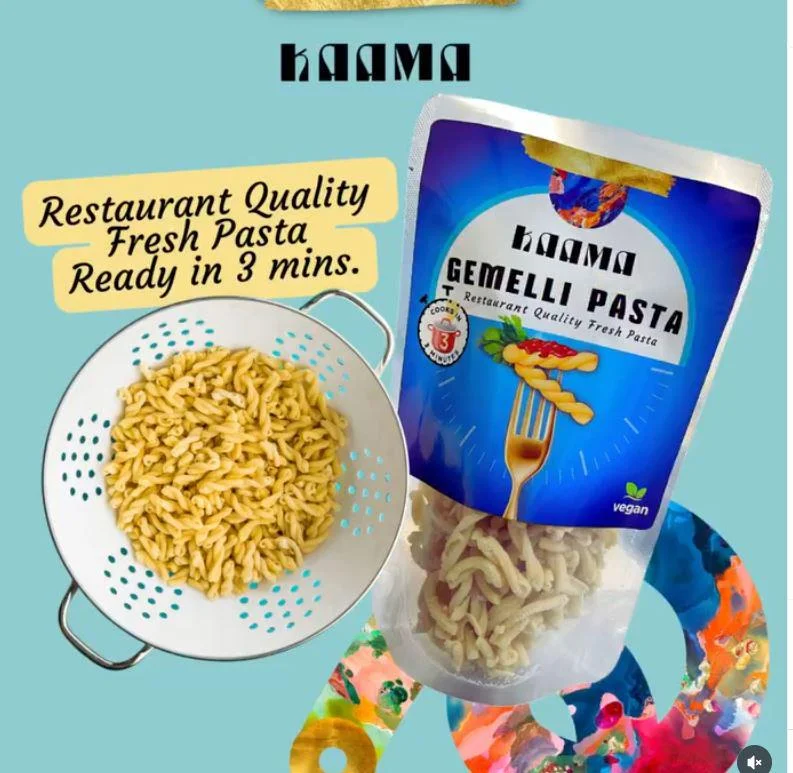
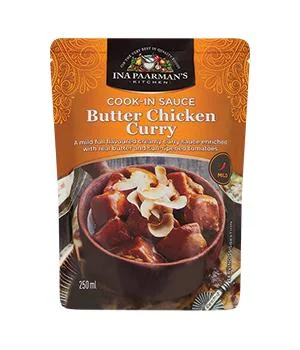
- Available in various forms, including pouches, cans, and vacuum-sealed containers.
- Packaging is often designed for easy opening and consumption.
4. Preparation Time
- Most products require minimal preparation, often just heating or adding water.
- Ideal for quick meal solutions in fast-paced environments.
5. Serving Size
- Products come in various serving sizes to cater to individual or bulk needs.
- Allows flexibility for different customer requirements.
6. Taste and Flavor Variety
- A wide range of flavors and cuisines is available to appeal to diverse tastes.
- Helps in catering to different demographic preferences.
7. Compliance with Food Safety Standards
- Must adhere to local and international food safety regulations.
- Ensures the safety and quality of the food products.
8. Customization Options
- Some suppliers may offer customization to meet specific dietary or branding needs.
- Allows businesses to differentiate their product offerings.
In summary, the specifications of Ready-to-Eat and Instant Foods are designed to ensure convenience, quality, and safety, making them an essential choice for various applications.
𝗖𝗼𝗺𝗺𝗼𝗻 𝗔𝗽𝗽𝗹𝗶𝗰𝗮𝘁𝗶𝗼𝗻𝘀 𝗮𝗻𝗱 𝗨𝘀𝗲 𝗖𝗮𝘀𝗲𝘀
Ready-to-Eat and Instant Foods serve various industries, each with unique applications.
1. Healthcare: These foods are extensively used in hospitals and nursing homes to provide patients with nutritious meals that are easy to consume and require minimal preparation.
2. Education: Schools and universities utilize Ready-to-Eat foods in cafeterias to offer quick meal options for students, particularly during busy lunch hours.
3. Military: Instant Foods are crucial for military personnel in the field, providing high-energy meals that are lightweight and easy to transport.
4. Emergency Relief: Organizations involved in disaster relief often distribute Ready-to-Eat meals to affected populations, ensuring access to food when traditional supply chains are disrupted.
5. Hospitality: Hotels and catering services use these foods to streamline meal preparation for large events and conferences.
6. Retail: Grocery stores carry a range of Ready-to-Eat products to cater to consumers looking for convenient meal solutions.
7. Travel: Airlines and transport services provide instant meals to passengers for a hassle-free dining experience during travel.
𝗣𝗿𝗼𝗱𝘂𝗰𝘁 𝗩𝗮𝗿𝗶𝗮𝗻𝘁𝘀 𝗮𝗻𝗱 𝗦𝘂𝗯𝗰𝗮𝘁𝗲𝗴𝗼𝗿𝗶𝗲𝘀
Ready-to-Eat and Instant Foods encompass a diverse range of products, catering to various consumer needs and preferences.
Canned Meals
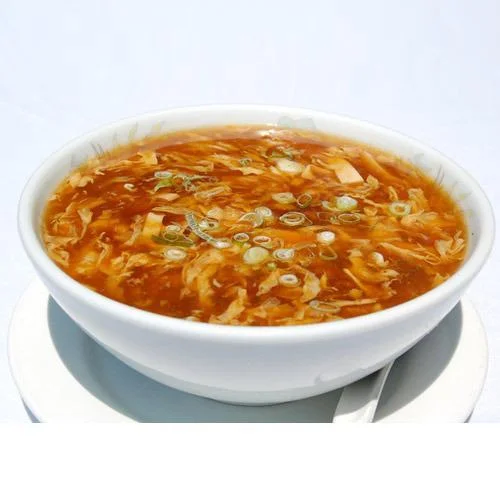
Canned meals provide a long-lasting and convenient option for consumers. They can include stews, soups, and pasta dishes, offering a variety of flavors while ensuring ease of storage and preparation.
Frozen Dinners
Frozen dinners are a popular choice for quick meals at home. They come pre-cooked and can be heated in a microwave or oven, saving time for busy families and individuals.
Dehydrated Foods
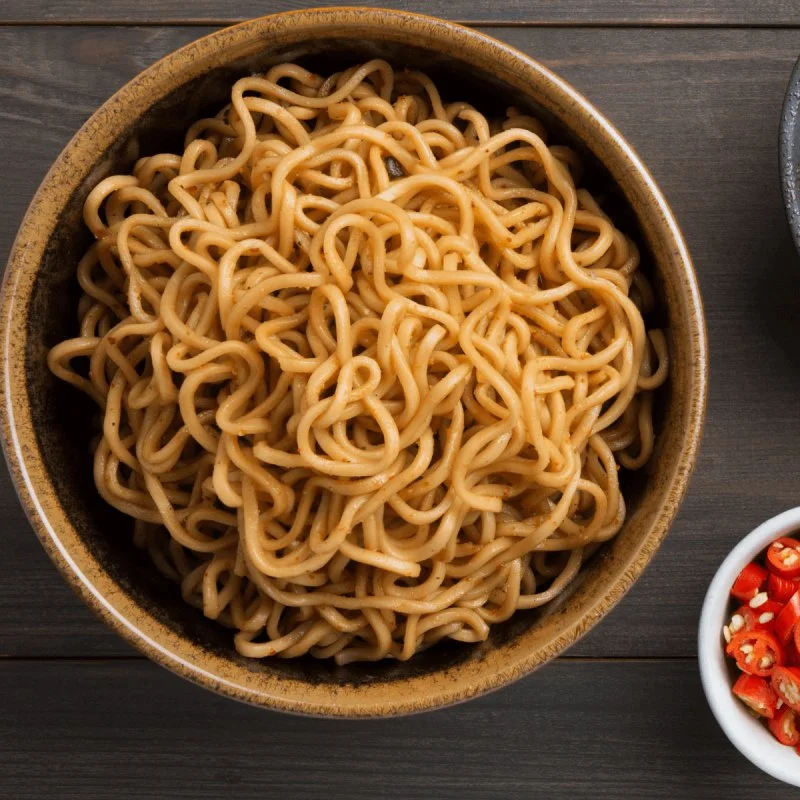
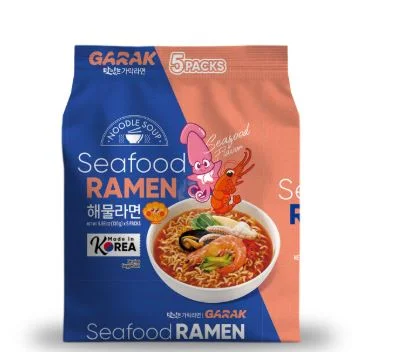
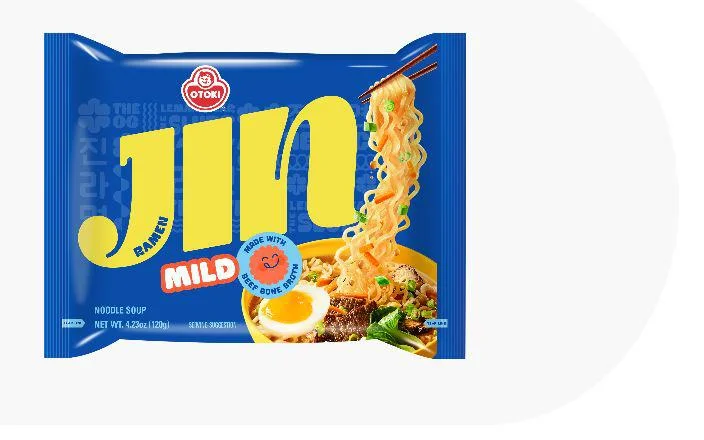
Dehydrated foods, such as instant soups and noodles, require minimal water and heating to prepare. They are lightweight and ideal for camping, hiking, or emergency kits.
Ready-to-Drink Meals
These products offer a meal replacement option in liquid form, making them convenient for on-the-go consumption. They often contain balanced nutrition for those who may not have time for a traditional meal.
𝗕𝗲𝗻𝗲𝗳𝗶𝘁𝘀 𝗮𝗻𝗱 𝗔𝗱𝘃𝗮𝗻𝘁𝗮𝗴𝗲𝘀
Ready-to-Eat and Instant Foods offer numerous advantages for businesses and consumers alike.
Key benefits include:
1. Convenience: These foods are designed for quick preparation, making them ideal for busy individuals and organizations.
2. Cost-Effectiveness: By reducing preparation time and labor costs, these products can lead to significant savings for businesses.
3. Variety: A wide range of options and flavors is available, catering to diverse consumer tastes and dietary preferences.
4. Long Shelf Life: With extended shelf stability, these foods reduce waste and ensure availability for longer periods.
5. Nutritional Value: Many Ready-to-Eat meals are fortified with essential nutrients, making them a healthy choice.
6. Portability: These products are often lightweight and easy to transport, making them suitable for various settings, including travel and outdoor activities.
𝗕𝘂𝘆𝗶𝗻𝗴 𝗚𝘂𝗶𝗱𝗲 𝗳𝗼𝗿 𝗕𝟮𝗕 𝗕𝘂𝘆𝗲𝗿𝘀
When sourcing Ready-to-Eat and Instant Foods, several factors should be considered to ensure quality and alignment with business needs.
1. Quality Assessment: Evaluate the nutritional value, ingredient quality, and safety standards of the products. Look for certifications that indicate compliance with food safety regulations.
2. Supplier Verification: Research potential suppliers to ensure they have a good reputation and meet quality standards. Request references and check reviews from other businesses.
3. Pricing and MOQ: Understand the pricing structures and minimum order quantities. Compare different suppliers to find the best value for your business.
4. Delivery and Lead Times: Inquire about the logistics involved in delivery, including lead times and shipping options. Ensure that suppliers can meet your required timelines.
5. Compliance Requirements: Be aware of local and international regulations regarding food safety and labeling. Ensure that the products sourced comply with these regulations.
𝗖𝗼𝗺𝗽𝗹𝗶𝗮𝗻𝗰𝗲 𝗮𝗻𝗱 𝗖𝗲𝗿𝘁𝗶𝗳𝗶𝗰𝗮𝘁𝗶𝗼𝗻𝘀
Compliance and certifications are crucial in the Ready-to-Eat and Instant Foods industry. Important standards include ISO 9001, which ensures quality management systems are in place. Additionally, HACCP (Hazard Analysis and Critical Control Points) is essential for identifying and managing food safety risks.
CE certification is also significant, particularly for products marketed in regions requiring compliance with European safety standards. Safety and testing requirements vary by region, and it is vital for suppliers to adhere to these standards to ensure product safety.
Regional compliance considerations may include local regulations specific to food production and packaging. Businesses must verify that their suppliers meet these standards to avoid legal issues and ensure consumer safety.
𝗪𝗵𝘆 𝗦𝗼𝘂𝗿𝗰𝗲 𝗥𝗲𝗮𝗱𝘆-𝘁𝗼-𝗘𝗮𝘁 & 𝗜𝗻𝘀𝘁𝗮𝗻𝘁 𝗙𝗼𝗼𝗱𝘀 𝗳𝗿𝗼𝗺 𝗣𝗲𝗽𝗮𝗴𝗼𝗿𝗮?
Pepagora provides a trusted platform for sourcing Ready-to-Eat and Instant Foods, offering several key advantages for businesses.
Verified Supplier Network: Pepagora works with a network of verified suppliers, ensuring quality and reliability in the products offered. This helps businesses find reputable sources for their food needs.
Streamlined RFQ Process: The platform includes a streamlined Request for Quotation (RFQ) system, allowing businesses to request quotes from multiple suppliers quickly. This efficiency leads to better pricing and faster decision-making.
Trade Assurance and Support: Pepagora offers trade assurance to protect buyers during transactions. This includes support for resolving any issues that may arise, ensuring a smooth purchasing experience.
Regional Coverage: With geographic reach extending across India, the GCC, and Southeast Asia, Pepagora connects businesses with suppliers in key markets. This broad reach allows for flexible sourcing options tailored to specific needs.

 IN
IN