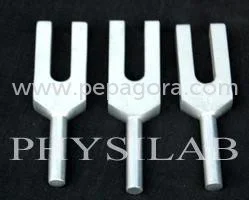
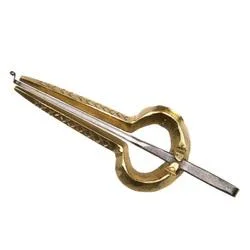
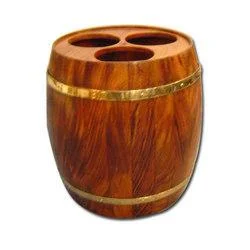
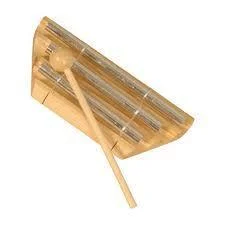
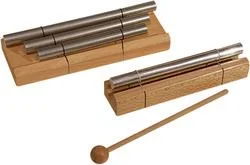
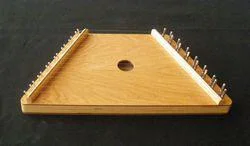
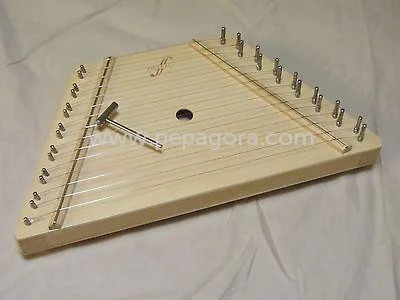
𝗪𝗵𝗮𝘁 𝗮𝗿𝗲 𝗠𝘂𝘀𝗶𝗰𝗮𝗹 𝗜𝗻𝘀𝘁𝗿𝘂𝗺𝗲𝗻𝘁𝘀?
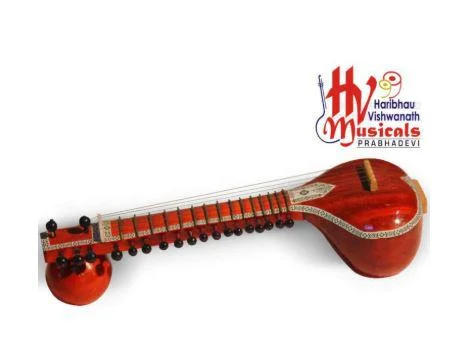
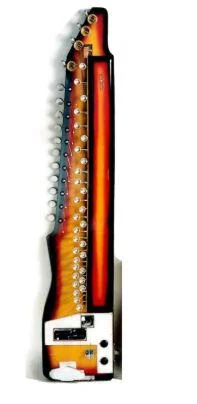
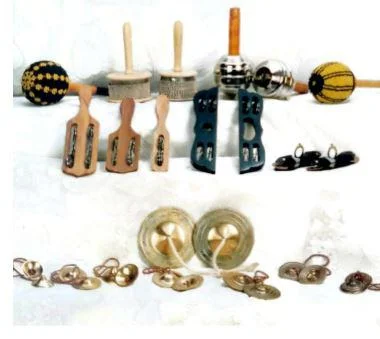
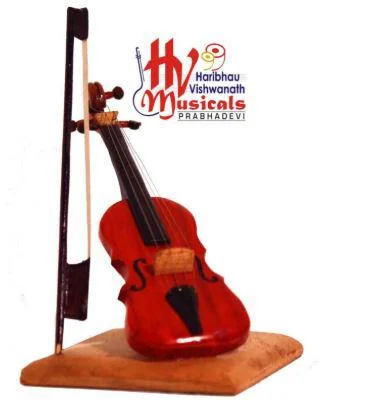
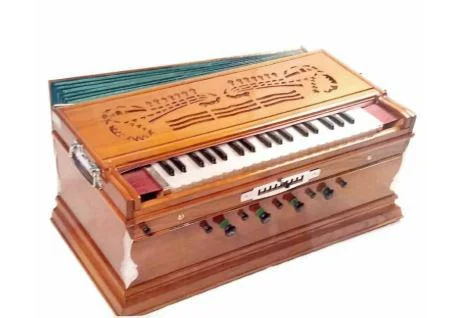
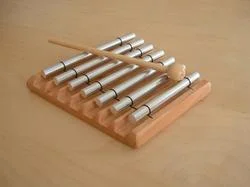
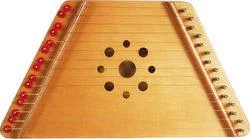
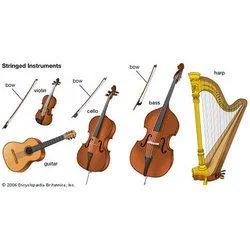
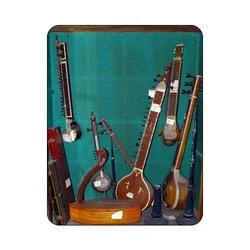
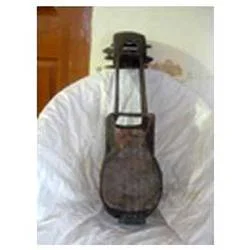
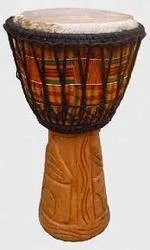
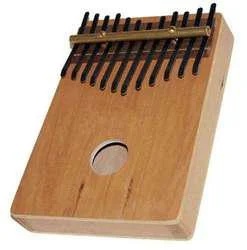
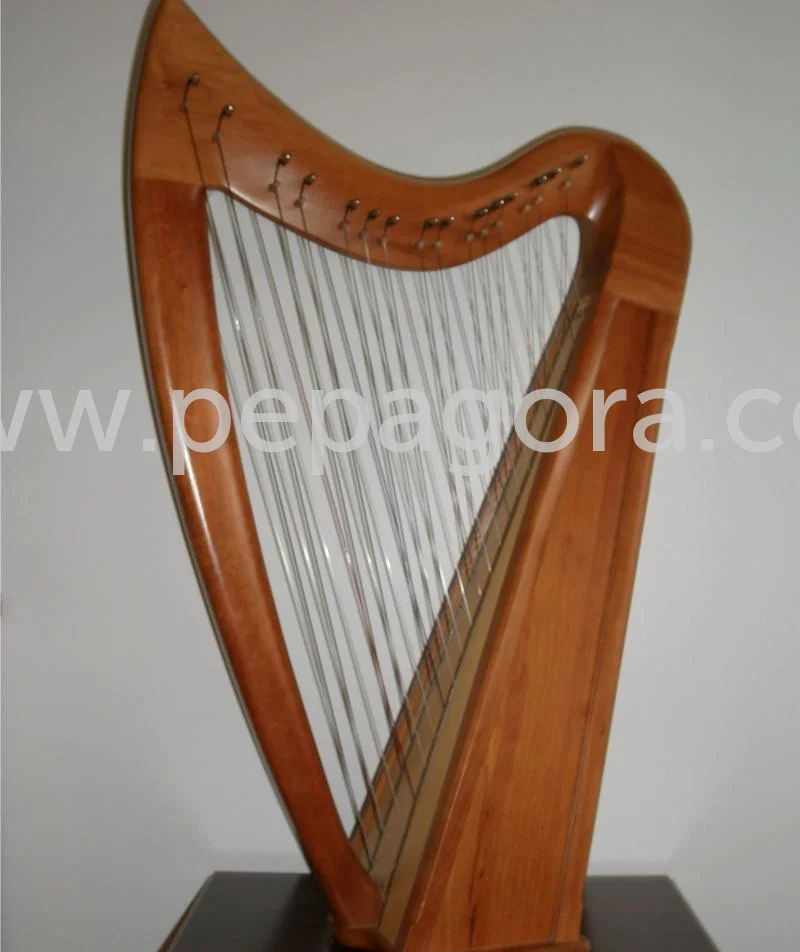
Musical instruments are devices created to produce sound, typically used to create music. They can be classified into various categories based on their method of sound production, such as string, percussion, wind, and electronic instruments. Each category contains a diverse range of products, including guitars, pianos, drums, flutes, and synthesizers. The design and craftsmanship of musical instruments often combine art and science, leading to a wide variety of shapes, sizes, and functionalities.
The primary uses of musical instruments extend beyond entertainment. They are essential in education, therapy, and various cultural and religious ceremonies. Businesses in the music industry, including manufacturers, retailers, and educational institutions, utilize these instruments for teaching, performance, and production. The global market for musical instruments continues to grow, driven by increased interest in music education and technological advancements in instrument design.
The industry relevance of musical instruments is significant, as they play a crucial role in cultural expression and social engagement. The market encompasses a broad spectrum, from traditional handcrafted instruments to modern electronic devices. The rise of online music platforms and digital content creation has further increased demand, making it an attractive sector for investment and innovation.
𝗞𝗲𝘆 𝗙𝗲𝗮𝘁𝘂𝗿𝗲𝘀 𝗮𝗻𝗱 𝗦𝗽𝗲𝗰𝗶𝗳𝗶𝗰𝗮𝘁𝗶𝗼𝗻𝘀
Musical instruments come with a variety of features and specifications that cater to different needs and preferences. Understanding these specifications is crucial for selecting the appropriate instrument for various applications.
Key specifications include:
1. Type of Instrument
- Classification of the instrument (e.g., string, percussion, wind)
- Suitability for different musical genres
2. Material Composition
- Types of materials used (e.g., wood, metal, synthetic)
- Impact on sound quality and durability
3. Size and Weight
- Dimensions and portability considerations
- Importance for ease of use and storage
4. Sound Range
- Frequency range and tonal capabilities
- Suitability for specific musical styles
5. Finishing Options
- Variety of finishes available (e.g., gloss, matte)
- Influence on aesthetics and protection
6. Customization Options
- Availability of personalized features
- Benefits for professional musicians
7. Price Range
- Typical cost variations based on type and brand
- Considerations for budget planning
8. Certification Standards
- Compliance with industry standards (e.g., CE)
- Importance for quality assurance
In summary, the specifications and features of musical instruments play a vital role in their functionality and suitability for various applications. Buyers should carefully consider these aspects to make informed purchasing decisions.
𝗖𝗼𝗺𝗺𝗼𝗻 𝗔𝗽𝗽𝗹𝗶𝗰𝗮𝘁𝗶𝗼𝗻𝘀 𝗮𝗻𝗱 𝗨𝘀𝗲 𝗖𝗮𝘀𝗲𝘀
Musical instruments serve various industries, each with specific applications that highlight their importance.
1. Education: Musical instruments are fundamental in schools and music academies for teaching music theory and performance skills. They facilitate hands-on learning and creativity among students.
2. Entertainment: In the entertainment sector, instruments are integral to live performances, concerts, and recordings. Musicians rely on high-quality instruments to produce captivating music.
3. Therapy: Music therapy utilizes instruments to enhance emotional well-being and promote healing. Therapists employ various instruments to engage clients in therapeutic practices.
4. Religious Ceremonies: Many cultures incorporate musical instruments in religious rituals and ceremonies, enhancing spiritual experiences through sound.
5. Recording Studios: In the music production industry, instruments are essential tools for recording and producing music. They are used in studios to create a wide range of audio content.
6. Cultural Events: Instruments play a significant role in cultural festivals and events, showcasing traditional music and fostering community engagement.
7. Hobbyists and Collectors: Many individuals collect musical instruments as a hobby, appreciating their craftsmanship and historical significance.
𝗣𝗿𝗼𝗱𝘂𝗰𝘁 𝗩𝗮𝗿𝗶𝗮𝗻𝘁𝘀 𝗮𝗻𝗱 𝗦𝘂𝗯𝗰𝗮𝘁𝗲𝗴𝗼𝗿𝗶𝗲𝘀
Musical instruments encompass a wide variety of products, catering to diverse preferences and needs. This diversity allows buyers to select instruments that best fit their requirements.
Guitars
Guitars are versatile string instruments used in various music genres. They come in different types, including acoustic and electric, each offering distinct features for performance and practice.
Pianos
Pianos are key instruments in both classical and contemporary music. They are available in various styles, from grand pianos to digital keyboards, providing options for different settings and skill levels.
Drums
Drums are foundational instruments in many musical styles. They vary from orchestral percussion to electronic drum kits, allowing for a wide range of sounds and applications.
Flutes
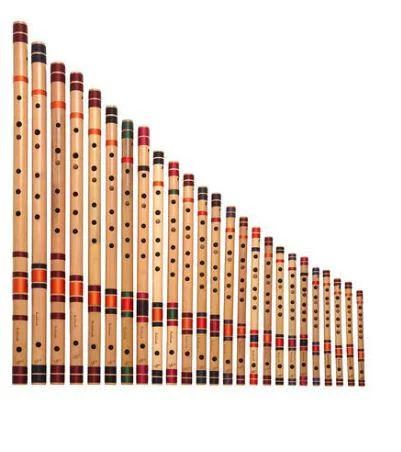
Flutes are woodwind instruments known for their clear and bright tones. They are used in orchestras and solo performances, available in various materials and designs.
Saxophones
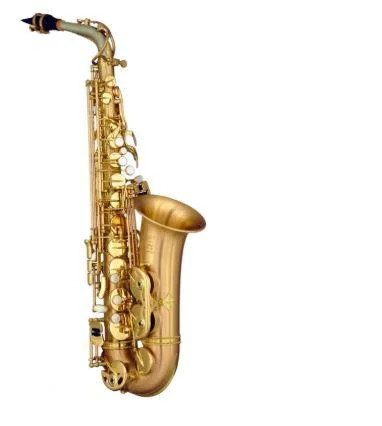
Saxophones are popular in jazz and contemporary music. They come in different types, such as alto and tenor, each providing unique sound characteristics.
𝗕𝗲𝗻𝗲𝗳𝗶𝘁𝘀 𝗮𝗻𝗱 𝗔𝗱𝘃𝗮𝗻𝘁𝗮𝗴𝗲𝘀
Investing in musical instruments offers several key benefits for businesses and individuals alike.
1. Enhanced Creativity: Musical instruments encourage creativity and self-expression, allowing users to explore their musical talents.
2. Improved Coordination: Playing instruments helps develop motor skills and hand-eye coordination, which can be beneficial in various aspects of life.
3. Social Engagement: Music fosters social connections, whether through group lessons, performances, or community events, enhancing interpersonal relationships.
4. Educational Value: Learning to play instruments supports cognitive development and can improve academic performance in other subjects.
5. Therapeutic Benefits: Engaging with music has proven psychological benefits, promoting relaxation and reducing stress.
6. Diverse Applications: Musical instruments can be used in various contexts, from professional performances to personal enjoyment, providing versatility for users.
𝗕𝘂𝘆𝗶𝗻𝗴 𝗚𝘂𝗶𝗱𝗲 𝗳𝗼𝗿 𝗕𝟮𝗕 𝗕𝘂𝘆𝗲𝗿𝘀
When sourcing musical instruments for business purposes, several factors should be considered to ensure quality and suitability.
1. Quality Assessment: Evaluate the craftsmanship and material quality of the instruments. Look for certifications and reviews that indicate reliability and performance.
2. Supplier Verification: Vet potential suppliers by checking their reputation, customer feedback, and experience in the industry. Reliable suppliers are essential for consistent product quality.
3. Pricing and MOQ: Understand the price range for different instruments and be aware of minimum order quantities. This will help in budgeting and planning purchases effectively.
4. Delivery and Lead Times: Assess suppliers' delivery capabilities and lead times to ensure timely procurement of instruments for your business needs.
5. Compliance Requirements: Be aware of any regulatory standards or certifications necessary for the instruments you plan to purchase. Compliance is crucial for ensuring safety and quality.
𝗖𝗼𝗺𝗽𝗹𝗶𝗮𝗻𝗰𝗲 𝗮𝗻𝗱 𝗖𝗲𝗿𝘁𝗶𝗳𝗶𝗰𝗮𝘁𝗶𝗼𝗻𝘀
Compliance with quality standards and certifications is essential in the musical instruments industry. Many instruments adhere to international standards such as ISO 9001, which focuses on quality management systems, ensuring manufacturers meet customer and regulatory requirements.
In addition, industry certifications like CE indicate compliance with European health, safety, and environmental protection standards. These certifications are crucial for market acceptance and consumer trust.
Safety and testing requirements are also paramount. Instruments must undergo rigorous testing to ensure they are safe for use, especially in educational and therapeutic settings.
Regional compliance considerations can vary, so it is important for businesses to be aware of local regulations that may impact the sale and use of musical instruments in different markets.
𝗪𝗵𝘆 𝗦𝗼𝘂𝗿𝗰𝗲 𝗠𝘂𝘀𝗶𝗰𝗮𝗹 𝗜𝗻𝘀𝘁𝗿𝘂𝗺𝗲𝗻𝘁𝘀 𝗳𝗿𝗼𝗺 𝗣𝗲𝗽𝗮𝗴𝗼𝗿𝗮?
Pepagora provides a trusted platform for sourcing musical instruments, offering several key advantages to B2B buyers.
Verified Supplier Network: Pepagora ensures that all suppliers on the platform are thoroughly vetted. This verification process helps buyers connect with reputable manufacturers and distributors, minimizing the risk of substandard products.
Streamlined RFQ Process: The platform facilitates a straightforward request-for-quotation system, allowing buyers to easily compare prices and specifications from multiple suppliers. This efficiency helps in making informed purchasing decisions.
Trade Assurance and Support: Pepagora offers buyer protection through trade assurance programs. This support provides peace of mind, ensuring that transactions are secure and that buyers receive the quality products they expect.
Regional Coverage: With a strong presence in India, the GCC, and Southeast Asia, Pepagora connects buyers with suppliers across these regions. This geographic reach enhances accessibility to a wide range of musical instruments, catering to diverse market needs.

 IN
IN