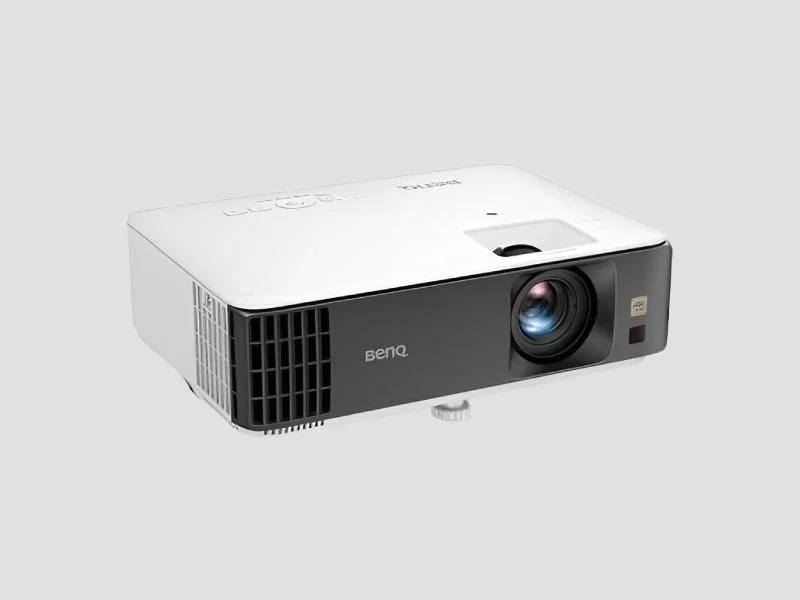
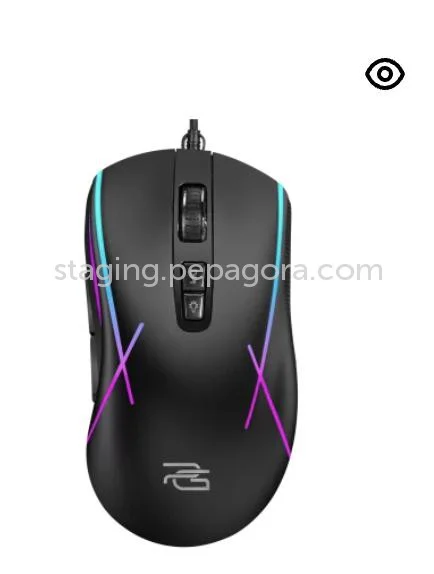
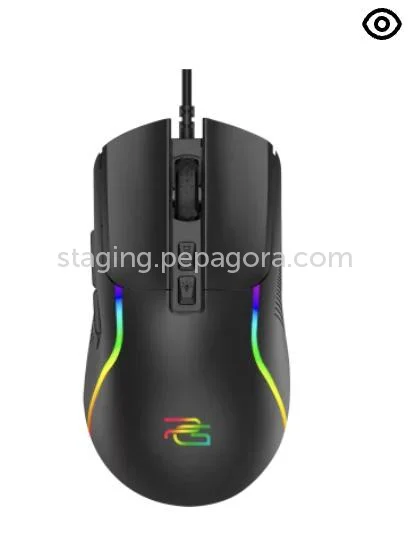
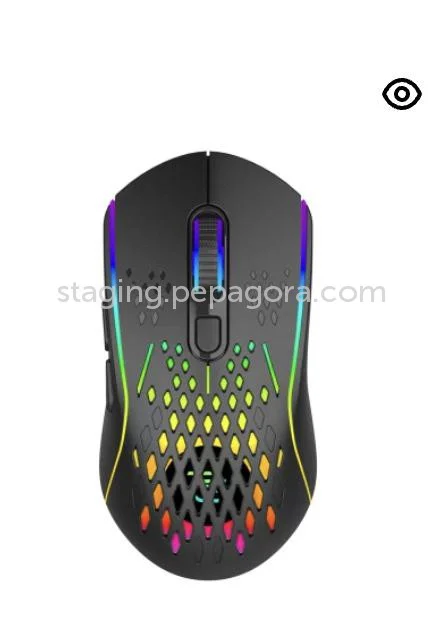
𝗪𝗵𝗮𝘁 𝗮𝗿𝗲 𝗚𝗮𝗺𝗶𝗻𝗴 𝗖𝗼𝗻𝘀𝗼𝗹𝗲𝘀 & 𝗔𝗰𝗰𝗲𝘀𝘀𝗼𝗿𝗶𝗲𝘀?
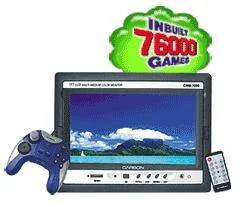
Gaming consoles are specialized electronic devices designed primarily for playing video games. They connect to televisions or monitors and offer a range of interactive experiences through various software and hardware capabilities. Accessories for gaming consoles enhance user experience and gameplay, including controllers, headsets, and storage devices. Together, they form a complete gaming ecosystem that caters to both casual and hardcore gamers.
These products are widely used in various business applications, including entertainment, education, and marketing. Businesses can leverage gaming consoles for events, promotions, and brand engagement by creating interactive gaming experiences. The growing popularity of gaming also opens up opportunities for companies to explore collaborations with game developers and create unique content, making gaming consoles relevant in today’s digital landscape.
The gaming industry has seen substantial growth over the past decade, driven by advancements in technology and increased consumer interest. The global market for gaming consoles and accessories continues to expand, with major players constantly innovating to capture market share. As a result, businesses that incorporate gaming into their strategies can benefit from increased customer engagement and brand loyalty.
𝗞𝗲𝘆 𝗙𝗲𝗮𝘁𝘂𝗿𝗲𝘀 𝗮𝗻𝗱 𝗦𝗽𝗲𝗰𝗶𝗳𝗶𝗰𝗮𝘁𝗶𝗼𝗻𝘀
Gaming consoles and their accessories come equipped with a variety of features that enhance performance and user experience. Understanding these specifications is crucial for businesses looking to invest in these products.
Key specifications include:
1. Processing Power
- Influences the speed and performance of the console.
- Ranges from multi-core processors to custom CPU designs.
2. Graphics Performance
- Determines the visual quality of games.
- Specifications may include GPU type and memory bandwidth.
3. Storage Capacity
- Affects how many games and applications can be stored.
- Options range from HDDs to SSDs, typically from 500GB to 2TB.
4. Connectivity Options
- Includes HDMI, USB, and Ethernet ports.
- Essential for online gaming and accessory compatibility.
5. Resolution Support
- Indicates maximum display quality capabilities.
- Commonly supports 1080p, 4K, and HDR formats.
6. Audio Features
- Enhances the immersive experience through surround sound and quality speakers.
- May include support for Dolby Atmos and other audio technologies.
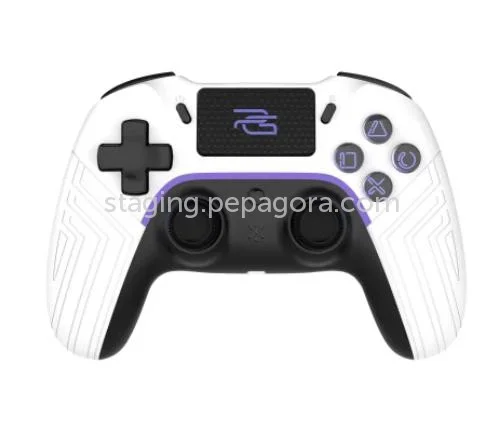
7. Controller Features
- Includes wireless capabilities, vibration feedback, and customizable buttons.
- Designed for enhanced gameplay interaction.
8. Online Services
- Subscription-based services for multiplayer gaming and additional content.
- May offer cloud storage and game streaming options.
In summary, when considering gaming consoles and accessories, businesses should focus on these specifications to ensure they select products that meet their needs and provide a competitive edge.
𝗖𝗼𝗺𝗺𝗼𝗻 𝗔𝗽𝗽𝗹𝗶𝗰𝗮𝘁𝗶𝗼𝗻𝘀 𝗮𝗻𝗱 𝗨𝘀𝗲 𝗖𝗮𝘀𝗲𝘀
Gaming consoles and accessories serve various industries beyond traditional gaming.
1. Entertainment: Many businesses use gaming consoles in arcades, bars, and entertainment venues to attract customers with engaging gaming experiences.
2. Education: Educational institutions incorporate gaming technology to create interactive learning environments, enhancing student engagement through gamified lessons.
3. Marketing: Brands leverage gaming consoles for promotional events, creating unique experiences that resonate with target audiences, fostering brand loyalty.
4. Healthcare: Some healthcare professionals use gamified therapy solutions to aid in rehabilitation and therapy, making the process more engaging for patients.
5. Corporate Training: Companies utilize gaming simulations for employee training, offering immersive experiences that enhance learning and retention.
6. Research and Development: Gaming technology is also used in research settings to develop new gaming experiences and technologies, driving innovation in the industry.
7. E-Sports: Competitive gaming has become a lucrative industry, with consoles and accessories playing a crucial role in tournaments and events.
𝗣𝗿𝗼𝗱𝘂𝗰𝘁 𝗩𝗮𝗿𝗶𝗮𝗻𝘁𝘀 𝗮𝗻𝗱 𝗦𝘂𝗯𝗰𝗮𝘁𝗲𝗴𝗼𝗿𝗶𝗲𝘀
Gaming consoles and accessories come in a range of variants, allowing businesses to choose products that best fit their needs.
Standard Console
This variant is designed for general gaming use, supporting a wide variety of games and accessories. It typically includes features like online connectivity and multimedia capabilities.
Portable Console
Aimed at gamers on the go, this variant offers mobility without sacrificing performance. It provides a compact design while maintaining robust gaming features.
Virtual Reality Console
This variant focuses on immersive gaming experiences, combining hardware and software for virtual reality gameplay. It includes specialized controllers and sensors for enhanced interaction.
Gaming Accessories
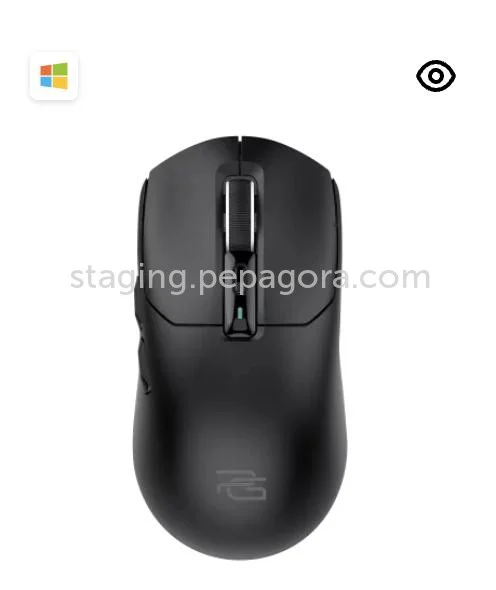
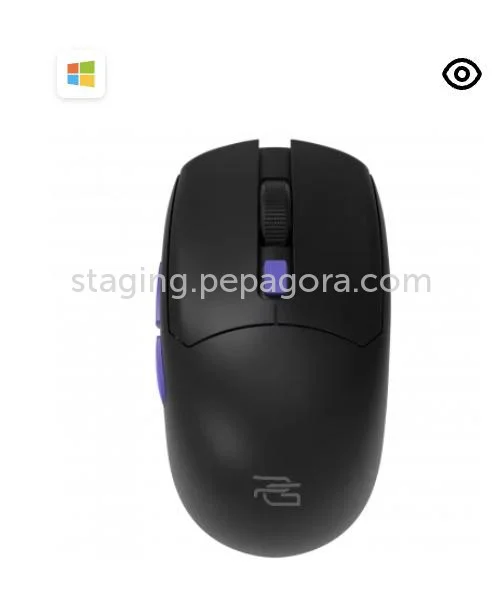
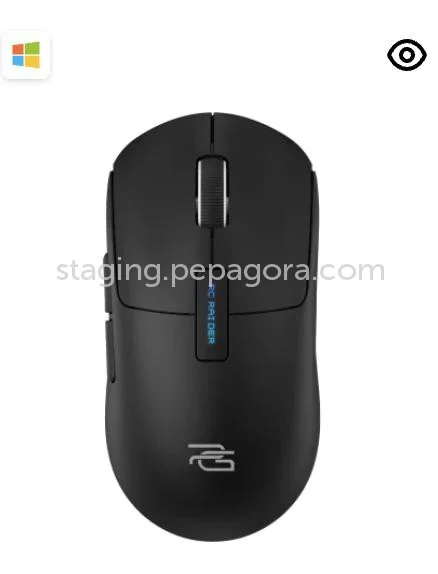
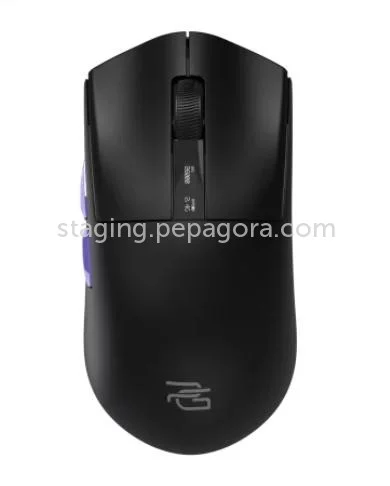
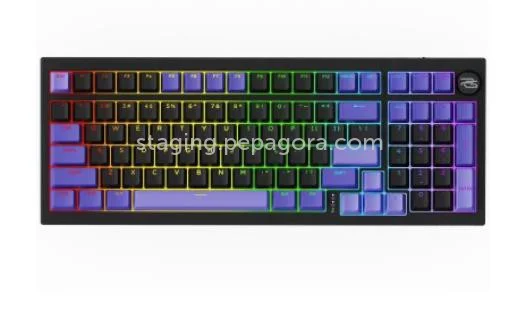
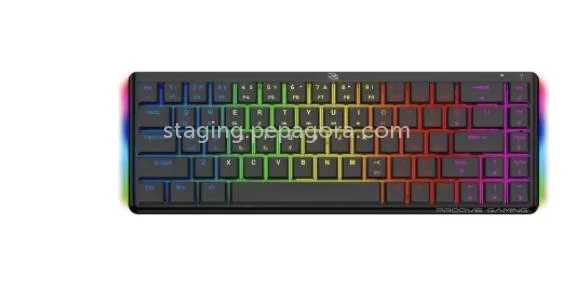
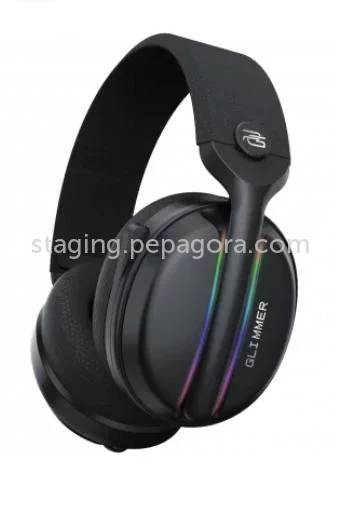
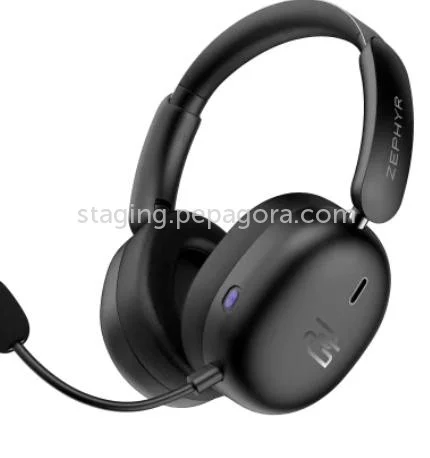
This category includes products such as controllers, headsets, and charging stations. These accessories improve the gaming experience and can be tailored to different gaming styles.
𝗕𝗲𝗻𝗲𝗳𝗶𝘁𝘀 𝗮𝗻𝗱 𝗔𝗱𝘃𝗮𝗻𝘁𝗮𝗴𝗲𝘀
Investing in gaming consoles and accessories offers numerous advantages for businesses.
1. Enhanced Customer Engagement: Gaming consoles provide interactive experiences that keep customers engaged, leading to increased loyalty.
2. Diverse Revenue Streams: By incorporating gaming, businesses can explore new revenue opportunities through events, promotions, and partnerships.
3. Innovative Marketing Solutions: The gaming space allows brands to create unique marketing strategies that resonate with tech-savvy audiences.
4. Improved Learning Outcomes: In educational settings, gamified learning can enhance knowledge retention and engagement among students.
5. Competitive Differentiation: Offering gaming experiences can set businesses apart from competitors, attracting a broader audience.
6. Adaptability: Gaming consoles can be utilized in various sectors, allowing businesses to pivot and adapt to changing market demands.
𝗕𝘂𝘆𝗶𝗻𝗴 𝗚𝘂𝗶𝗱𝗲 𝗳𝗼𝗿 𝗕𝟮𝗕 𝗕𝘂𝘆𝗲𝗿𝘀
When sourcing gaming consoles and accessories, businesses should consider several key factors to make informed decisions.
1. Quality Assessment: It is crucial to evaluate the build quality and performance of gaming products. Look for reputable brands known for their reliability and customer satisfaction.
2. Supplier Verification: Vet potential suppliers by checking their credentials, industry reputation, and customer reviews. A verified supplier network ensures product quality and dependable service.
3. Pricing and MOQ: Understand the pricing structure and minimum order quantities (MOQ) from suppliers. Negotiate terms that align with your budget and business needs.
4. Delivery and Lead Times: Assess the logistics involved, including delivery times and shipping costs. Timely delivery is essential to maintain inventory and customer satisfaction.
5. Compliance Requirements: Be aware of any relevant regulations and compliance standards in your region. Ensure that the products meet safety and quality certifications.
𝗖𝗼𝗺𝗽𝗹𝗶𝗮𝗻𝗰𝗲 𝗮𝗻𝗱 𝗖𝗲𝗿𝘁𝗶𝗳𝗶𝗰𝗮𝘁𝗶𝗼𝗻𝘀
Gaming consoles and accessories are subject to various compliance and certification standards that ensure safety and quality.
ISO 9001: This standard focuses on quality management systems, ensuring that products meet customer and regulatory requirements consistently.
CE Certification: Products sold in the European market must comply with CE marking, indicating conformity with health, safety, and environmental protection standards.
Safety and Testing Requirements: Gaming products must undergo rigorous testing to ensure they meet safety standards. This includes electrical safety, fire safety, and durability testing.
Regional Compliance Considerations: Depending on the market, specific compliance regulations may apply. Businesses should familiarize themselves with local requirements to ensure adherence.
𝗪𝗵𝘆 𝗦𝗼𝘂𝗿𝗰𝗲 𝗚𝗮𝗺𝗶𝗻𝗴 𝗖𝗼𝗻𝘀𝗼𝗹𝗲𝘀 & 𝗔𝗰𝗰𝗲𝘀𝘀𝗼𝗿𝗶𝗲𝘀 𝗳𝗿𝗼𝗺 𝗣𝗲𝗽𝗮𝗴𝗼𝗿𝗮?
Pepagora offers a reliable platform for sourcing gaming consoles and accessories, presenting several key advantages for B2B buyers.
Verified Supplier Network: Pepagora provides access to a network of verified suppliers, ensuring that businesses can source high-quality products with confidence. This network is built on trust and reliability.
Streamlined RFQ Process: The platform features a streamlined Request for Quotation (RFQ) process, making it easy for buyers to compare offers from multiple suppliers. This system simplifies procurement and supports informed purchasing decisions.
Trade Assurance and Support: Pepagora offers buyer protection through trade assurance, ensuring that transactions are secure and that buyers receive the products as promised. Additional support is available to address any concerns.
Regional Coverage: With a strong presence in India, the GCC, and Southeast Asia, Pepagora enables businesses to tap into diverse markets. This geographic reach expands sourcing opportunities and enhances supply chain efficiency.