
 IN
Unisex Clothing
136 products available
𝗪𝗵𝗮𝘁 𝗮𝗿𝗲 𝗨𝗻𝗶𝘀𝗲𝘅 𝗖𝗹𝗼𝘁𝗵𝗶𝗻𝗴?
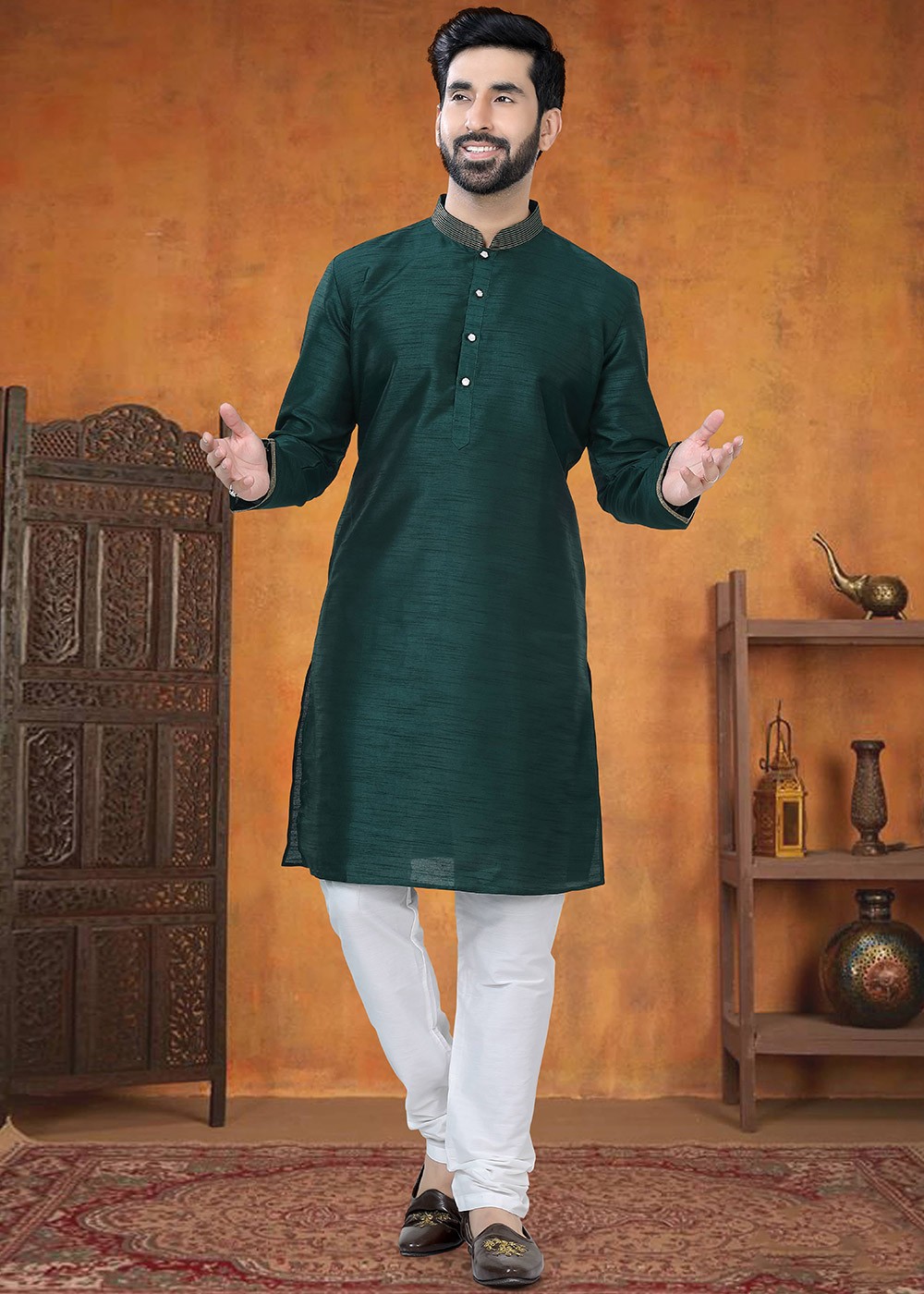
Unisex clothing refers to apparel designed to be suitable for all genders. This category includes a wide range of garments such as t-shirts, hoodies, jackets, and pants that do not adhere to traditional gender-specific designs. Unisex clothing is typically made with a focus on comfort, functionality, and versatility, allowing individuals to choose styles based on personal preference rather than gender norms.
The primary uses of unisex clothing span various business applications, including corporate uniforms, promotional merchandise, and casual wear for employees across industries. Businesses often utilize unisex apparel for team-building events or as part of a branding strategy to create a cohesive look among staff. Additionally, unisex clothing has gained popularity in retail environments, catering to a diverse customer base seeking inclusive fashion options.
In today's market, the relevance of unisex clothing continues to grow, driven by changing social norms and a push for inclusivity. Many brands are recognizing the demand for gender-neutral options and are expanding their product lines to meet these needs. This shift has opened up new opportunities for businesses to engage with consumers who value equality and diversity in fashion.
𝗞𝗲𝘆 𝗙𝗲𝗮𝘁𝘂𝗿𝗲𝘀 𝗮𝗻𝗱 𝗦𝗽𝗲𝗰𝗶𝗳𝗶𝗰𝗮𝘁𝗶𝗼𝗻𝘀
Unisex clothing offers a variety of features that cater to a broad audience. Businesses looking to source these products can benefit from understanding the specifications associated with them.
Key specifications include:
1. Fabric Composition
- Typically made from cotton, polyester, or blends
- Ensures comfort, breathability, and durability
2. Size Range
- Available in various sizes that accommodate a wide range of body types
- Size charts help ensure proper fit for all individuals
3. Design Style
- Features simple and neutral designs
- Allows for easy integration into various settings
4. Color Options
- Available in a spectrum of colors to suit different preferences
- Customization options may be available
5. Care Instructions
- Generally machine washable for convenience
- Specific care guidelines provided for different fabrics
6. Durability
- Designed to withstand regular wear and washing
- Quality materials enhance longevity
7. Eco-Friendly Options
- Some products are made from sustainable materials
- Appeals to environmentally conscious consumers
8. Customization Potential
- Opportunities for branding through prints or embroidery
- Useful for businesses looking to promote their logo
Unisex clothing combines functionality with inclusivity, making it a valuable addition to any corporate wardrobe or retail offering.
𝗖𝗼𝗺𝗺𝗼𝗻 𝗔𝗽𝗽𝗹𝗶𝗰𝗮𝘁𝗶𝗼𝗻𝘀 𝗮𝗻𝗱 𝗨𝘀𝗲 𝗖𝗮𝘀𝗲𝘀
Unisex clothing serves various industries, providing practical solutions for a wide array of applications.
1. Corporate Sector: Companies often adopt unisex apparel for employee uniforms, creating a unified and professional appearance while promoting inclusivity.
2. Hospitality Industry: Many hotels and restaurants use unisex clothing for staff uniforms, ensuring comfort and style that appeals to a diverse workforce and clientele.
3. Sports and Recreation: Fitness centers and sports teams often utilize unisex attire for both staff and participants, emphasizing functionality and comfort during physical activities.
4. Retail: Unisex clothing is increasingly popular in retail spaces, enabling stores to cater to a wider audience and promote inclusivity in fashion.
5. Events and Promotions: Businesses frequently use unisex apparel for promotional events, giving away branded clothing that can be worn by anyone, enhancing brand visibility.
6. Education: Schools and universities may adopt unisex clothing for uniforms, allowing students to express their identity while maintaining a professional appearance.
7. Festivals and Gatherings: Unisex clothing is often utilized for staff at music festivals and public gatherings, providing comfort and practicality for long hours of work.
𝗣𝗿𝗼𝗱𝘂𝗰𝘁 𝗩𝗮𝗿𝗶𝗮𝗻𝘁𝘀 𝗮𝗻𝗱 𝗦𝘂𝗯𝗰𝗮𝘁𝗲𝗴𝗼𝗿𝗶𝗲𝘀
Unisex clothing encompasses a variety of styles to meet different needs and preferences.
Basic T-Shirts
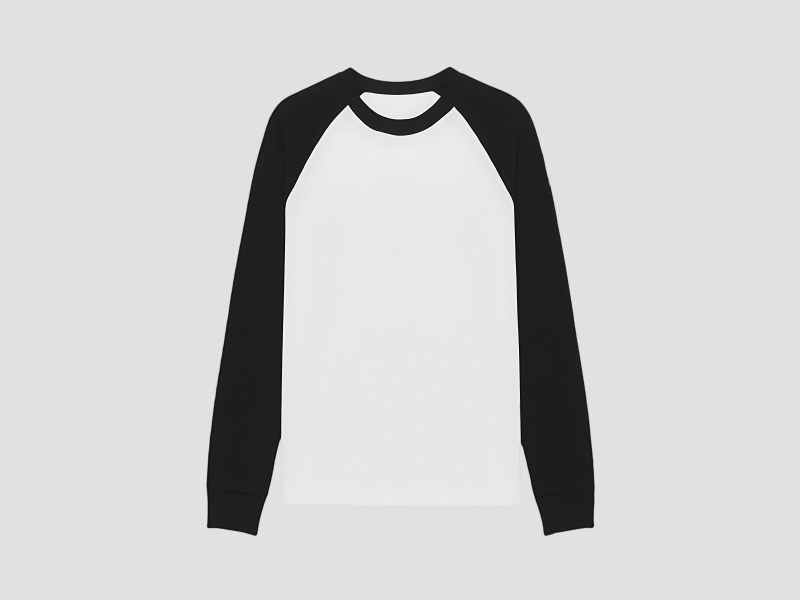
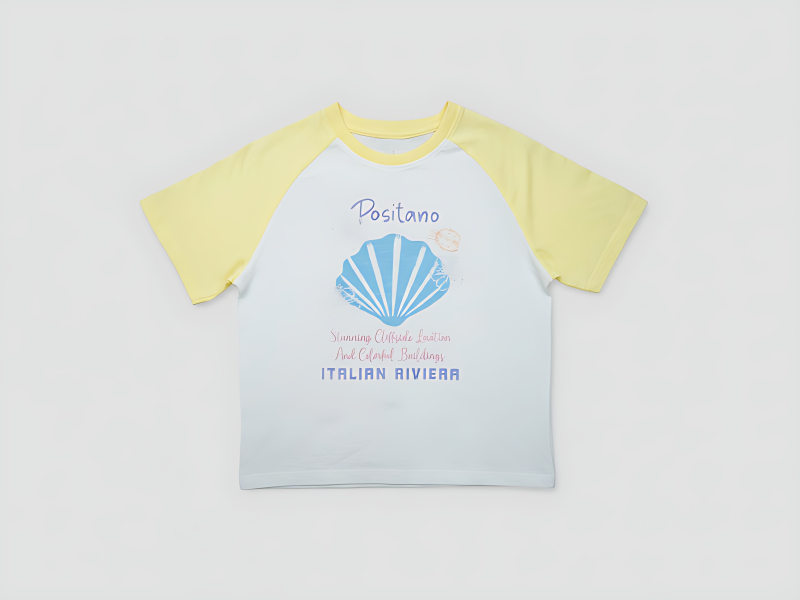
These versatile garments are ideal for everyday wear and can be easily customized with logos or designs. They offer comfort and a casual style that appeals to all demographics.
Hoodies
Unisex hoodies provide warmth and comfort, making them perfect for casual outings or as part of a uniform. Their relaxed fit and range of colors make them a popular choice for many.
Jackets
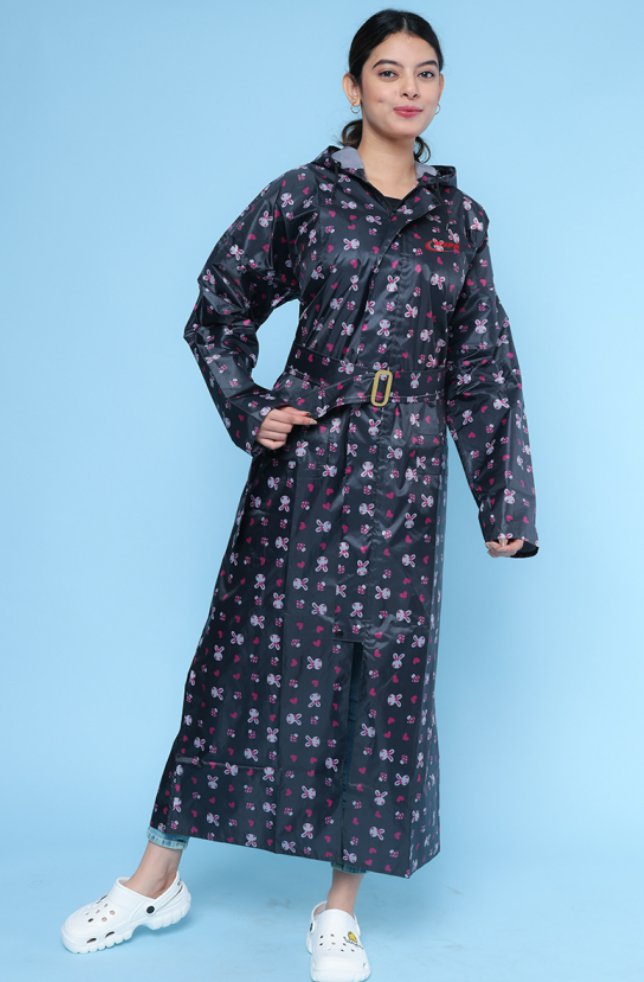
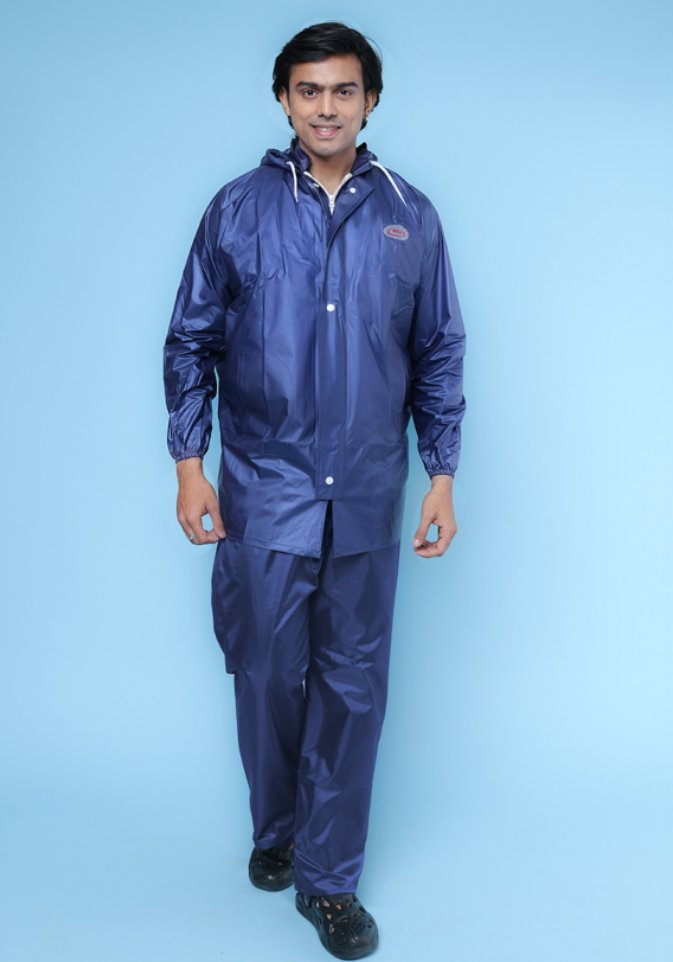
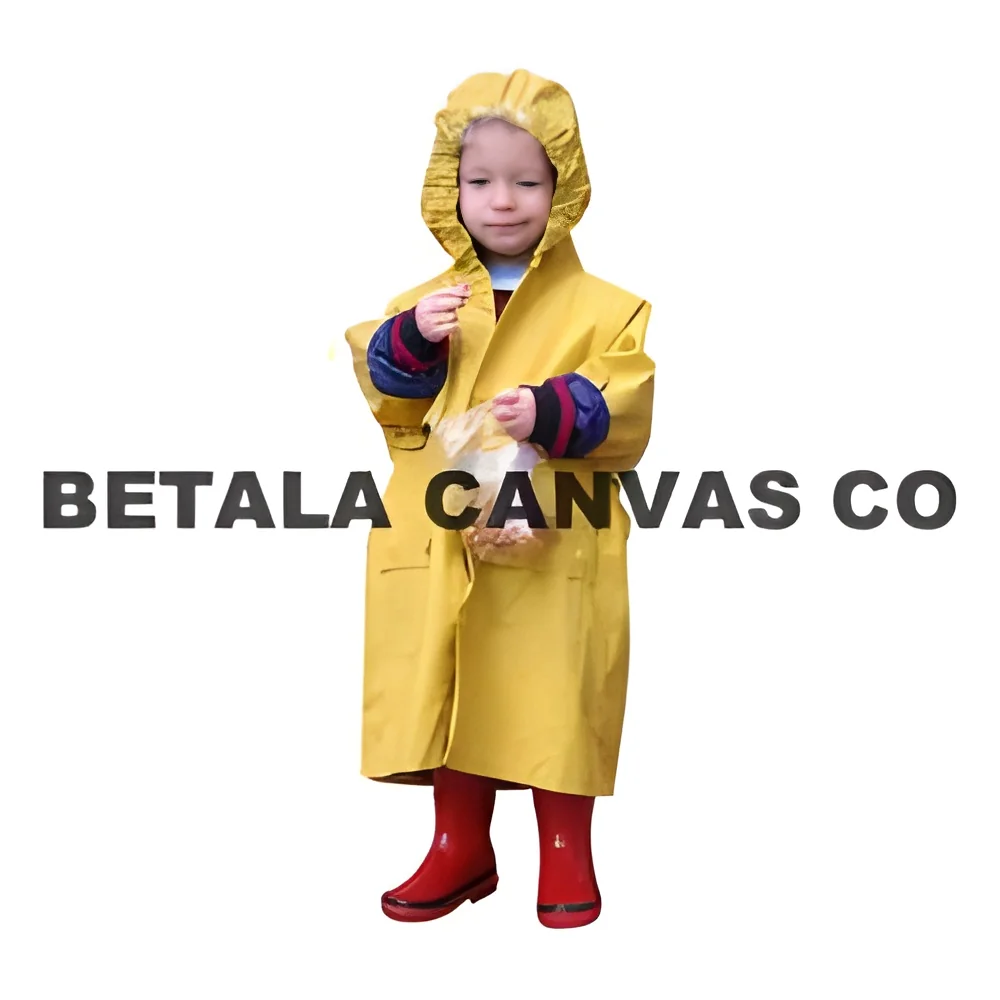
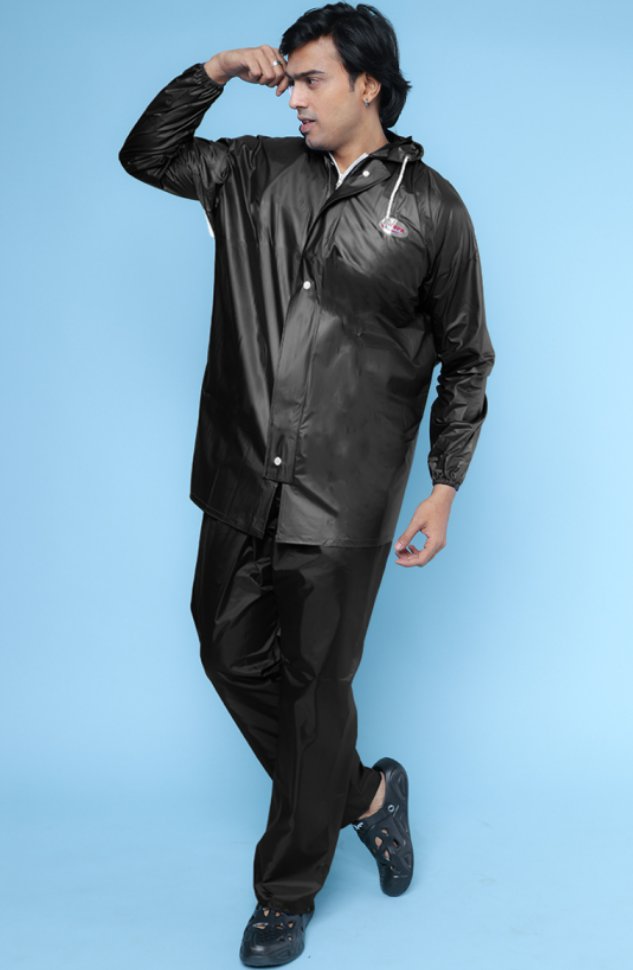
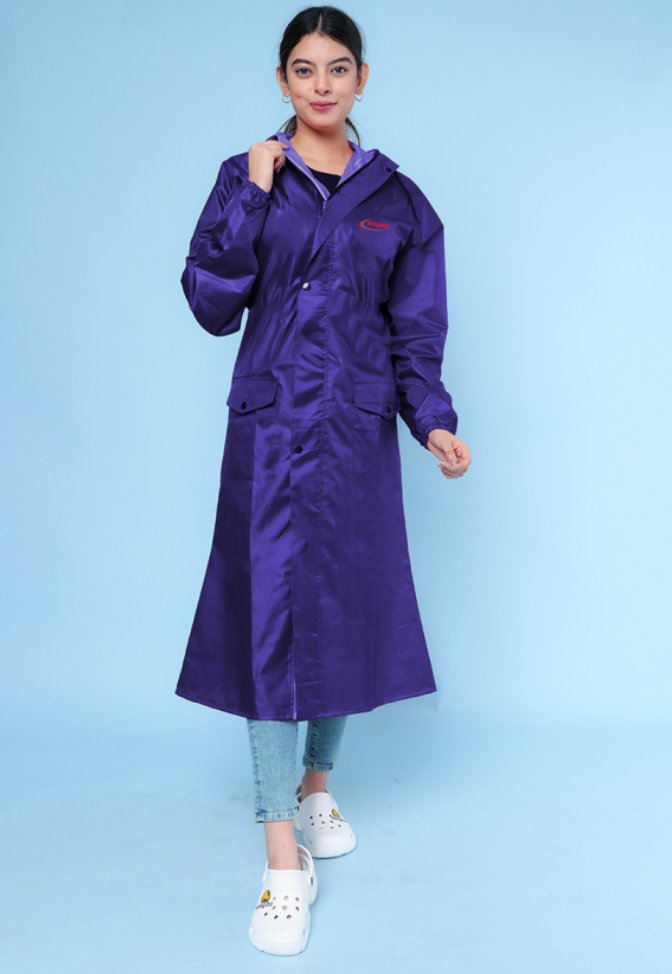
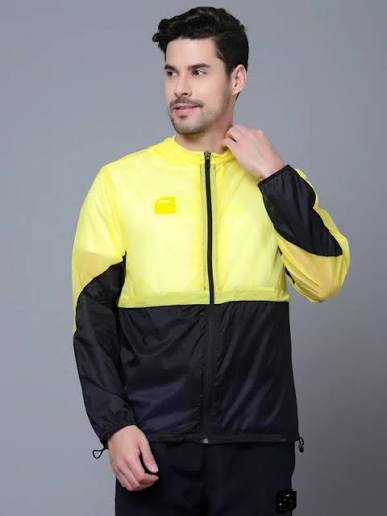
Unisex jackets are designed for functionality, offering protection from the elements while maintaining style. They can be used for outdoor events or as part of a corporate uniform.
Activewear
This category includes unisex leggings, shorts, and tops designed for fitness activities. The focus on comfort and flexibility makes these garments suitable for both men and women.
𝗕𝗲𝗻𝗲𝗳𝗶𝘁𝘀 𝗮𝗻𝗱 𝗔𝗱𝘃𝗮𝗻𝘁𝗮𝗴𝗲𝘀
Unisex clothing offers a range of benefits that can enhance business operations and consumer satisfaction.
1. Inclusivity: Unisex clothing promotes diversity and inclusion, appealing to a broader audience and helping businesses cultivate a welcoming environment.
2. Versatility: These garments can be worn by anyone, making them a practical choice for businesses with diverse teams or customer bases.
3. Cost-Effectiveness: By offering a single style that fits all, companies can simplify inventory management and reduce costs associated with gender-specific apparel.
4. Branding Opportunities: Unisex clothing can be easily customized with logos or branding, providing effective marketing solutions for businesses.
5. Comfort: Designed with a focus on comfort, unisex clothing allows individuals to wear what feels best, enhancing overall satisfaction.
6. Trend Adaptability: As fashion trends shift towards inclusivity, unisex clothing positions businesses to stay relevant in a changing market.
𝗕𝘂𝘆𝗶𝗻𝗴 𝗚𝘂𝗶𝗱𝗲 𝗳𝗼𝗿 𝗕𝟮𝗕 𝗕𝘂𝘆𝗲𝗿𝘀
When sourcing unisex clothing, buyers should consider several important factors to ensure they make informed decisions.
1. Quality Assessment: Evaluate the quality of the materials and stitching. Look for durable fabrics and reliable construction to ensure longevity.
2. Supplier Verification: Conduct thorough research to vet suppliers. Check references, reviews, and certifications to confirm their reliability and product quality.
3. Pricing and MOQ: Understand the pricing structure and minimum order quantities. Negotiate terms that align with your budget while maintaining quality standards.
4. Delivery and Lead Times: Inquire about delivery schedules and lead times. Ensure that the supplier can meet your timelines to avoid disruptions.
5. Compliance Requirements: Familiarize yourself with any regulatory compliance standards that may apply to unisex clothing. Ensure that your suppliers adhere to these requirements to avoid legal issues.
𝗖𝗼𝗺𝗽𝗹𝗶𝗮𝗻𝗰𝗲 𝗮𝗻𝗱 𝗖𝗲𝗿𝘁𝗶𝗳𝗶𝗰𝗮𝘁𝗶𝗼𝗻𝘀
Compliance and certifications play a crucial role in ensuring that unisex clothing meets industry standards. Relevant quality standards include ISO 9001, which focuses on quality management systems, and CE certification, which is essential for products sold in European markets.
Safety and testing requirements are also vital, especially for clothing intended for specific industries. Manufacturers must ensure that their products are safe for consumer use and comply with regional regulations.
Additionally, businesses should consider regional compliance aspects, such as regulations enforced in different countries or regions. Understanding these requirements helps businesses avoid potential legal complications and ensures that they source responsibly.
𝗪𝗵𝘆 𝗦𝗼𝘂𝗿𝗰𝗲 𝗨𝗻𝗶𝘀𝗲𝘅 𝗖𝗹𝗼𝘁𝗵𝗶𝗻𝗴 𝗳𝗿𝗼𝗺 𝗣𝗲𝗽𝗮𝗴𝗼𝗿𝗮?
Pepagora provides a trusted platform for sourcing unisex clothing, offering several key advantages that benefit B2B buyers.
Verified Supplier Network: Pepagora ensures that all suppliers undergo strict verification processes. This adds a layer of trust, allowing businesses to connect with reliable manufacturers.
Streamlined RFQ Process: The platform features an efficient Request for Quotation system that simplifies the procurement process. Buyers can easily request quotes from multiple suppliers, saving time and effort.
Trade Assurance and Support: Pepagora offers buyer protection through trade assurance programs. This ensures that transactions are secure, and buyers receive quality products as promised.
Regional Coverage: With a strong presence in key markets such as India, the GCC, and Southeast Asia, Pepagora provides extensive regional coverage. Businesses can leverage this reach to access a diverse range of unisex clothing options to suit their specific needs.

Frequently Asked Questions
What are Unisex Clothing?
Unisex clothing refers to apparel designed to be suitable for all genders. This type of clothing typically features neutral styles, cuts, and colors that appeal to a wide audience, making it versatile for various occasions.
What are the different types of Unisex Clothing?
Different types of unisex clothing include t-shirts, hoodies, sweatshirts, jackets, and pants. Additionally, accessories such as caps and bags can also be designed with a unisex appeal, allowing for a broad range of fashion choices.
How do I choose the right Unisex Clothing?
When selecting unisex clothing, consider factors such as size, fit, and fabric type. It's important to choose items that offer comfort and style for a diverse audience, ensuring they align with current fashion trends and personal preferences.
What are the standard specifications for Unisex Clothing?
Standard specifications for unisex clothing typically include sizing charts that cater to both male and female body types. Materials used should be durable and comfortable, often including cotton, polyester, and blends that provide ease of movement.
What is the price range for Unisex Clothing?
The price range for unisex clothing can vary widely, typically starting from around INR 300 to over INR 3000 per item. Factors influencing the price include fabric quality, brand reputation, and design complexity.
What quality standards apply to Unisex Clothing?
Quality standards for unisex clothing often include durability, stitching quality, and fabric performance. Manufacturers may adhere to industry standards such as ISO certifications to ensure that their products meet consumer expectations.
Where can I find Unisex Clothing suppliers in India?
Unisex clothing suppliers in India can be found through online B2B marketplaces like Pepagora, trade shows, and industry directories. These platforms connect buyers with manufacturers and wholesalers specializing in unisex apparel.
Can Unisex Clothing be customized?
Yes, many manufacturers offer customization options for unisex clothing. This can include choosing colors, adding logos, or altering designs to meet specific branding or personal requirements.
What is the typical minimum order quantity for Unisex Clothing?
The typical minimum order quantity (MOQ) for unisex clothing varies by supplier, but it generally ranges from 50 to 100 pieces per style. It is advisable to check with individual suppliers for their specific MOQ requirements.
What is the typical lead time for Unisex Clothing?
The typical lead time for unisex clothing can range from 2 to 6 weeks, depending on factors such as order size, customization, and supplier capabilities. It's recommended to confirm lead times with the supplier before placing an order.
Why Businesses Trust Pepagora
Thousands of companies trust Pepagora to source smarter and sell faster
Expand Your Sales Globally

Source Smarter,Grow Faster
