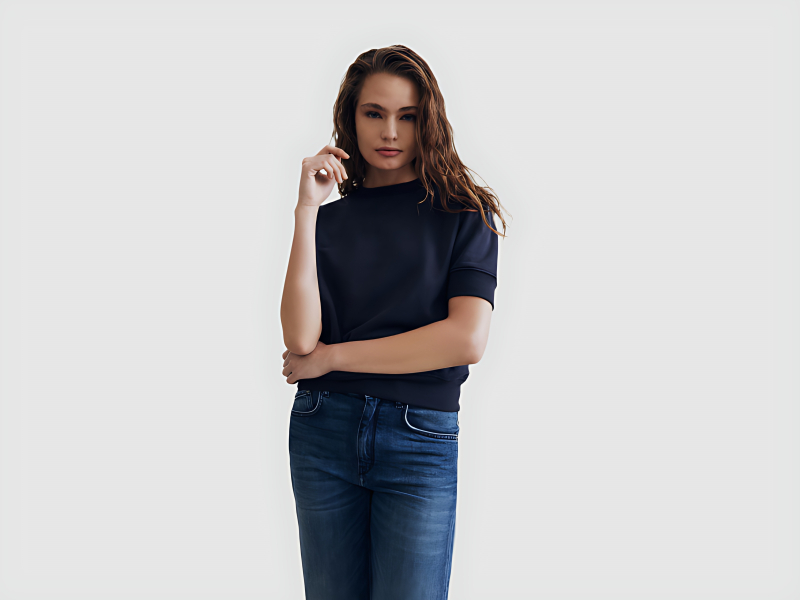
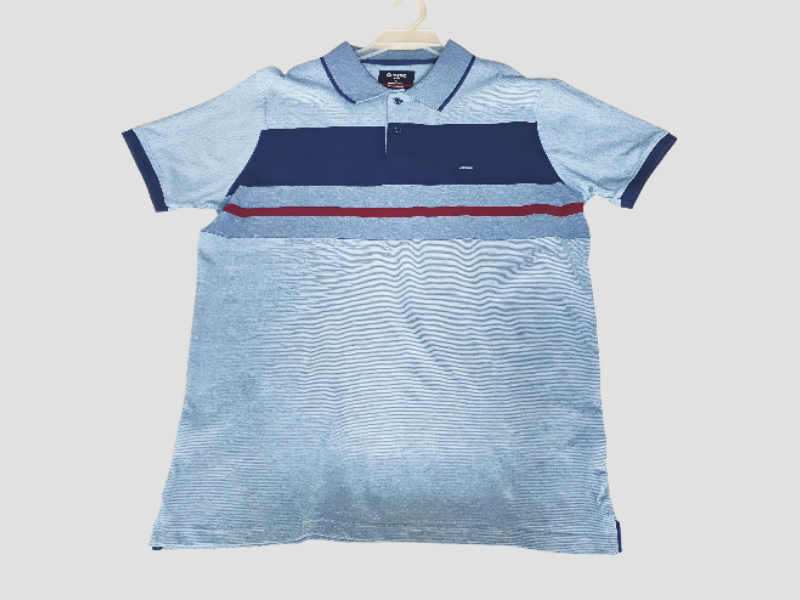
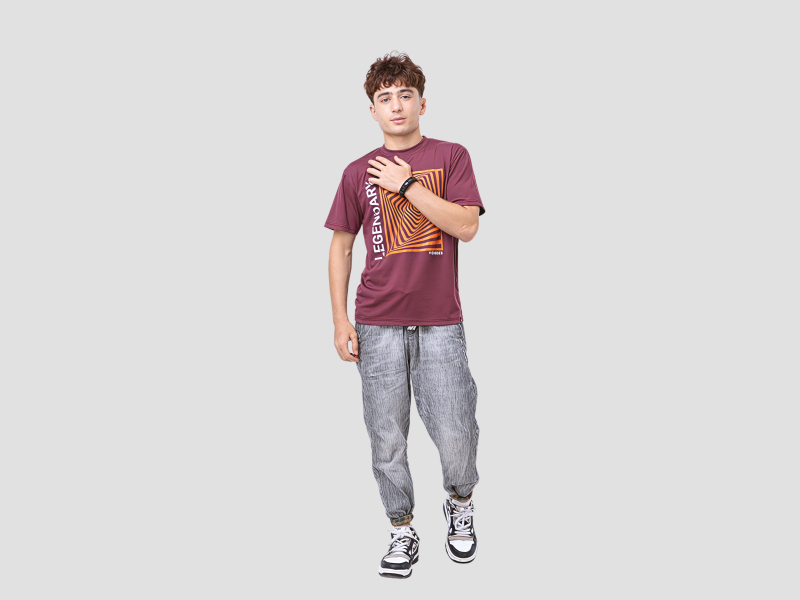
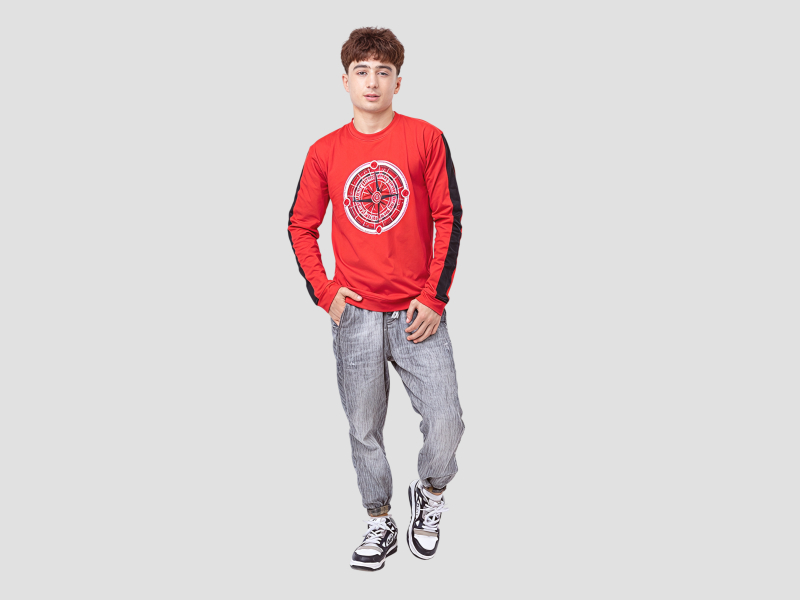
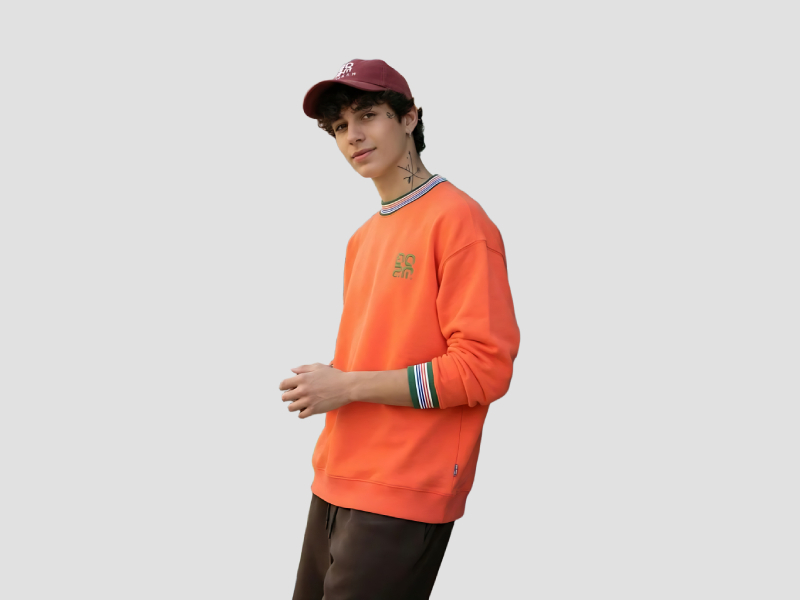
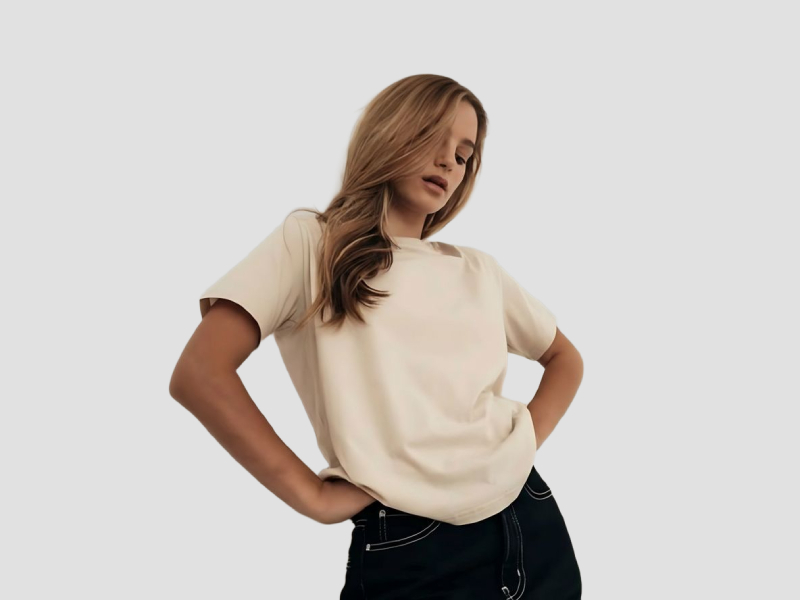
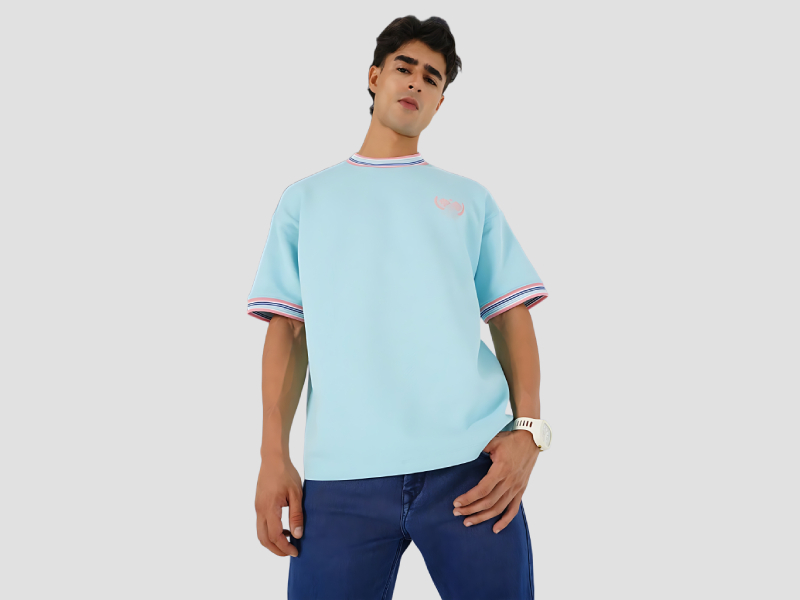
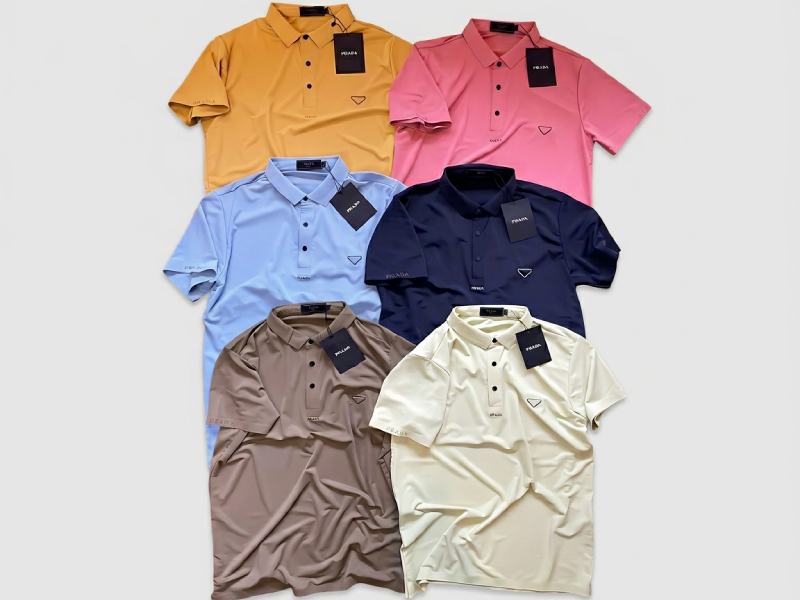
𝗪𝗵𝗮𝘁 𝗮𝗿𝗲 𝗧-𝗦𝗵𝗶𝗿𝘁𝘀, 𝗣𝗼𝗹𝗼𝘀, 𝗦𝗵𝗶𝗿𝘁𝘀?
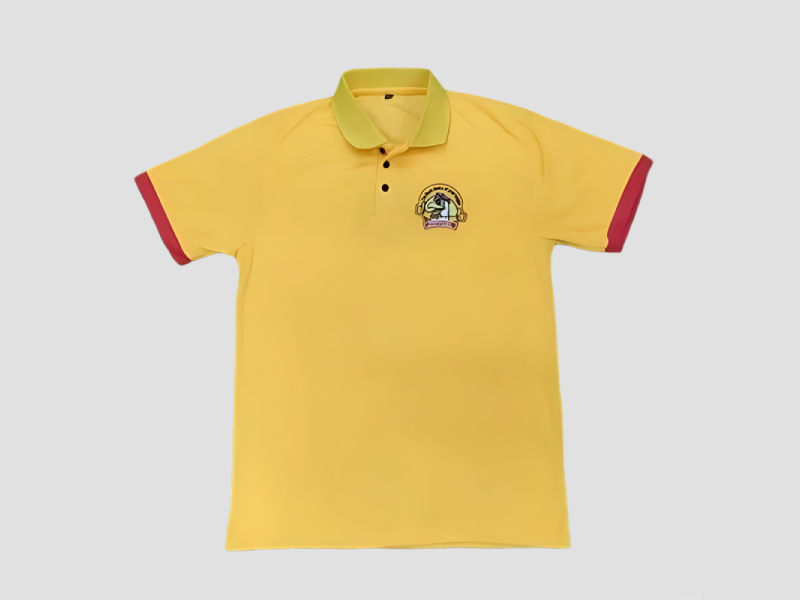
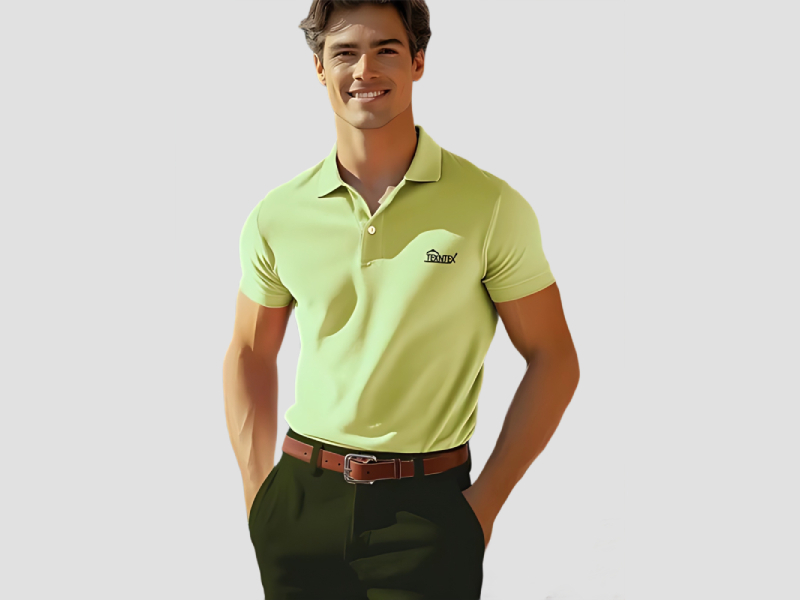
T-shirts, polos, and shirts are essential garments widely used in various business contexts. T-shirts are typically made from cotton or cotton blends and are characterized by their short sleeves and round necklines. Polos, on the other hand, are a more formal and structured style featuring a collar and a few buttons at the neck. Shirts generally refer to button-down styles that can come in long or short sleeves and are made from a variety of fabrics.
These garments serve multiple purposes in the business environment. They are often used for branding and promotional events, providing a casual yet professional appearance. Companies frequently use T-shirts and polos as uniforms, while dress shirts are standard in corporate settings. Their versatility allows businesses to leverage them for marketing, team building, and workplace attire.
In today's market, the demand for high-quality T-shirts, polos, and shirts is steadily increasing. Businesses in retail, hospitality, education, and corporate sectors seek customizable options to reflect their brand identity. With the growth of e-commerce, sourcing these products has become more accessible, allowing companies to find suitable suppliers that meet their specific needs.
𝗞𝗲𝘆 𝗙𝗲𝗮𝘁𝘂𝗿𝗲𝘀 𝗮𝗻𝗱 𝗦𝗽𝗲𝗰𝗶𝗳𝗶𝗰𝗮𝘁𝗶𝗼𝗻𝘀
T-shirts, polos, and shirts come with a variety of features that cater to different business needs. Understanding these specifications can help businesses make informed purchasing decisions.
Key specifications include:
1. Fabric Type
- Common materials include cotton, polyester, and blends.
- Different fabric types offer various levels of comfort and durability.
2. Size Range
- Available in sizes from small to 5XL or larger.
- Consideration for fit, such as slim fit or relaxed fit, is important.
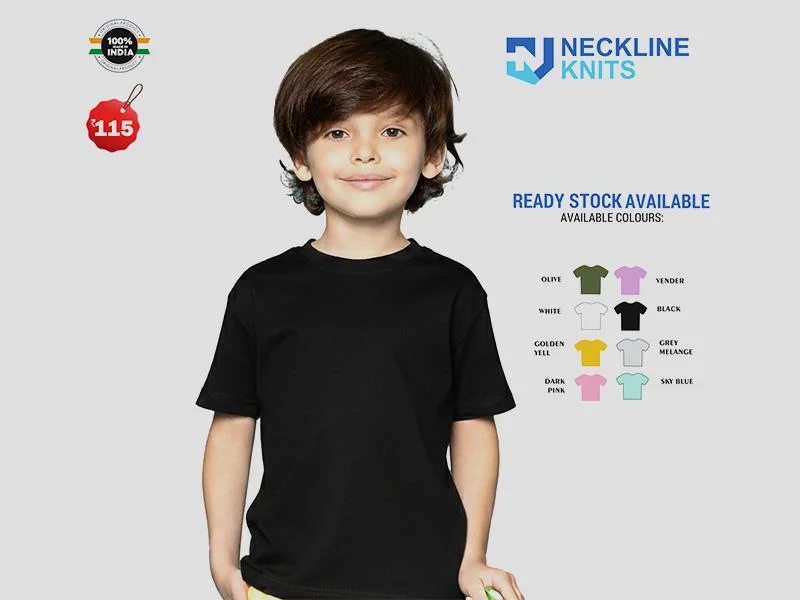
3. Color Options
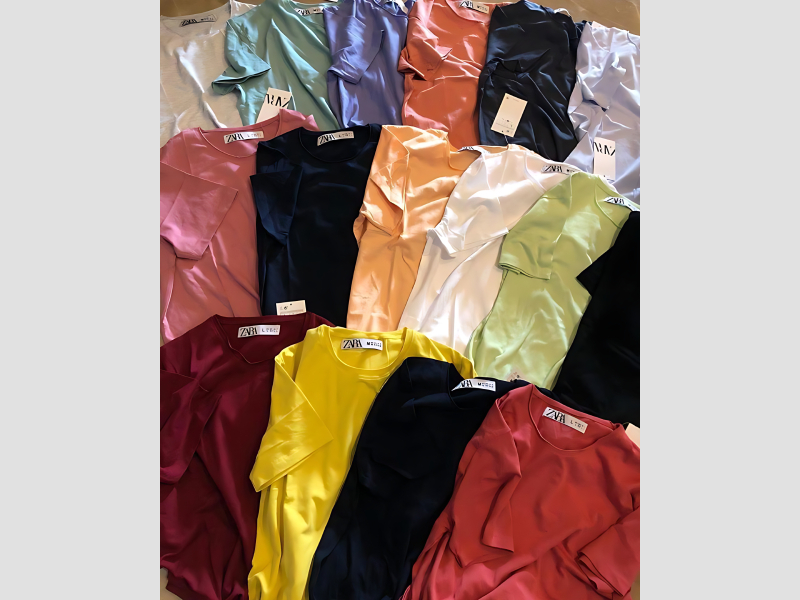
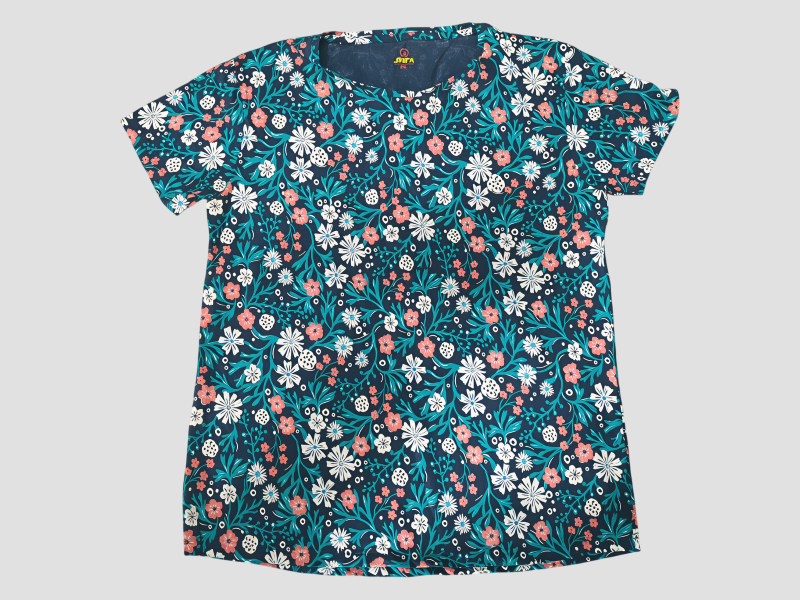
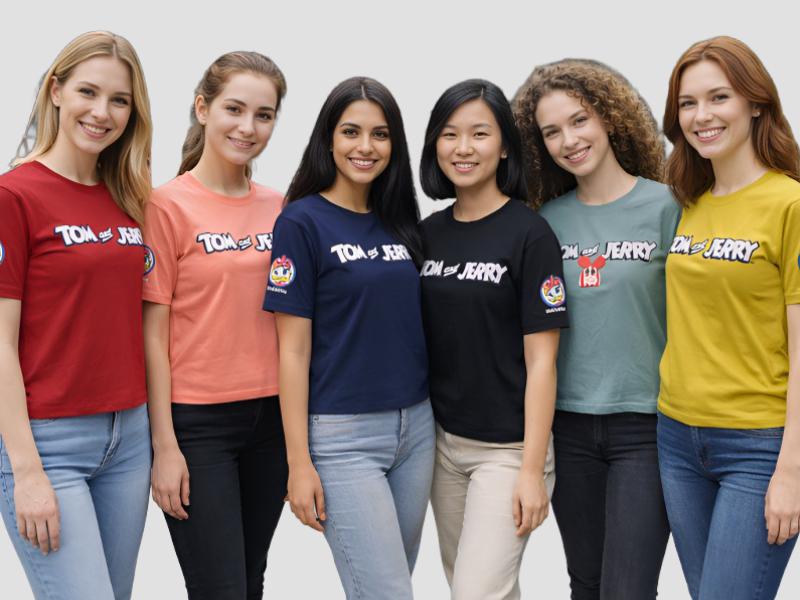
- Wide range of colors available for corporate branding.
- Custom colors can be produced based on specific requirements.
4. Customization
- Options for screen printing, embroidery, and heat transfer.
- Ability to add logos or branding messages.
5. Care Instructions
- Machine washable options for easy maintenance.
- Specific care instructions may vary based on fabric type.
6. Environmental Considerations
- Availability of eco-friendly materials and sustainable production practices.
- Certifications for organic fabrics may be offered.
7. Pricing
- Pricing varies based on fabric, customization, and order quantity.
- Minimum order quantities often apply.
In summary, understanding these key features and specifications can guide businesses in choosing the right T-shirts, polos, and shirts that align with their branding and operational needs.
𝗖𝗼𝗺𝗺𝗼𝗻 𝗔𝗽𝗽𝗹𝗶𝗰𝗮𝘁𝗶𝗼𝗻𝘀 𝗮𝗻𝗱 𝗨𝘀𝗲 𝗖𝗮𝘀𝗲𝘀
T-shirts, polos, and shirts are utilized across various industries for multiple applications.
1. Retail: Retail businesses commonly use branded T-shirts and polos for staff uniforms, enhancing brand visibility and customer engagement.
2. Hospitality: Hotels and restaurants often opt for polos and shirts as part of their staff uniforms, promoting a professional image while ensuring comfort.
3. Education: Schools and universities frequently use T-shirts for events and team spirit, while polos may be used for staff uniforms.
4. Corporate: Many companies provide dress shirts for employees to maintain a professional appearance during work hours and client meetings.
5. Sports: Athletic teams utilize customized T-shirts and polos for uniforms, showcasing team logos and promoting unity.
6. Events: Trade shows and promotional events often feature branded T-shirts as giveaways, enhancing brand recognition.
7. Nonprofits: Many nonprofit organizations use T-shirts for fundraising events, increasing visibility and support for their causes.
𝗣𝗿𝗼𝗱𝘂𝗰𝘁 𝗩𝗮𝗿𝗶𝗮𝗻𝘁𝘀 𝗮𝗻𝗱 𝗦𝘂𝗯𝗰𝗮𝘁𝗲𝗴𝗼𝗿𝗶𝗲𝘀
T-shirts, polos, and shirts come in various styles and configurations to suit different business needs.
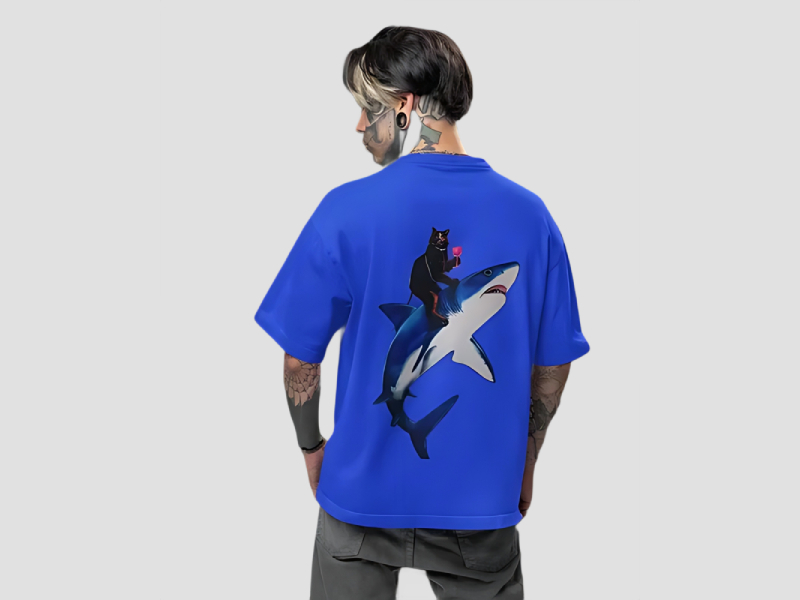
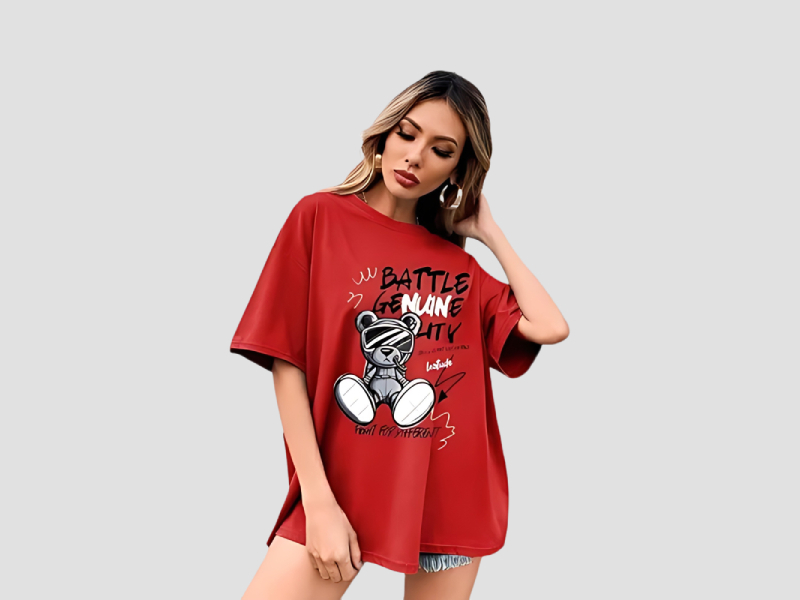
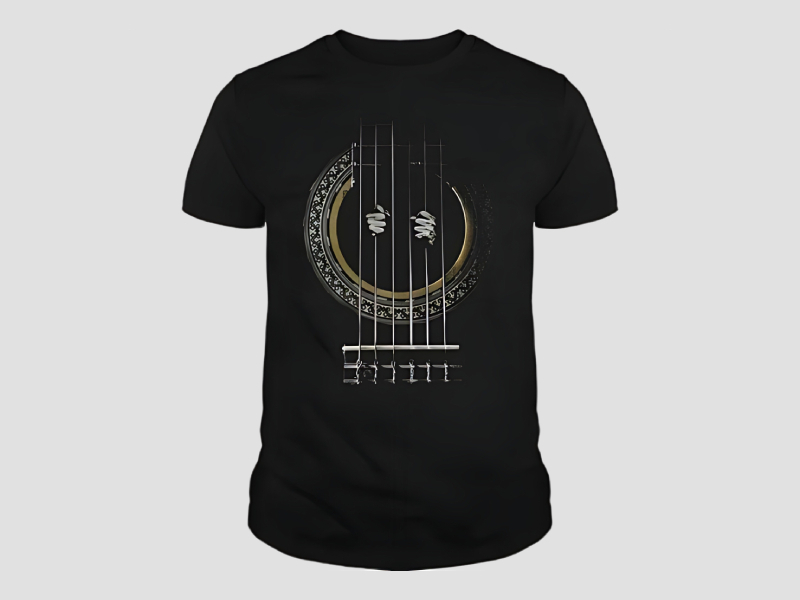
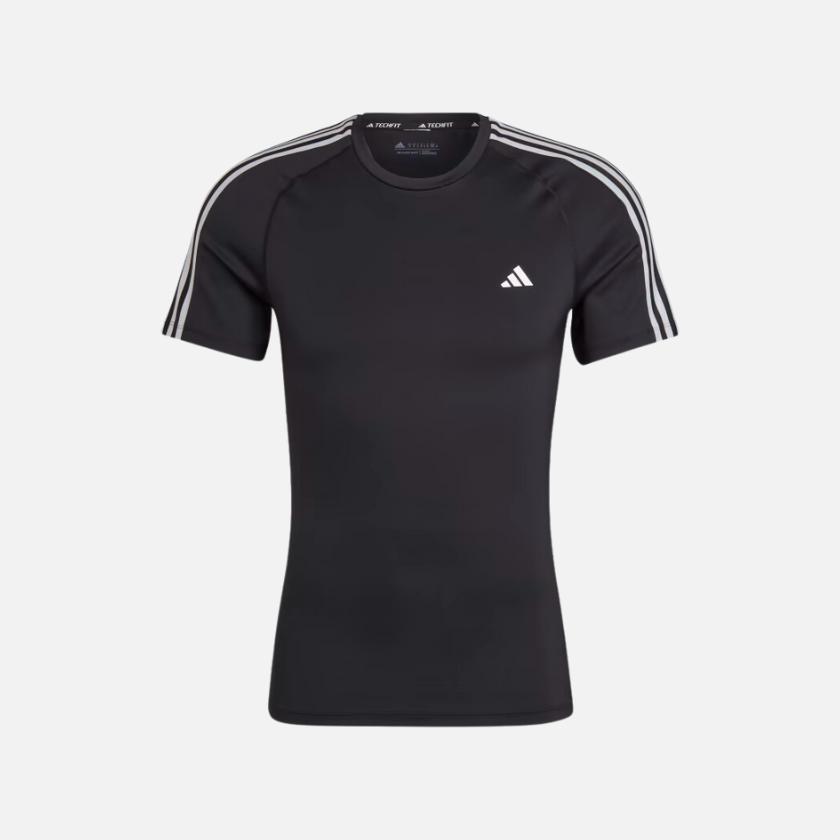
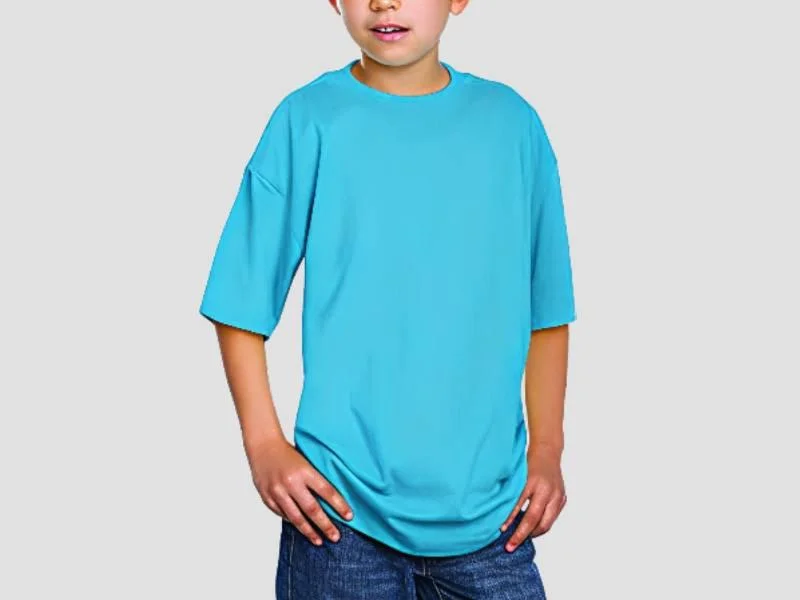
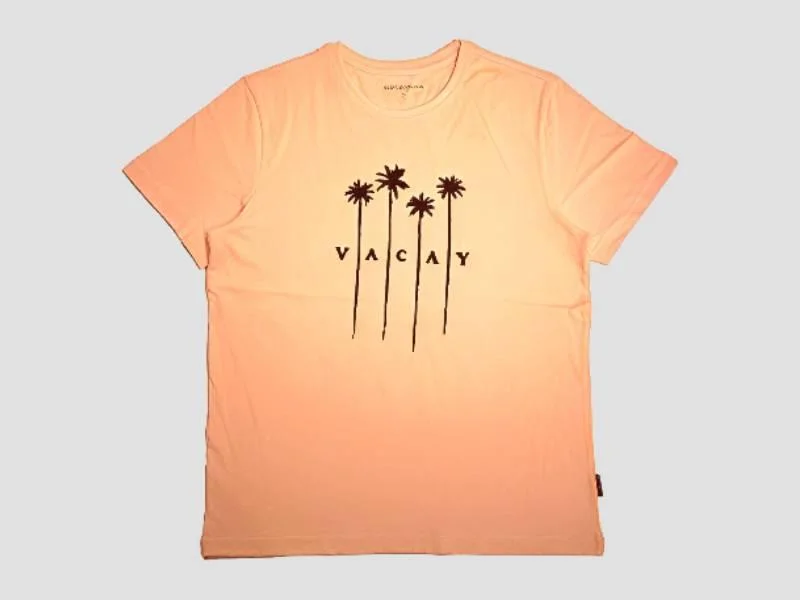
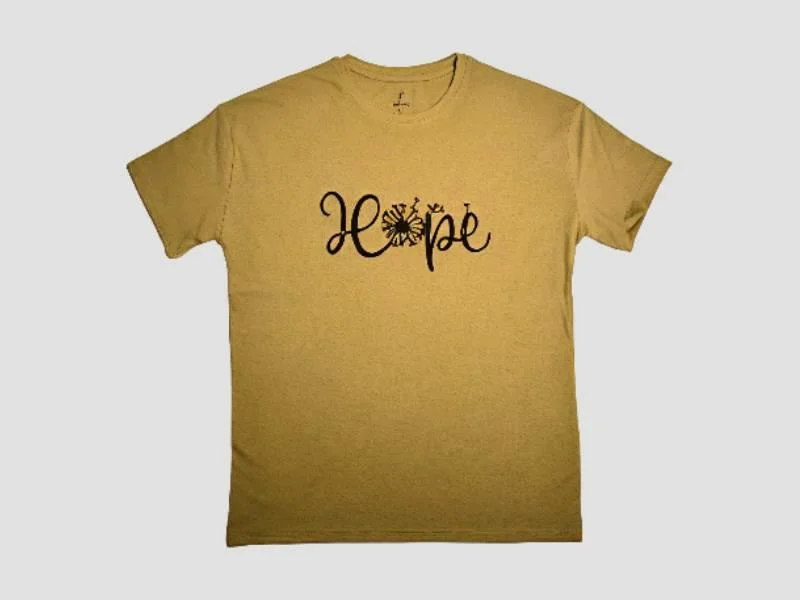
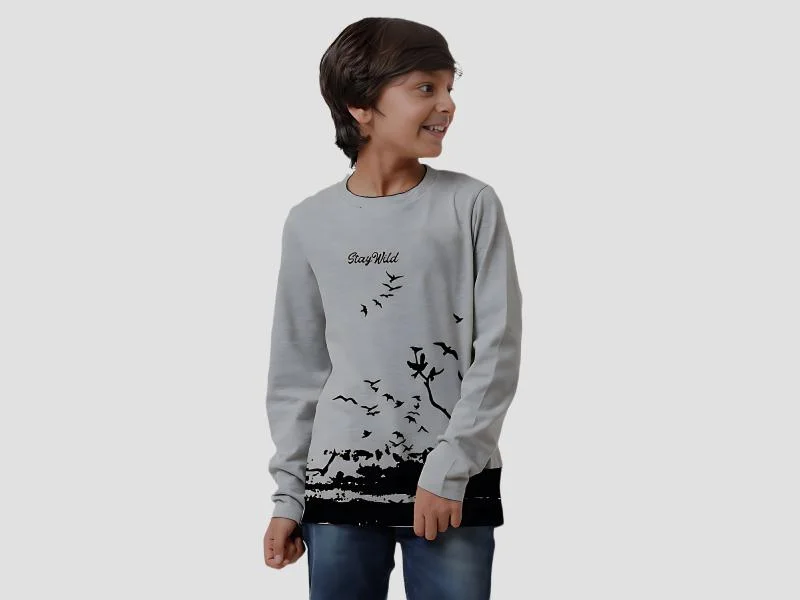
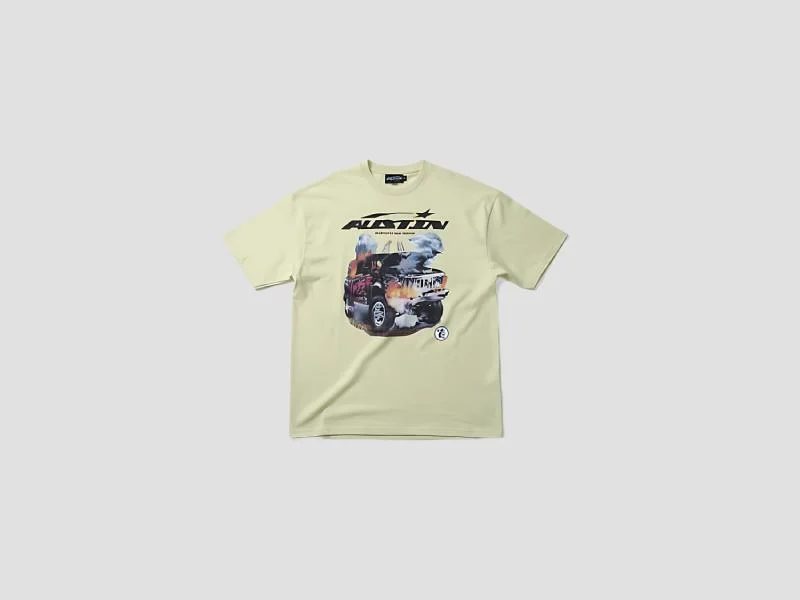
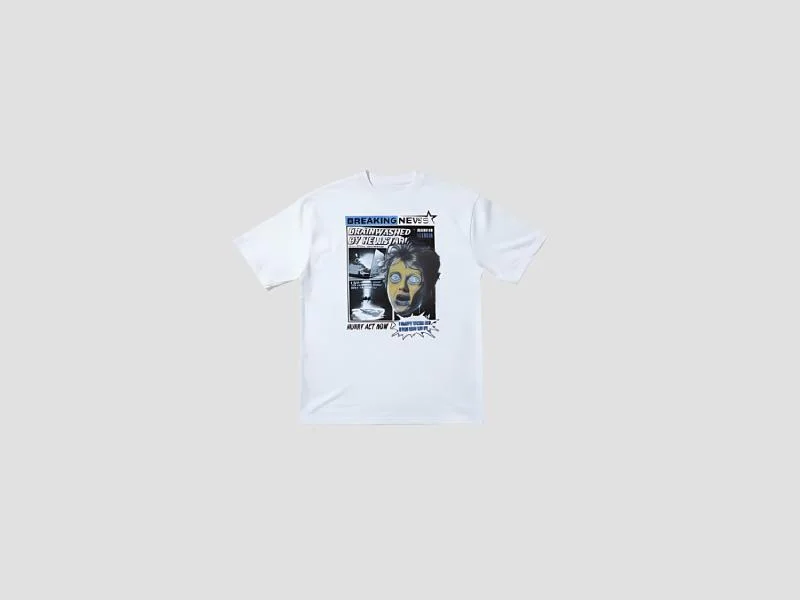
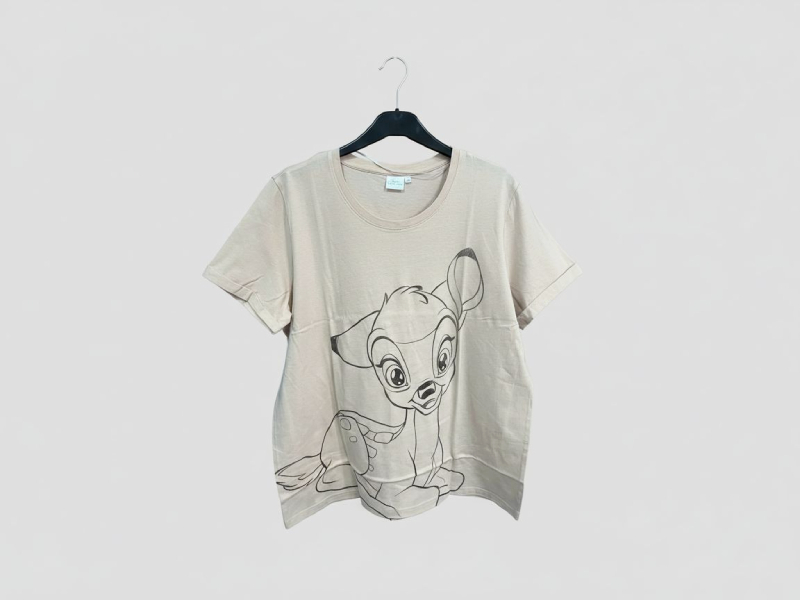
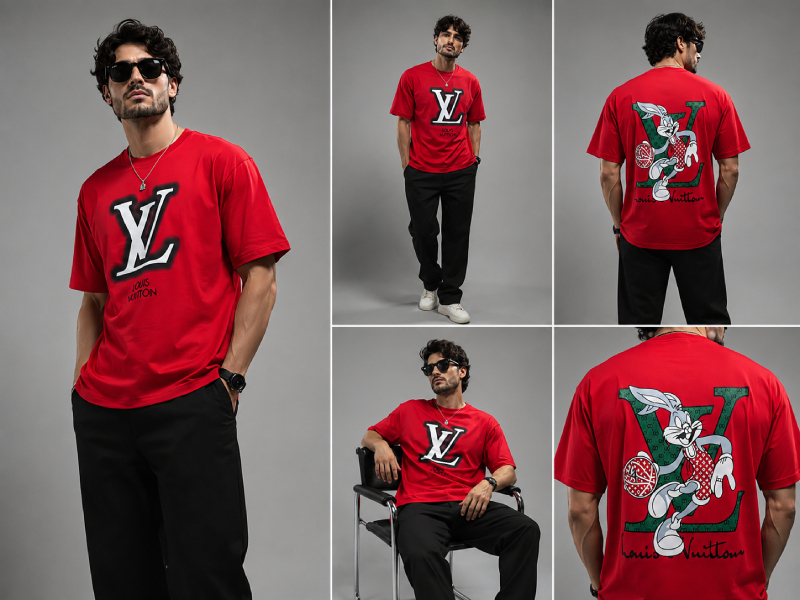
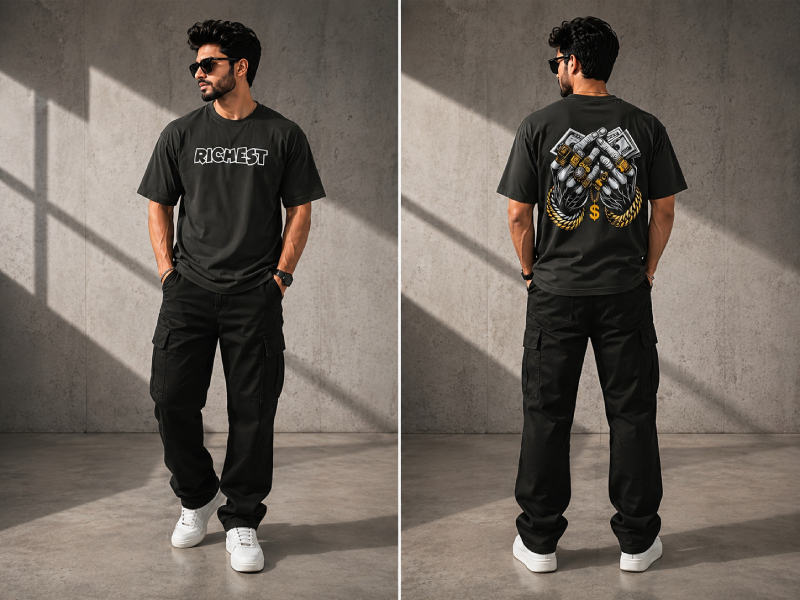
Classic T-Shirt: This variant features a simple design with a round neckline and short sleeves. Ideal for casual events and promotions, it offers comfort and easy customization.
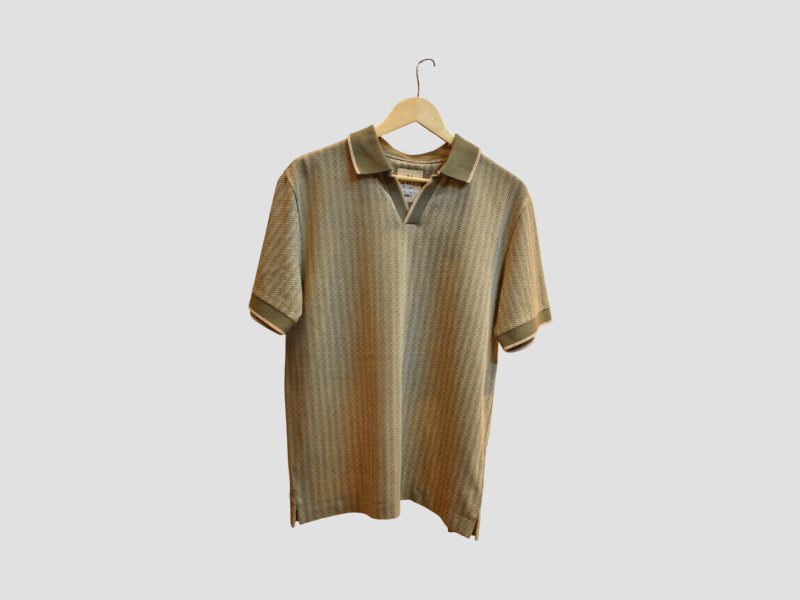
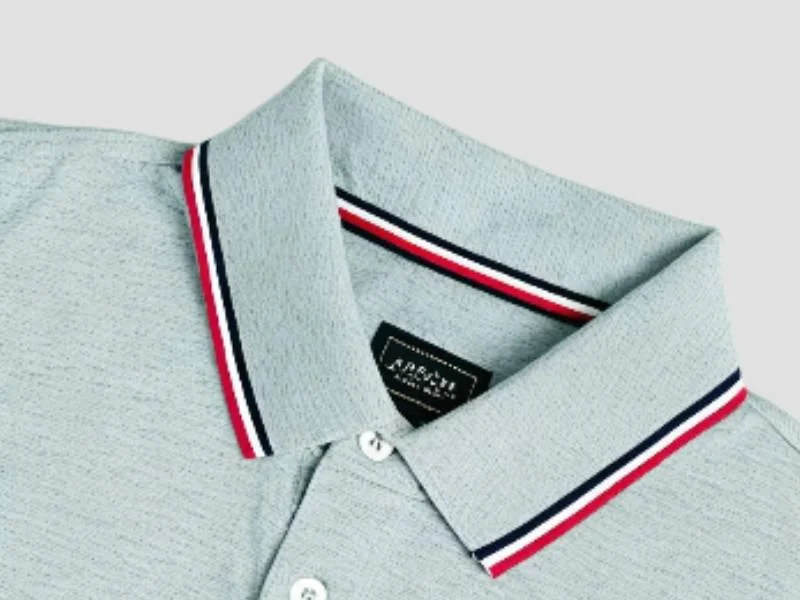
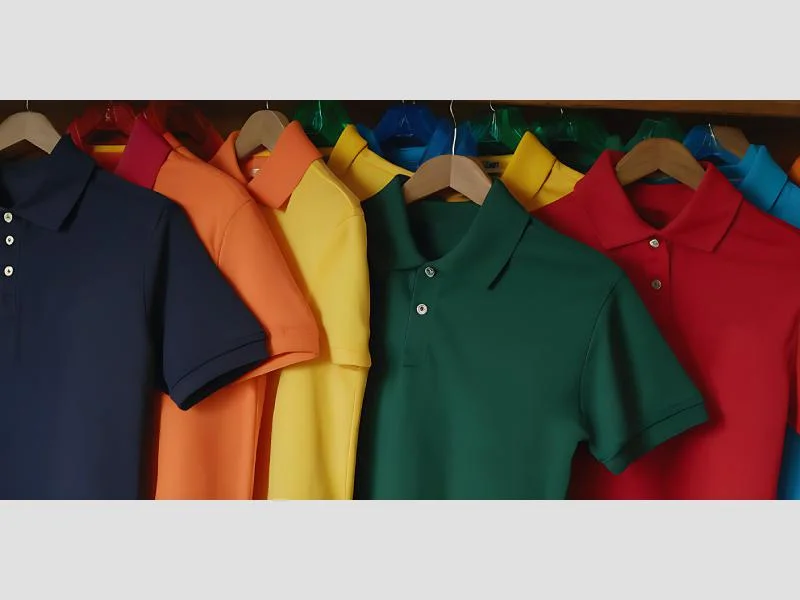
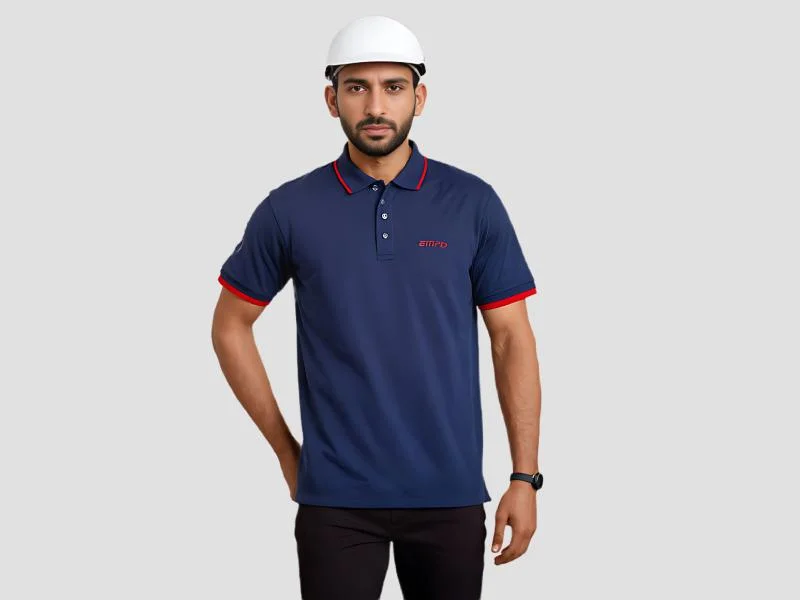
Pique Polo: A textured fabric variant that provides a more polished look. Pique polos are suitable for business casual environments and can be customized with logos for branding.
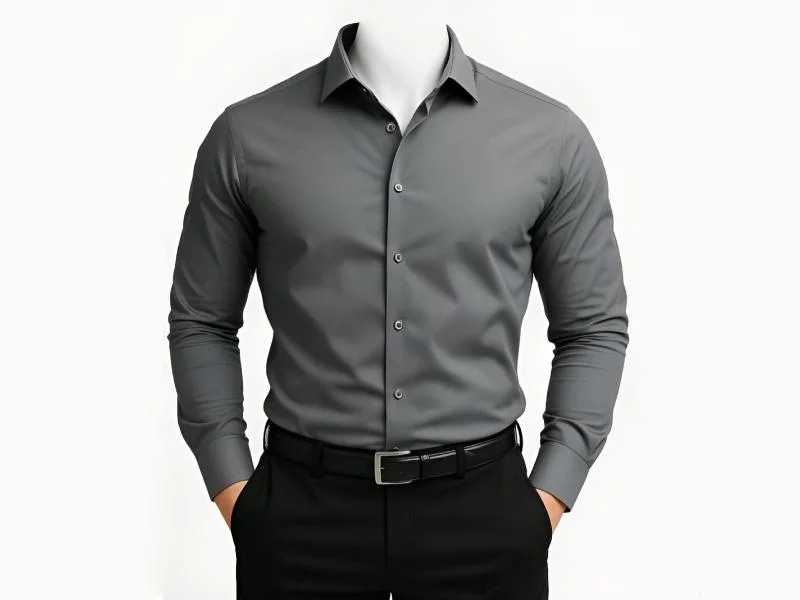
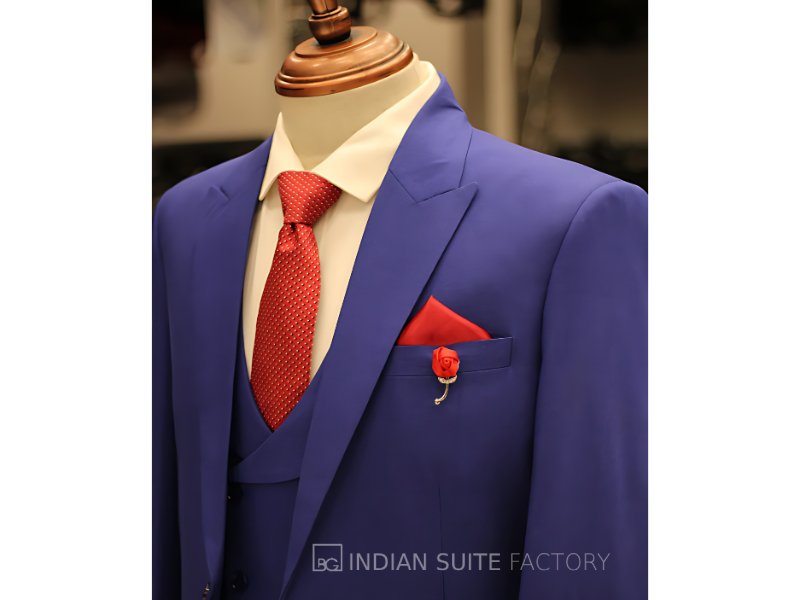
Dress Shirt: Characterized by a button-down front and long sleeves, dress shirts are perfect for formal business settings. They can be tailored for a professional fit and come in a variety of fabrics.
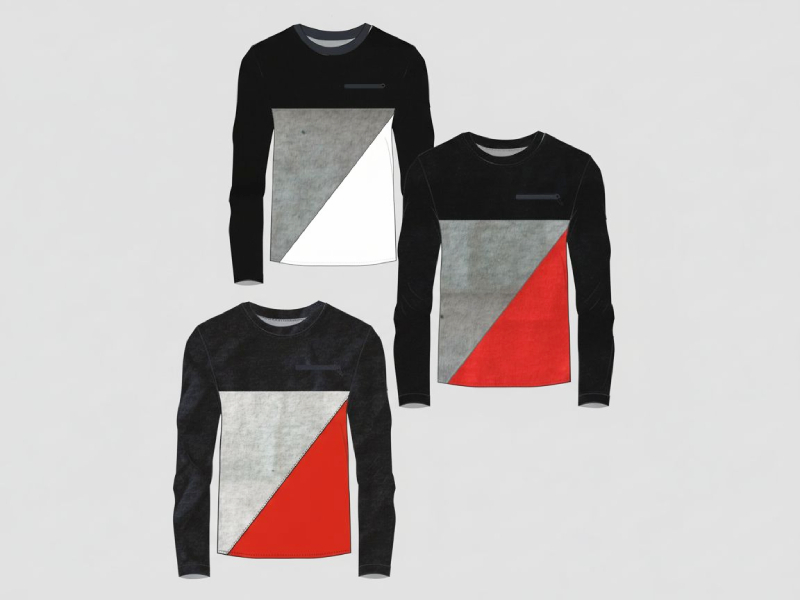
Pocket T-Shirt: This variant includes a pocket on the chest, useful for holding small items. It combines casual comfort with practicality.
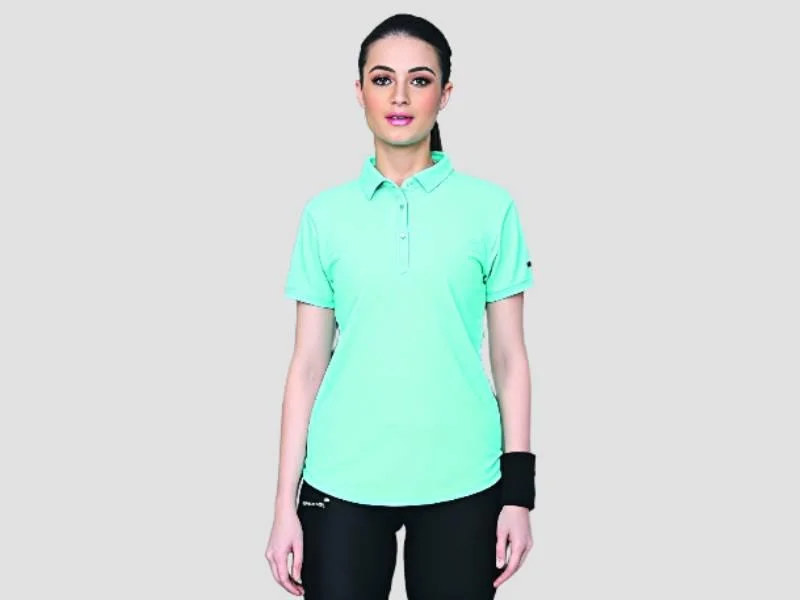
Performance Polo: Designed with moisture-wicking fabric, this variant is ideal for outdoor events or active work environments. It provides breathability and comfort while maintaining a professional look.
𝗕𝗲𝗻𝗲𝗳𝗶𝘁𝘀 𝗮𝗻𝗱 𝗔𝗱𝘃𝗮𝗻𝘁𝗮𝗴𝗲𝘀
T-shirts, polos, and shirts offer numerous benefits for businesses looking to enhance their branding and employee appearance.
1. Brand Promotion: Customizable options allow businesses to showcase their logos and messages, increasing visibility.
2. Employee Uniformity: Providing consistent apparel creates a unified team image, boosting morale and professionalism.
3. Versatility: These garments can be used in various settings, from casual to formal, making them ideal for different business occasions.
4. Comfort: Made from breathable fabrics, T-shirts, polos, and shirts ensure comfort for employees during long work hours.
5. Cost-Effectiveness: Bulk orders often come at discounted rates, providing value for businesses looking to manage budgets effectively.
6. Marketing Opportunities: Branded apparel serves as walking advertisements, promoting the company while employees wear them in public.
𝗕𝘂𝘆𝗶𝗻𝗴 𝗚𝘂𝗶𝗱𝗲 𝗳𝗼𝗿 𝗕𝟮𝗕 𝗕𝘂𝘆𝗲𝗿𝘀
When sourcing T-shirts, polos, and shirts, businesses should consider several key factors to ensure they make the right decision.
1. Quality Assessment: Evaluate the fabric quality and construction to ensure durability and comfort. Look for samples to assess the feel and fit.
2. Supplier Verification: Research potential suppliers to confirm their reliability and reputation. Check reviews and request references to ensure they meet industry standards.
3. Pricing and MOQ: Understand the pricing structure and minimum order quantities. Negotiate terms to find a balance between quality and cost-effectiveness.
4. Delivery and Lead Times: Discuss logistics and delivery schedules with suppliers to ensure timely receipt of products. Consider potential delays in production.
5. Compliance Requirements: Familiarize yourself with any industry-specific regulations or certifications needed for apparel. Ensure suppliers meet these compliance standards.
𝗖𝗼𝗺𝗽𝗹𝗶𝗮𝗻𝗰𝗲 𝗮𝗻𝗱 𝗖𝗲𝗿𝘁𝗶𝗳𝗶𝗰𝗮𝘁𝗶𝗼𝗻𝘀
Compliance and certifications are crucial aspects of sourcing T-shirts, polos, and shirts. Businesses should be aware of relevant quality standards such as ISO 9001, which ensures consistent quality management across suppliers. This standard is essential for maintaining product quality and reliability.
Additionally, industry certifications such as CE indicate that products meet European safety and health requirements. Companies should also consider safety and testing requirements specific to their industry to ensure compliance with regulations.
Regional compliance considerations may vary, so it is essential for buyers to understand local laws and standards, particularly if sourcing internationally. This knowledge will help avoid legal issues and ensure that the products align with market expectations.
𝗪𝗵𝘆 𝗦𝗼𝘂𝗿𝗰𝗲 𝗧-𝗦𝗵𝗶𝗿𝘁𝘀, 𝗣𝗼𝗹𝗼𝘀, 𝗦𝗵𝗶𝗿𝘁𝘀 𝗳𝗿𝗼𝗺 𝗣𝗲𝗽𝗮𝗴𝗼𝗿𝗮?
Pepagora provides a trusted platform for sourcing T-shirts, polos, and shirts, offering several key advantages to B2B buyers.
Verified Supplier Network: Pepagora features a comprehensive network of verified suppliers, ensuring that buyers can access reliable and reputable manufacturers. This network helps businesses find the right partners for their sourcing needs.
Streamlined RFQ Process: The platform offers a streamlined Request for Quotation (RFQ) process, allowing buyers to easily request quotes from multiple suppliers. This feature saves time and simplifies the procurement process.
Trade Assurance and Support: Pepagora provides trade assurance, protecting buyers throughout the sourcing process. This support includes assistance with negotiations and conflict resolution, ensuring a smooth experience.
Regional Coverage: With a strong presence in regions like India, GCC, and Southeast Asia, Pepagora offers extensive geographic reach. This allows businesses to source quality apparel from local suppliers, reducing shipping times and costs.
In conclusion, Pepagora is an ideal platform for businesses looking to source high-quality T-shirts, polos, and shirts while benefiting from a reliable supplier network and comprehensive support services.

 IN
IN