
 IN
Swimwear
26 products available
𝗪𝗵𝗮𝘁 𝗮𝗿𝗲 𝗦𝘄𝗶𝗺𝘄𝗲𝗮𝗿?
Swimwear refers to specialized clothing designed for water activities, primarily swimming. This category includes a variety of garments such as swimsuits, bikinis, swim trunks, and rash guards. Swimwear is typically made from materials that are resistant to chlorine, salt water, and UV rays, ensuring durability and comfort during aquatic activities. The design of swimwear can vary widely, catering to different body types, styles, and functionalities.
The primary uses of swimwear extend beyond recreational swimming. It is essential in competitive sports like swimming and water polo, as well as in leisure activities such as beach outings, pool parties, and water aerobics. In the business context, swimwear is an important product for retailers, sports leagues, and fitness centers. The swimwear market continues to grow due to increasing participation in water sports and a rising trend in beach tourism, making it a relevant and lucrative industry.
𝗞𝗲𝘆 𝗙𝗲𝗮𝘁𝘂𝗿𝗲𝘀 𝗮𝗻𝗱 𝗦𝗽𝗲𝗰𝗶𝗳𝗶𝗰𝗮𝘁𝗶𝗼𝗻𝘀
Swimwear is characterized by a range of features that enhance performance, comfort, and style. When evaluating swimwear, it is essential to consider the following key specifications.
Key specifications include:
1. Fabric Composition
- Made from materials like nylon, polyester, and spandex
- Provides flexibility, durability, and comfort
2. UV Protection
- Offers varying levels of UV resistance
- Helps protect skin from sun exposure
3. Chlorine Resistance
- Some swimwear is treated for enhanced chlorine resistance
- Extends the lifespan of the garment in pool environments
4. Size Range
- Available in a wide range of sizes, from children to plus sizes
- Ensures inclusivity for different body types
5. Design Styles
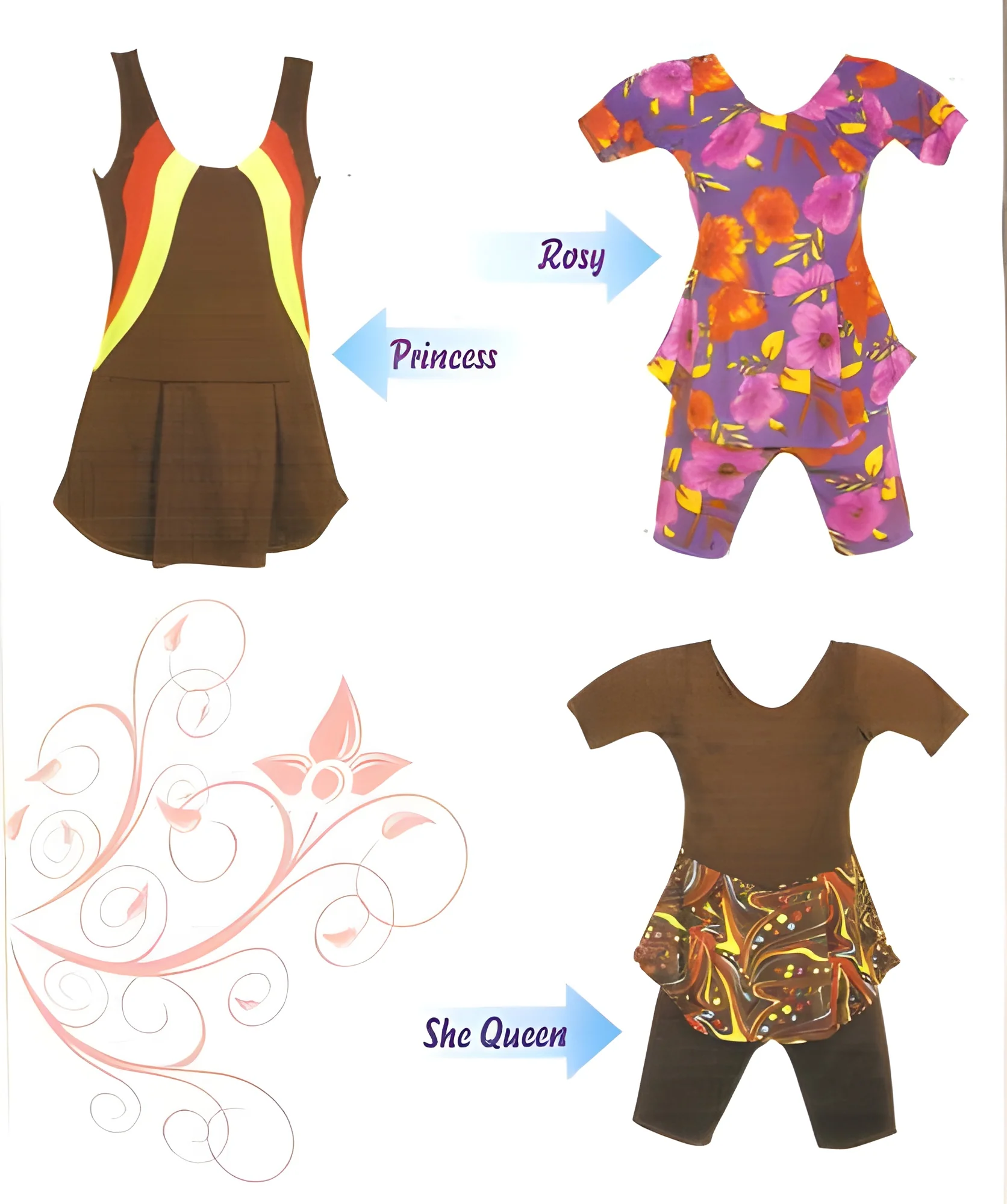
- Includes one-piece swimsuits, two-piece bikinis, and swim trunks
- Various designs cater to different preferences and activities
6. Quick-Dry Technology
- Fabrics designed to dry quickly after use
- Enhances comfort and usability
7. Seam Construction
- Flatlock seams to reduce chafing and increase comfort
- Reinforced stitching for durability
8. Color and Pattern Options
- Available in a multitude of colors and patterns
- Allows for personalization and style choices
In summary, the specifications of swimwear play a crucial role in its functionality, performance, and appeal. Buyers should carefully assess these features to select the most suitable options for their needs.
𝗖𝗼𝗺𝗺𝗼𝗻 𝗔𝗽𝗽𝗹𝗶𝗰𝗮𝘁𝗶𝗼𝗻𝘀 𝗮𝗻𝗱 𝗨𝘀𝗲 𝗖𝗮𝘀𝗲𝘀
Swimwear is utilized across various industries and applications, reflecting its versatility and importance.
1. Sports and Recreation: Swimwear is essential for athletes competing in swimming events, water polo, and triathlons, where performance and comfort are crucial.
2. Leisure and Tourism: Swimwear is a staple for beachgoers and resort visitors, enhancing the experience of sunbathing, swimming, and participating in water activities.
3. Fitness Centers: Gyms and fitness studios often provide swimming facilities, requiring appropriate swimwear for classes like water aerobics and lap swimming.
4. Aquatic Therapy: Swimwear is used in rehabilitation programs, where water-based exercises aid recovery and promote physical well-being.
5. Fashion Industry: Swimwear is a significant segment of the fashion market, with designer brands creating stylish and trendy options for consumers.
6. Water Parks: Swimwear is essential for visitors at water parks, where attractions involve slides, pools, and other water-related activities.
7. Competitive Training: Swim teams require specialized swimwear designed for training, enhancing performance through streamlined designs.
𝗣𝗿𝗼𝗱𝘂𝗰𝘁 𝗩𝗮𝗿𝗶𝗮𝗻𝘁𝘀 𝗮𝗻𝗱 𝗦𝘂𝗯𝗰𝗮𝘁𝗲𝗴𝗼𝗿𝗶𝗲𝘀
Swimwear comes in various forms, catering to different activities and preferences.
𝗢𝗻𝗲-𝗣𝗶𝗲𝗰𝗲 𝗦𝘄𝗶𝗺𝘀𝘂𝗶𝘁𝘀
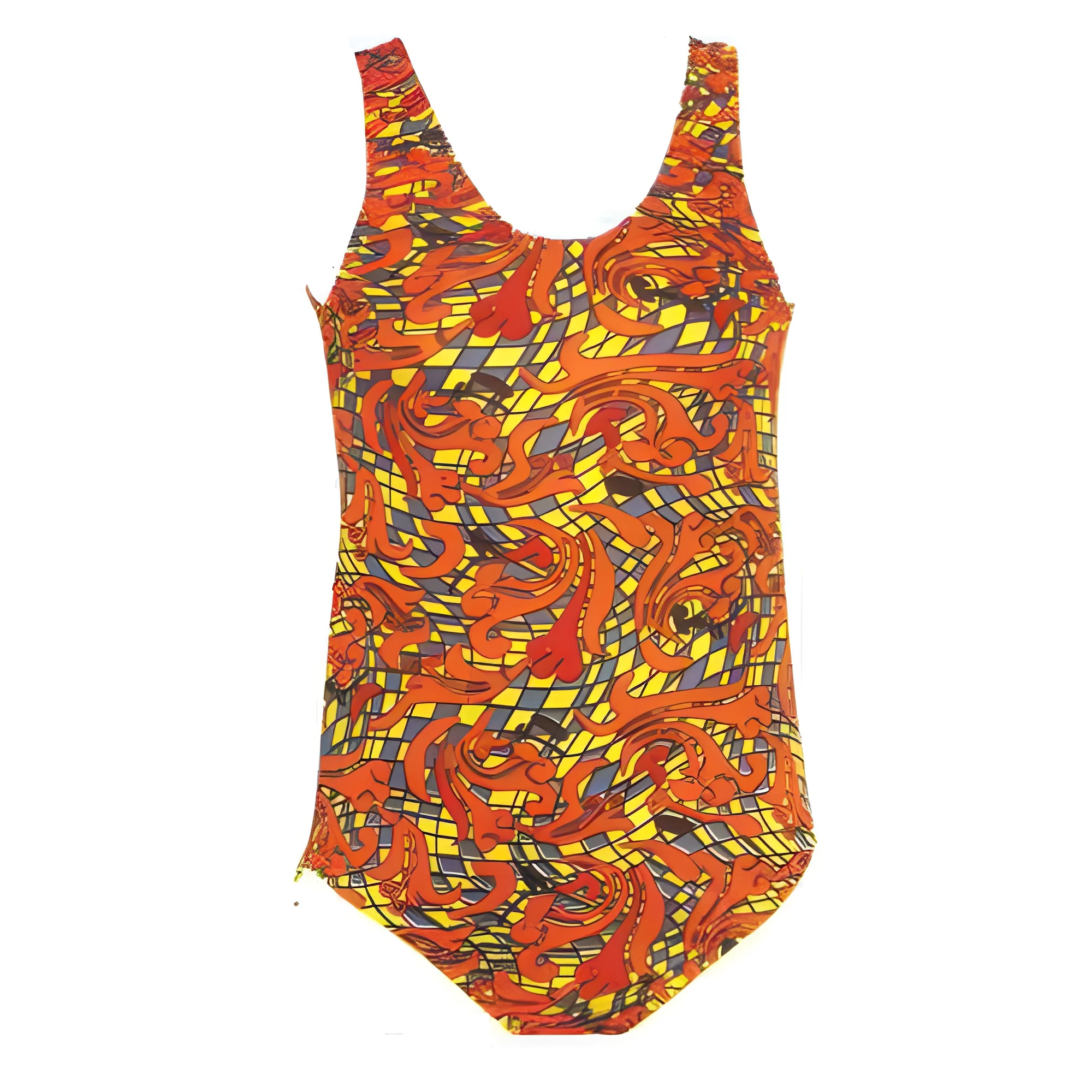
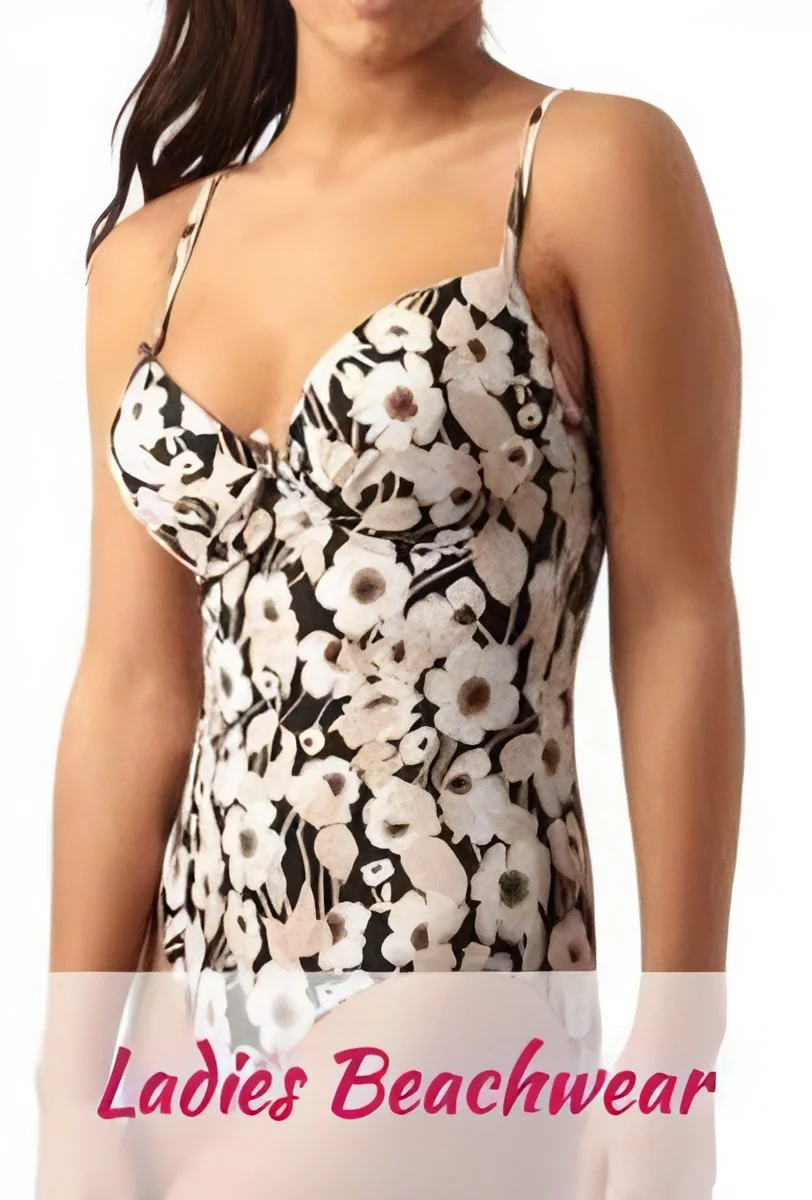
These suits offer full coverage and support, making them popular for both competitive swimming and leisure. They come in various designs, from sporty to fashionable, ensuring comfort and style.
𝗕𝗶𝗸𝗶𝗻𝗶𝘀
Bikinis are two-piece swimwear that allows for greater flexibility and tanning options. They are popular for beach outings and are available in numerous styles and patterns to suit individual tastes.
𝗦𝘄𝗶𝗺 𝗧𝗿𝘂𝗻𝗸𝘀
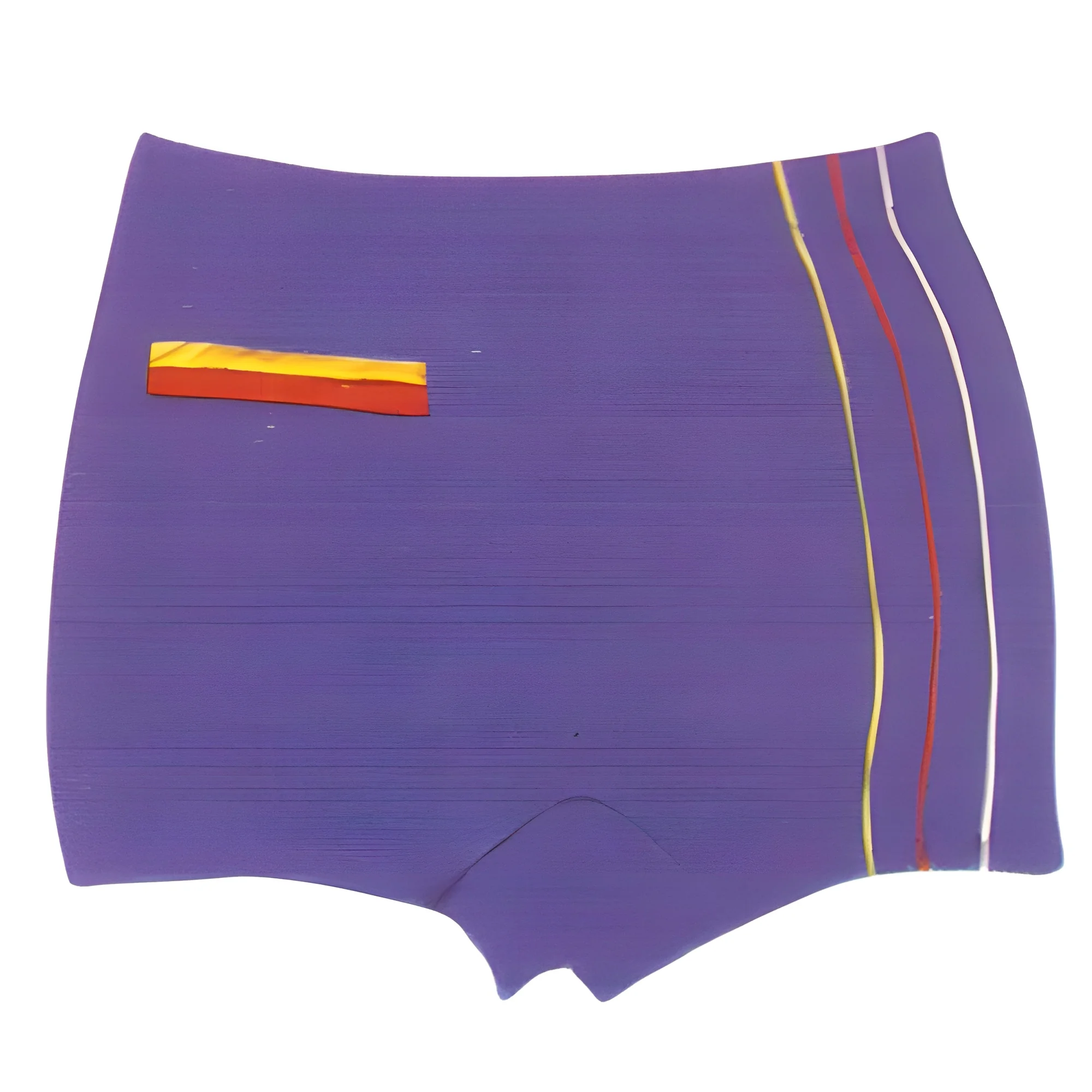
Primarily designed for men, swim trunks provide comfort and style for pool and beach activities. They often feature quick-dry technology and various lengths to cater to different preferences.
𝗥𝗮𝘀𝗵 𝗚𝘂𝗮𝗿𝗱𝘀
These garments offer protection from the sun and prevent chafing during water activities. Rash guards are ideal for surfing, paddleboarding, and other sports where skin protection is essential.
𝗕𝗲𝗻𝗲𝗳𝗶𝘁𝘀 𝗮𝗻𝗱 𝗔𝗱𝘃𝗮𝗻𝘁𝗮𝗴𝗲𝘀
Swimwear offers numerous benefits to both individual users and businesses.
1. Comfort and Flexibility: Swimwear is designed to allow freedom of movement, enhancing comfort during water activities.
2. Durability: High-quality fabrics ensure that swimwear withstands harsh conditions, including chlorine and saltwater.
3. UV Protection: Many swimwear options provide UV protection, safeguarding skin from sun damage during outdoor activities.
4. Style Variety: With numerous styles and designs available, there are options to suit every preference and body type.
5. Enhanced Performance: Specialized swimwear can improve hydrodynamics for competitive swimmers, contributing to better performance.
6. Quick-Drying: Swimwear made with quick-dry technology enhances usability, allowing for immediate wear after swimming.
𝗕𝘂𝘆𝗶𝗻𝗴 𝗚𝘂𝗶𝗱𝗲 𝗳𝗼𝗿 𝗕𝟮𝗕 𝗕𝘂𝘆𝗲𝗿𝘀
When sourcing swimwear for commercial purposes, buyers should consider several key factors.
1. Quality Assessment: Evaluate the fabric quality and construction to ensure durability and performance. Look for reputable brands known for their high standards.
2. Supplier Verification: Conduct thorough checks on suppliers to ensure reliability and consistency in product quality. Request samples to assess before making bulk purchases.
3. Pricing and MOQ: Understand the pricing structure, including minimum order quantities (MOQ). This helps in budgeting and managing inventory levels.
4. Delivery and Lead Times: Clarify delivery timelines with suppliers to ensure timely availability of products. Consider logistics for distribution.
5. Compliance Requirements: Be aware of any regulatory standards applicable to swimwear, including safety and quality certifications, to ensure compliance.
𝗖𝗼𝗺𝗽𝗹𝗶𝗮𝗻𝗰𝗲 𝗮𝗻𝗱 𝗖𝗲𝗿𝘁𝗶𝗳𝗶𝗰𝗮𝘁𝗶𝗼𝗻𝘀
Swimwear is subject to various compliance and certification requirements that ensure quality and safety in the market.
Relevant quality standards include ISO 9001, which outlines criteria for an effective quality management system. Adhering to such standards helps manufacturers maintain consistent quality in their products.
Industry certifications, such as CE marking, indicate compliance with European health, safety, and environmental protection standards. This provides assurance to buyers regarding product safety.
Safety and testing requirements may vary by region, and it is essential to conduct regular testing to meet these standards. This could include assessments for material durability and UV resistance.
Regional compliance considerations may also play a role in sourcing decisions, particularly for markets with specific regulations regarding textile safety and environmental impact.
𝗪𝗵𝘆 𝗦𝗼𝘂𝗿𝗰𝗲 𝗦𝘄𝗶𝗺𝘄𝗲𝗮𝗿 𝗳𝗿𝗼𝗺 𝗣𝗲𝗽𝗮𝗴𝗼𝗿𝗮?
Pepagora offers a reliable platform for sourcing swimwear with several key advantages for B2B buyers.
Verified Supplier Network: Pepagora connects buyers with a network of verified suppliers, ensuring that all partners meet stringent quality and reliability standards. This reduces the risk associated with sourcing.
Streamlined RFQ Process: The platform features a streamlined Request for Quotation (RFQ) process that simplifies price comparisons and supplier selection. Buyers can quickly receive quotes tailored to their specific needs.
Trade Assurance and Support: Pepagora provides trade assurance to protect buyers during transactions. This includes support services that help resolve any issues that may arise during the sourcing process.
Regional Coverage: With a strong presence in regions like India, the GCC, and Southeast Asia, Pepagora offers extensive geographic reach. This enables buyers to access diverse swimwear options tailored to local markets.
By leveraging these advantages, businesses can confidently source high-quality swimwear that meets their specific requirements.

 India
 India

 India
 India
 India


Frequently Asked Questions
What are Swimwear?
Swimwear refers to clothing designed specifically for swimming and water-related activities. It includes various styles such as swimsuits, bikinis, and swim trunks, typically made from materials that are resistant to water and quick-drying.
What are the different types of Swimwear?
The different types of swimwear include one-piece swimsuits, two-piece bikinis, swim trunks, boardshorts, and swim dresses. Additionally, there are specialty swimwear options like wetsuits and rash guards designed for specific water sports.
How do I choose the right Swimwear?
To choose the right swimwear, consider factors such as body shape, intended use (e.g., casual swimming vs. competitive swimming), and personal style. It is also important to select materials that provide comfort, durability, and UV protection.
What are the standard specifications for Swimwear?
Standard specifications for swimwear typically include material composition, size range, colorfastness, and stretchability. Many swimwear items are made from nylon, spandex, or polyester, and should also meet specific standards for chlorine resistance.
What is the price range for Swimwear?
The price range for swimwear can vary widely based on brand, material, and style, typically falling between ₹500 to ₹5,000. Higher-end brands or specialized swimwear may cost more, while basic options are available at lower price points.
What quality standards apply to Swimwear?
Quality standards for swimwear include durability, comfort, and resistance to fading and stretching. Many manufacturers adhere to certifications that ensure the swimwear is safe for prolonged exposure to water and sun.
Where can I find Swimwear suppliers in India?
You can find swimwear suppliers in India through online B2B marketplaces, trade shows, and industry directories. Platforms like Pepagora.com provide access to a wide range of swimwear manufacturers and wholesalers.
Can Swimwear be customized?
Yes, swimwear can be customized in terms of design, color, and size. Many manufacturers offer customization options, allowing businesses to create unique swimwear that meets specific branding or customer needs.
What is the typical minimum order quantity for Swimwear?
The typical minimum order quantity (MOQ) for swimwear varies by supplier but generally ranges from 50 to 200 pieces. It's advisable to check with individual manufacturers for their specific MOQ requirements.
What is the typical lead time for Swimwear?
The typical lead time for swimwear production can range from 4 to 8 weeks, depending on the complexity of the order and the manufacturer's capacity. Custom orders may require longer lead times.
Why Businesses Trust Pepagora
Thousands of companies trust Pepagora to source smarter and sell faster
Expand Your Sales Globally

Source Smarter,Grow Faster
