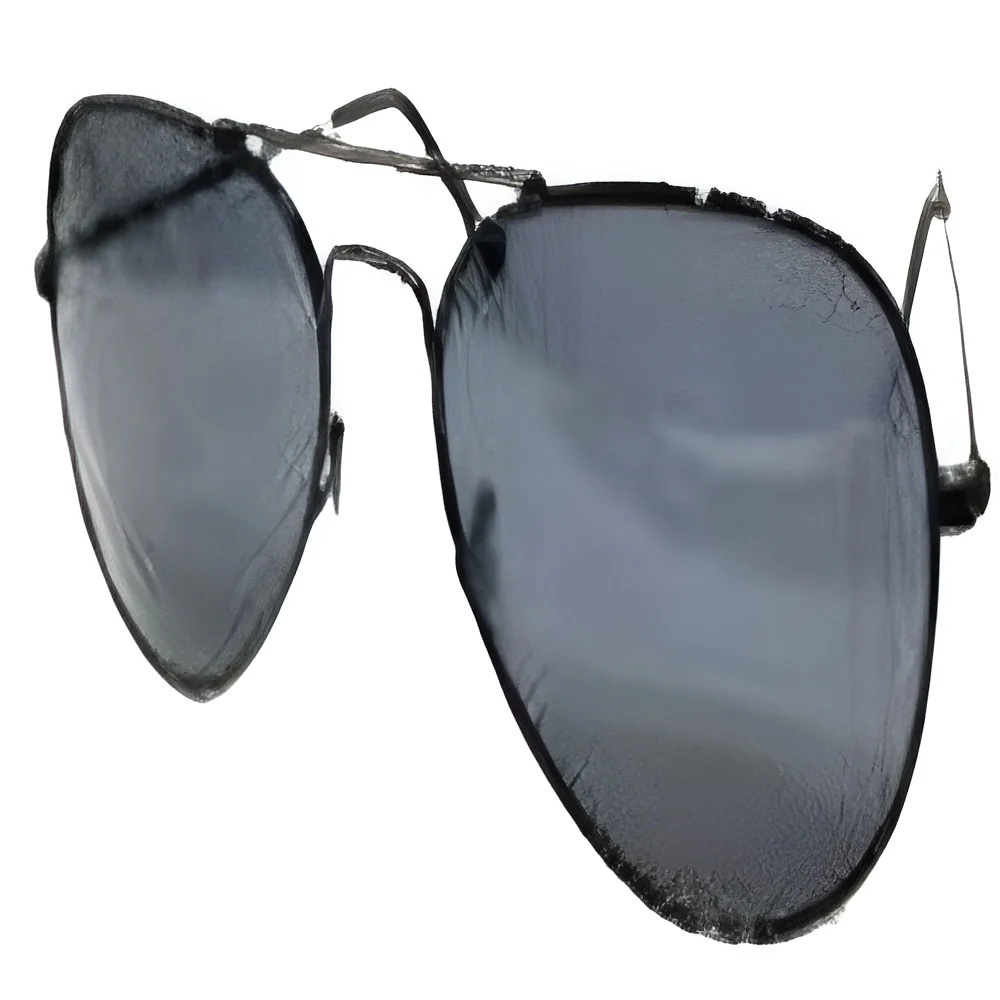
𝗪𝗵𝗮𝘁 𝗮𝗿𝗲 𝗦𝘂𝗻𝗴𝗹𝗮𝘀𝘀𝗲𝘀 & 𝗘𝘆𝗲𝘄𝗲𝗮𝗿?
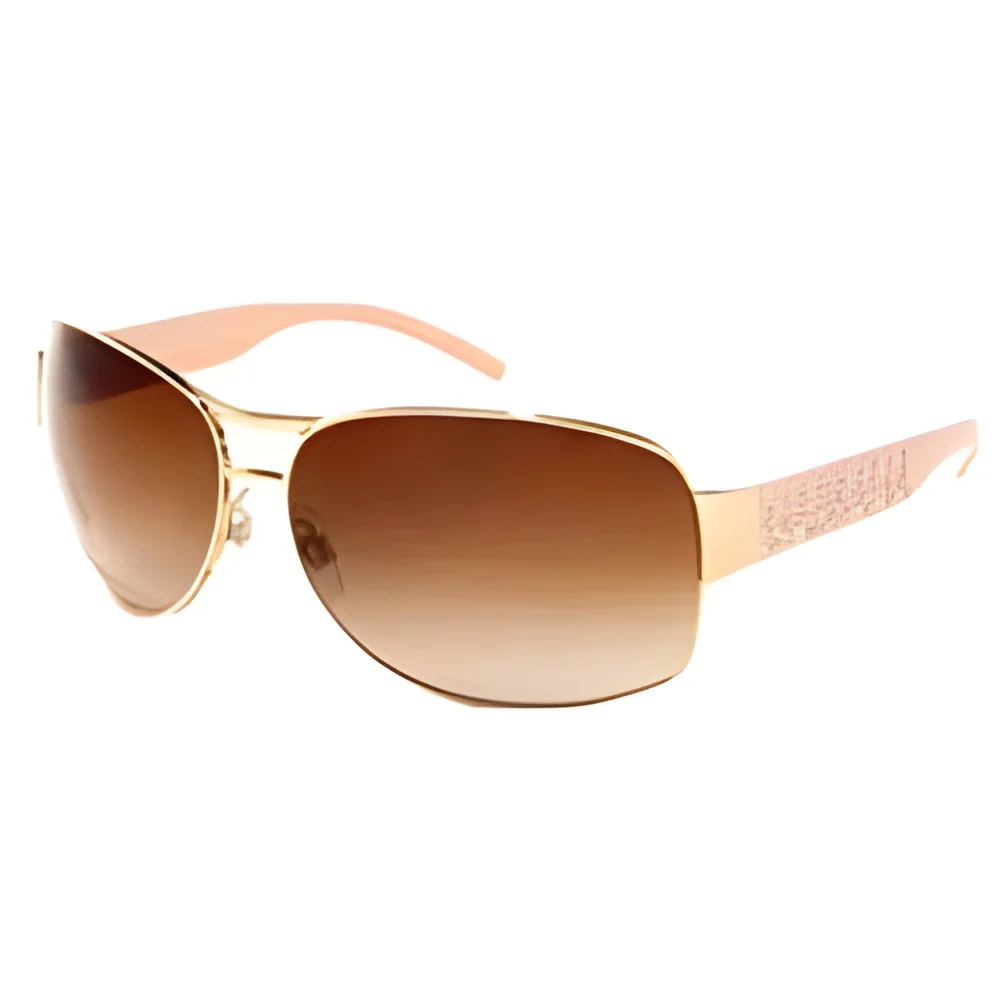
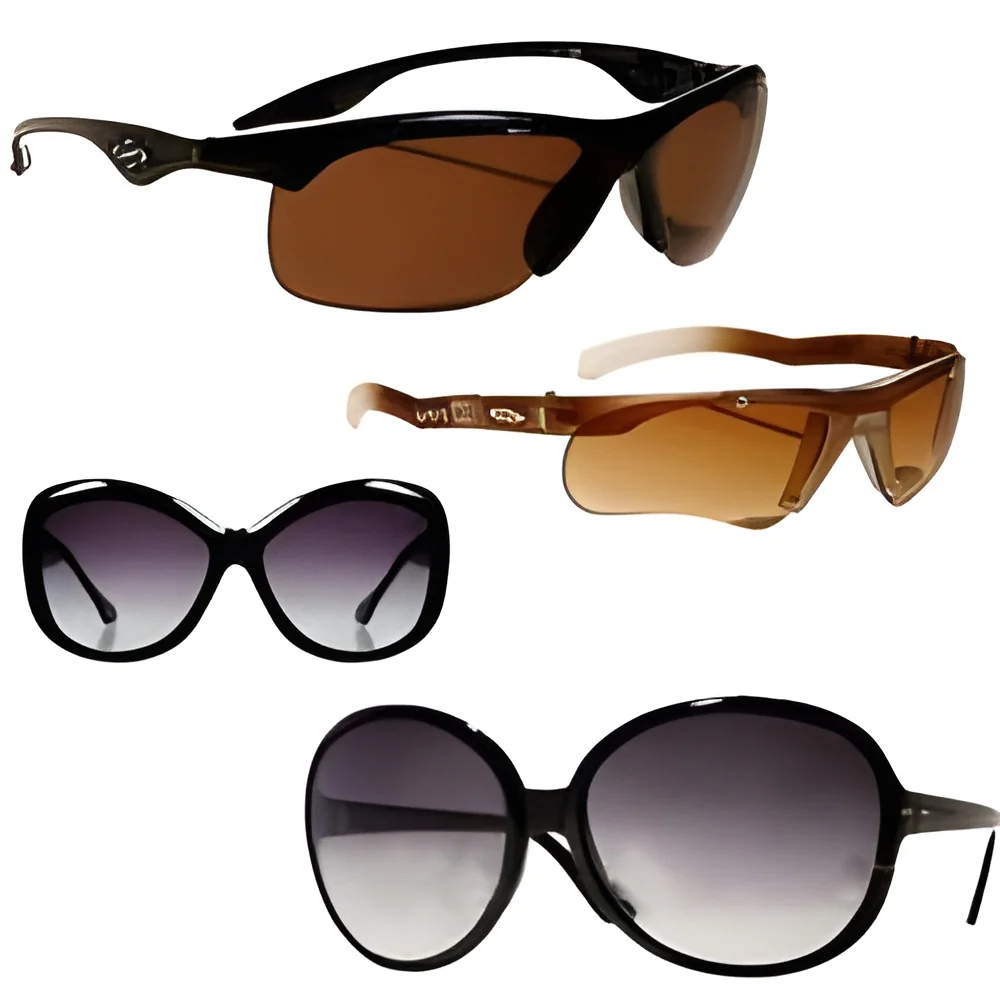
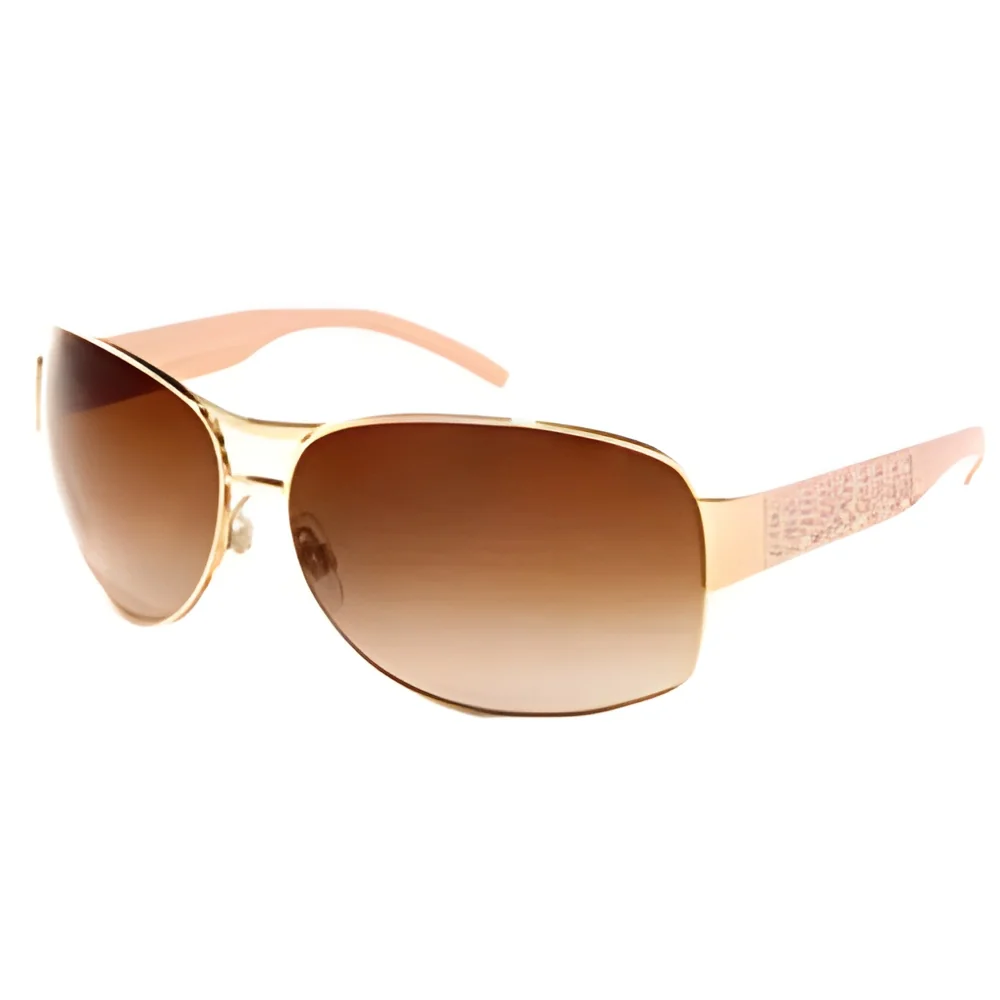
Sunglasses and eyewear are essential accessories designed to protect the eyes from harmful UV rays and enhance visual comfort. They come in various styles, shapes, and materials, catering to diverse consumer preferences. Sunglasses specifically filter sunlight, reducing glare and improving visibility, while eyewear can include prescription glasses and safety glasses for various applications.
In business contexts, sunglasses and eyewear are widely used in retail, fashion, and safety industries. Retailers often stock a range of styles to appeal to fashion-conscious consumers. In industrial settings, safety eyewear protects workers from hazards. Additionally, prescription eyewear is crucial for individuals requiring vision correction, making it relevant across healthcare sectors.
The eyewear industry has seen significant growth, driven by increasing awareness of eye health and fashion trends. Market demand for stylish yet functional eyewear continues to rise, encouraging manufacturers to innovate and expand their product lines. This creates opportunities for B2B buyers looking to source high-quality eyewear products that meet market needs.
𝗞𝗲𝘆 𝗙𝗲𝗮𝘁𝘂𝗿𝗲𝘀 𝗮𝗻𝗱 𝗦𝗽𝗲𝗰𝗶𝗳𝗶𝗰𝗮𝘁𝗶𝗼𝗻𝘀
Sunglasses and eyewear come with various features and specifications that enhance their functionality and appeal. Understanding these specifications is crucial for making informed purchasing decisions.
Key specifications include:
1. UV Protection
- Essential for safeguarding eyes from harmful ultraviolet rays
- Typically rated with UV400 protection
2. Lens Material
- Common materials include polycarbonate, glass, and CR-39
- Each material offers different levels of impact resistance and optical clarity
3. Frame Material
- Frames can be made from plastic, metal, or composite materials
- Durability and weight vary significantly between materials
4. Polarization
- Polarized lenses reduce glare from reflective surfaces
- Beneficial for outdoor activities and driving
5. Lens Tint
- Available in various colors and shades to enhance contrast
- Choices include gray, brown, and green lenses
6. Prescription Options
- Many eyewear products can be customized with prescription lenses
- Important for individuals needing vision correction
7. Anti-Fog Coating
- Prevents fogging during temperature changes
- Ideal for athletes and outdoor workers
8. Scratch Resistance
- Coatings that protect lenses from scratches and wear
- Enhances the lifespan of eyewear products
In summary, understanding these features and specifications helps B2B buyers select the right sunglasses and eyewear for their specific needs and applications.
𝗖𝗼𝗺𝗺𝗼𝗻 𝗔𝗽𝗽𝗹𝗶𝗰𝗮𝘁𝗶𝗼𝗻𝘀 𝗮𝗻𝗱 𝗨𝘀𝗲 𝗖𝗮𝘀𝗲𝘀
Sunglasses and eyewear have diverse applications across multiple industries.
1. Retail Fashion: Sunglasses are a staple in the fashion industry, with retailers offering trendy designs to attract consumers. Seasonal collections are often launched to keep up with changing styles.
2. Safety and Industrial: Safety eyewear is crucial in construction, manufacturing, and other hazardous environments. These glasses protect workers from flying debris, chemicals, and other dangers.
3. Healthcare: Prescription eyewear is essential for vision correction. Optometrists and eyewear manufacturers work together to provide personalized solutions for patients.
4. Sports and Outdoor Activities: Sunglasses are vital for athletes and outdoor enthusiasts. They provide essential UV protection and reduce glare during activities like skiing, cycling, and fishing.
5. Military and Tactical: Specialized eyewear is used in military applications to protect soldiers' eyes from environmental hazards. These products often include ballistic protection and anti-fog features.
6. Tourism and Travel: Sunglasses are popular among travelers. They not only provide eye protection but also serve as a fashion statement in various travel destinations.
7. Photography and Filmmaking: Eyewear with specialized lenses is used by photographers and filmmakers to enhance visual clarity and reduce glare while shooting outdoors.
𝗣𝗿𝗼𝗱𝘂𝗰𝘁 𝗩𝗮𝗿𝗶𝗮𝗻𝘁𝘀 𝗮𝗻𝗱 𝗦𝘂𝗯𝗰𝗮𝘁𝗲𝗴𝗼𝗿𝗶𝗲𝘀
The sunglasses and eyewear market offers a wide array of variants to meet different user needs.
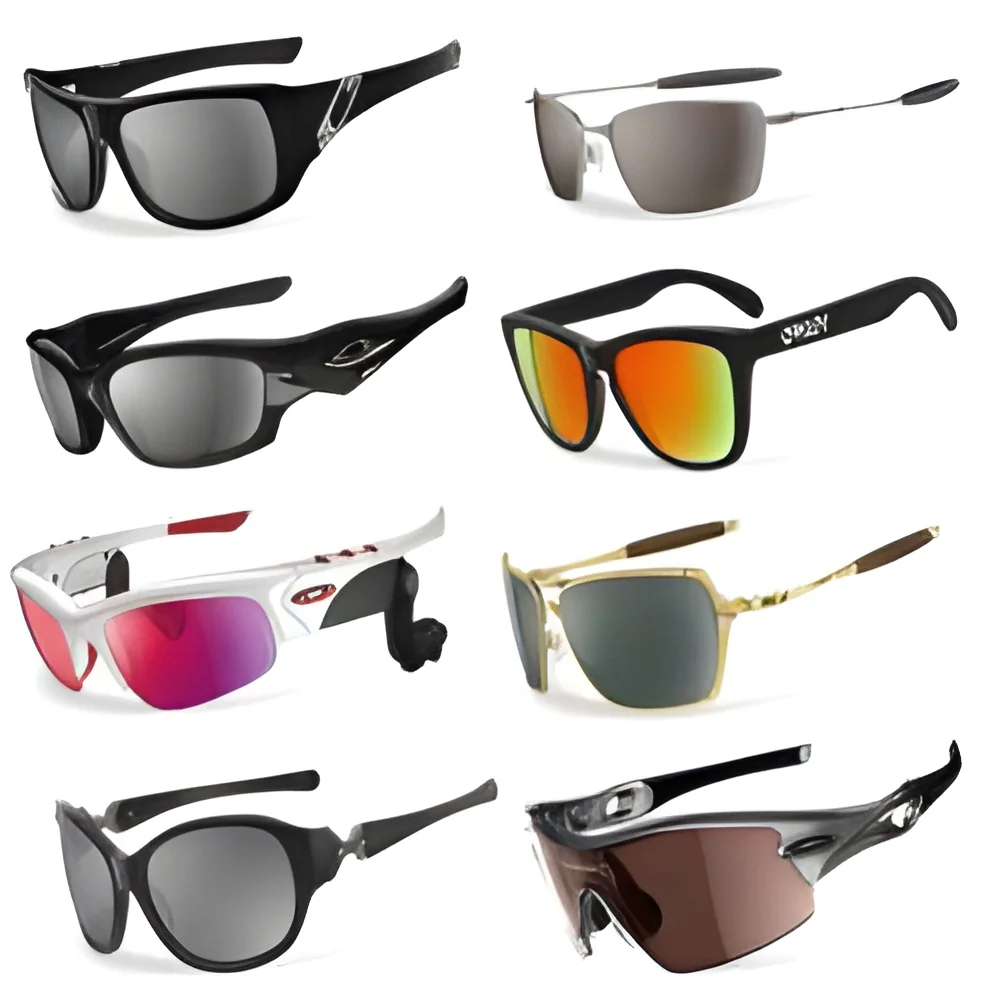
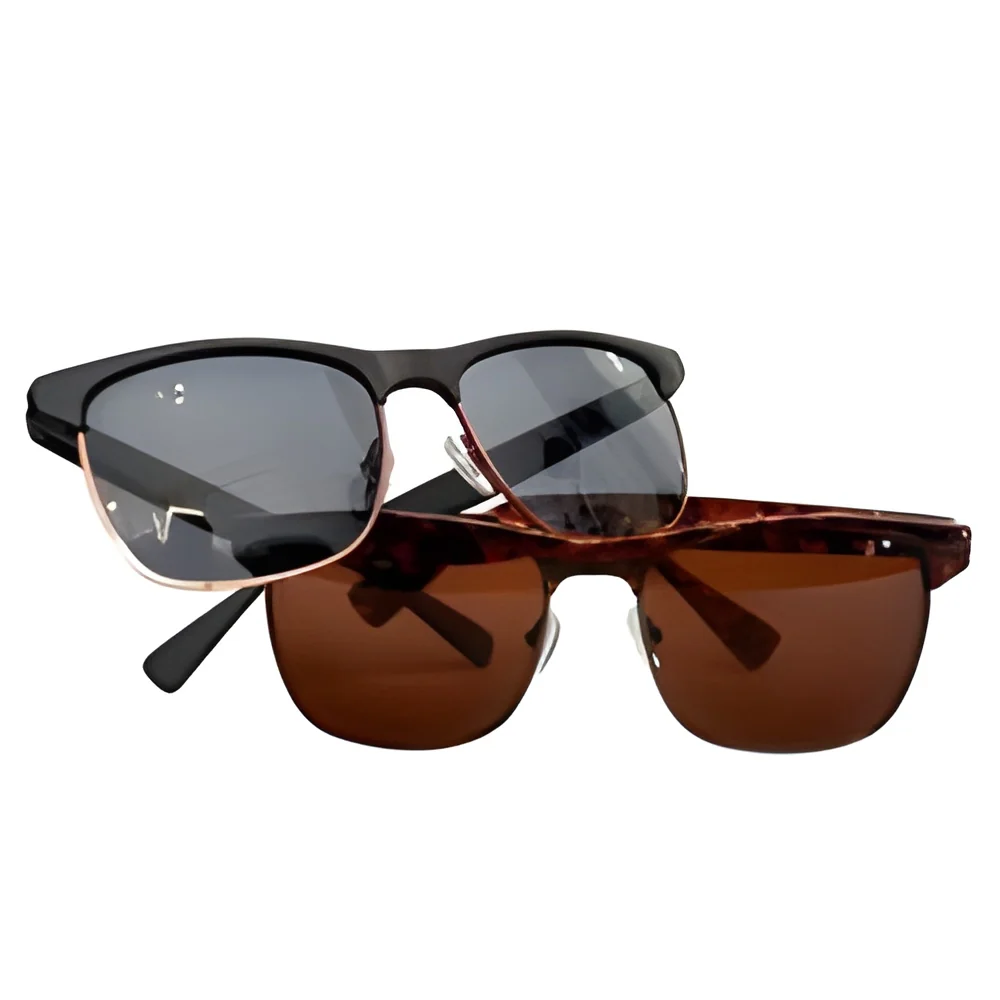
Fashion Sunglasses: These sunglasses are designed primarily for style and aesthetics. They often feature trendy designs and vibrant colors, appealing to fashion-forward consumers.
Sports Sunglasses: Built for performance, sports sunglasses are lightweight and durable. They often come with specialized features like polarized lenses and anti-fog coatings for active use.
Prescription Eyewear: This variant includes glasses tailored to individual vision requirements. They can feature fashionable frames while incorporating corrective lenses.
Safety Eyewear: Designed for industrial and construction use, safety eyewear adheres to strict standards for impact resistance and durability. These glasses protect workers in hazardous environments.
Reading Glasses: These are designed for close-up tasks and are available in various magnification levels. They cater to consumers who require assistance with reading and other detailed activities.
𝗕𝗲𝗻𝗲𝗳𝗶𝘁𝘀 𝗮𝗻𝗱 𝗔𝗱𝘃𝗮𝗻𝘁𝗮𝗴𝗲𝘀
Sourcing sunglasses and eyewear offers several advantages to businesses.
1. Eye Protection: Quality sunglasses and eyewear provide essential protection against harmful UV rays and environmental hazards, promoting eye health.
2. Enhanced Comfort: Properly fitted eyewear can significantly improve visual comfort for users, particularly those with vision impairments.
3. Fashion Appeal: Stylish eyewear adds a fashionable element to personal appearance, making it an attractive product for consumers looking to enhance their style.
4. Customization Options: Many suppliers offer customizable options, allowing businesses to provide tailored solutions to meet specific customer needs.
5. Market Growth Potential: The eyewear industry is expanding, driven by health awareness and fashion trends. This growth presents opportunities for businesses to enter or expand in the market.
6. Diverse Applications: With applications in various industries, sourcing eyewear can open new revenue streams and customer bases.
𝗕𝘂𝘆𝗶𝗻𝗴 𝗚𝘂𝗶𝗱𝗲 𝗳𝗼𝗿 𝗕𝟮𝗕 𝗕𝘂𝘆𝗲𝗿𝘀
When sourcing sunglasses and eyewear, buyers should consider several key factors to ensure they select the right products.
1. Quality Assessment: Evaluate the quality of materials and construction. Look for eyewear that meets industry standards and offers durability.
2. Supplier Verification: Vet potential suppliers to ensure they are reputable and capable of providing high-quality products. Request references and check past performance.
3. Pricing and MOQ: Understand pricing structures and minimum order quantities. This will help in budgeting and determining the feasibility of orders.
4. Delivery and Lead Times: Discuss logistics and expected delivery times with suppliers. It is essential to have a clear timeline to meet market demands.
5. Compliance Requirements: Ensure that the eyewear meets all regulatory requirements and certifications relevant to your market. This includes safety standards and quality certifications.
𝗖𝗼𝗺𝗽𝗹𝗶𝗮𝗻𝗰𝗲 𝗮𝗻𝗱 𝗖𝗲𝗿𝘁𝗶𝗳𝗶𝗰𝗮𝘁𝗶𝗼𝗻𝘀
Sunglasses and eyewear must adhere to various compliance and certification standards to ensure quality and safety.
Quality standards such as ISO 9001 are vital in establishing a framework for consistent quality management in manufacturing processes. Compliance with these standards ensures that products meet customer expectations and regulatory requirements.
Industry certifications like CE are crucial in the European market, indicating that products meet safety and health standards. This certification helps buyers ensure the eyewear is safe for consumer use.
Safety and testing requirements vary based on the type of eyewear. For example, safety glasses used in industrial applications must undergo rigorous impact tests to ensure they can withstand potential hazards.
Regional compliance considerations should also be taken into account. Different markets may have specific regulations regarding UV protection, lens quality, and other factors that affect eyewear safety and functionality.
𝗪𝗵𝘆 𝗦𝗼𝘂𝗿𝗰𝗲 𝗦𝘂𝗻𝗴𝗹𝗮𝘀𝘀𝗲𝘀 & 𝗘𝘆𝗲𝘄𝗲𝗮𝗿 𝗳𝗿𝗼𝗺 𝗣𝗲𝗽𝗮𝗴𝗼𝗿𝗮?
Pepagora serves as a trusted platform for sourcing sunglasses and eyewear, offering several distinct advantages to B2B buyers.
Verified Supplier Network: Pepagora maintains a network of verified suppliers who meet stringent quality and reliability standards. This helps buyers find trustworthy partners for their eyewear needs.
Streamlined RFQ Process: The Request for Quotation (RFQ) system simplifies the procurement process, allowing buyers to easily request quotes from multiple suppliers and compare offers.
Trade Assurance and Support: Buyers benefit from trade assurance, providing protection against potential issues during transactions. Pepagora's support team is available to assist with queries and resolve any concerns.
Regional Coverage: Pepagora has a broad geographic reach, covering markets in India, the Gulf Cooperation Council (GCC), and Southeast Asia. This facilitates access to a diverse range of eyewear products and suppliers, catering to various market needs.
In conclusion, Pepagora offers a comprehensive solution for businesses looking to source high-quality sunglasses and eyewear, ensuring a reliable and efficient procurement process.

 IN
IN