
 IN
INStreaming Equipment & Devices
6 products available
𝗪𝗵𝗮𝘁 𝗮𝗿𝗲 𝗦𝘁𝗿𝗲𝗮𝗺𝗶𝗻𝗴 𝗘𝗾𝘂𝗶𝗽𝗺𝗲𝗻𝘁 & 𝗗𝗲𝘃𝗶𝗰𝗲𝘀?
Streaming equipment and devices encompass a wide range of technology used to capture, transmit, and display live video and audio content over the internet. This includes hardware such as cameras, encoders, switchers, and microphones, as well as software applications that facilitate the streaming process. These devices are designed to ensure high-quality streaming experiences, whether for professional broadcasting, corporate communications, or digital content creation.
In a business context, streaming equipment and devices are pivotal for live events, webinars, training sessions, and promotional activities. Companies leverage this technology to enhance their outreach and engagement, allowing them to connect with audiences in real time. The demand for streaming solutions has surged in recent years, particularly as remote work and virtual events have become more commonplace.
The streaming market continues to evolve, influenced by advancements in technology and changing consumer behaviors. Businesses across various sectors are increasingly adopting streaming solutions to remain competitive. As organizations prioritize digital transformation, the relevance of high-quality streaming equipment and devices is more critical than ever.
𝗞𝗲𝘆 𝗙𝗲𝗮𝘁𝘂𝗿𝗲𝘀 𝗮𝗻𝗱 𝗦𝗽𝗲𝗰𝗶𝗳𝗶𝗰𝗮𝘁𝗶𝗼𝗻𝘀
Streaming equipment and devices are characterized by several key features and specifications that determine their performance and suitability for different applications. Understanding these specifications helps businesses make informed purchasing decisions.
Key specifications include:
1. Video Resolution
- Commonly available in resolutions such as 720p, 1080p, and 4K.
- Higher resolutions provide better clarity and detail.
2. Frame Rate
- Standard frame rates include 30fps and 60fps.
- Higher frame rates result in smoother motion during playback.
3. Connectivity Options
- Devices typically offer Ethernet, HDMI, USB, and wireless connections.
- Multiple options enhance compatibility with various equipment.
4. Audio Quality
- Support for stereo and surround sound formats.
- Advanced audio processing features improve sound clarity.
5. Streaming Protocols
- Common protocols include RTMP, HLS, and MPEG-DASH.
- Different protocols cater to varying streaming needs and platforms.
6. Compression Formats
- H.264 and H.265 are popular compression formats.
- Efficient compression allows for reduced bandwidth usage.
7. Control Interfaces
- Options for remote control, touch screens, or software interfaces.
- Ease of use varies based on the control method.
8. Power Supply
- Devices may use AC or battery power.
- Battery-operated devices offer portability for on-the-go streaming.
In summary, understanding these key features and specifications can significantly impact the effectiveness of streaming operations within a business.
𝗖𝗼𝗺𝗺𝗼𝗻 𝗔𝗽𝗽𝗹𝗶𝗰𝗮𝘁𝗶𝗼𝗻𝘀 𝗮𝗻𝗱 𝗨𝘀𝗲 𝗖𝗮𝘀𝗲𝘀
Streaming equipment and devices are utilized in various industries, each with specific applications that maximize their benefits.
1. Corporate Events: Companies use streaming technology for town hall meetings, product launches, and training sessions, enabling wider audience participation.
2. Education: Educational institutions leverage streaming for online classes, webinars, and virtual conferences, allowing remote learners to engage with instructors.
3. Entertainment: The entertainment industry employs streaming devices for live concerts, gaming broadcasts, and sports events, reaching fans globally.
4. Marketing: Businesses utilize streaming for promotional events and product demonstrations, enhancing customer engagement and brand visibility.
5. Healthcare: Telemedicine and remote consultations rely on streaming technology to connect patients with healthcare providers, improving access to services.
6. Nonprofits: Organizations stream fundraising events and outreach programs, increasing visibility and encouraging donations from a broader audience.
7. Media and Broadcasting: News organizations and content creators use streaming equipment to deliver live news coverage and engage viewers in real time.
𝗣𝗿𝗼𝗱𝘂𝗰𝘁 𝗩𝗮𝗿𝗶𝗮𝗻𝘁𝘀 𝗮𝗻𝗱 𝗦𝘂𝗯𝗰𝗮𝘁𝗲𝗴𝗼𝗿𝗶𝗲𝘀
Streaming equipment and devices come in various forms, catering to different needs and preferences within the market. This diversity allows businesses to choose solutions that align with their specific requirements.
Professional Streaming Cameras
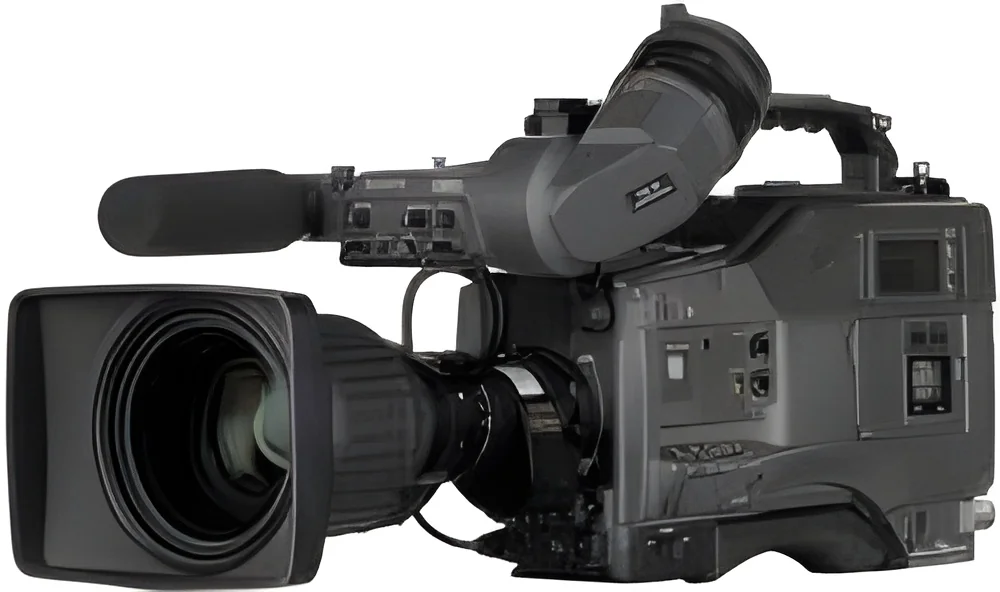
These cameras are designed for high-quality video capture and often feature advanced controls and connectivity options. They are ideal for corporate events and live broadcasts.
Portable Streaming Kits
These all-in-one kits include cameras, microphones, and encoders, offering a compact solution for on-the-go streaming. They are popular among content creators and educators.
Streaming Encoders
Specialized devices that convert video signals into a digital format for streaming. These encoders are essential for professional-grade broadcasts and live events.
Webcams
Affordable and user-friendly options for basic streaming needs. They are commonly used for virtual meetings and online presentations.
𝗕𝗲𝗻𝗲𝗳𝗶𝘁𝘀 𝗮𝗻𝗱 𝗔𝗱𝘃𝗮𝗻𝘁𝗮𝗴𝗲𝘀
Investing in streaming equipment and devices offers numerous advantages for businesses looking to enhance their communication and outreach efforts.
Key benefits include:
1. Increased Engagement: High-quality streaming fosters real-time interaction with audiences, improving engagement and participation.
2. Cost-Effective Marketing: Streaming events can reduce travel and venue costs, offering a budget-friendly alternative to in-person gatherings.
3. Broader Reach: Streaming allows businesses to connect with global audiences, expanding their potential market and customer base.
4. Enhanced Flexibility: The ability to stream from various locations provides flexibility for event planning and execution.
5. Improved Content Accessibility: Streaming technology makes events accessible to individuals who may not be able to attend in person, supporting inclusivity.
6. Analytics and Insights: Streaming platforms often provide analytics tools, allowing businesses to track viewer engagement and gather valuable insights for future events.
𝗕𝘂𝘆𝗶𝗻𝗴 𝗚𝘂𝗶𝗱𝗲 𝗳𝗼𝗿 𝗕𝟮𝗕 𝗕𝘂𝘆𝗲𝗿𝘀
When sourcing streaming equipment and devices, B2B buyers should consider several critical factors to ensure they select the best solutions for their needs.
1. Quality Assessment: Evaluate the quality of the equipment by reviewing specifications, testing samples, and considering customer feedback to ensure reliability and performance.
2. Supplier Verification: Vet suppliers by checking their credentials, certifications, and customer reviews to ensure they have a track record of delivering quality products.
3. Pricing and MOQ: Understand the pricing structure and minimum order quantities to align purchasing decisions with budget constraints and project requirements.
4. Delivery and Lead Times: Inquire about logistics and delivery schedules to ensure timely receipt of equipment for planned events or projects.
5. Compliance Requirements: Confirm that the equipment meets relevant industry standards and regulations to avoid compliance issues and ensure safety.
𝗖𝗼𝗺𝗽𝗹𝗶𝗮𝗻𝗰𝗲 𝗮𝗻𝗱 𝗖𝗲𝗿𝘁𝗶𝗳𝗶𝗰𝗮𝘁𝗶𝗼𝗻𝘀
Compliance and certifications are crucial aspects of streaming equipment and devices, ensuring that products meet industry standards and regulations.
Relevant quality standards, such as ISO 9001, help ensure consistent quality management practices among manufacturers. Adhering to these standards demonstrates a commitment to quality and customer satisfaction.
Industry certifications, such as CE marking, indicate compliance with European safety and health requirements. This certification is essential for devices sold in the European market and assures buyers of product safety and performance.
Safety and testing requirements also play a significant role in product compliance. Manufacturers must conduct thorough testing to ensure that their devices operate safely and effectively under various conditions.
Regional compliance considerations are important, as different markets may have specific regulations governing the use of streaming technology. Buyers should familiarize themselves with the regulatory landscape in their region to ensure compliance.
𝗪𝗵𝘆 𝗦𝗼𝘂𝗿𝗰𝗲 𝗦𝘁𝗿𝗲𝗮𝗺𝗶𝗻𝗴 𝗘𝗾𝘂𝗶𝗽𝗺𝗲𝗻𝘁 & 𝗗𝗲𝘃𝗶𝗰𝗲𝘀 𝗳𝗿𝗼𝗺 𝗣𝗲𝗽𝗮𝗴𝗼𝗿𝗮?
Pepagora provides a trusted platform for sourcing streaming equipment and devices, offering several advantages for B2B buyers.
Verified Supplier Network: Pepagora connects buyers with a network of verified suppliers, ensuring access to quality products and reliable vendors. This verification process helps buyers make informed decisions based on supplier credibility.
Streamlined RFQ Process: The platform features a streamlined Request for Quotation (RFQ) process, allowing buyers to easily request quotes from multiple suppliers. This efficiency simplifies the procurement process and saves time.
Trade Assurance and Support: Pepagora offers trade assurance and support to buyers, providing protection during the purchasing process. This assurance fosters confidence and security in transactions.
Regional Coverage: With a broad geographic reach across India, the GCC, and Southeast Asia, Pepagora enables buyers to access a diverse range of suppliers and products tailored to regional market needs. This coverage enhances sourcing capabilities for businesses operating in multiple regions.




Frequently Asked Questions
What are Streaming Equipment & Devices?
Streaming Equipment & Devices refer to a range of electronic tools and hardware that enable the broadcast and distribution of audio and video content over the internet. This includes items such as cameras, microphones, capture cards, and streaming servers, which are essential for live streaming and video production.
What are the different types of Streaming Equipment & Devices?
The different types of Streaming Equipment & Devices include webcams, professional cameras, microphones, audio interfaces, capture cards, and mixers. Additionally, there are streaming software applications and hardware encoders that facilitate the streaming process.
How do I choose the right Streaming Equipment & Devices?
Choosing the right Streaming Equipment & Devices involves assessing your specific needs, such as the type of content you plan to stream and your budget. It's important to consider factors like video resolution, audio quality, and compatibility with your existing setup.
What are the standard specifications for Streaming Equipment & Devices?
Standard specifications for Streaming Equipment & Devices vary by type but generally include video resolution (e.g., 1080p or 4K), audio sampling rates, and connectivity options (e.g., USB, HDMI). Additionally, latency, frame rates, and supported streaming protocols are also key specifications to consider.
What is the price range for Streaming Equipment & Devices?
The price range for Streaming Equipment & Devices can vary significantly based on the type and quality of the equipment. Basic equipment may start from a few thousand rupees, while professional-grade gear can cost several lakhs.
What quality standards apply to Streaming Equipment & Devices?
Quality standards for Streaming Equipment & Devices typically include compliance with international certifications such as CE, FCC, and RoHS. These standards ensure that the equipment meets safety, performance, and environmental regulations.
Where can I find Streaming Equipment & Devices suppliers in India?
You can find Streaming Equipment & Devices suppliers in India by searching on B2B marketplaces like Pepagora.com. Additionally, industry trade shows and online directories can also provide valuable leads to reputable suppliers.
Can Streaming Equipment & Devices be customized?
Yes, many Streaming Equipment & Devices can be customized to meet specific user requirements, such as branding, functionality, or technical specifications. It's advisable to discuss customization options directly with manufacturers or suppliers.
What is the typical minimum order quantity for Streaming Equipment & Devices?
The typical minimum order quantity (MOQ) for Streaming Equipment & Devices varies by supplier and product type. However, MOQs can range from small quantities for basic items to larger quantities for specialized or custom equipment.
What is the typical lead time for Streaming Equipment & Devices?
The typical lead time for Streaming Equipment & Devices can range from a few days to several weeks, depending on the supplier, product availability, and whether customization is required. It's recommended to confirm lead times with the supplier during the ordering process.
Why Businesses Trust Pepagora
Thousands of companies trust Pepagora to source smarter and sell faster
Expand Your Sales Globally

Source Smarter,Grow Faster
