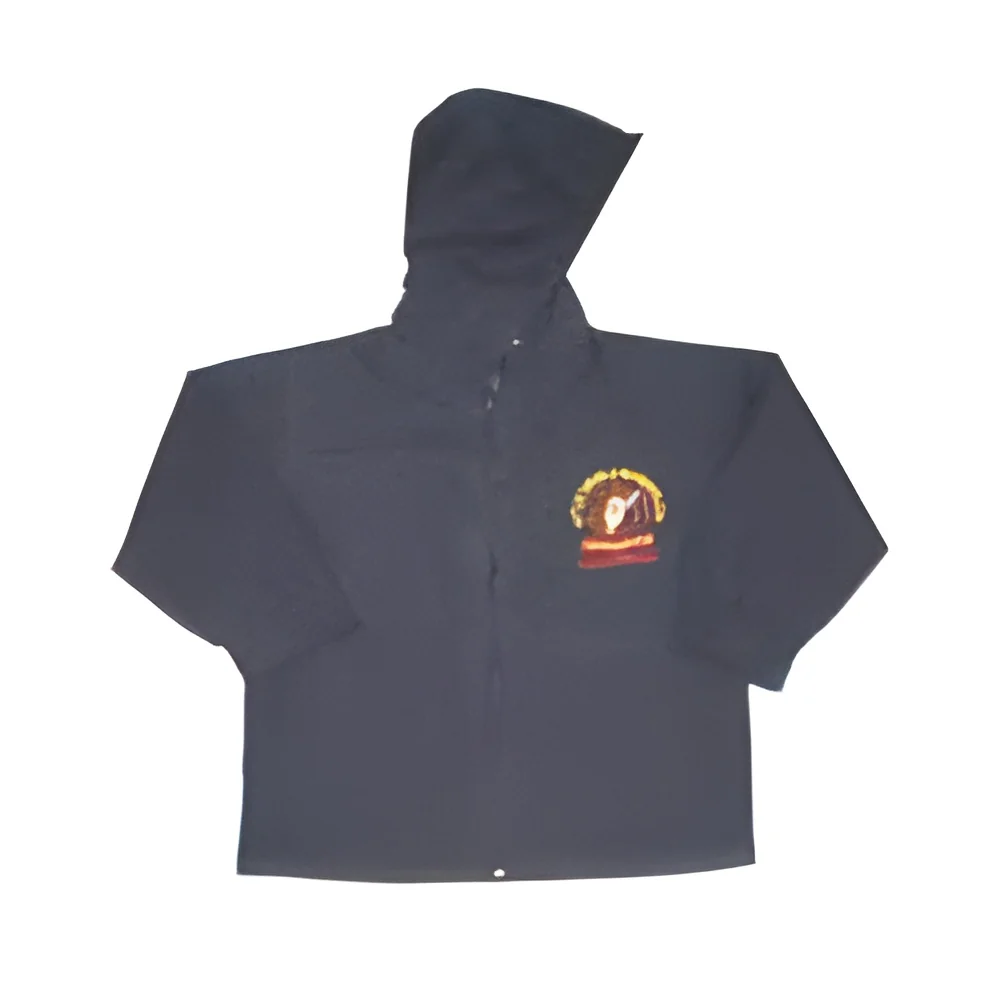
𝗪𝗵𝗮𝘁 𝗮𝗿𝗲 𝗦𝗽𝗼𝗿𝘁𝘀𝘄𝗲𝗮𝗿 𝗕𝗿𝗮𝗻𝗱𝗶𝗻𝗴 & 𝗖𝘂𝘀𝘁𝗼𝗺𝗶𝘇𝗮𝘁𝗶𝗼𝗻?
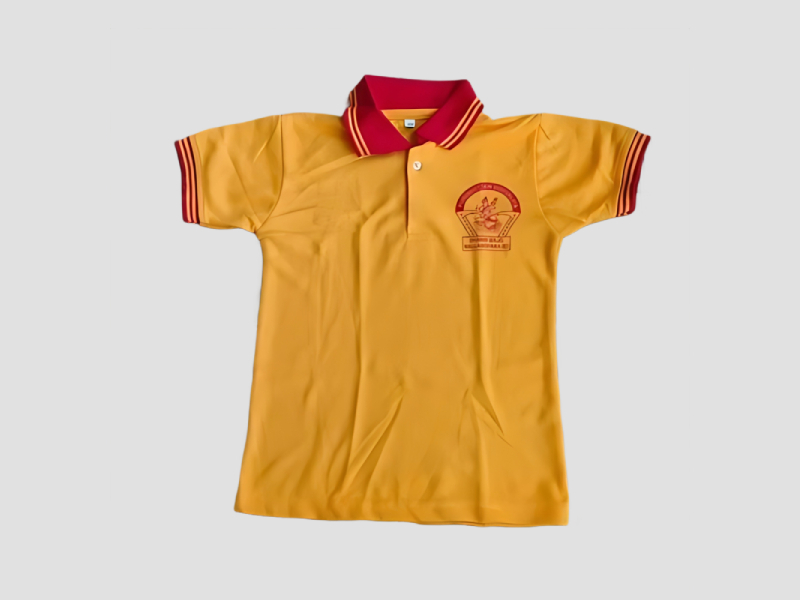
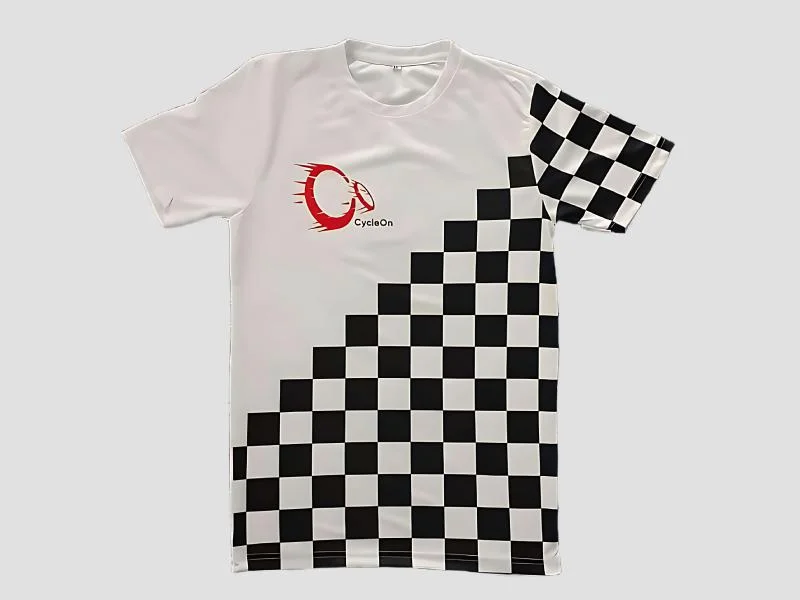
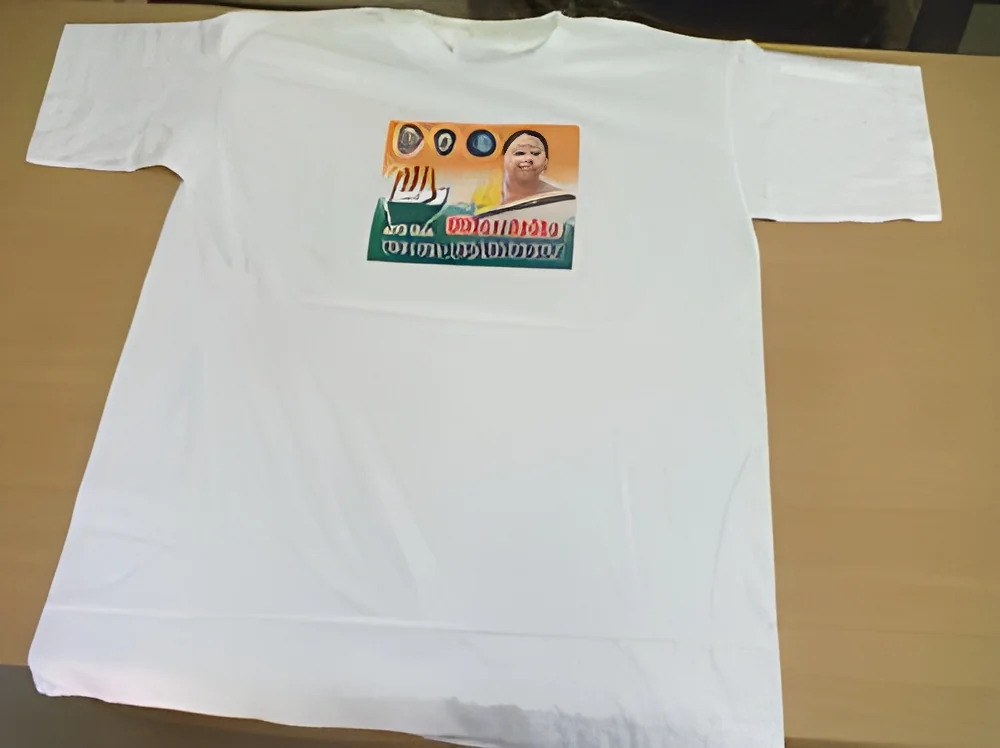
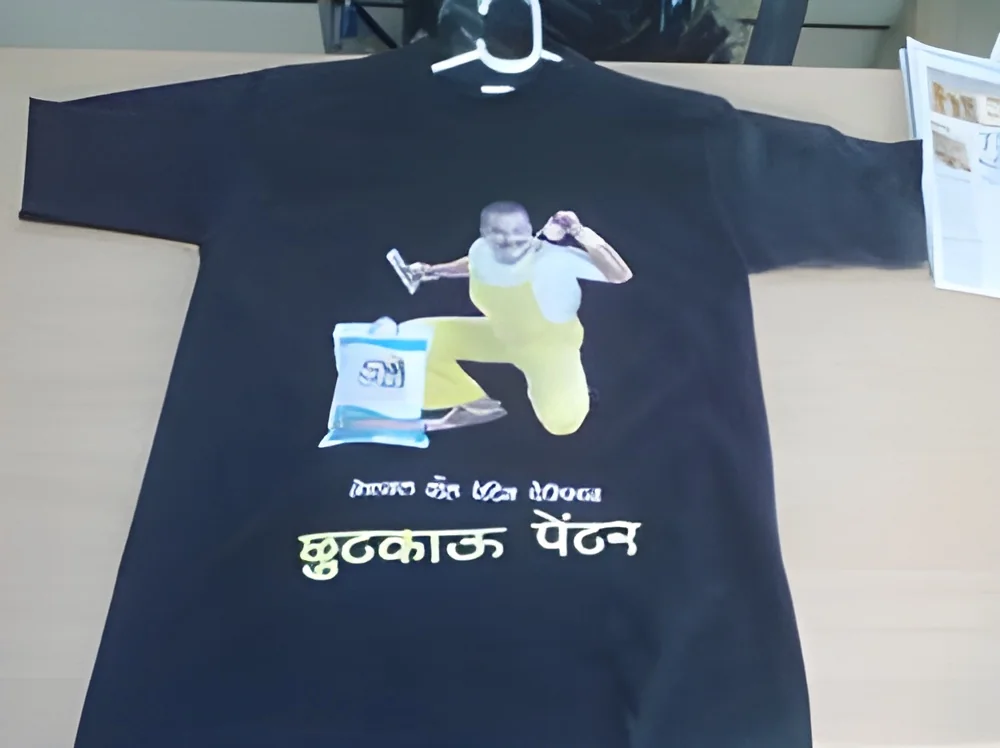
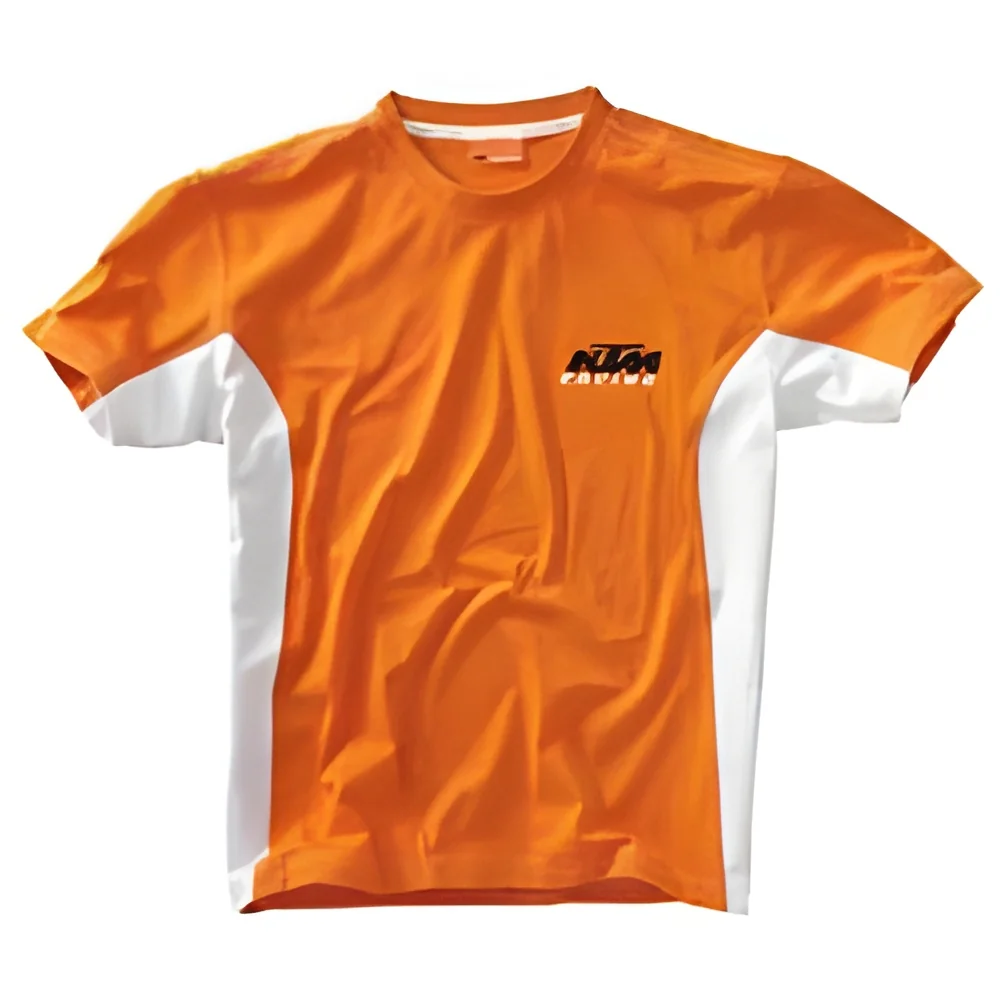
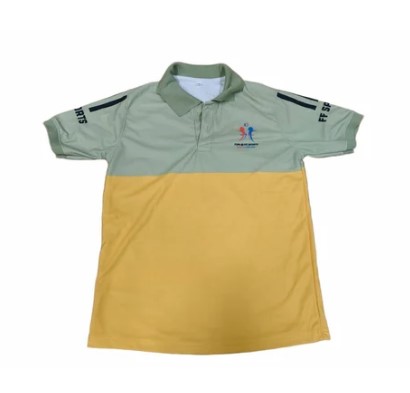
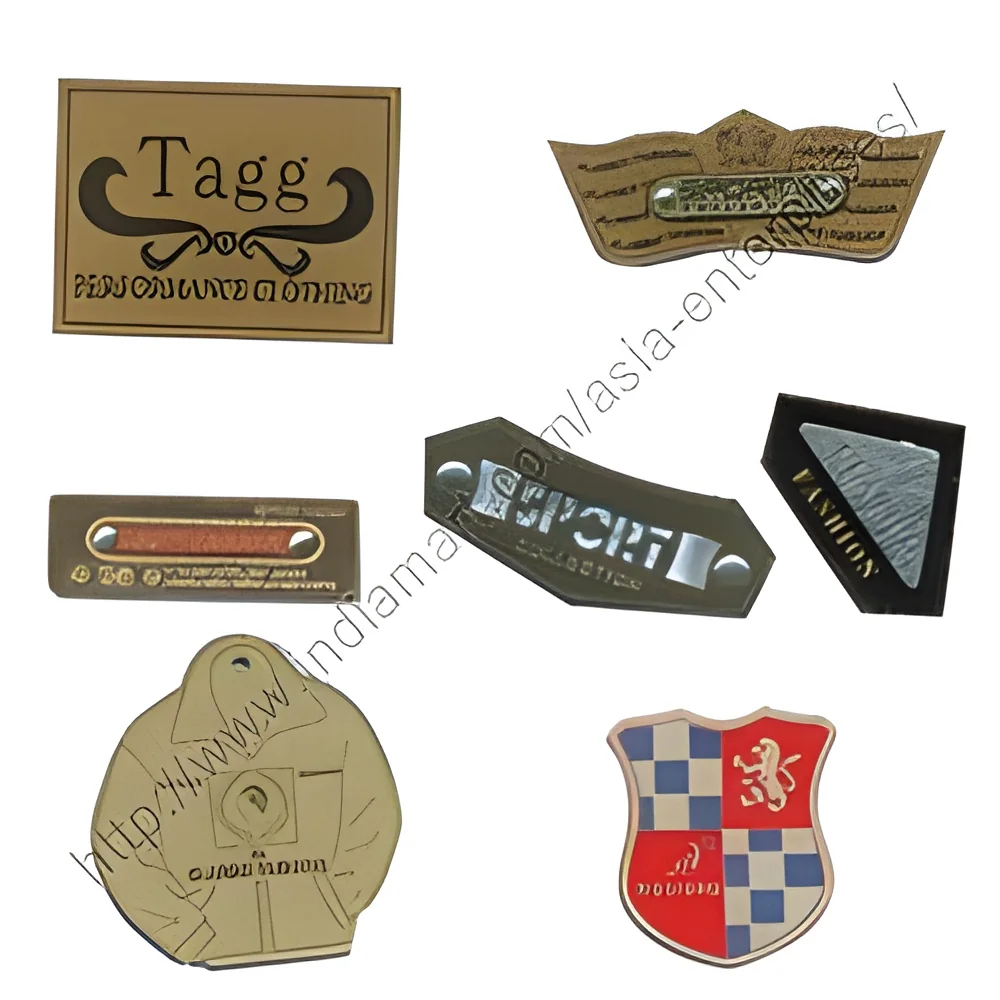
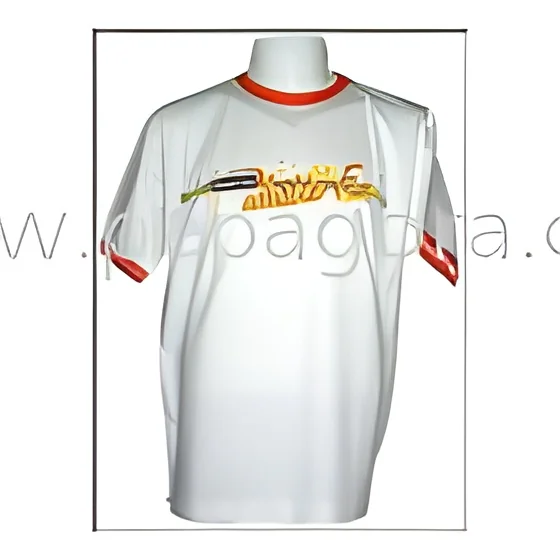
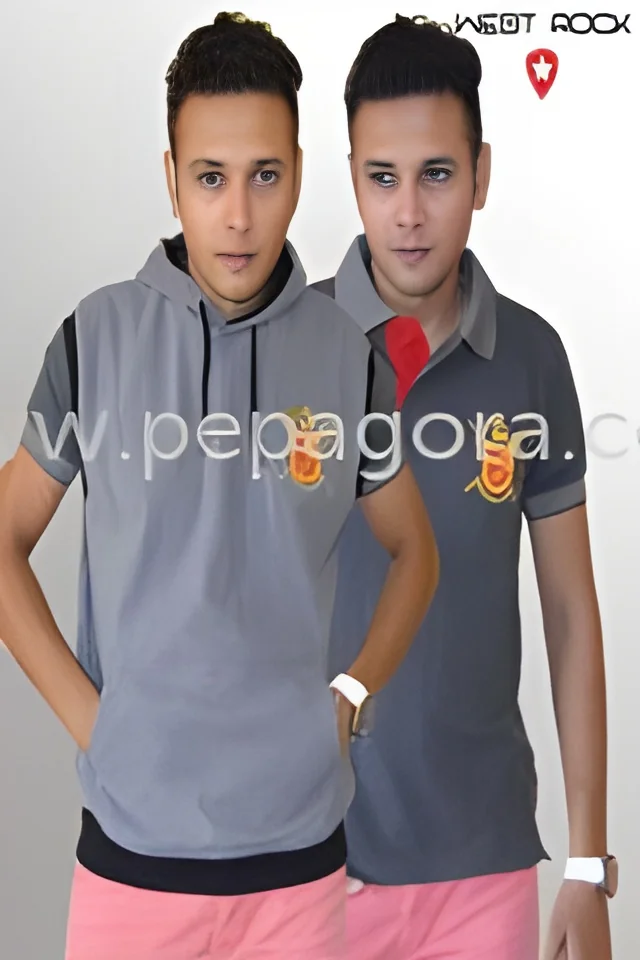
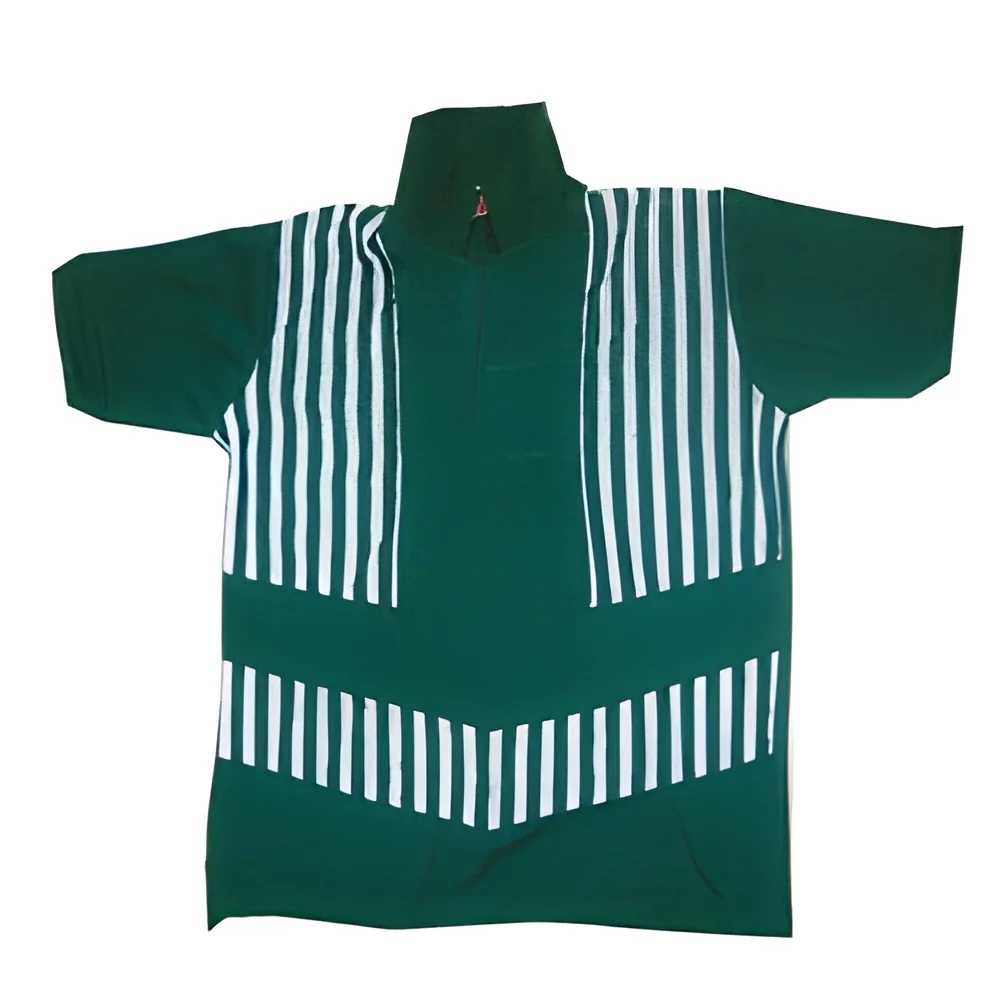
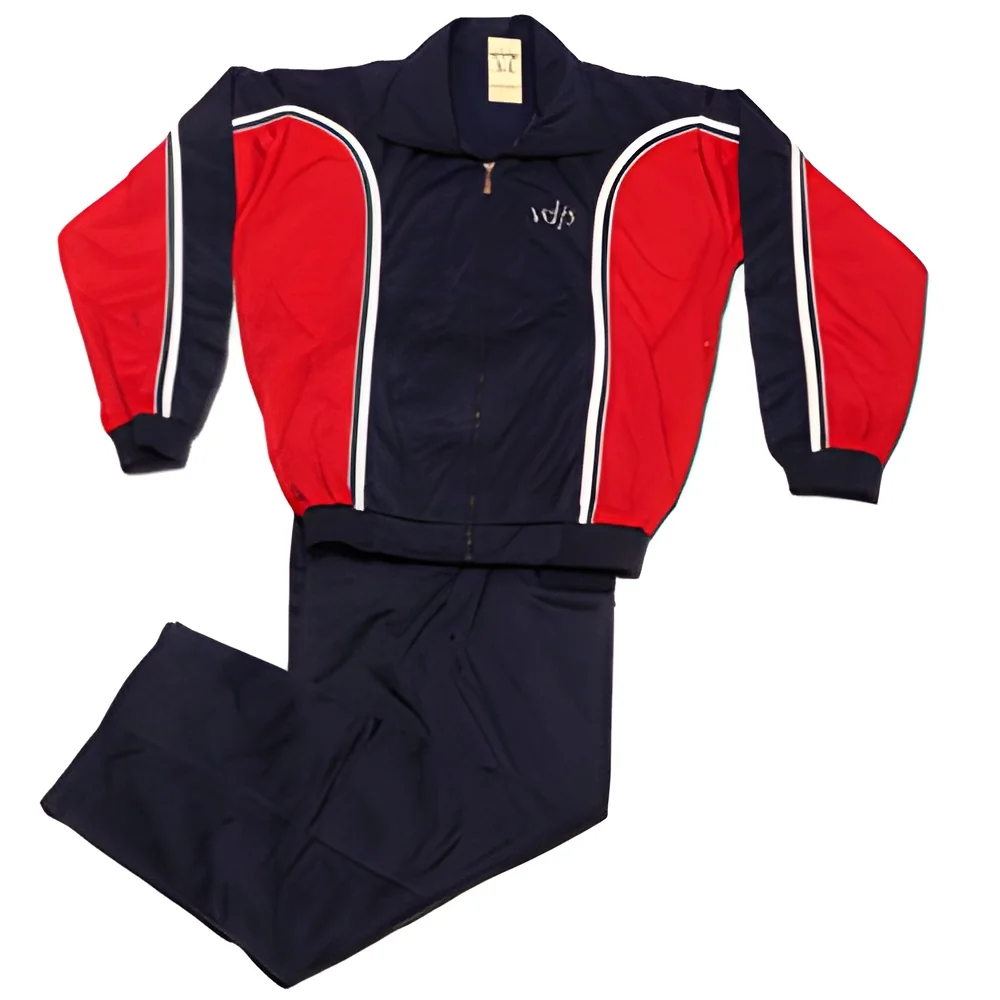
Sportswear branding and customization refer to the processes through which companies design and personalize athletic apparel and accessories to reflect their brand identity. This practice encompasses the application of logos, colors, and designs that align with a company's vision and values. Customization can range from simple logo placements to complex designs that transform the overall look and function of the apparel.
These services are primarily utilized by sports teams, fitness clubs, corporate wellness programs, and promotional events. Businesses often seek customized sportswear to foster team spirit, enhance brand visibility, and create a cohesive look for their staff or athletes. In an increasingly competitive market, the ability to offer unique and personalized merchandise can significantly impact customer loyalty and brand recognition.
The relevance of sportswear branding and customization has surged in recent years due to the growing emphasis on health and fitness across various demographics. The market for customized sportswear has expanded as consumers seek not only functionality but also style in their athletic wear. This trend is reflected in the increasing number of businesses investing in customization to differentiate themselves in the crowded sports apparel industry.
𝗞𝗲𝘆 𝗙𝗲𝗮𝘁𝘂𝗿𝗲𝘀 𝗮𝗻𝗱 𝗦𝗽𝗲𝗰𝗶𝗳𝗶𝗰𝗮𝘁𝗶𝗼𝗻𝘀
Sportswear branding and customization come with a variety of features and specifications that cater to different business needs. These specifications ensure that the products meet quality and performance standards while allowing brands to express their identity.
Key specifications include:
1. Fabric Quality
- High-performance fabrics such as moisture-wicking, breathable, and lightweight materials.
- Durability parameters that withstand frequent use and washing.
2. Printing Techniques
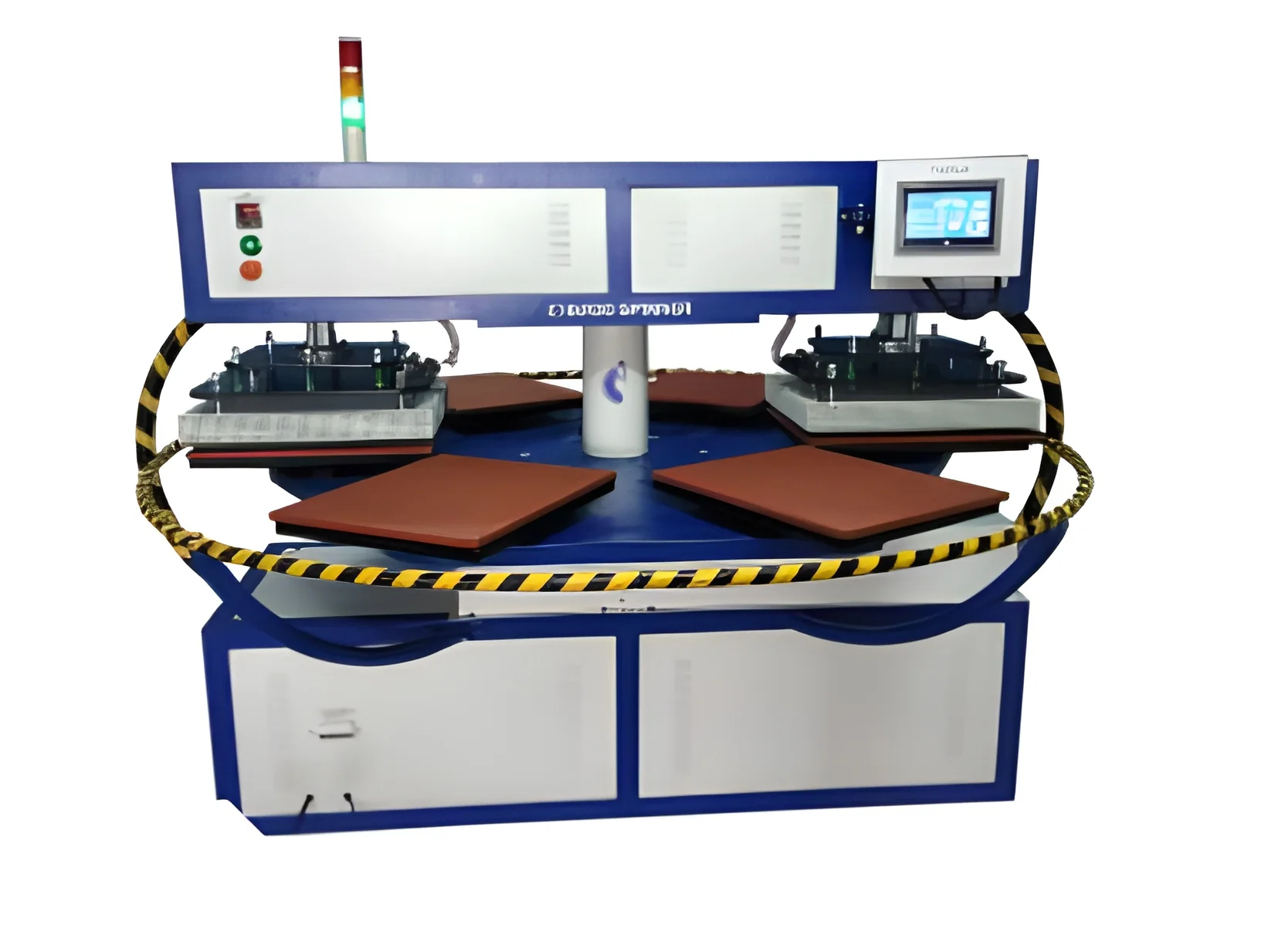
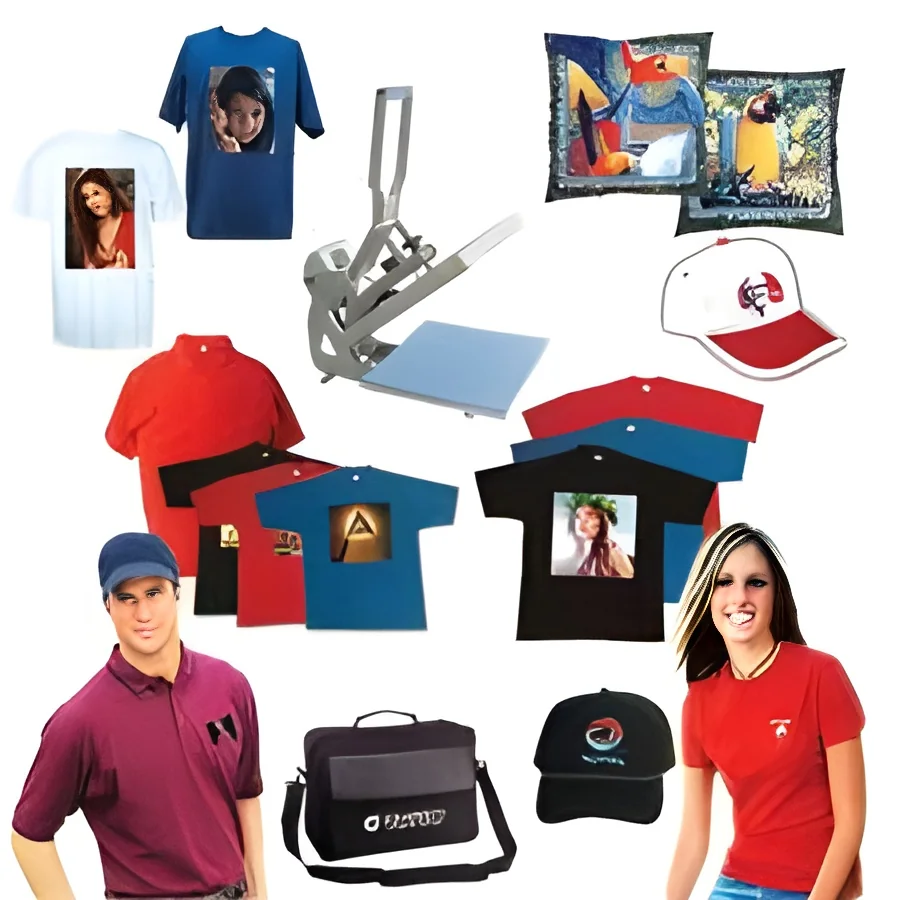
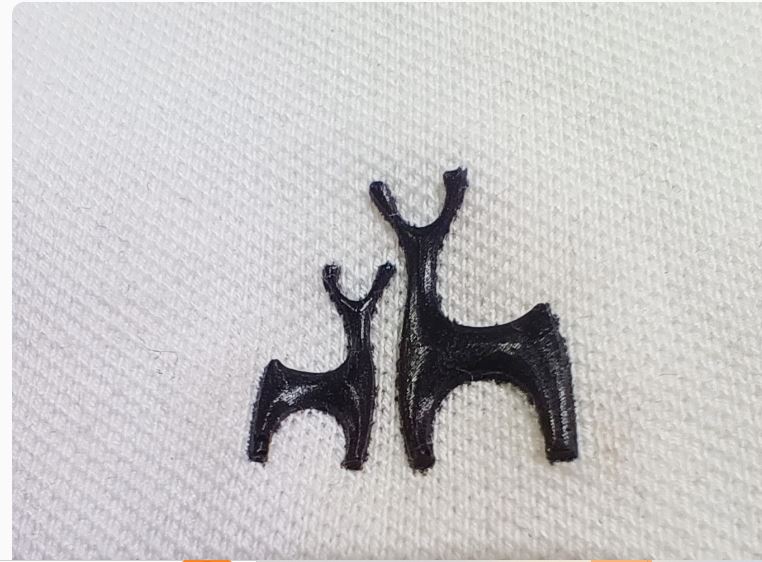
- Various methods including screen printing, embroidery, heat transfer, and sublimation.
- Options for color fidelity and design complexity.
3. Size Range
- Comprehensive sizing options for men, women, and children.
- Custom sizing available for specific team or group needs.
4. Color Options
- A wide palette of colors to match brand guidelines.
- Possibility for custom colors upon request.
5. Design Flexibility
- Options for both front and back customization.
- Ability to incorporate complex graphics and patterns.
6. Production Time
- Typical lead times for production that can range from weeks to months based on order size.
7. Minimum Order Quantities (MOQ)
- Standard MOQs that vary by supplier and customization complexity.
8. Compliance Standards
- Assurance that materials comply with safety and environmental standards.
In summary, understanding these specifications is crucial for businesses looking to invest in sportswear branding and customization. They ensure that the final product not only meets aesthetic needs but also performs well in various conditions.
𝗖𝗼𝗺𝗺𝗼𝗻 𝗔𝗽𝗽𝗹𝗶𝗰𝗮𝘁𝗶𝗼𝗻𝘀 𝗮𝗻𝗱 𝗨𝘀𝗲 𝗖𝗮𝘀𝗲𝘀
Sportswear branding and customization serve various industries beyond traditional sports.
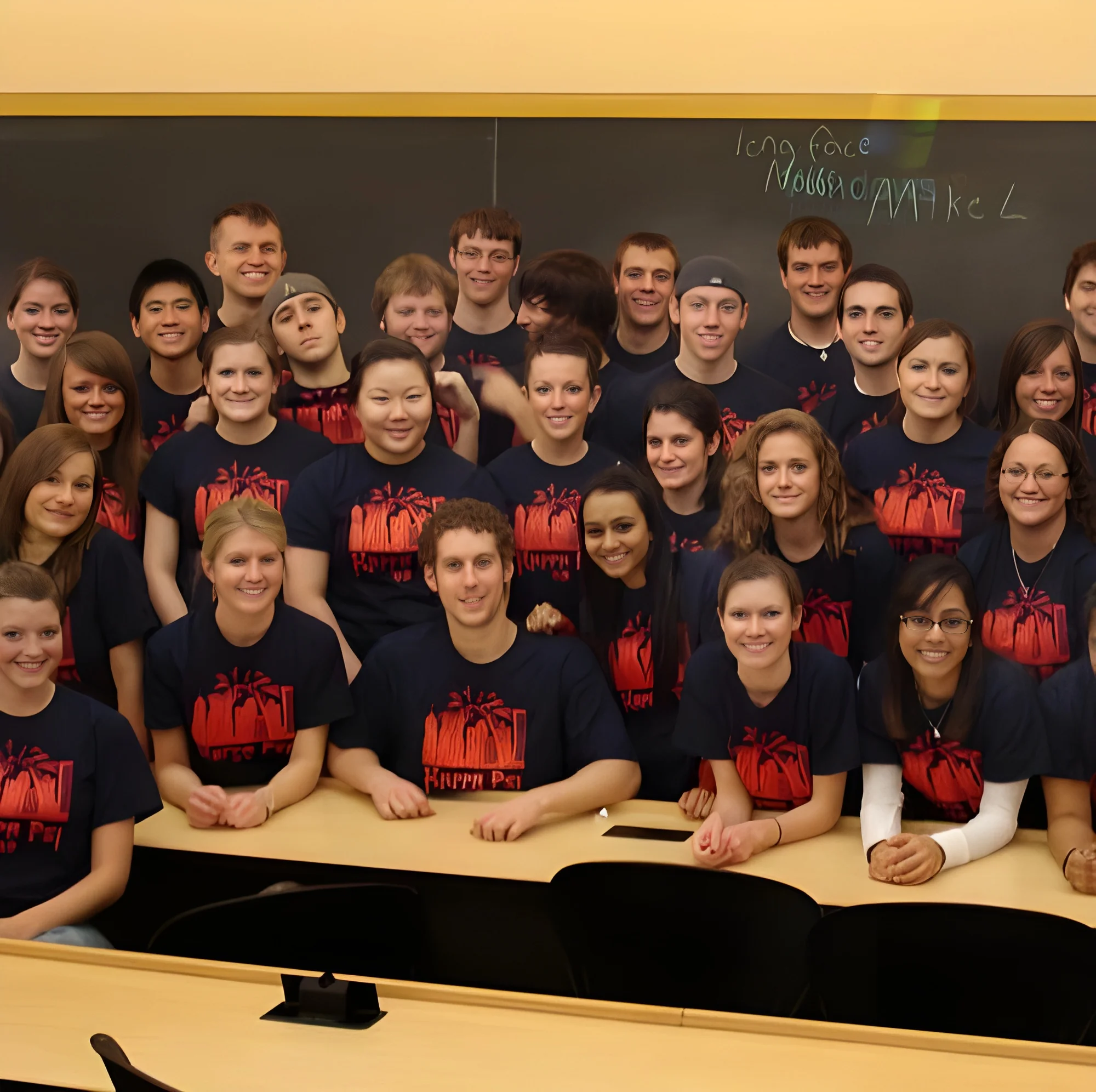
1. Athletic Teams: Teams often require customized jerseys and gear to build a sense of identity and unity among players. This includes custom logos, player names, and team colors.
2. Corporate Wellness Programs: Many companies implement sportswear branding as part of their employee wellness initiatives. Customized athletic clothing promotes team-building and encourages healthy activities among employees.
3. Fitness Centers: Gyms and fitness studios frequently order branded apparel for staff and members. This apparel serves as a marketing tool while also providing a cohesive look for the facility.
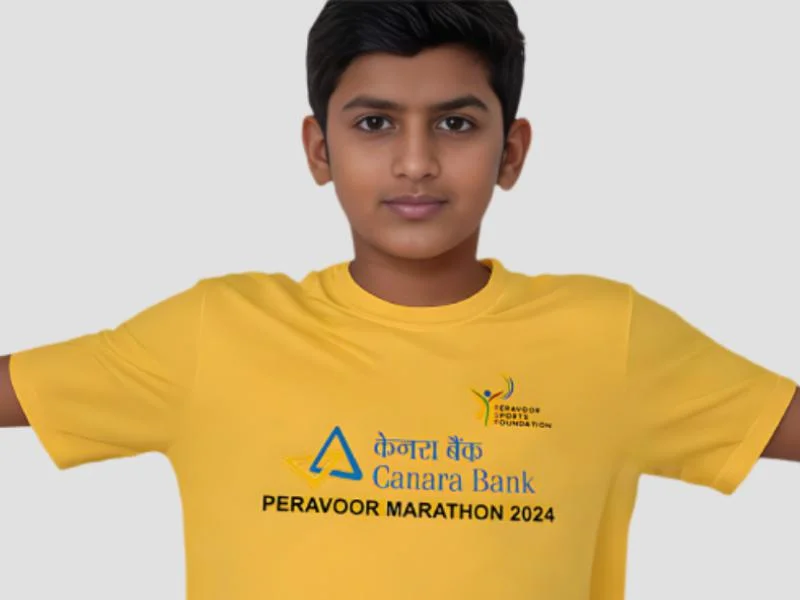
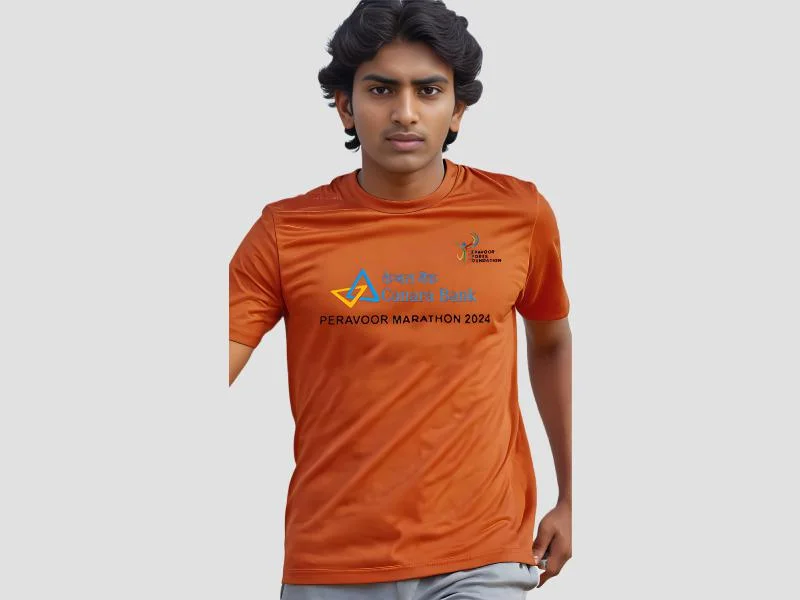
4. Events and Promotions: Customized sportswear is commonly used in marathons, charity runs, and other fitness events as promotional items. This creates a lasting impression and enhances brand visibility.
5. Schools and Universities: Educational institutions often use customized sportswear for their athletic programs and school spirit merchandise, helping promote school pride.
6. Outdoor and Adventure Brands: Companies focused on outdoor activities may offer branded gear that reflects their adventurous spirit, appealing to their target market.
7. E-commerce Platforms: Online retailers specializing in sportswear may provide customization options, allowing customers to design their apparel according to personal preferences.
𝗣𝗿𝗼𝗱𝘂𝗰𝘁 𝗩𝗮𝗿𝗶𝗮𝗻𝘁𝘀 𝗮𝗻𝗱 𝗦𝘂𝗯𝗰𝗮𝘁𝗲𝗴𝗼𝗿𝗶𝗲𝘀
The diversity of sportswear branding and customization allows businesses to choose from several product variants to suit their needs.
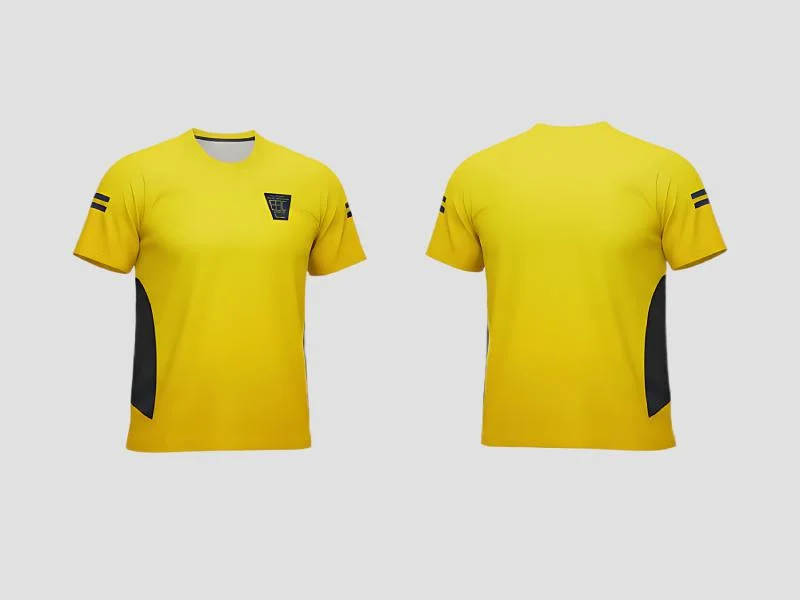
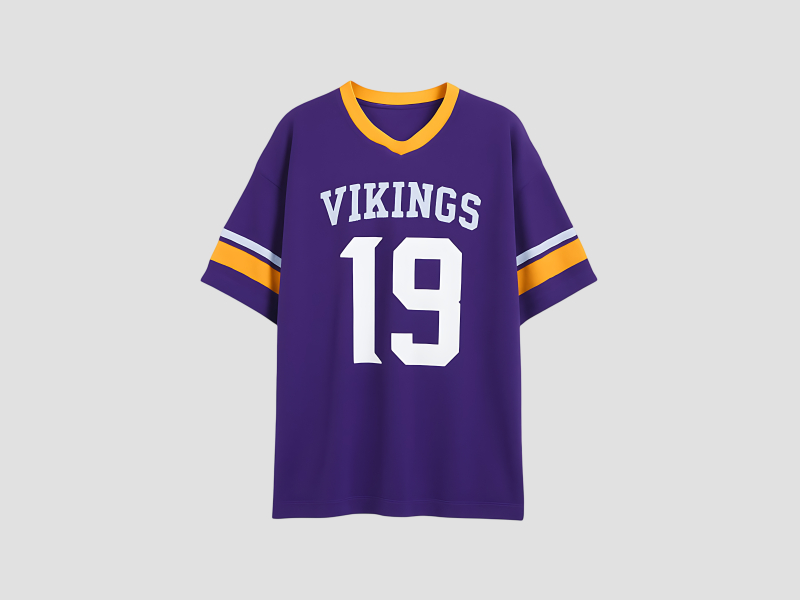
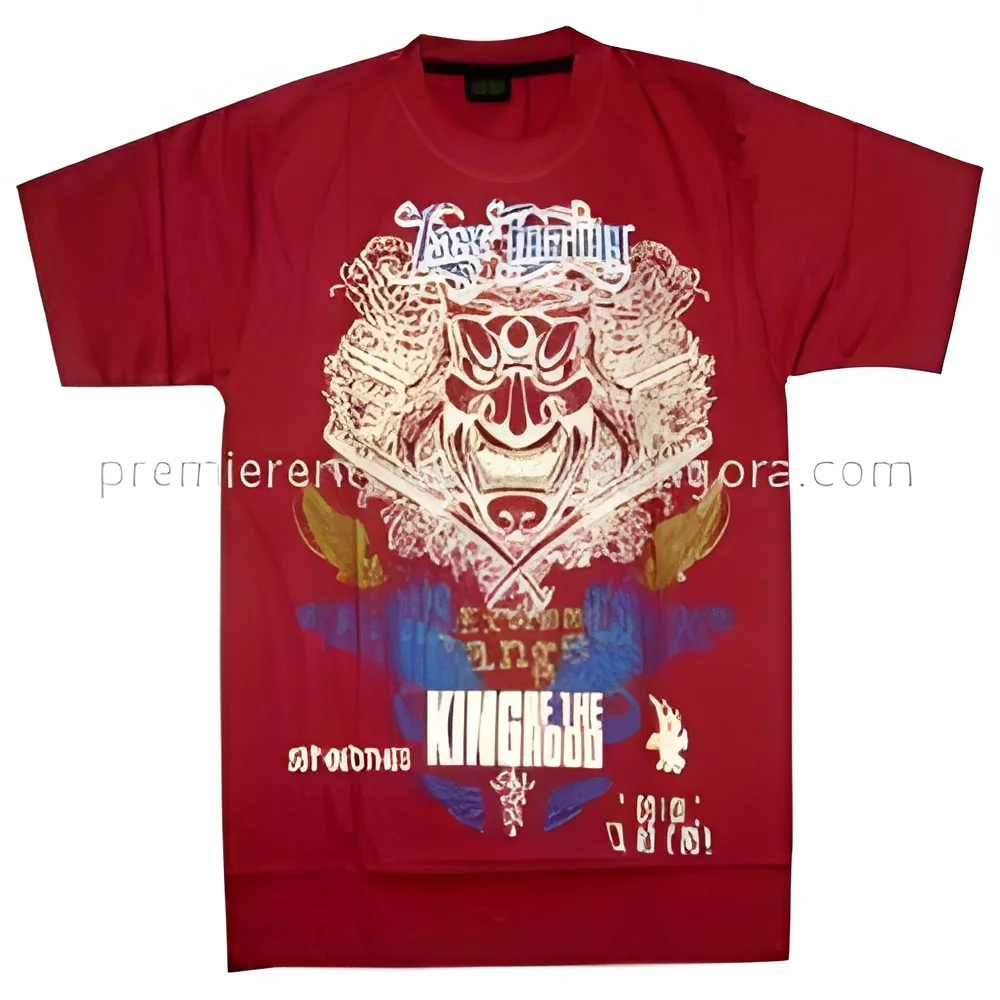
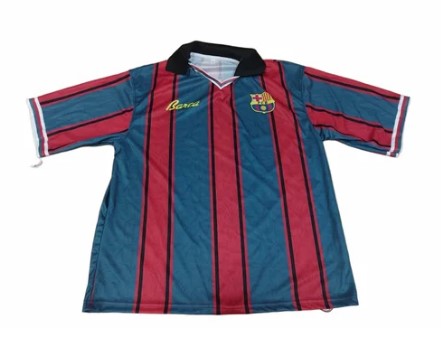
Team Jerseys: These are designed specifically for athletic teams and can be customized with player numbers, names, and team logos. They are often made from breathable materials to enhance performance.
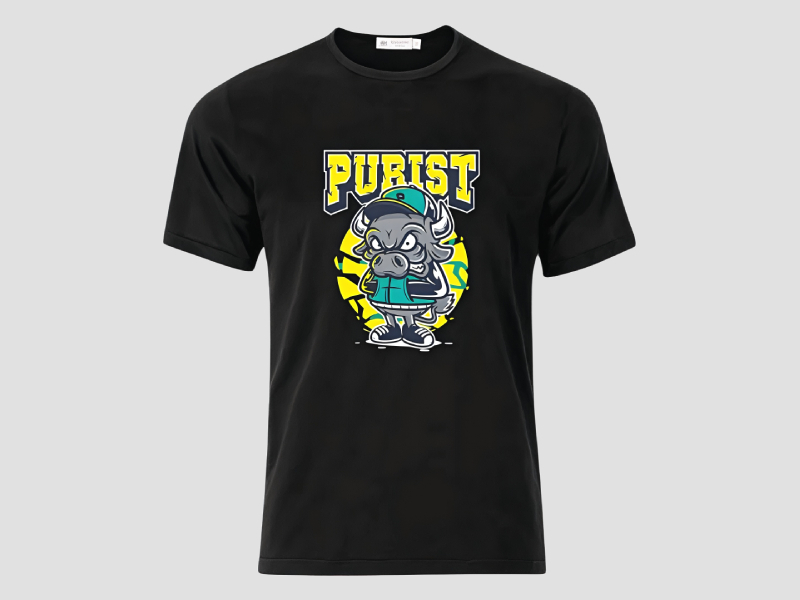
Activewear: This category includes leggings, shorts, and tops designed for various workouts. Custom logos and branding can be added to promote fitness brands or gym affiliations.
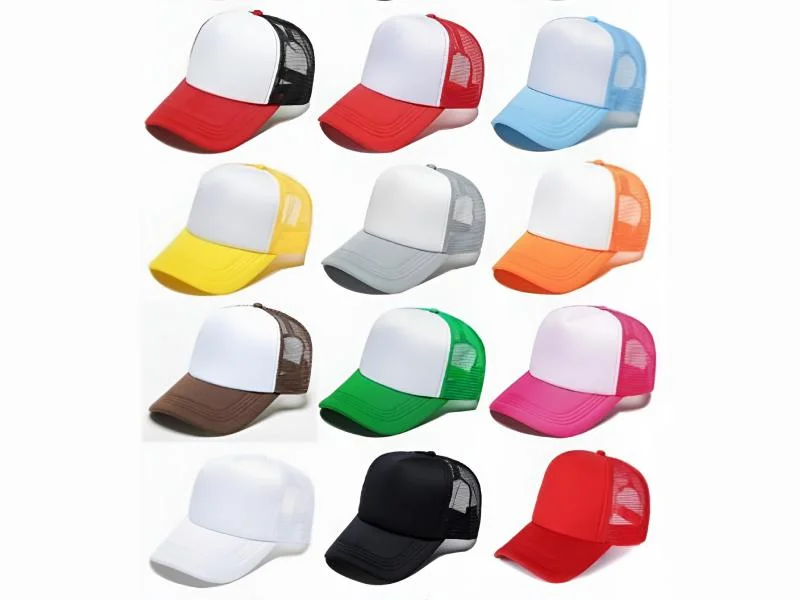
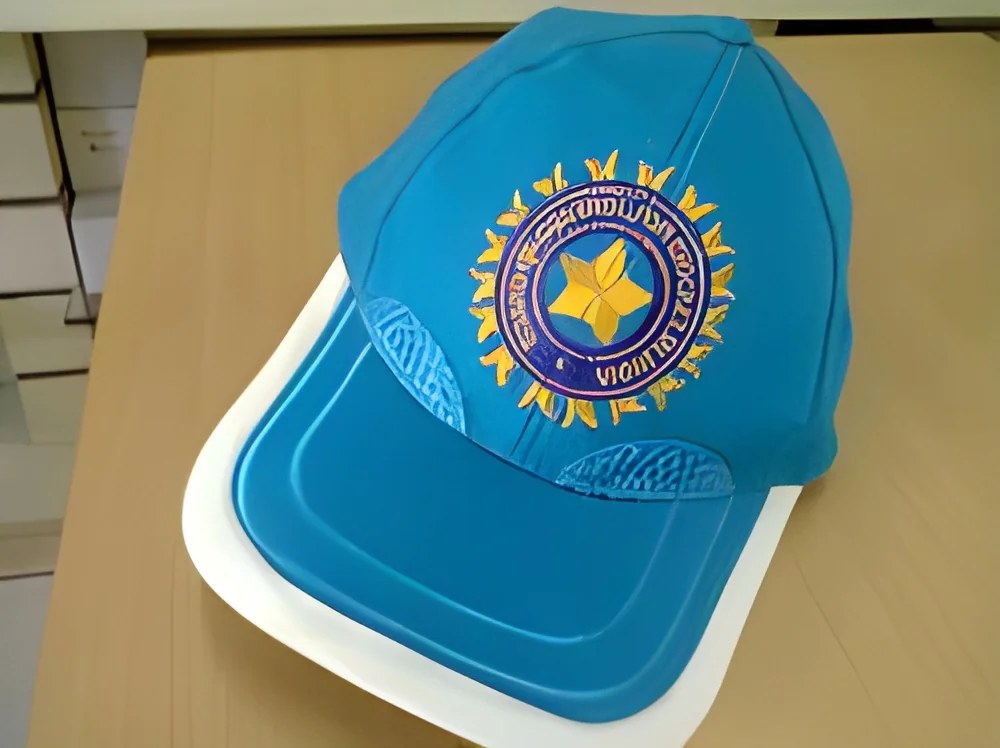
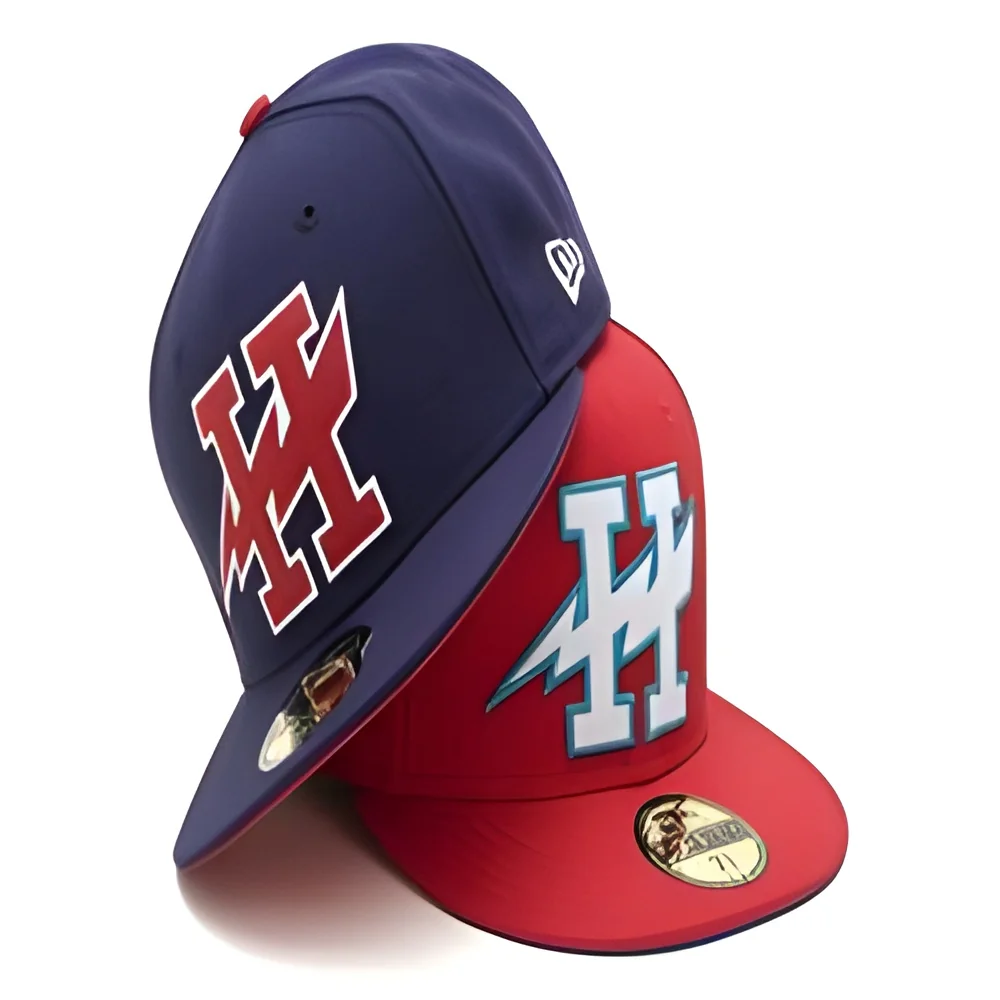
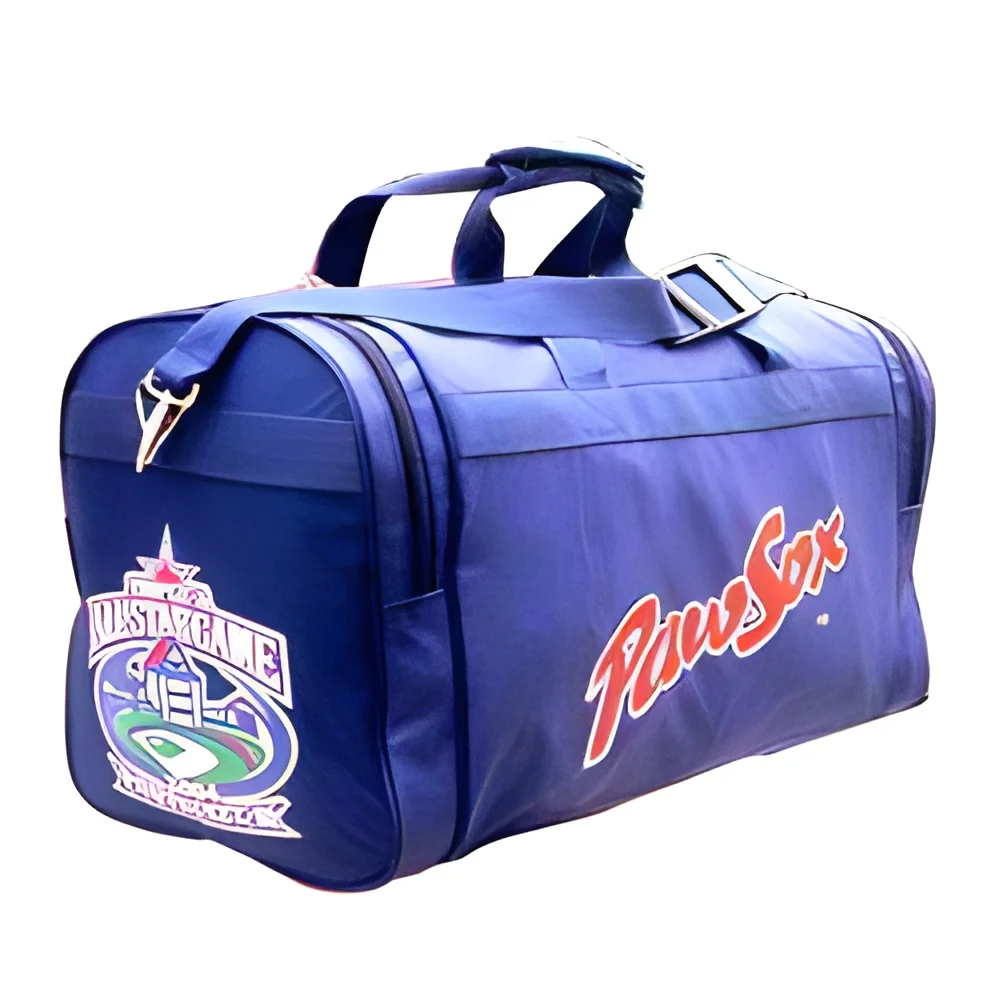
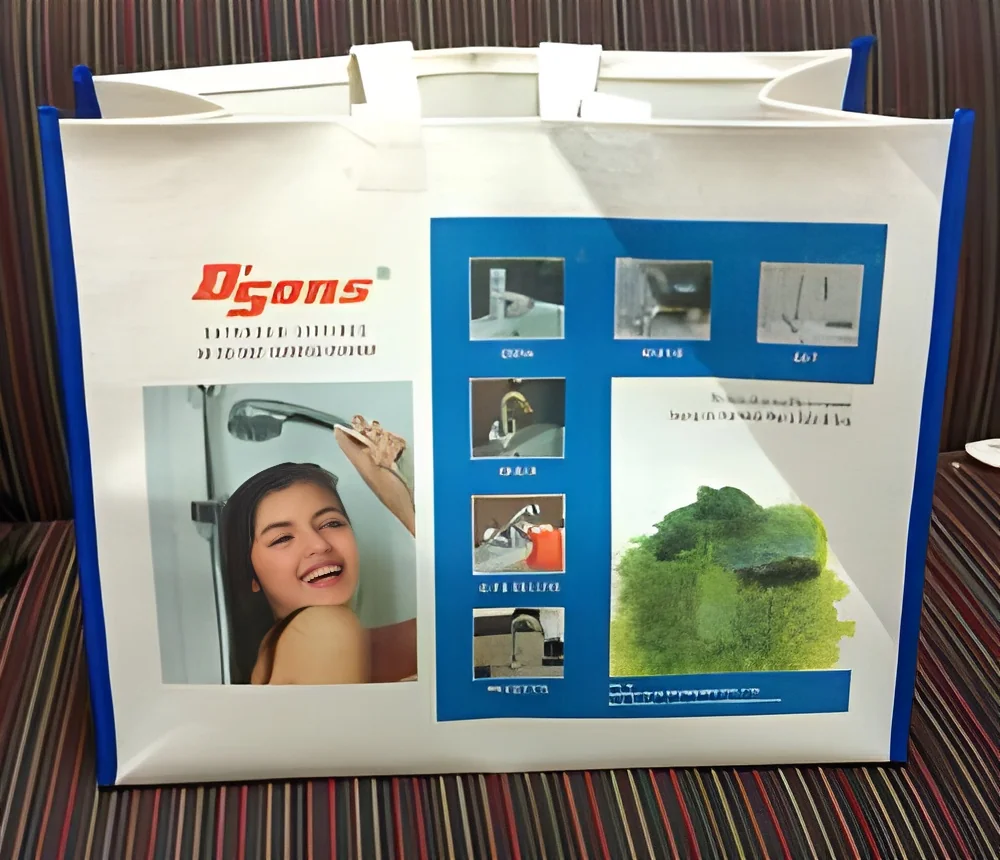
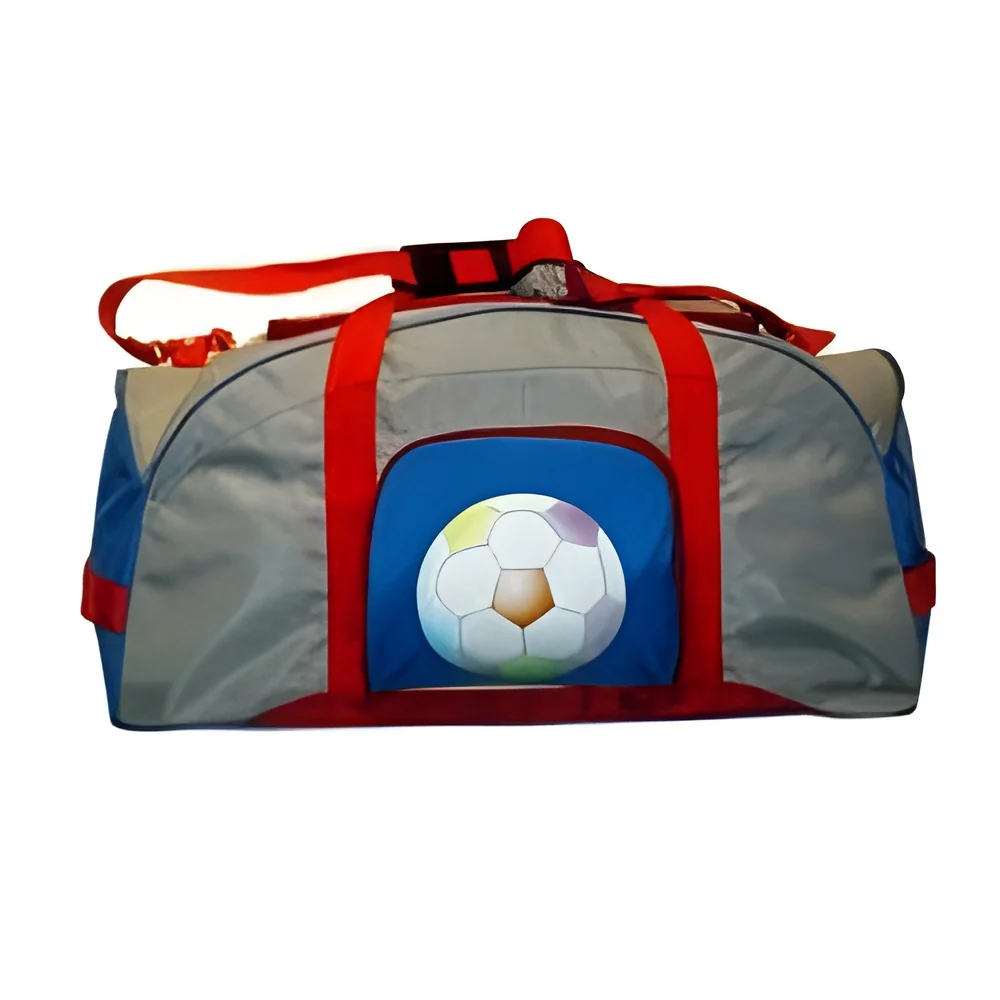
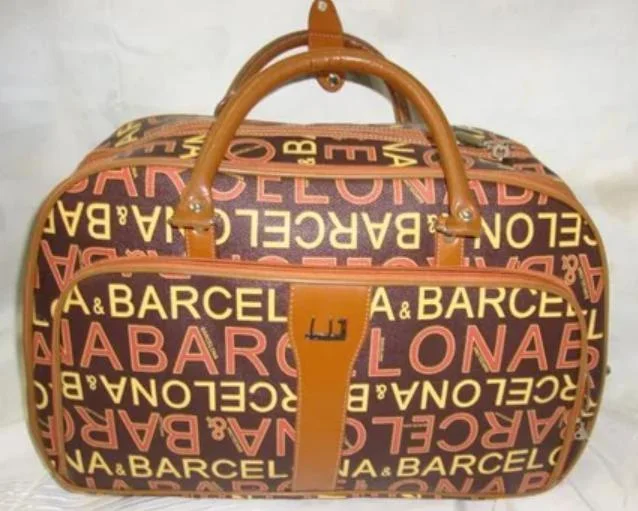
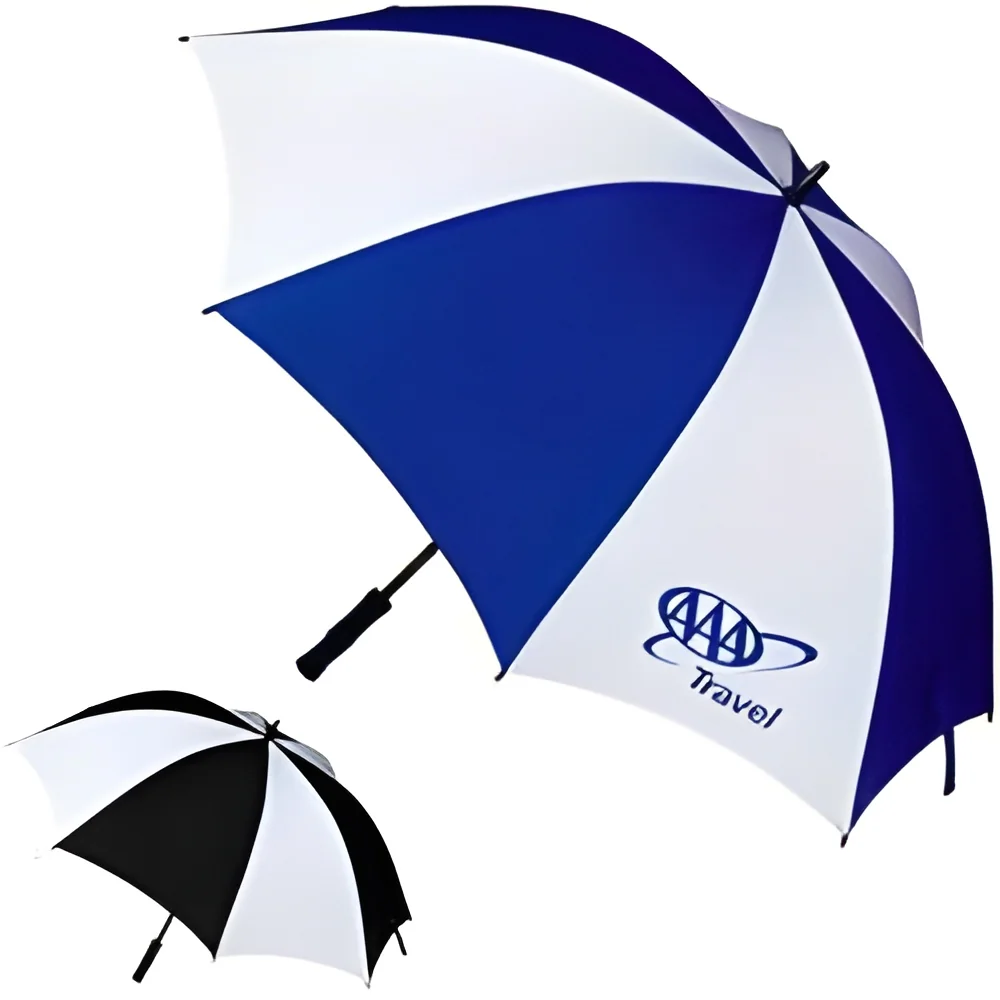
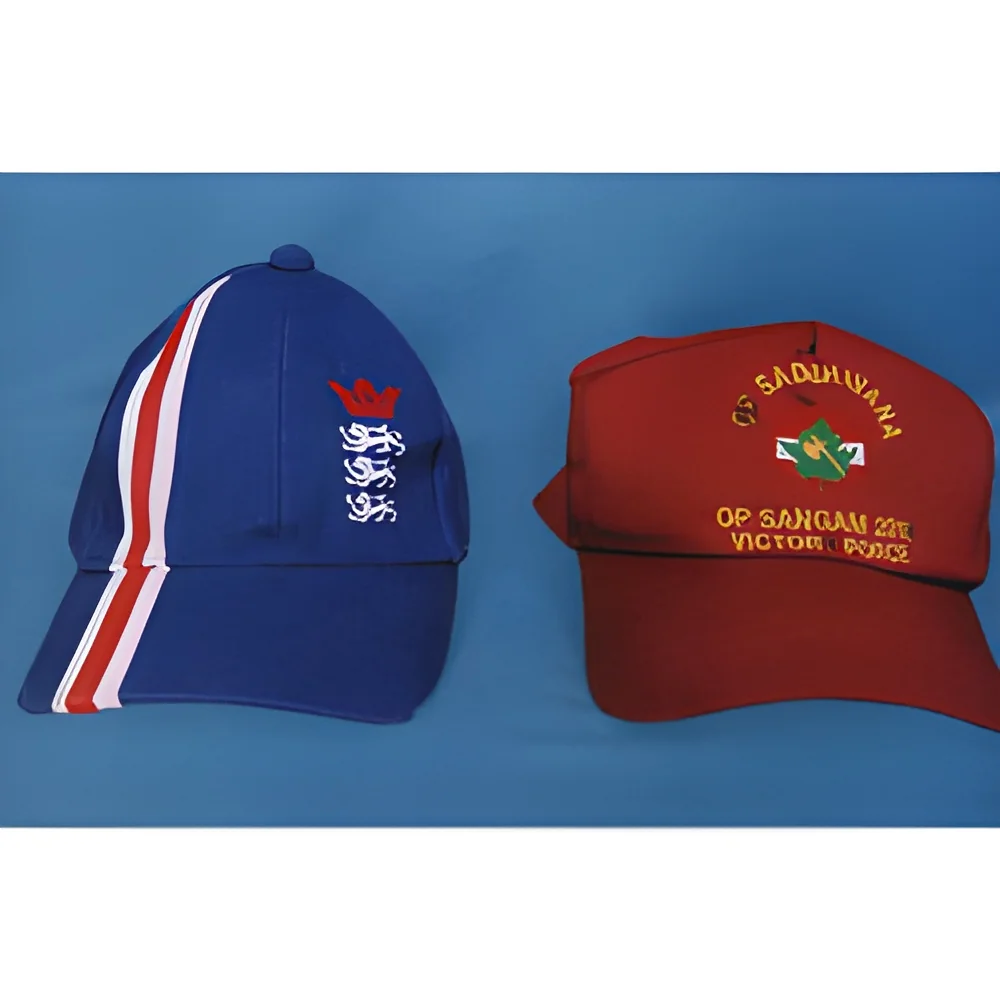
Promotional Gear: Items like caps, bags, and water bottles can be customized for promotional purposes. These serve as effective marketing tools when given away at events.
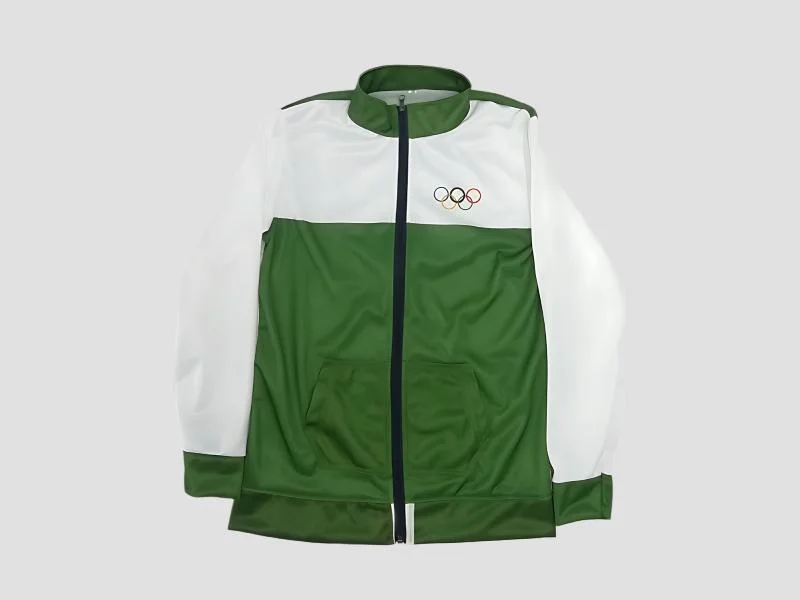
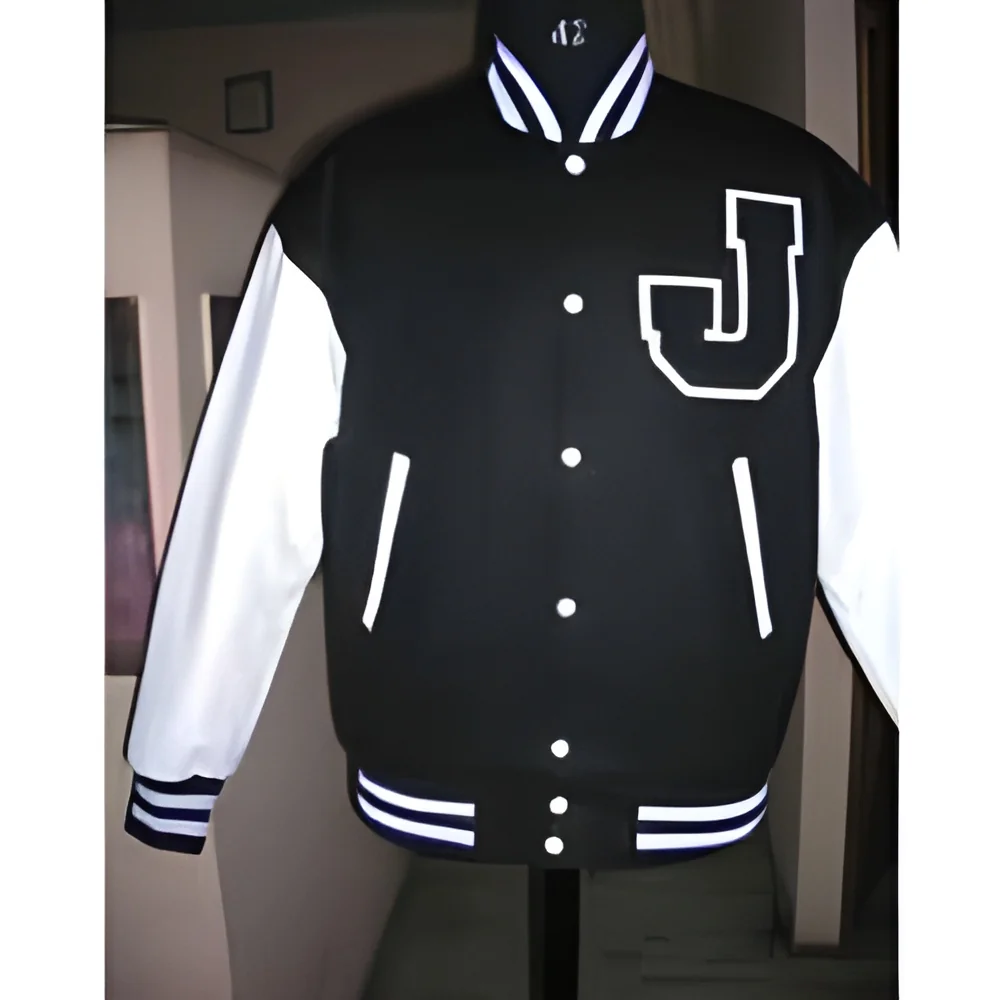
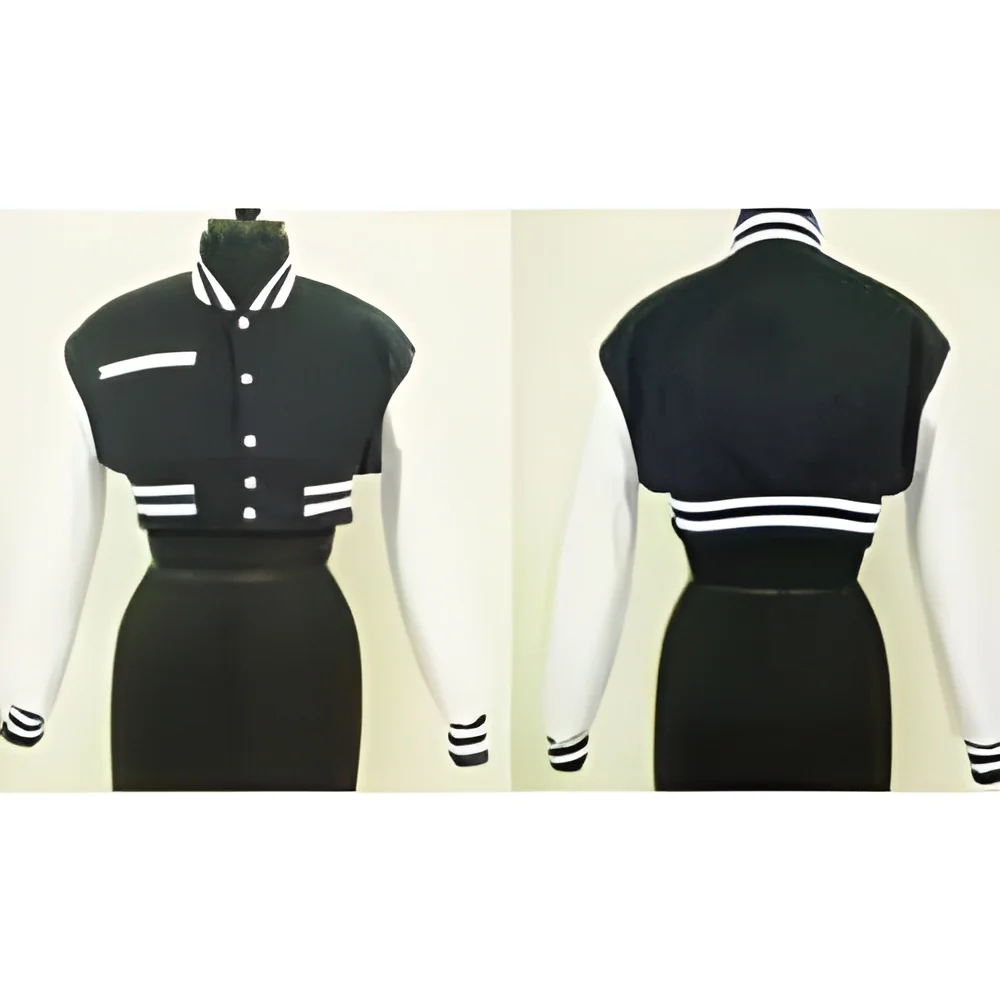
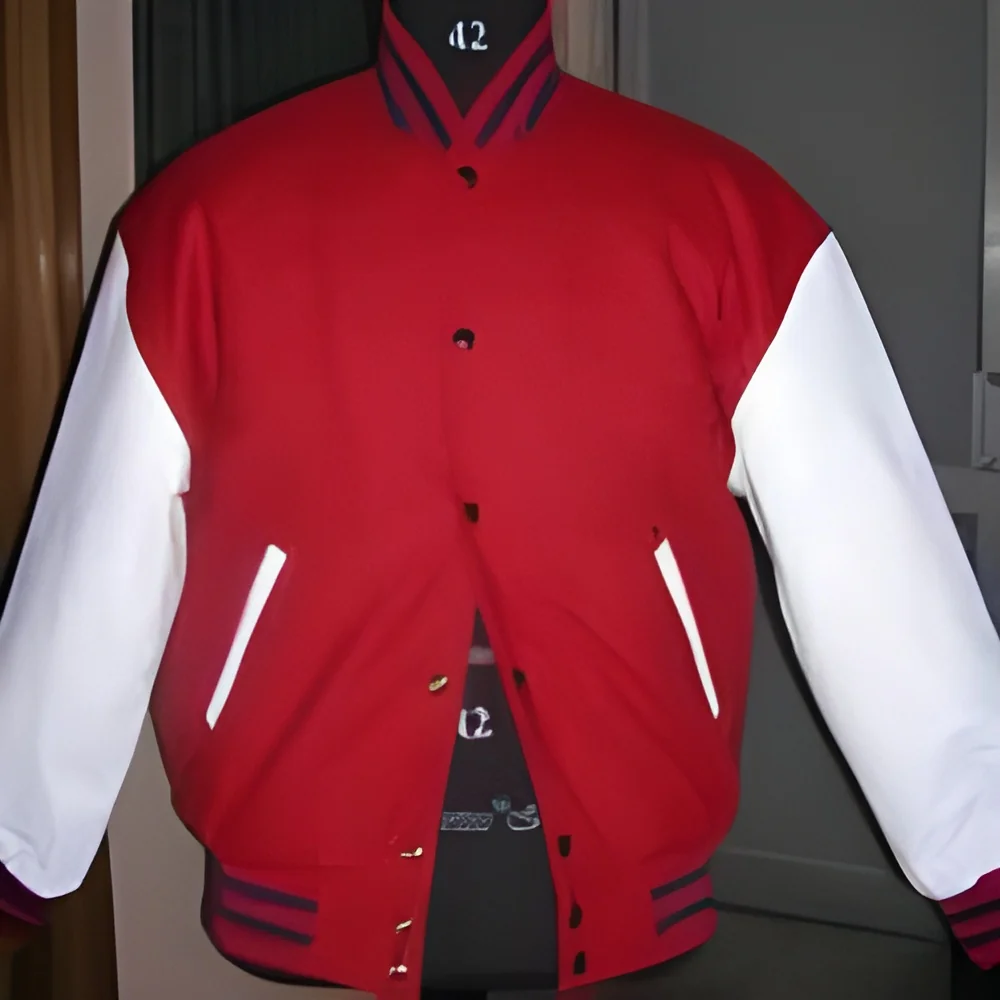
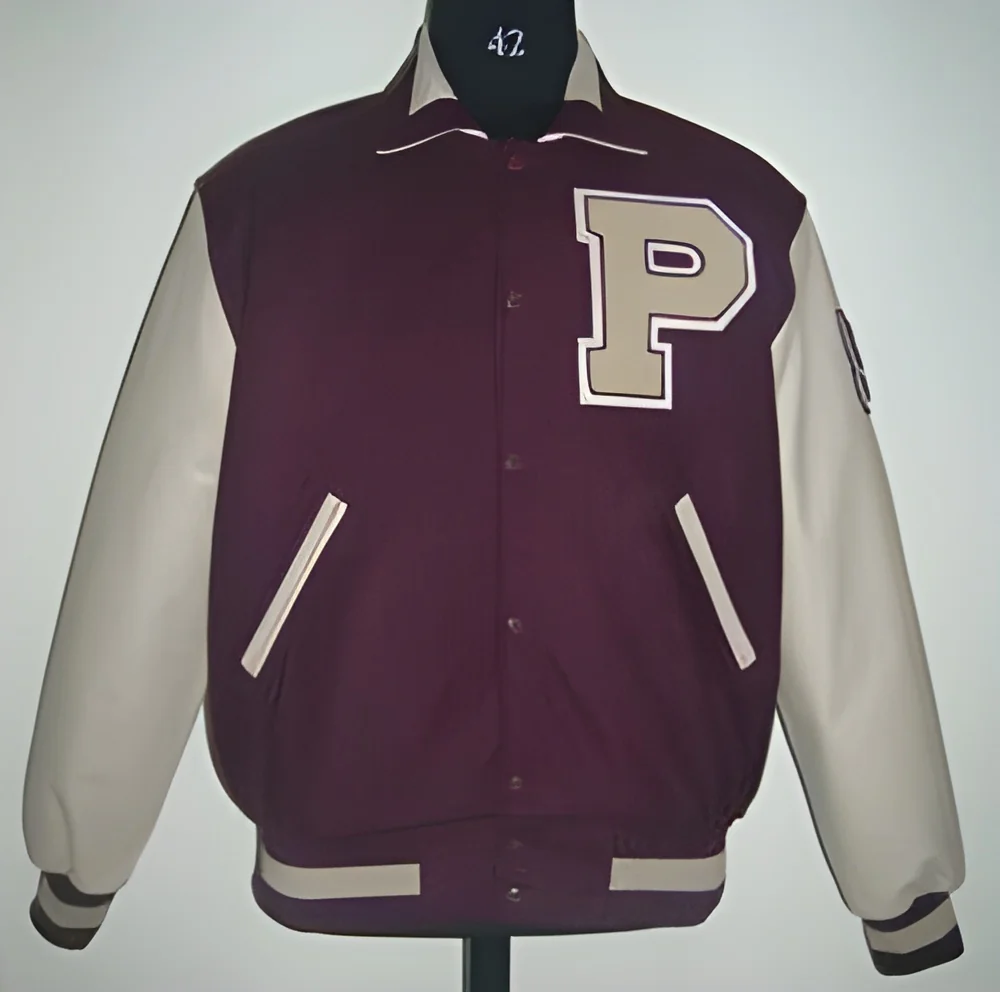
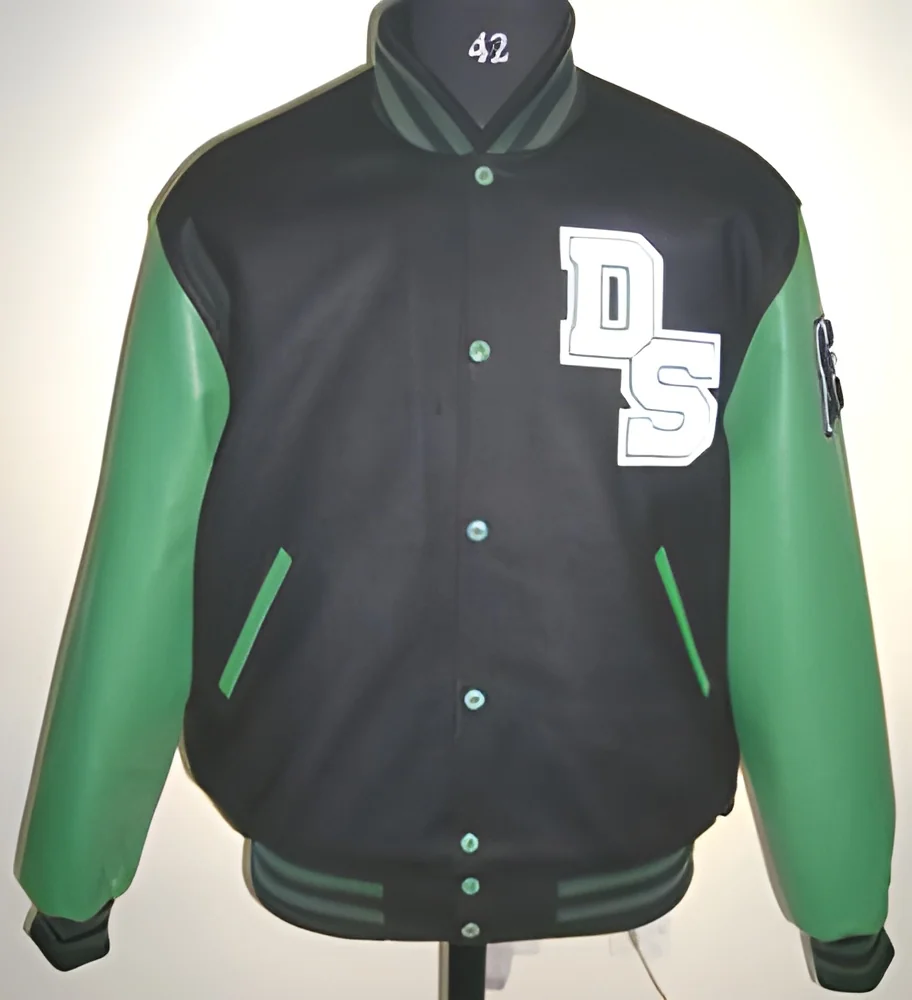
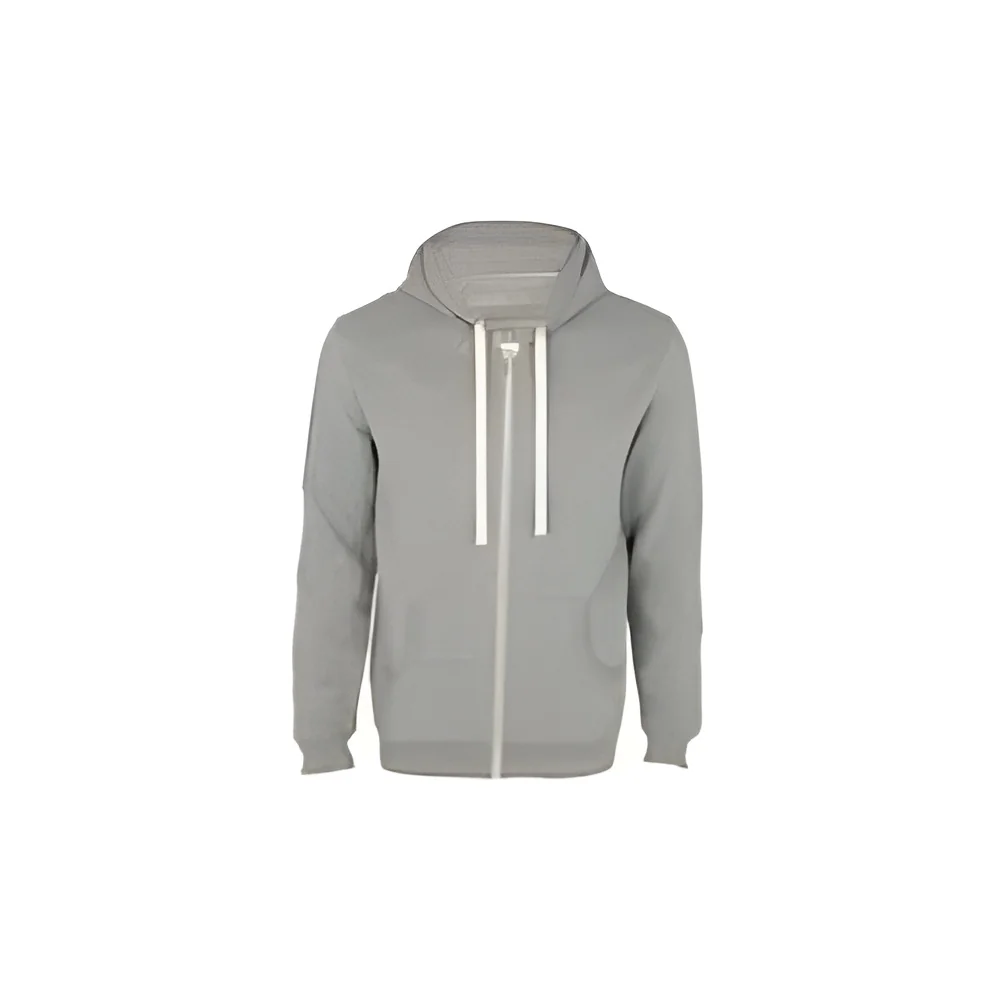
Outerwear: Jackets and hoodies can also be customized for teams or corporate branding. They are ideal for both athletic use and casual wear.
Accessories: Custom sports accessories such as headbands and wristbands can enhance brand visibility while providing functionality during workouts.
𝗕𝗲𝗻𝗲𝗳𝗶𝘁𝘀 𝗮𝗻𝗱 𝗔𝗱𝘃𝗮𝗻𝘁𝗮𝗴𝗲𝘀
Investing in sportswear branding and customization provides numerous advantages for businesses looking to make a mark in the athletic apparel market.
1. Brand Visibility: Customized sportswear enhances brand recognition, especially in public settings like gyms, sports events, and corporate functions.
2. Team Cohesion: Personalized gear fosters a sense of unity and belonging among team members or employees, promoting a positive work or team culture.
3. Customer Loyalty: Offering unique and personalized products can lead to increased customer retention and loyalty, as consumers appreciate brands that reflect their identity.
4. Marketing Opportunities: Customized apparel serves as a walking advertisement, expanding the reach of the brand through everyday wear.
5. Quality Perception: High-quality customized sportswear enhances the perceived value of a brand, reinforcing a commitment to quality and customer satisfaction.
6. Competitive Edge: In a crowded market, the ability to offer unique customization options sets a brand apart from competitors, attracting new customers.
𝗕𝘂𝘆𝗶𝗻𝗴 𝗚𝘂𝗶𝗱𝗲 𝗳𝗼𝗿 𝗕𝟮𝗕 𝗕𝘂𝘆𝗲𝗿𝘀
When sourcing sportswear branding and customization, several factors should be considered to ensure the best outcomes for your business.
1. Quality Assessment: Evaluate the quality of materials and craftsmanship. Look for suppliers that adhere to international quality standards to ensure durability and performance.
2. Supplier Verification: Vet potential suppliers through reviews, testimonials, and industry reputation. A reliable supplier will have a proven track record in delivering quality products.
3. Pricing and MOQ: Consider the pricing structure along with minimum order quantities. Ensure that the costs align with your budget while meeting your order requirements.
4. Delivery and Lead Times: Understand the logistics involved, including production and shipping times. Timely delivery is crucial for aligning with marketing campaigns or event schedules.
5. Compliance Requirements: Be aware of any regulatory needs related to materials used in sportswear. Compliance with safety and environmental standards is essential to avoid legal issues.
𝗖𝗼𝗺𝗽𝗹𝗶𝗮𝗻𝗰𝗲 𝗮𝗻𝗱 𝗖𝗲𝗿𝘁𝗶𝗳𝗶𝗰𝗮𝘁𝗶𝗼𝗻𝘀
Compliance and certifications play a vital role in the manufacturing and distribution of sportswear branding and customization products. Adhering to relevant quality standards is essential for product credibility.
ISO 9001 is a widely recognized standard that ensures a company adheres to quality management principles. This certification guarantees that processes are efficient and customer-focused, leading to consistent quality.
CE certification indicates that a product complies with European health, safety, and environmental protection standards. For sportswear, this is crucial to assure users of the safety and quality of the materials used.
Safety and testing requirements are also paramount. Products should undergo rigorous testing to meet industry safety standards, ensuring they are suitable for athletic use.
Regional compliance considerations may include specific regulations depending on the market. Understanding these requirements ensures that the products meet all necessary legal and safety standards.
𝗪𝗵𝘆 𝗦𝗼𝘂𝗿𝗰𝗲 𝗦𝗽𝗼𝗿𝘁𝘀𝘄𝗲𝗮𝗿 𝗕𝗿𝗮𝗻𝗱𝗶𝗻𝗴 & 𝗖𝘂𝘀𝘁𝗼𝗺𝗶𝘇𝗮𝘁𝗶𝗼𝗻 𝗳𝗿𝗼𝗺 𝗣𝗲𝗽𝗮𝗴𝗼𝗿𝗮?
Pepagora provides a trusted platform for sourcing sportswear branding and customization, offering a range of advantages to businesses.
Verified Supplier Network: Pepagora has established a robust network of verified suppliers. This ensures that buyers can access high-quality products from reputable manufacturers, reducing the risk associated with sourcing.
Streamlined RFQ Process: The platform simplifies the request for quotation process, allowing buyers to efficiently compare offers from multiple suppliers. This transparency helps businesses find the best value for their investments.
Trade Assurance and Support: Pepagora prioritizes buyer protection through its trade assurance program. This provides peace of mind when placing orders, knowing that support is available in case of disputes or issues.
Regional Coverage: With a strong presence in India, GCC, and Southeast Asia, Pepagora offers extensive market reach. This regional expertise allows businesses to tap into various markets and benefit from localized support and service.
In conclusion, sourcing sportswear branding and customization through Pepagora not only facilitates access to quality products but also enhances the overall purchasing experience for businesses.

 IN
IN