
 IN
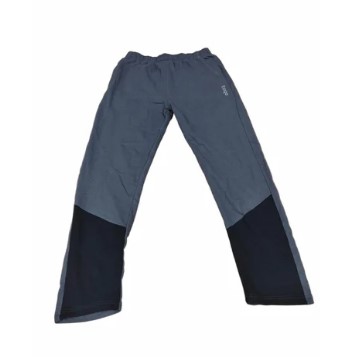
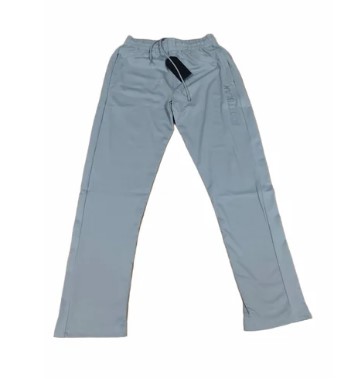
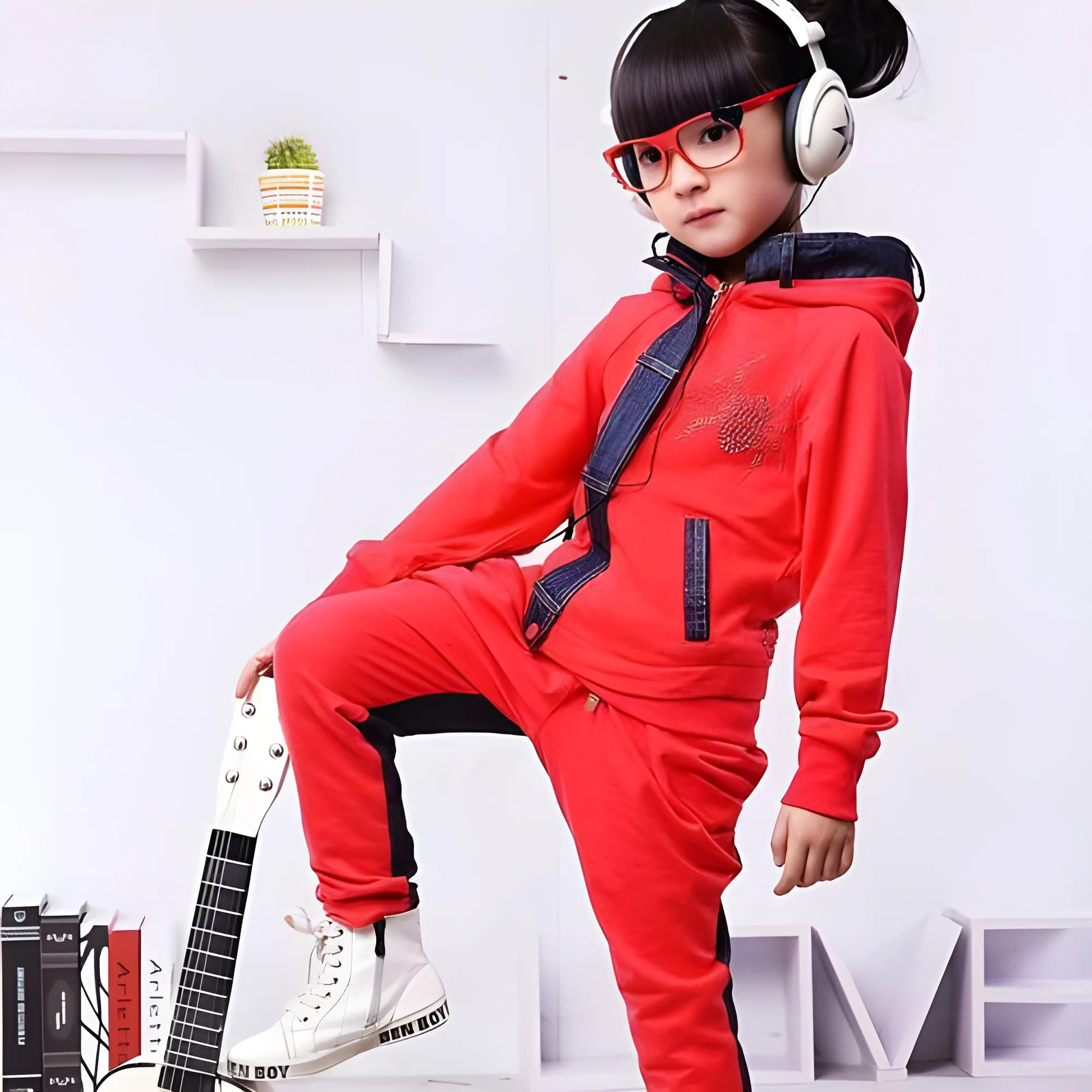
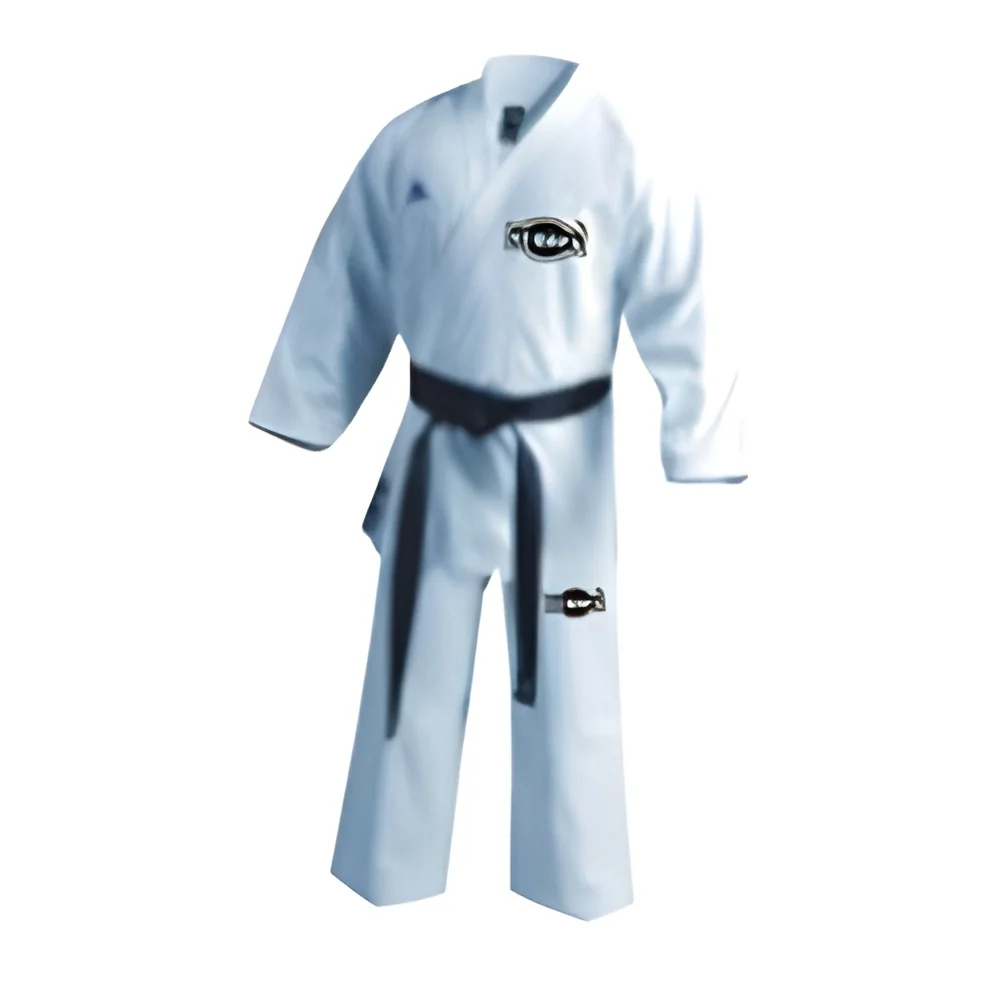
Sportswear / Activewear
104 products available
𝗪𝗵𝗮𝘁 𝗮𝗿𝗲 𝗦𝗽𝗼𝗿𝘁𝘀𝘄𝗲𝗮𝗿 / 𝗔𝗰𝘁𝗶𝘃𝗲𝘄𝗲𝗮𝗿?
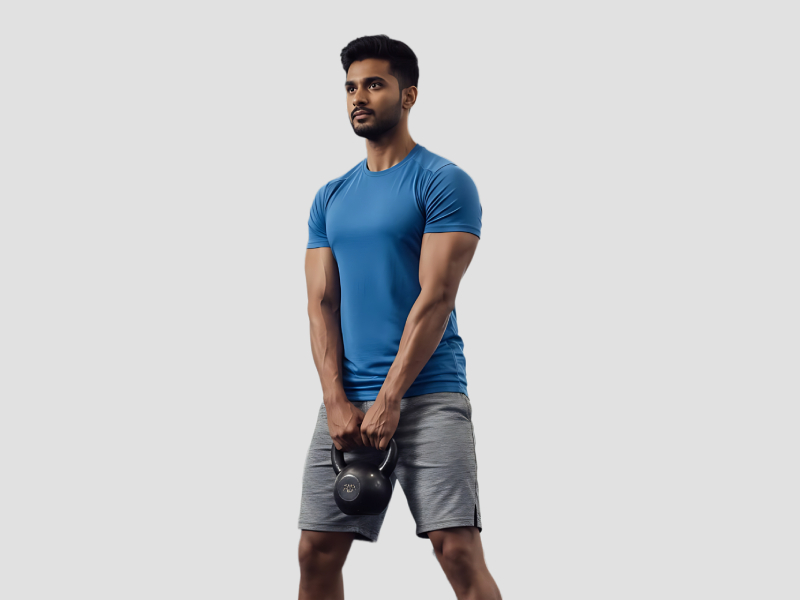
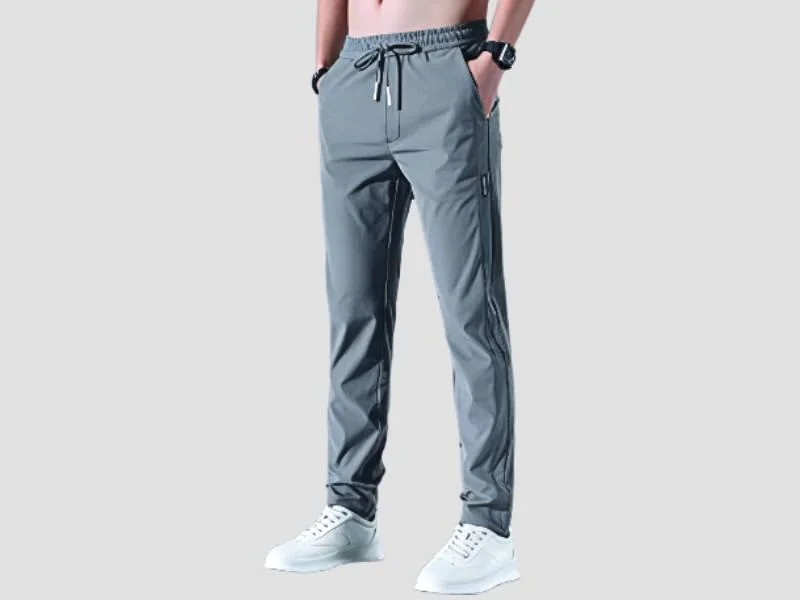
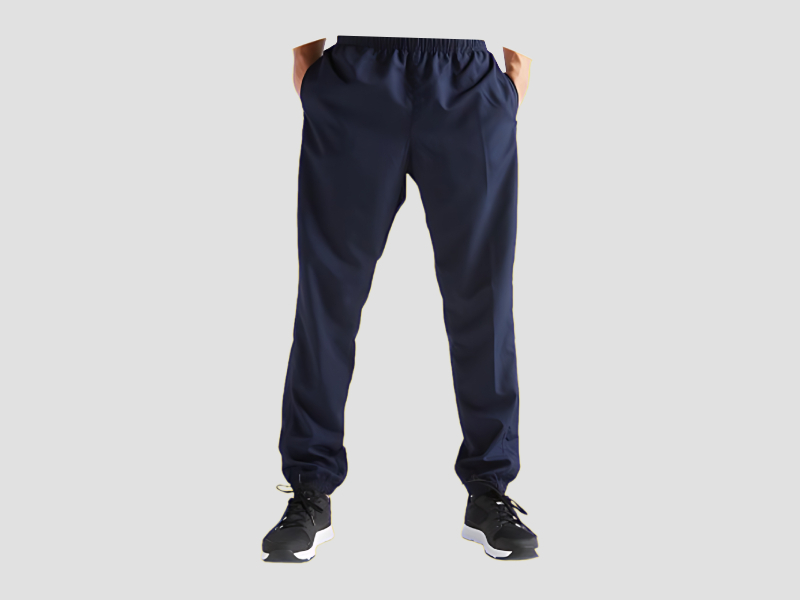
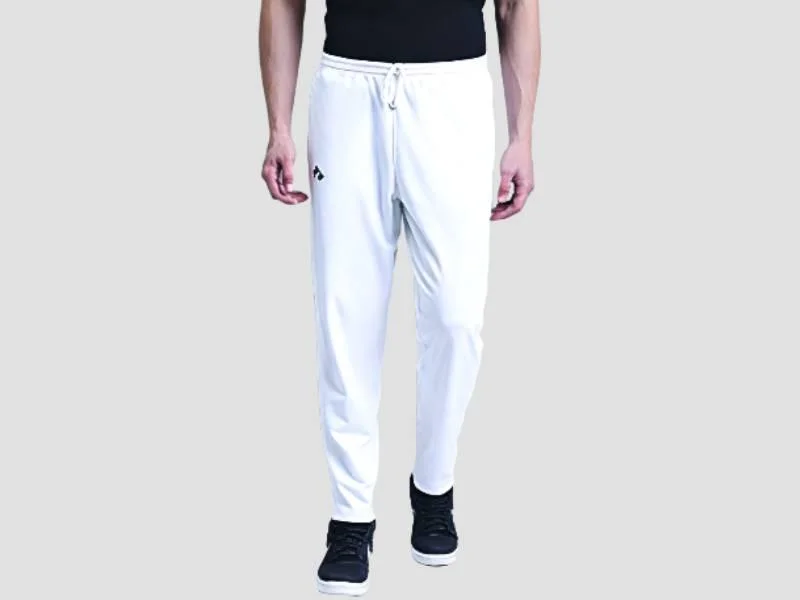
Sportswear, commonly referred to as activewear, encompasses a range of clothing designed specifically for physical activity and sports. This category includes garments made from specialized fabrics that provide comfort, flexibility, and moisture management. Sportswear can be tailored for various activities including running, cycling, yoga, and team sports, ensuring that participants can perform at their best.
Activewear is primarily used in industries related to fitness, health, and recreation. Businesses such as gyms, sporting goods retailers, and athletic teams rely on quality sportswear to enhance performance and meet customer demands. Additionally, the rise of athleisure fashion has expanded the market, making activewear a popular choice for casual wear as well.
In terms of industry relevance, the global activewear market continues to grow, driven by increasing health consciousness and participation in physical activities. With advancements in fabric technology and a focus on sustainability, manufacturers are continually innovating to meet the evolving demands of consumers. This positions sportswear as an essential segment within the broader apparel industry.
𝗞𝗲𝘆 𝗙𝗲𝗮𝘁𝘂𝗿𝗲𝘀 𝗮𝗻𝗱 𝗦𝗽𝗲𝗰𝗶𝗳𝗶𝗰𝗮𝘁𝗶𝗼𝗻𝘀
When considering sportswear, various features and specifications can influence product selection. These specifications ensure that the clothing meets the performance needs of users while adhering to industry standards.
Key specifications include:
1. Fabric Composition
- Typically made from synthetic materials such as polyester and nylon.
- Offers breathability, moisture-wicking properties, and durability.
2. Fit and Style
- Available in various cuts including fitted, relaxed, and loose styles.
- Designed to allow maximum movement and comfort during activities.
3. Moisture Management
- Fabrics engineered to wick sweat away from the body.
- Helps maintain optimal body temperature during exercise.
4. Stretch and Recovery
- Incorporates elastane or spandex for added stretch.
- Ensures garments retain shape after repeated wear.
5. Durability
- Constructed to withstand rigorous use and repeated washing.
- Resistant to fading, shrinking, and tearing.
6. Safety Features
- Some designs include reflective elements for visibility in low-light conditions.
- Enhanced stitching for added strength in high-stress areas.
7. Eco-Friendliness
- Increasing availability of recycled materials in production.
- Commitment to sustainable practices in manufacturing.
In summary, understanding these specifications helps businesses choose sportswear that aligns with performance needs and quality standards.
𝗖𝗼𝗺𝗺𝗼𝗻 𝗔𝗽𝗽𝗹𝗶𝗰𝗮𝘁𝗶𝗼𝗻𝘀 𝗮𝗻𝗱 𝗨𝘀𝗲 𝗖𝗮𝘀𝗲𝘀
Sportswear finds application across several industries, catering to diverse consumer needs.
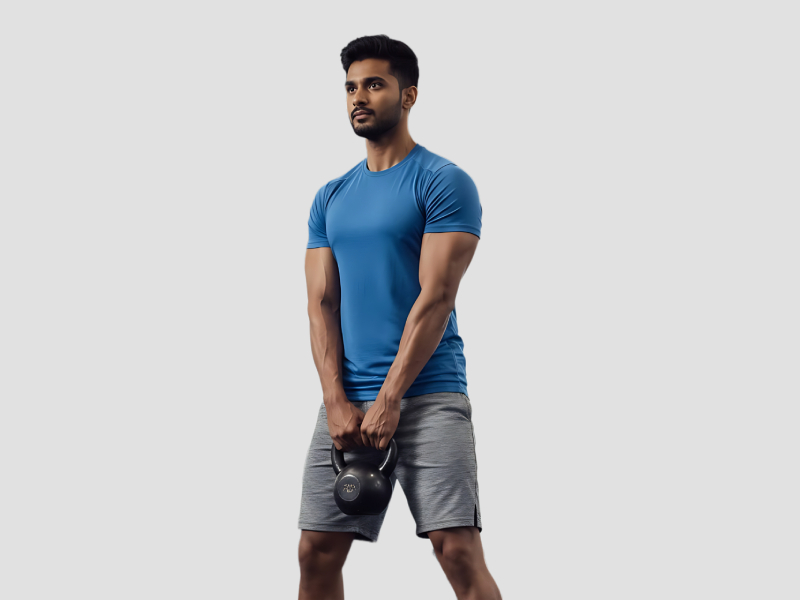
1. Fitness Centers: Equipped with specialized clothing for various workouts, fitness centers enhance member experience with quality activewear.
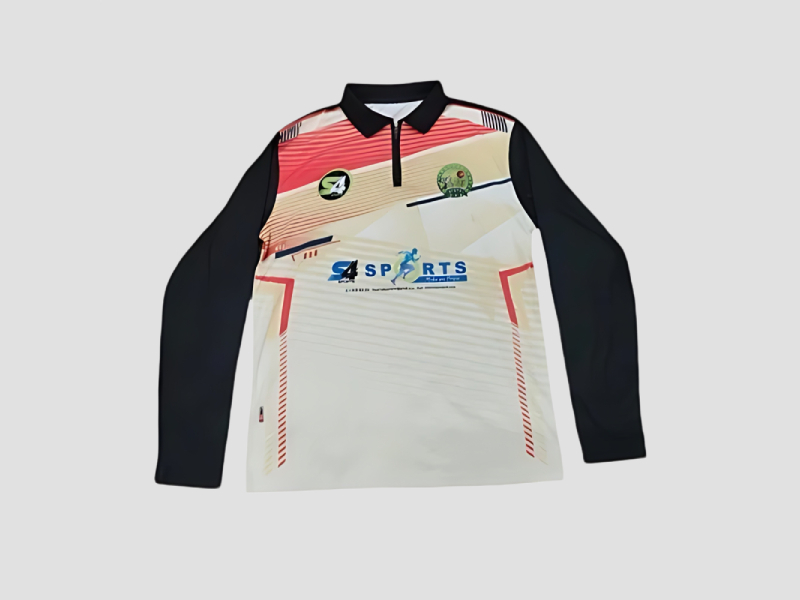
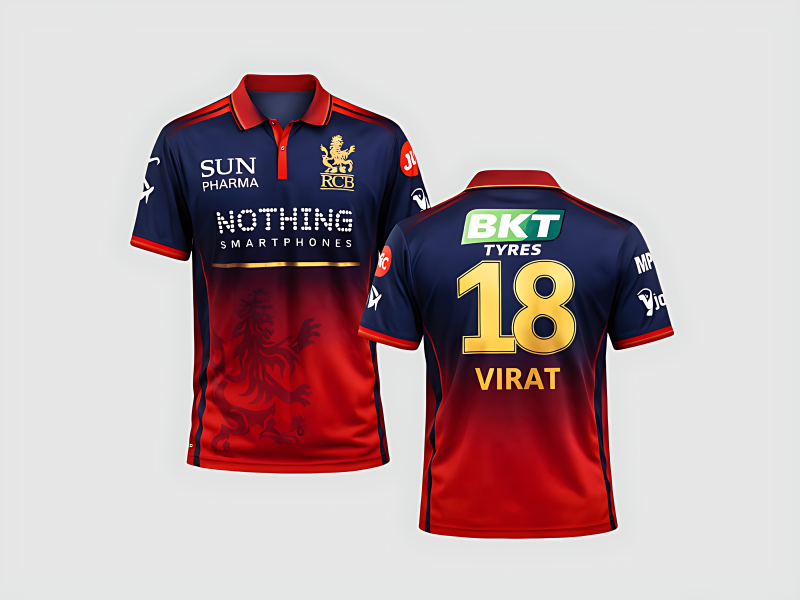
2. Sports Teams: Teams utilize branded activewear for uniforms and practice gear, fostering team spirit and ensuring comfort during athletic events.
3. Outdoor Recreation: Hiking and outdoor sports demand durable and weather-resistant activewear, suitable for varying environmental conditions.
4. Yoga and Pilates Studios: These environments benefit from flexible and breathable clothing that allows for full range of motion, enhancing participant comfort.
5. Retail Clothing: Sporting goods retailers stock activewear to meet the growing consumer trend towards fitness-focused clothing.
6. Corporate Wellness Programs: Companies invest in activewear for employee wellness initiatives, promoting a healthy lifestyle.
7. E-commerce: Online platforms have emerged as significant sales channels for sportswear, catering to a global audience seeking convenience and variety.
𝗣𝗿𝗼𝗱𝘂𝗰𝘁 𝗩𝗮𝗿𝗶𝗮𝗻𝘁𝘀 𝗮𝗻𝗱 𝗦𝘂𝗯𝗰𝗮𝘁𝗲𝗴𝗼𝗿𝗶𝗲𝘀
Sportswear is available in a range of variants to suit different preferences and activities.
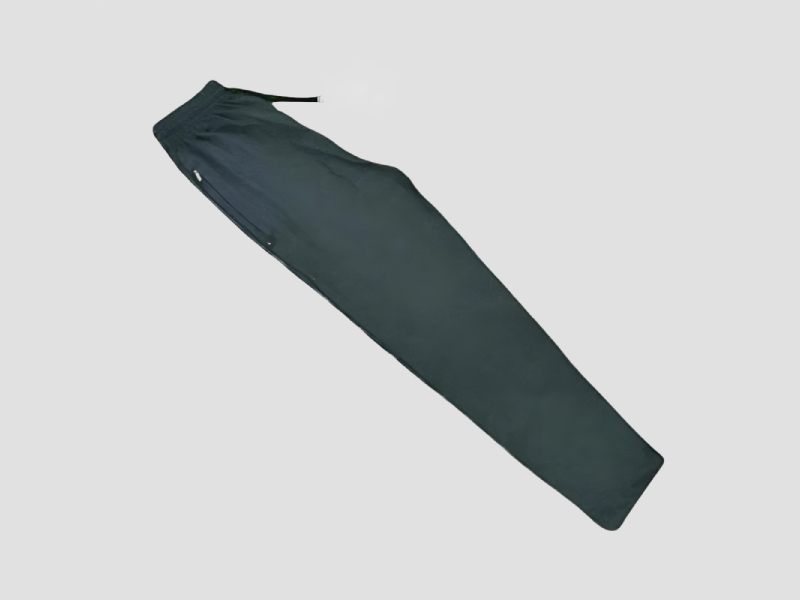
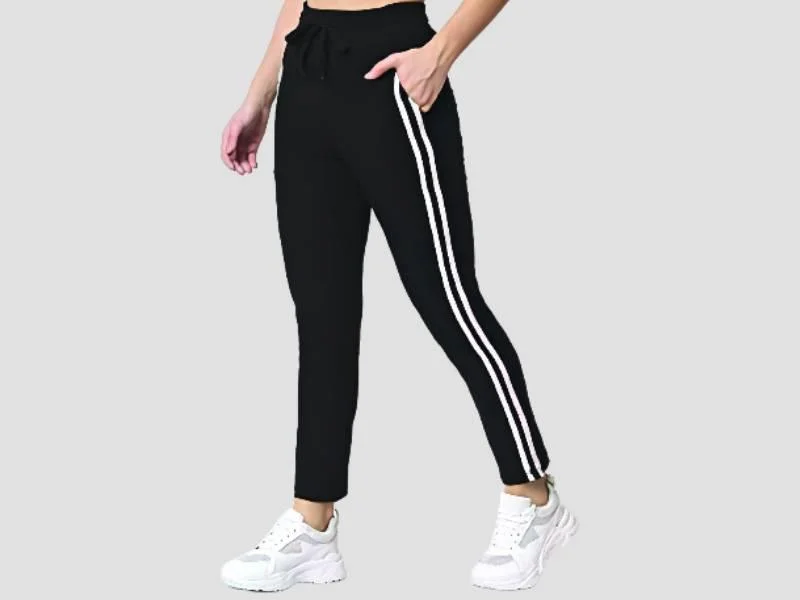
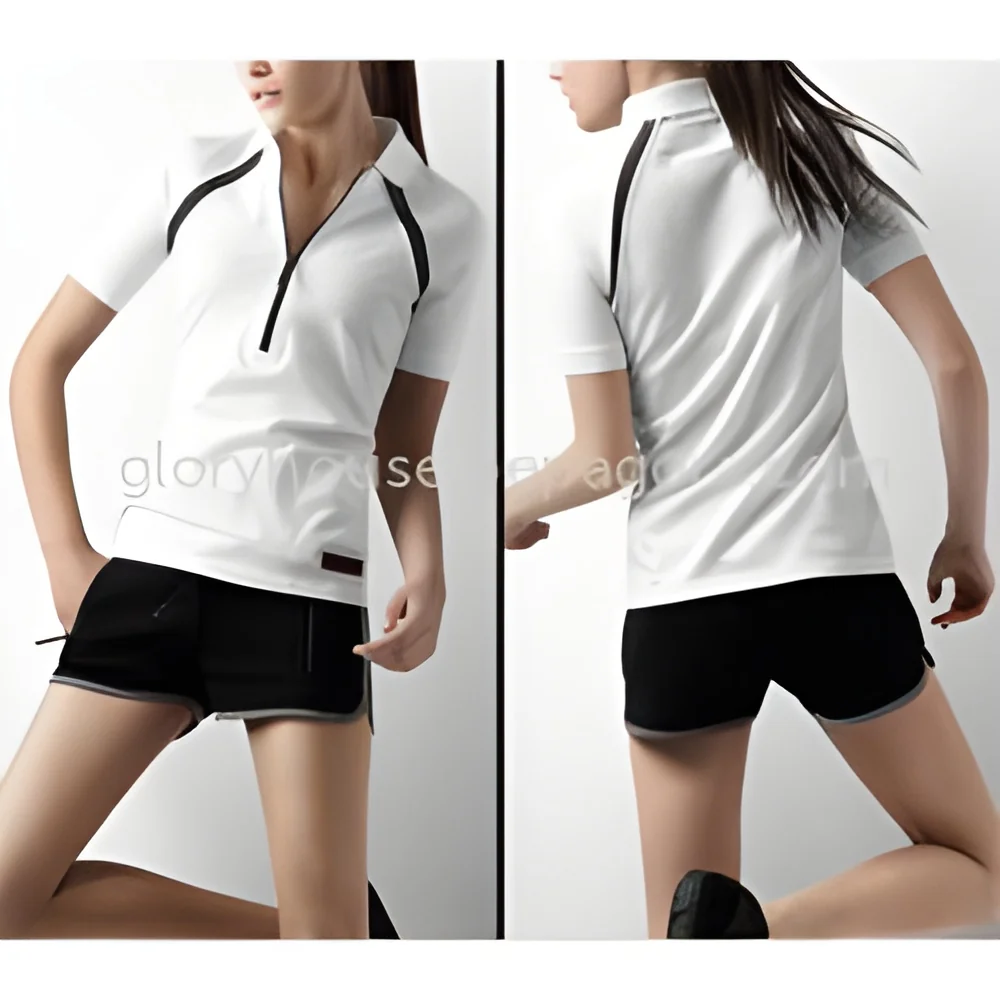
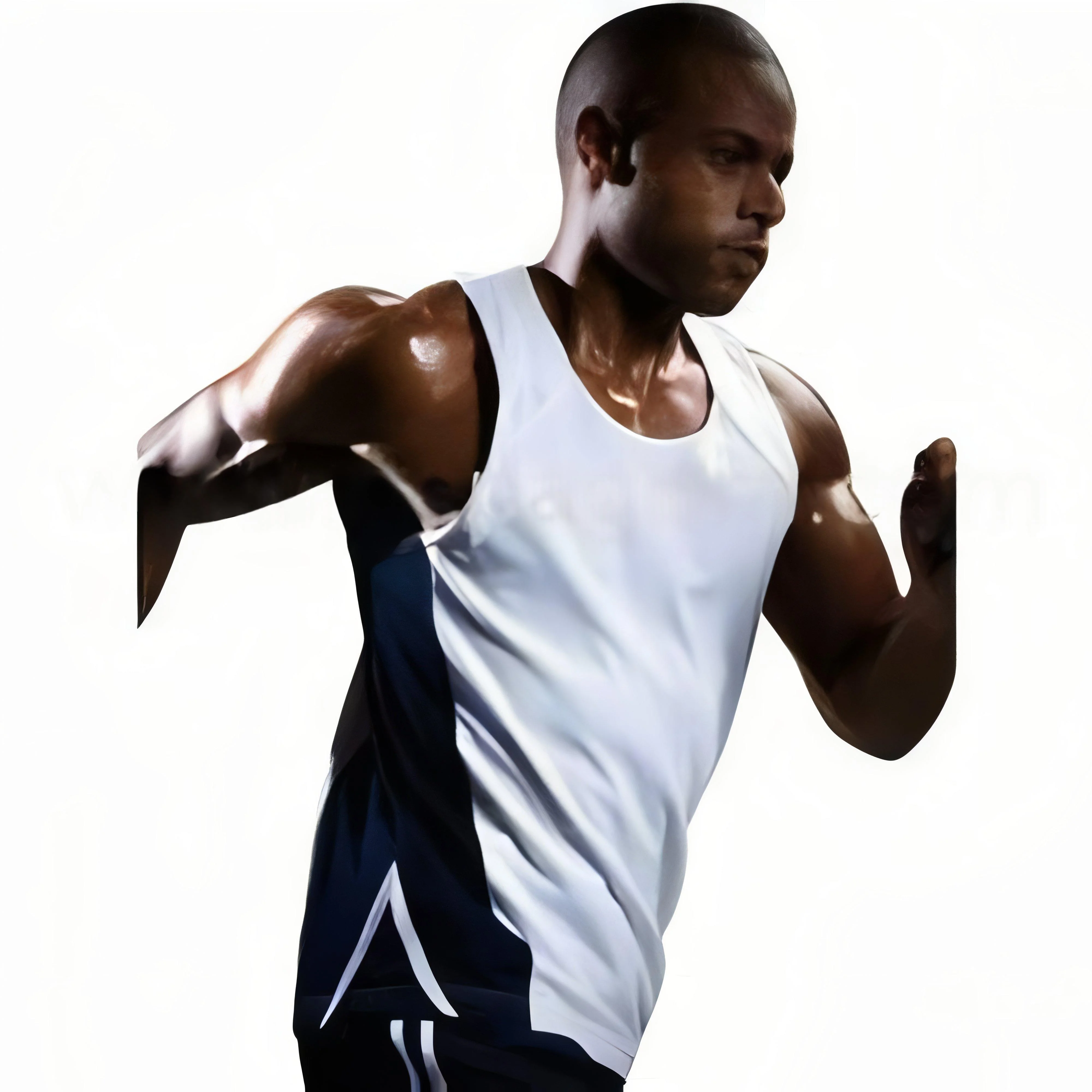
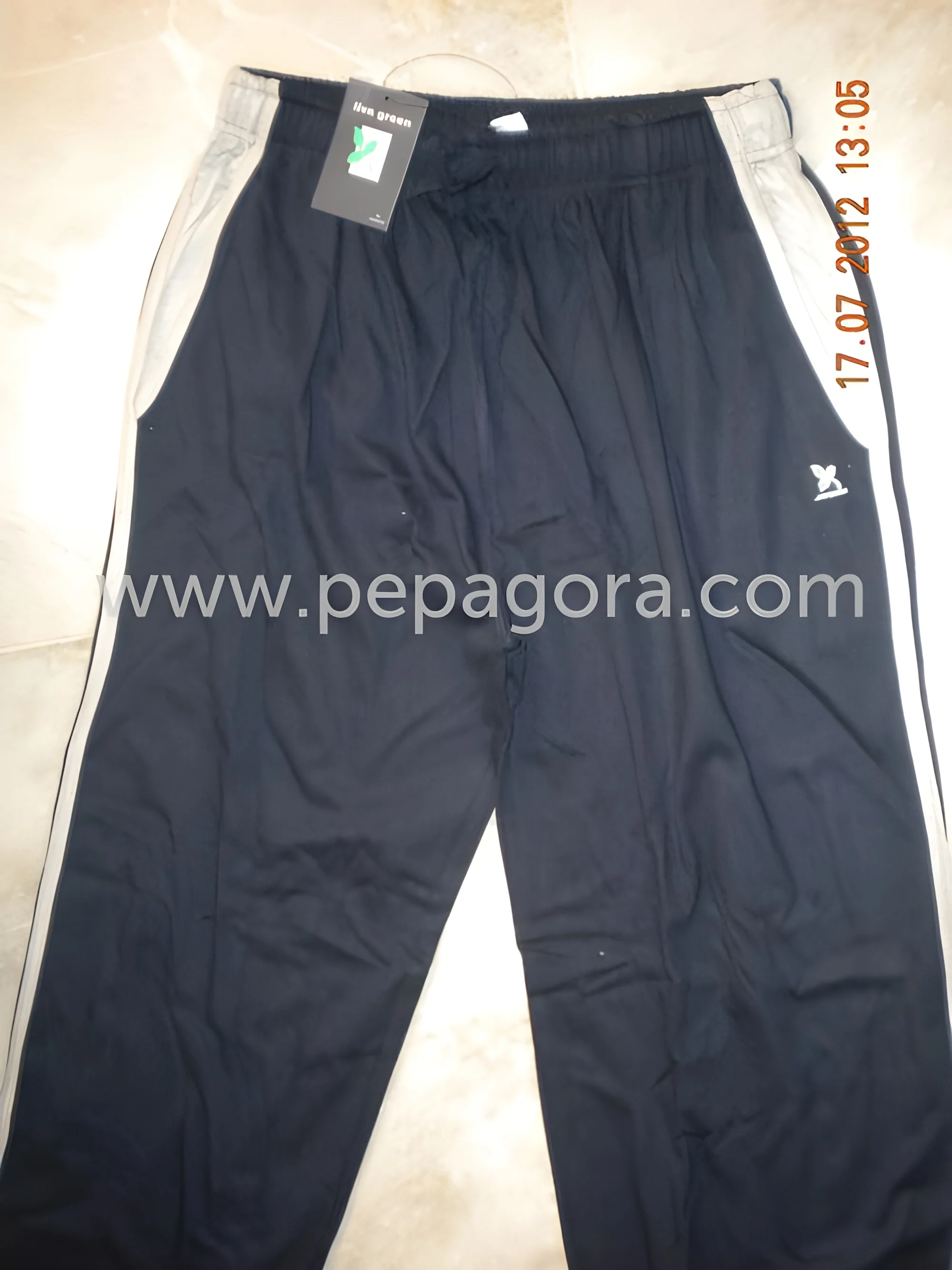
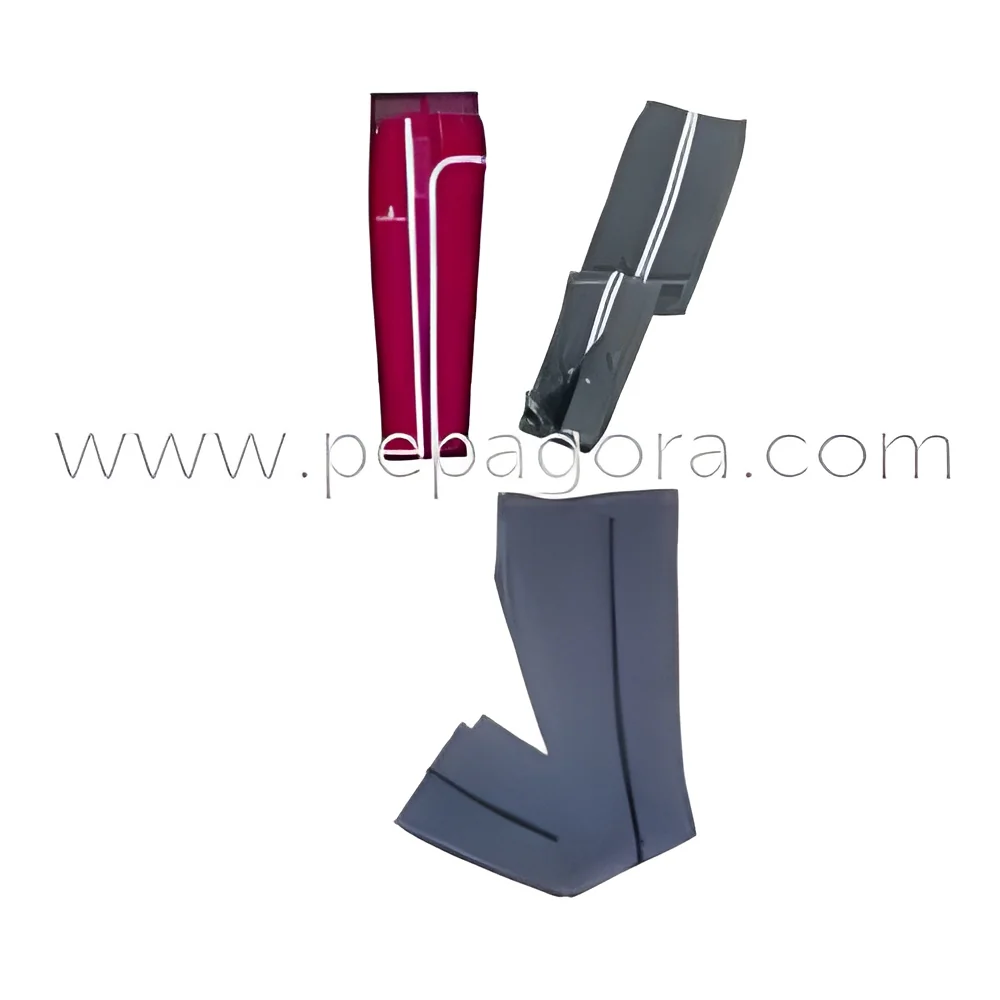
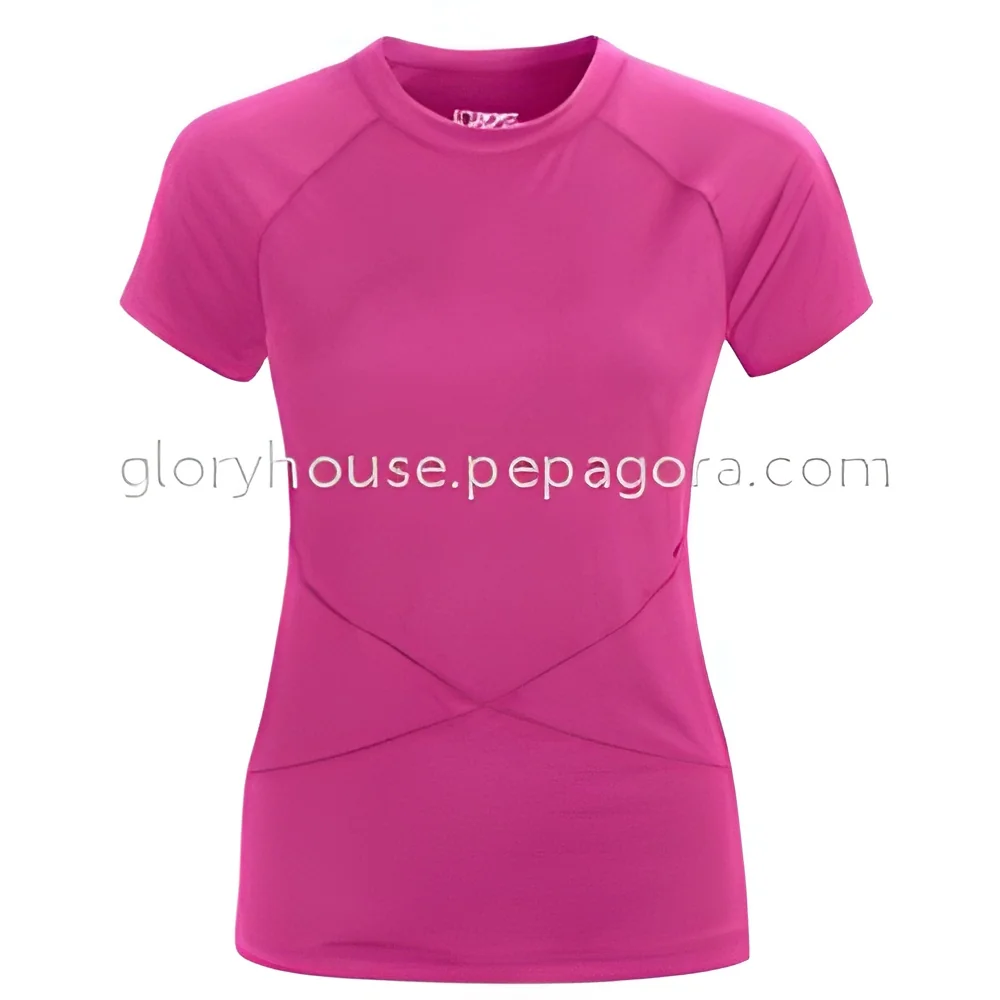
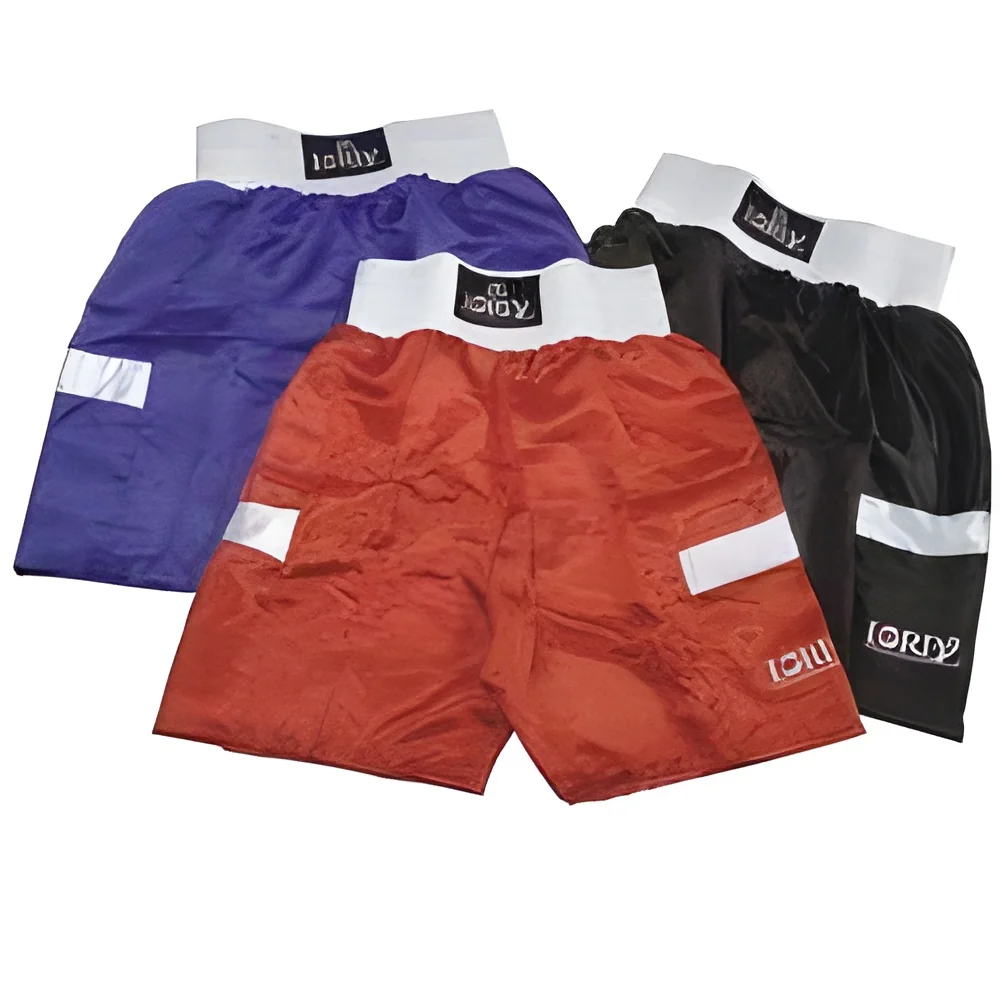
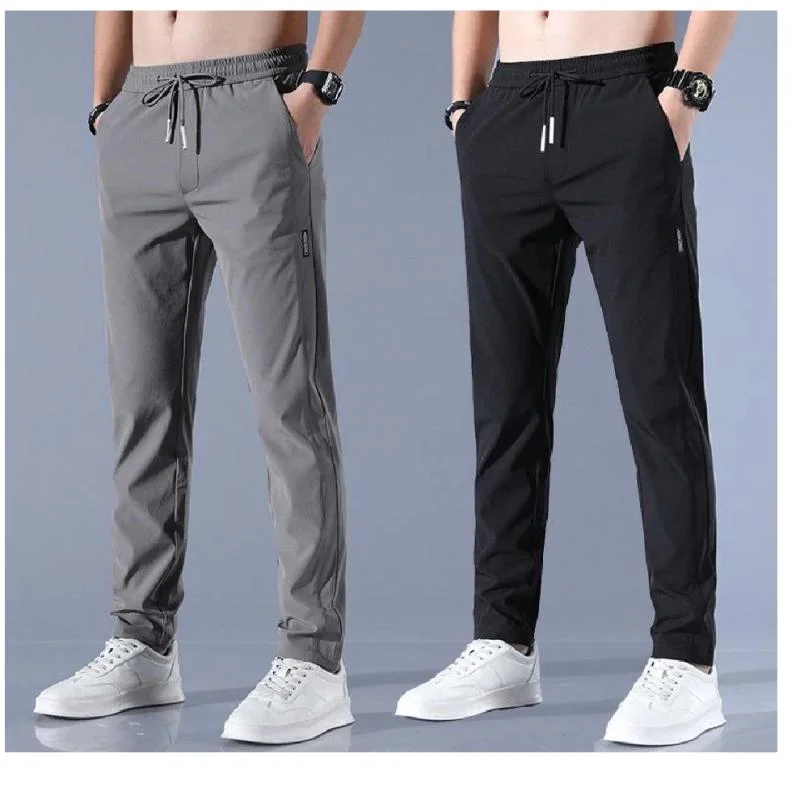
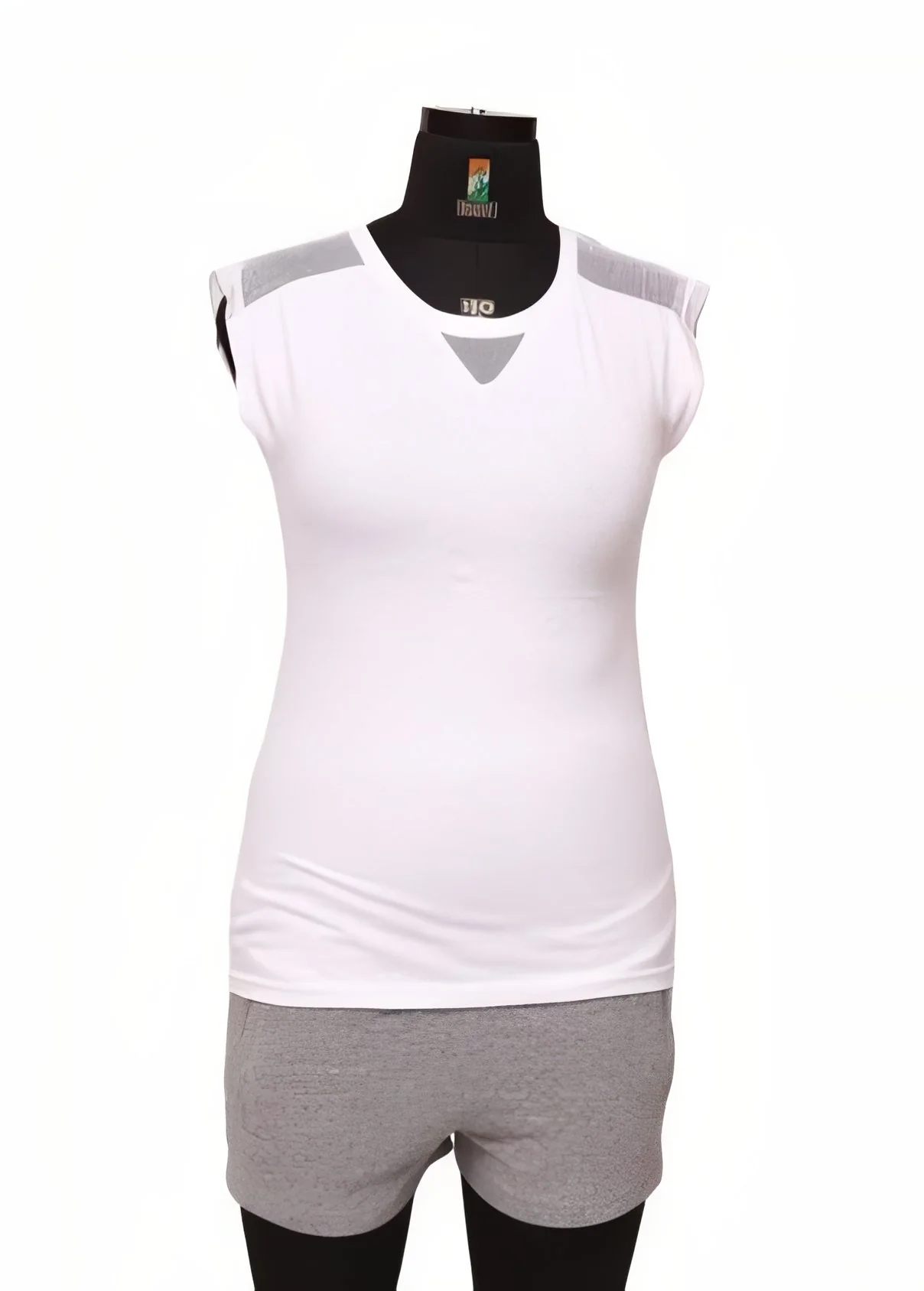
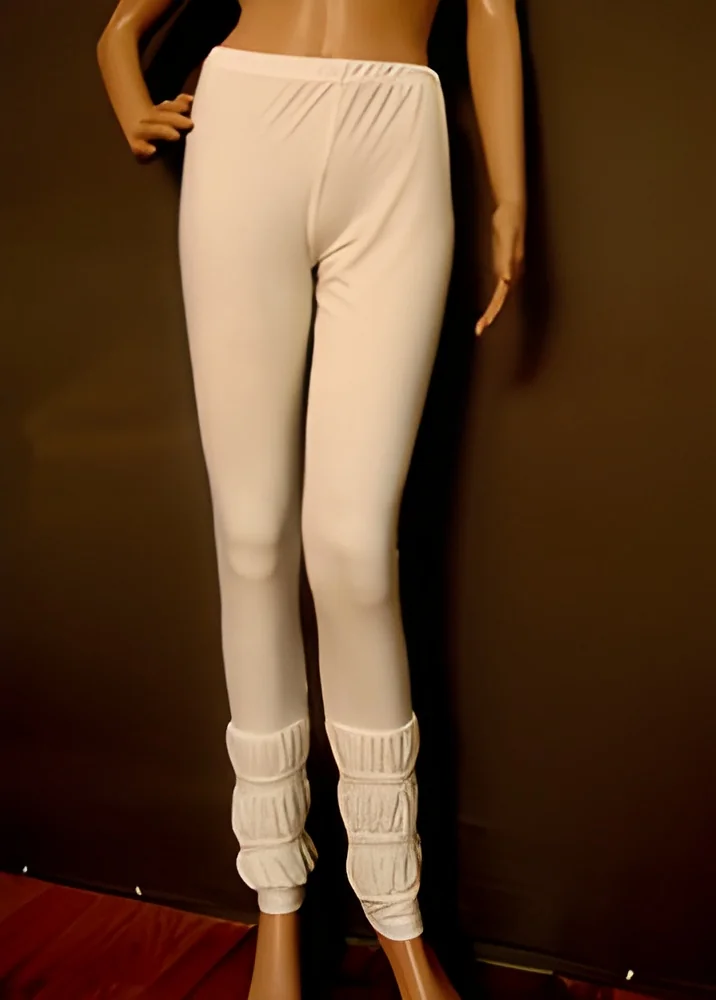
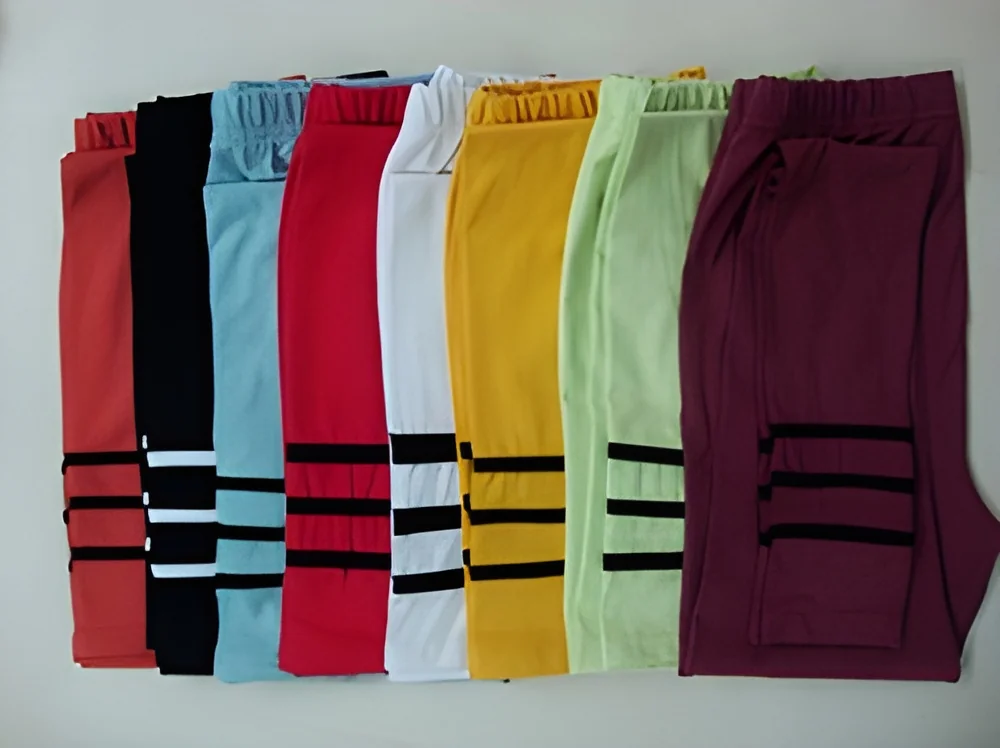
Running Apparel: This variant typically includes lightweight shirts, shorts, and leggings designed for breathability and freedom of movement. Features often include moisture-wicking fabrics and reflective elements for safety.
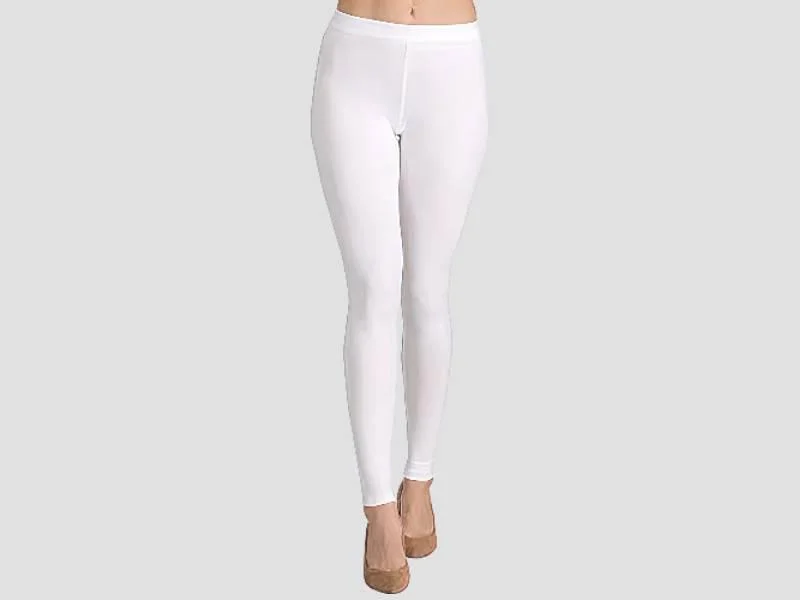
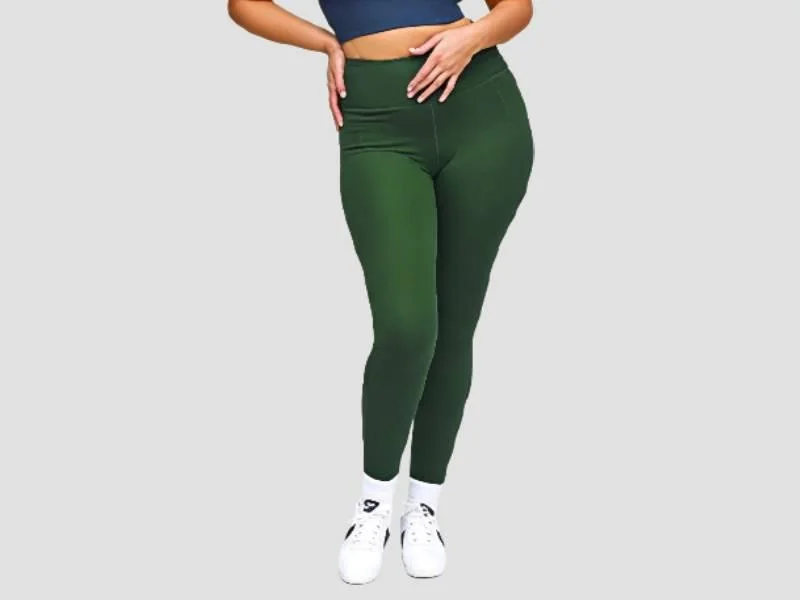
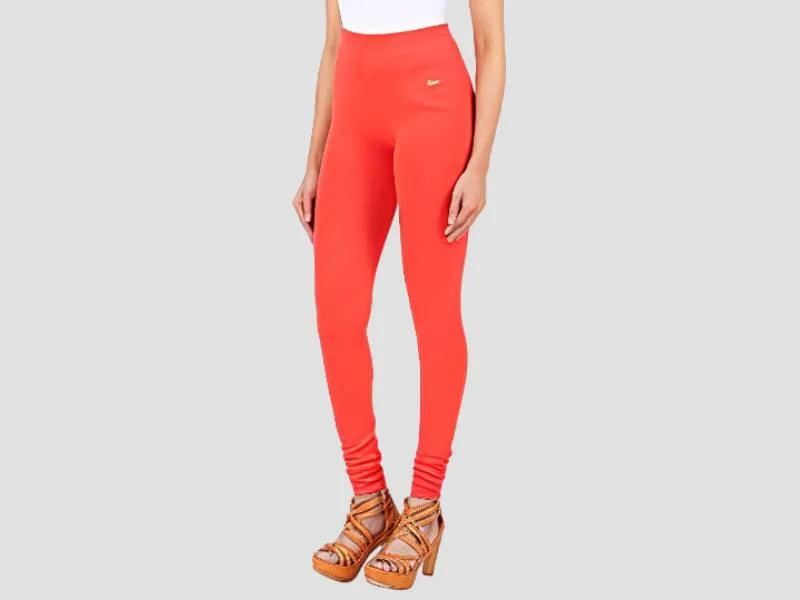
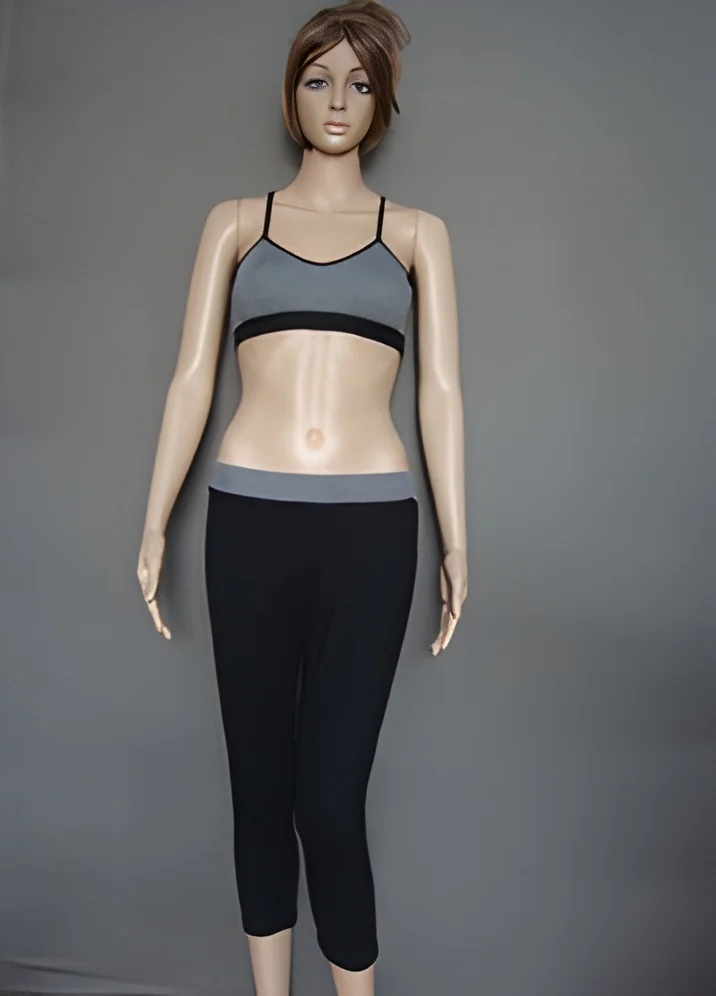
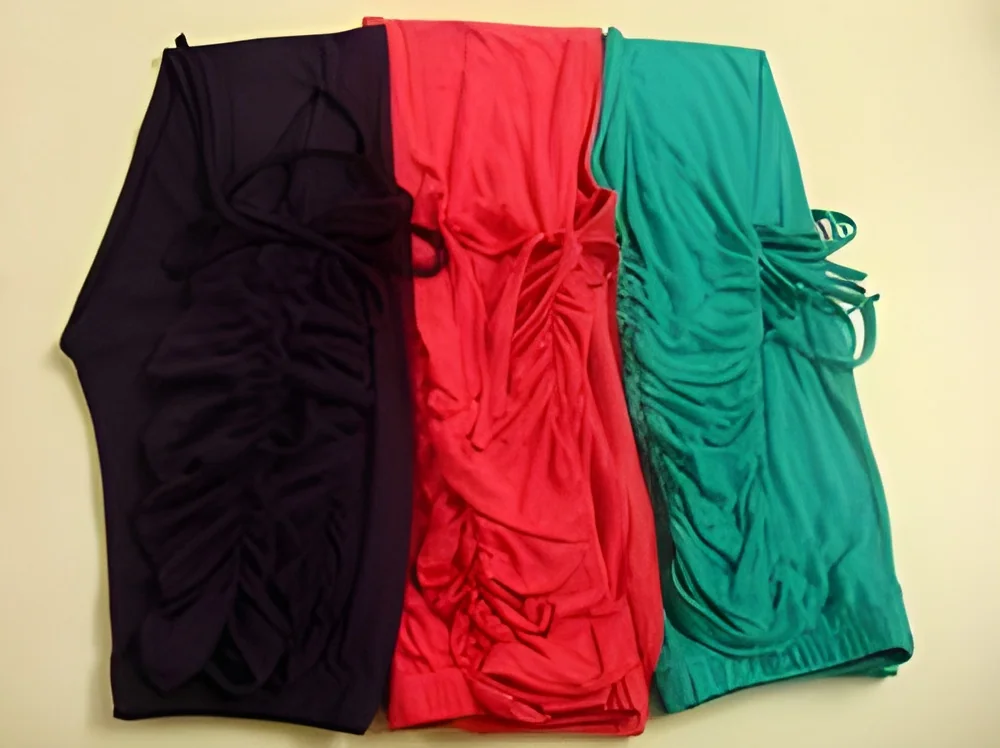
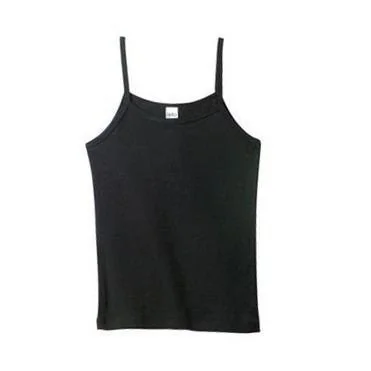
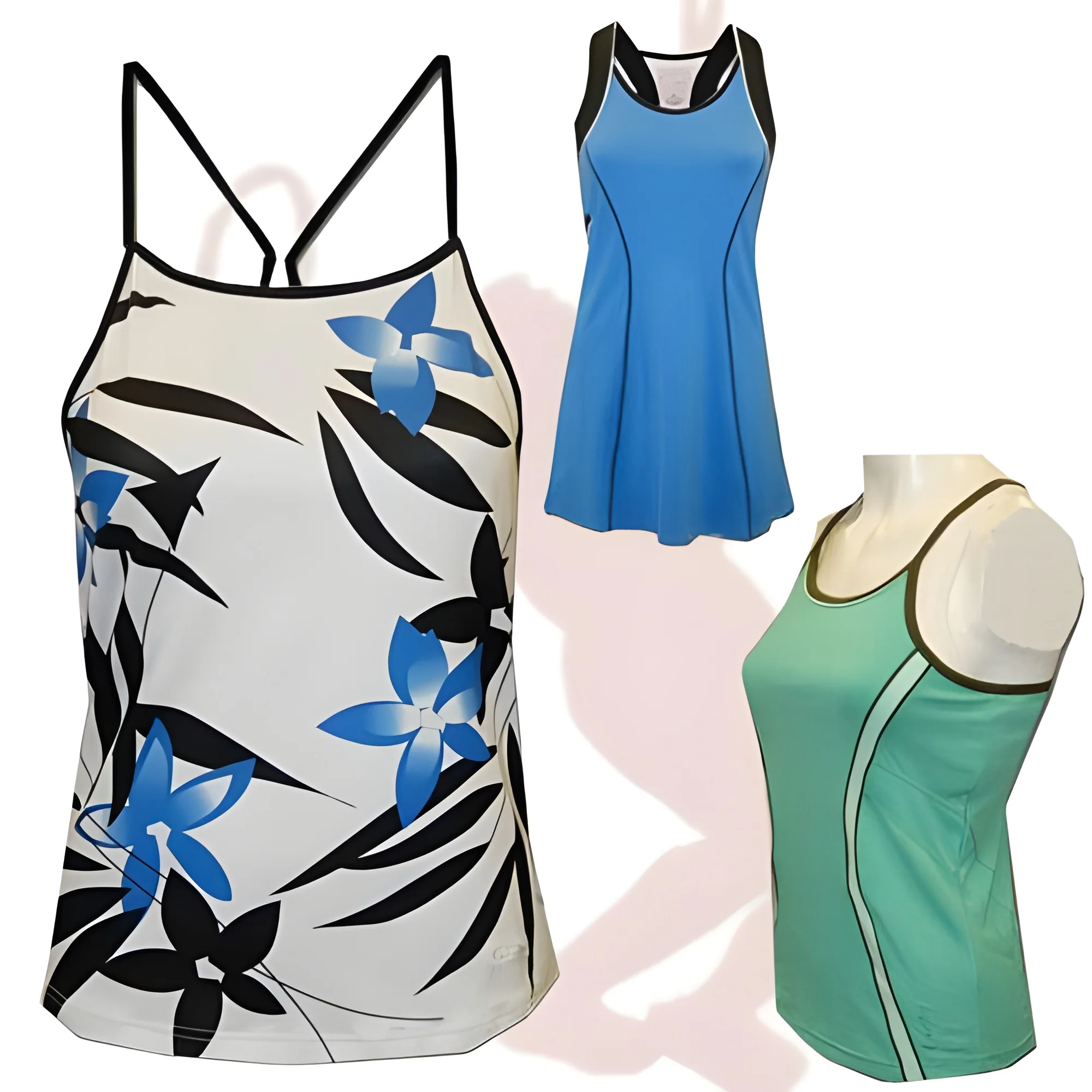
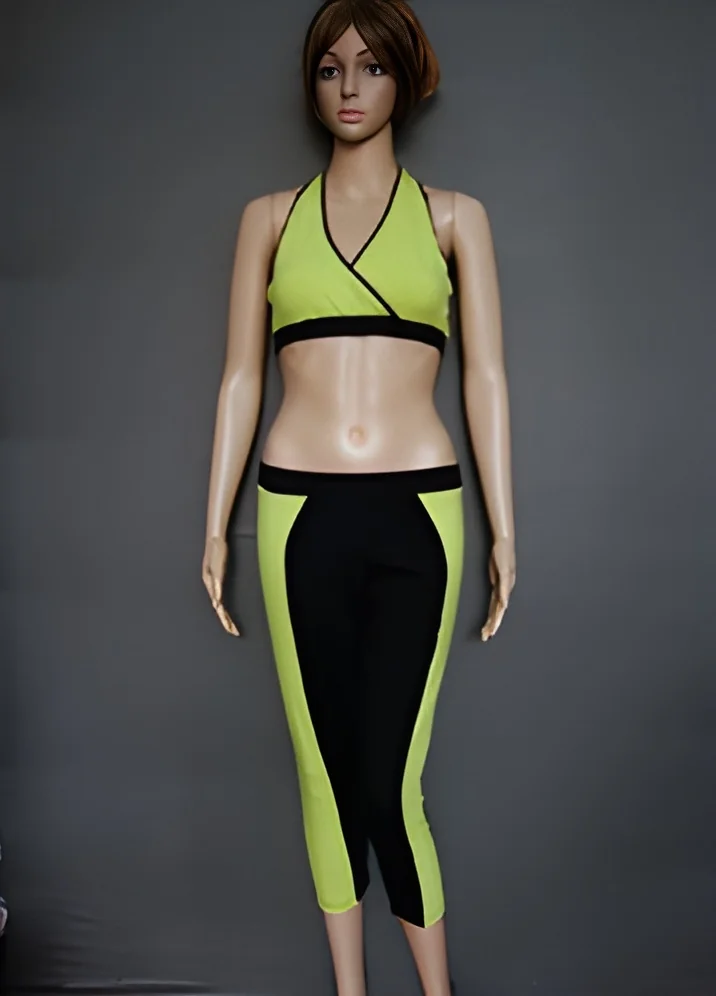
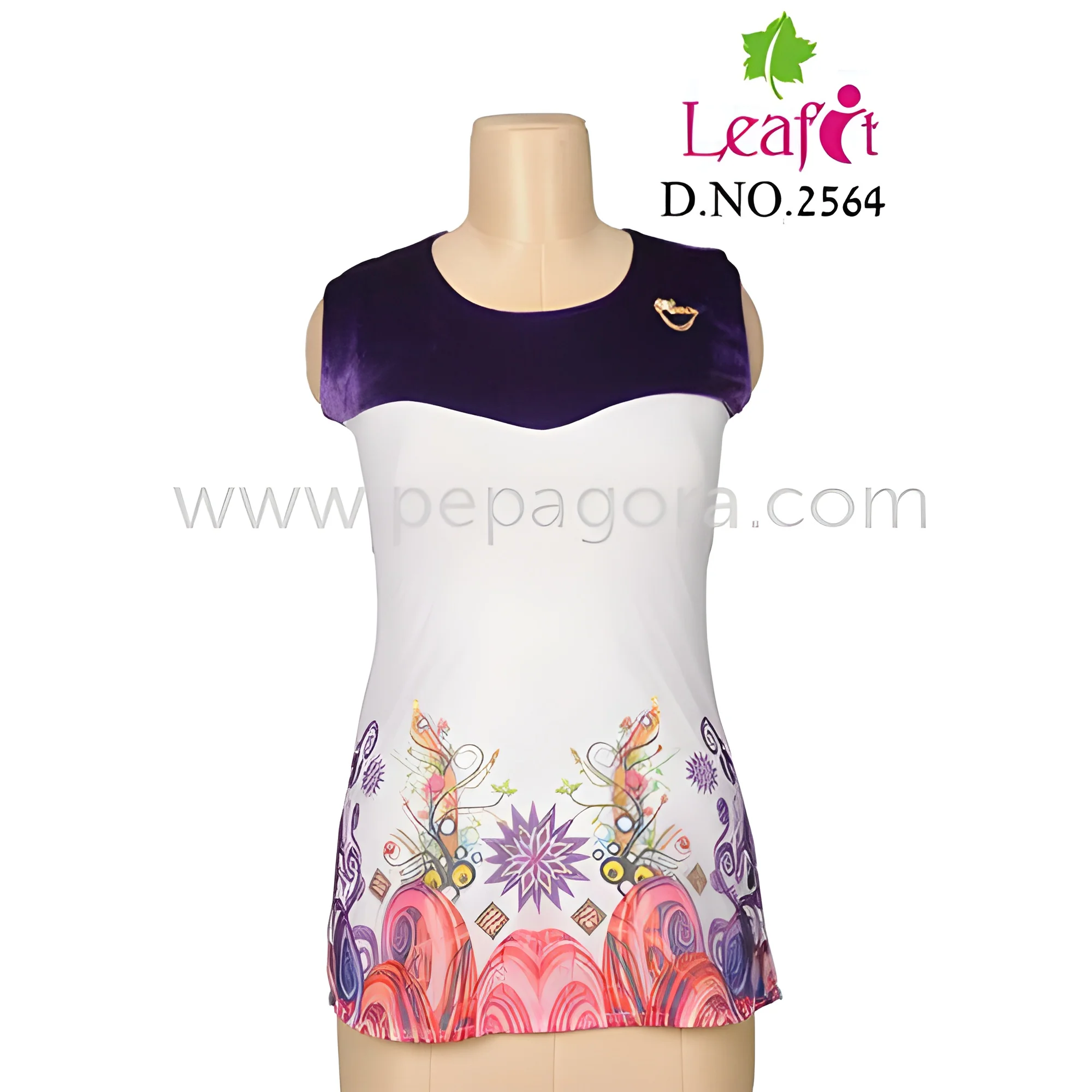
Yoga Clothing: Focused on comfort and flexibility, yoga apparel includes leggings, tank tops, and long-sleeve shirts made from stretchy and soft materials to enhance movement during practice.
Athletic Footwear: While not clothing, the right footwear is essential for sports performance. Athletic shoes are designed for specific activities, providing support and stability.
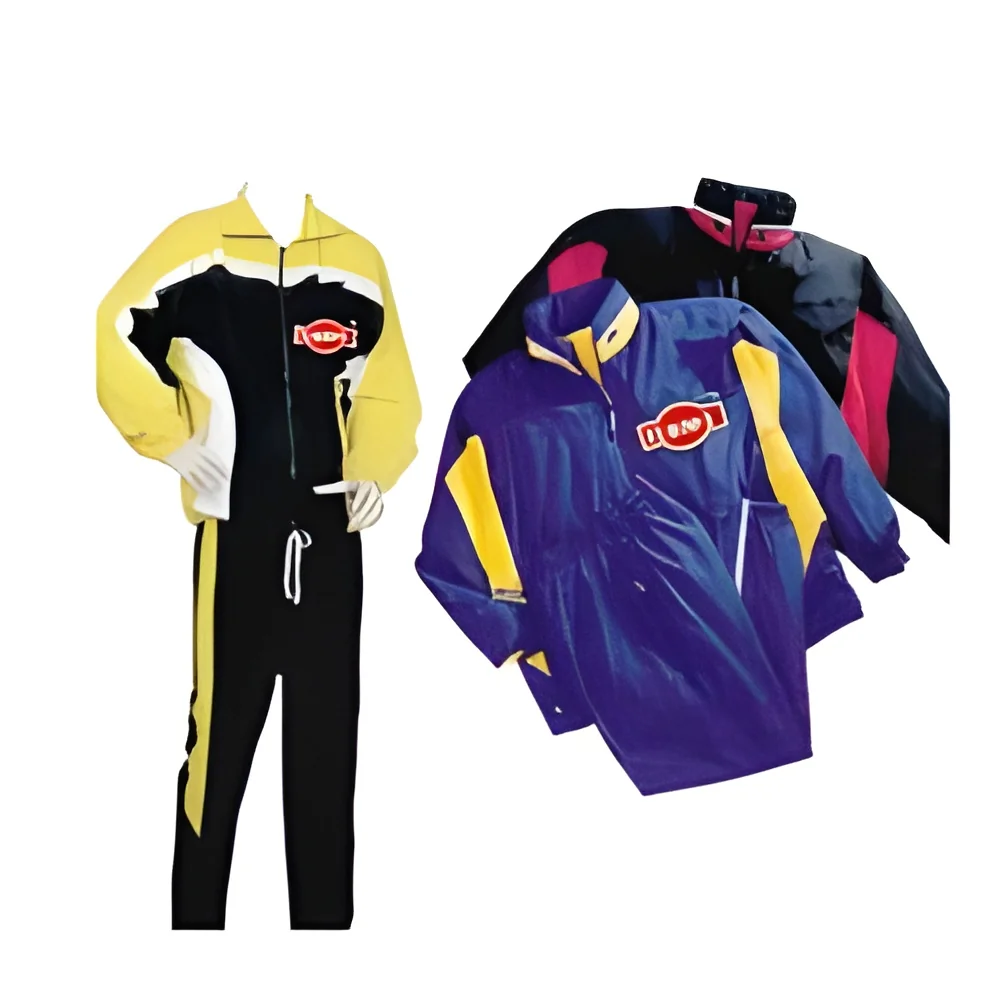
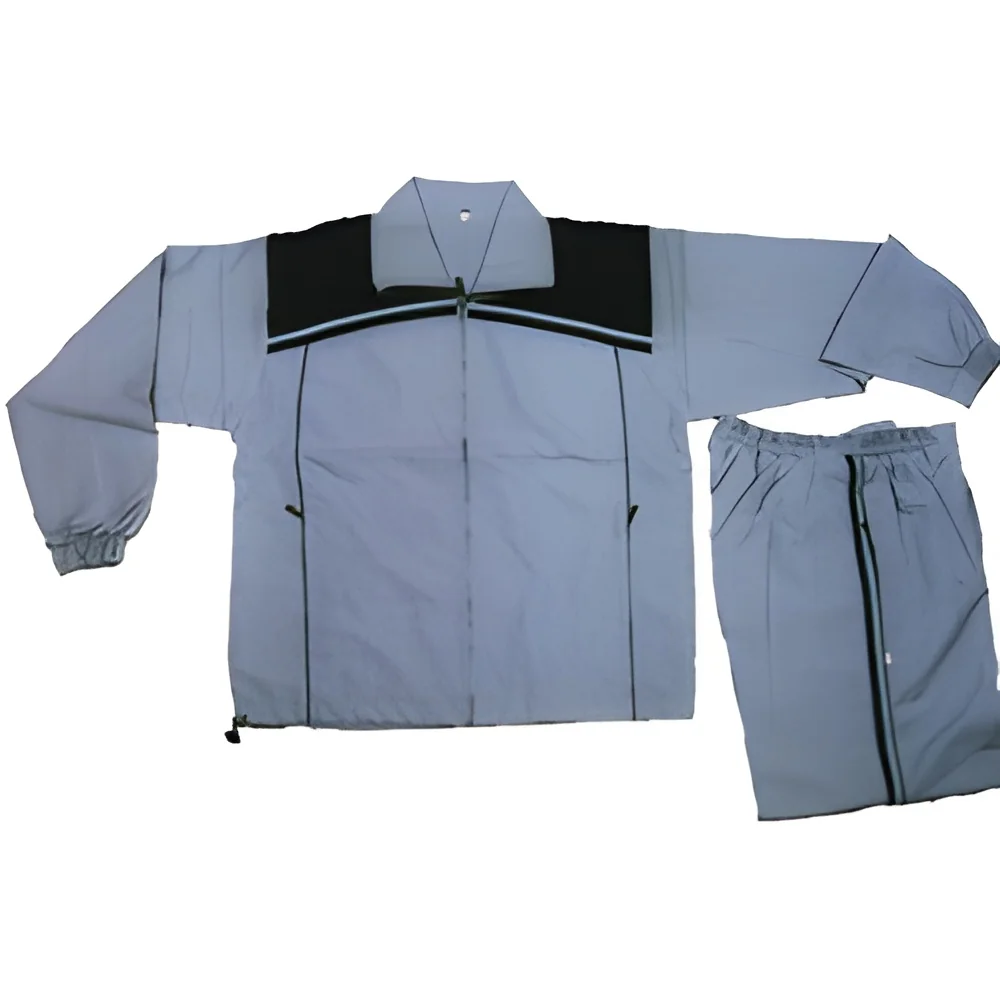
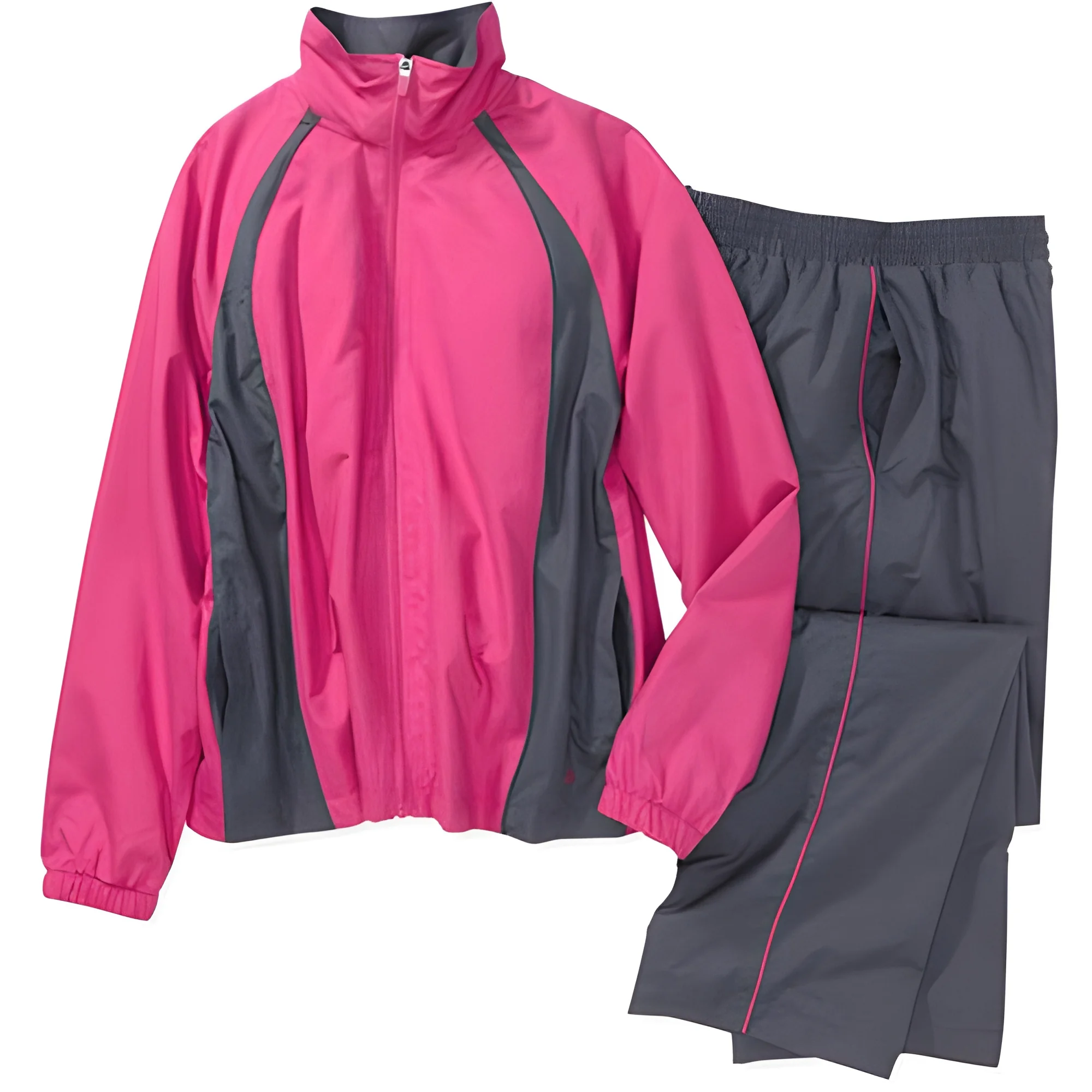
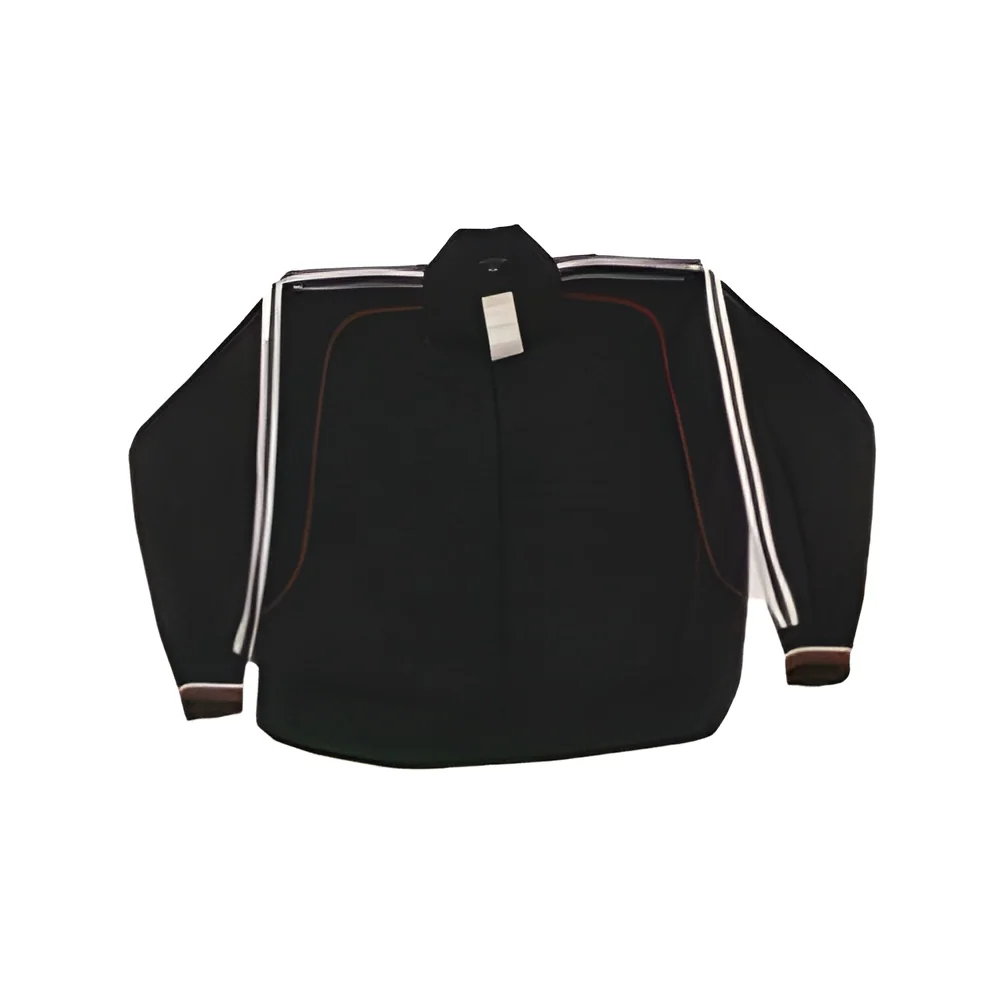
Outerwear: For outdoor activities, sports jackets and windbreakers are designed to protect against the elements while being lightweight and breathable.
𝗕𝗲𝗻𝗲𝗳𝗶𝘁𝘀 𝗮𝗻𝗱 𝗔𝗱𝘃𝗮𝗻𝘁𝗮𝗴𝗲𝘀
Investing in quality sportswear offers numerous advantages for users and businesses alike.
Key benefits include:
1. Enhanced Performance: High-quality activewear is designed to support physical activity, helping users perform better.
2. Comfort: Specialized fabrics provide comfort, allowing for extended wear without irritation during workouts.
3. Durability: Well-constructed sportswear withstands frequent use and laundering, offering a better long-term investment.
4. Versatility: Activewear can transition from workout to casual wear, appealing to a broader audience.
5. Brand Visibility: Custom or branded sportswear enhances business visibility during events and competitions.
6. Health Benefits: Quality activewear can improve overall workout effectiveness, promoting a healthier lifestyle.
𝗕𝘂𝘆𝗶𝗻𝗴 𝗚𝘂𝗶𝗱𝗲 𝗳𝗼𝗿 𝗕𝟮𝗕 𝗕𝘂𝘆𝗲𝗿𝘀
When sourcing sportswear, B2B buyers should consider several critical factors to ensure they make informed purchasing decisions.
1. Quality Assessment: Evaluate the quality of materials and construction. Look for certifications that verify durability and performance standards.
2. Supplier Verification: Conduct thorough background checks on suppliers to ensure they have a solid reputation and meet industry standards.
3. Pricing and MOQ: Understand the pricing structure and minimum order quantities, as these can vary widely between suppliers.
4. Delivery and Lead Times: Assess the supplier's logistics capabilities to ensure timely delivery of orders, which is crucial for maintaining stock levels.
5. Compliance Requirements: Familiarize yourself with any regulatory requirements pertaining to the production and sale of sportswear in your region.
𝗖𝗼𝗺𝗽𝗹𝗶𝗮𝗻𝗰𝗲 𝗮𝗻𝗱 𝗖𝗲𝗿𝘁𝗶𝗳𝗶𝗰𝗮𝘁𝗶𝗼𝗻𝘀
Compliance and certifications play a vital role in ensuring the quality and safety of sportswear. Relevant quality standards such as ISO 9001 indicate that manufacturers adhere to a recognized quality management system. This ensures consistent product quality and continual improvement.
Additionally, certifications like CE are important as they signify compliance with European health and safety regulations. They assure buyers that the products meet necessary safety standards.
Safety and testing requirements should also be prioritized. Sportswear may need to undergo specific testing to verify that it is safe for consumer use. Lastly, regional compliance considerations, such as local regulations regarding textile production, must be taken into account to avoid legal issues.
𝗪𝗵𝘆 𝗦𝗼𝘂𝗿𝗰𝗲 𝗦𝗽𝗼𝗿𝘁𝘀𝘄𝗲𝗮𝗿 / 𝗔𝗰𝘁𝗶𝘃𝗲𝘄𝗲𝗮𝗿 𝗳𝗿𝗼𝗺 𝗣𝗲𝗽𝗮𝗴𝗼𝗿𝗮?
Pepagora provides a trusted platform for sourcing sportswear and activewear, offering several key advantages that benefit B2B buyers.
Verified Supplier Network: Pepagora has built a comprehensive network of verified suppliers, ensuring that buyers can access quality products from reputable manufacturers. This verification process minimizes risks associated with sourcing.
Streamlined RFQ Process: The request for quotation (RFQ) process is designed to be efficient and user-friendly. Buyers can easily submit their requirements and receive competitive quotes, aiding in decision-making.
Trade Assurance and Support: Pepagora offers trade assurance, providing buyers with protection against risks associated with transactions. This support fosters trust and confidence in sourcing decisions.
Regional Coverage: With a presence in India, the GCC, and Southeast Asia, Pepagora ensures broad geographic reach. This facilitates access to a diverse range of sportswear options tailored to various market needs.





Frequently Asked Questions
What are Sportswear / Activewear?
Sportswear, also known as activewear, refers to clothing designed for physical activities, sports, and exercise. These garments are made from breathable and flexible materials to provide comfort and support during various workouts and sporting events.
What are the different types of Sportswear / Activewear?
The different types of sportswear include tops, bottoms, outerwear, and specialized items such as sports bras, leggings, and athletic shoes. Additionally, there are specific categories for different sports, like yoga apparel, running gear, and swimwear.
How do I choose the right Sportswear / Activewear?
Choosing the right sportswear involves considering the type of activity, fit, and material. Look for moisture-wicking fabrics, proper sizing, and styles that allow for a full range of motion to enhance performance and comfort.
What are the standard specifications for Sportswear / Activewear?
Standard specifications for sportswear include fabric composition, breathability, moisture management, and durability. Additionally, many activewear garments are designed to be lightweight and quick-drying to enhance performance.
What is the price range for Sportswear / Activewear?
The price range for sportswear varies widely depending on the brand, quality, and type of clothing. Generally, prices can range from as low as INR 500 to over INR 5000 for premium activewear items.
What quality standards apply to Sportswear / Activewear?
Quality standards for sportswear typically include performance criteria such as breathability, moisture-wicking properties, and fabric durability. Compliance with international textile standards and certifications is also important for ensuring product quality.
Where can I find Sportswear / Activewear suppliers in India?
You can find sportswear suppliers in India through online B2B marketplaces, trade shows, and industry directories. Websites like Pepagora.com list various manufacturers and suppliers, making it easier to connect with reliable sources.
Can Sportswear / Activewear be customized?
Yes, many manufacturers offer customization options for sportswear, allowing businesses to add logos, change colors, or adjust designs. Customization can help brands create unique apparel that aligns with their identity.
What is the typical minimum order quantity for Sportswear / Activewear?
The typical minimum order quantity (MOQ) for sportswear can vary by supplier but often ranges from 50 to 100 pieces per style. It's advisable to check with individual manufacturers for specific MOQ requirements.
What is the typical lead time for Sportswear / Activewear?
The typical lead time for sportswear production can range from 2 to 6 weeks, depending on the complexity of the order, customization requests, and supplier capacity. Always confirm lead times with the supplier during the ordering process.
Why Businesses Trust Pepagora
Thousands of companies trust Pepagora to source smarter and sell faster
Expand Your Sales Globally

Source Smarter,Grow Faster
