
 IN
Sportswear & Activewear
180 products available
𝗪𝗵𝗮𝘁 𝗮𝗿𝗲 𝗦𝗽𝗼𝗿𝘁𝘀𝘄𝗲𝗮𝗿 & 𝗔𝗰𝘁𝗶𝘃𝗲𝘄𝗲𝗮𝗿?
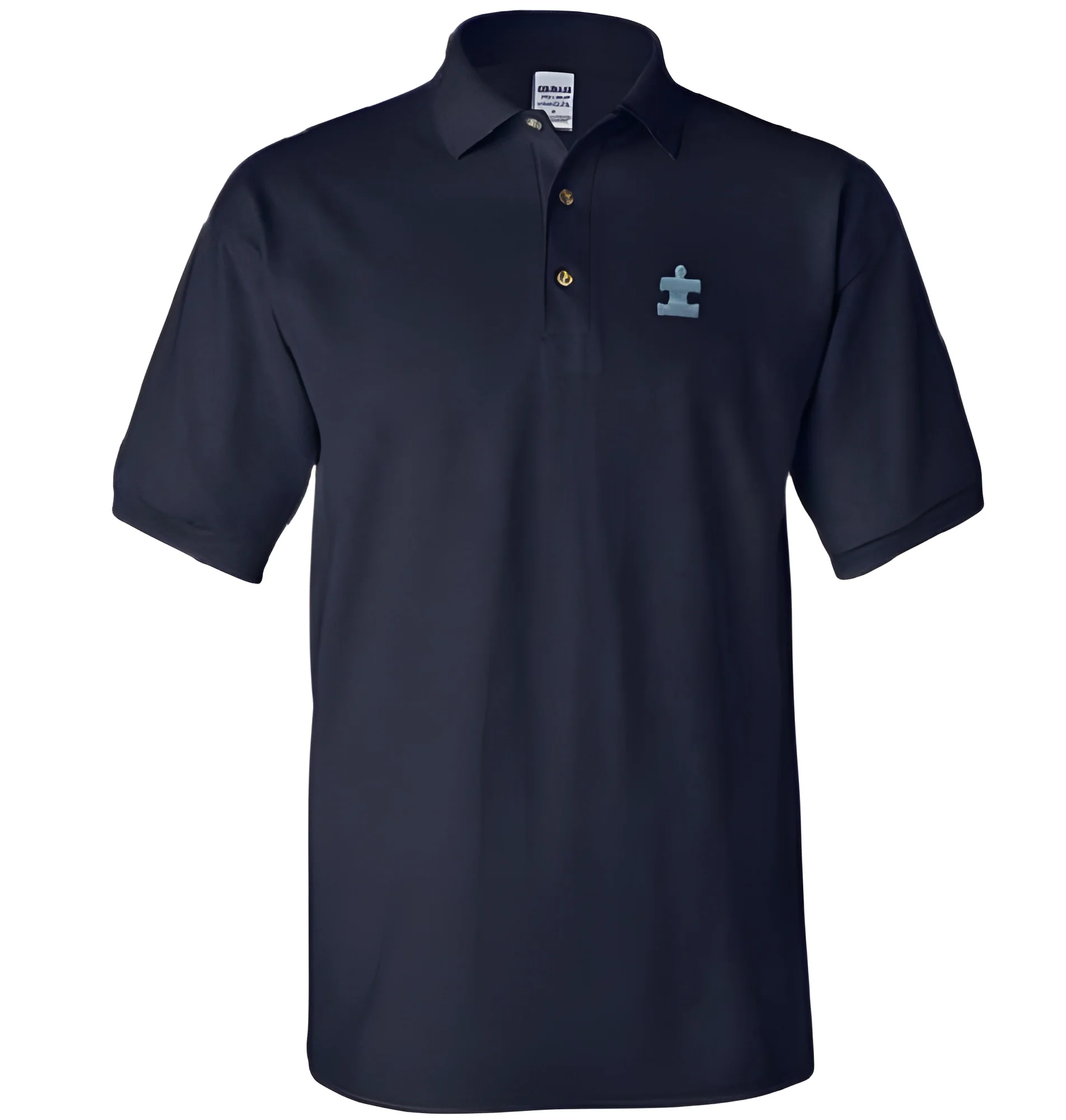
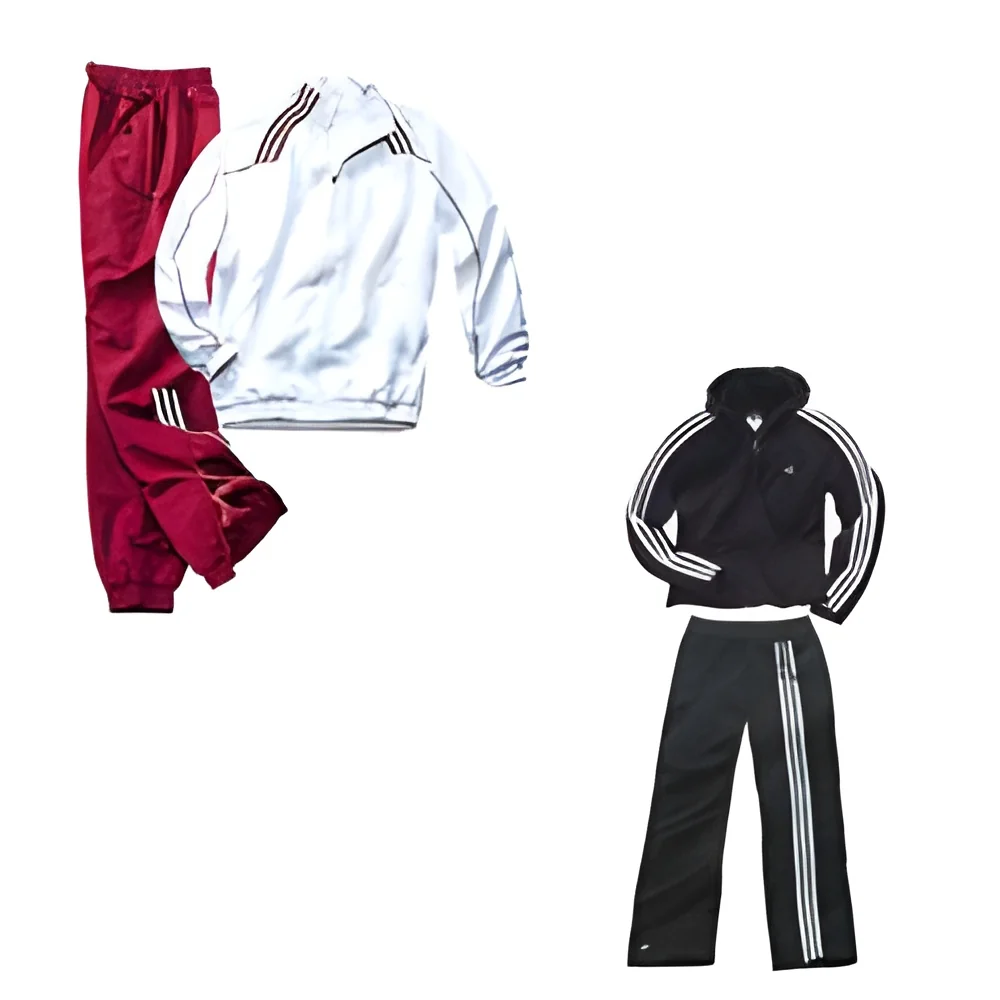
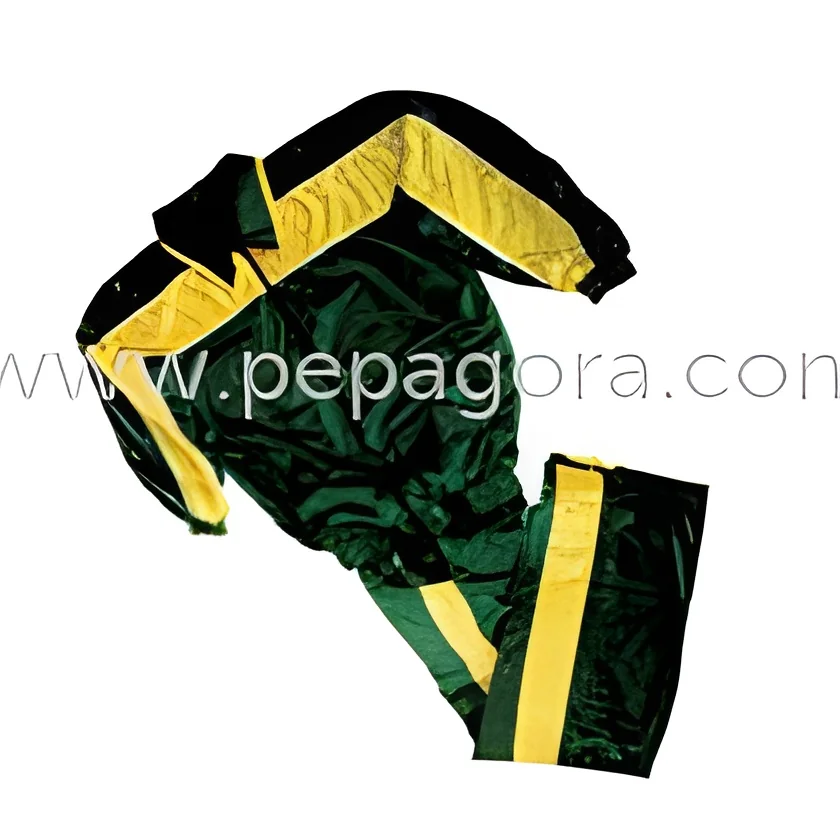
Sportswear and activewear refer to clothing designed specifically for physical activities such as sports, exercise, and outdoor pursuits. These garments prioritize comfort, flexibility, and durability while incorporating materials that enhance performance. The design often includes moisture-wicking properties, breathability, and stretchability to allow for a wide range of movement.
The primary uses of sportswear and activewear span various sectors, including fitness, athletics, and leisure. Businesses in these sectors rely on these products to equip their teams or provide to consumers who value performance-oriented clothing. As the trend towards health and fitness continues to grow, the demand for high-quality sportswear and activewear has become significant across diverse markets.
In terms of industry relevance, the sportswear and activewear market has seen substantial growth, driven by rising consumer awareness about health and fitness. This market encompasses a wide range of products, from high-performance athletic gear to casual wear that supports an active lifestyle. B2B buyers in this space must stay informed on trends and innovations to meet evolving consumer demands.
𝗞𝗲𝘆 𝗙𝗲𝗮𝘁𝘂𝗿𝗲𝘀 𝗮𝗻𝗱 𝗦𝗽𝗲𝗰𝗶𝗳𝗶𝗰𝗮𝘁𝗶𝗼𝗻𝘀
When considering sportswear and activewear, several key features and specifications set the products apart in the market. These include performance characteristics that cater to athletes and fitness enthusiasts.
Key specifications include:
1. Fabric Technology
- Advanced moisture-wicking materials
- Breathable and quick-drying properties
2. Fit and Design
- Ergonomic designs for enhanced mobility
- Available in various sizes to accommodate all body types
3. Durability
- High resistance to wear and tear
- Long-lasting color and fabric integrity
4. Stretchability
- Four-way stretch fabrics for maximum flexibility
- Retains shape after multiple uses
5. Weight
- Lightweight materials for ease of movement
- Options available in heavier fabrics for colder weather
6. Sustainability
- Eco-friendly materials and production methods
- Certifications for sustainable practices
7. Safety Features
- Reflective elements for visibility during low-light conditions
- Antimicrobial properties to reduce odor
8. Customization Options
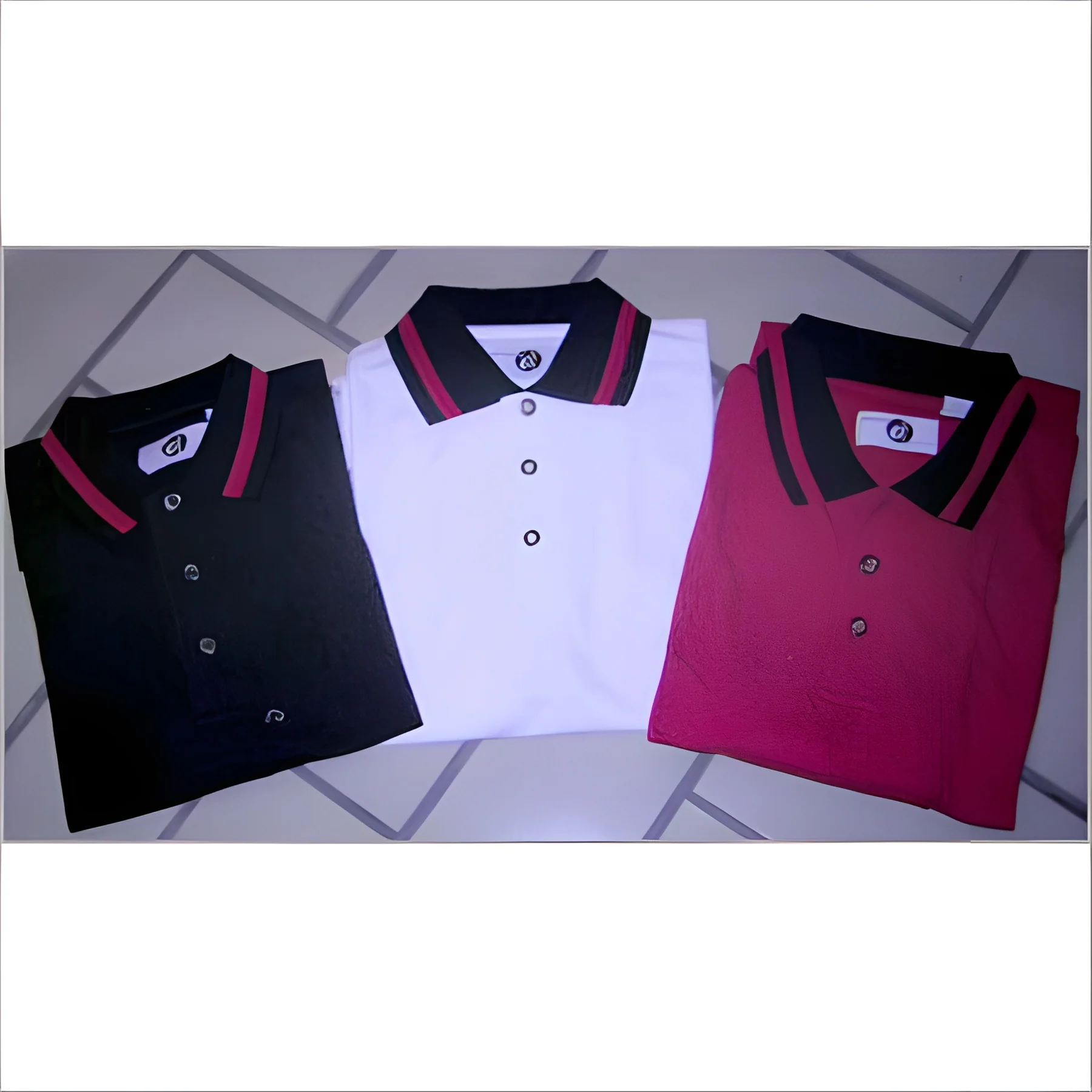
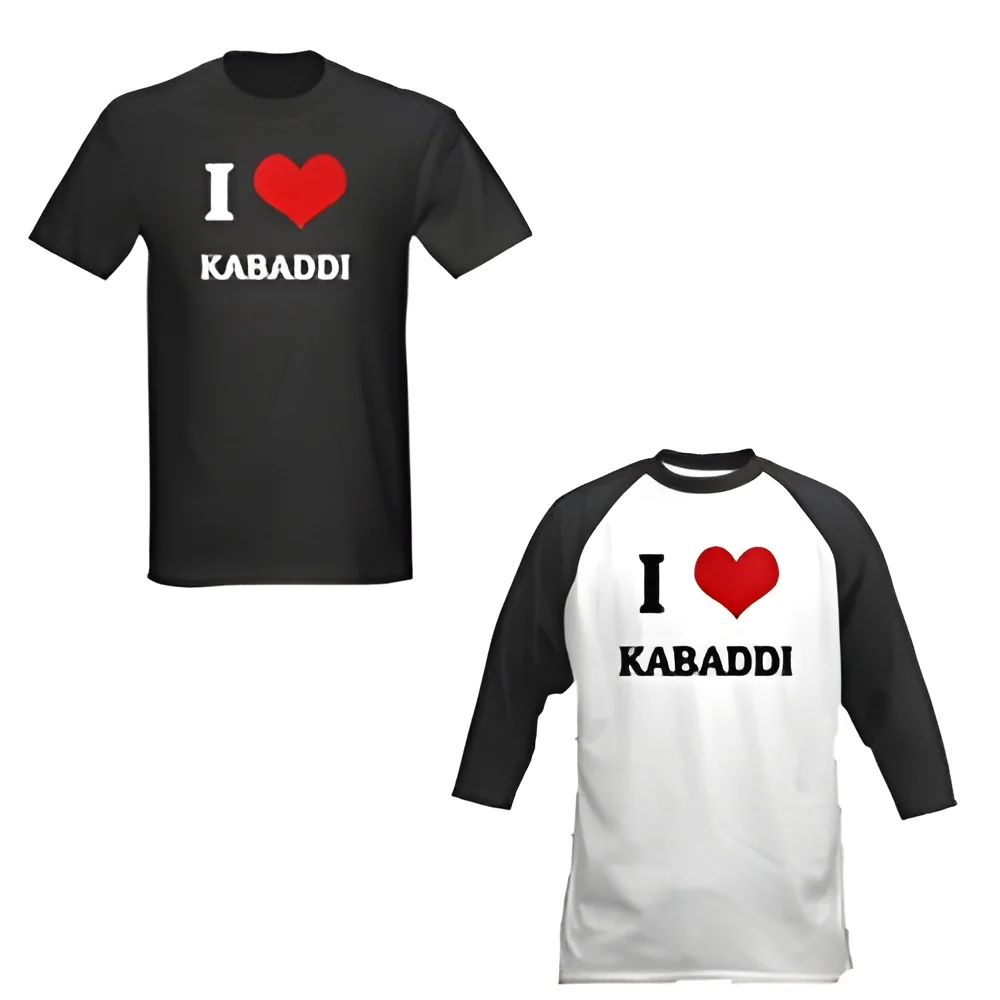
- Ability to add logos and branding
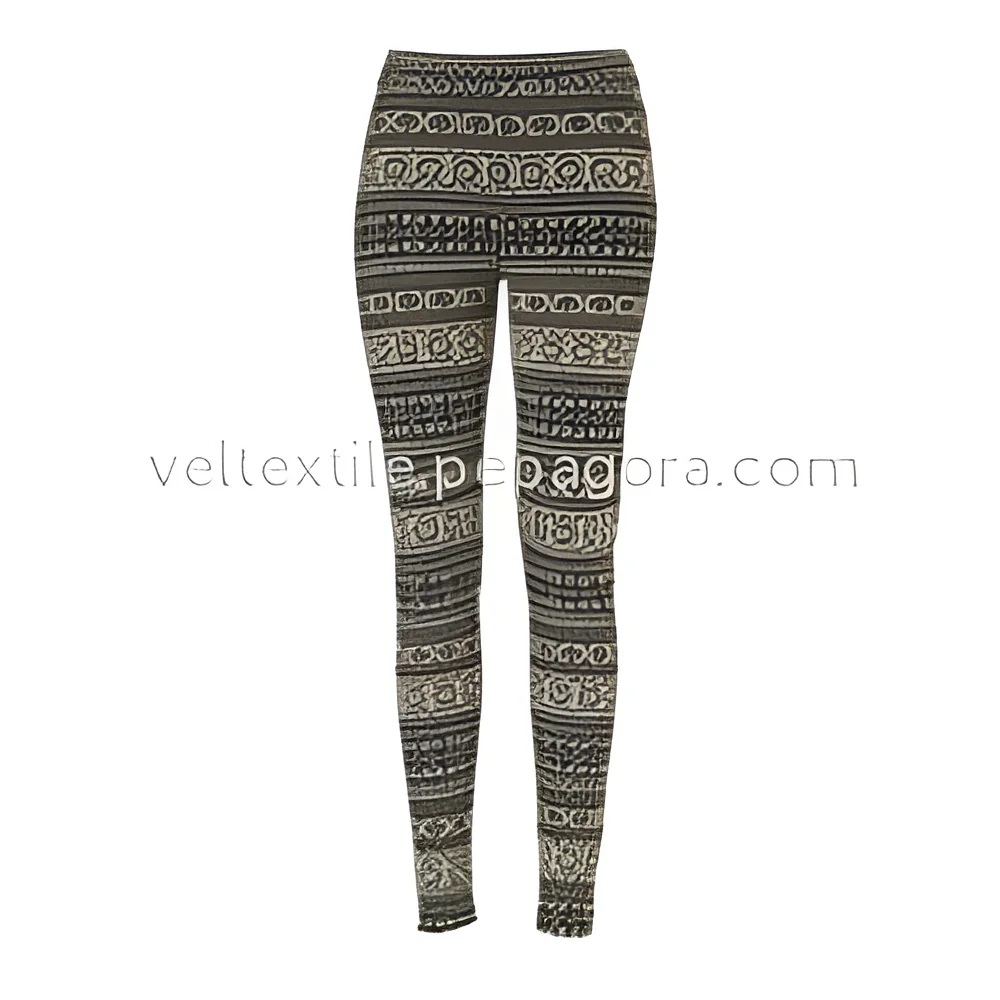
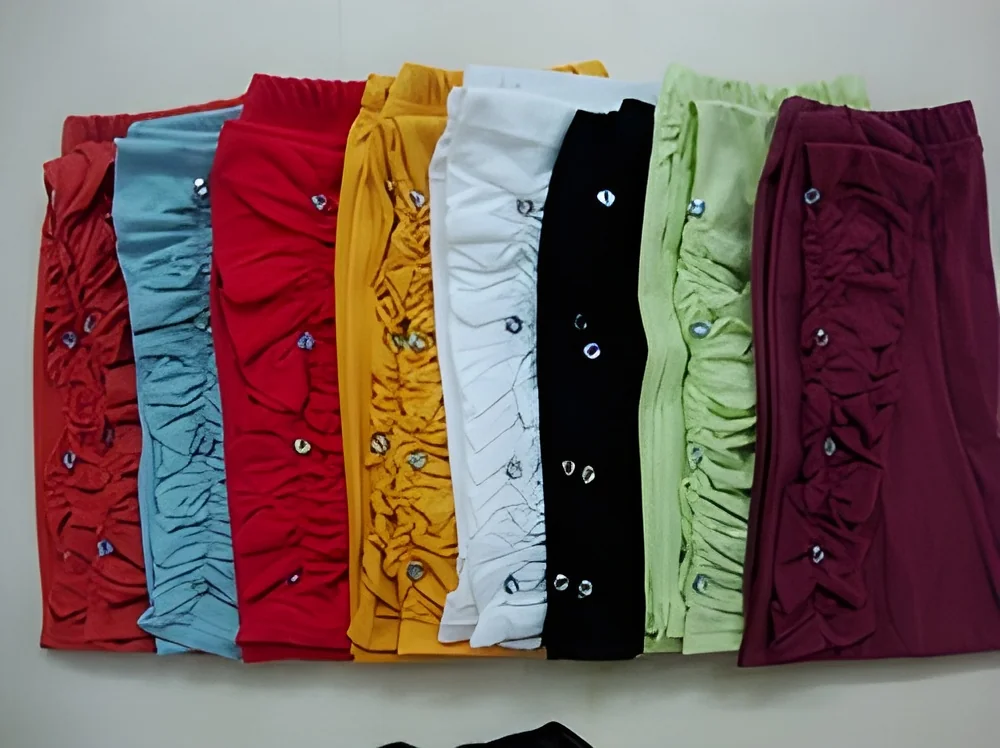
- Various color choices and patterns available
These specifications contribute to the overall performance and appeal of sportswear and activewear, making them essential for both consumers and businesses.
𝗖𝗼𝗺𝗺𝗼𝗻 𝗔𝗽𝗽𝗹𝗶𝗰𝗮𝘁𝗶𝗼𝗻𝘀 𝗮𝗻𝗱 𝗨𝘀𝗲 𝗖𝗮𝘀𝗲𝘀
Sportswear and activewear are relevant in multiple industries, each leveraging their unique qualities for specific purposes.
1. Fitness Centers: These establishments use activewear for personal trainers and clients, providing comfort and support during workouts.
2. Sports Teams: Professional and amateur teams rely on high-performance apparel to enhance players' performance and maintain team identity.
3. Outdoor Recreation: Companies catering to outdoor activities, such as hiking and running, utilize durable activewear that withstands various environmental conditions.
4. Retail: Sporting goods retailers stock a diverse range of activewear to meet the growing demand among consumers focused on health and fitness.
5. Corporate Wellness Programs: Businesses often provide activewear as part of their corporate wellness initiatives to promote employee health and fitness.
6. Yoga Studios: Specialized yoga wear is essential for practitioners, enhancing comfort and flexibility during classes.
7. E-commerce: Online platforms are increasingly offering customized sportswear options, targeting niche markets and personalized shopping experiences.
𝗣𝗿𝗼𝗱𝘂𝗰𝘁 𝗩𝗮𝗿𝗶𝗮𝗻𝘁𝘀 𝗮𝗻𝗱 𝗦𝘂𝗯𝗰𝗮𝘁𝗲𝗴𝗼𝗿𝗶𝗲𝘀
The sportswear and activewear market includes a variety of product variants, each catering to specific needs.
Running Apparel
This variant includes lightweight and breathable clothing designed for runners, featuring moisture-wicking properties and reflective elements for safety.
Fitness Gear
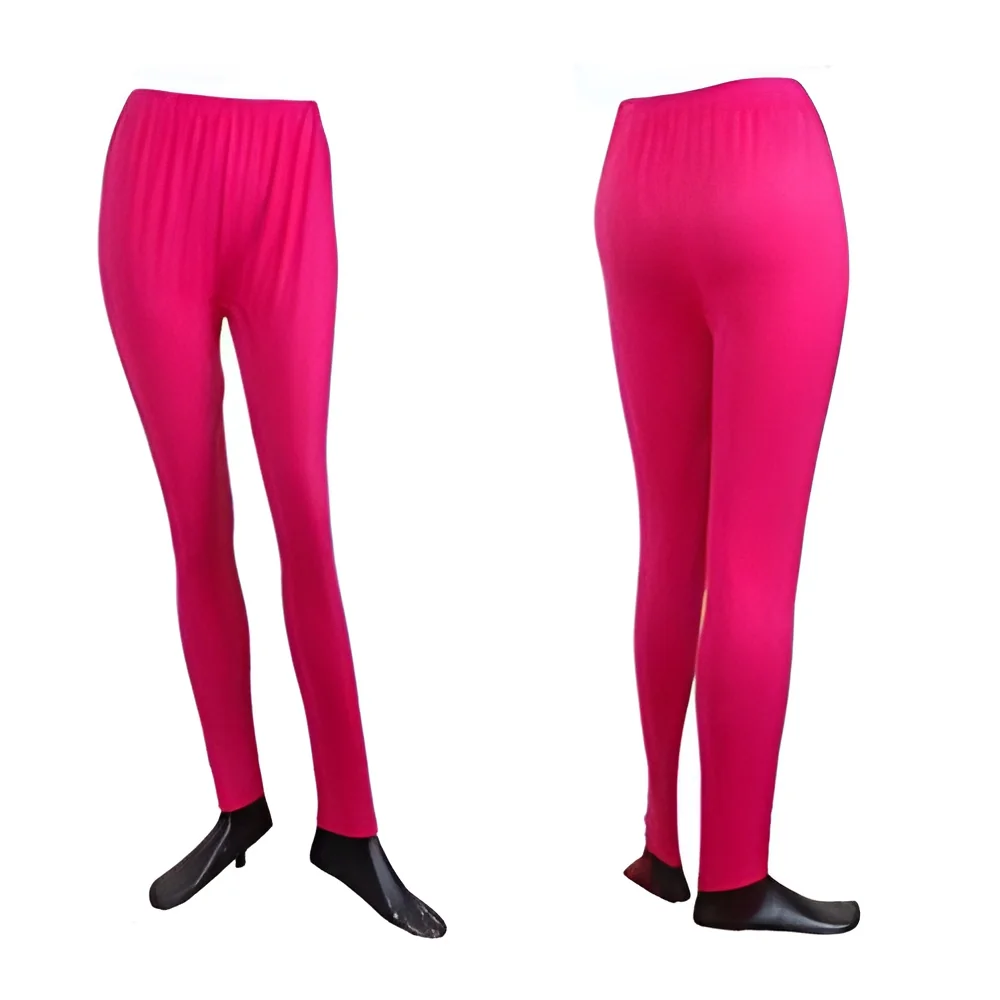
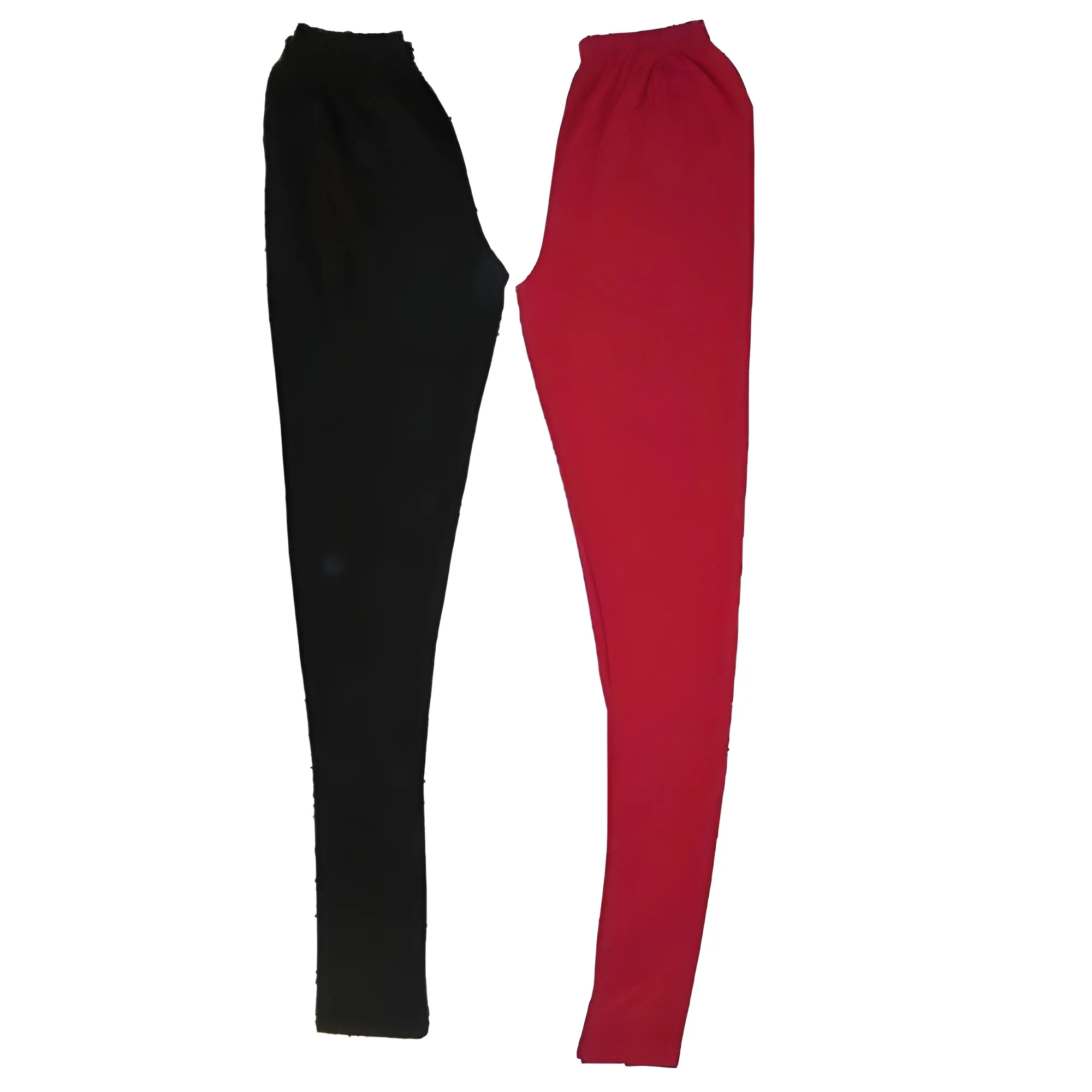
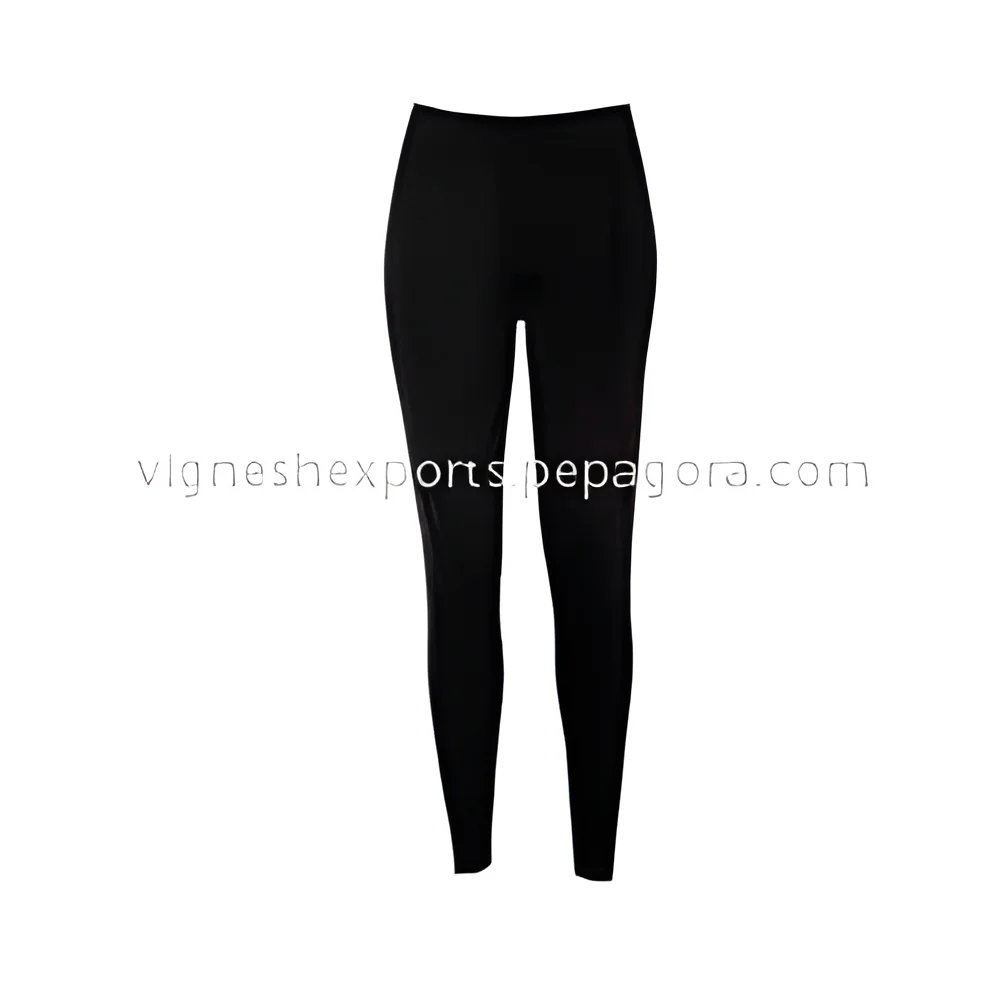
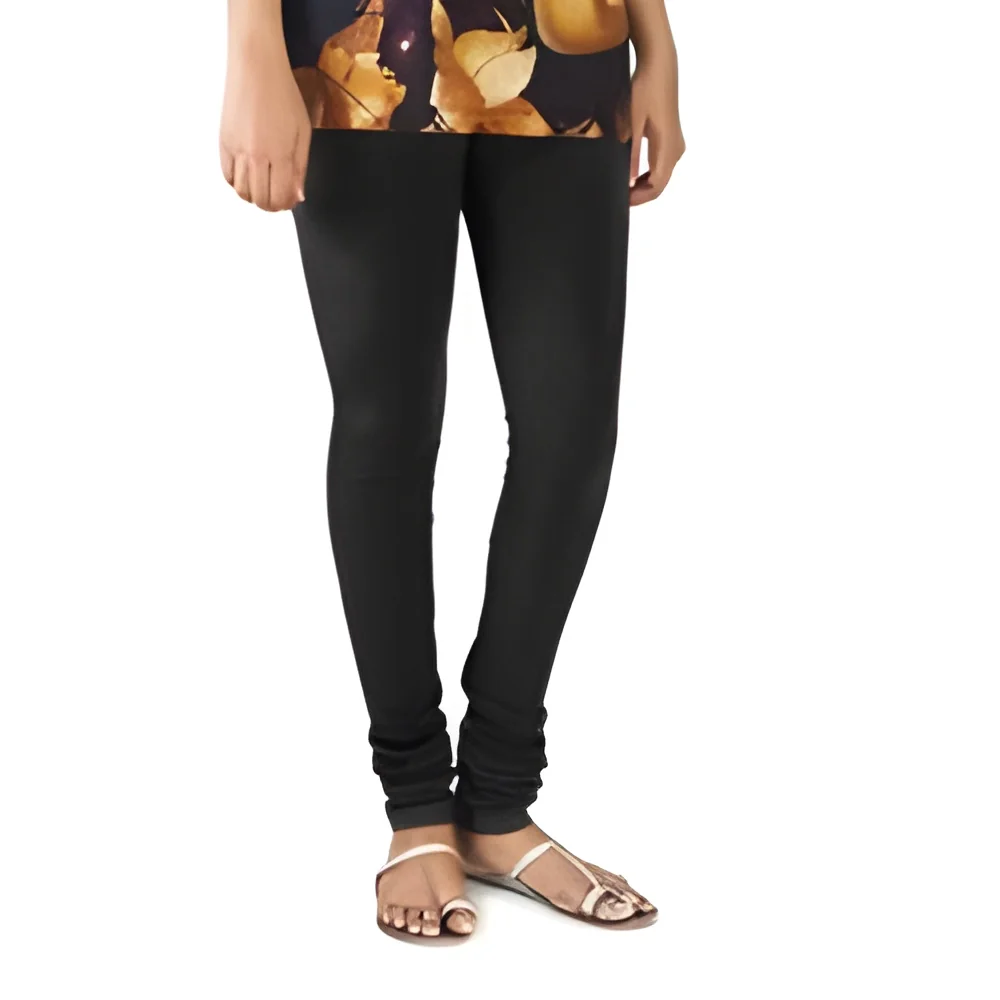
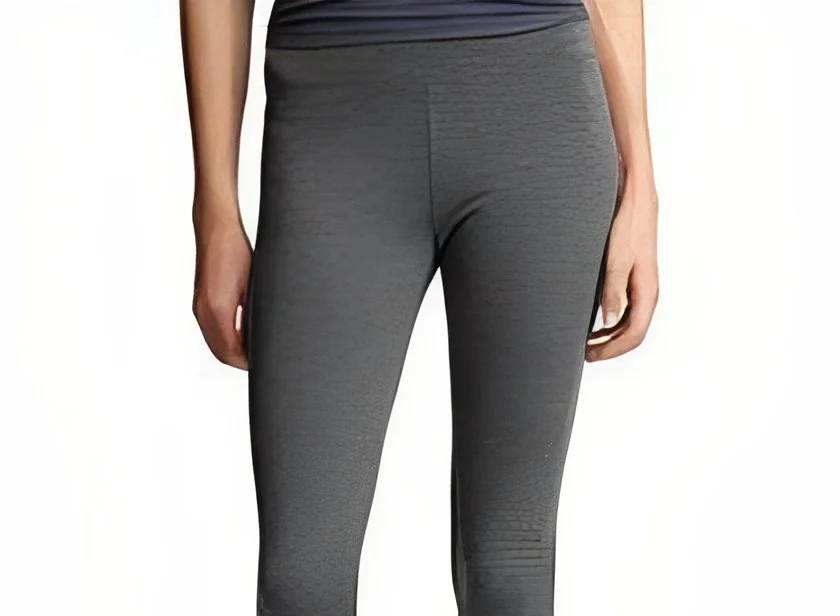
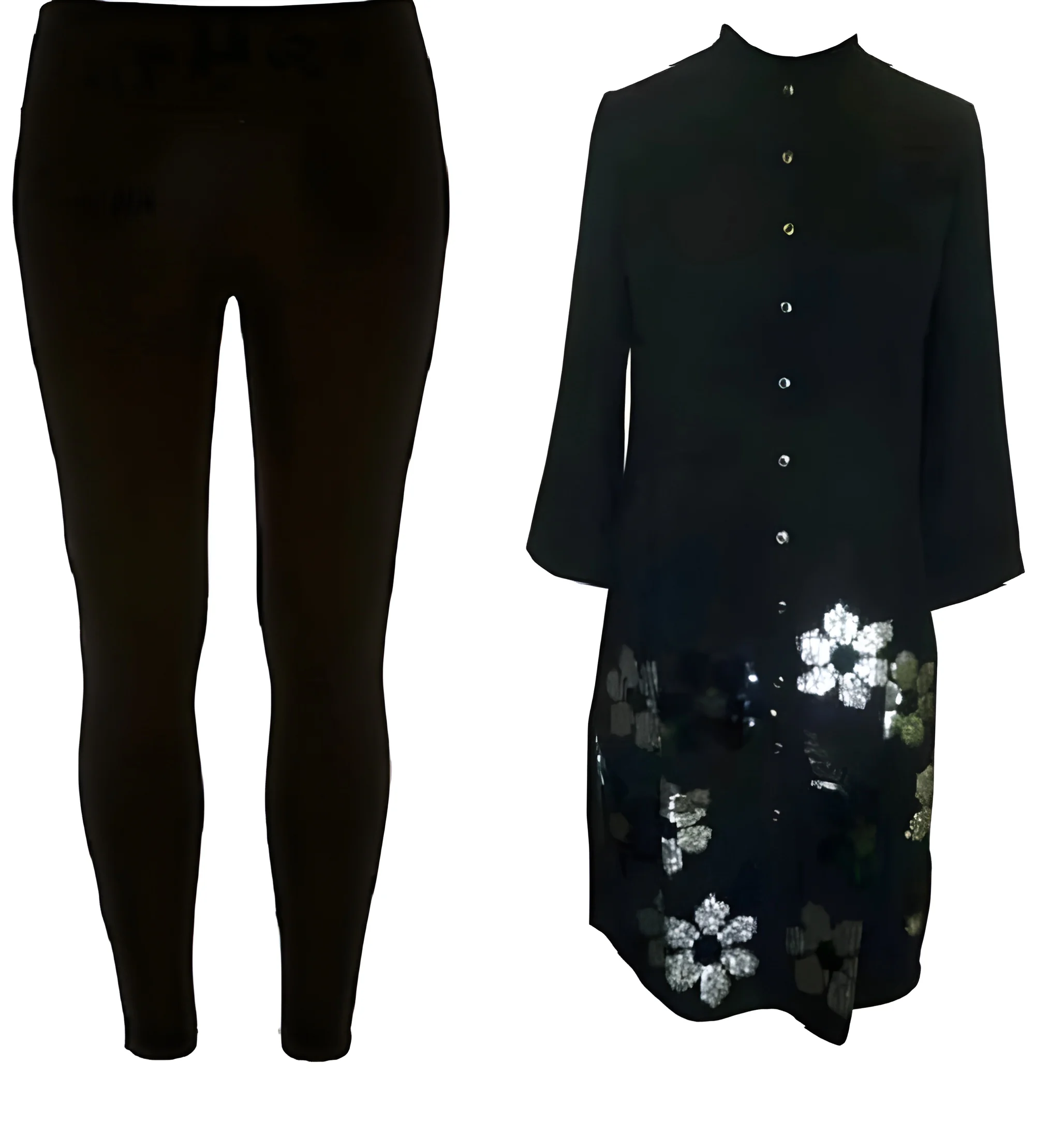
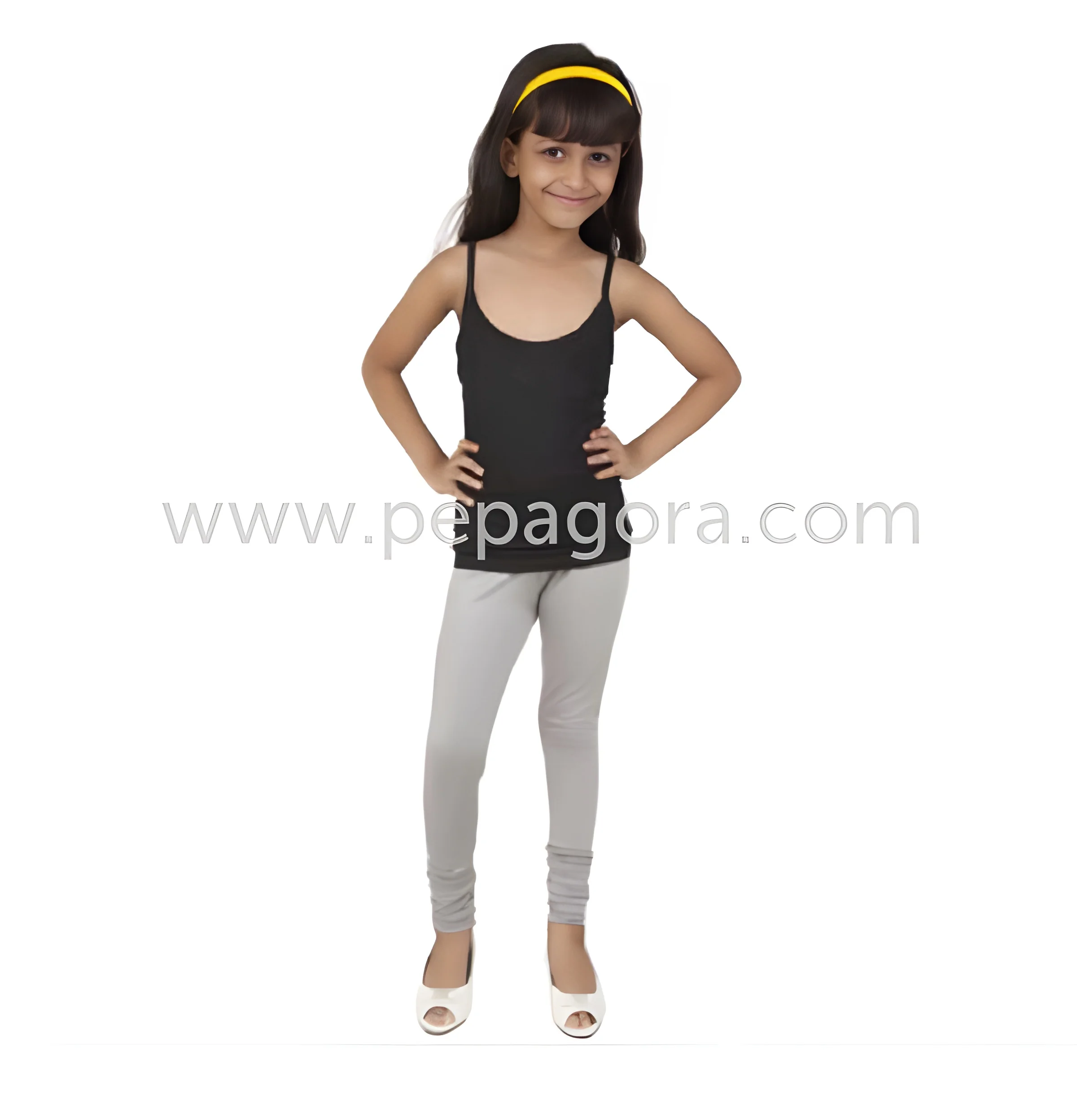
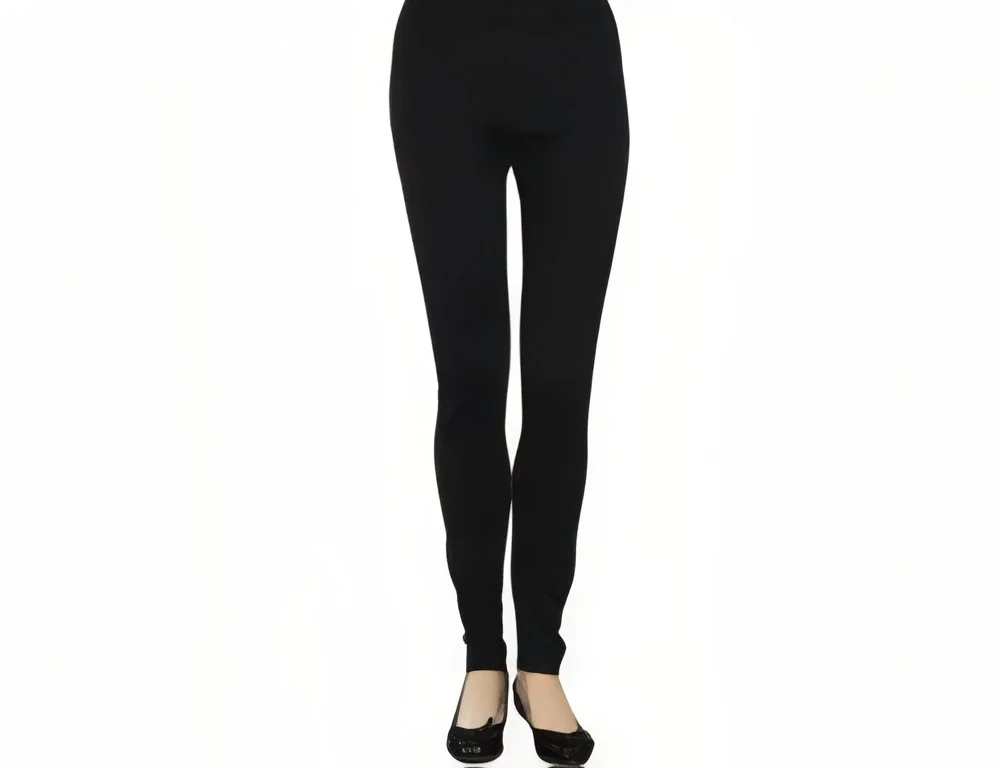
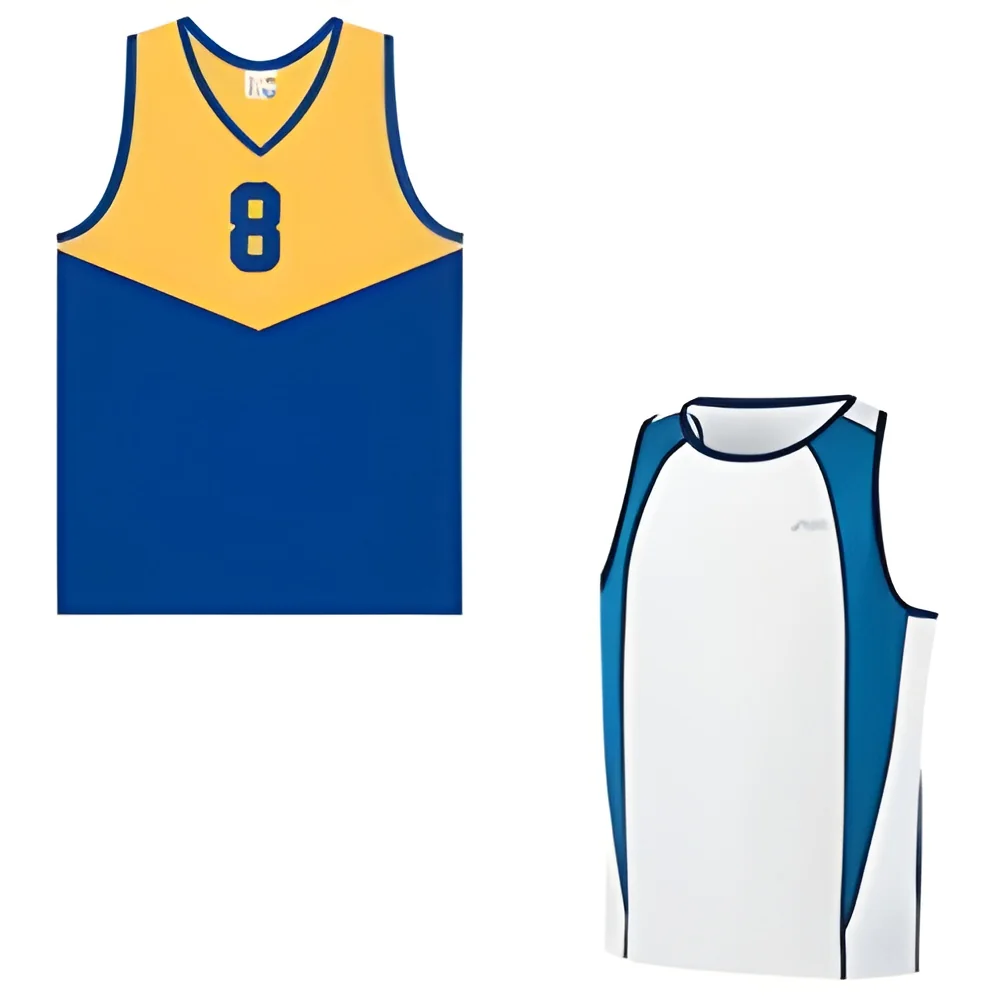
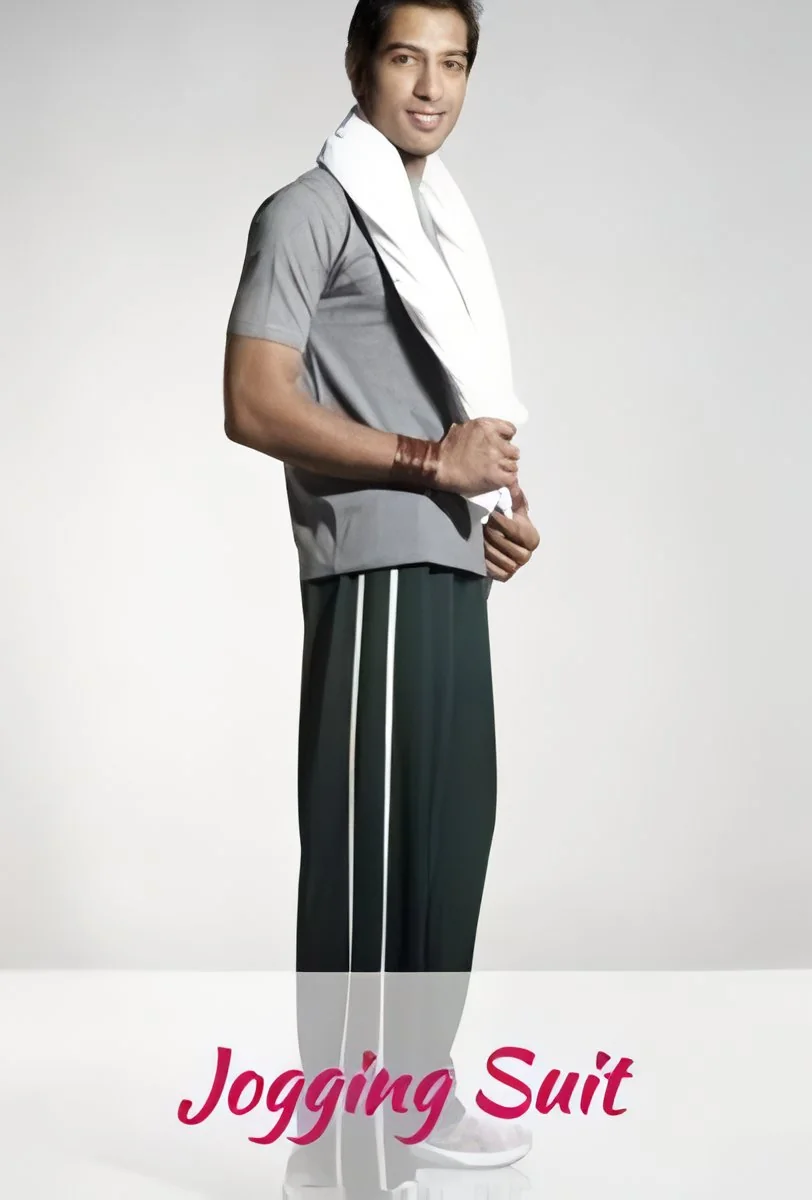
Fitness gear encompasses a range of clothing suitable for gym workouts, including tank tops, shorts, and leggings with stretchable fabrics for comfort during exercise.
Athletic Footwear
Athletic shoes are designed to provide support and performance for various sports, with technology tailored to specific activities.
Casual Activewear
Casual activewear blends comfort with style, allowing individuals to transition between physical activities and everyday wear seamlessly.
Outerwear
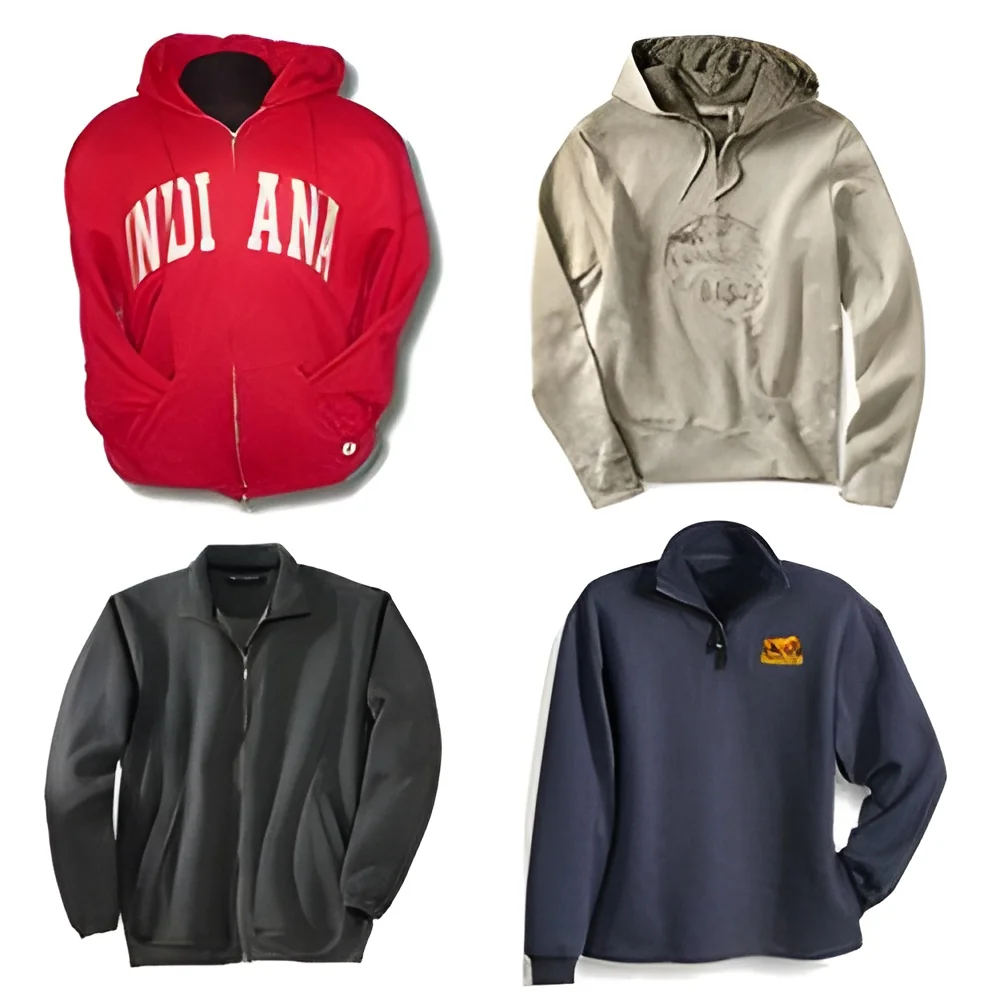
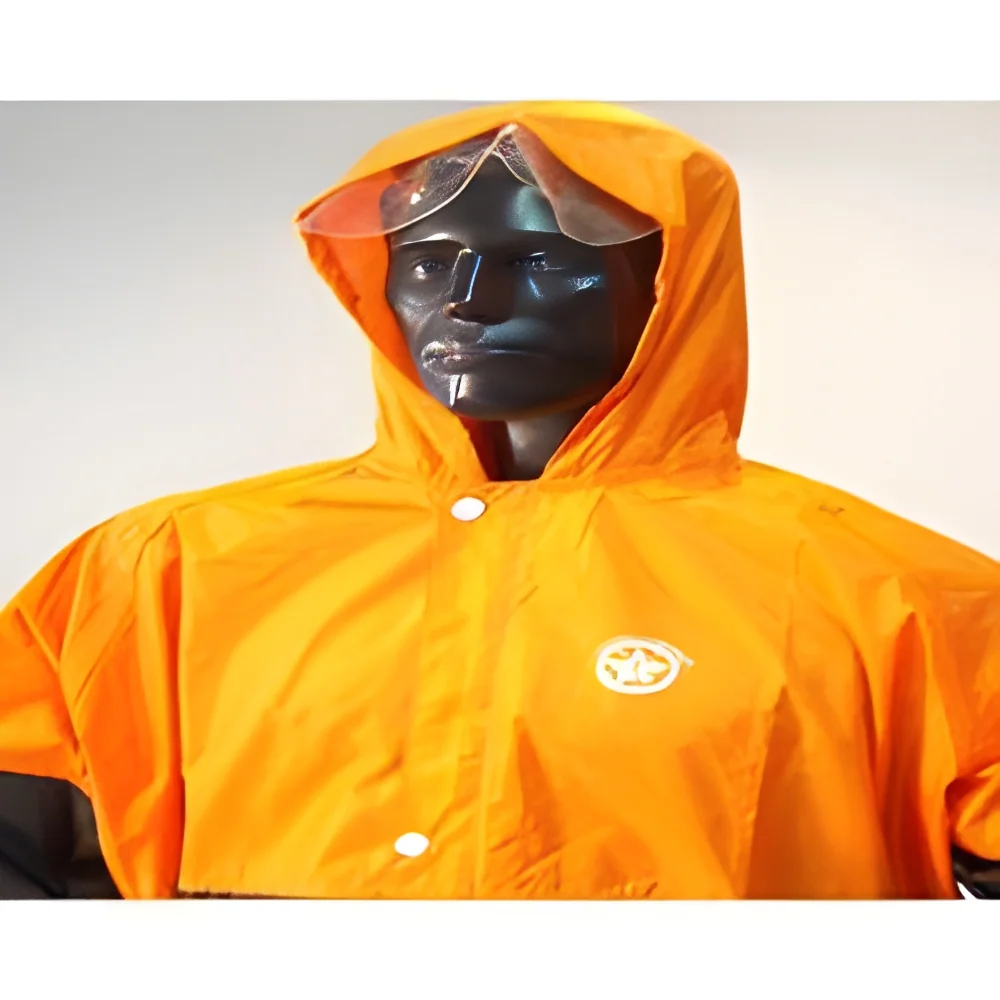
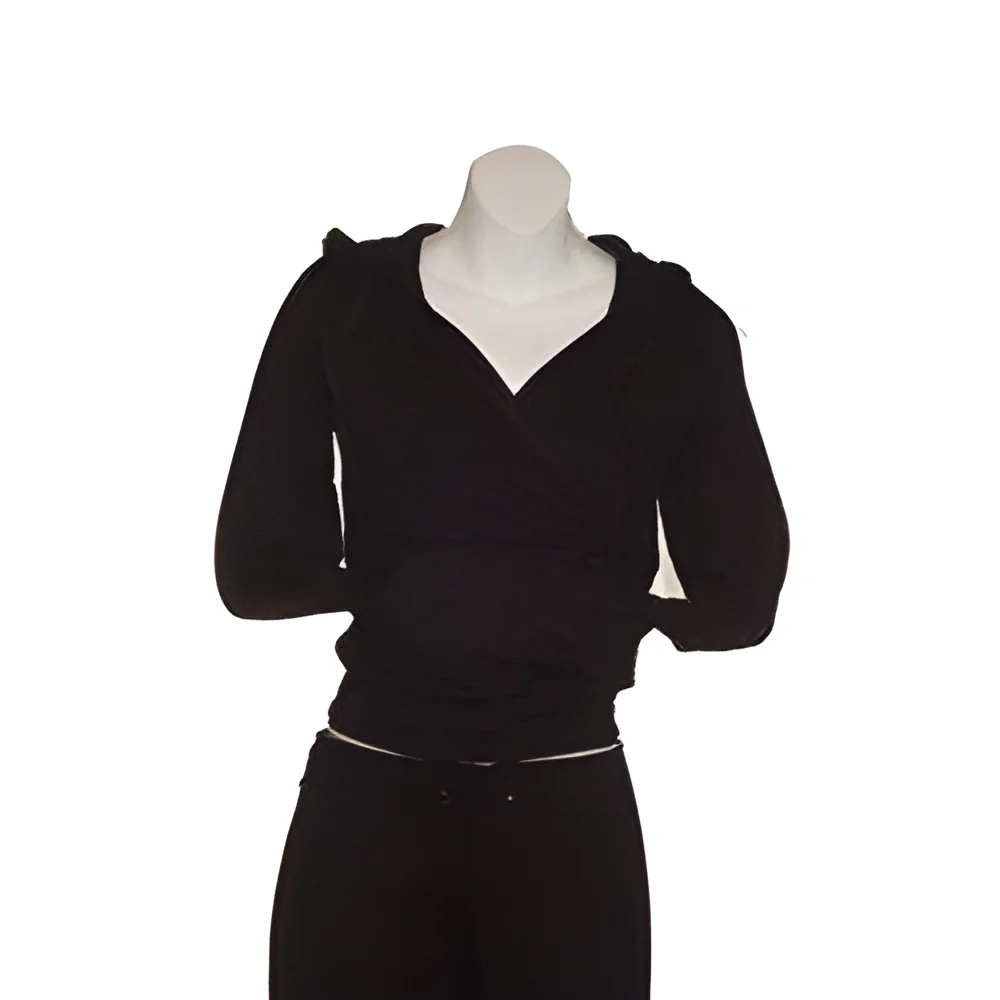
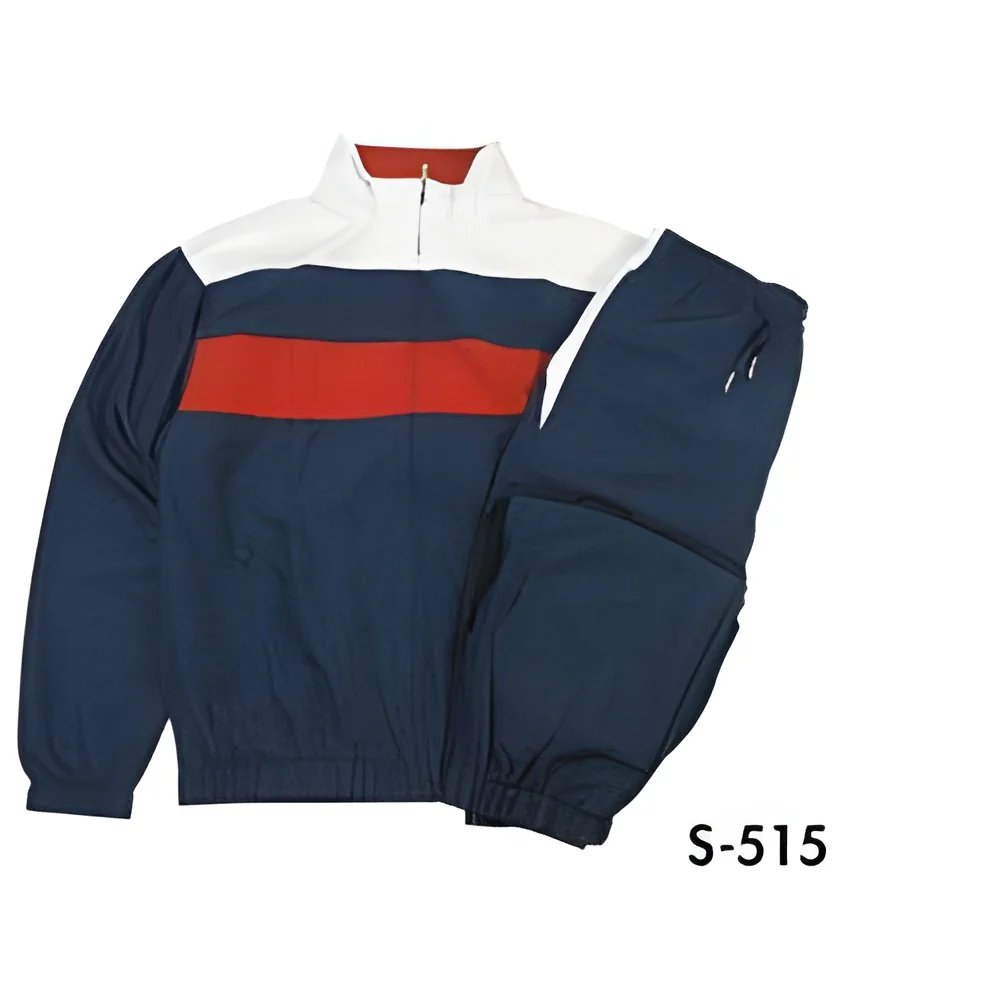
Active outerwear focuses on protection against the elements, featuring waterproof and insulated materials for outdoor sports enthusiasts.
𝗕𝗲𝗻𝗲𝗳𝗶𝘁𝘀 𝗮𝗻𝗱 𝗔𝗱𝘃𝗮𝗻𝘁𝗮𝗴𝗲𝘀
Sportswear and activewear offer numerous benefits that make them appealing to both consumers and businesses.
Key benefits include:
1. Enhanced Performance: The specialized design and materials help improve athletic performance by providing comfort and support.
2. Versatility: Many activewear products can be used for multiple purposes, from workouts to casual outings, maximizing usability.
3. Comfort: Advanced fabric technologies ensure users remain comfortable during physical activities, reducing distractions.
4. Style: Modern designs and trends ensure that activewear can be fashionable, appealing to consumers who value aesthetics alongside function.
5. Durability: High-quality construction means products withstand frequent use, offering long-term value for businesses and consumers.
6. Health Benefits: Wearing appropriate activewear can lead to better performance and recovery, contributing to overall fitness goals.
𝗕𝘂𝘆𝗶𝗻𝗴 𝗚𝘂𝗶𝗱𝗲 𝗳𝗼𝗿 𝗕𝟮𝗕 𝗕𝘂𝘆𝗲𝗿𝘀
When sourcing sportswear and activewear, B2B buyers should consider several important factors to make informed decisions.
1. Quality Assessment: Evaluate the materials and construction of the garments to ensure they meet performance standards. Look for reputable brands known for their quality.
2. Supplier Verification: Conduct thorough background checks on suppliers to ensure reliability and capacity to meet demand. Check for references and previous client reviews.
3. Pricing and MOQ: Understand the pricing structure and minimum order quantities to align with budget constraints and storage capabilities.
4. Delivery and Lead Times: Assess the supplier’s ability to meet delivery schedules. Timely delivery is crucial for businesses that rely on stock for retail or events.
5. Compliance Requirements: Ensure that products meet any relevant industry standards and regulations, such as safety certifications or environmental guidelines.
𝗖𝗼𝗺𝗽𝗹𝗶𝗮𝗻𝗰𝗲 𝗮𝗻𝗱 𝗖𝗲𝗿𝘁𝗶𝗳𝗶𝗰𝗮𝘁𝗶𝗼𝗻𝘀
Compliance and certifications play a critical role in the sportswear and activewear industry. Relevant quality standards such as ISO 9001 ensure that manufacturers adhere to effective quality management systems, which is essential for maintaining product quality.
Industry certifications, including CE marking, indicate that products meet European health, safety, and environmental protection standards. These certifications are crucial for businesses looking to expand into international markets.
Safety and testing requirements are also paramount, particularly for products intended for high-performance activities. Rigorous testing ensures that the apparel can withstand various conditions and perform as expected.
Regional compliance considerations may vary, requiring businesses to stay informed about regulations specific to their target markets. Adhering to these standards not only enhances brand reputation but also ensures consumer trust.
𝗪𝗵𝘆 𝗦𝗼𝘂𝗿𝗰𝗲 𝗦𝗽𝗼𝗿𝘁𝘀𝘄𝗲𝗮𝗿 & 𝗔𝗰𝘁𝗶𝘃𝗲𝘄𝗲𝗮𝗿 𝗳𝗿𝗼𝗺 𝗣𝗲𝗽𝗮𝗴𝗼𝗿𝗮?
Pepagora provides a trusted platform for sourcing sportswear and activewear with several key advantages that benefit B2B buyers.
Verified Supplier Network: Pepagora has a robust network of verified suppliers who have been thoroughly vetted to ensure product quality and reliability. This network reduces the risk associated with sourcing from unverified sources.
Streamlined RFQ Process: The platform offers a user-friendly Request for Quotation (RFQ) process, enabling buyers to quickly and efficiently obtain quotes from multiple suppliers. This feature saves time and simplifies the procurement process.
Trade Assurance and Support: Pepagora offers trade assurance to protect buyers from potential issues related to order fulfillment. This support system provides peace of mind throughout the purchasing journey.
Regional Coverage: With a strong presence in regions such as India, the GCC, and Southeast Asia, Pepagora connects buyers with suppliers close to their markets. This geographic reach enhances logistics and reduces lead times, making it easier for businesses to meet demand.























Frequently Asked Questions
What are Sportswear & Activewear?
Sportswear & Activewear refer to clothing and accessories designed for physical exercise and sports activities. They are made from materials that provide comfort, flexibility, and breathability, catering to the needs of athletes and fitness enthusiasts.
What are the different types of Sportswear & Activewear?
The different types of Sportswear & Activewear include tops, bottoms, outerwear, footwear, and accessories. Common categories are leggings, shorts, sports bras, moisture-wicking tees, and running shoes, each designed for specific activities and levels of performance.
How do I choose the right Sportswear & Activewear?
Choosing the right Sportswear & Activewear involves considering the type of activity, fit, and material. Look for breathable fabrics with moisture-wicking properties, and ensure the fit allows for ease of movement and comfort during exercise.
What are the standard specifications for Sportswear & Activewear?
Standard specifications for Sportswear & Activewear typically include fabric composition, weight, breathability, and moisture management features. Additionally, sizing and design elements like seams and stretchability are important for functionality and comfort.
What is the price range for Sportswear & Activewear?
The price range for Sportswear & Activewear can vary widely based on brand, material, and design, typically ranging from INR 500 to INR 5000 or more per item. High-performance and branded items tend to be on the higher end of the spectrum.
What quality standards apply to Sportswear & Activewear?
Quality standards for Sportswear & Activewear include durability, breathability, and moisture management. Compliance with international standards such as ISO and ASTM can also be indicative of product quality and safety.
Where can I find Sportswear & Activewear suppliers in India?
You can find Sportswear & Activewear suppliers in India through online B2B marketplaces like Pepagora.com, industry trade shows, and local manufacturer directories. Connecting with suppliers directly can also provide insights into their product offerings and capabilities.
Can Sportswear & Activewear be customized?
Yes, many manufacturers offer customization options for Sportswear & Activewear. Customization can include design alterations, size adjustments, and branding elements, allowing businesses to create unique products for their target market.
What is the typical minimum order quantity for Sportswear & Activewear?
The typical minimum order quantity (MOQ) for Sportswear & Activewear varies by supplier and product type but generally ranges from 50 to 100 units. Some manufacturers may offer lower MOQs for specific items or during promotional periods.
What is the typical lead time for Sportswear & Activewear?
The typical lead time for Sportswear & Activewear can range from 2 to 6 weeks, depending on the supplier, order size, and customization requirements. It's advisable to confirm lead times with the supplier during the ordering process.
Why Businesses Trust Pepagora
Thousands of companies trust Pepagora to source smarter and sell faster
Expand Your Sales Globally

Source Smarter,Grow Faster
