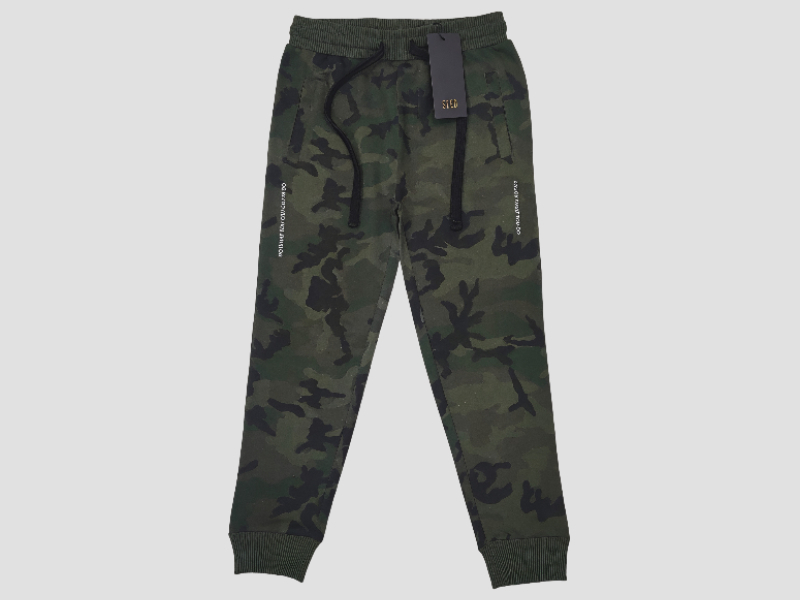
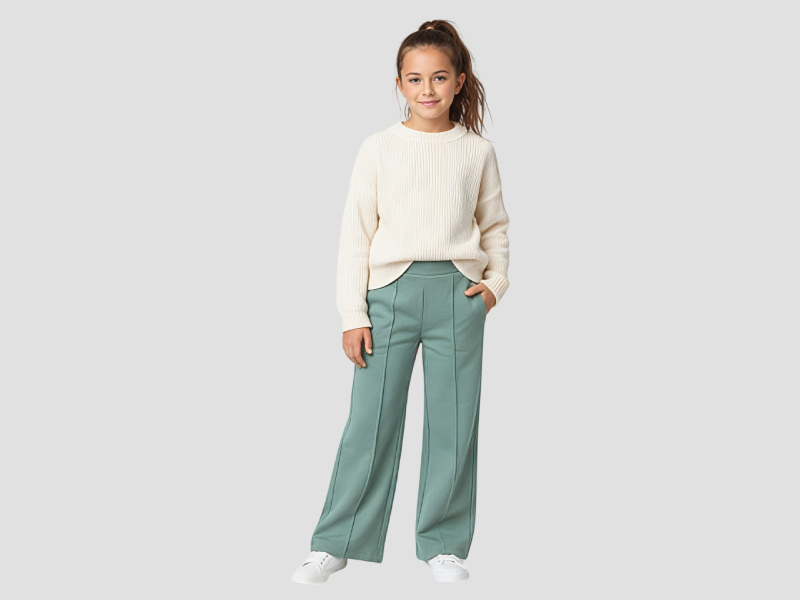
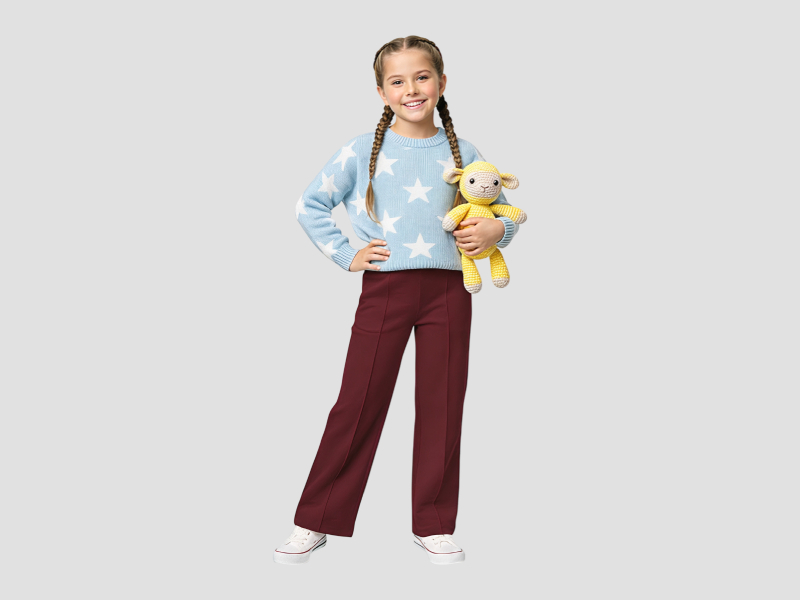
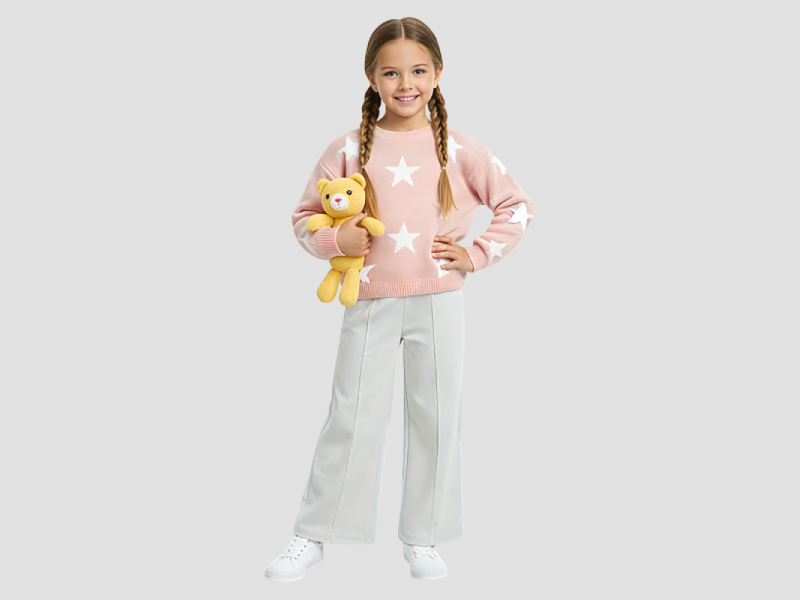
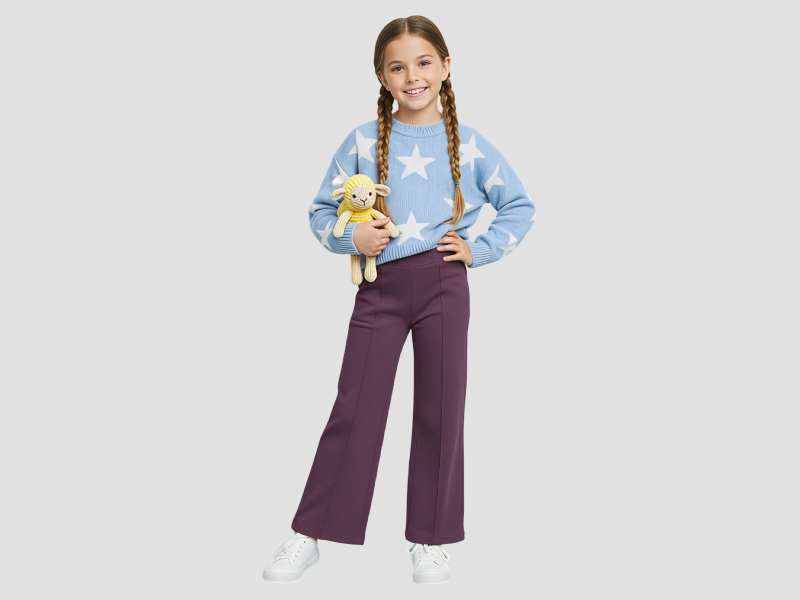
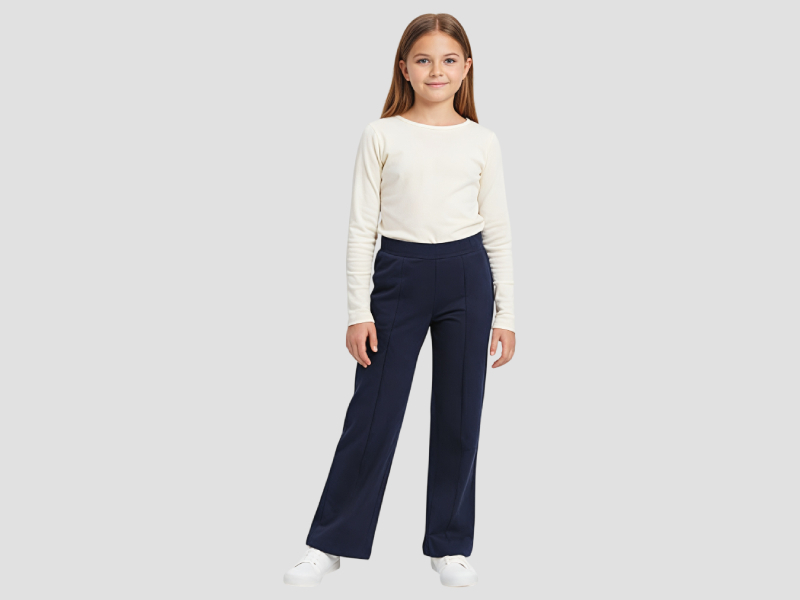
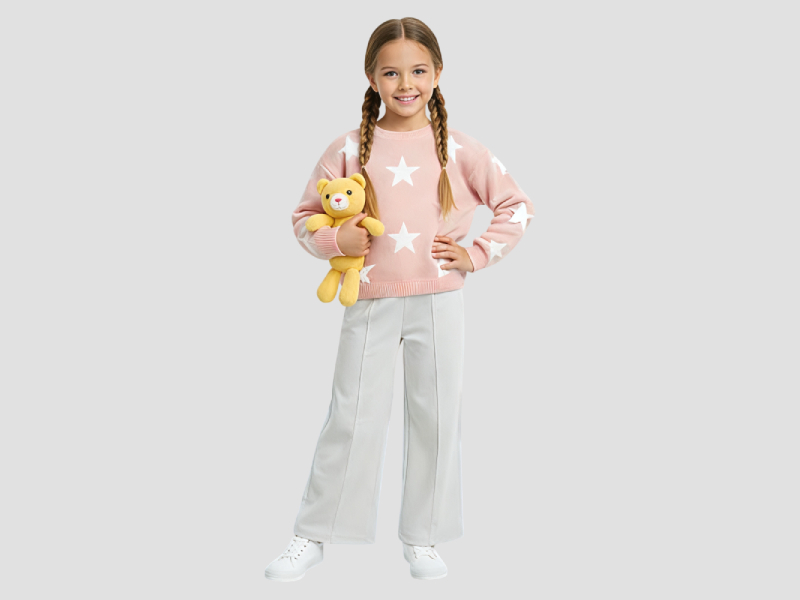
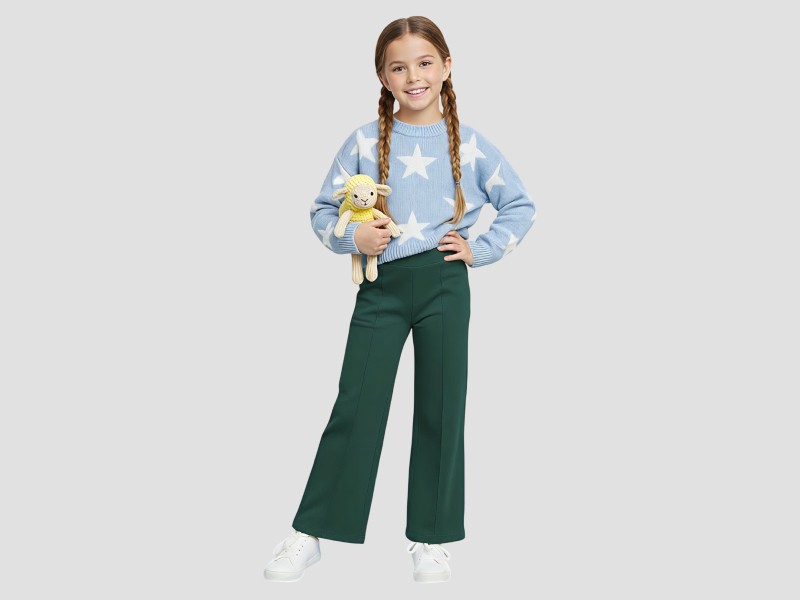
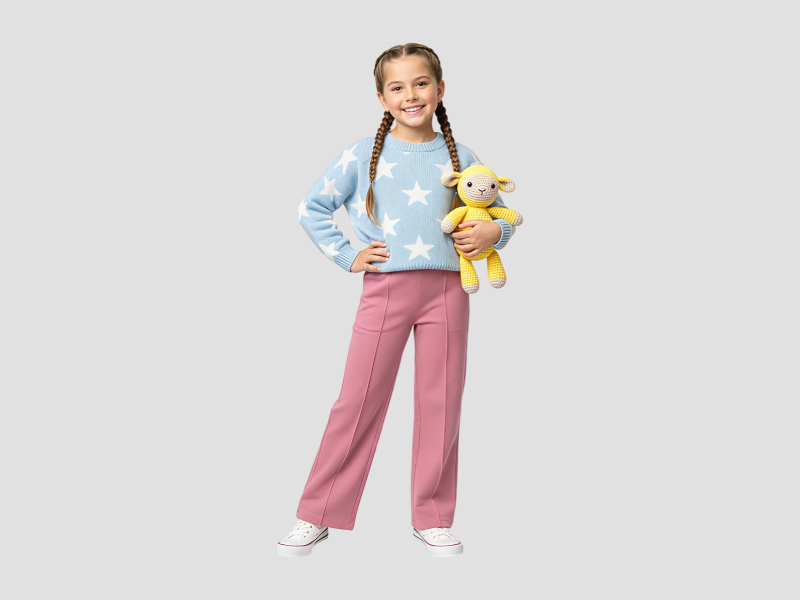
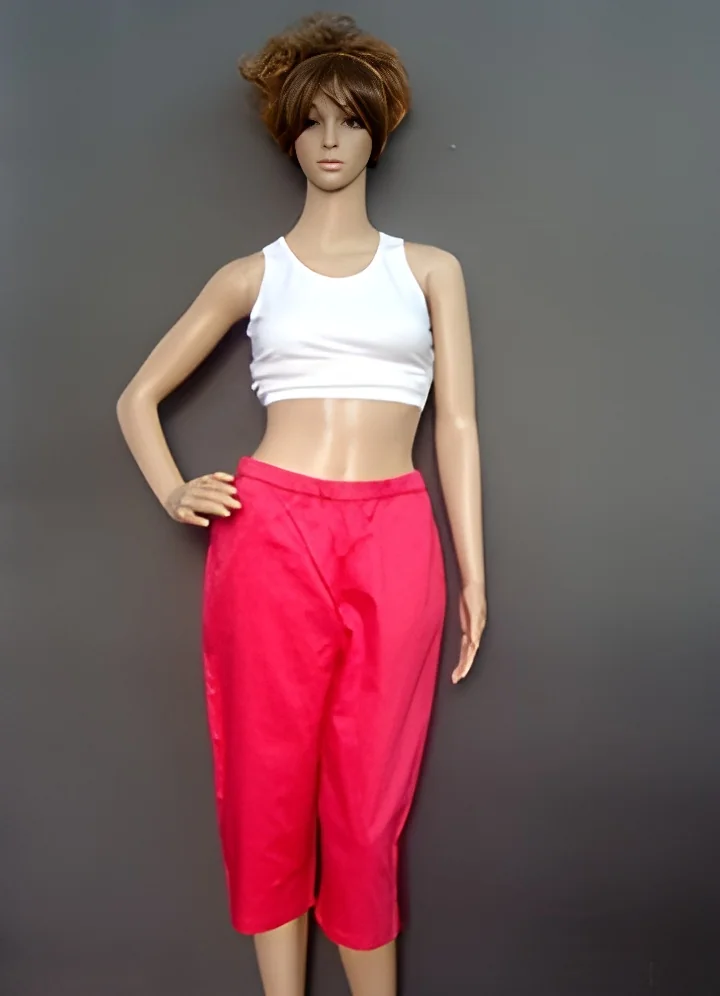
𝗪𝗵𝗮𝘁 𝗮𝗿𝗲 𝗣𝗮𝗻𝘁𝘀, 𝗝𝗲𝗮𝗻𝘀, 𝗧𝗿𝗼𝘂𝘀𝗲𝗿𝘀?
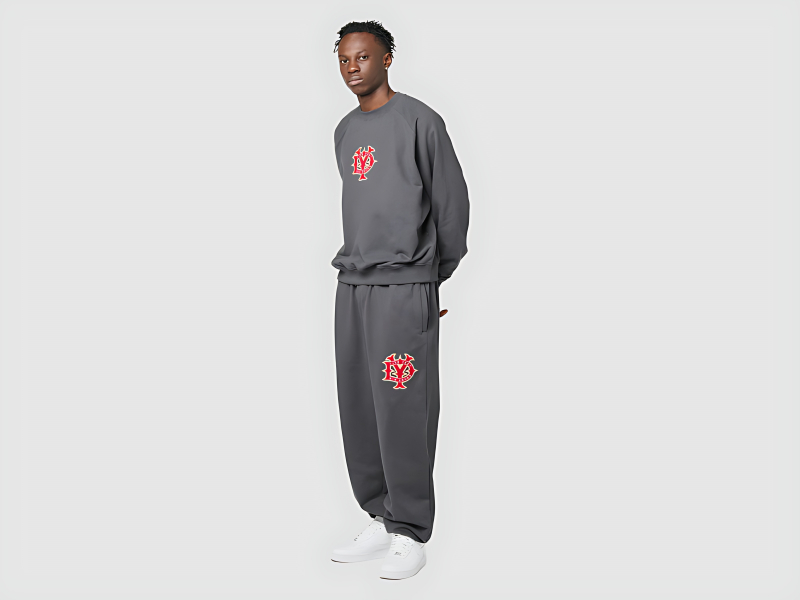
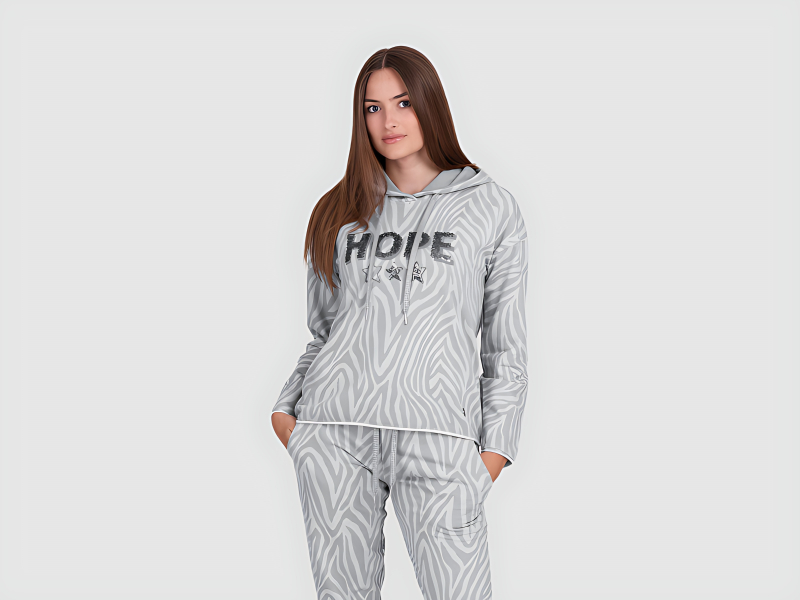
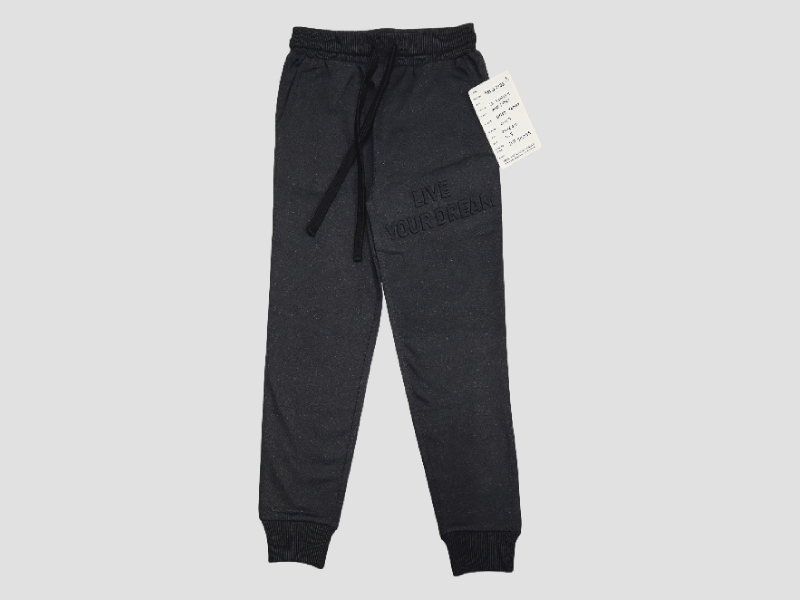
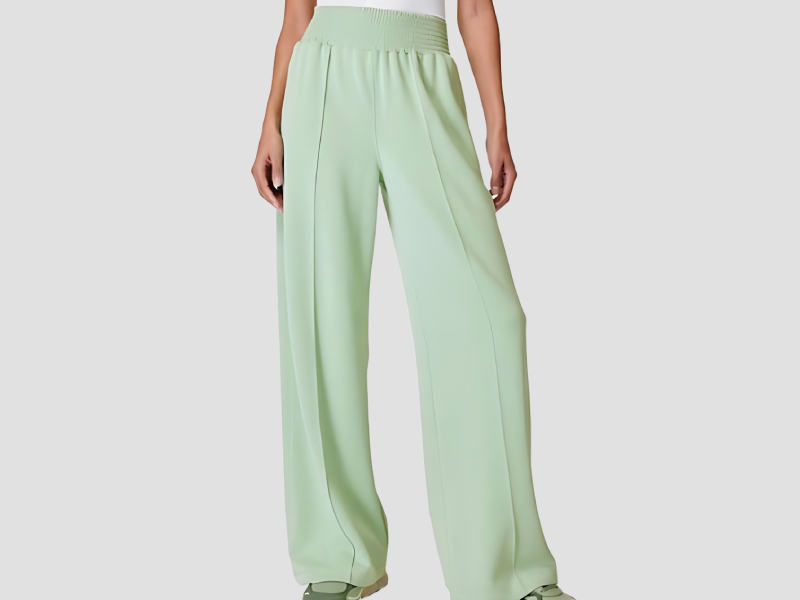
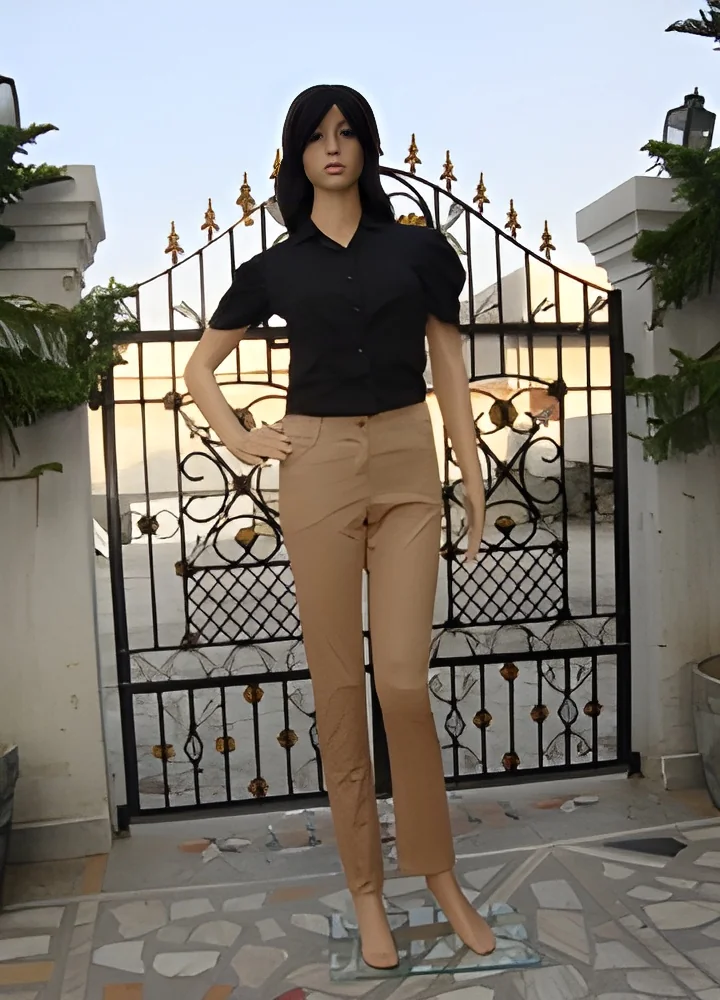
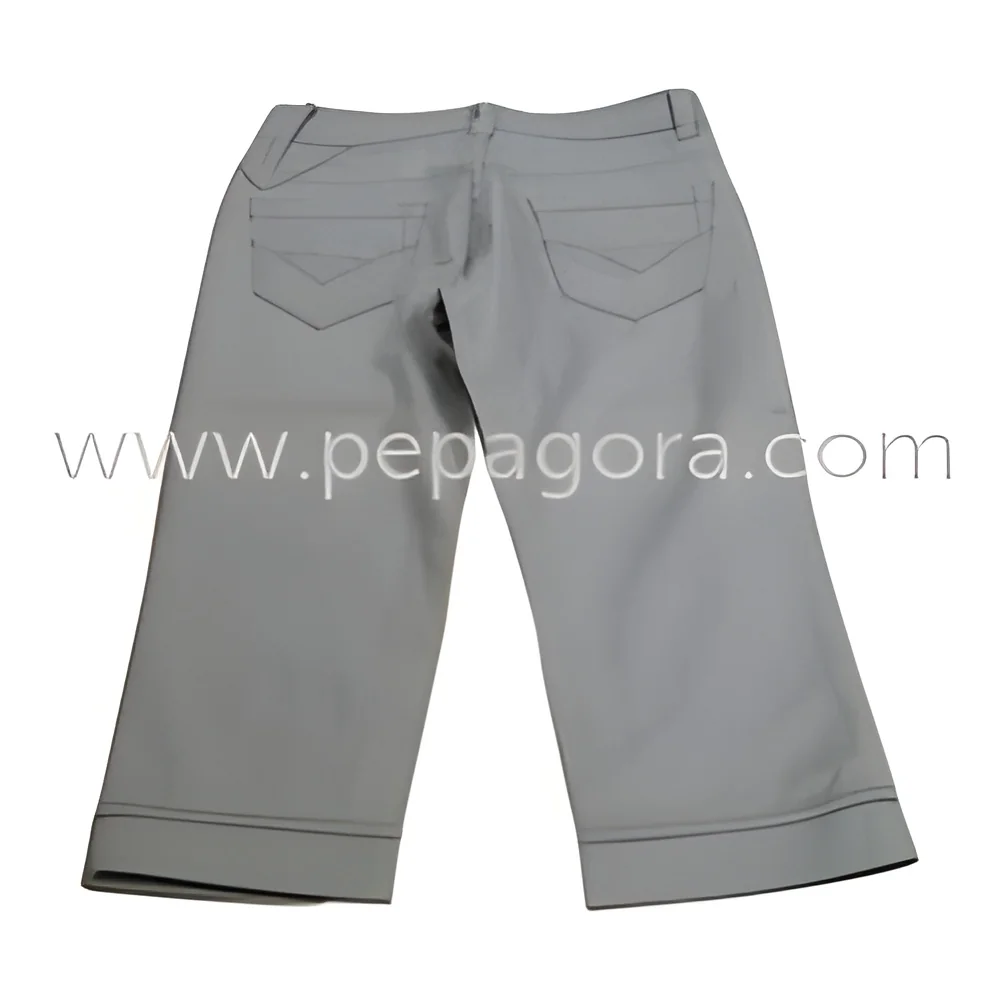
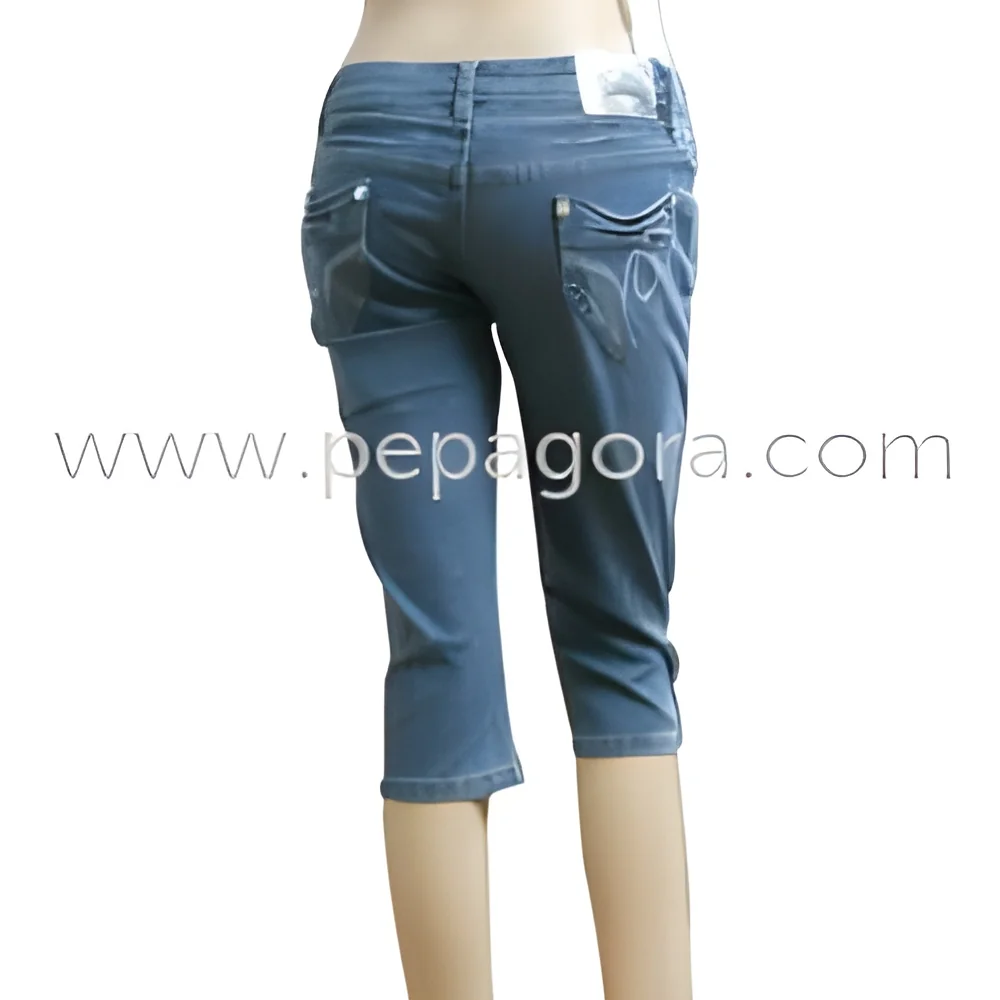
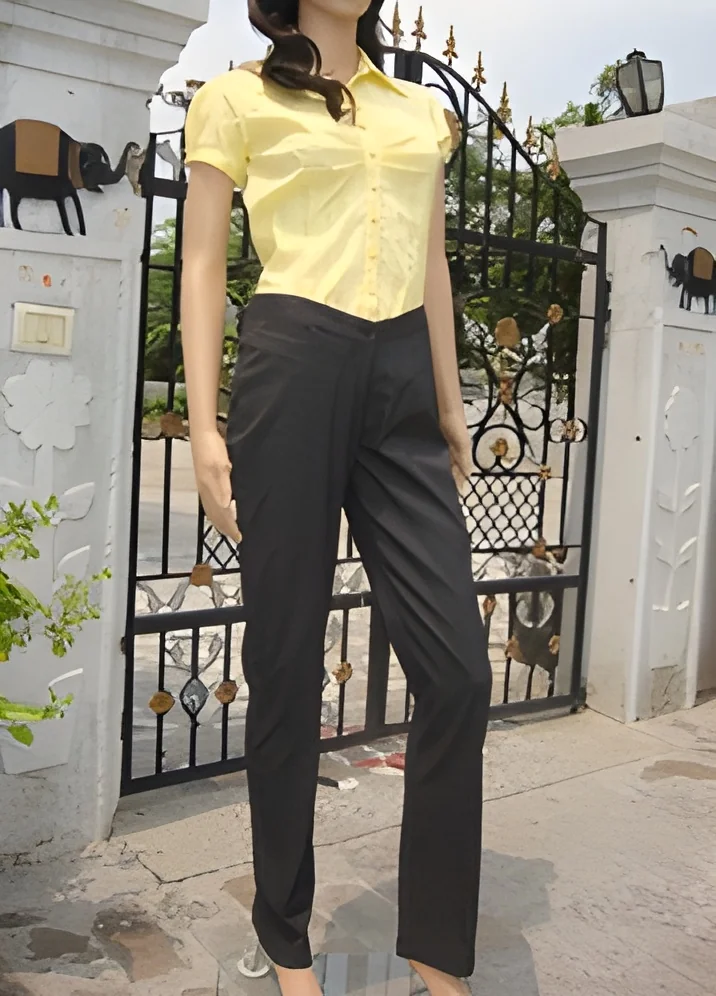
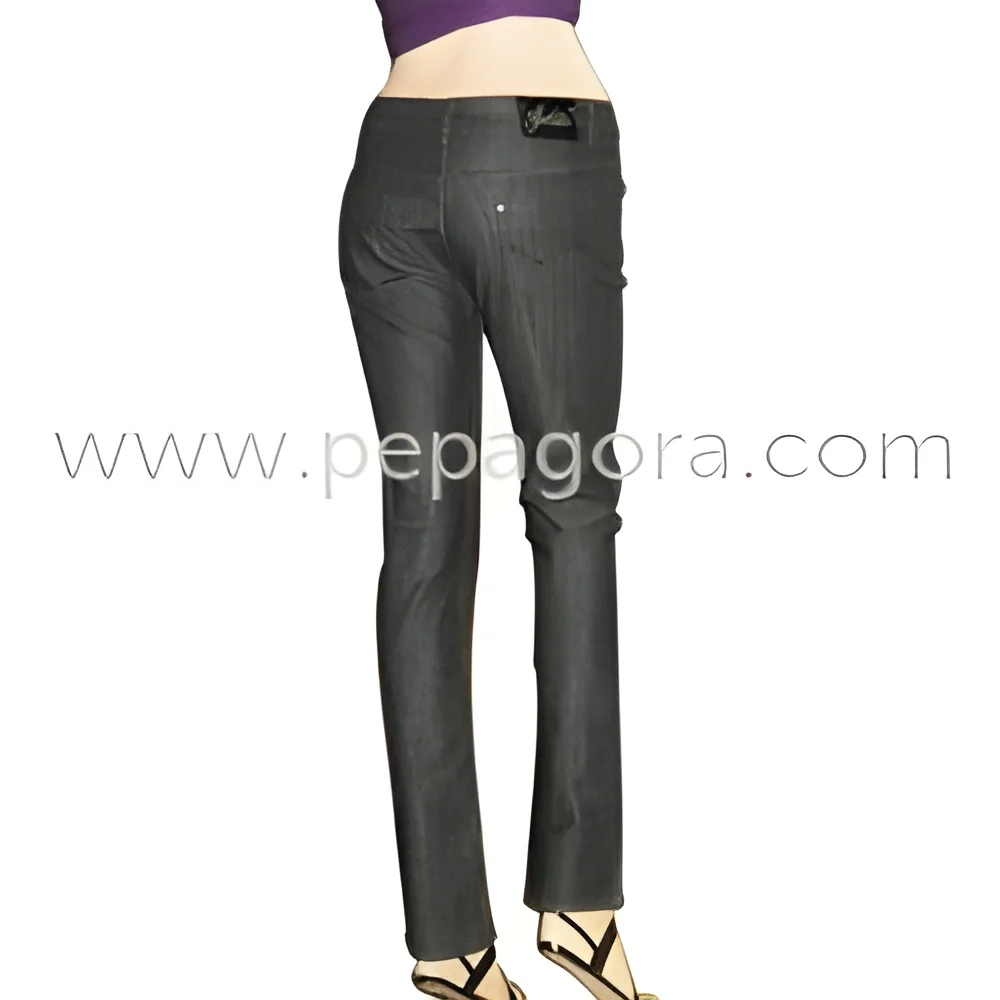
Pants, jeans, and trousers are essential garments in both casual and professional wardrobes. Pants is a broad term that encompasses various styles of legwear designed to cover the lower body. Jeans are a specific type of pants made from denim fabric, known for their durability and comfort. Trousers typically refer to more formal styles, often made from woven fabric and suitable for business or formal occasions.
These garments serve multiple purposes across various industries. In the corporate world, trousers are often required for business attire, while jeans are popular in casual settings and certain work environments, such as manufacturing and logistics. The versatility of these products makes them relevant in everyday life and specialized applications, catering to a wide range of consumer needs.
In the current market context, the demand for quality pants, jeans, and trousers continues to grow as businesses seek reliable suppliers. This growth is driven by trends in workplace fashion, the rise of casual wear, and the need for durable work clothing. The industry is characterized by a diverse range of styles and materials, reflecting the varying preferences of customers.
𝗞𝗲𝘆 𝗙𝗲𝗮𝘁𝘂𝗿𝗲𝘀 𝗮𝗻𝗱 𝗦𝗽𝗲𝗰𝗶𝗳𝗶𝗰𝗮𝘁𝗶𝗼𝗻𝘀
When considering pants, jeans, and trousers, it is important to understand their key features and specifications. These garments are designed to meet various needs in terms of comfort, style, and functionality.
Key specifications include:
1. Fabric Type
- Common materials include denim, cotton, polyester, and blends
- Each fabric offers different durability, comfort, and stretch properties
2. Fit Style
- Options include slim, regular, relaxed, and loose fits
- The fit can affect both comfort and style
3. Waist Size
- Typically available in a range of waist sizes
- Important for ensuring a proper fit
4. Inseam Length
- Varies widely based on style and intended use
- Crucial for achieving the right length for the wearer
5. Color Options
- Available in various colors, from traditional blue and black to more vibrant hues
- Color can influence style and suitability for different occasions
6. Special Features
- May include elements like pockets, reinforced seams, or elastic waistbands
- These features enhance functionality and comfort
7. Care Instructions
- Varies based on material; some may be machine washable while others require special care
- Understanding care instructions is vital for maintaining garment quality
8. Certifications
- Products may carry certifications such as CE
- Indicates compliance with safety and quality standards
These specifications help businesses choose the right products that align with their needs and customer preferences.
𝗖𝗼𝗺𝗺𝗼𝗻 𝗔𝗽𝗽𝗹𝗶𝗰𝗮𝘁𝗶𝗼𝗻𝘀 𝗮𝗻𝗱 𝗨𝘀𝗲 𝗖𝗮𝘀𝗲𝘀
Pants, jeans, and trousers find applications across various industries, catering to different needs and preferences.
1. Corporate Sector: Trousers are often a staple in corporate dress codes, providing a professional appearance for employees in offices and client-facing roles.
2. Retail Industry: Jeans are widely worn by retail staff in casual environments, allowing for comfort while maintaining a stylish appearance.
3. Manufacturing: Durable pants are essential for workers in manufacturing settings, providing comfort and safety during long hours.
4. Hospitality: Employees in hotels and restaurants often wear trousers or tailored pants, ensuring a polished look while attending to guests.
5. Healthcare: Medical professionals frequently wear comfortable and functional pants that allow for ease of movement throughout their duties.
6. Education: Teachers and administrative staff often choose trousers for a professional yet comfortable look in educational settings.
7. Outdoor Activities: Specialized pants are designed for outdoor work, providing protection and flexibility in various environmental conditions.
These applications highlight the versatility and importance of pants, jeans, and trousers in different professional settings.
𝗣𝗿𝗼𝗱𝘂𝗰𝘁 𝗩𝗮𝗿𝗶𝗮𝗻𝘁𝘀 𝗮𝗻𝗱 𝗦𝘂𝗯𝗰𝗮𝘁𝗲𝗴𝗼𝗿𝗶𝗲𝘀
The diversity of pants, jeans, and trousers allows businesses to choose from a range of variants suited to specific applications and style preferences.
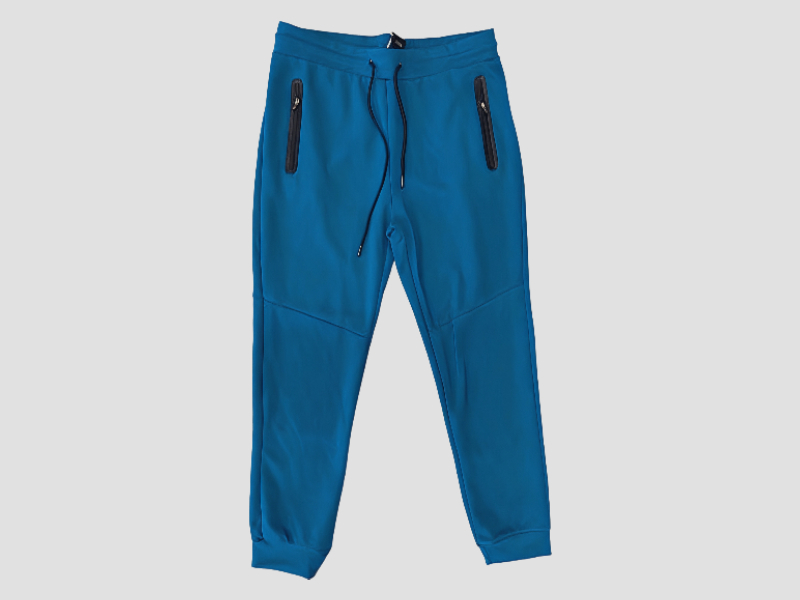
Casual Jeans: This variant is made from denim and designed for everyday wear. It offers comfort and durability, making it suitable for casual outings and informal work settings.
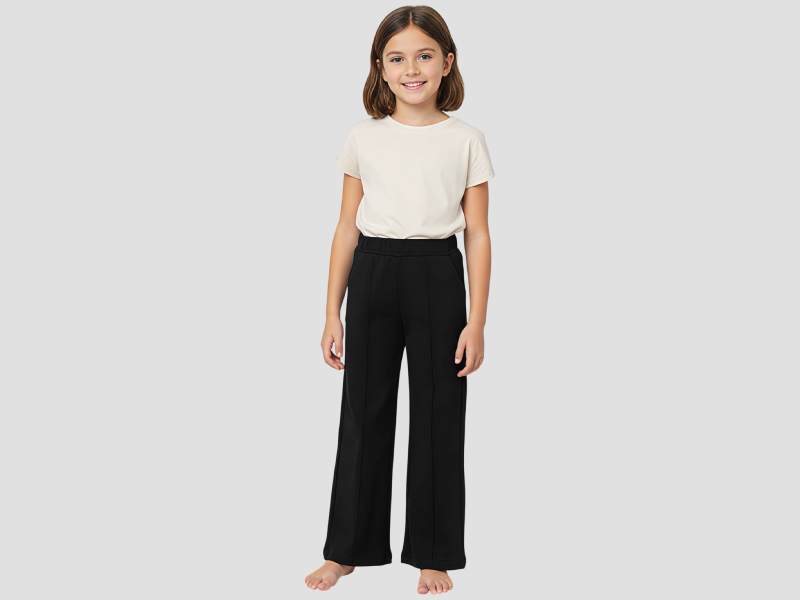
Dress Trousers: Typically made from lightweight fabric, dress trousers are designed for formal occasions. They provide a polished look and are often used in corporate environments.
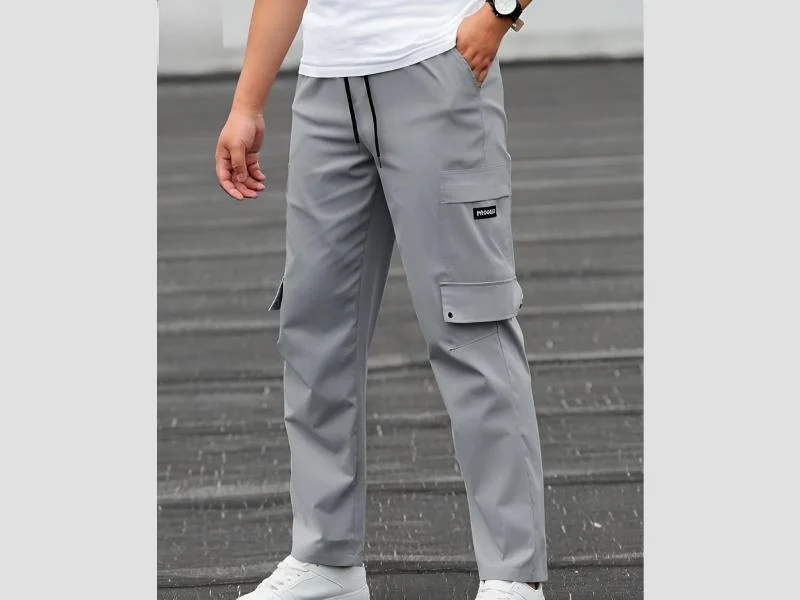
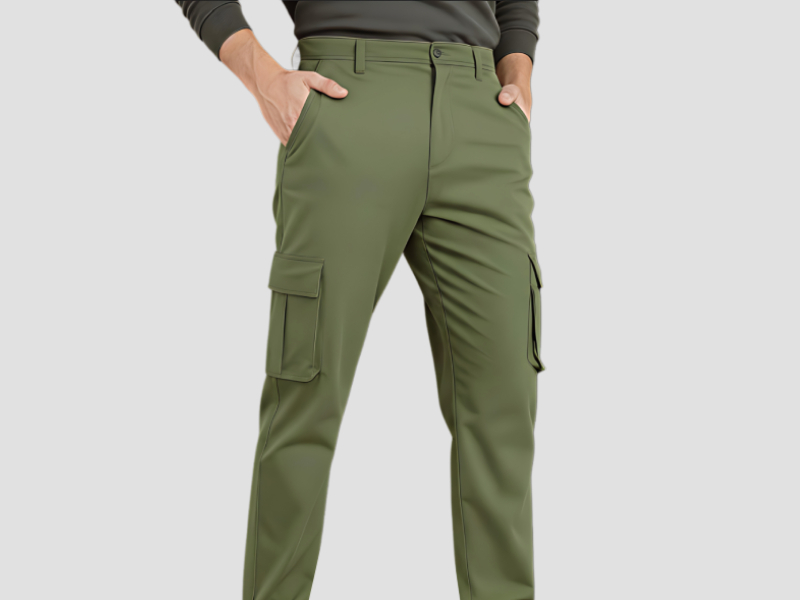
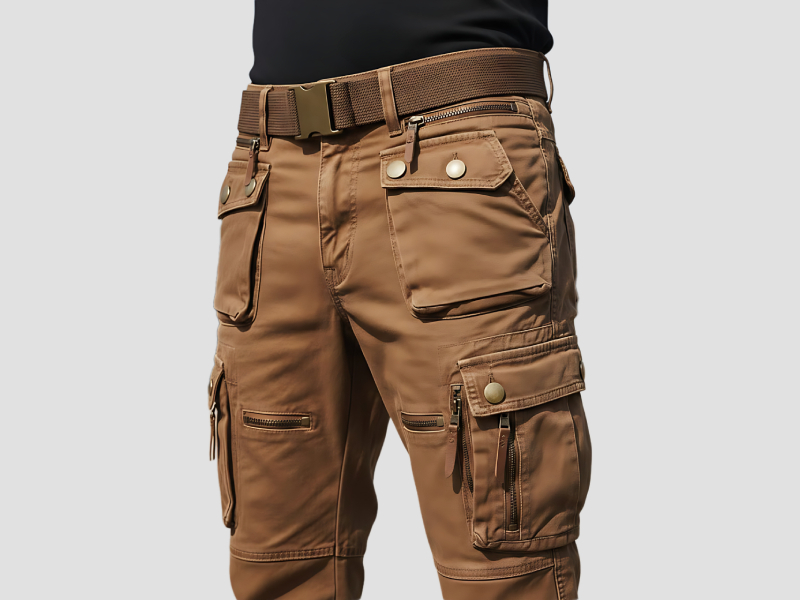
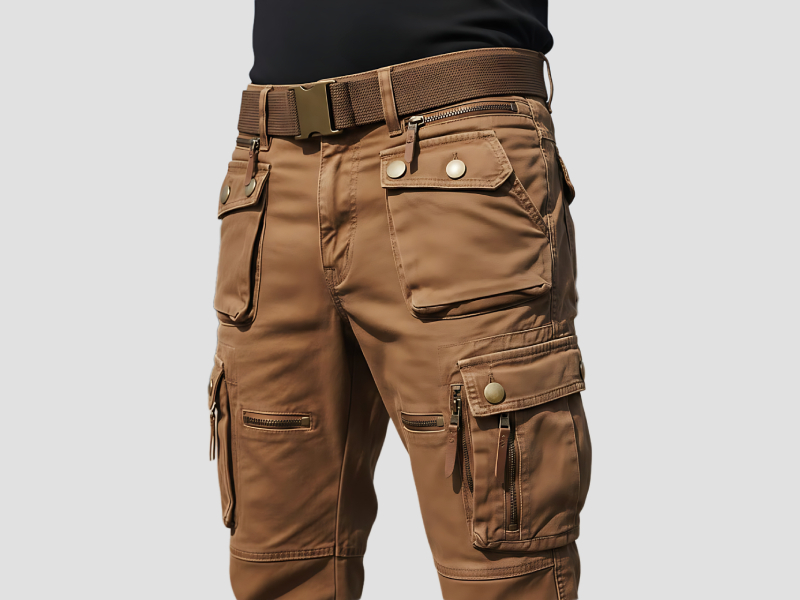
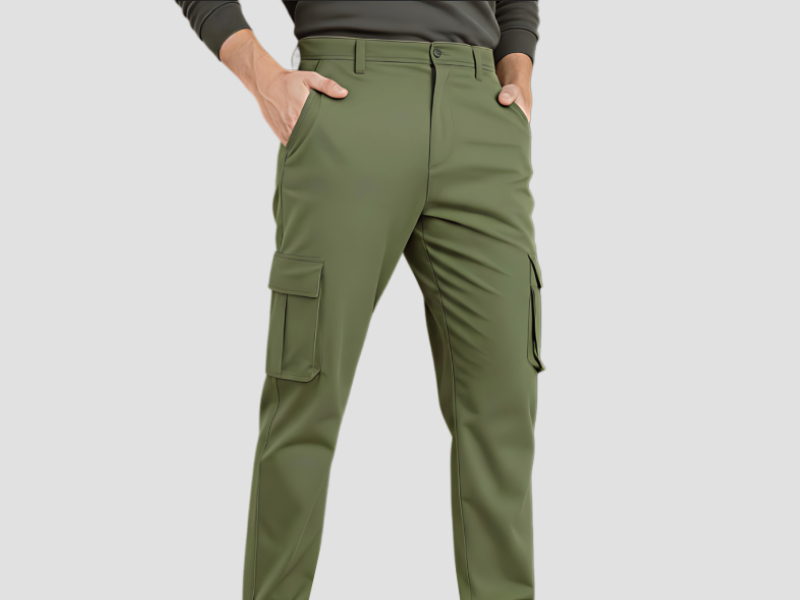
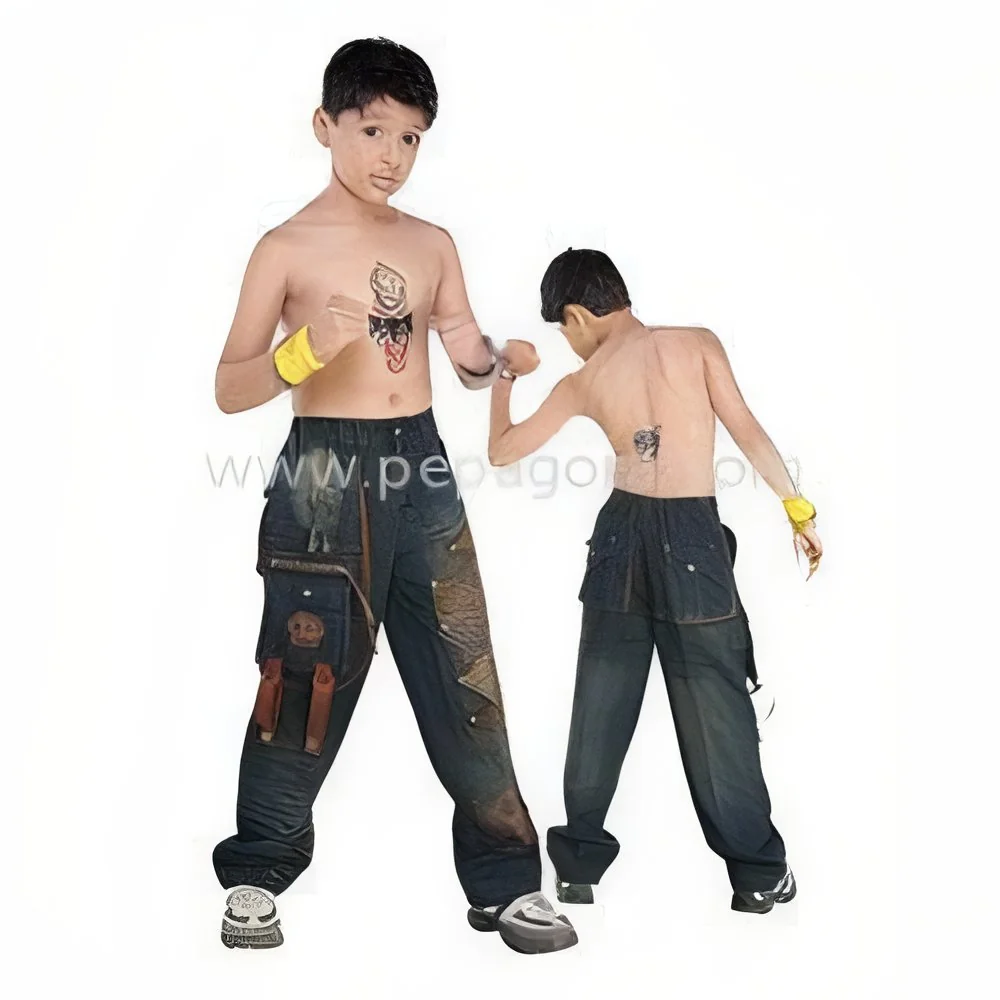
Cargo Pants: These pants feature multiple pockets and are designed for utility. They are popular in outdoor jobs and among tradespeople for their practicality.
Chinos: A versatile option made from cotton twill, chinos can be dressed up or down. They are ideal for business casual settings and offer comfort and style.
Athletic Pants: Designed for physical activity, these pants often feature moisture-wicking materials and flexible fits. They are commonly used in sports and fitness environments.
𝗕𝗲𝗻𝗲𝗳𝗶𝘁𝘀 𝗮𝗻𝗱 𝗔𝗱𝘃𝗮𝗻𝘁𝗮𝗴𝗲𝘀
Choosing quality pants, jeans, and trousers offers several advantages for businesses and employees alike.
1. Comfort: Properly fitting pants enhance comfort, allowing for ease of movement throughout the day.
2. Versatility: A range of styles ensures that there is an option for every occasion, from formal meetings to casual outings.
3. Durability: High-quality fabrics and construction provide longevity, reducing the need for frequent replacements.
4. Professional Appearance: Trousers and dress pants contribute to a polished and professional look, which can enhance brand image.
5. Functionality: Features like pockets and adjustable waistbands add practicality, making these garments suitable for various tasks.
6. Style Options: The variety of colors and fits allows businesses to express their brand identity through employee attire.
𝗕𝘂𝘆𝗶𝗻𝗴 𝗚𝘂𝗶𝗱𝗲 𝗳𝗼𝗿 𝗕𝟮𝗕 𝗕𝘂𝘆𝗲𝗿𝘀
When sourcing pants, jeans, and trousers, businesses should consider several key factors to ensure they make informed purchasing decisions.
1. Quality Assessment: It is crucial to evaluate the quality of materials and construction. Look for garments that withstand wear and maintain their appearance over time.
2. Supplier Verification: Vet potential suppliers by checking their credentials and customer reviews. A reliable supplier will ensure consistent quality and timely delivery.
3. Pricing and MOQ: Understand the price range for different styles and materials, as well as the minimum order quantities required by suppliers. This will help in budgeting.
4. Delivery and Lead Times: Inquire about the logistics involved in shipping. Understanding lead times is essential for planning inventory and ensuring timely availability.
5. Compliance Requirements: Ensure that the products meet necessary regulatory standards and certifications. This is particularly important for industries with specific compliance needs.
𝗖𝗼𝗺𝗽𝗹𝗶𝗮𝗻𝗰𝗲 𝗮𝗻𝗱 𝗖𝗲𝗿𝘁𝗶𝗳𝗶𝗰𝗮𝘁𝗶𝗼𝗻𝘀
Compliance with industry standards and certifications is crucial for ensuring the quality and safety of pants, jeans, and trousers.
Relevant quality standards, such as ISO 9001, ensure that manufacturers maintain consistent quality management systems. Following these standards can lead to improved customer satisfaction and operational efficiency.
Industry certifications like CE indicate that products meet European safety and health requirements. This is particularly important for businesses importing garments into regions with strict regulatory guidelines.
Safety and testing requirements may vary based on the intended use of the garments. For example, workwear may need additional testing for durability and safety features.
Additionally, regional compliance considerations should be addressed. Different countries may have specific regulations regarding clothing materials and safety standards, making it essential to understand local requirements.
𝗪𝗵𝘆 𝗦𝗼𝘂𝗿𝗰𝗲 𝗣𝗮𝗻𝘁𝘀, 𝗝𝗲𝗮𝗻𝘀, 𝗧𝗿𝗼𝘂𝘀𝗲𝗿𝘀 𝗳𝗿𝗼𝗺 𝗣𝗲𝗽𝗮𝗴𝗼𝗿𝗮?
Pepagora provides a trusted platform for sourcing pants, jeans, and trousers, offering several key advantages that benefit B2B buyers.
Verified Supplier Network: Pepagora has a comprehensive network of verified suppliers. This ensures that buyers can source products from reputable manufacturers committed to quality.
Streamlined RFQ Process: The Request for Quotation (RFQ) system simplifies the procurement process. Buyers can easily compare quotes from multiple suppliers, helping them make informed decisions.
Trade Assurance and Support: Pepagora offers trade assurance, providing buyers with protection against potential issues. This ensures a smoother purchasing experience and builds trust.
Regional Coverage: With a strong presence in regions like India, the Gulf Cooperation Council (GCC), and Southeast Asia, Pepagora enables businesses to source locally while accessing a wide range of products. This geographic reach enhances supply chain efficiency and availability.
By choosing Pepagora, businesses can confidently navigate the sourcing process, ensuring they find the right pants, jeans, and trousers for their needs.

 IN
IN