𝗪𝗵𝗮𝘁 𝗮𝗿𝗲 𝗠𝗲𝗻𝘁𝗮𝗹 𝗪𝗲𝗹𝗹𝗻𝗲𝘀𝘀 𝗣𝗿𝗼𝗱𝘂𝗰𝘁𝘀 & 𝗦𝗲𝗿𝘃𝗶𝗰𝗲𝘀?
Mental wellness products and services encompass a range of offerings designed to enhance mental health and emotional well-being. These can include therapeutic tools, counseling services, mobile applications, and wellness programs aimed at promoting better mental health. Their primary goal is to support individuals and organizations in managing stress, improving emotional resilience, and fostering a positive mental environment.
These products and services are widely used in various settings, including workplaces, educational institutions, and healthcare facilities. They are particularly valuable in corporate environments where employee mental health is increasingly recognized as a critical factor in productivity and overall organizational success. Mental wellness solutions help organizations create supportive environments that prioritize mental health, leading to reduced absenteeism and improved employee satisfaction.
The relevance of mental wellness products and services has gained significant traction in recent years, particularly in light of the global emphasis on mental health awareness. The market is expanding, driven by a growing understanding of mental health's importance and the increasing demand for effective solutions. Industries are now investing in these products to address employee well-being and promote a healthier workforce.
𝗞𝗲𝘆 𝗙𝗲𝗮𝘁𝘂𝗿𝗲𝘀 𝗮𝗻𝗱 𝗦𝗽𝗲𝗰𝗶𝗳𝗶𝗰𝗮𝘁𝗶𝗼𝗻𝘀
Mental wellness products and services come with various features and specifications that cater to diverse needs. They are designed to ensure effectiveness and adaptability across different environments.
Key specifications include:
1. Therapeutic Tools
- These tools may include stress relief gadgets, journals, or guided meditation apps.
- Designed for personal use or group therapy settings.
2. Counseling Services
- Professional services provided by licensed therapists or counselors.
- Typically offered via in-person sessions or teletherapy platforms.
3. Wellness Programs
- Structured initiatives that may include workshops, training, and seminars.
- Tailored to the specific needs of organizations or communities.
4. Mobile Applications
- Digital platforms offering mindfulness exercises, mood tracking, and resources.
- User-friendly interfaces designed for easy access and engagement.
5. Monitoring Features
- Tools to track progress and mental health metrics over time.
- May include feedback systems to adjust programs based on user input.
6. Customization Options
- Ability to tailor products or services to meet specific organizational needs.
- Options for branding and integration with existing wellness initiatives.
In summary, mental wellness products and services are defined by their versatility and adaptability, catering to a wide range of individual and organizational needs.
𝗖𝗼𝗺𝗺𝗼𝗻 𝗔𝗽𝗽𝗹𝗶𝗰𝗮𝘁𝗶𝗼𝗻𝘀 𝗮𝗻𝗱 𝗨𝘀𝗲 𝗖𝗮𝘀𝗲𝘀
Mental wellness products and services find applications across various industries, enhancing mental health and emotional well-being.
1. Corporate Sector: Companies utilize these services to improve employee productivity and morale. Programs may include stress management workshops, counseling services, and wellness challenges.
2. Education: Schools and universities implement mental wellness initiatives to support students' emotional needs. This can include counseling services, peer support groups, and mental health awareness campaigns.
3. Healthcare: Mental wellness products are employed in hospitals and clinics to aid patient recovery. Therapeutic tools and counseling services are integrated into patient care plans.
4. Nonprofits: Organizations focused on mental health advocacy use these products and services to support community outreach and education, providing resources for those in need.
5. Hospitality: Hotels and wellness retreats offer mental wellness programs to enhance guest experiences, incorporating mindfulness sessions and relaxation techniques.
6. Government: Public health initiatives promote mental wellness products and services to address community mental health issues, focusing on prevention and accessibility.
7. Technology: Companies in the tech sector develop innovative apps and platforms that facilitate mental wellness, providing users with tools for self-care and stress management.
𝗣𝗿𝗼𝗱𝘂𝗰𝘁 𝗩𝗮𝗿𝗶𝗮𝗻𝘁𝘀 𝗮𝗻𝗱 𝗦𝘂𝗯𝗰𝗮𝘁𝗲𝗴𝗼𝗿𝗶𝗲𝘀
Mental wellness products and services include a variety of options designed to meet diverse needs.
Therapeutic Gadgets
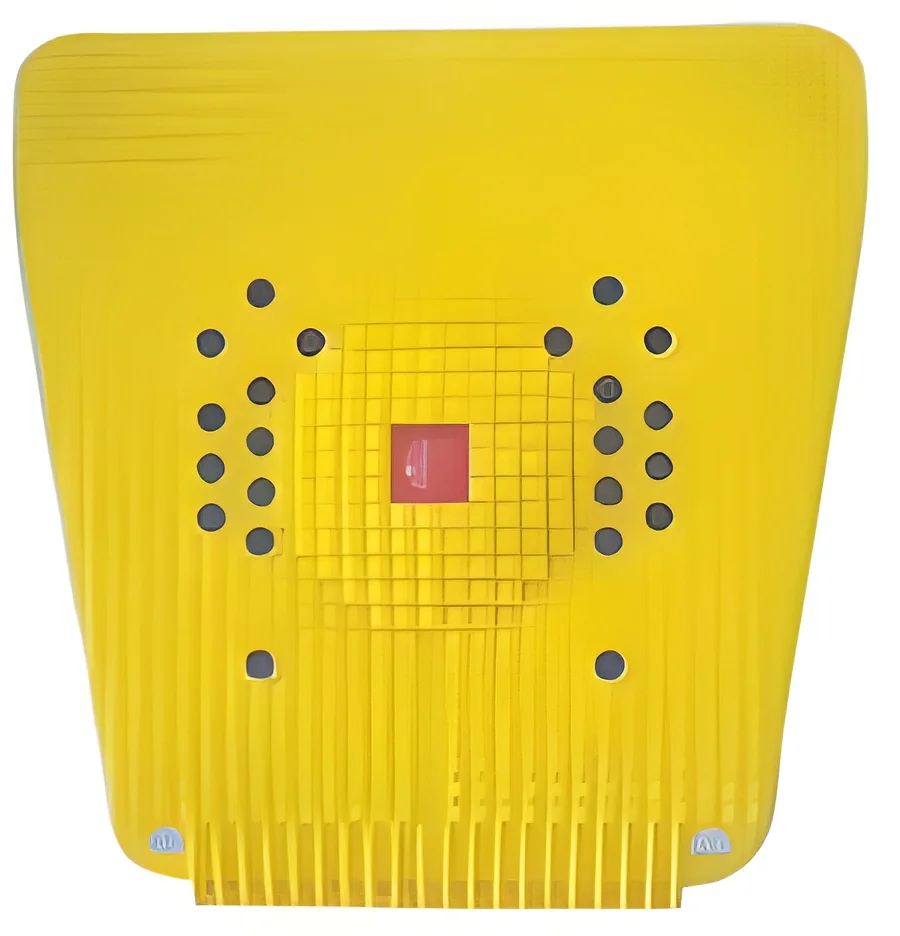
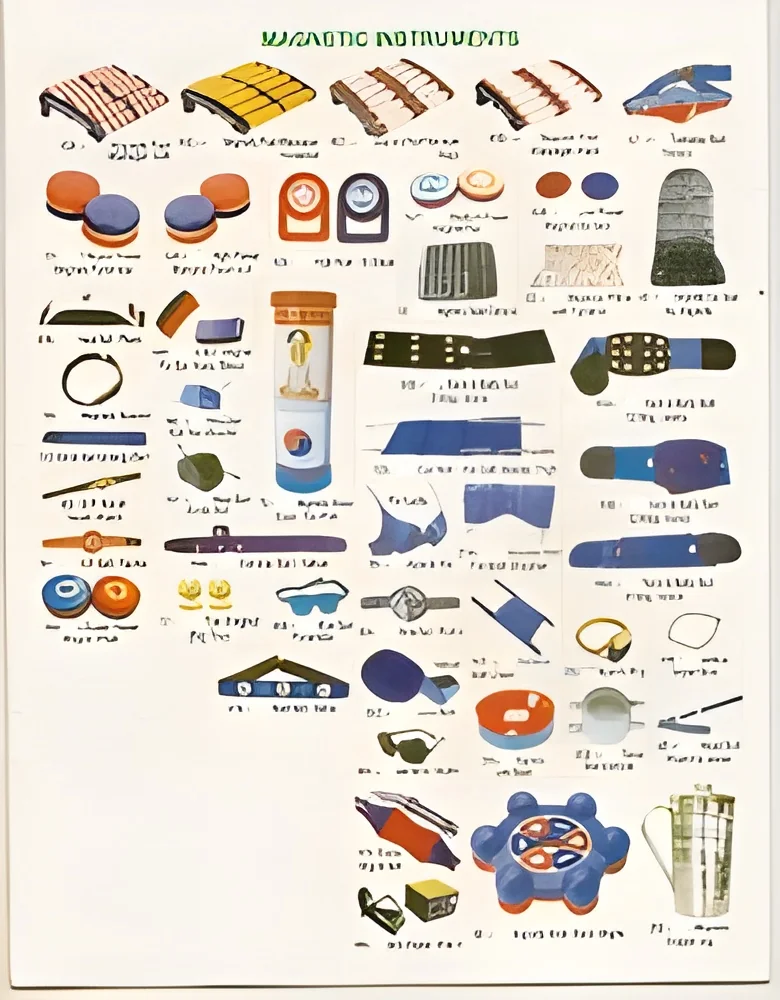
These are physical tools designed to reduce stress and promote relaxation. Features may include biofeedback sensors or sensory stimulation devices that aid in anxiety management.
Teletherapy Platforms
Digital platforms allowing users to connect with licensed therapists remotely. These services often include video conferencing and chat options for flexible access.
Mindfulness Apps
Mobile applications that provide guided meditations, mood tracking, and educational resources. They are designed to be user-friendly and accessible, catering to a wide audience.
Group Therapy Sessions
Facilitated group sessions that provide a supportive environment for individuals to share experiences. These sessions can be tailored to specific themes or issues, promoting community support.
𝗕𝗲𝗻𝗲𝗳𝗶𝘁𝘀 𝗮𝗻𝗱 𝗔𝗱𝘃𝗮𝗻𝘁𝗮𝗴𝗲𝘀
Investing in mental wellness products and services offers numerous benefits for both individuals and organizations.
1. Improved Employee Productivity: By prioritizing mental health, organizations can enhance employee focus and efficiency, leading to better overall performance.
2. Enhanced Employee Morale: Supporting mental wellness fosters a positive work environment, increasing job satisfaction and reducing turnover rates.
3. Reduced Absenteeism: Employees who feel supported are less likely to take sick days, contributing to improved organizational efficiency.
4. Better Work-Life Balance: Mental wellness programs encourage employees to maintain a healthy balance between work and personal life, reducing burnout.
5. Increased Engagement: Employees who participate in wellness initiatives are more likely to engage with their work, leading to higher levels of motivation.
6. Positive Organizational Culture: A commitment to mental wellness fosters a culture of care and support, which can enhance the organization's reputation and attract talent.
𝗕𝘂𝘆𝗶𝗻𝗴 𝗚𝘂𝗶𝗱𝗲 𝗳𝗼𝗿 𝗕𝟮𝗕 𝗕𝘂𝘆𝗲𝗿𝘀
When sourcing mental wellness products and services, several key factors should be considered to ensure a suitable selection.
1. Quality Assessment: Evaluate products based on effectiveness, user feedback, and any clinical evidence supporting their use. Quality should be a primary consideration to ensure the best outcomes.
2. Supplier Verification: Vet potential suppliers by checking their credentials, customer reviews, and track record in the industry. A reliable supplier will have certifications and a proven history of delivering quality products.
3. Pricing and MOQ: Understand the pricing structure and minimum order quantities (MOQ) required. This information will help in budgeting and ensuring that the investment aligns with organizational needs.
4. Delivery and Lead Times: Consider logistics and the time it will take for products or services to be delivered. Timely access is crucial for implementing wellness programs effectively.
5. Compliance Requirements: Ensure that products meet relevant regulatory standards and certifications. Compliance with industry standards is essential for maintaining quality and safety.
𝗖𝗼𝗺𝗽𝗹𝗶𝗮𝗻𝗰𝗲 𝗮𝗻𝗱 𝗖𝗲𝗿𝘁𝗶𝗳𝗶𝗰𝗮𝘁𝗶𝗼𝗻𝘀
Mental wellness products and services are subject to various compliance and certification requirements that ensure their quality and safety.
Relevant quality standards, such as ISO 9001, focus on maintaining quality management systems across organizations. These standards help ensure that products meet customer expectations consistently.
In addition, certifications such as CE indicate compliance with European health, safety, and environmental protection legislation. This certification assures buyers of the product's safety and effectiveness.
Safety and testing requirements vary by region and product type. It is essential for suppliers to conduct rigorous testing to meet safety standards and provide reliable products.
Regional compliance considerations may include adherence to specific health regulations or guidelines that govern mental wellness practices. Organizations should verify that products comply with local laws to ensure proper implementation.
𝗪𝗵𝘆 𝗦𝗼𝘂𝗿𝗰𝗲 𝗠𝗲𝗻𝘁𝗮𝗹 𝗪𝗲𝗹𝗹𝗻𝗲𝘀𝘀 𝗣𝗿𝗼𝗱𝘂𝗰𝘁𝘀 & 𝗦𝗲𝗿𝘃𝗶𝗰𝗲𝘀 𝗳𝗿𝗼𝗺 𝗣𝗲𝗽𝗮𝗴𝗼𝗿𝗮?
Pepagora offers a trusted platform for sourcing mental wellness products and services, providing several key advantages to buyers.
Verified Supplier Network: Pepagora maintains a rigorous supplier verification process, ensuring that all listed suppliers meet high standards of quality and reliability. This helps buyers make informed purchasing decisions.
Streamlined RFQ Process: The request for quotation (RFQ) system simplifies the procurement process, allowing buyers to easily compare offers and select the best options for their needs. This efficiency saves time and facilitates better pricing.
Trade Assurance and Support: Pepagora provides buyer protection through trade assurance programs, ensuring that transactions are secure and that buyers receive the products they ordered. Support services are available to assist throughout the procurement process.
Regional Coverage: Pepagora's extensive network covers regions including India, the GCC, and Southeast Asia, making it easier for businesses to access a wide range of mental wellness solutions. This geographic reach ensures that buyers can find suitable products regardless of their location.

 IN
IN