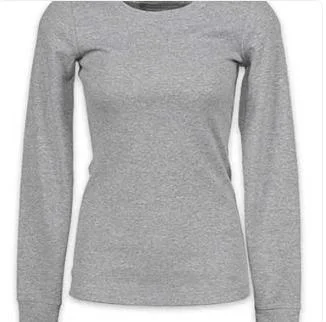
𝗪𝗵𝗮𝘁 𝗮𝗿𝗲 𝗜𝗻𝗻𝗲𝗿𝘄𝗲𝗮𝗿 / 𝗨𝗻𝗱𝗲𝗿𝗴𝗮𝗿𝗺𝗲𝗻𝘁𝘀?
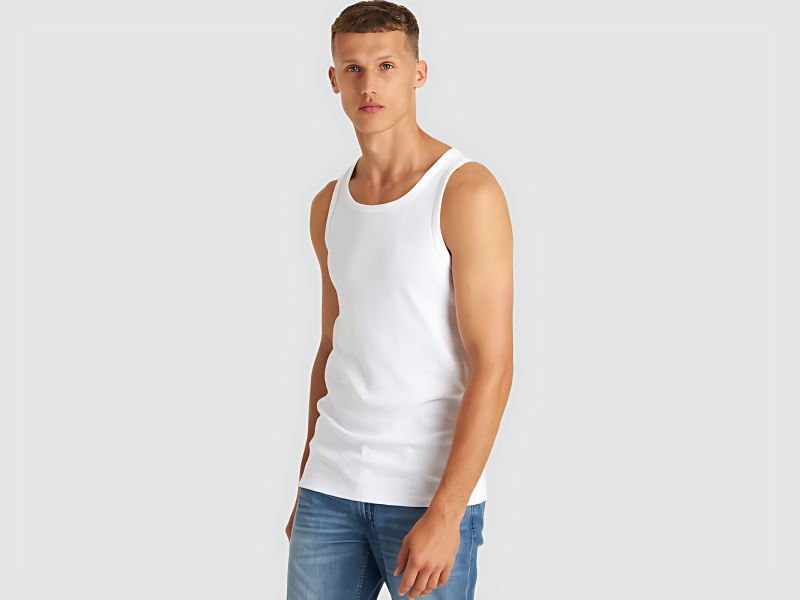
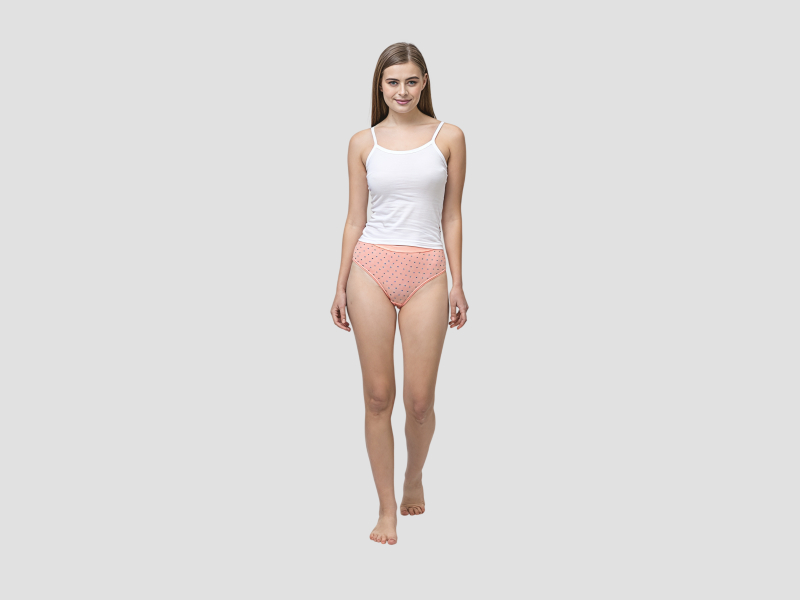
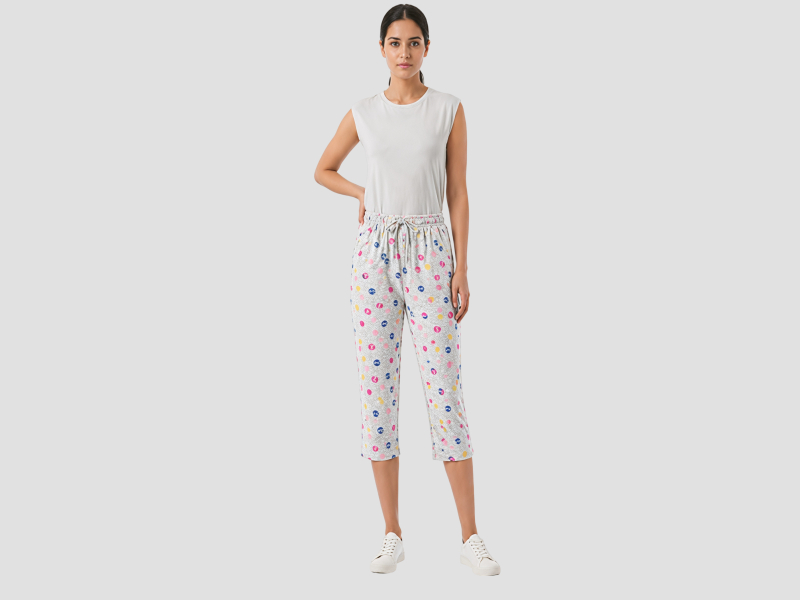
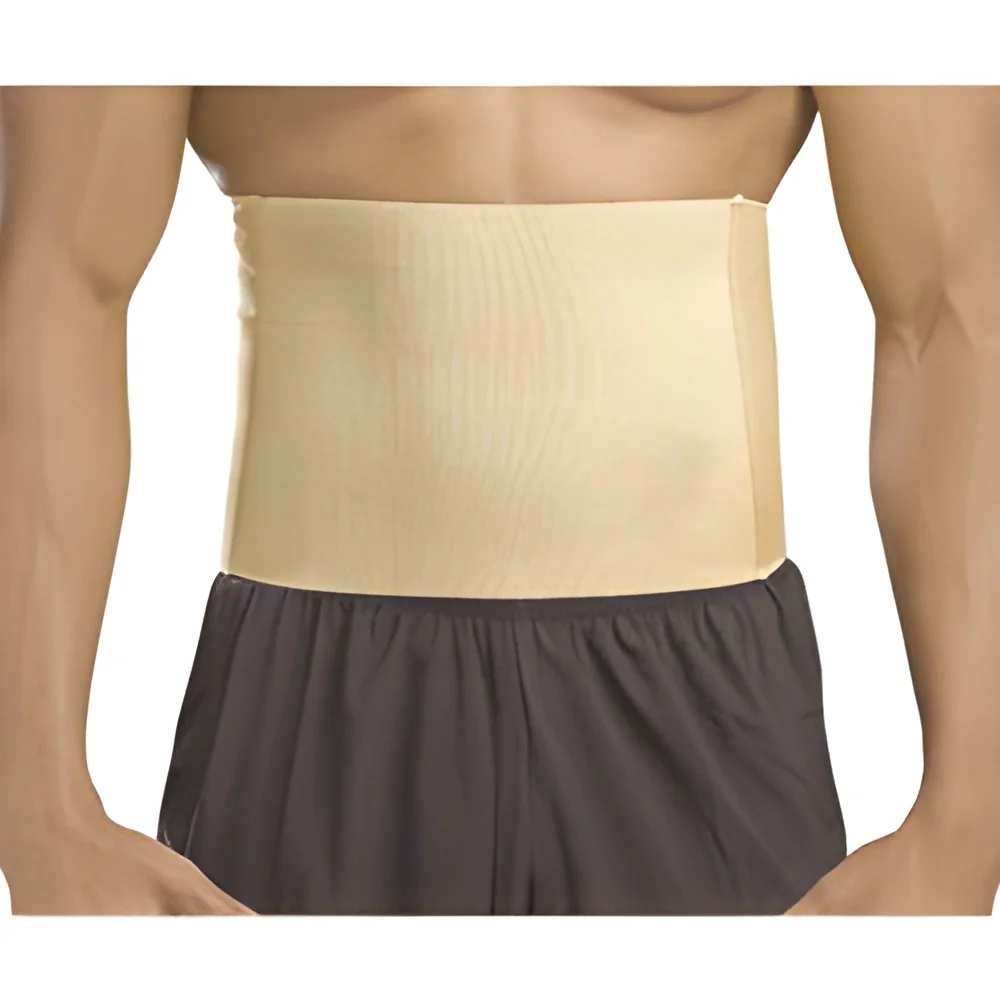
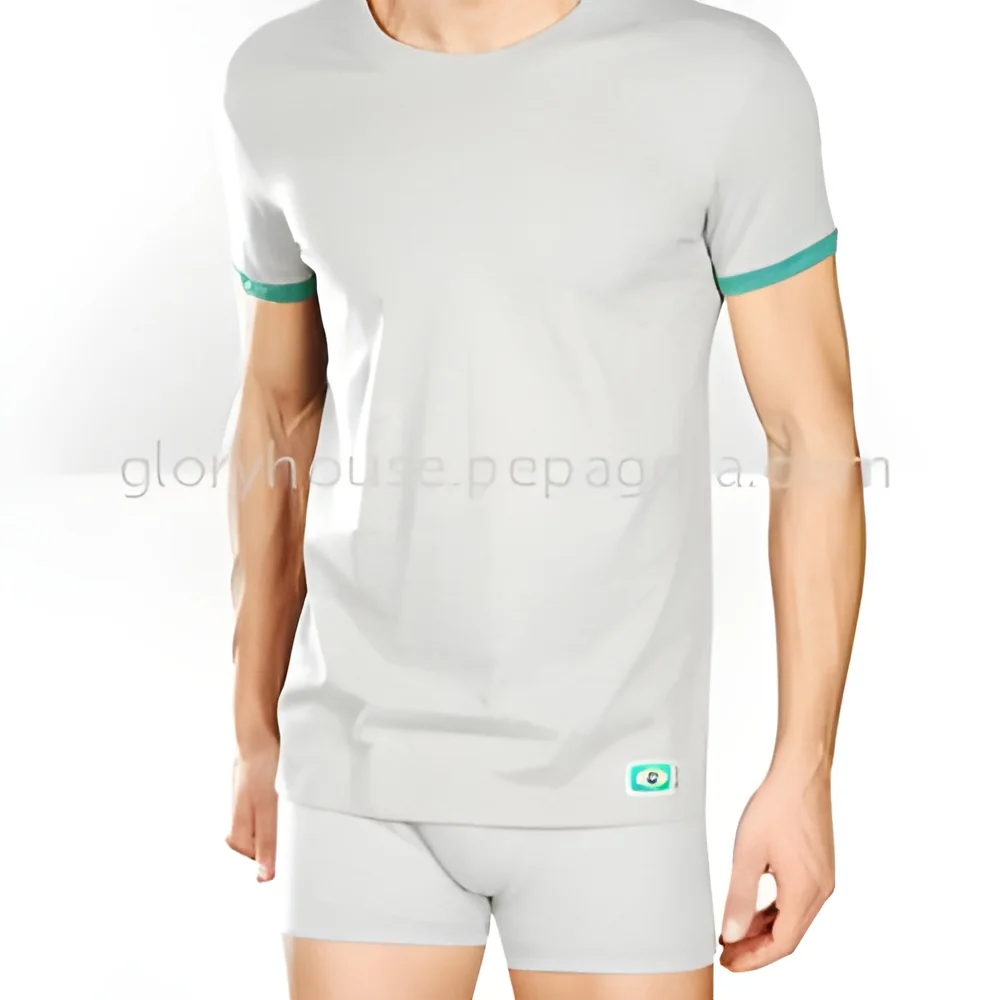
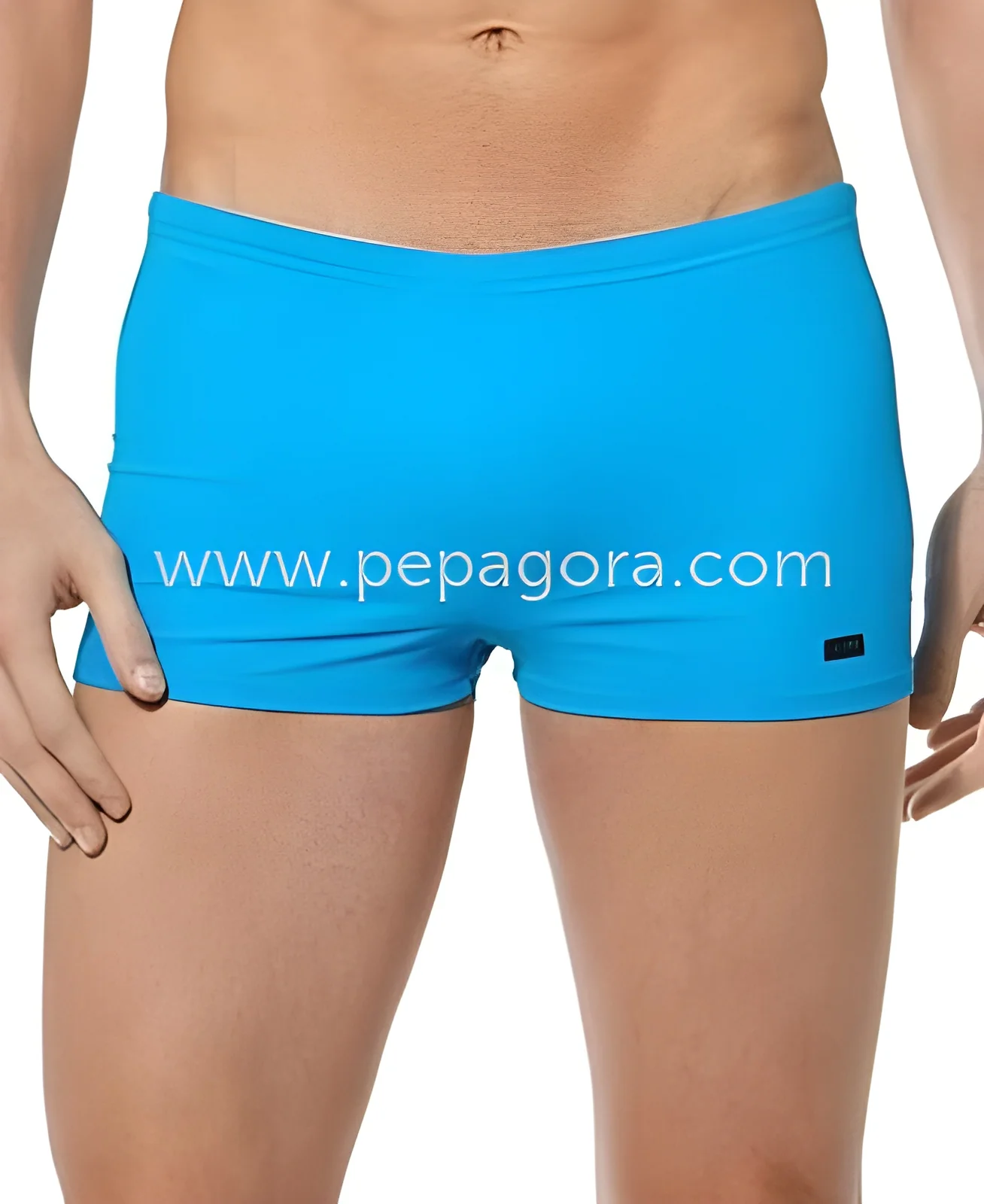
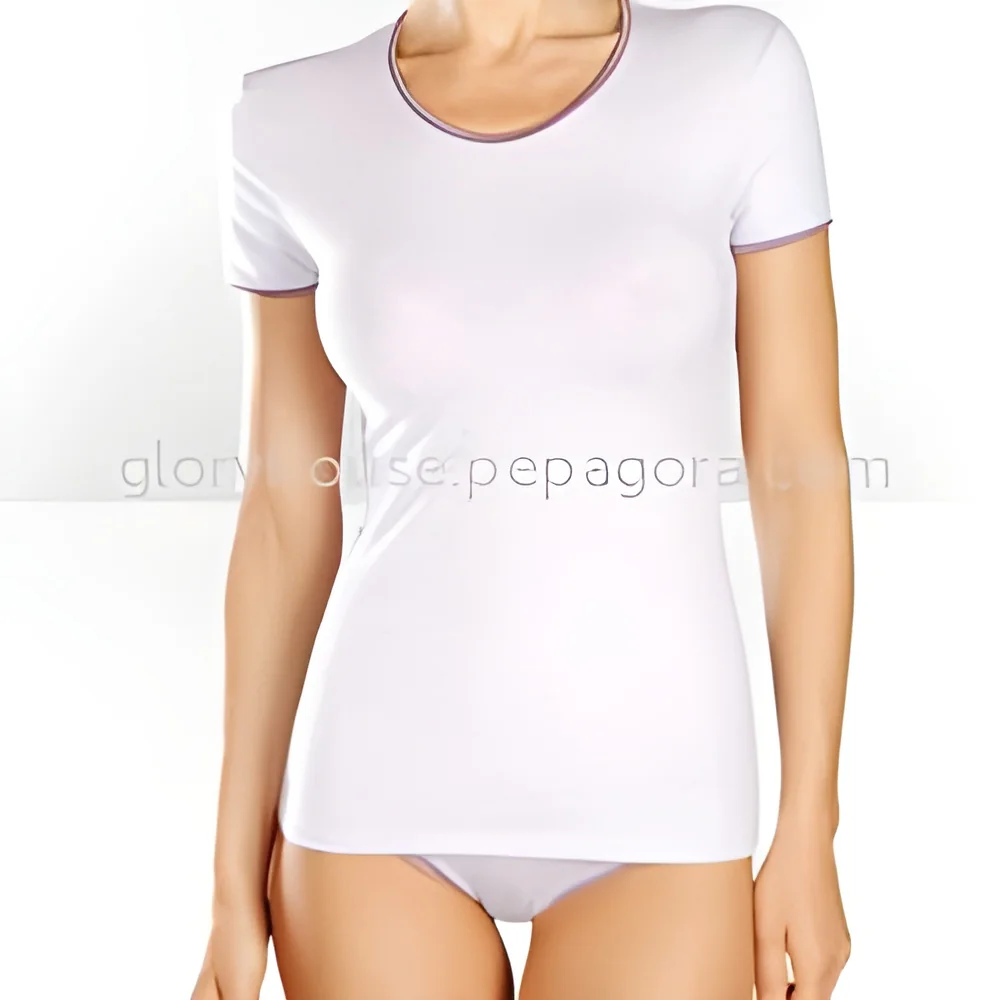
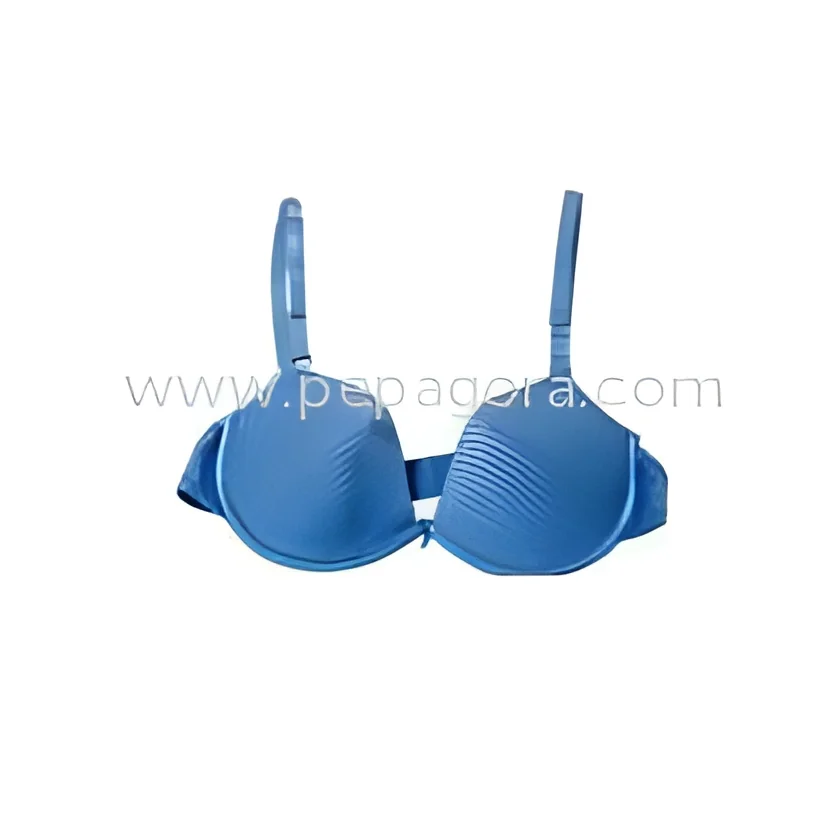
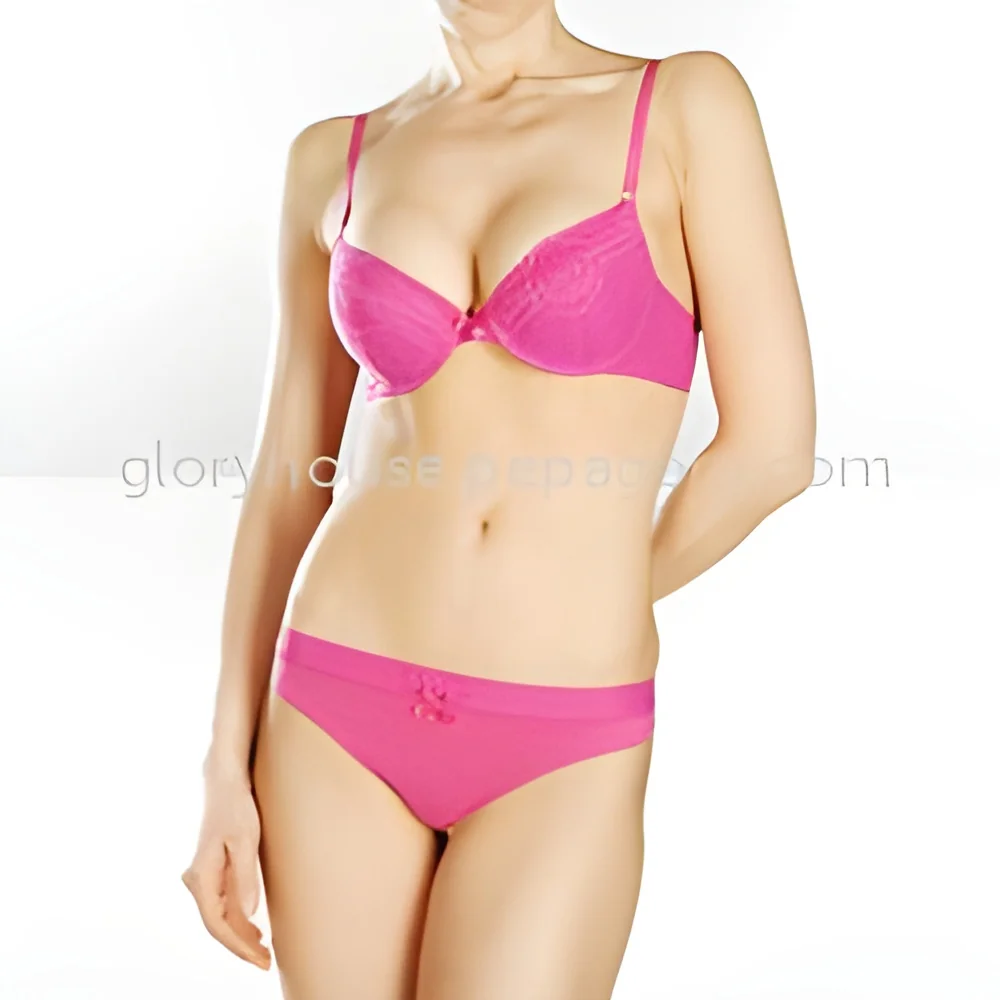
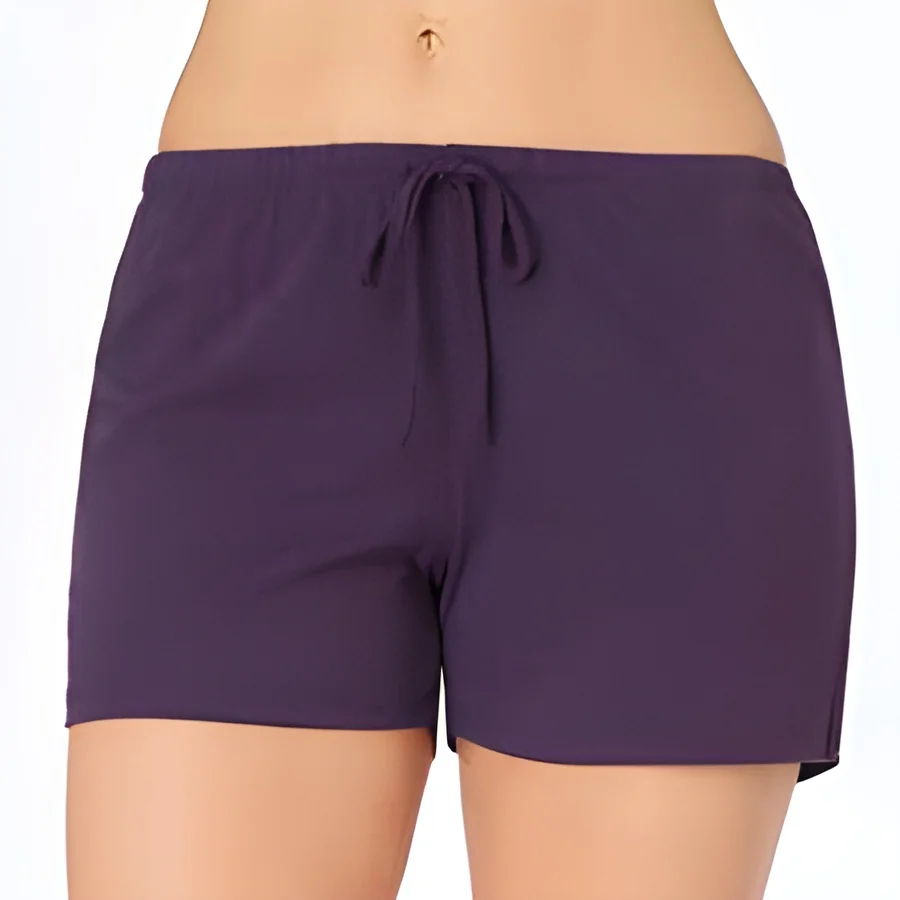
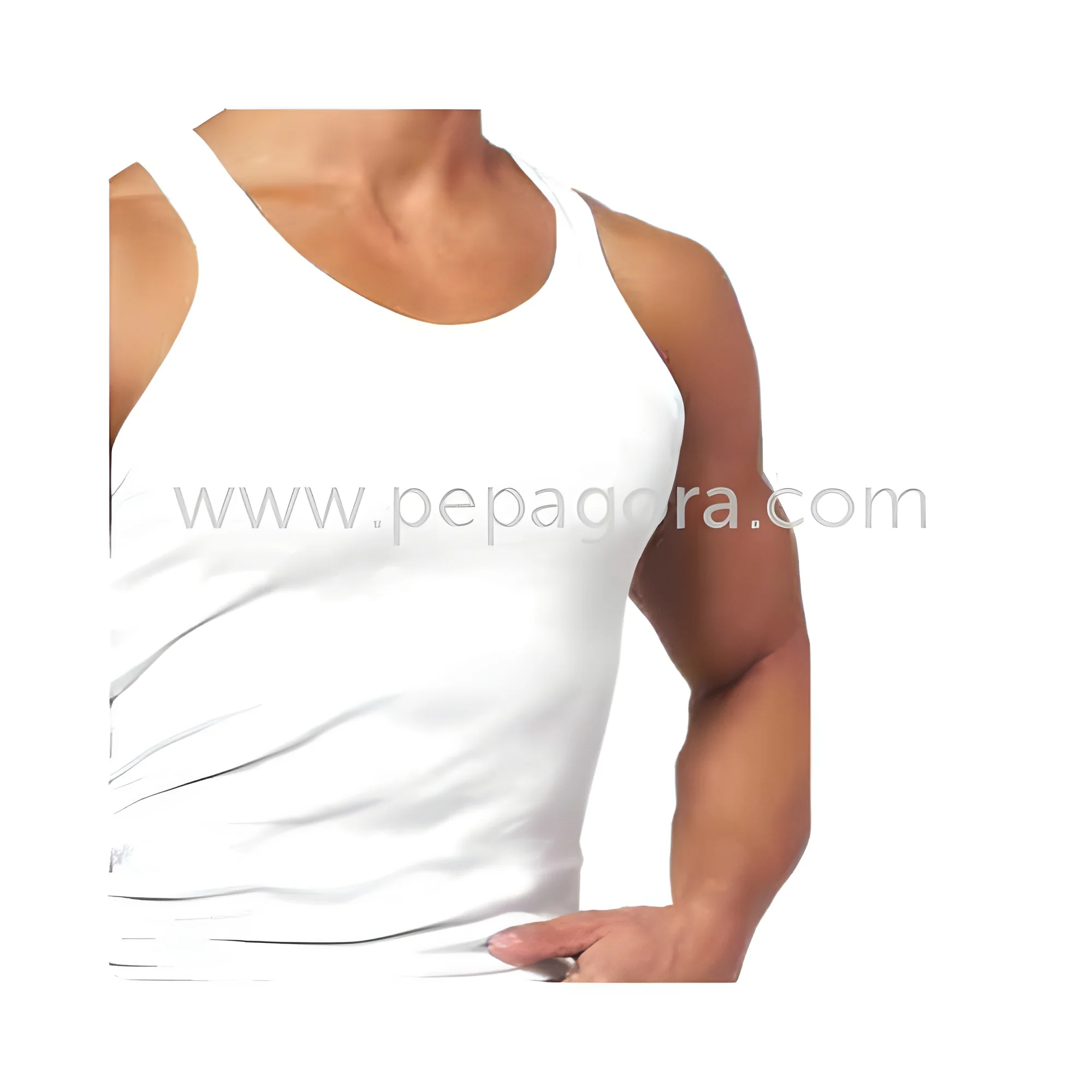
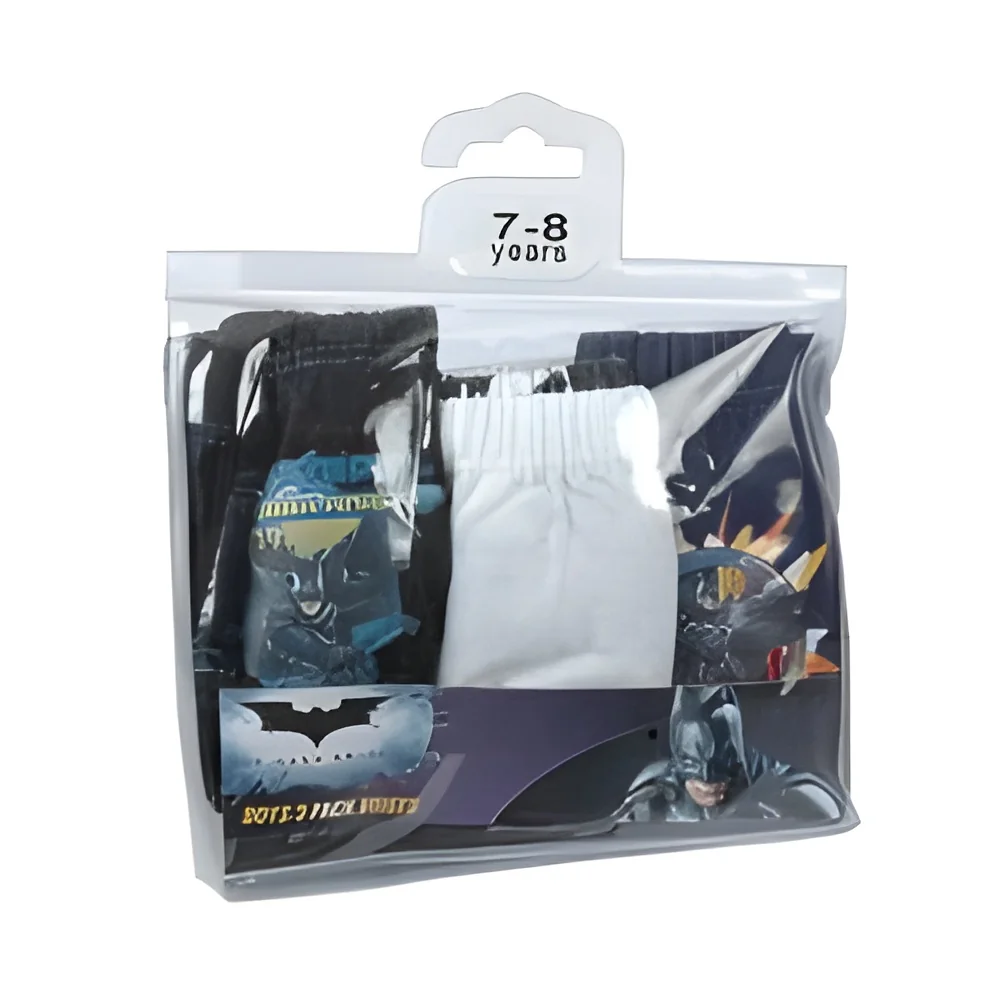
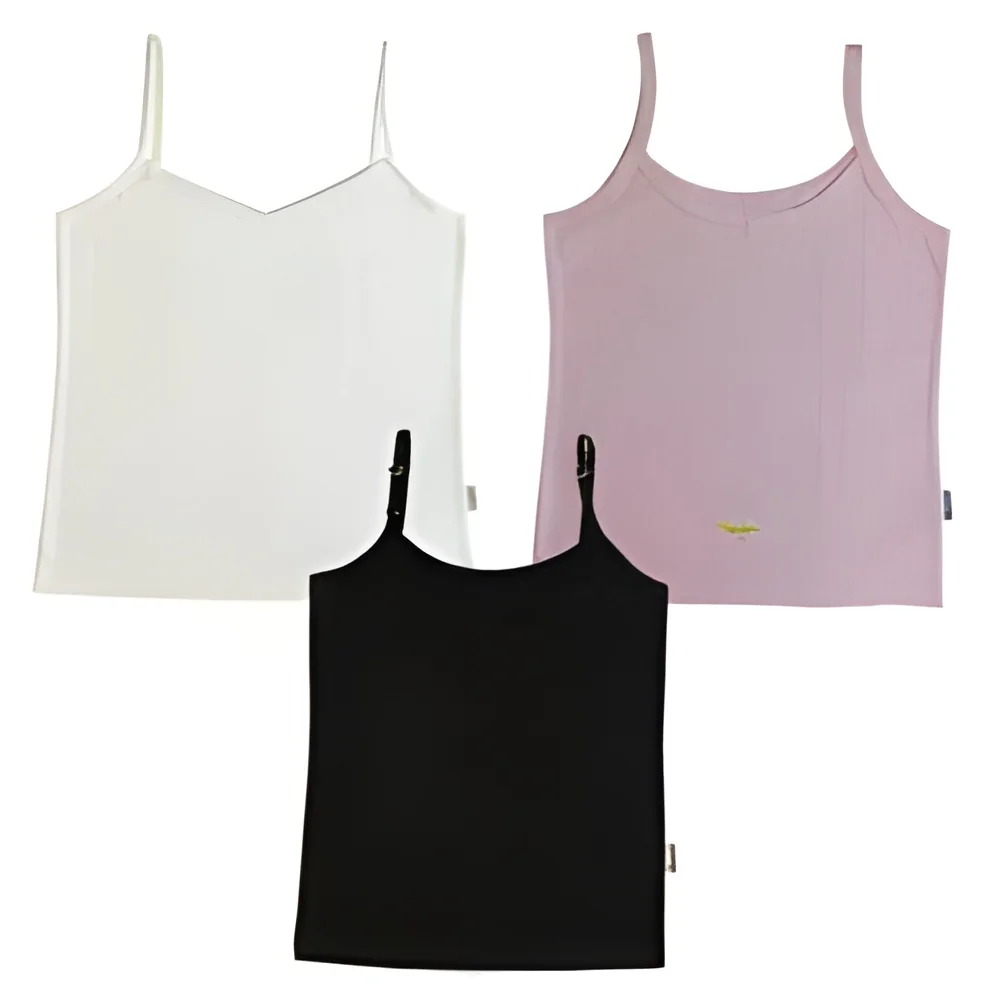
Innerwear, also known as undergarments, refers to clothing worn beneath outer garments. These garments are typically made from soft, breathable fabrics designed for comfort and support. They serve various purposes, including providing a foundation for outer clothing, enhancing overall comfort, and offering modesty. Innerwear can include items such as briefs, boxers, bras, and undershirts.
The primary uses of innerwear extend beyond personal comfort. In many industries, they are essential for maintaining hygiene, especially in settings such as healthcare, food services, and manufacturing. Businesses often require specific types of undergarments for their employees to ensure compliance with safety standards and to promote a professional appearance. The market for innerwear has expanded significantly, driven by consumer demand for various styles, materials, and functionalities.
As the global market continues to evolve, the relevance of innerwear remains strong. The demand for high-quality, comfortable undergarments is rising, particularly as more businesses recognize the importance of employee comfort and presentation. The innerwear segment is characterized by innovation in fabric technology and design, making it pertinent for suppliers to stay updated with trends and standards.
𝗞𝗲𝘆 𝗙𝗲𝗮𝘁𝘂𝗿𝗲𝘀 𝗮𝗻𝗱 𝗦𝗽𝗲𝗰𝗶𝗳𝗶𝗰𝗮𝘁𝗶𝗼𝗻𝘀
Innerwear products come with a range of features and specifications tailored to meet diverse needs. Understanding these specifications can help buyers make informed purchasing decisions.
Key specifications include:
1. Fabric Composition
- Typically made from cotton, modal, or synthetic blends
- Options available for moisture-wicking properties
2. Size Range
- Available in various sizes from small to plus sizes
- Custom sizing options may be available for bulk orders
3. Design Type
- Includes styles such as briefs, boxers, and bras
- Variety of cuts and designs to suit different preferences
4. Breathability
- Fabrics designed for air circulation to enhance comfort
- Moisture management to keep the wearer's skin dry
5. Stretchability
- Elastic materials to ensure a snug fit without restriction
- Options for seamless designs to reduce chafing
6. Durability
- High-quality stitching and fabric that withstands regular wear
- Resistance to fading and shrinkage after washing
7. Color and Style Options
- Wide variety of colors and patterns available
- Custom printing options may be available for branding
8. Compliance Features
- Adherence to industry-specific regulations
- Safety features for specialized applications
Innerwear products vary widely in features, making it essential for buyers to consider specific needs when selecting products for their business.
𝗖𝗼𝗺𝗺𝗼𝗻 𝗔𝗽𝗽𝗹𝗶𝗰𝗮𝘁𝗶𝗼𝗻𝘀 𝗮𝗻𝗱 𝗨𝘀𝗲 𝗖𝗮𝘀𝗲𝘀
Innerwear serves various industries, each with specific applications that benefit from the use of quality undergarments.
1. Healthcare: In medical settings, undergarments are essential for maintaining hygiene and comfort for staff. They often require breathable and moisture-wicking fabrics.
2. Food Services: Workers in food handling and preparation must wear appropriate innerwear to comply with hygiene standards while ensuring comfort during long shifts.
3. Manufacturing: Employees in manufacturing environments may require specialized undergarments that offer durability and moisture management to enhance productivity.
4. Hospitality: In the hospitality industry, staff uniforms often include undergarments that ensure a polished appearance and comfort during service.
5. Sports: Athletes require performance-oriented innerwear that provides support and moisture control during physical activities.
6. Retail: Innerwear is often part of employee uniforms in retail settings, contributing to a professional appearance and customer engagement.
7. Education: Educational institutions may implement dress codes that specify appropriate undergarments for staff, promoting a standard of professionalism.
𝗣𝗿𝗼𝗱𝘂𝗰𝘁 𝗩𝗮𝗿𝗶𝗮𝗻𝘁𝘀 𝗮𝗻𝗱 𝗦𝘂𝗯𝗰𝗮𝘁𝗲𝗴𝗼𝗿𝗶𝗲𝘀
The diversity of innerwear products allows for a range of variants that cater to different consumer needs and preferences.
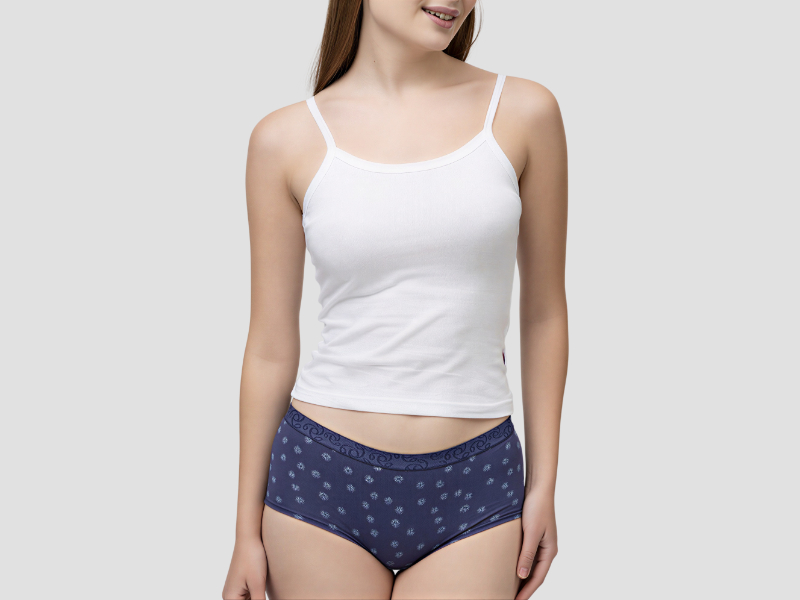
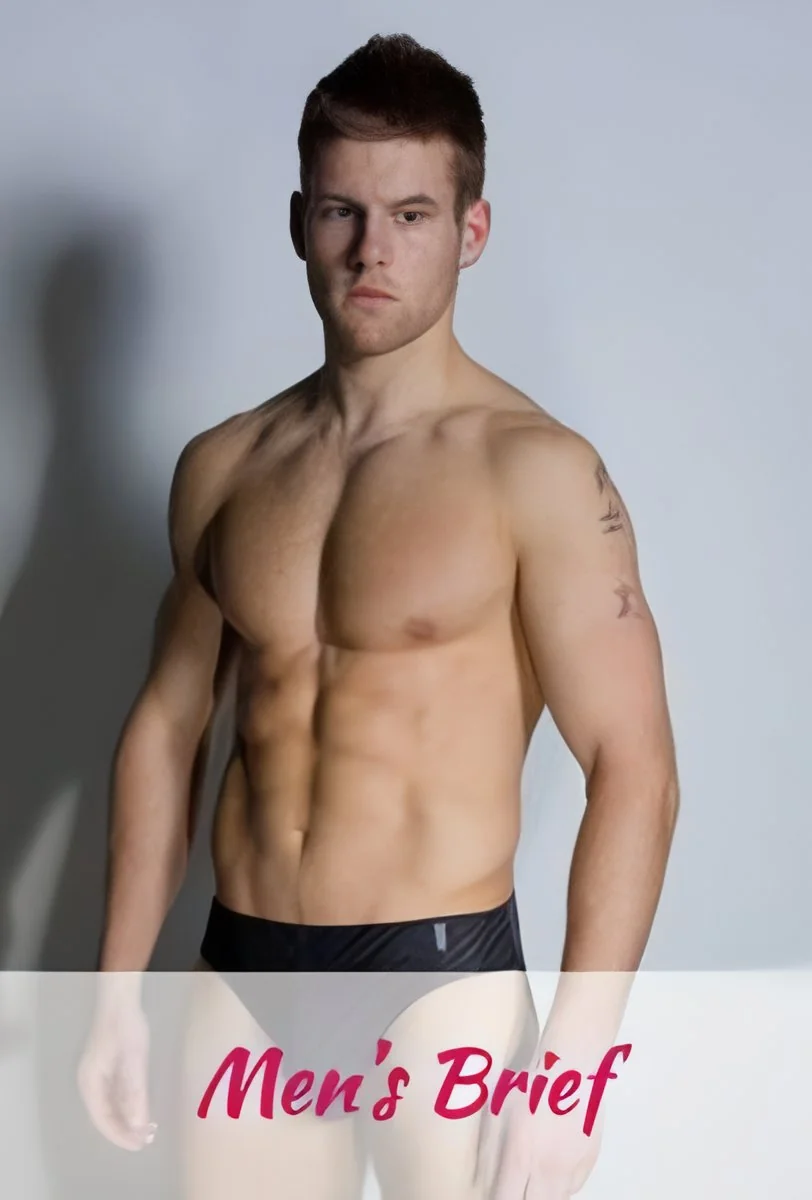
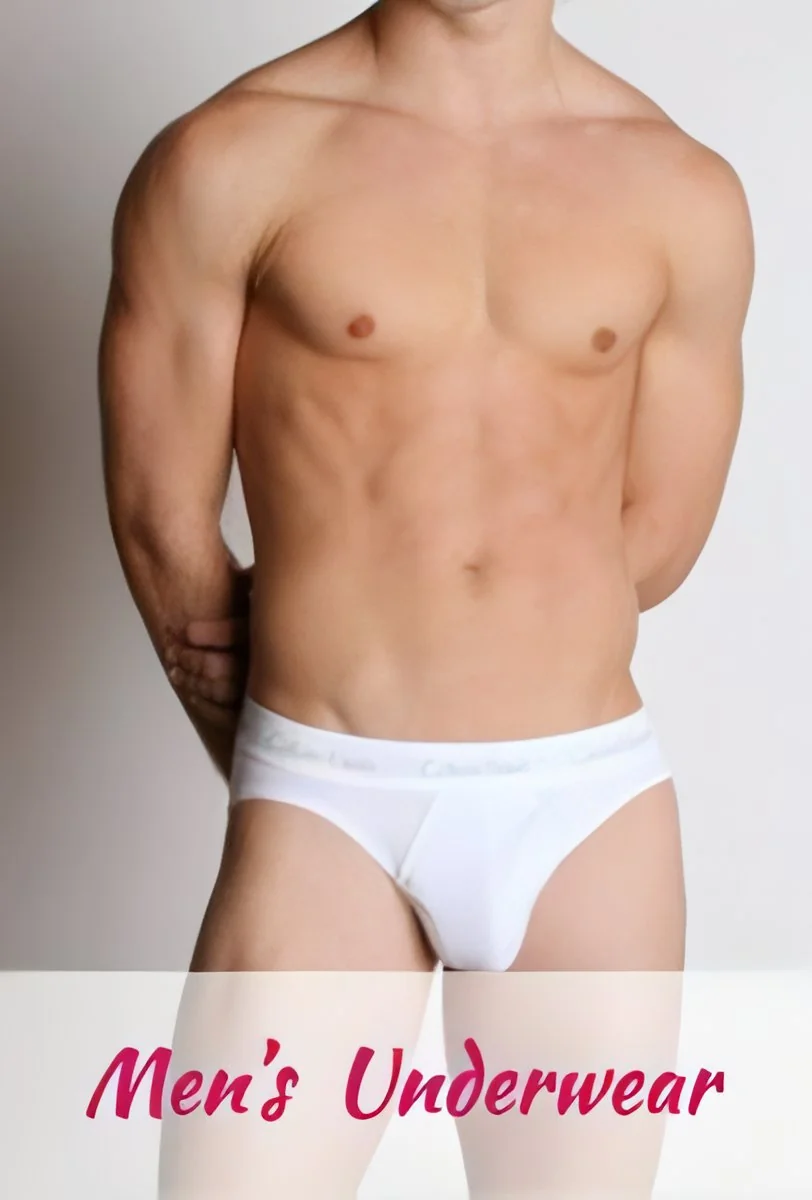
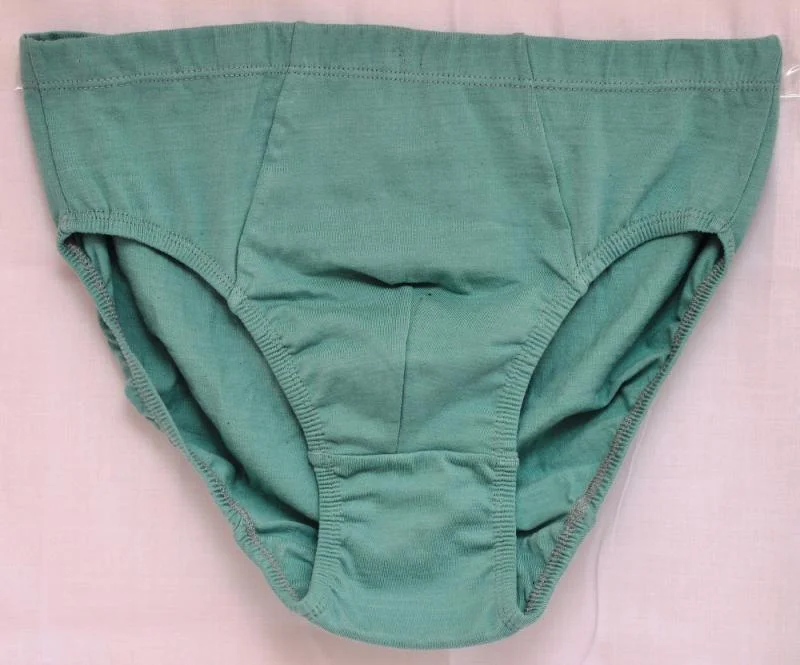
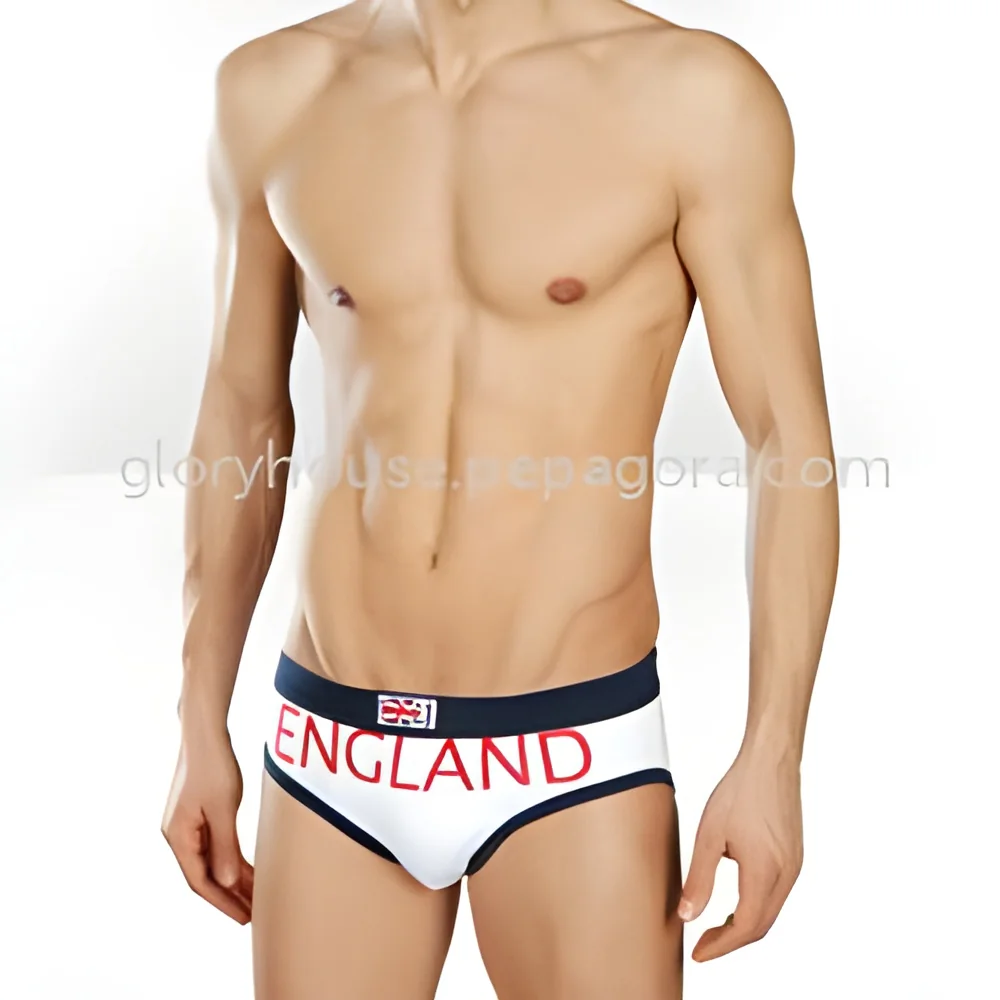
Briefs: This variant is designed for comfort and support, available in various cuts including high-waisted and low-rise. They are ideal for everyday wear and are often made from breathable materials.
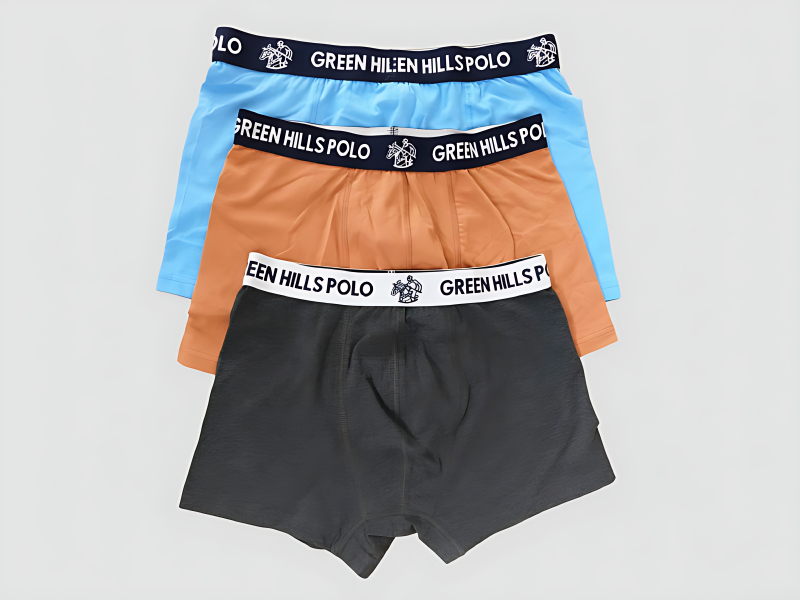
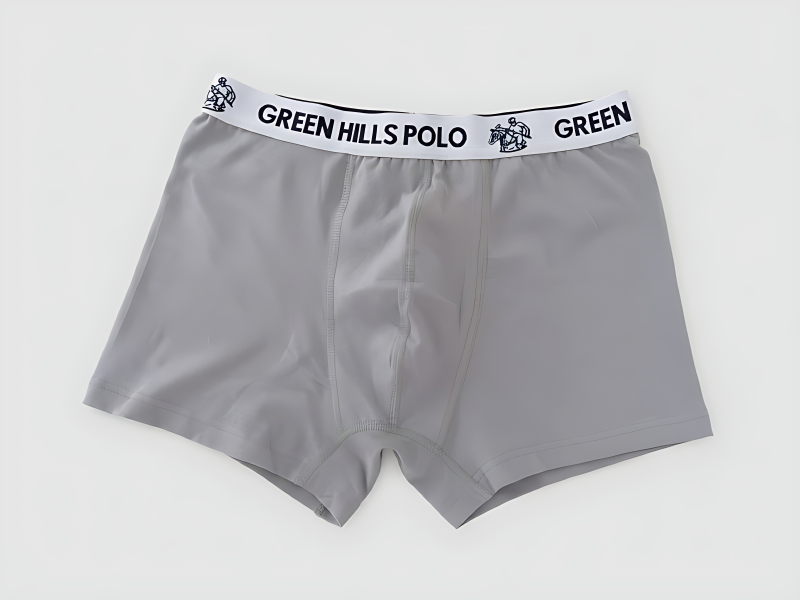
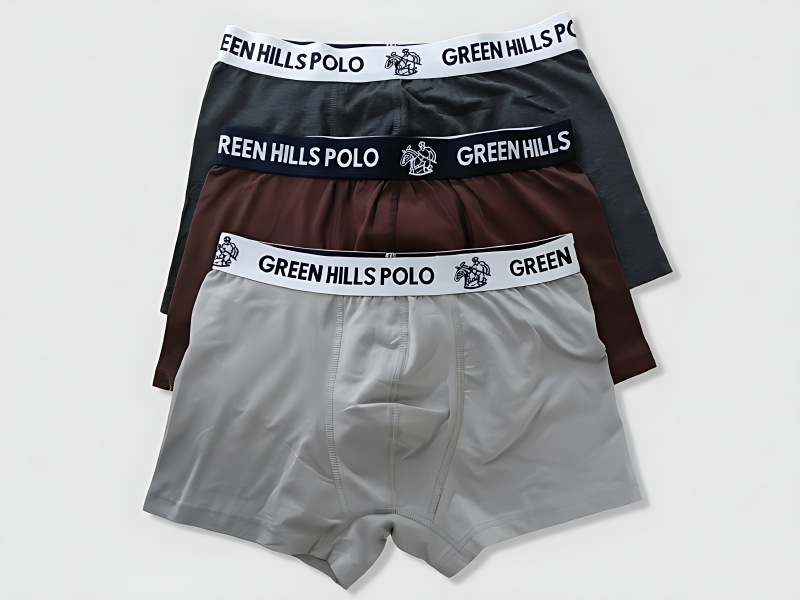
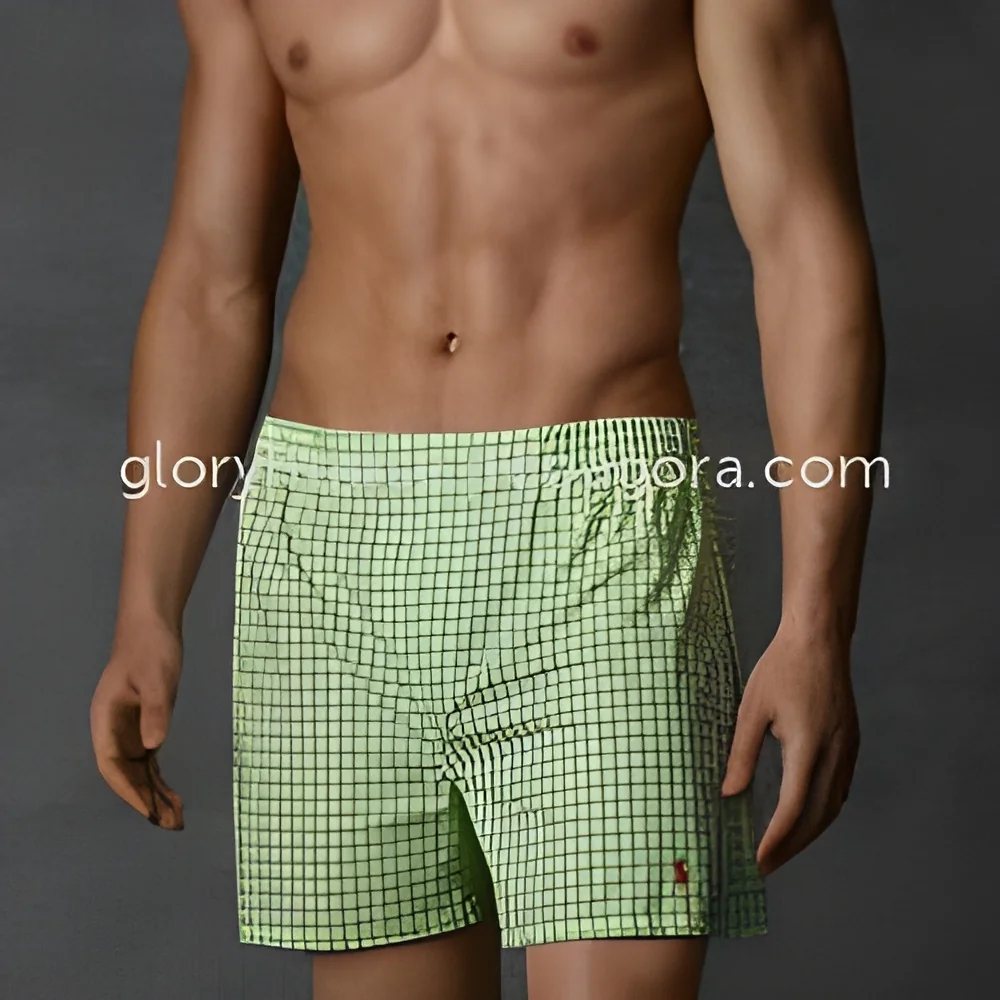
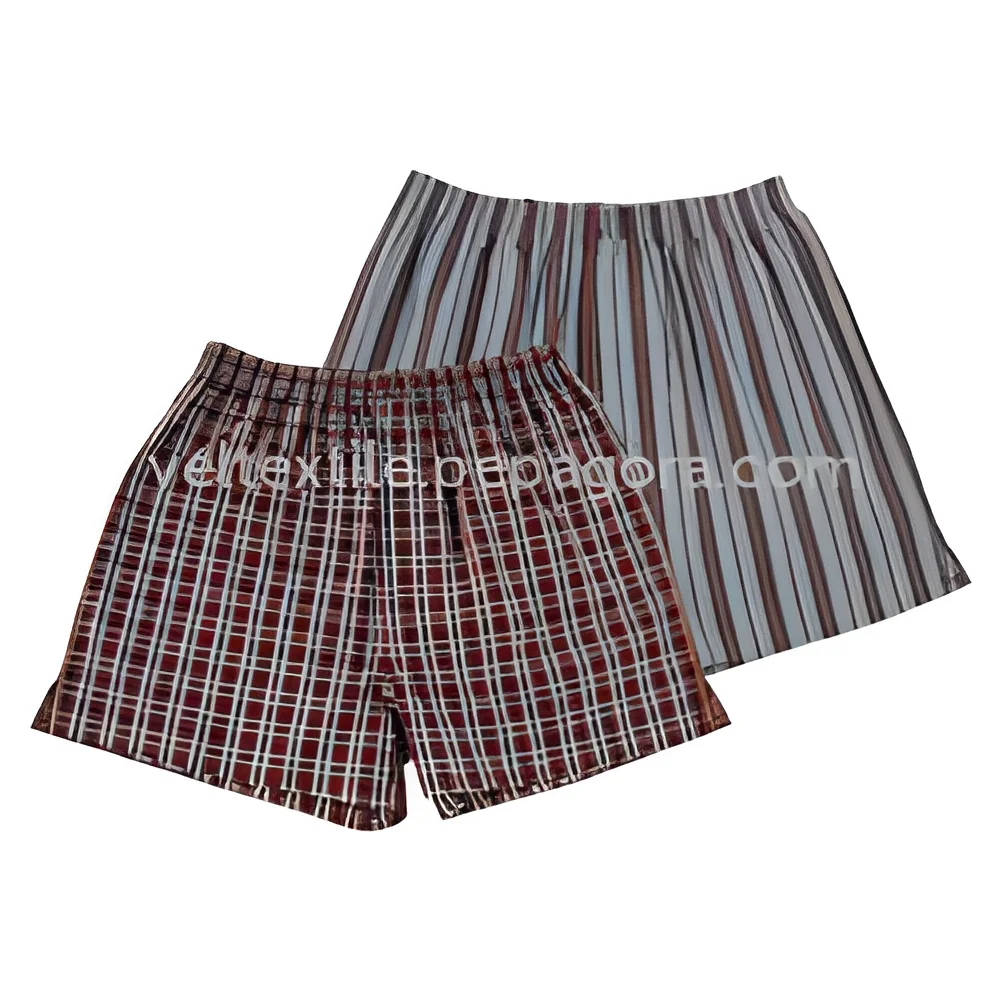
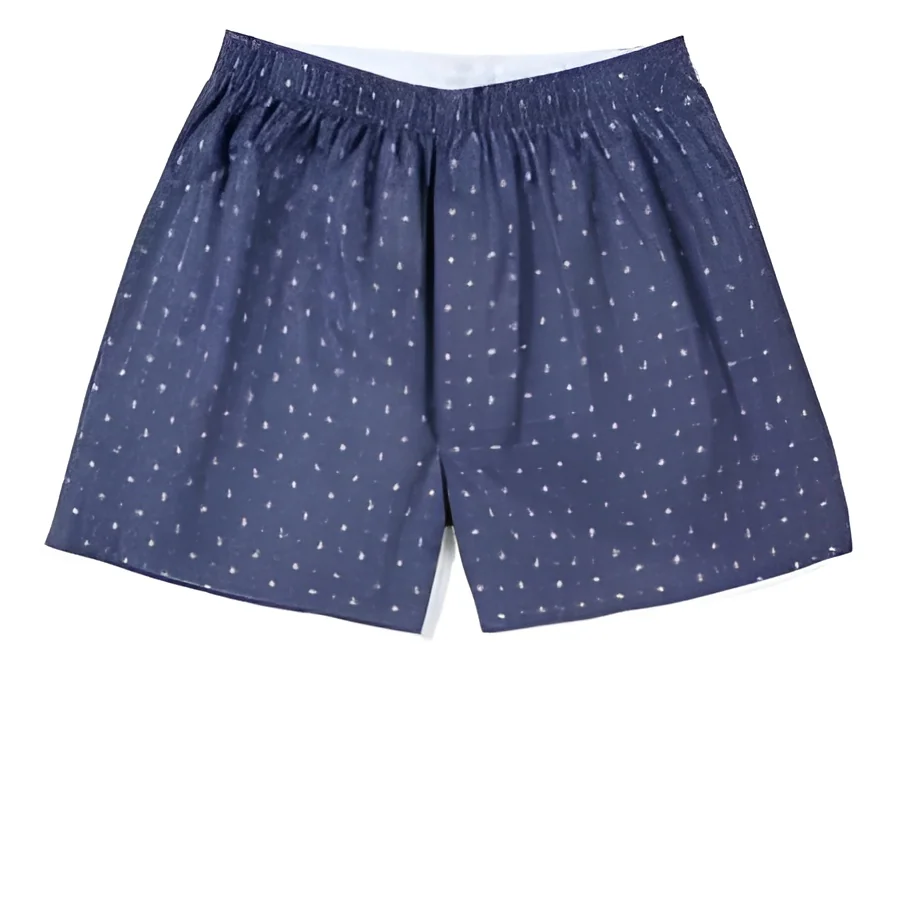
Boxers: Offering a looser fit, boxers are popular among those seeking freedom of movement. They come in various fabrics and patterns, making them a versatile choice for casual wear.
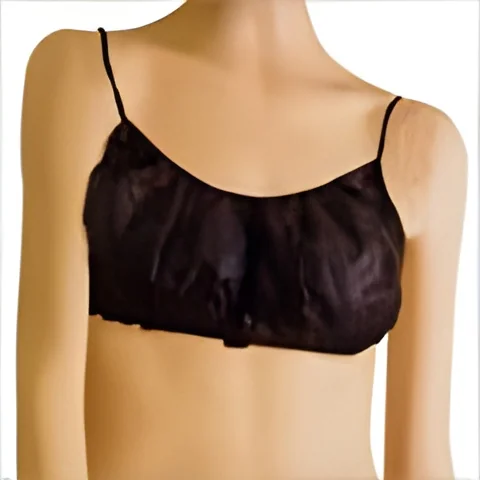
Bralettes: Designed for comfort, bralettes provide light support and are often made from soft, stretchy materials. They are suitable for casual wear and can be stylish as well as functional.
Performance Underwear: This variant is engineered for athletes, featuring moisture-wicking and breathable fabrics to enhance performance during physical activity. They are designed to minimize chafing and provide support.
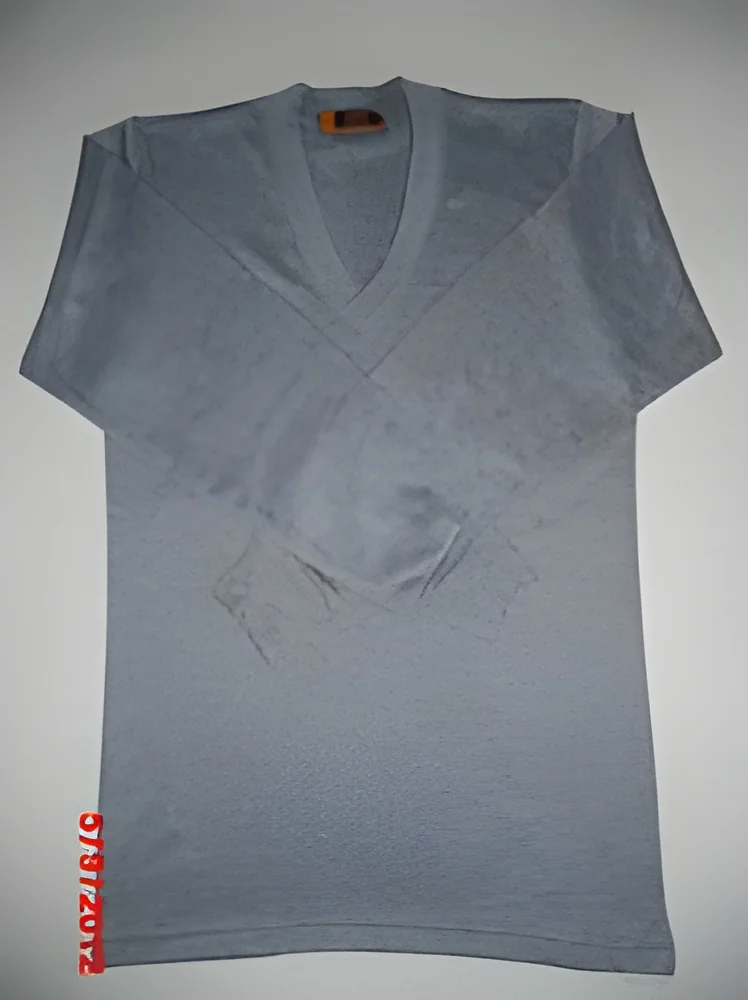
Thermal Underwear: Ideal for colder climates, thermal underwear provides warmth while maintaining comfort. They are typically made from insulating materials that trap body heat.
𝗕𝗲𝗻𝗲𝗳𝗶𝘁𝘀 𝗮𝗻𝗱 𝗔𝗱𝘃𝗮𝗻𝘁𝗮𝗴𝗲𝘀
Innerwear offers several key benefits that enhance comfort and functionality for users.
1. Comfort: The primary advantage is the comfort provided by high-quality fabrics that feel soft against the skin.
2. Support: Properly designed innerwear offers support for various body types, contributing to overall well-being.
3. Moisture Management: Many innerwear products feature moisture-wicking technology, helping to keep the wearer dry and comfortable throughout the day.
4. Versatility: Innerwear comes in a variety of styles and sizes, catering to different preferences and occasions.
5. Enhanced Appearance: Quality innerwear contributes to a polished look, enhancing the overall presentation of employees in professional settings.
6. Improved Hygiene: Innerwear made from breathable fabrics promotes hygiene and comfort, especially in demanding work environments.
𝗕𝘂𝘆𝗶𝗻𝗴 𝗚𝘂𝗶𝗱𝗲 𝗳𝗼𝗿 𝗕𝟮𝗕 𝗕𝘂𝘆𝗲𝗿𝘀
When sourcing innerwear, businesses should consider several critical factors to ensure they choose the right products.
1. Quality Assessment: Evaluate the fabric quality and construction of the innerwear. Look for certifications that indicate adherence to quality standards.
2. Supplier Verification: Conduct thorough research on potential suppliers to ensure they have a reliable reputation and meet industry standards.
3. Pricing and MOQ: Understand the pricing structure and minimum order quantities to make informed purchasing decisions that align with budget constraints.
4. Delivery and Lead Times: Consider logistics and supply chain capabilities to ensure timely delivery of products, which is crucial for maintaining inventory levels.
5. Compliance Requirements: Be aware of any industry regulations that apply to innerwear, ensuring that purchased products meet all necessary compliance standards.
𝗖𝗼𝗺𝗽𝗹𝗶𝗮𝗻𝗰𝗲 𝗮𝗻𝗱 𝗖𝗲𝗿𝘁𝗶𝗳𝗶𝗰𝗮𝘁𝗶𝗼𝗻𝘀
Compliance and certifications play a crucial role in the innerwear industry. Relevant quality standards such as ISO 9001 ensure that manufacturing processes meet international quality management principles. This certification helps manufacturers maintain consistency and reliability in their products.
Additionally, industry certifications like CE indicate that products meet European health, safety, and environmental protection standards. Compliance with these certifications is essential for businesses operating in regulated environments.
Safety and testing requirements often include rigorous testing for fabric durability, breathability, and comfort. It is important for manufacturers to adhere to these standards to ensure consumer safety.
Finally, regional compliance considerations may vary based on local regulations. Companies should be aware of the specific requirements in their geographic areas to ensure compliance and avoid potential legal issues.
𝗪𝗵𝘆 𝗦𝗼𝘂𝗿𝗰𝗲 𝗜𝗻𝗻𝗲𝗿𝘄𝗲𝗮𝗿 / 𝗨𝗻𝗱𝗲𝗿𝗴𝗮𝗿𝗺𝗲𝗻𝘁𝘀 𝗳𝗿𝗼𝗺 𝗣𝗲𝗽𝗮𝗴𝗼𝗿𝗮?
Pepagora provides a trusted platform for sourcing innerwear with numerous advantages for B2B buyers.
Verified Supplier Network: Pepagora offers access to a network of verified suppliers, ensuring that buyers can find reliable partners for their innerwear needs. The verification process adds a layer of security, helping businesses make informed choices.
Streamlined RFQ Process: The platform features a streamlined Request for Quotation (RFQ) process that simplifies obtaining quotes from different suppliers. This efficiency allows buyers to compare prices and specifications easily.
Trade Assurance and Support: Buyers benefit from trade assurance programs that protect their purchases. Pepagora offers support throughout the buying process, ensuring that any concerns are addressed promptly.
Regional Coverage: With a broad geographic reach, Pepagora connects buyers with suppliers across India, the GCC, and Southeast Asia. This extensive network allows businesses to find suitable innerwear products tailored to their regional markets.

 IN
IN