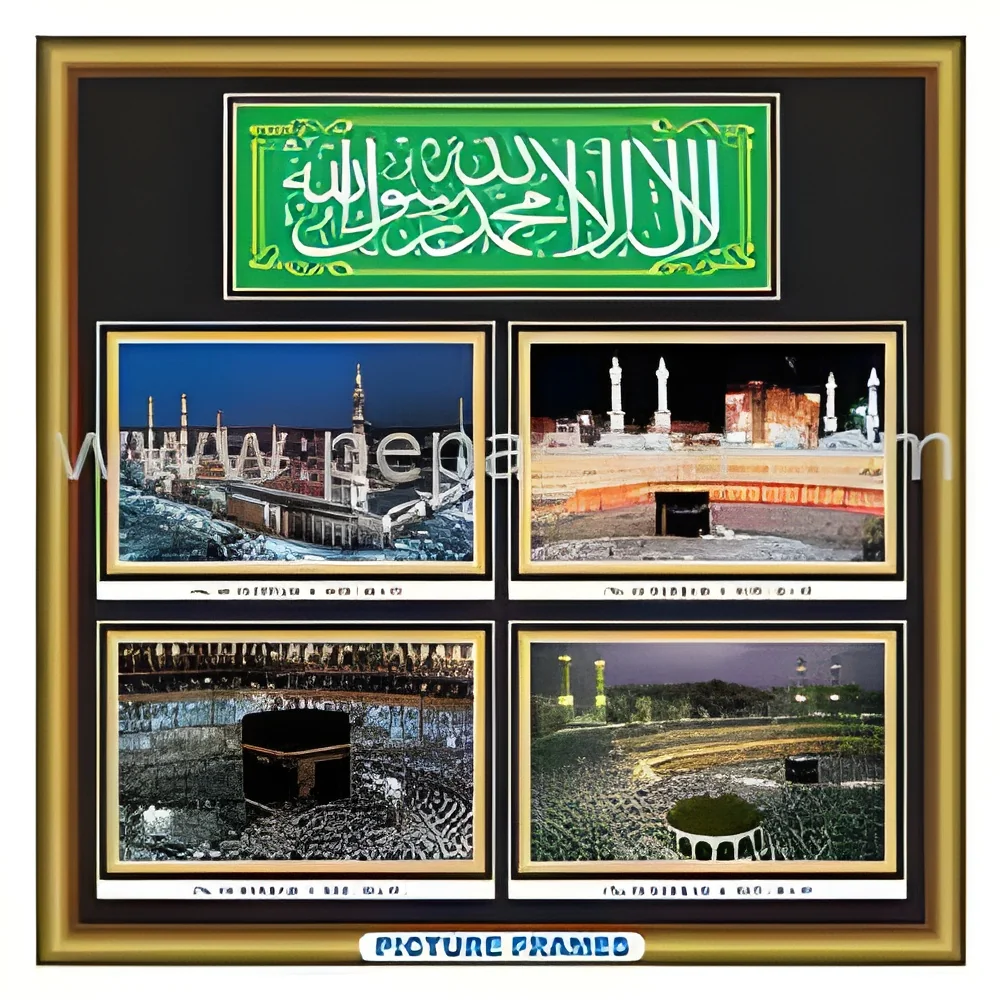
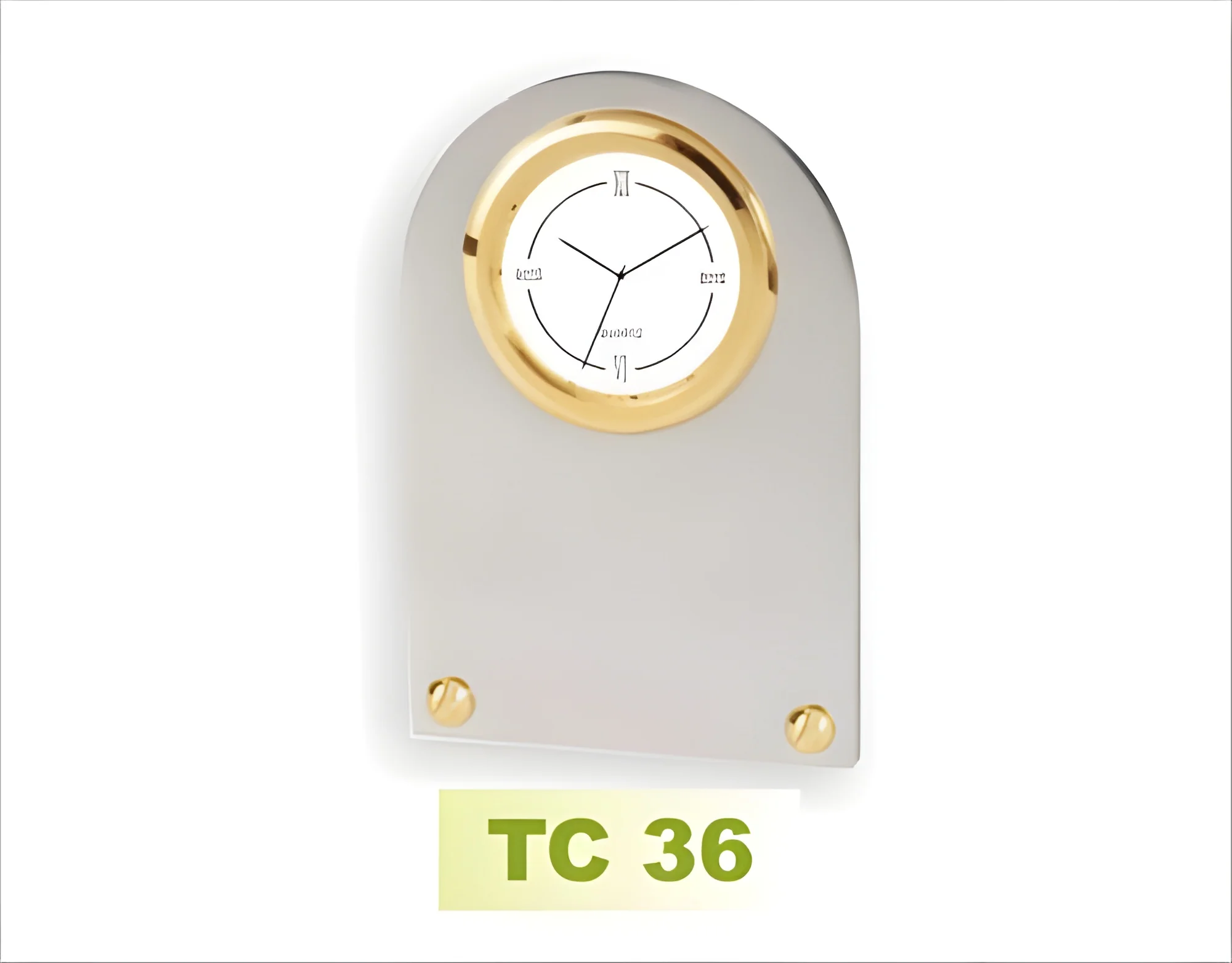
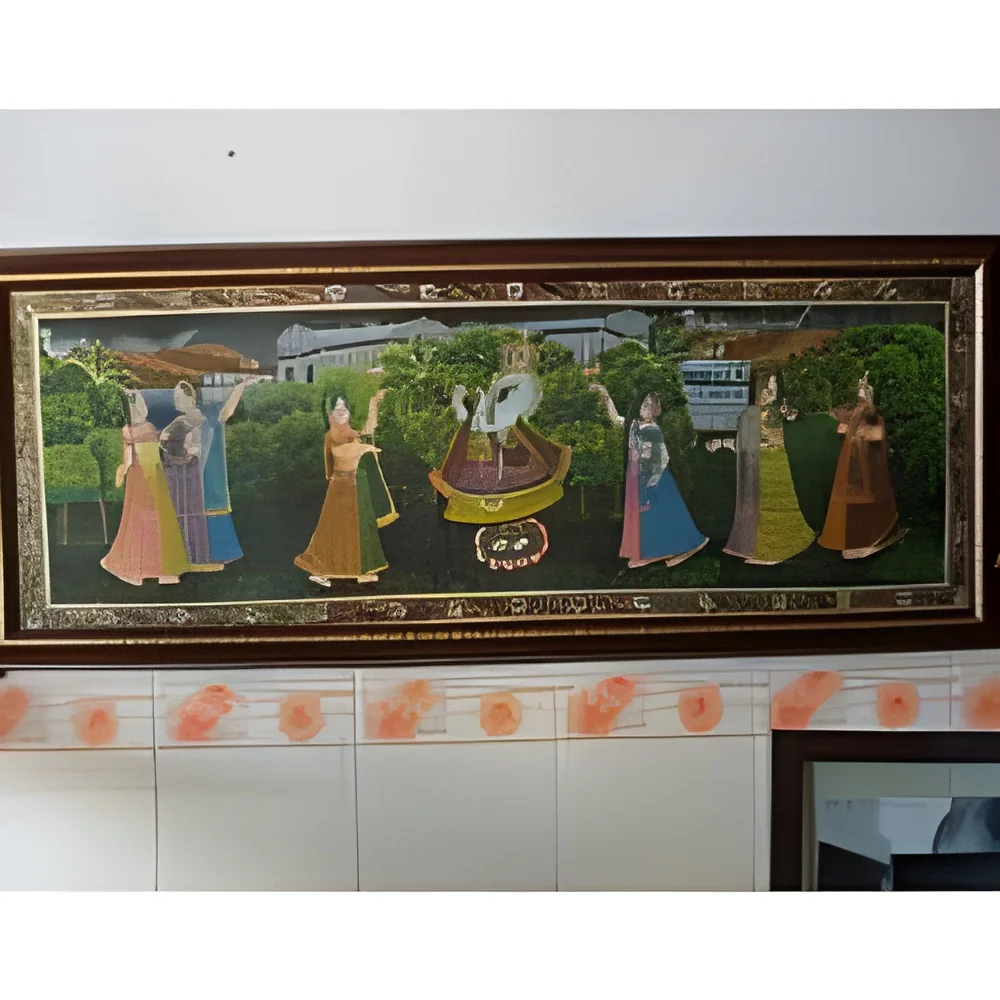
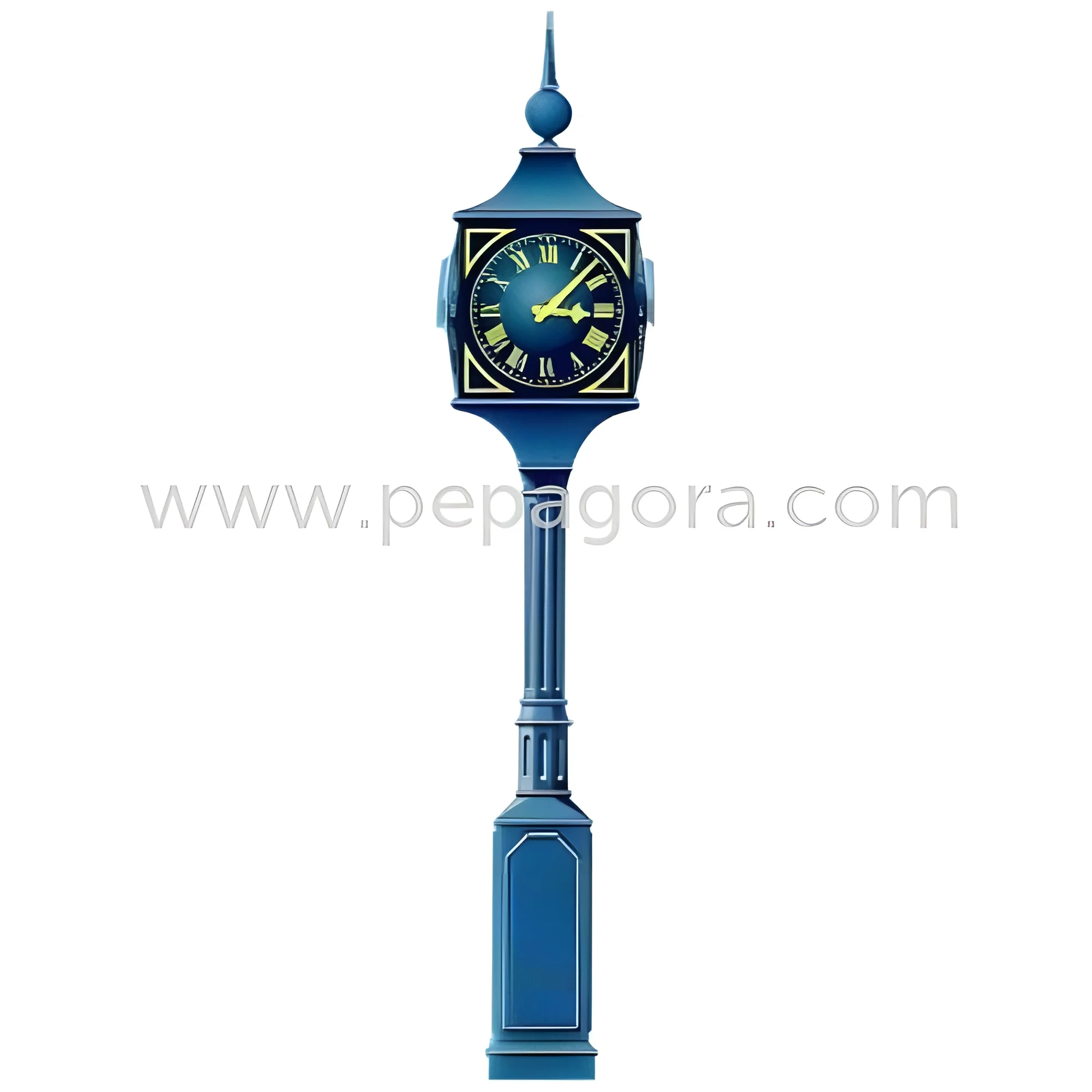
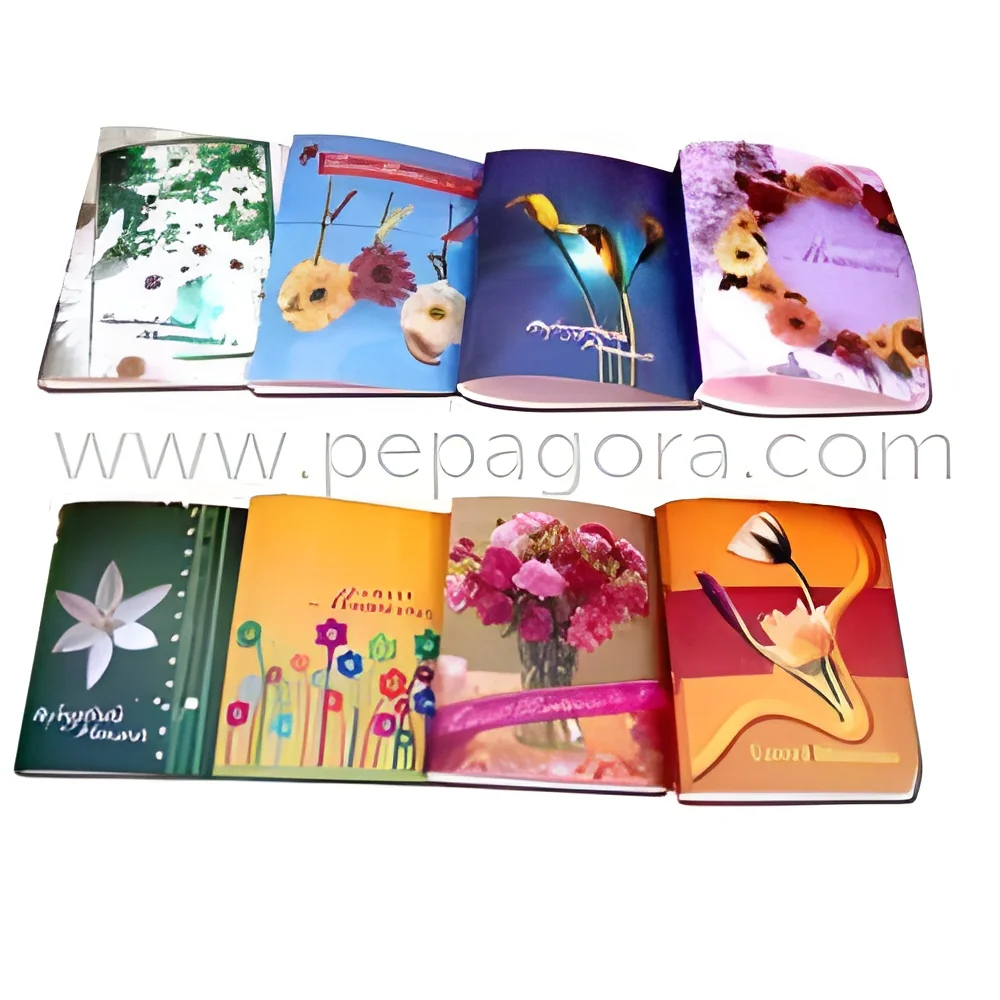
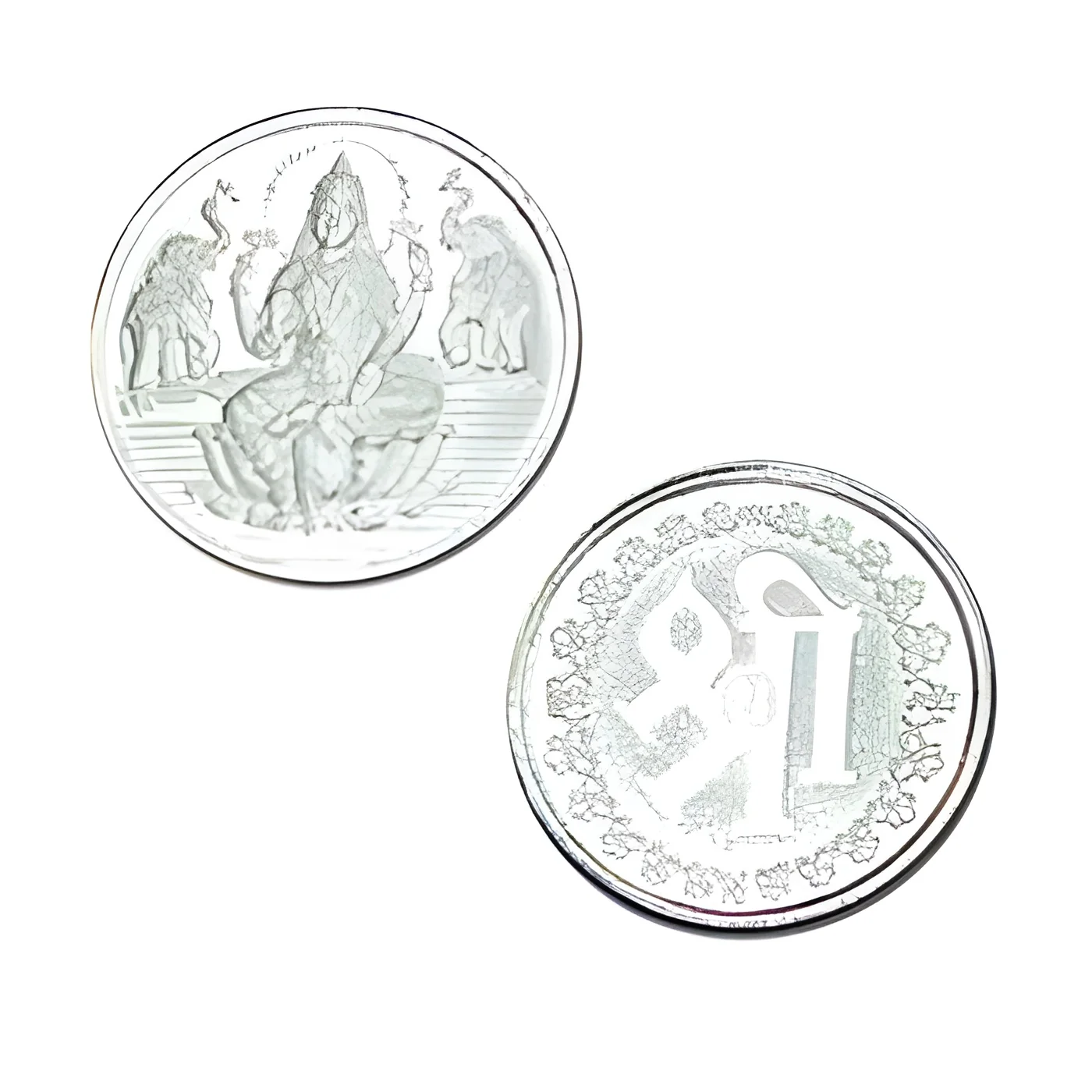
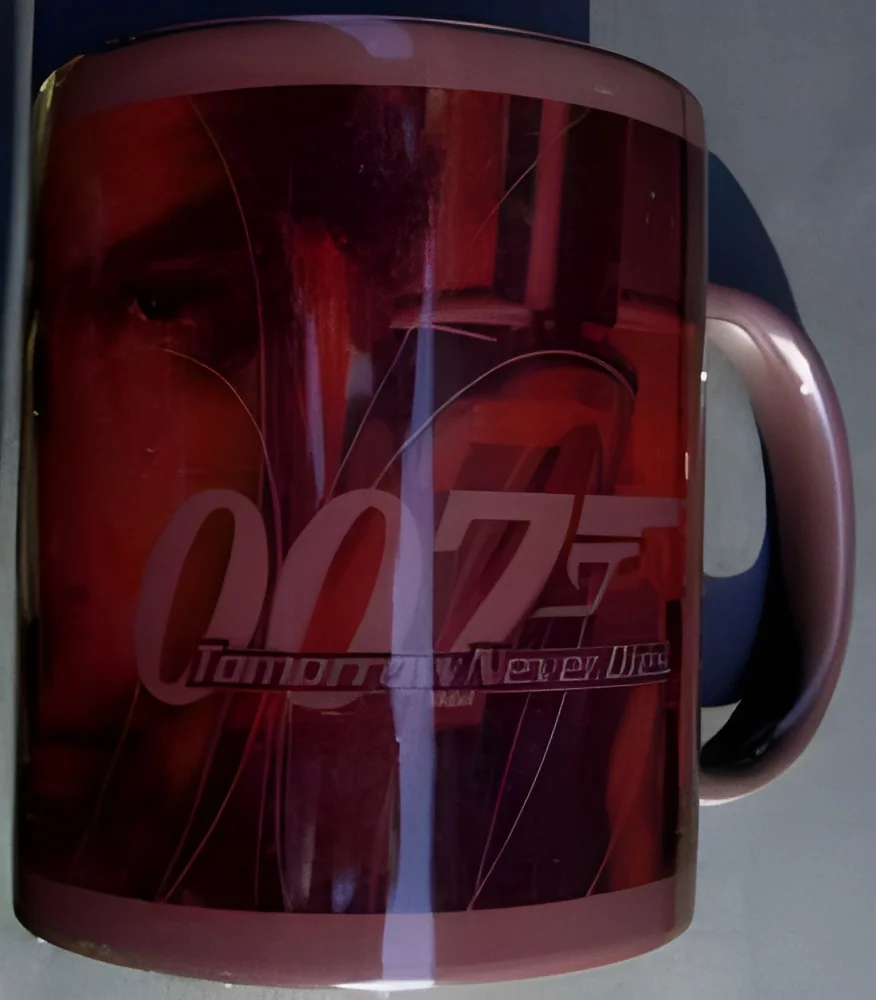
𝗪𝗵𝗮𝘁 𝗮𝗿𝗲 𝗙𝗮𝗻 𝗠𝗲𝗿𝗰𝗵𝗮𝗻𝗱𝗶𝘀𝗲 & 𝗖𝗼𝗹𝗹𝗲𝗰𝘁𝗶𝗯𝗹𝗲𝘀?
Fan merchandise and collectibles encompass a wide range of products that appeal to fans of sports teams, entertainment franchises, and cultural phenomena. These products often include items like apparel, accessories, figurines, and memorabilia that highlight specific brands or franchises. They serve as a means for fans to express their loyalty and enthusiasm, making them integral to fan culture and community.
Businesses use fan merchandise and collectibles to enhance branding and customer engagement. They are often utilized in promotional campaigns, events, and partnerships to boost visibility and foster community among fans. Collectibles in particular can have significant value, making them appealing to both consumers and businesses looking to tap into nostalgia and fandom for profit. The market for these products is robust, driven by fan loyalty and the increasing demand for unique and limited-edition items.
In the current market context, fan merchandise and collectibles represent a significant revenue stream for various industries, including sports, entertainment, and gaming. As consumer preferences evolve, companies must stay ahead by offering innovative products that resonate with fans’ interests and passions.
𝗞𝗲𝘆 𝗙𝗲𝗮𝘁𝘂𝗿𝗲𝘀 𝗮𝗻𝗱 𝗦𝗽𝗲𝗰𝗶𝗳𝗶𝗰𝗮𝘁𝗶𝗼𝗻𝘀
Fan merchandise and collectibles come with a variety of features that cater to different consumer needs. Quality and detail are paramount, as fans expect products that reflect their enthusiasm for specific brands or franchises.
Key specifications include:
1. Material Quality
- High-quality materials ensure durability and aesthetic appeal.
- Common materials include cotton, polyester, and high-grade plastics.
2. Design Authenticity
- Designs must reflect official branding and logos to maintain collector value.
- Licensing agreements often dictate design parameters.
3. Size Range
- Products should cater to various sizes, especially in apparel.
- Typically available in standard sizes from small to XXL.
4. Limited Editions
- Items may be produced in limited quantities to enhance collectible status.
- Certificates of authenticity can accompany limited-edition items.
5. Packaging
- Eye-catching and branded packaging can increase product value.
- Eco-friendly packaging options are becoming more popular.
6. Customization Options
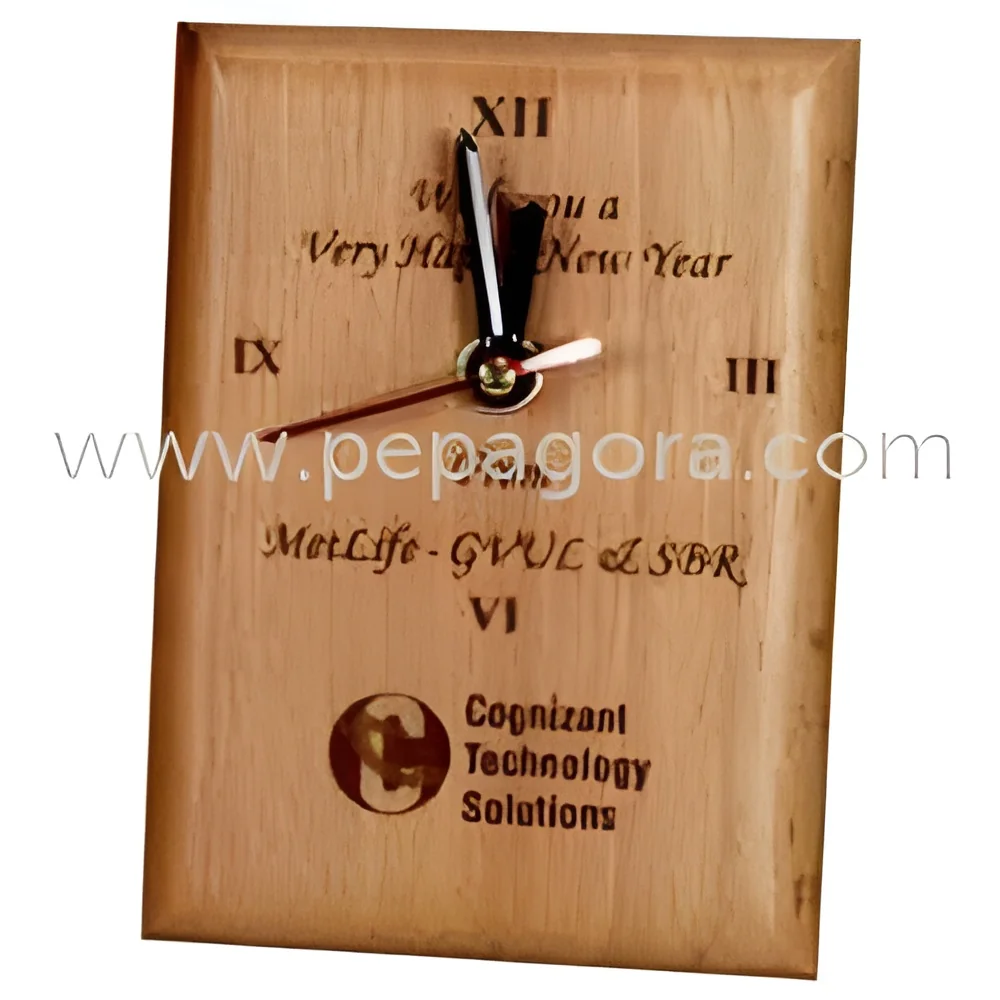
- Many products offer personalization for fans.
- Customization can include names, numbers, or unique designs.
7. Retail Pricing
- Pricing varies based on item type, material, and exclusivity.
- Typical price ranges can vary widely from budget-friendly to premium.
8. Compliance Standards
- Products may need to adhere to specific safety and quality standards.
- Compliance with regulations such as CE certification is essential.
In summary, understanding these specifications is crucial for businesses looking to invest in fan merchandise and collectibles. High-quality, authentic, and well-packaged items are key to capturing consumer interest and driving sales.
𝗖𝗼𝗺𝗺𝗼𝗻 𝗔𝗽𝗽𝗹𝗶𝗰𝗮𝘁𝗶𝗼𝗻𝘀 𝗮𝗻𝗱 𝗨𝘀𝗲 𝗖𝗮𝘀𝗲𝘀
Fan merchandise and collectibles find applications across various industries, each leveraging these products to enhance customer engagement and loyalty.
1. Sports Industry: Teams and leagues use merchandise to promote their brand and foster a sense of community among fans. Items like jerseys, caps, and autographed memorabilia are popular.
2. Entertainment Industry: Movies, TV shows, and music artists utilize collectibles to connect with their audiences. Action figures, posters, and themed apparel are common offerings.
3. Gaming Industry: Video game franchises often release limited-edition collectibles and merchandise, appealing to dedicated gamers. Items can include game-themed apparel, figurines, and in-game bonuses.
4. Retail Sector: Retailers often collaborate with brands to offer exclusive merchandise, enhancing foot traffic and sales. Seasonal events and promotions frequently feature themed collectibles.
5. Event Promotion: Concerts, conventions, and fan expos frequently sell merchandise to attendees, providing a tangible connection to the experience.
6. Educational Institutions: Schools and universities utilize fan merchandise to foster school spirit. Items like branded apparel and collectibles can enhance student and alumni engagement.
7. Non-Profit Organizations: Charities and causes may sell themed merchandise to raise funds and awareness, creating a connection between supporters and the mission.
𝗣𝗿𝗼𝗱𝘂𝗰𝘁 𝗩𝗮𝗿𝗶𝗮𝗻𝘁𝘀 𝗮𝗻𝗱 𝗦𝘂𝗯𝗰𝗮𝘁𝗲𝗴𝗼𝗿𝗶𝗲𝘀
Fan merchandise and collectibles are diverse, catering to a broad spectrum of consumer interests.
Apparel
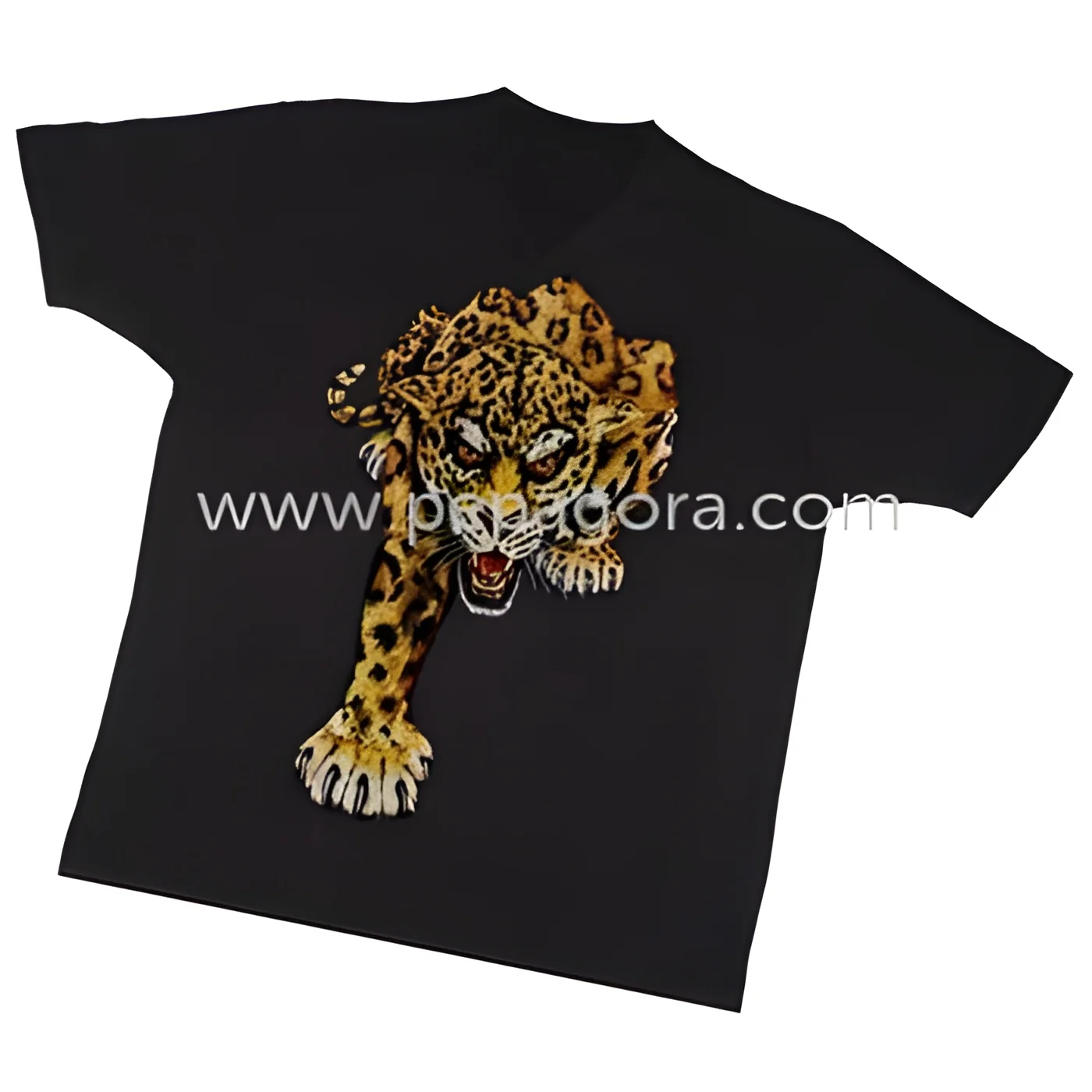
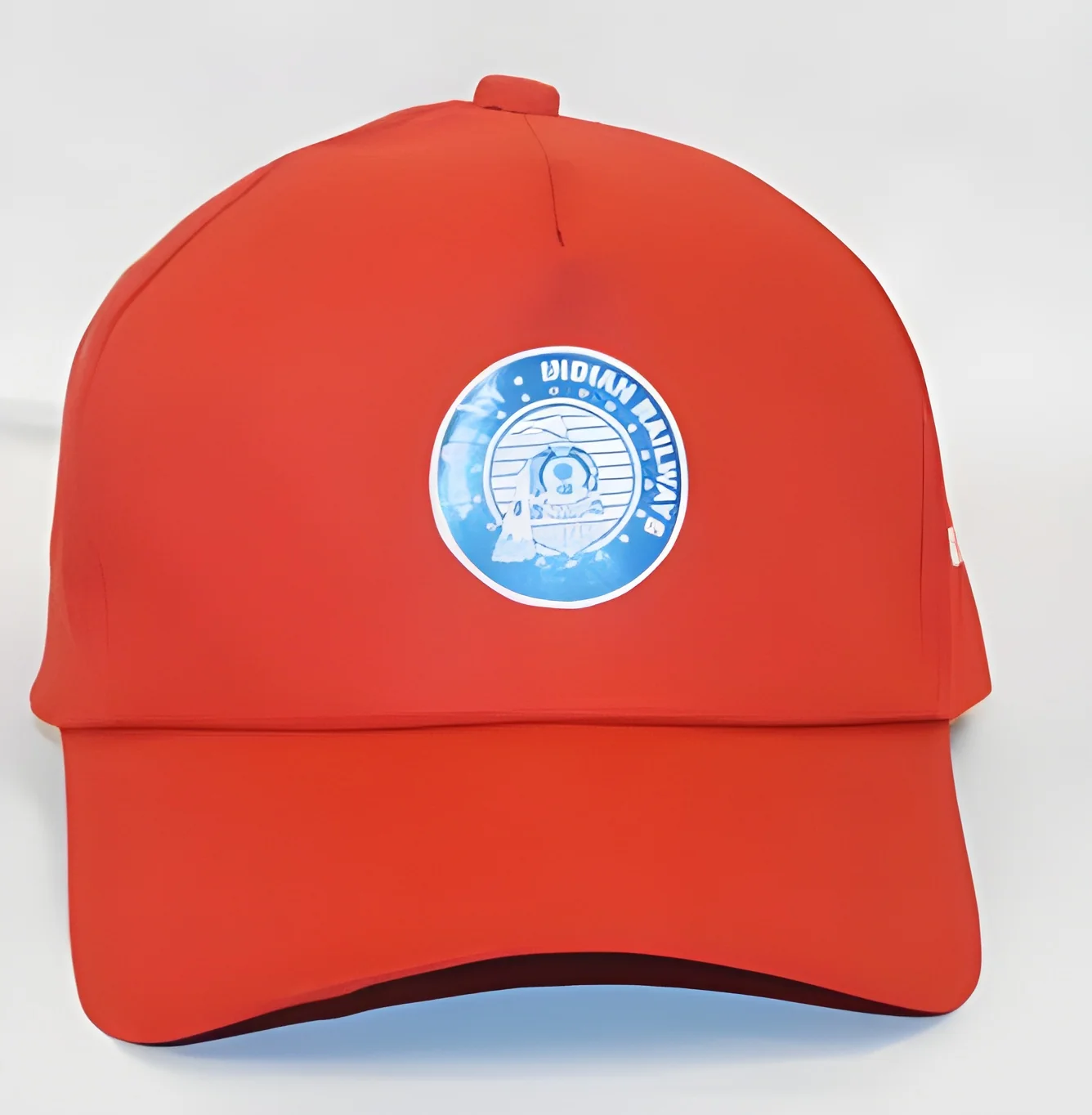
This category includes t-shirts, jerseys, hoodies, and hats that showcase team logos or iconic images from franchises. Apparel is often designed for comfort and style, appealing to everyday wear.
Figurines and Statues
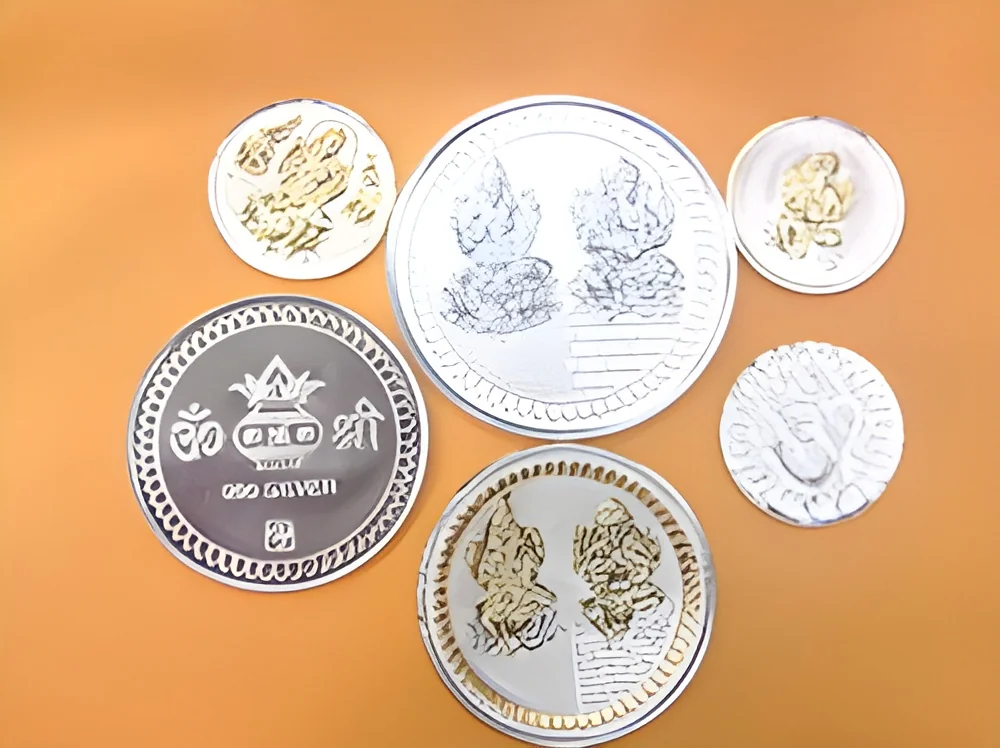
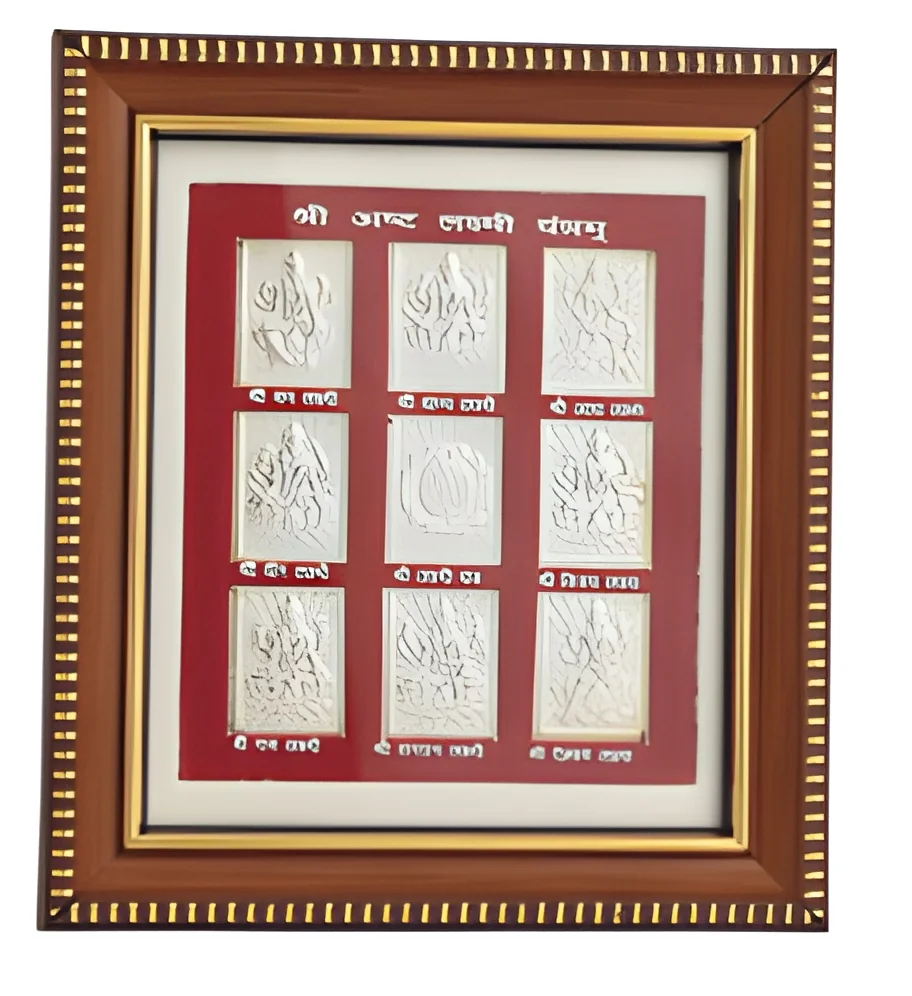
Collectible figurines and statues represent characters from sports, movies, or games. These items are often detailed and made of high-quality materials, appealing to collectors.
Posters and Art Prints
These decorative items feature iconic images or artwork related to a franchise. Posters and art prints are popular among fans looking to personalize their spaces.
Accessories
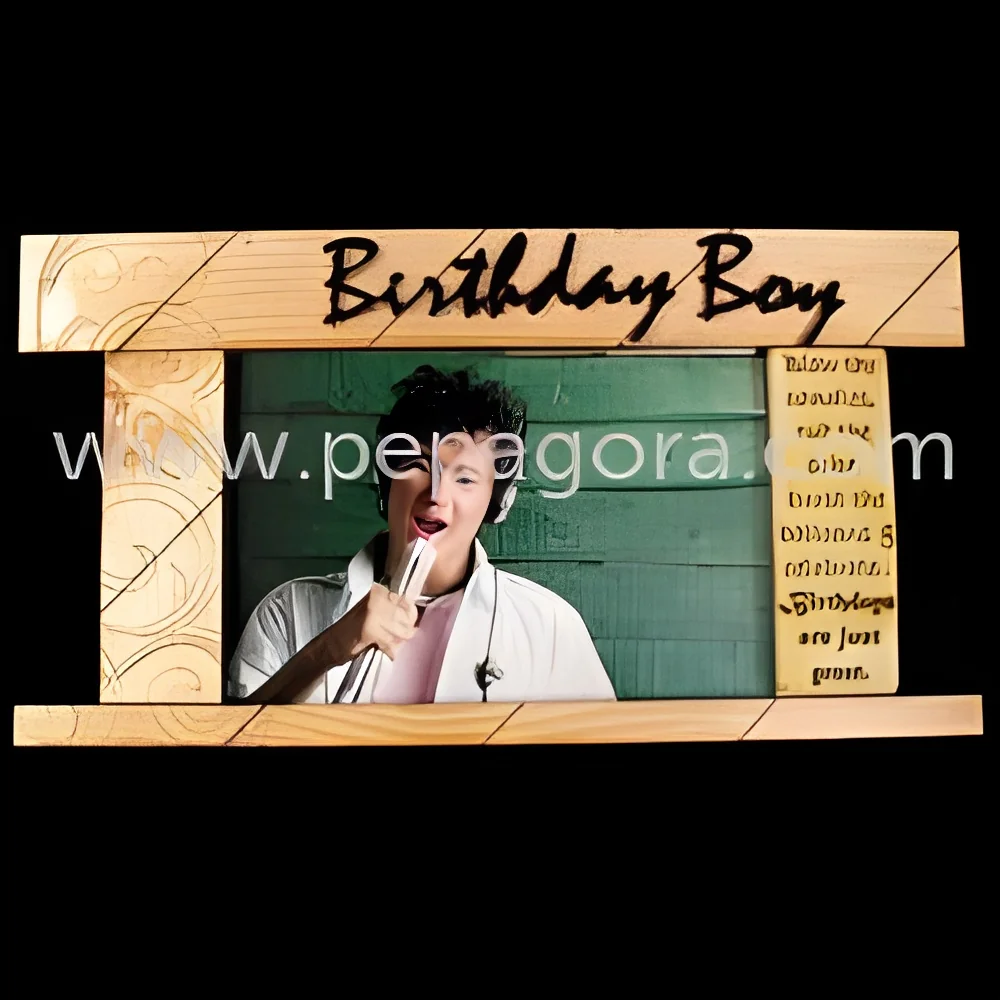
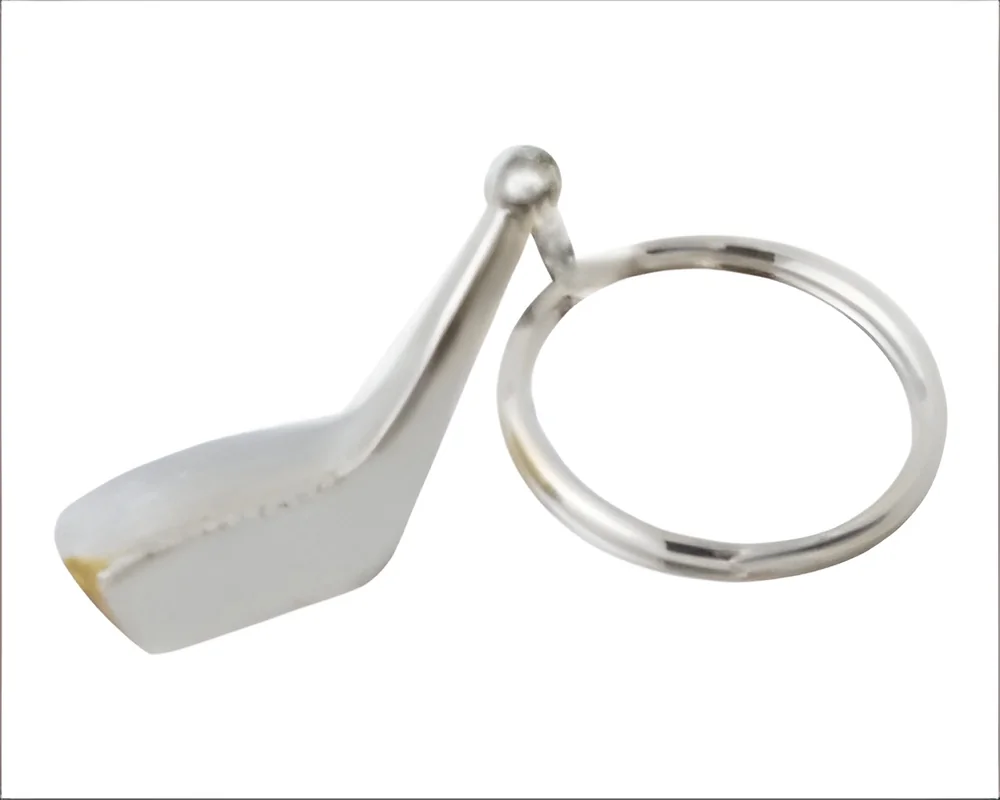
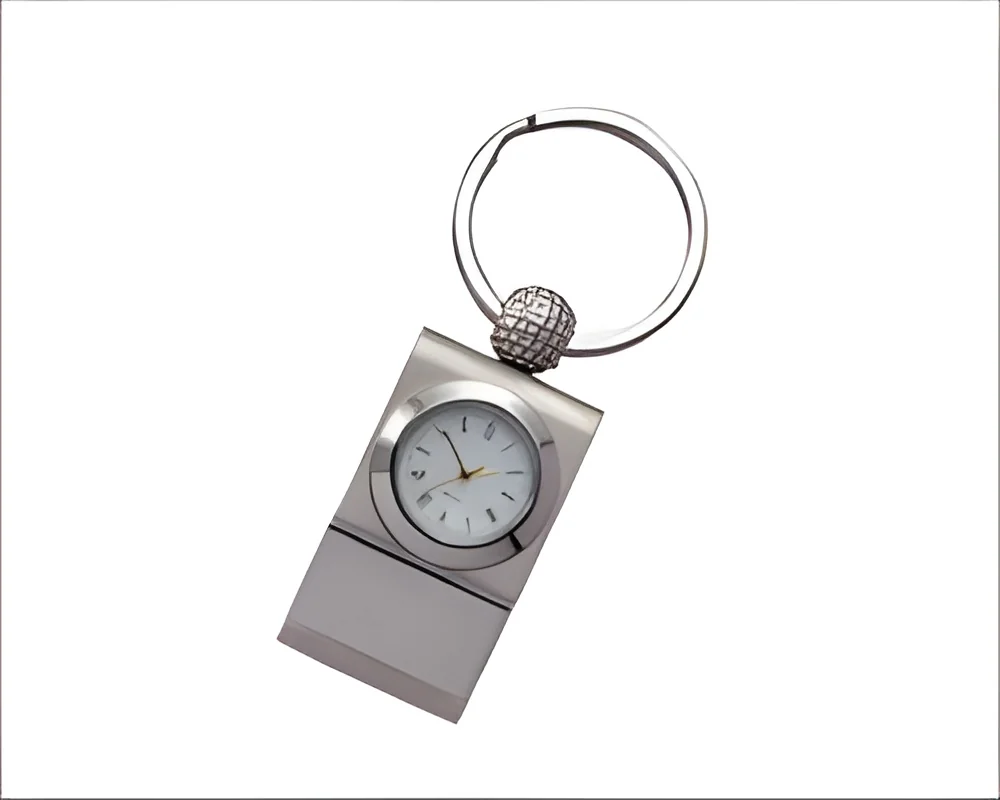
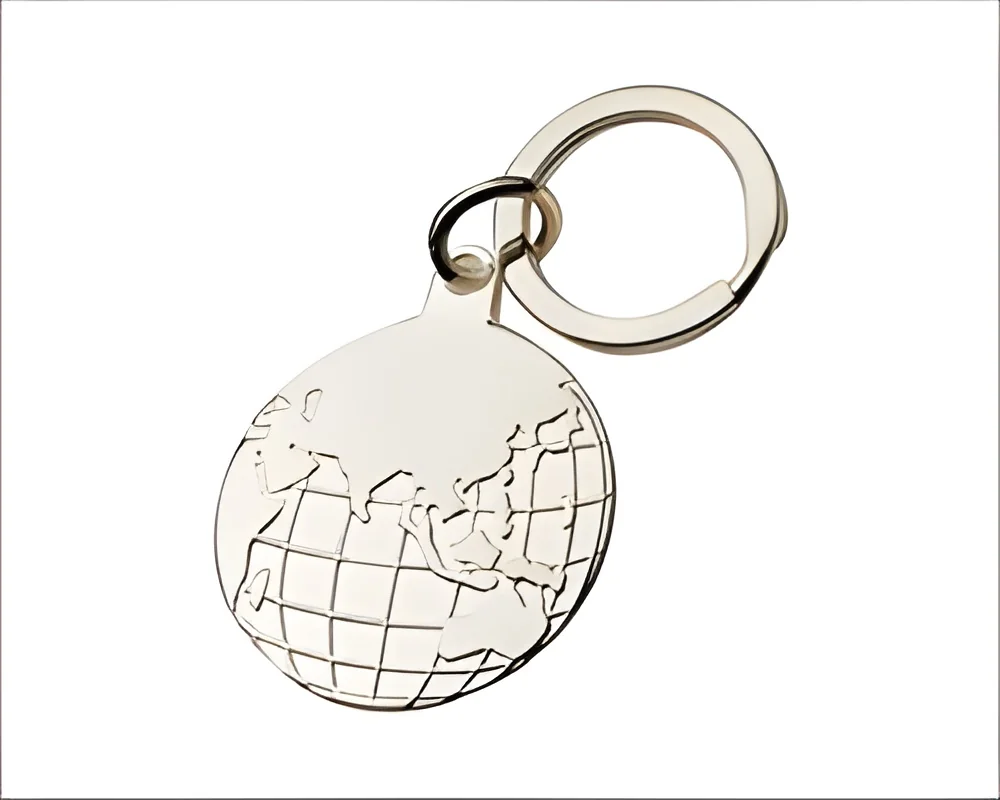
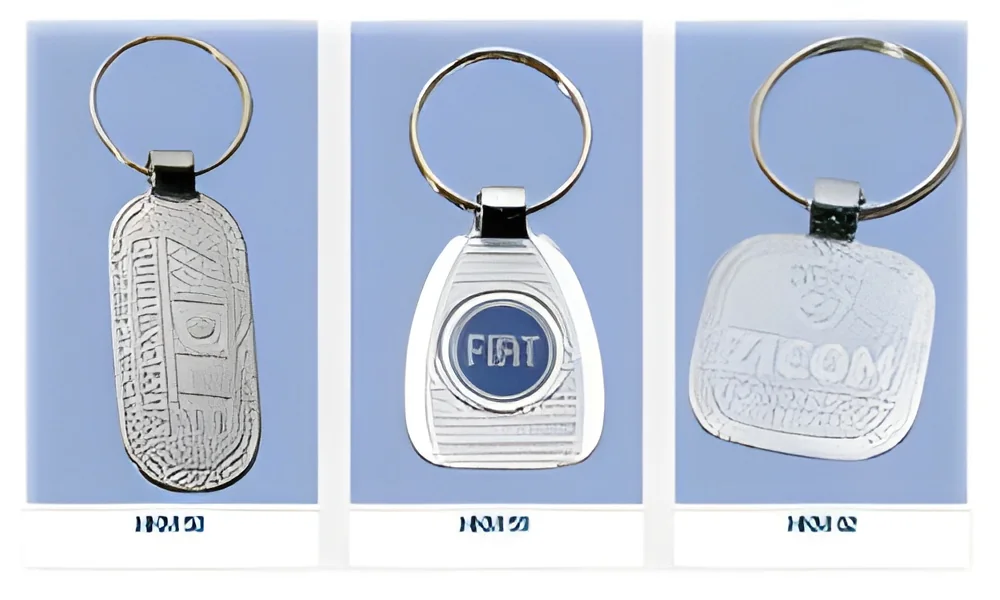
This variant includes items like keychains, pins, and bags that showcase fandom in a subtle way. Accessories are often affordable and make great gifts.
Collectible Cards
Trading cards featuring players, characters, or scenes from franchises are popular in various markets. Collectible cards can appreciate in value over time, attracting dedicated collectors.
𝗕𝗲𝗻𝗲𝗳𝗶𝘁𝘀 𝗮𝗻𝗱 𝗔𝗱𝘃𝗮𝗻𝘁𝗮𝗴𝗲𝘀
Investing in fan merchandise and collectibles offers several advantages for businesses and consumers alike.
1. Brand Loyalty: High-quality merchandise fosters brand loyalty and encourages repeat purchases among fans.
2. Revenue Generation: Collectibles can provide significant profit margins, especially limited editions that may appreciate in value.
3. Customer Engagement: Merchandise allows brands to engage with their audience, building a community around shared interests.
4. Marketing Opportunities: Themed merchandise can serve as effective marketing tools during events, promotions, and collaborations.
5. Emotional Connection: Collectibles often evoke nostalgia and emotional responses, strengthening the bond between the fan and the brand.
6. Customization Potential: Offering personalization options enhances product appeal and encourages unique purchases.
𝗕𝘂𝘆𝗶𝗻𝗴 𝗚𝘂𝗶𝗱𝗲 𝗳𝗼𝗿 𝗕𝟮𝗕 𝗕𝘂𝘆𝗲𝗿𝘀
When sourcing fan merchandise and collectibles, businesses should consider several key factors to ensure they are making informed decisions.
1. Quality Assessment: Evaluate the quality of materials and craftsmanship. High-quality products will reflect well on your brand and satisfy customer expectations.
2. Supplier Verification: Research and vet suppliers to ensure they have a track record of reliability and adherence to industry standards. Look for reviews and testimonials from other businesses.
3. Pricing and MOQ: Understand the pricing structure and minimum order quantities (MOQ) that suppliers offer. This will help in budgeting and inventory management.
4. Delivery and Lead Times: Inquire about logistical capabilities, including shipping options and lead times. Timely delivery is crucial for promotional events and launches.
5. Compliance Requirements: Ensure that products meet necessary safety and quality standards. Compliance with regulations can prevent legal issues and enhance consumer trust.
𝗖𝗼𝗺𝗽𝗹𝗶𝗮𝗻𝗰𝗲 𝗮𝗻𝗱 𝗖𝗲𝗿𝘁𝗶𝗳𝗶𝗰𝗮𝘁𝗶𝗼𝗻𝘀
Compliance and certifications play a critical role in the fan merchandise and collectibles industry. Products often need to meet specific quality standards to ensure safety and reliability.
Relevant quality standards such as ISO 9001 help in maintaining consistent quality management systems. Adherence to these standards is essential for manufacturers seeking to establish credibility in the market.
Industry certifications like CE indicate that products meet European safety, health, and environmental protection standards. This certification is crucial for products sold within the European Union and must be considered during the sourcing process.
Safety and testing requirements may vary by region, but they typically include assessments for material safety and overall product durability. Businesses must ensure that their products comply with local regulations to avoid penalties.
Regional compliance considerations also vary significantly. Different markets may have distinct requirements, so understanding these is essential for successful distribution.
𝗪𝗵𝘆 𝗦𝗼𝘂𝗿𝗰𝗲 𝗙𝗮𝗻 𝗠𝗲𝗿𝗰𝗵𝗮𝗻𝗱𝗶𝘀𝗲 & 𝗖𝗼𝗹𝗹𝗲𝗰𝘁𝗶𝗯𝗹𝗲𝘀 𝗳𝗿𝗼𝗺 𝗣𝗲𝗽𝗮𝗴𝗼𝗿𝗮?
Pepagora provides a trusted platform for sourcing fan merchandise and collectibles, offering several key advantages that benefit B2B buyers.
Verified Supplier Network: Pepagora ensures that all suppliers in its network undergo rigorous verification processes. This helps businesses connect with reputable manufacturers who meet quality standards.
Streamlined RFQ Process: The platform features a user-friendly Request for Quotation (RFQ) system, enabling businesses to easily obtain competitive quotes from multiple suppliers. This streamlines the sourcing process and saves time.
Trade Assurance and Support: Pepagora offers buyer protection through trade assurance programs. This gives businesses confidence in their transactions and support throughout the purchasing process.
Regional Coverage: With a strong presence in India, the GCC, and Southeast Asia, Pepagora connects businesses with suppliers across these key markets. This geographic reach ensures that buyers can access diverse product offerings and competitive pricing.
By choosing Pepagora, businesses can simplify their sourcing of fan merchandise and collectibles while ensuring quality and reliability.

 IN
IN