
 IN
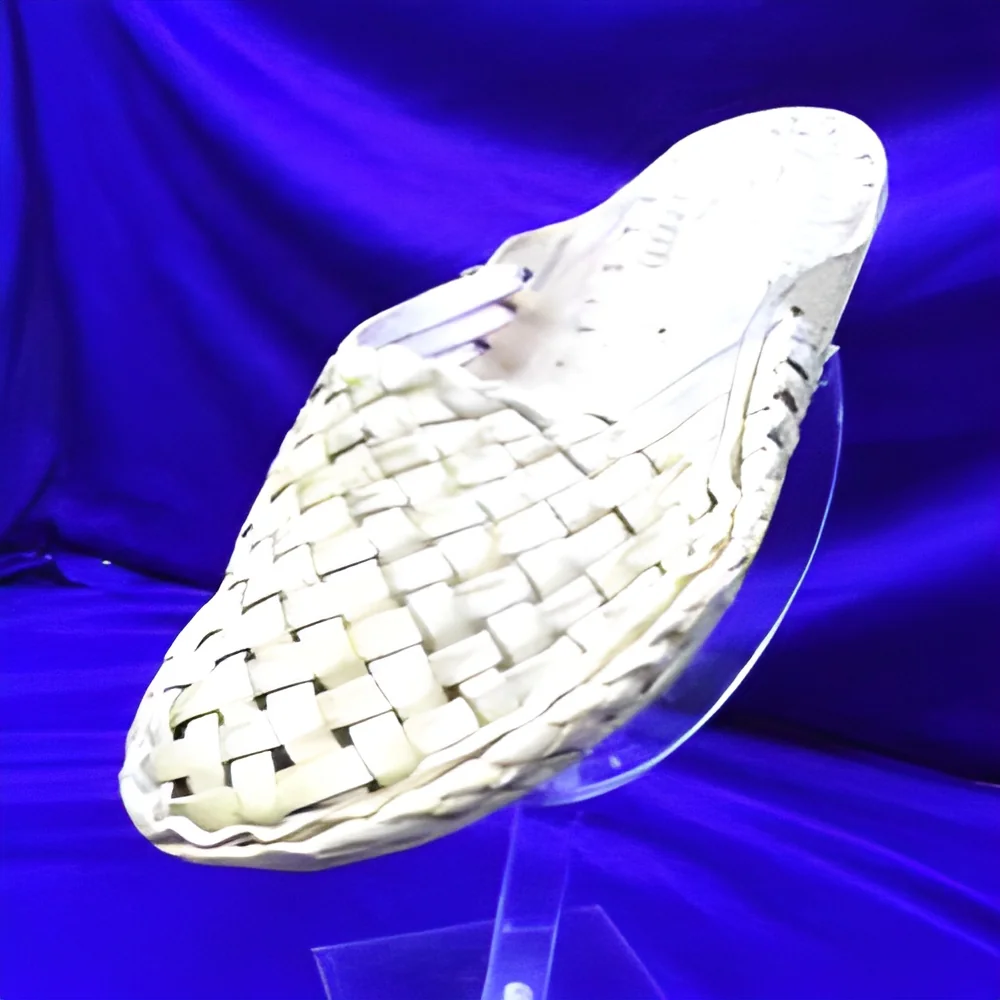
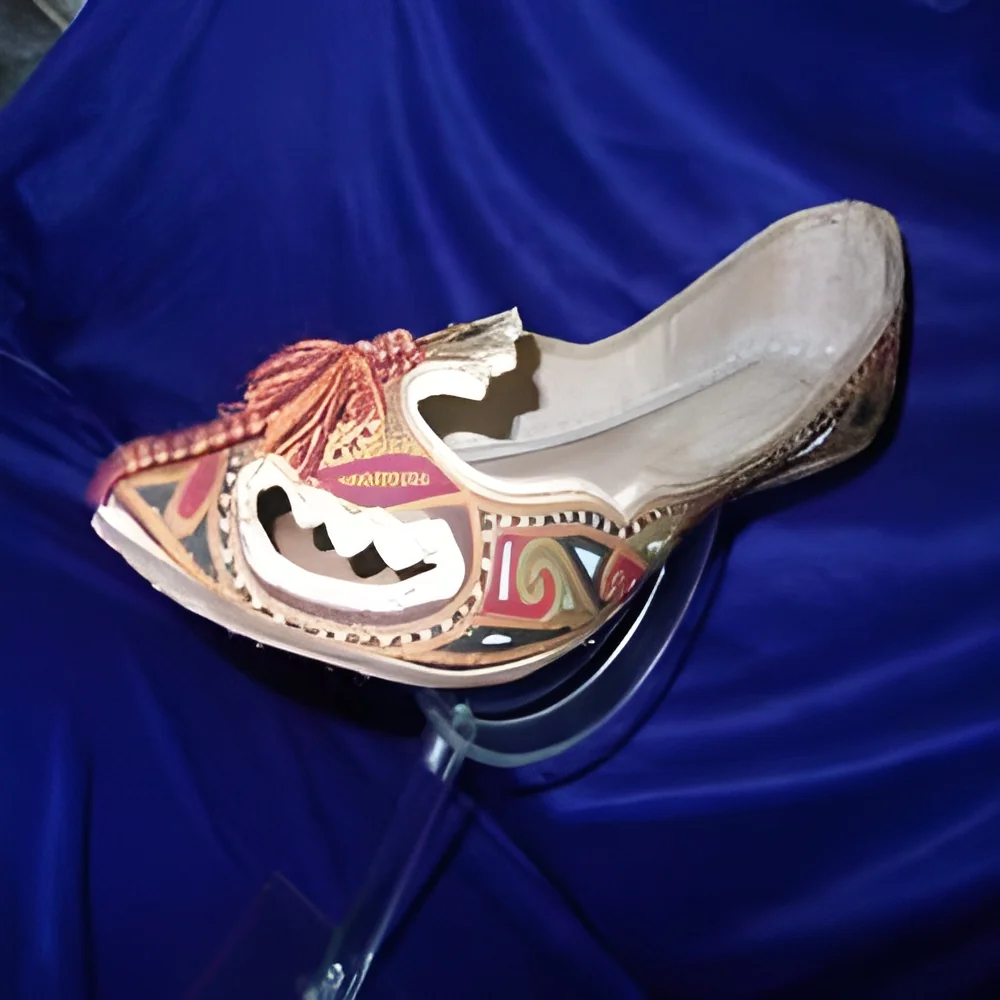
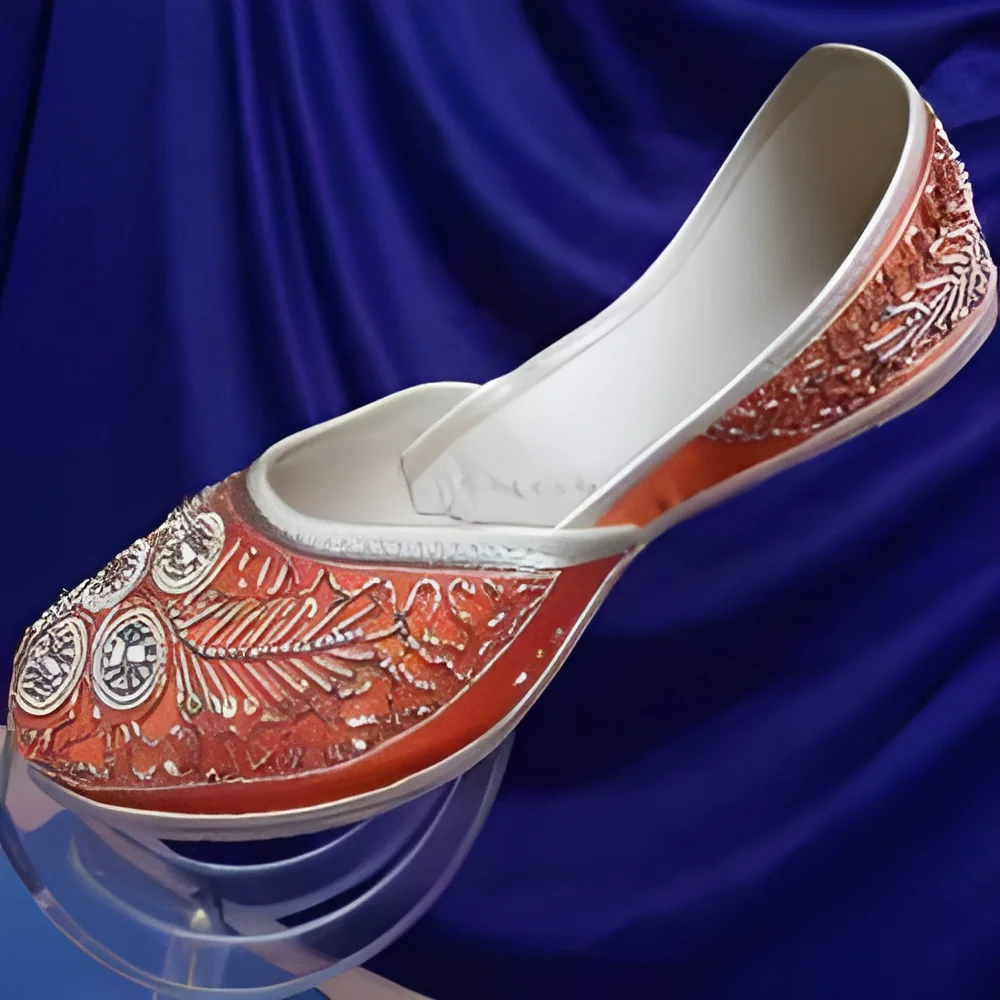
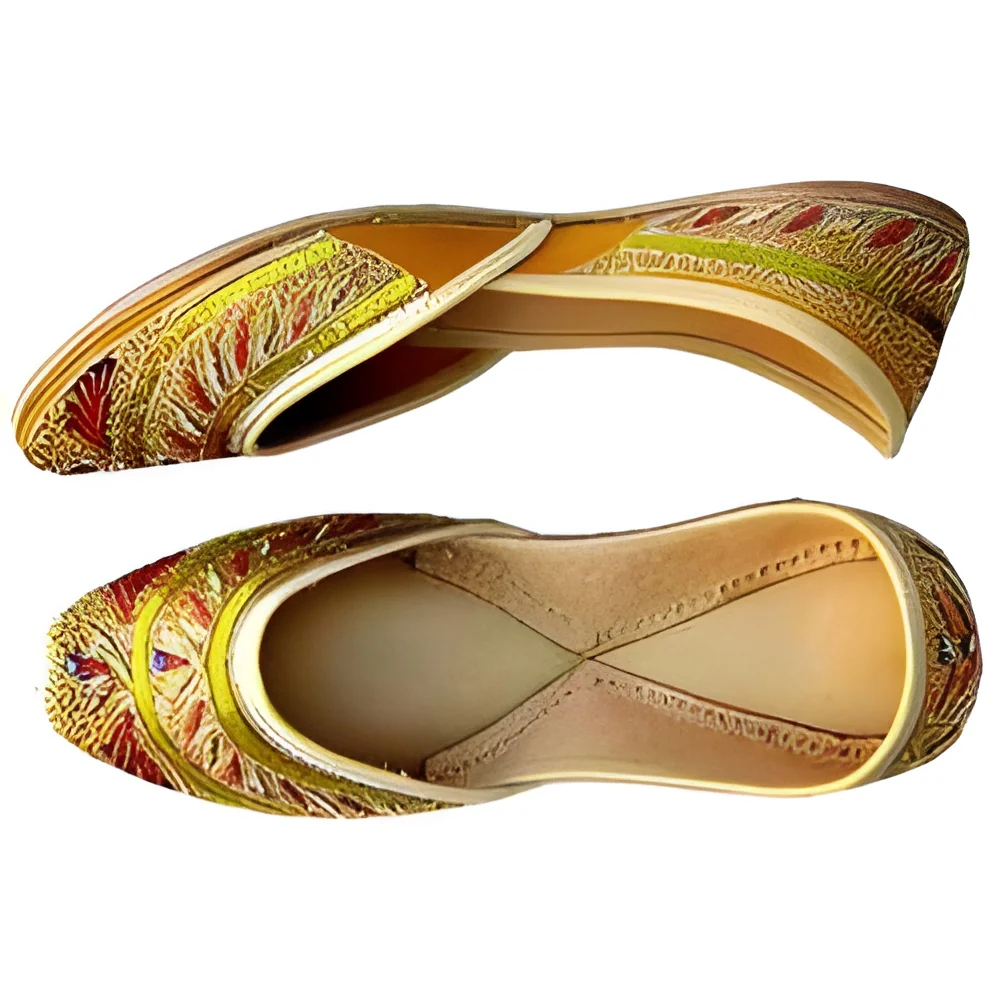
Ethnic Footwear (Mojaris, Kolhapuris)
18 products available
𝗞𝗲𝘆 𝗙𝗲𝗮𝘁𝘂𝗿𝗲𝘀 𝗮𝗻𝗱 𝗦𝗽𝗲𝗰𝗶𝗳𝗶𝗰𝗮𝘁𝗶𝗼𝗻𝘀
Ethnic footwear, including Mojaris and Kolhapuris, boasts several key features that make them desirable in the market. These specifications highlight their craftsmanship and functionality, catering to both aesthetic appeal and comfort.
Key specifications include:
1. Material Quality
- Crafted from high-quality leather or textile
- Durability and comfort are prioritized
2. Design Elements
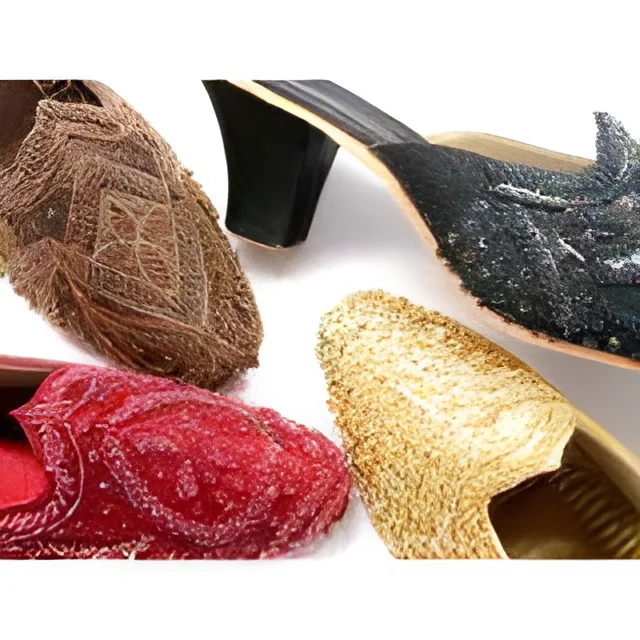
- Elaborate embroidery and embellishments on Mojaris
- Simpler, more functional designs for Kolhapuris
3. Sizing Options
- Available in various sizes to accommodate different foot types
- Custom sizing may be available upon request
4. Sole Type
- Flat soles for Kolhapuris, providing ease of movement
- Slightly raised soles for Mojaris, offering style without compromising comfort
5. Weight
- Lightweight construction for ease of wear
- Ideal for extended use without discomfort
6. Color Variations
- Available in a wide range of colors to match different outfits
- Custom color options may also be available
7. Craftsmanship
- Handcrafted by skilled artisans, ensuring attention to detail
- Traditional techniques used to maintain authenticity
8. Sustainability
- Use of eco-friendly materials in some collections
- Focus on sustainable production practices
These features contribute to the overall appeal of ethnic footwear, making them a sought-after choice for consumers and businesses alike.
𝗖𝗼𝗺𝗺𝗼𝗻 𝗔𝗽𝗽𝗹𝗶𝗰𝗮𝘁𝗶𝗼𝗻𝘀 𝗮𝗻𝗱 𝗨𝘀𝗲 𝗖𝗮𝘀𝗲𝘀
Ethnic footwear serves numerous industries and applications, catering to both casual and formal wear.
1. Fashion Retail: Ethnic footwear is a staple in fashion retail, particularly in stores that specialize in traditional or ethnic clothing lines.
2. Event Management: These shoes are often rented or sold for cultural events, weddings, and festivals, enhancing the overall traditional attire.
3. Export and Trade: Businesses involved in exporting ethnic products find a growing demand for these shoes in international markets.
4. E-commerce: Online platforms are increasingly featuring ethnic footwear, capitalizing on the global interest in ethnic styles.
5. Custom Footwear: Some manufacturers offer customization options for ethnic footwear, catering to unique customer preferences.
6. Cultural Organizations: Ethnic footwear is often used in performances, dance, and cultural showcases to represent traditional attire.
7. Hospitality: Hotels and resorts may provide ethnic footwear for guests seeking an authentic cultural experience during their stay.
𝗣𝗿𝗼𝗱𝘂𝗰𝘁 𝗩𝗮𝗿𝗶𝗮𝗻𝘁𝘀 𝗮𝗻𝗱 𝗦𝘂𝗯𝗰𝗮𝘁𝗲𝗴𝗼𝗿𝗶𝗲𝘀
Ethnic footwear encompasses a diverse range of styles and designs, allowing for various options to suit different preferences.
Mojaris
Mojaris are known for their ornate designs and are often embellished with intricate embroidery. These shoes are suitable for formal occasions and pair well with traditional attire, making them a popular choice for weddings and cultural events.
Kolhapuris
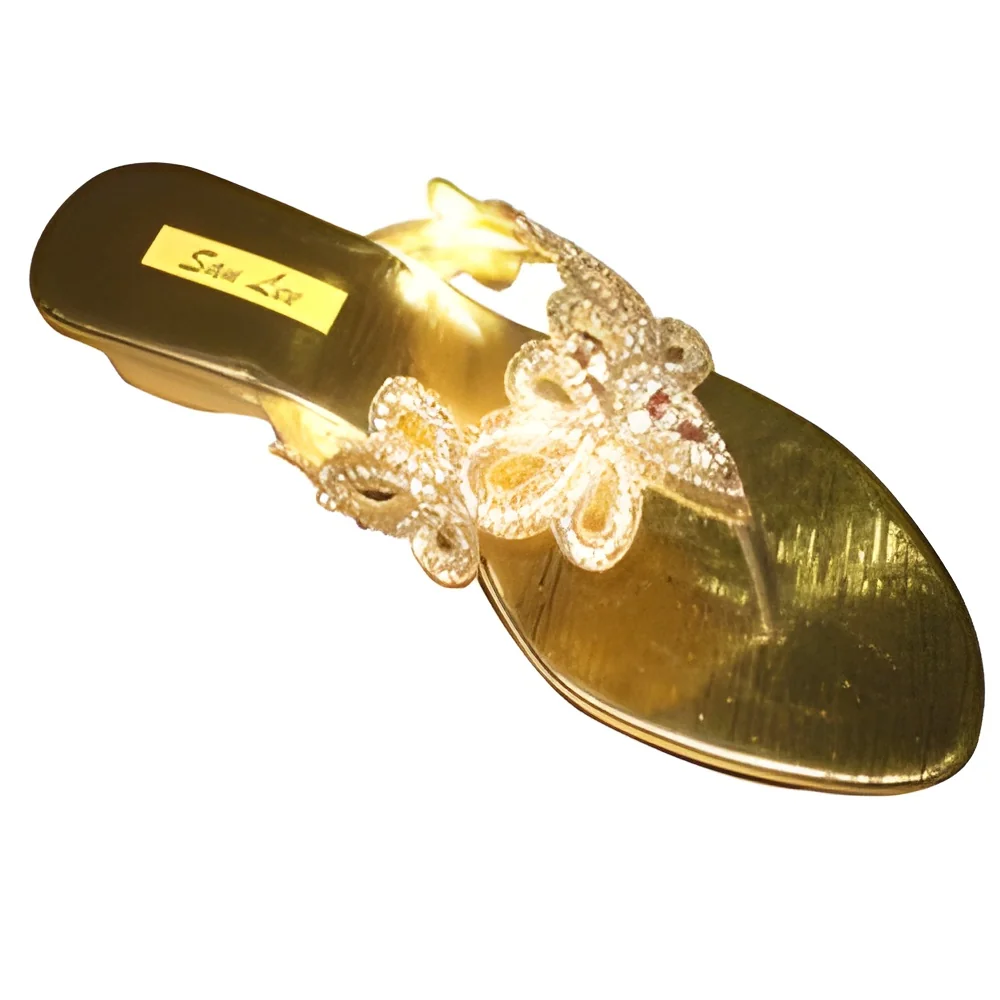
Kolhapuris are celebrated for their comfort and simplicity. Made predominantly from leather, they are ideal for casual outings and everyday wear. Their versatile nature allows them to be paired with both traditional and modern outfits.
𝗕𝗲𝗻𝗲𝗳𝗶𝘁𝘀 𝗮𝗻𝗱 𝗔𝗱𝘃𝗮𝗻𝘁𝗮𝗴𝗲𝘀
Ethnic footwear offers various benefits that appeal to both consumers and businesses.
1. Unique Aesthetic: The intricate designs and craftsmanship of ethnic footwear provide a unique aesthetic that stands out in a crowded market.
2. Cultural Connection: Wearing ethnic footwear fosters a connection to cultural heritage and traditions, appealing to consumers who value authenticity.
3. Comfort: Both Mojaris and Kolhapuris are designed for comfort, making them suitable for prolonged wear.
4. Versatile Use: These shoes can be worn with a range of outfits, from traditional to contemporary, enhancing their usability.
5. Eco-friendly Options: Many manufacturers are adopting sustainable practices, appealing to environmentally conscious consumers.
6. Support Local Artisans: Purchasing ethnic footwear often supports local artisans and small businesses, contributing to community welfare.
𝗕𝘂𝘆𝗶𝗻𝗴 𝗚𝘂𝗶𝗱𝗲 𝗳𝗼𝗿 𝗕𝟮𝗕 𝗕𝘂𝘆𝗲𝗿𝘀
When sourcing Ethnic Footwear (Mojaris, Kolhapuris), it is crucial for B2B buyers to consider several factors to ensure quality and suitability.
1. Quality Assessment: Examine the material, craftsmanship, and overall design to ensure that the footwear meets quality standards. Look for reviews or feedback from previous buyers.
2. Supplier Verification: Conduct thorough research on suppliers to ensure they are reputable. Check their history, customer feedback, and any certifications they may possess.
3. Pricing and MOQ: Understand the pricing structure and minimum order quantities (MOQ). Compare prices across different suppliers to ensure competitive pricing.
4. Delivery and Lead Times: Inquire about delivery schedules and lead times to ensure that you can meet your business demands without delays.
5. Compliance Requirements: Be aware of any regulatory requirements or compliance standards applicable to the footwear industry. Ensure that suppliers meet these standards to avoid issues.
𝗖𝗼𝗺𝗽𝗹𝗶𝗮𝗻𝗰𝗲 𝗮𝗻𝗱 𝗖𝗲𝗿𝘁𝗶𝗳𝗶𝗰𝗮𝘁𝗶𝗼𝗻𝘀
Compliance and certifications are critical aspects of the ethnic footwear industry, ensuring that products meet safety and quality standards.
Ethnic footwear must adhere to relevant quality standards such as ISO 9001, which outlines requirements for quality management systems. This ensures that products are consistently produced and meet customer expectations.
Additionally, industry certifications like CE signify that the footwear complies with European health, safety, and environmental protection legislation. This is particularly important for businesses looking to enter international markets.
Safety and testing requirements are also essential, as these ensure that the footwear is safe for consumer use. Regular testing for material quality and durability is advised to maintain compliance.
Regional compliance considerations may vary, particularly for businesses exporting products to different countries. Understanding these requirements is crucial for seamless market entry and to avoid legal complications.
Why Source Ethnic Footwear (Mojaris, Kolhapuris) from Pepagora?
Pepagora offers a reliable platform for sourcing Ethnic Footwear (Mojaris, Kolhapuris), providing several key advantages for businesses.
Verified Supplier Network: Pepagora ensures that all suppliers in its network are thoroughly vetted, providing buyers with confidence in the quality and authenticity of the products.
Streamlined RFQ Process: The platform features an efficient Request for Quotation (RFQ) process, allowing buyers to quickly receive competitive quotes from multiple suppliers, simplifying procurement.
Trade Assurance and Support: Pepagora offers trade assurance to protect buyers throughout the purchasing process, ensuring that they receive products as promised and addressing any issues that may arise.
Regional Coverage: The platform has a wide geographic reach, connecting buyers with suppliers across India, the GCC, and Southeast Asia, facilitating access to a diverse range of ethnic footwear options.

 India
 India

 India
 India
Frequently Asked Questions
What are Ethnic Footwear (Mojaris, Kolhapuris)?
Ethnic Footwear, including Mojaris and Kolhapuris, represents traditional Indian footwear typically handcrafted from leather, fabric, or jute. Mojaris are characterized by their pointed toe design and intricate embroidery, while Kolhapuris are known for their robust structure and unique toe hold.
What are the different types of Ethnic Footwear (Mojaris, Kolhapuris)?
The different types of Ethnic Footwear include various styles of Mojaris and Kolhapuris, such as embroidered, plain, and embellished designs. Each type can vary in terms of color, materials, and craftsmanship, offering a wide range of options for consumers.
How do I choose the right Ethnic Footwear (Mojaris, Kolhapuris)?
To choose the right Ethnic Footwear, consider factors such as size, comfort, design, and occasion. It's also important to assess the quality of materials used and the craftsmanship, ensuring that the footwear complements your attire and personal style.
What are the standard specifications for Ethnic Footwear (Mojaris, Kolhapuris)?
Standard specifications for Ethnic Footwear typically include material type (leather, fabric), sole construction (flat or cushioned), and size options. Additionally, attention is given to the design details such as embroidery, embellishments, and color variations.
What is the price range for Ethnic Footwear (Mojaris, Kolhapuris)?
The price range for Ethnic Footwear varies significantly based on design, materials, and craftsmanship. Generally, prices can range from INR 500 to INR 5,000, with more intricate and designer pieces costing more.
What quality standards apply to Ethnic Footwear (Mojaris, Kolhapuris)?
Quality standards for Ethnic Footwear include durability, comfort, and craftsmanship. It is essential that the footwear is made from high-quality materials and adheres to traditional manufacturing techniques to ensure longevity and customer satisfaction.
Where can I find Ethnic Footwear (Mojaris, Kolhapuris) suppliers in India?
Ethnic Footwear suppliers can be found through various channels such as online B2B marketplaces, trade fairs, and local artisan workshops. Websites like Pepagora.com provide a comprehensive list of verified suppliers and manufacturers in India.
Can Ethnic Footwear (Mojaris, Kolhapuris) be customized?
Yes, many manufacturers offer customization options for Ethnic Footwear, allowing buyers to select materials, colors, and design elements. Customization is especially popular for bulk orders or special occasions.
What is the typical minimum order quantity for Ethnic Footwear (Mojaris, Kolhapuris)?
The typical minimum order quantity (MOQ) for Ethnic Footwear can range from 10 to 50 pairs, depending on the supplier and design complexity. It is advisable to check with individual suppliers for their specific MOQ requirements.
What is the typical lead time for Ethnic Footwear (Mojaris, Kolhapuris)?
The typical lead time for Ethnic Footwear varies based on order size and customization requirements, generally ranging from 2 to 6 weeks. It is important to confirm lead times with suppliers to ensure timely delivery.
Why Businesses Trust Pepagora
Thousands of companies trust Pepagora to source smarter and sell faster
Expand Your Sales Globally

Source Smarter,Grow Faster
