
 IN
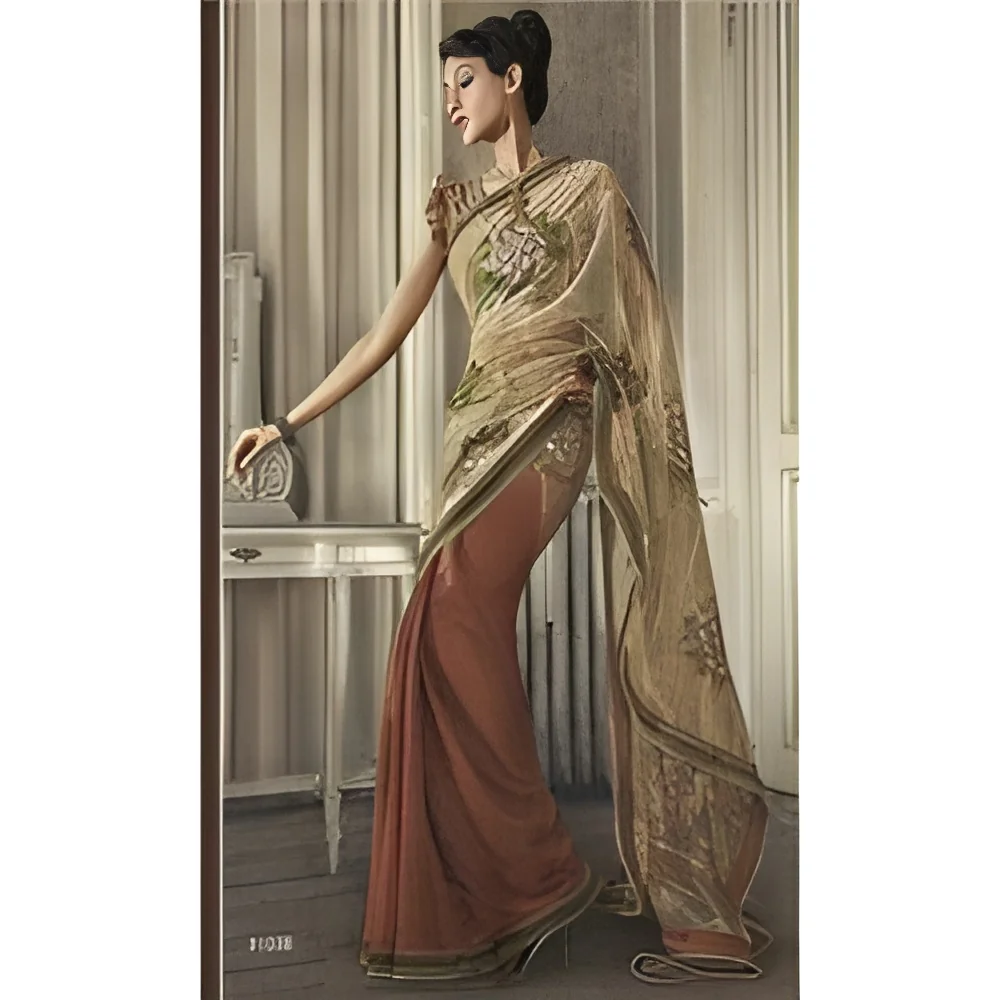
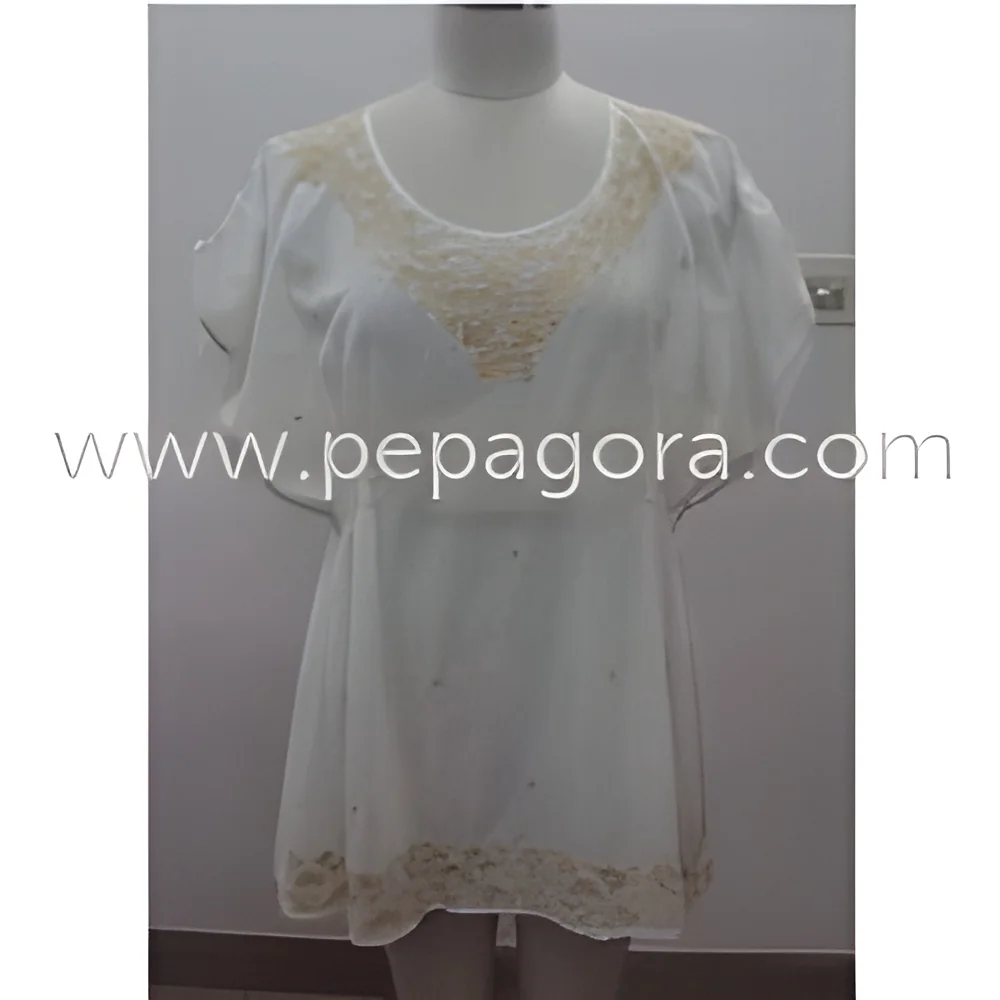
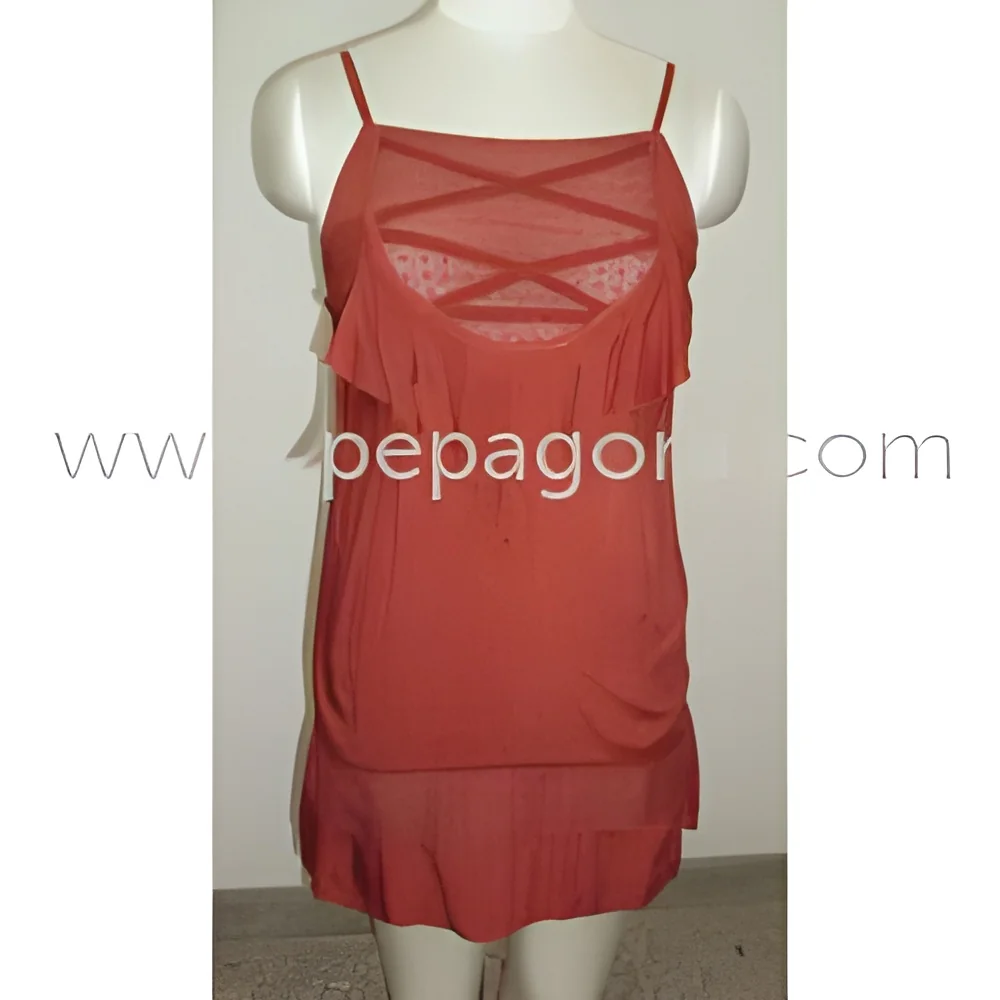
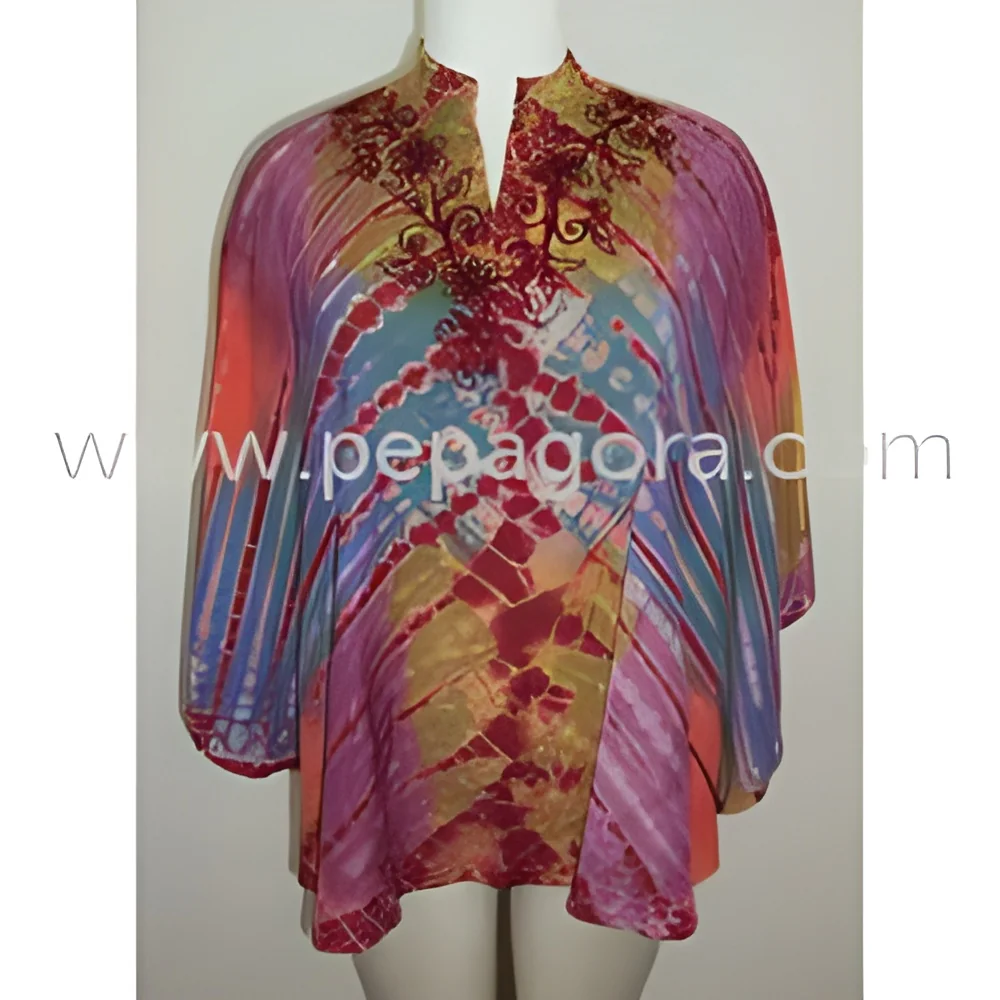
Dresses, Gowns, Skirts
251 products available
𝗪𝗵𝗮𝘁 𝗮𝗿𝗲 𝗗𝗿𝗲𝘀𝘀𝗲𝘀, 𝗚𝗼𝘄𝗻𝘀, 𝗦𝗸𝗶𝗿𝘁𝘀?
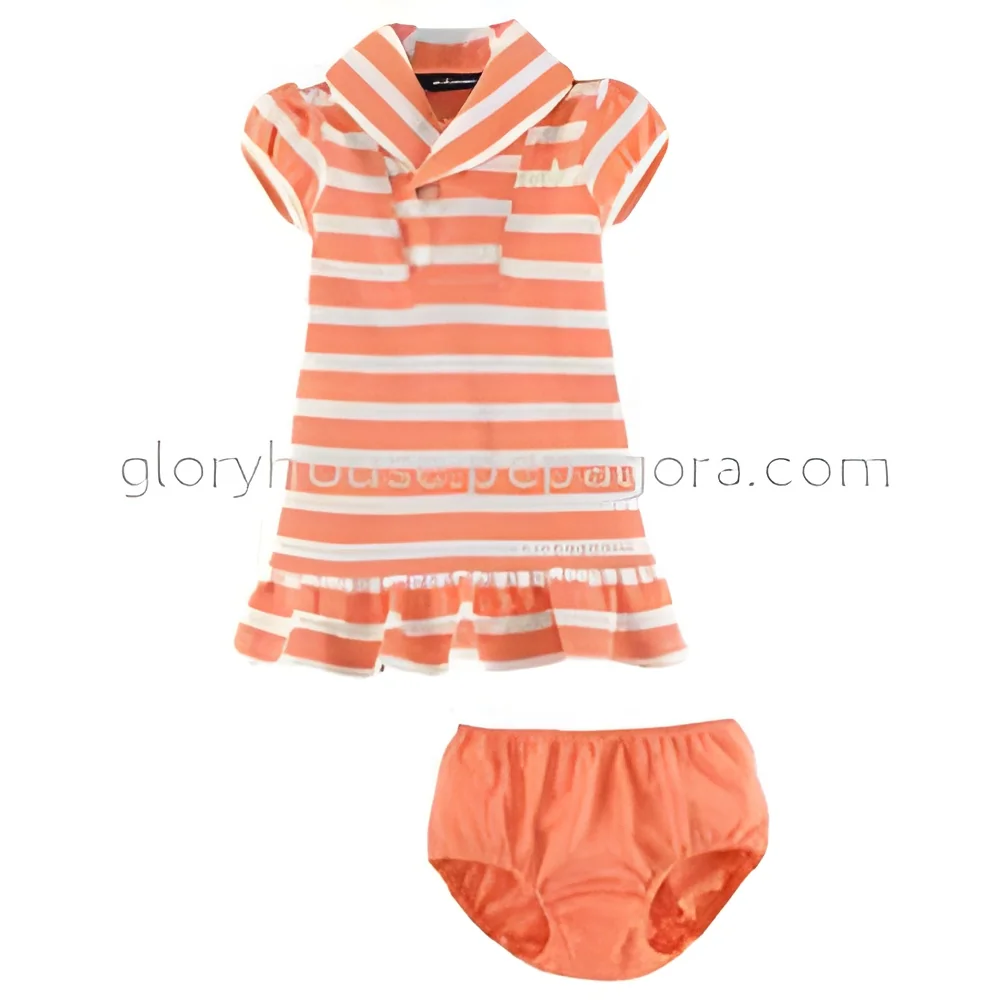
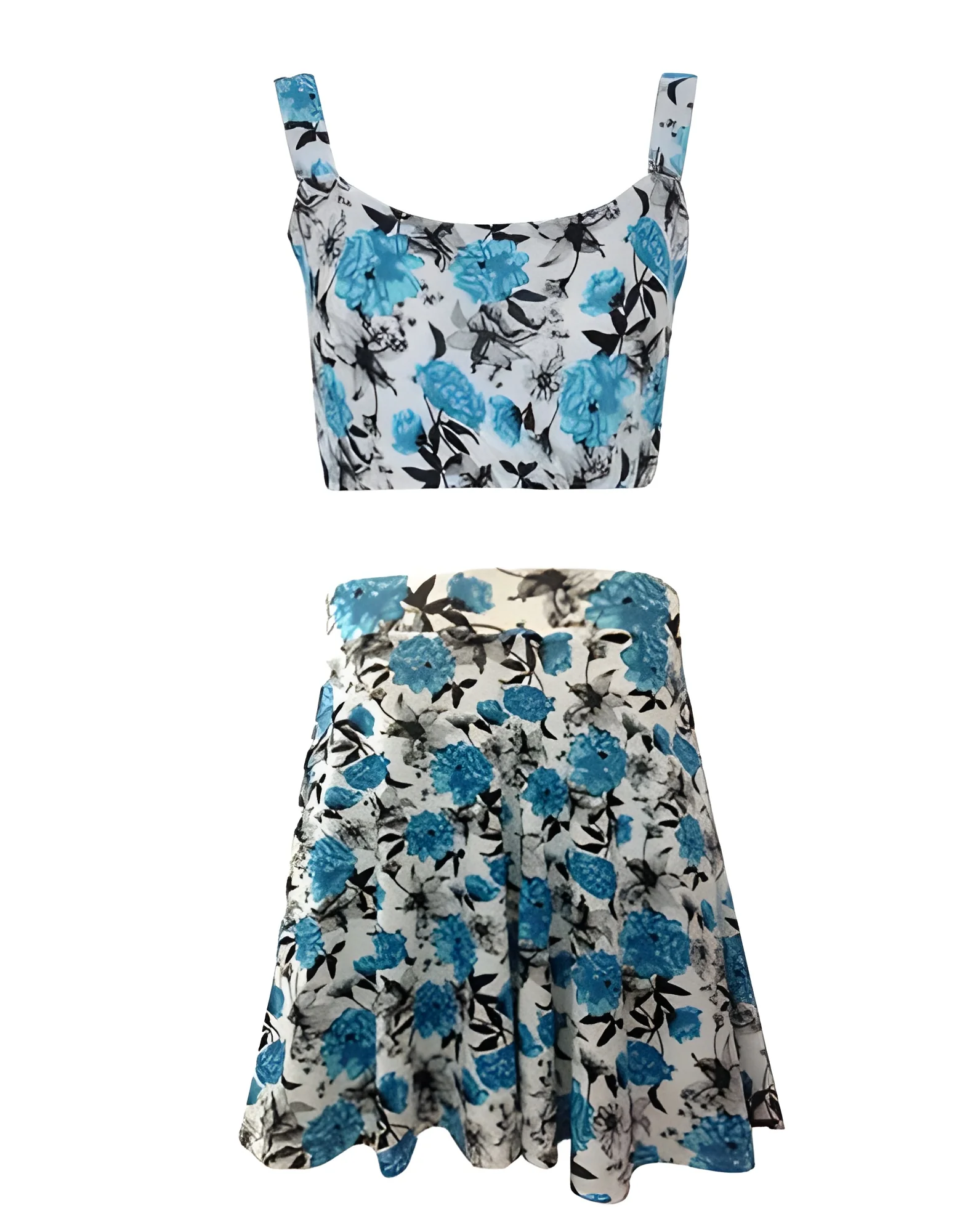
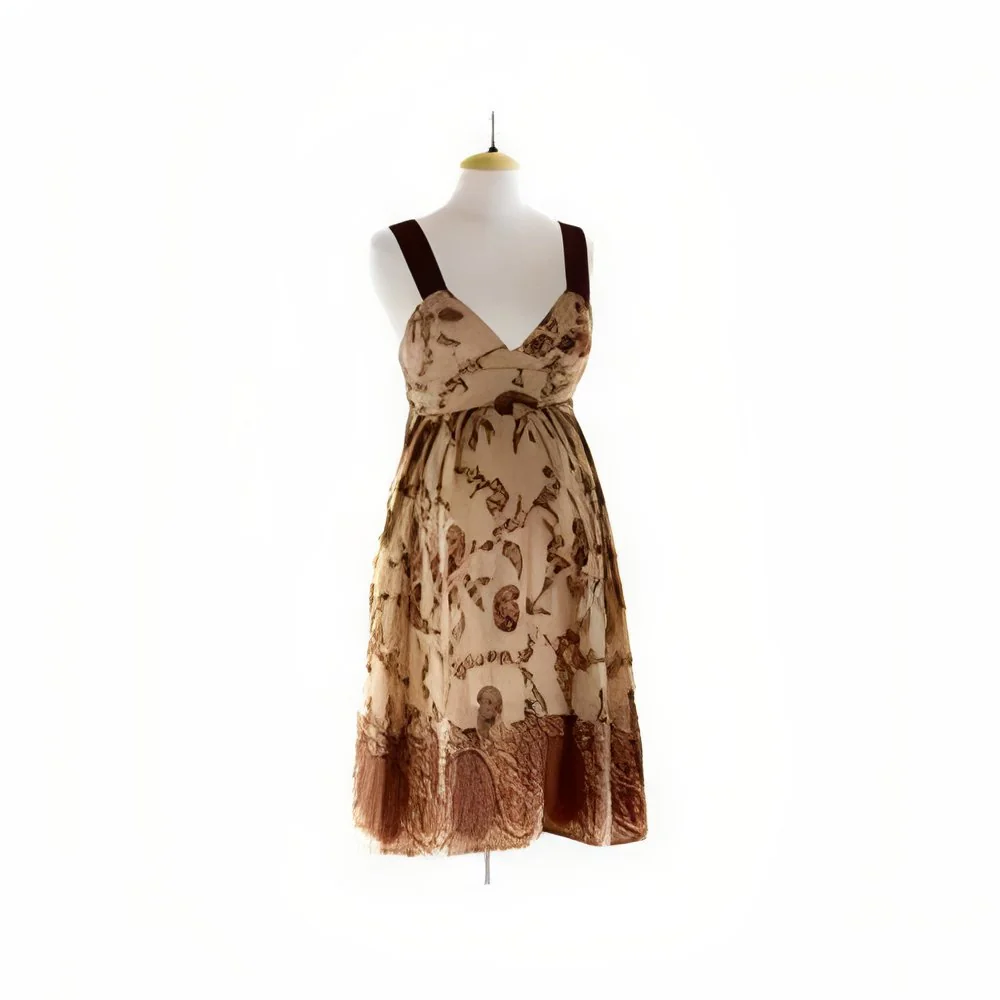
Dresses, gowns, and skirts are essential garments in the fashion industry, primarily designed for women. A dress typically refers to a one-piece outfit that covers the body and extends down to varying lengths, while a gown is usually a formal dress worn for special occasions. A skirt, on the other hand, is a separate lower garment that can be paired with various tops. Each of these items serves a unique purpose and can be made from a wide range of materials, including cotton, silk, and synthetic fabrics.
In the B2B context, these garments are commonly used in retail, fashion design, and event planning. Clothing retailers often stock a diverse selection of dresses, gowns, and skirts to meet the needs of their customers. Fashion designers may create custom pieces for events such as weddings, proms, and gala dinners, where elegant attire is essential. As the fashion market continues to evolve, the demand for various styles and designs in this category remains significant.
The industry is characterized by trends influenced by seasonal changes, cultural events, and consumer preferences. As such, manufacturers and suppliers must stay attuned to these dynamics to remain competitive and relevant in the marketplace.
𝗞𝗲𝘆 𝗙𝗲𝗮𝘁𝘂𝗿𝗲𝘀 𝗮𝗻𝗱 𝗦𝗽𝗲𝗰𝗶𝗳𝗶𝗰𝗮𝘁𝗶𝗼𝗻𝘀
Dresses, gowns, and skirts exhibit a wide range of features that cater to different markets and consumer needs. Understanding these specifications is crucial for businesses involved in sourcing and retailing these garments.
Key specifications include:
1. Fabric Type
- Common fabrics include cotton, polyester, silk, and linen.
- Each fabric offers different textures, comfort levels, and durability.
2. Size Range
- Available in various sizes from petite to plus sizes.
- Custom sizing options may also be available for specific orders.
3. Design Style
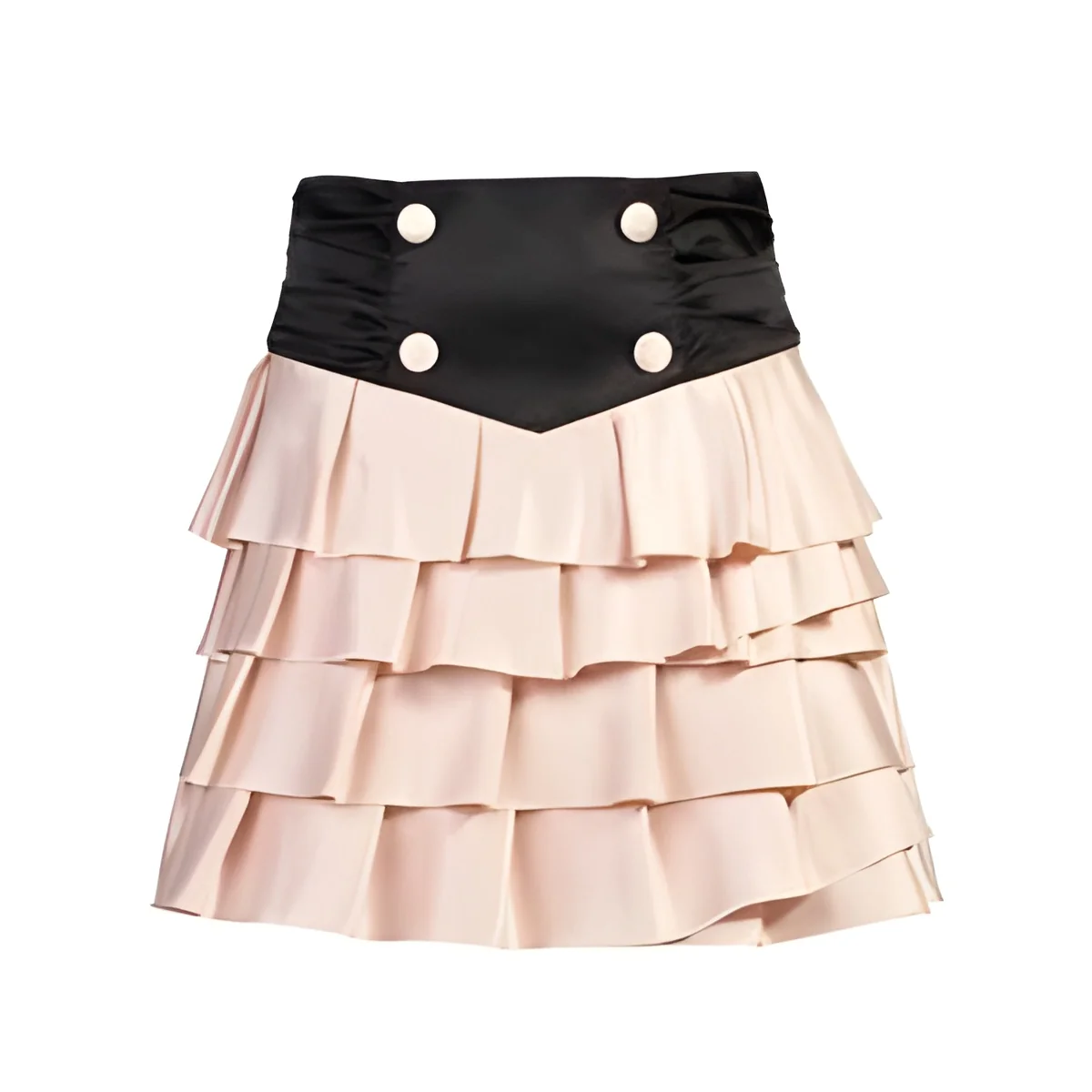
- Includes options like A-line, ball gown, mermaid, and pencil skirts.
- Designs can be tailored to meet current fashion trends.
4. Color Variants
- Offered in a wide array of colors, from neutral tones to vibrant shades.
- Seasonal colors may influence availability.
5. Embellishments
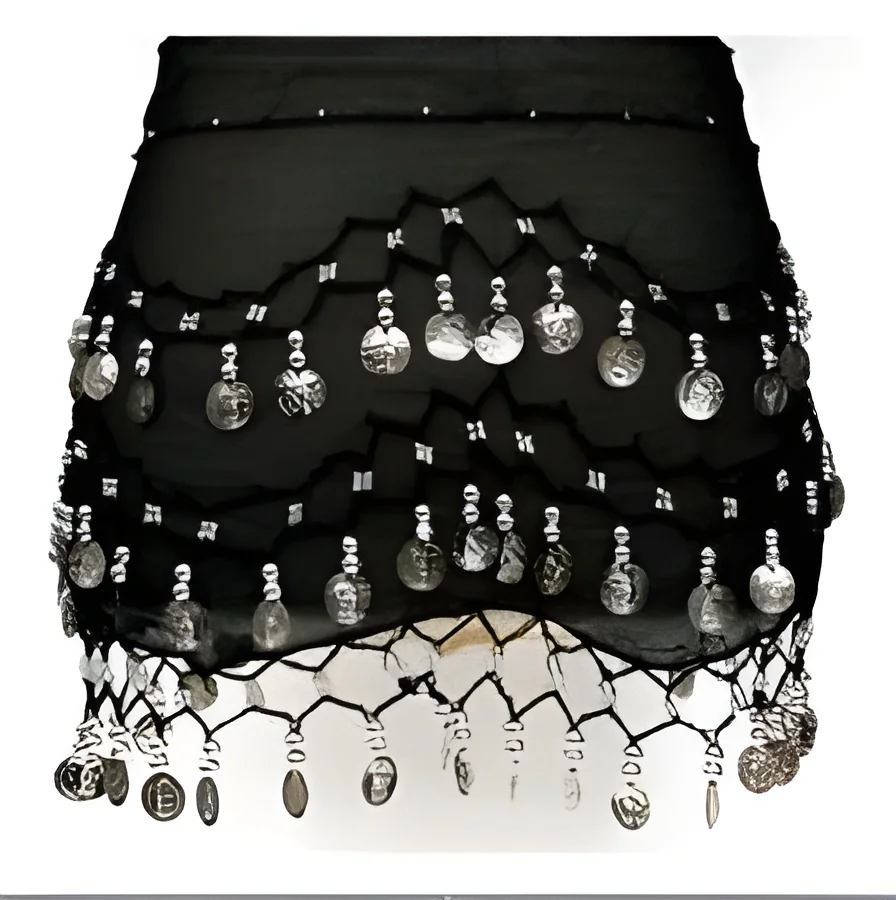
- Features such as lace, sequins, and embroidery can enhance visual appeal.
- Custom embellishments can be requested for unique designs.
6. Care Instructions
- Varies by fabric; some may require dry cleaning while others are machine washable.
- Clear labeling is essential for consumer convenience.
7. Price Range
- Pricing varies widely based on fabric, design complexity, and brand reputation.
- Bulk purchase discounts may be available.
8. Compliance Standards
- Must meet industry standards for garment production.
- Compliance with safety and quality regulations is crucial.
Overall, understanding these features enables businesses to make informed decisions when sourcing these garments.
𝗖𝗼𝗺𝗺𝗼𝗻 𝗔𝗽𝗽𝗹𝗶𝗰𝗮𝘁𝗶𝗼𝗻𝘀 𝗮𝗻𝗱 𝗨𝘀𝗲 𝗖𝗮𝘀𝗲𝘀
Dresses, gowns, and skirts serve various industries, each with unique applications.
1. Retail Fashion: Clothing retailers stock these garments for everyday wear and special occasions, catering to a wide demographic.
2. Event Planning: Gowns and formal dresses are essential for weddings, proms, and other formal events, where clients seek elegant attire.
3. Theatre and Performance: Costumes often include dresses and skirts designed to meet specific character requirements, enhancing the visual storytelling.
4. Corporate Wear: Some businesses incorporate dresses and skirts into their uniform policies, particularly in sectors like hospitality and customer service.
5. Fashion Design: Designers create bespoke pieces for individual clients, often showcasing their work in fashion shows and exhibitions.
6. Online Retail: E-commerce platforms specialize in selling dresses, gowns, and skirts, reaching a global audience with diverse styling needs.
7. Sustainable Fashion: Eco-conscious brands focus on sourcing materials and production methods that align with sustainability goals.
𝗣𝗿𝗼𝗱𝘂𝗰𝘁 𝗩𝗮𝗿𝗶𝗮𝗻𝘁𝘀 𝗮𝗻𝗱 𝗦𝘂𝗯𝗰𝗮𝘁𝗲𝗴𝗼𝗿𝗶𝗲𝘀
The market for dresses, gowns, and skirts is diverse, offering a variety of options to meet different consumer demands.
Evening Gowns
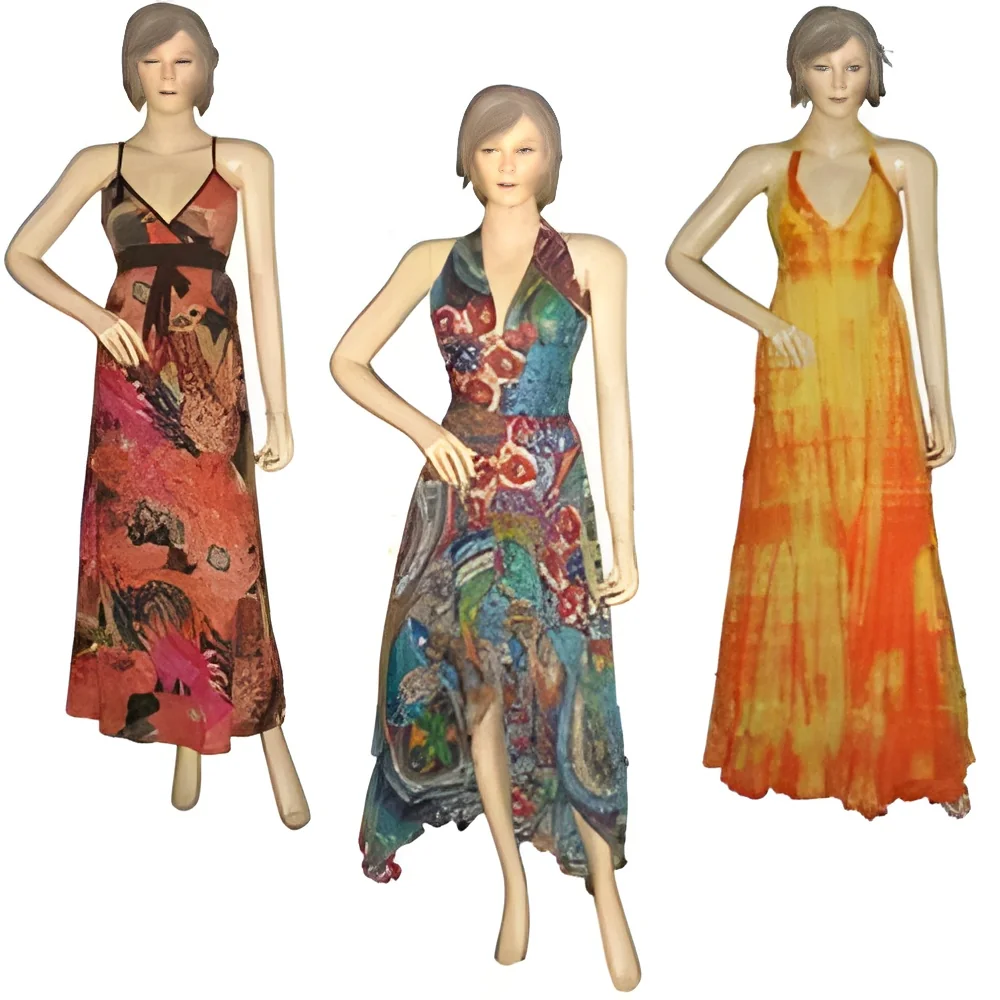
Evening gowns are designed for formal events and typically feature luxurious fabrics and intricate designs. They often include embellishments such as sequins or lace, making them suitable for galas and upscale parties.
Casual Dresses
Casual dresses are versatile pieces designed for everyday wear. They are often made from comfortable materials and come in a variety of styles, making them suitable for various occasions.
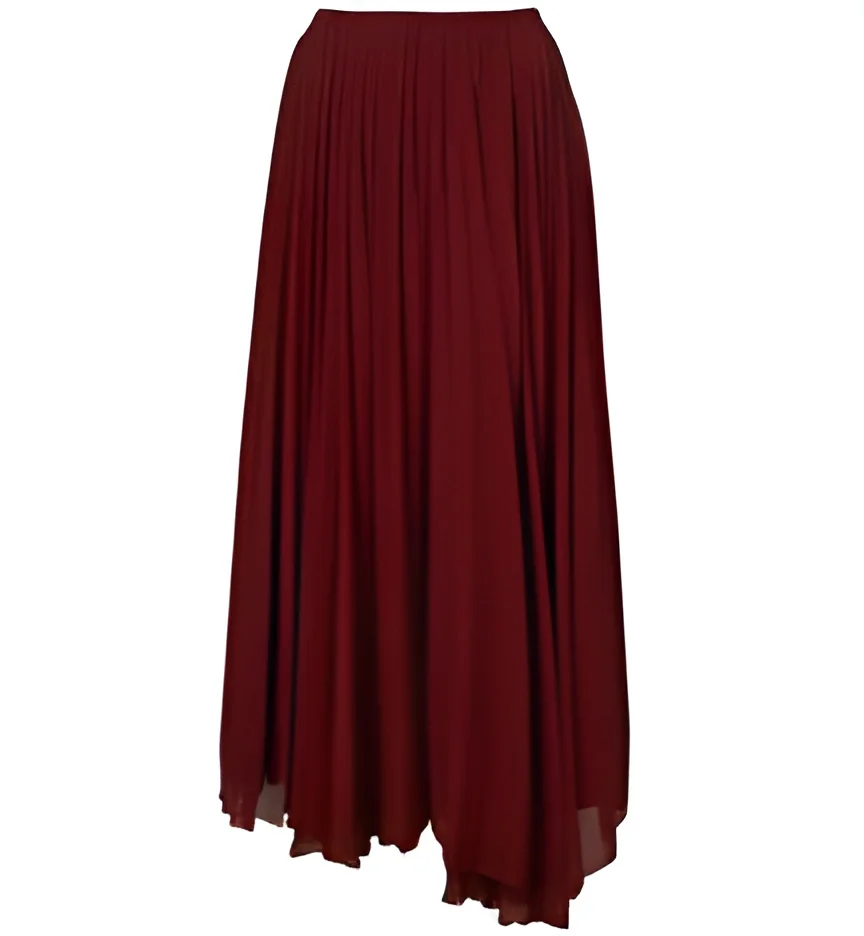
Maxi Skirts
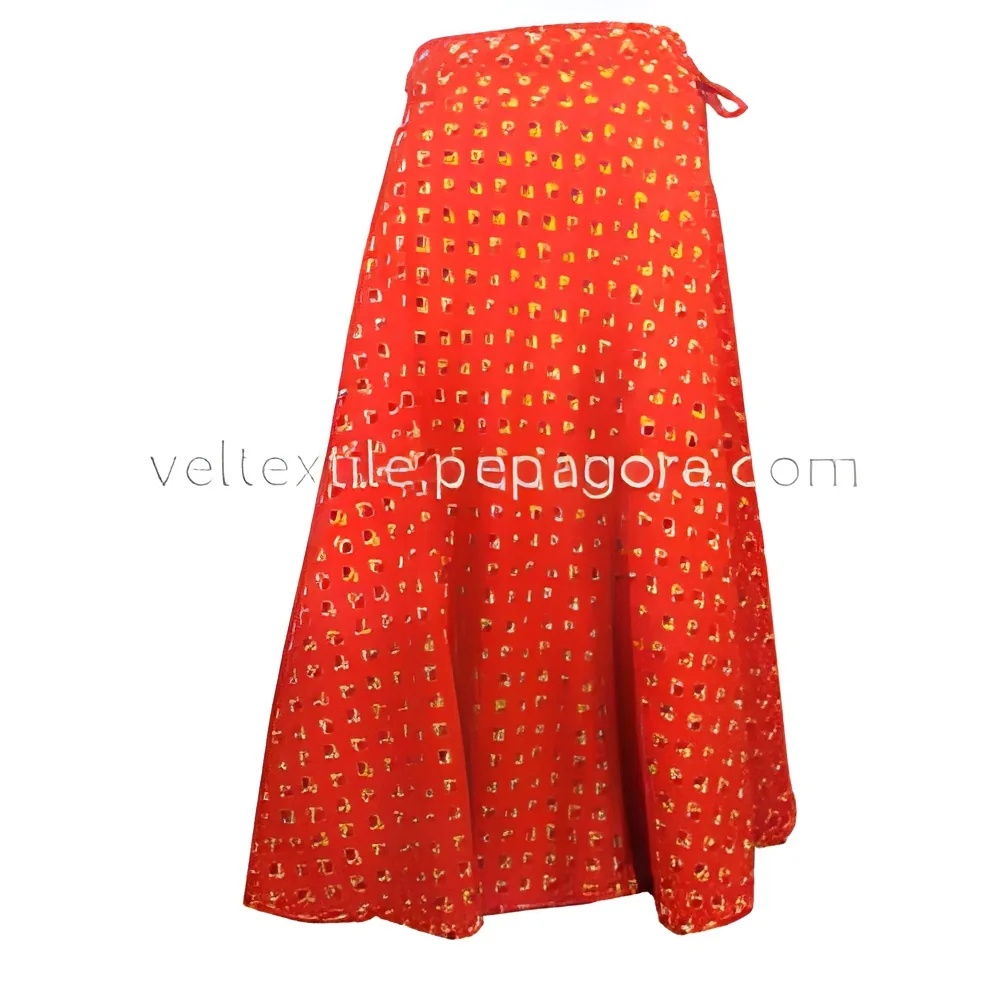
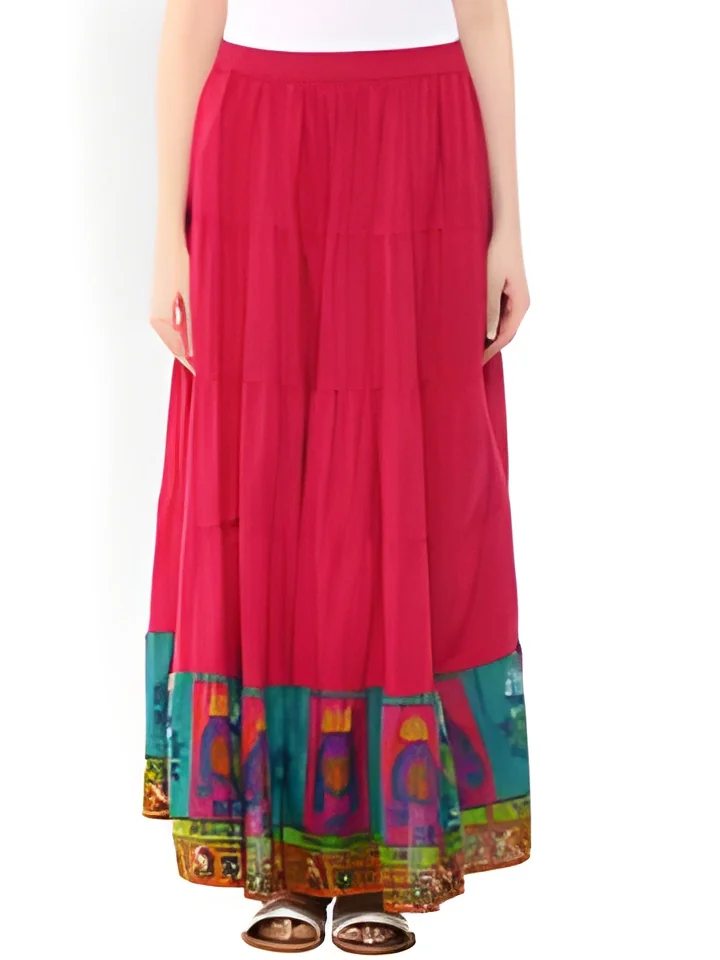
Maxi skirts are long, flowing skirts that provide comfort and elegance. They can be styled for casual outings or dressed up for formal events, making them a popular choice in women's fashion.
Pencil Skirts
Pencil skirts are tailored and fitted, often used in professional settings. They can be paired with blouses or jackets for a polished look, making them ideal for office wear.
𝗕𝗲𝗻𝗲𝗳𝗶𝘁𝘀 𝗮𝗻𝗱 𝗔𝗱𝘃𝗮𝗻𝘁𝗮𝗴𝗲𝘀
Choosing the right dresses, gowns, and skirts comes with several advantages that can benefit businesses.
1. Versatility: These garments can be styled for various occasions, making them appealing to a broad audience.
2. Trend Adaptability: The fashion industry is dynamic, and these items can be easily updated to reflect current trends, ensuring relevancy.
3. Customization Options: Businesses can offer tailored designs, allowing customers to express their individuality or adhere to specific themes.
4. High Demand: The ongoing need for formal and casual wear ensures a steady market for these garments.
5. Brand Loyalty: Quality garments can lead to repeat customers, enhancing brand loyalty and long-term business success.
6. Seasonal Opportunities: Seasonal collections can attract customers looking for timely and trendy options, maximizing sales potential.
𝗕𝘂𝘆𝗶𝗻𝗴 𝗚𝘂𝗶𝗱𝗲 𝗳𝗼𝗿 𝗕𝟮𝗕 𝗕𝘂𝘆𝗲𝗿𝘀
When sourcing dresses, gowns, and skirts, several factors should be considered to ensure a successful procurement process.
1. Quality Assessment: Evaluate the quality of fabrics and craftsmanship to meet customer expectations. Samples may be requested to assess material durability and comfort.
2. Supplier Verification: Vet potential suppliers to ensure reliability and reputation in the market. Check for references and past customer feedback.
3. Pricing and MOQ: Understand the pricing structure, including minimum order quantities, to ensure it aligns with your business model and budget.
4. Delivery and Lead Times: Confirm logistics capabilities, including delivery times and shipping methods, to ensure timely fulfillment of orders.
5. Compliance Requirements: Be aware of any regulatory needs, such as safety standards and quality certifications, to ensure compliance in your market.
𝗖𝗼𝗺𝗽𝗹𝗶𝗮𝗻𝗰𝗲 𝗮𝗻𝗱 𝗖𝗲𝗿𝘁𝗶𝗳𝗶𝗰𝗮𝘁𝗶𝗼𝗻𝘀
Compliance with relevant quality standards and certifications is crucial in the garments industry.
ISO 9001 is a widely recognized standard that ensures effective quality management systems. Adhering to this standard helps guarantee that products meet customer and regulatory requirements consistently.
The CE marking signifies that products meet EU safety, health, and environmental protection standards. This certification is important for businesses operating in European markets.
Safety and testing requirements are essential to ensure that garments do not pose any risk to consumers. This includes testing for harmful substances in fabrics and ensuring that production processes are safe.
Regional compliance considerations may vary depending on the target market. Businesses should understand local regulations to ensure that their products are compliant and can be sold without legal issues.
𝗪𝗵𝘆 𝗦𝗼𝘂𝗿𝗰𝗲 𝗗𝗿𝗲𝘀𝘀𝗲𝘀, 𝗚𝗼𝘄𝗻𝘀, 𝗦𝗸𝗶𝗿𝘁𝘀 𝗳𝗿𝗼𝗺 𝗣𝗲𝗽𝗮𝗴𝗼𝗿𝗮?
Pepagora provides a trusted platform for sourcing dresses, gowns, and skirts, offering several key advantages to B2B buyers.
Verified Supplier Network: Pepagora connects buyers with a robust network of verified suppliers. Each supplier undergoes a thorough vetting process, ensuring reliability and quality.
Streamlined RFQ Process: The request for quotation (RFQ) system simplifies the sourcing process. Buyers can easily request quotes from multiple suppliers, facilitating informed decision-making.
Trade Assurance and Support: Pepagora offers buyer protection and support throughout the purchasing process. This assurance builds trust between buyers and suppliers.
Regional Coverage: With a focus on markets in India, the Gulf Cooperation Council (GCC), and Southeast Asia, Pepagora provides extensive geographic reach, allowing businesses to tap into diverse markets effectively.


 India


 India


 India



 India
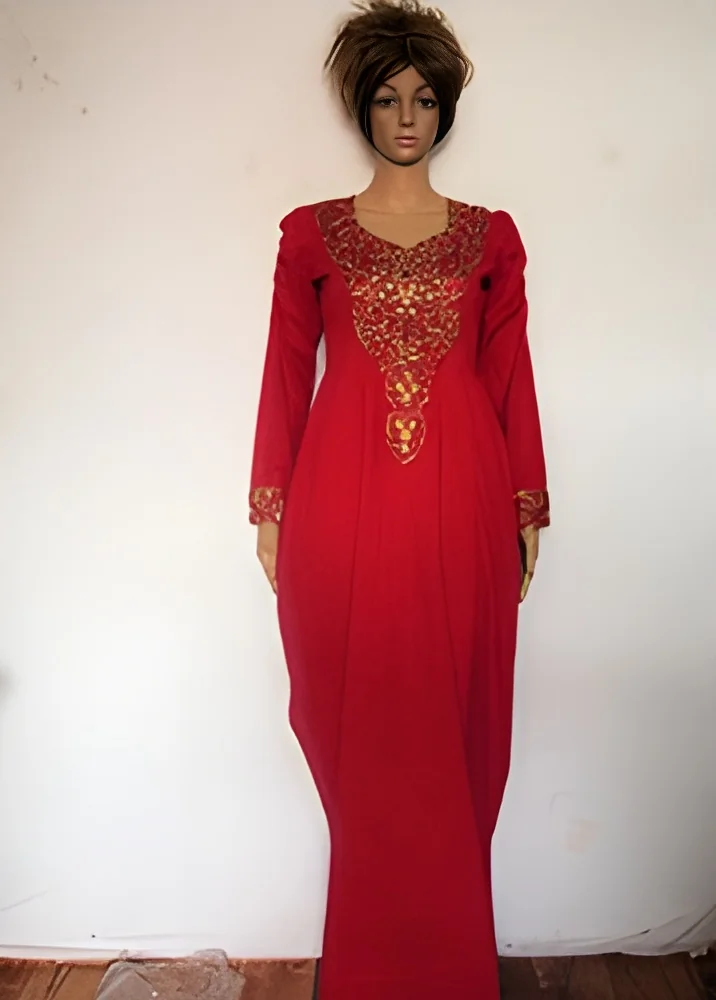
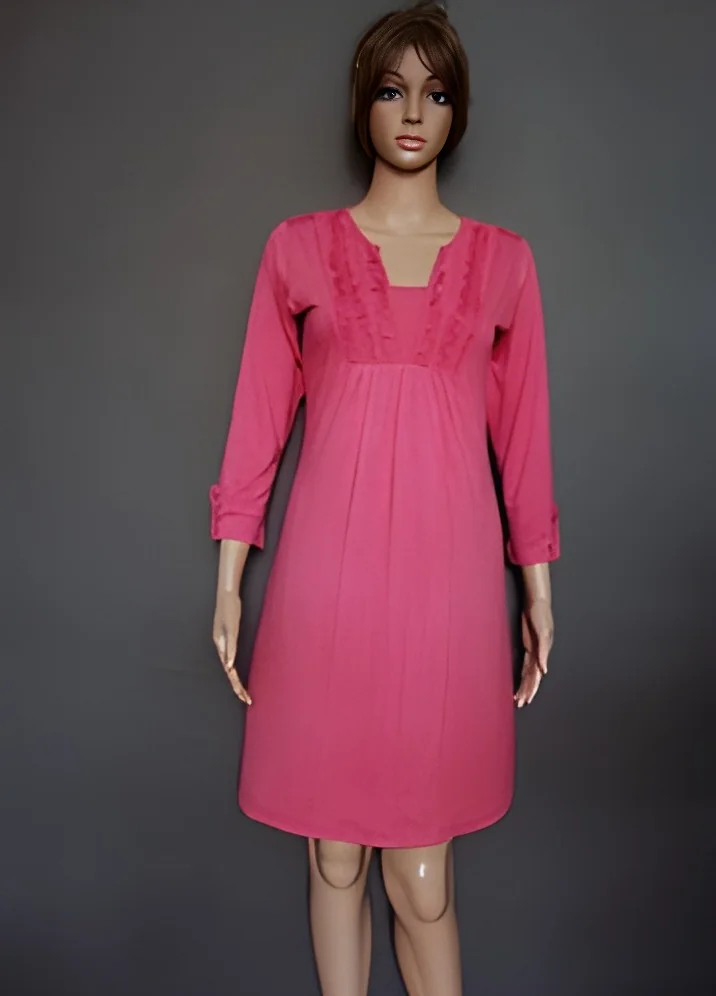 India


 India
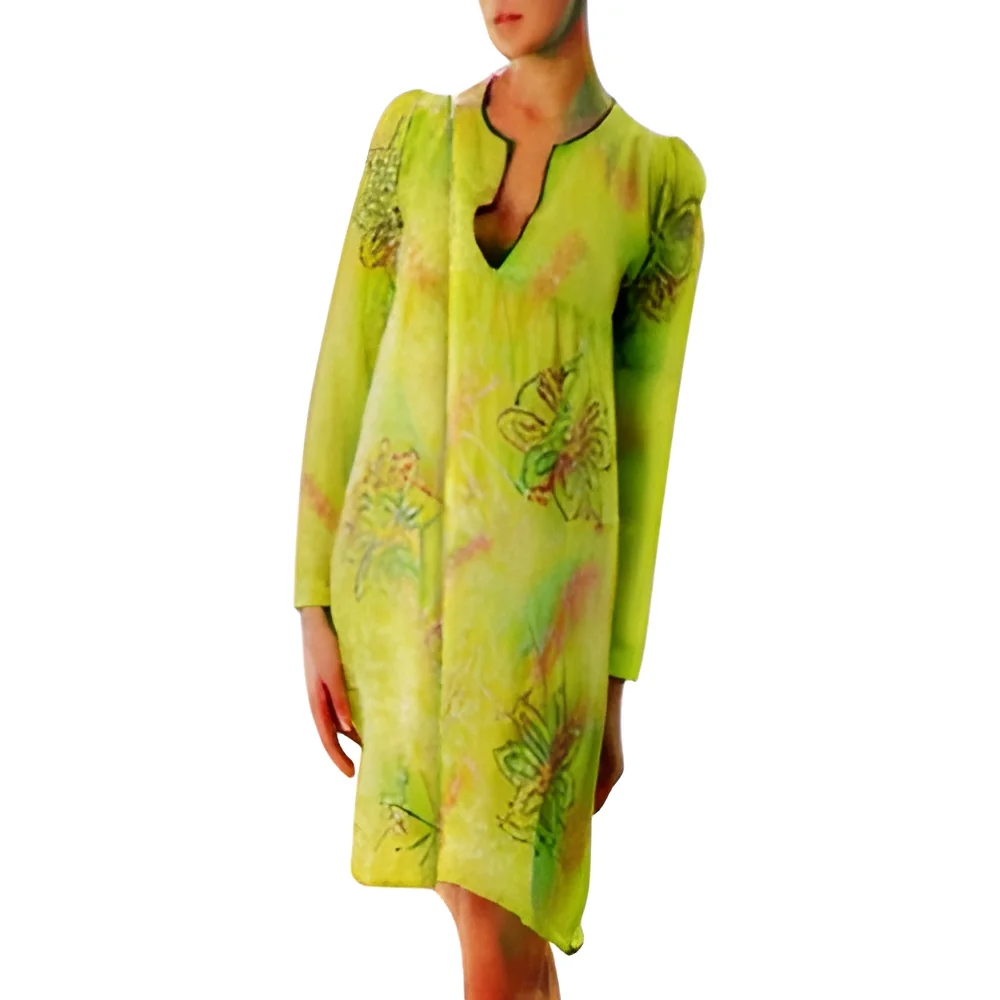
 India


 India


 India
 India


 India
 India
 India
 India


 India
 India
 India


 India
 India


 India
 India
 India


 India
 India
 India
 India
 India
 India
 India
 India

 India

 India



 India


 India

 India



Frequently Asked Questions
What are Dresses, Gowns, Skirts?
Dresses, gowns, and skirts are types of women's clothing designed for various occasions. Dresses typically combine a top and a skirt into a single piece, while gowns are formal dresses often worn for special events. Skirts are separate garments that can be paired with different tops, allowing for versatility in styling.
What are the different types of Dresses, Gowns, Skirts?
There are several types of dresses, gowns, and skirts available, including casual dresses, cocktail gowns, evening gowns, maxi skirts, pencil skirts, and A-line skirts. Each type serves a different purpose and is designed to suit various body shapes and personal styles. Additionally, variations in fabric, length, and design further diversify these categories.
How do I choose the right Dresses, Gowns, Skirts?
Choosing the right dresses, gowns, and skirts involves considering factors such as occasion, body shape, and personal style. It is also important to take measurements and refer to size charts to ensure a good fit. Additionally, selecting the right fabric and color can enhance comfort and appearance.
What are the standard specifications for Dresses, Gowns, Skirts?
Standard specifications for dresses, gowns, and skirts include measurements for length, waist, bust, and hip, as well as fabric type and weight. Common fabrics used include cotton, polyester, and silk, while styles can range from fitted to loose. Care instructions and production details may also be part of the specifications.
What is the price range for Dresses, Gowns, Skirts?
The price range for dresses, gowns, and skirts can vary widely based on factors such as material, design complexity, and brand. Generally, prices can start from a few hundred rupees for basic styles and go up to several thousand rupees for designer or formal options. Bulk purchasing may also offer discounts.
What quality standards apply to Dresses, Gowns, Skirts?
Quality standards for dresses, gowns, and skirts typically involve assessments of fabric durability, stitching quality, and finishing details. Manufacturers may adhere to industry standards such as ISO certifications to ensure consistency and reliability. It is advisable to check for quality indicators like labels and reviews before purchasing.
Where can I find Dresses, Gowns, Skirts suppliers in India?
Dresses, gowns, and skirts suppliers in India can be found through various online B2B marketplaces, trade shows, and local garment districts. Pepagora.com is a valuable resource for connecting with manufacturers and suppliers across the country. Networking with industry professionals can also help identify reliable suppliers.
Can Dresses, Gowns, Skirts be customized?
Yes, many suppliers offer customization options for dresses, gowns, and skirts. This can include alterations in size, fabric selection, color, and design features to meet specific customer needs. Custom orders may require additional time for production and may have different pricing structures.
What is the typical minimum order quantity for Dresses, Gowns, Skirts?
The typical minimum order quantity (MOQ) for dresses, gowns, and skirts varies by supplier and can range from a few pieces to several dozen. Smaller manufacturers may have lower MOQs, while larger factories might require larger orders to justify production costs. It’s advisable to inquire directly with suppliers for their specific MOQs.
What is the typical lead time for Dresses, Gowns, Skirts?
The typical lead time for dresses, gowns, and skirts can vary based on the supplier and the complexity of the order. Generally, lead times can range from 2 to 6 weeks for standard orders, while custom designs may take longer. It is important to confirm the estimated delivery time with the supplier before placing an order.
Why Businesses Trust Pepagora
Thousands of companies trust Pepagora to source smarter and sell faster
Expand Your Sales Globally

Source Smarter,Grow Faster
