𝗪𝗵𝗮𝘁 𝗮𝗿𝗲 𝗕𝗼𝗮𝘁𝘀 & 𝗦𝗵𝗶𝗽𝘀?
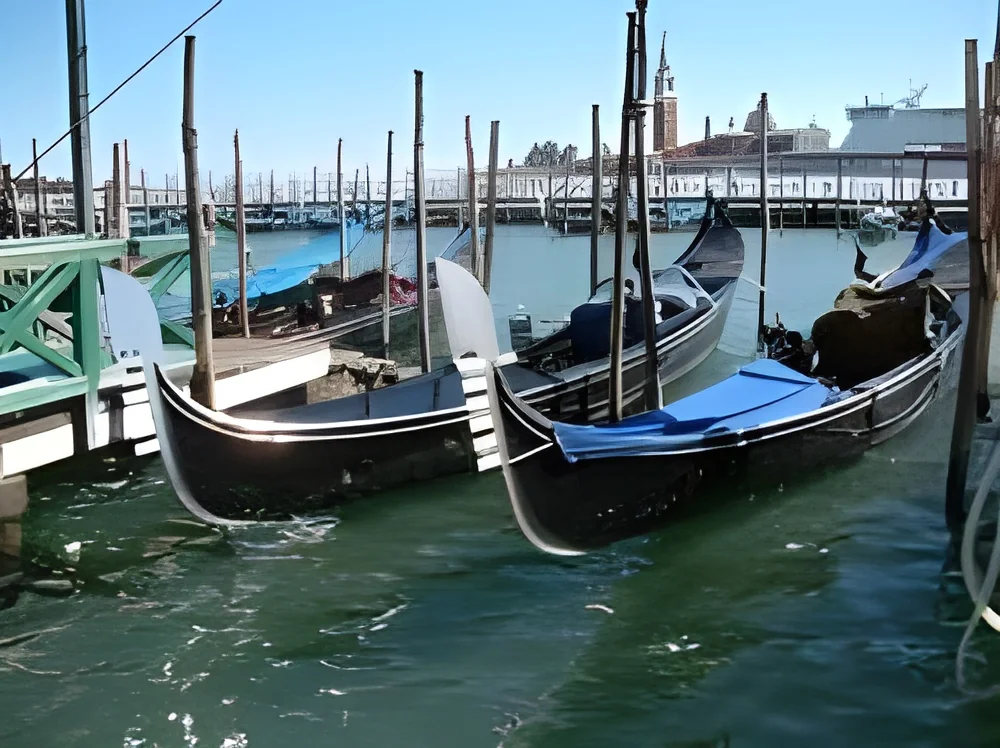
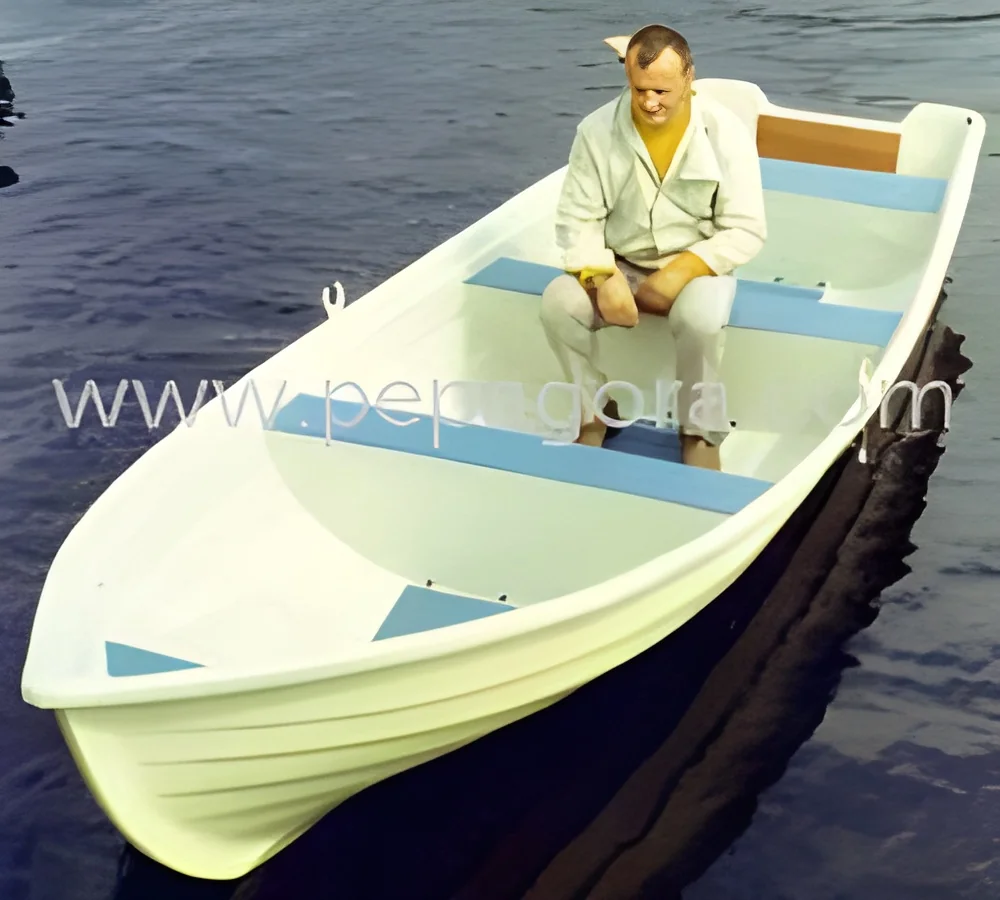
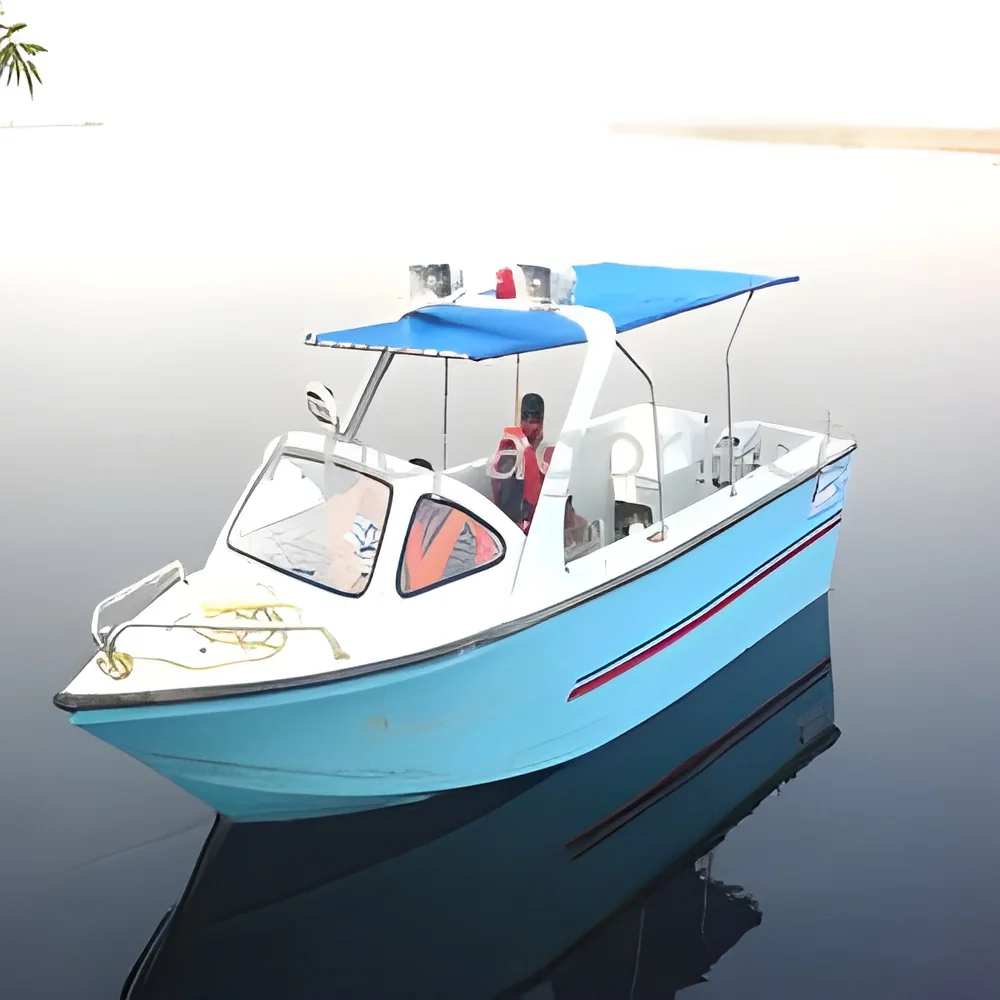
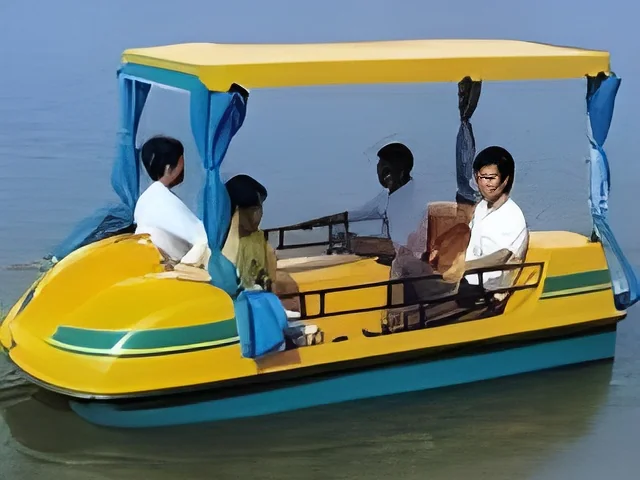
Boats and ships are watercraft designed for navigation on water. Boats are typically smaller, used for recreational purposes or local transport, while ships are larger vessels meant for long-distance travel, commercial shipping, or military use. Both boats and ships are engineered for specific functions, which can include passenger transport, cargo shipping, fishing, or recreational activities.
The primary uses of boats and ships span various business applications. In commercial shipping, large vessels transport goods across oceans and seas, supporting global trade. Fishing boats are essential for the fishing industry, providing livelihoods for many. Additionally, boats are used in tourism and recreation, contributing to local economies. The maritime industry plays a crucial role in global logistics and transportation, highlighting the importance of these watercraft in facilitating economic activities.
In the context of the industry, the demand for boats and ships is influenced by economic trends, trade regulations, and advancements in marine technology. The market is characterized by constant innovation, pushing manufacturers to enhance the performance, efficiency, and environmental sustainability of their vessels. This sector is integral to international trade, tourism, and resource management, making it a key area for investment and development.
𝗞𝗲𝘆 𝗙𝗲𝗮𝘁𝘂𝗿𝗲𝘀 𝗮𝗻𝗱 𝗦𝗽𝗲𝗰𝗶𝗳𝗶𝗰𝗮𝘁𝗶𝗼𝗻𝘀
Boats and ships come equipped with various features that make them suitable for their intended applications. Understanding these specifications is essential for businesses looking to invest in marine vessels. Here are some key specifications:
1. Size and Capacity
- Length ranges from small boats (under 20 feet) to large ships (over 1,000 feet)
- Capacity measured in terms of tonnage or passenger count
2. Engine Type
- Options include diesel, electric, or hybrid engines
- Power output ranges from small outboard engines (under 100 HP) to large marine engines (over 10,000 HP)
3. Hull Material
- Common materials include fiberglass, aluminum, steel, and wood
- Each material has its own advantages related to durability, weight, and maintenance
4. Propulsion System
- Types include inboard, outboard, and waterjet propulsion
- Choices depend on vessel size and intended use
5. Navigation Equipment
- Essential tools include GPS, radar, and sonar systems
- Advanced options may feature automated navigation systems
6. Safety Features
- Must comply with international safety regulations
- Common features include life rafts, fire suppression systems, and emergency beacons
7. Comfort and Amenities
- Vessels may include cabins, restrooms, and kitchens for passenger comfort
- Luxury ships often offer additional amenities such as pools and entertainment areas
8. Environmental Compliance
- Vessels must meet standards for emissions and waste management
- Compliance with regulations like MARPOL is essential for international operations
In summary, understanding the key features and specifications of boats and ships helps businesses make informed decisions when sourcing these products.
𝗖𝗼𝗺𝗺𝗼𝗻 𝗔𝗽𝗽𝗹𝗶𝗰𝗮𝘁𝗶𝗼𝗻𝘀 𝗮𝗻𝗱 𝗨𝘀𝗲 𝗖𝗮𝘀𝗲𝘀
Boats and ships serve a wide array of industries and applications. Their versatility ensures they are integral to various operational needs.
1. Commercial Shipping: Large container ships transport goods across the globe. These vessels are essential for international trade, enabling efficient logistics and supply chain management.
2. Fishing Industry: Fishing boats are used for commercial and recreational fishing. They vary in size and capability, from small dinghies to large trawlers, depending on the type of fishing undertaken.
3. Tourism and Recreation: Boats are popular in the tourism sector, offering cruises, ferry services, and leisure activities. Recreational boats support fishing, water sports, and travel, enhancing local tourism.
4. Military and Defense: Naval ships play critical roles in national security, including transport, surveillance, and combat. Their advanced technology ensures operational readiness and effectiveness.
5. Search and Rescue: Specialized vessels are used by coast guards and rescue organizations to conduct search and rescue missions, ensuring safety on waterways.
6. Research and Exploration: Research vessels are equipped for scientific studies, including oceanography and marine biology. They support environmental monitoring and exploration.
7. Offshore Oil and Gas: Vessels are used to support offshore drilling and production activities. They facilitate transportation of personnel and equipment to remote locations.
In conclusion, the diverse applications of boats and ships highlight their significance in supporting various industries and ensuring operational efficiency.
𝗣𝗿𝗼𝗱𝘂𝗰𝘁 𝗩𝗮𝗿𝗶𝗮𝗻𝘁𝘀 𝗮𝗻𝗱 𝗦𝘂𝗯𝗰𝗮𝘁𝗲𝗴𝗼𝗿𝗶𝗲𝘀
Boats and ships exhibit a wide range of variants based on their design, purpose, and capacity. This diversity allows businesses to select the right vessel for their specific needs.
Cargo Ships: These vessels are designed primarily for transporting goods. They come in various sizes, from small freighters to large container ships, equipped with advanced loading and unloading systems.
Fishing Vessels: These boats are specialized for fishing activities. They may include trawlers, seiners, and longliners, each designed for different fishing methods, ensuring efficiency and effectiveness.
Passenger Ferries: Ferries are designed to transport people across bodies of water. They often have large capacities, providing comfortable amenities for travelers on short or long journeys.
Yachts: Luxury yachts offer high-end amenities for recreational use. They are often used for leisure cruising or charter services, featuring sophisticated designs and advanced technology.
Research Vessels: These ships are equipped for scientific research and exploration. They often include laboratories and specialized equipment to study marine environments.
In summary, the variety of boats and ships caters to different market needs, allowing businesses to find the best options for their operations.
𝗕𝗲𝗻𝗲𝗳𝗶𝘁𝘀 𝗮𝗻𝗱 𝗔𝗱𝘃𝗮𝗻𝘁𝗮𝗴𝗲𝘀
Investing in boats and ships offers numerous benefits that can enhance operational efficiency and profitability.
1. Increased Efficiency: Modern vessels are designed for optimal performance, reducing fuel consumption and operational costs.
2. Versatility: Boats and ships can serve multiple functions, from transport to recreation, making them valuable assets across various industries.
3. Enhanced Safety: Advanced safety features and compliance with regulations ensure the well-being of crew and passengers, minimizing risks.
4. Environmental Responsibility: Many vessels now incorporate eco-friendly technology, reducing emissions and supporting sustainable practices in the marine industry.
5. Access to New Markets: Utilizing boats and ships can open up new business opportunities, enabling companies to reach broader markets and enhance trade capabilities.
6. Improved Comfort: Passenger vessels often include amenities that enhance the travel experience, attracting more customers and fostering loyalty.
In conclusion, the advantages of boats and ships significantly contribute to the success of businesses operating in maritime sectors.
𝗕𝘂𝘆𝗶𝗻𝗴 𝗚𝘂𝗶𝗱𝗲 𝗳𝗼𝗿 𝗕𝟮𝗕 𝗕𝘂𝘆𝗲𝗿𝘀
When sourcing boats and ships, B2B buyers must consider several key factors to make informed decisions.
1. Quality Assessment: Ensure the vessels meet industry standards and quality certifications. Inspect materials and construction methods to confirm durability and reliability.
2. Supplier Verification: Vet suppliers by checking their reputation, past projects, and customer reviews. A reliable supplier is crucial for ensuring quality and timely delivery.
3. Pricing and MOQ: Understand the pricing structure and minimum order quantities. Evaluate total costs, including shipping and potential customization.
4. Delivery and Lead Times: Confirm delivery schedules and lead times. Consider logistics to ensure timely deployment of vessels.
5. Compliance Requirements: Familiarize yourself with relevant regulatory requirements for safety and environmental standards. Compliance is essential for operational legitimacy.
In summary, a thorough buying process ensures that businesses select the right boats and ships, aligning with their operational needs and compliance obligations.
𝗖𝗼𝗺𝗽𝗹𝗶𝗮𝗻𝗰𝗲 𝗮𝗻𝗱 𝗖𝗲𝗿𝘁𝗶𝗳𝗶𝗰𝗮𝘁𝗶𝗼𝗻𝘀
Compliance and certifications are crucial aspects of the boats and ships industry. Vessels must meet relevant quality standards to ensure safety and reliability.
ISO 9001 is a widely recognized quality management standard applicable to manufacturers, ensuring consistent quality in production processes. Compliance with this standard reflects a commitment to quality assurance.
CE certification is essential for vessels sold in Europe, indicating that they meet health, safety, and environmental protection standards. This certification is important for access to European markets.
Safety and testing requirements are governed by various international maritime organizations. Compliance with safety regulations ensures that vessels are equipped to handle emergencies and reduce risks to crew and passengers.
Regional compliance considerations vary by country and can include specific local regulations. Businesses must be aware of these requirements to operate legally and avoid penalties.
In conclusion, adherence to compliance and certification standards is vital in ensuring the safety, reliability, and legality of boats and ships in the global market.
𝗪𝗵𝘆 𝗦𝗼𝘂𝗿𝗰𝗲 𝗕𝗼𝗮𝘁𝘀 & 𝗦𝗵𝗶𝗽𝘀 𝗳𝗿𝗼𝗺 𝗣𝗲𝗽𝗮𝗴𝗼𝗿𝗮?
Pepagora provides a trusted platform for sourcing boats and ships, offering several key advantages for B2B buyers.
Verified Supplier Network: Pepagora connects buyers with a network of verified suppliers. This ensures a level of trust and quality assurance, as each supplier undergoes a vetting process.
Streamlined RFQ Process: The platform simplifies the Request for Quotation (RFQ) process, allowing buyers to receive and compare quotes from multiple suppliers efficiently. This saves time and aids in making informed purchasing decisions.
Trade Assurance and Support: Pepagora offers trade assurance, protecting buyers from potential issues during transactions. This support fosters a secure purchasing environment, enhancing buyer confidence.
Regional Coverage: With a broad reach across India, the GCC, and Southeast Asia, Pepagora provides access to a diverse range of suppliers and products. This geographic coverage ensures buyers can find suitable vessels for their specific needs.
In summary, sourcing boats and ships from Pepagora provides businesses with reliable options, streamlined processes, and robust support, making it an ideal choice for B2B buyers.

 IN
IN