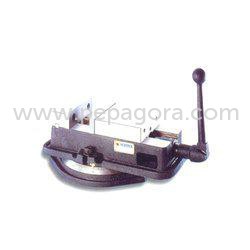
𝗪𝗵𝗮𝘁 𝗮𝗿𝗲 𝗪𝗼𝗿𝗸𝗯𝗲𝗻𝗰𝗵 𝗩𝗶𝘀𝗲𝘀?
Workbench vises are essential tools used in various industries for securing and holding workpieces during fabrication, assembly, or repair tasks. Typically mounted to a workbench, these vises allow for hands-free operation, enabling users to perform tasks more efficiently and safely. They come in various designs and sizes to accommodate different types of work, materials, and user preferences.
The primary uses of workbench vises include woodworking, metalworking, and assembly applications. In woodworking, vises help hold pieces in place for cutting, sanding, or drilling. In metalworking, they are crucial for securing metal parts while welding or machining. Additionally, they are widely used in garages, workshops, and manufacturing facilities to enhance productivity and precision. As industries continue to evolve, the demand for high-quality workbench vises remains significant, reflecting their importance in maintaining operational efficiency.
𝗞𝗲𝘆 𝗙𝗲𝗮𝘁𝘂𝗿𝗲𝘀 𝗮𝗻𝗱 𝗦𝗽𝗲𝗰𝗶𝗳𝗶𝗰𝗮𝘁𝗶𝗼𝗻𝘀
Workbench vises come with several key features and specifications that make them suitable for various tasks. These features enhance their usability, durability, and versatility, making them essential tools in any workshop or manufacturing setting.
Key specifications include:
1. Jaw Width
- The distance between the inner edges of the vise jaws.
- Typically ranges from 4 inches to 12 inches.
2. Jaw Opening
- The maximum distance between the jaws when fully opened.
- Usually ranges from 4 inches to 10 inches.
3. Clamping Force
- The amount of pressure the vise can exert to hold workpieces securely.
- Can vary from 800 to 2,000 pounds.
4. Construction Material
- The material used for the vise body and jaws, which affects durability.
- Common materials include cast iron and steel.
5. Swivel Base
- Allows the vise to rotate for better access to workpieces.
- Available as a feature in many models.
6. Weight
- The overall weight of the vise, which can impact stability.
- Typically ranges from 20 to 100 pounds.
7. Finish
- The coating or treatment applied to the vise to prevent corrosion.
- Options may include powder coating or anodizing.
8. Mounting Style
- The method of securing the vise to a workbench, such as bolt-on or clamp-on.
In summary, understanding these specifications will help buyers select the right workbench vise for their specific applications.
𝗖𝗼𝗺𝗺𝗼𝗻 𝗔𝗽𝗽𝗹𝗶𝗰𝗮𝘁𝗶𝗼𝗻𝘀 𝗮𝗻𝗱 𝗨𝘀𝗲 𝗖𝗮𝘀𝗲𝘀
Workbench vises serve a wide range of industries, each with unique applications and requirements.
1. Woodworking: In woodworking shops, vises are used to hold lumber securely while cutting, sanding, or shaping. They are essential for creating precise joints and ensuring accuracy in projects.
2. Metalworking: In metal fabrication, vises are crucial for holding metal components during welding, drilling, or machining processes. Their robust design allows for high clamping force, making them suitable for heavy-duty tasks.
3. Automotive: In automotive repair shops, workbench vises are utilized to hold engine components, brackets, and other parts securely. This allows mechanics to perform repairs and modifications safely and efficiently.
4. Electronics: In electronics manufacturing, vises are used to hold circuit boards and components in place while soldering or assembling parts. Precision and stability are key in this application.
5. DIY Projects: Hobbyists and DIY enthusiasts use workbench vises in home workshops for various tasks, from crafting to minor repairs. Their versatility makes them popular among individuals taking on projects.
𝗣𝗿𝗼𝗱𝘂𝗰𝘁 𝗩𝗮𝗿𝗶𝗮𝗻𝘁𝘀 𝗮𝗻𝗱 𝗦𝘂𝗯𝗰𝗮𝘁𝗲𝗴𝗼𝗿𝗶𝗲𝘀
Workbench vises come in diverse variants, catering to different needs and preferences in various work environments.
Heavy-Duty Workbench Vise: This variant is designed for industrial applications, featuring a robust build and high clamping force. It is ideal for heavy materials and demanding tasks.
Woodworking Vise: Specifically designed for woodworking applications, this vise often includes a quick-release mechanism. It provides excellent stability for holding wood pieces during intricate joinery tasks.
Machinist Vise: Typically used in metalworking, machinist vises have precision ground jaws for accurate clamping. They are essential for machining operations requiring exact tolerances.
Portable Vise: Lightweight and easy to transport, portable vises are ideal for fieldwork or temporary setups. They often feature clamp-on designs for quick installation.
Bench Vise with Anvil: This variant includes a built-in anvil surface, making it suitable for metalworking tasks requiring hammering or shaping.
𝗕𝗲𝗻𝗲𝗳𝗶𝘁𝘀 𝗮𝗻𝗱 𝗔𝗱𝘃𝗮𝗻𝘁𝗮𝗴𝗲𝘀
Using workbench vises in various applications offers several significant advantages.
1. Enhanced Stability: Workbench vises provide a stable platform for holding workpieces securely, reducing the risk of accidents and improving work quality.
2. Increased Efficiency: By allowing hands-free operation, vises enable users to focus on their tasks without needing to hold materials, thus speeding up processes.
3. Versatile Applications: With various designs available, workbench vises can be used across multiple industries, making them a versatile tool for many professionals.
4. Improved Precision: The ability to secure workpieces firmly enhances accuracy in cutting, welding, and assembly tasks, leading to better-quality outcomes.
5. Durability: High-quality vises are built to withstand heavy use and harsh conditions, providing long-lasting performance in demanding environments.
𝗕𝘂𝘆𝗶𝗻𝗴 𝗚𝘂𝗶𝗱𝗲 𝗳𝗼𝗿 𝗕𝟮𝗕 𝗕𝘂𝘆𝗲𝗿𝘀
When sourcing workbench vises, several factors should be considered to ensure the right selection for your needs.
1. Quality Assessment: Evaluate the build quality and materials used in the vise. Look for reputable brands that adhere to industry standards for durability and reliability.
2. Supplier Verification: Vet potential suppliers by checking their reputation and customer reviews. Ensure they have a history of delivering quality products and trustworthy service.
3. Pricing and MOQ: Consider the price range of vises and inquire about minimum order quantities (MOQ). Look for competitive pricing without compromising quality.
4. Delivery and Lead Times: Discuss logistics with suppliers, including shipping options and estimated lead times. Timely delivery is crucial for maintaining project schedules.
5. Compliance Requirements: Ensure that the vises meet relevant industry standards and certifications, such as CE marking, to comply with safety and regulatory requirements.
𝗖𝗼𝗺𝗽𝗹𝗶𝗮𝗻𝗰𝗲 𝗮𝗻𝗱 𝗖𝗲𝗿𝘁𝗶𝗳𝗶𝗰𝗮𝘁𝗶𝗼𝗻𝘀
Workbench vises are subject to various compliance and certification standards to ensure quality and safety. One of the key standards is ISO 9001, which outlines quality management system requirements. Adhering to this standard helps manufacturers maintain consistent quality in their products.
In addition to ISO standards, workbench vises may also need to comply with specific safety and testing requirements relevant to their intended applications. This includes ensuring that the vises can withstand the forces they will encounter during use without failure.
Many manufacturers also pursue CE certification, indicating that their products meet European safety, health, and environmental protection standards. This certification is important for suppliers looking to enter or operate within European markets.
Regional compliance considerations may vary, so it is essential for manufacturers and suppliers to be aware of the specific regulations in their target markets. This ensures that their products not only meet safety standards but also fulfill any local regulatory requirements.
𝗪𝗵𝘆 𝗦𝗼𝘂𝗿𝗰𝗲 𝗪𝗼𝗿𝗸𝗯𝗲𝗻𝗰𝗵 𝗩𝗶𝘀𝗲𝘀 𝗳𝗿𝗼𝗺 𝗣𝗲𝗽𝗮𝗴𝗼𝗿𝗮?
Pepagora offers a reliable platform for sourcing workbench vises, providing several key advantages for B2B buyers.
Verified Supplier Network: Pepagora has established a network of verified suppliers, ensuring that buyers are connected with reputable manufacturers who meet stringent quality standards. This reduces the risk associated with sourcing products.
Streamlined RFQ Process: The platform features a user-friendly Request for Quotation (RFQ) system, allowing buyers to easily request quotes from multiple suppliers. This simplifies the procurement process and helps buyers find the best deals.
Trade Assurance and Support: Pepagora provides trade assurance, protecting buyers from potential issues during transactions. Their dedicated support team is available to assist buyers with any questions or concerns throughout the purchasing process.
Regional Coverage: With a strong presence in India, the GCC, and Southeast Asia, Pepagora offers extensive regional coverage, making it easier for buyers to find local suppliers and address their specific needs. This geographic reach enhances the overall sourcing experience for businesses looking to obtain workbench vises.

 IN
IN