What are Visual Merchandising Styling for Retail?
Visual merchandising styling for retail involves the strategic arrangement of products and displays to enhance the shopping experience and influence consumer behavior. It combines elements of design, marketing, and psychology to create appealing displays that attract attention and encourage purchases. Retailers use visual merchandising techniques to effectively showcase their products, tell a brand story, and ultimately drive sales. The objective is to create an engaging environment that resonates with customers and encourages them to explore the store.
The primary application of visual merchandising styling is seen in retail environments such as clothing stores, grocery chains, and electronics outlets. Retailers utilize these techniques to highlight seasonal promotions, new arrivals, or special events. By employing effective styling methods, businesses can enhance product visibility and create a memorable shopping experience that fosters customer loyalty. In a competitive market, the importance of visual merchandising cannot be overstated; it serves as a vital tool in differentiating brands and maximizing sales performance.
In today's retail landscape, where online shopping is on the rise, effective visual merchandising styling is more critical than ever. It plays a significant role in brick-and-mortar locations, where shoppers seek unique experiences. The integration of technology, such as digital displays and interactive elements, is also shaping the future of visual merchandising. This industry remains relevant as it adapts to changing consumer preferences and technological advancements.
Key Features and Specifications
Visual merchandising styling for retail encompasses various features designed to enhance the presentation of products and improve customer engagement. Understanding these specifications can help retailers choose the right solutions for their needs.
Key specifications include:
1. Display Flexibility
- The ability to easily rearrange displays to adapt to changing merchandise or seasonal themes.
- Supports various product sizes and types.
2. Durability
- Made from materials that withstand frequent handling and environmental factors.
- Ensures longevity and reduces the need for frequent replacements.
3. Aesthetic Appeal
- Designed to enhance the visual appeal of products.
- Includes a variety of colors, textures, and shapes to attract customer attention.
4. Customization Options
- Ability to tailor displays to fit specific brand aesthetics or promotional themes.
- Encourages creativity and aligns with marketing strategies.
5. Ease of Installation
- Simple setup and takedown processes for efficient visual merchandising.
- Reduces labor costs and time spent on display changes.
6. Safety Features
- Incorporates safety measures to prevent accidents in high-traffic retail areas.
- Adheres to industry standards for stability and design.
7. Eco-Friendliness
- Utilizes sustainable materials to align with environmentally conscious consumer trends.
- Reduces environmental impact while maintaining style.
In summary, understanding these key features allows retailers to select visual merchandising styling that aligns with their brand objectives and operational needs.
Common Applications and Use Cases
Visual merchandising styling has diverse applications across various industries, enhancing the presentation and promotion of products.
1. Fashion Retail: In clothing stores, visual merchandising showcases seasonal collections, coordinating outfits, and accessories to encourage upselling and cross-selling.
2. Grocery Stores: Effective merchandising in grocery stores highlights promotions, fresh produce, and seasonal items, creating visually appealing displays that attract shoppers.
3. Electronics Retail: In electronics stores, visual merchandising allows for the demonstration of product features, encouraging customers to interact with technology and make informed purchasing decisions.
4. Home Décor: Retailers in the home décor sector utilize visual merchandising to create lifestyle displays that inspire customers and showcase how products can be integrated into their homes.
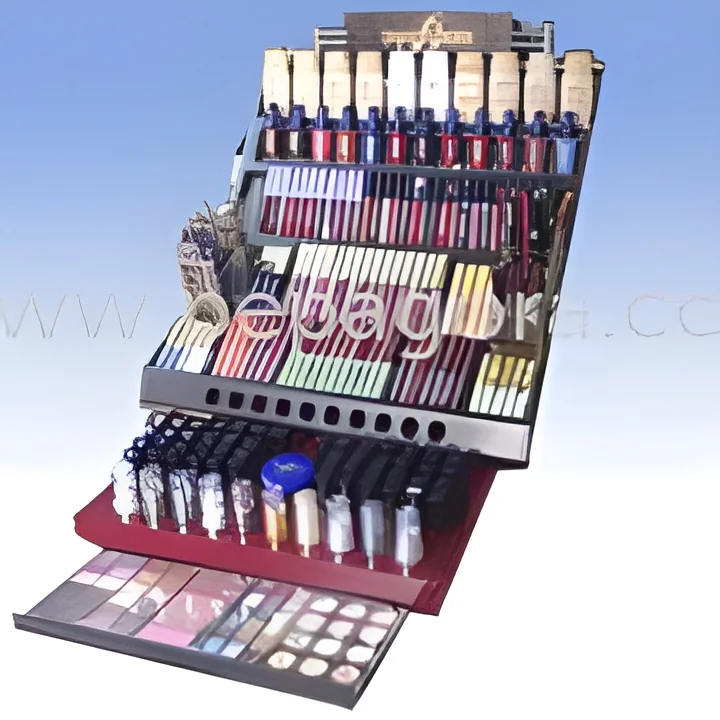
5. Beauty and Cosmetics: In beauty retail, merchandising highlights product benefits and engages customers with visually appealing displays that promote new launches and bestsellers.
6. Specialty Food Shops: Visual merchandising in specialty food shops emphasizes artisanal products, pairing ideas, and seasonal offerings to entice customers and enhance the shopping experience.
7. Furniture Stores: Furniture retailers use visual merchandising to create inviting room settings, helping customers visualize how pieces fit into their living spaces.
Product Variants and Subcategories
Visual merchandising styling for retail can come in various forms to meet different retailer needs. Each variant offers unique features and applications.
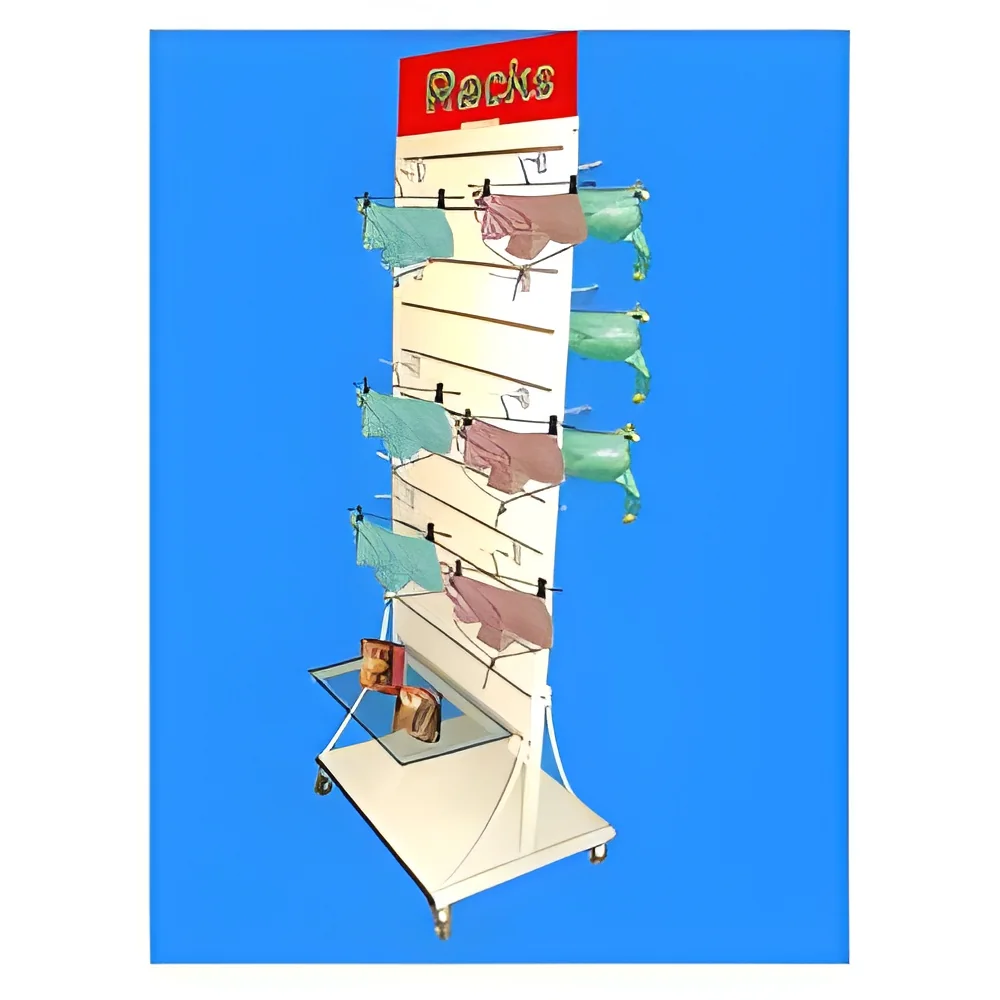
Display Stands
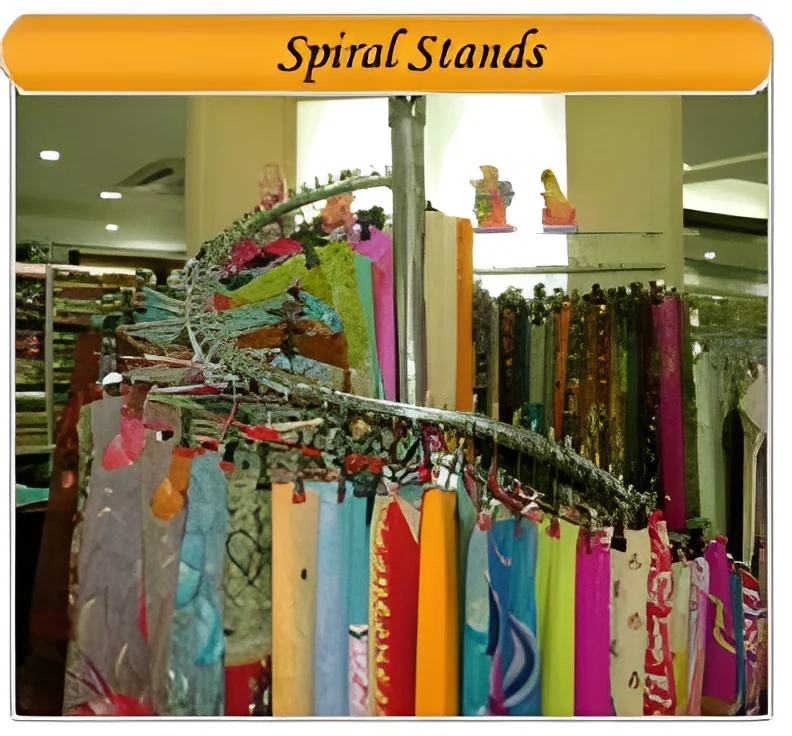
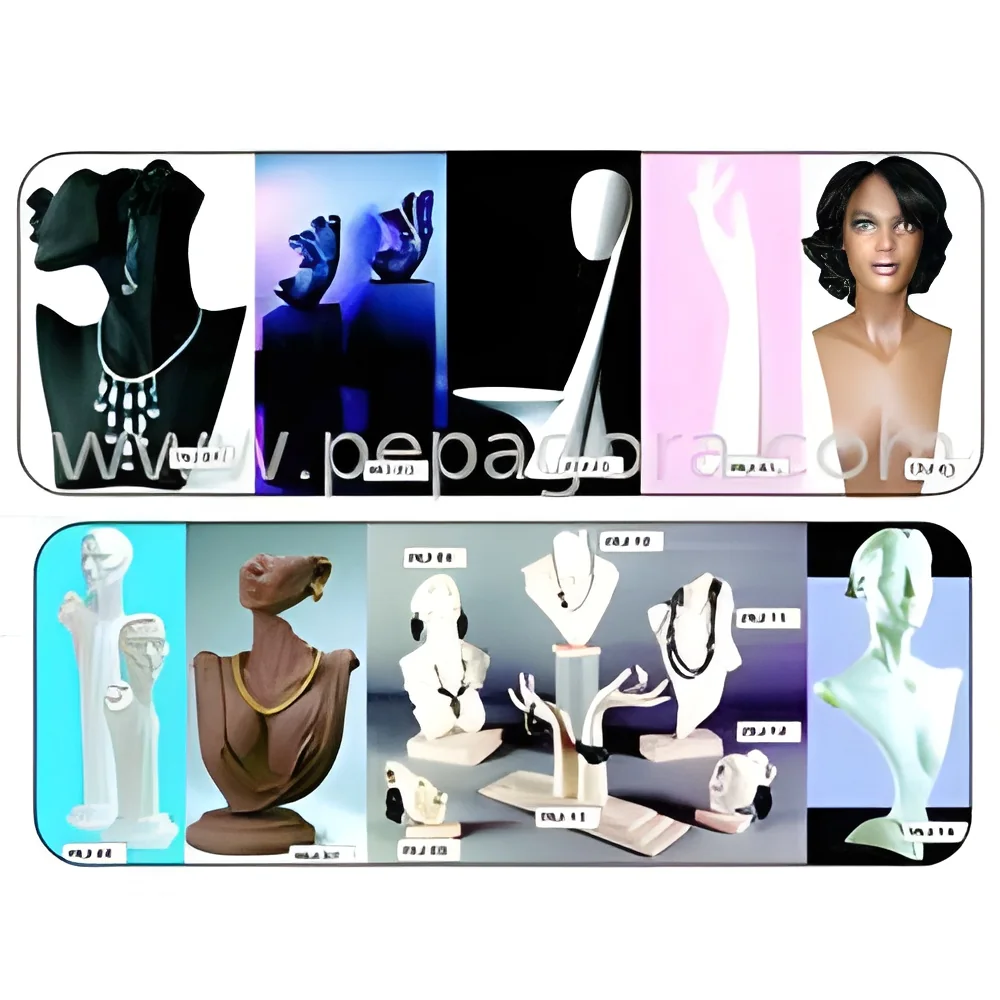
These stands are designed to showcase products effectively at varying heights. They are ideal for promoting seasonal items or featured products.
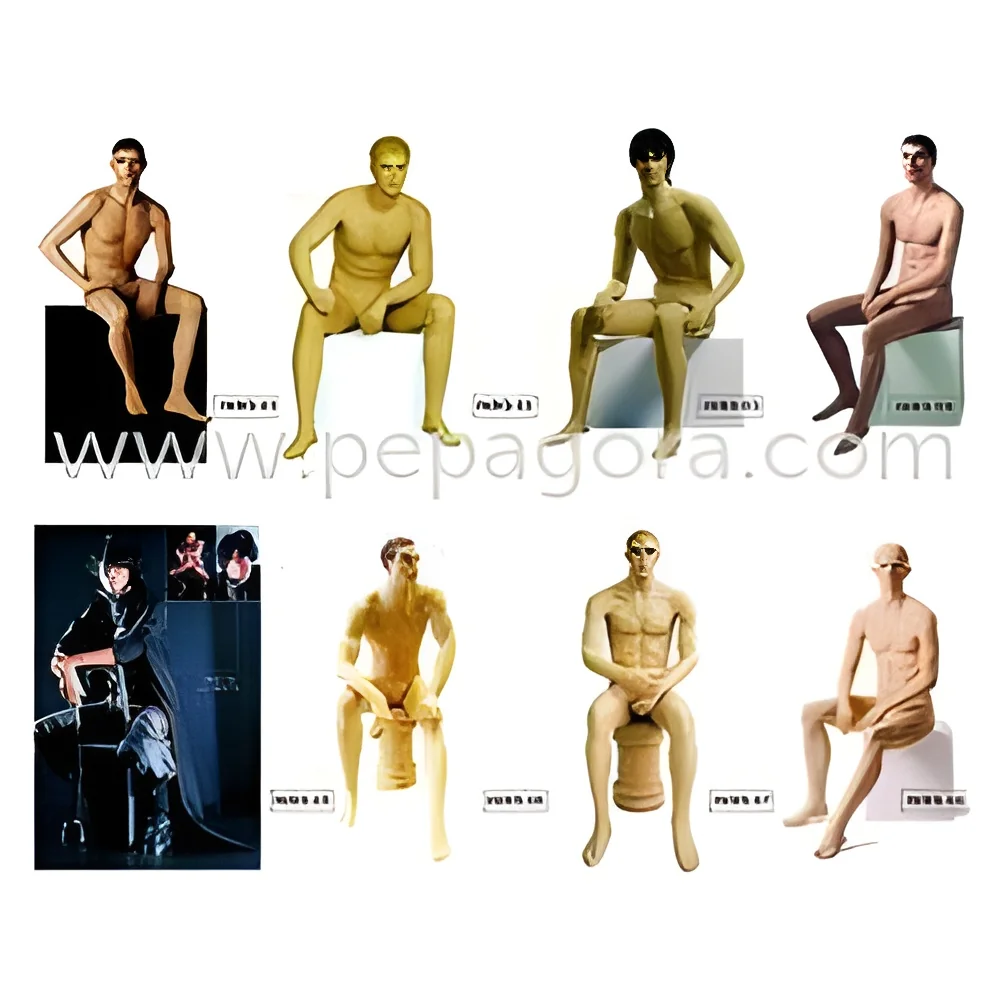
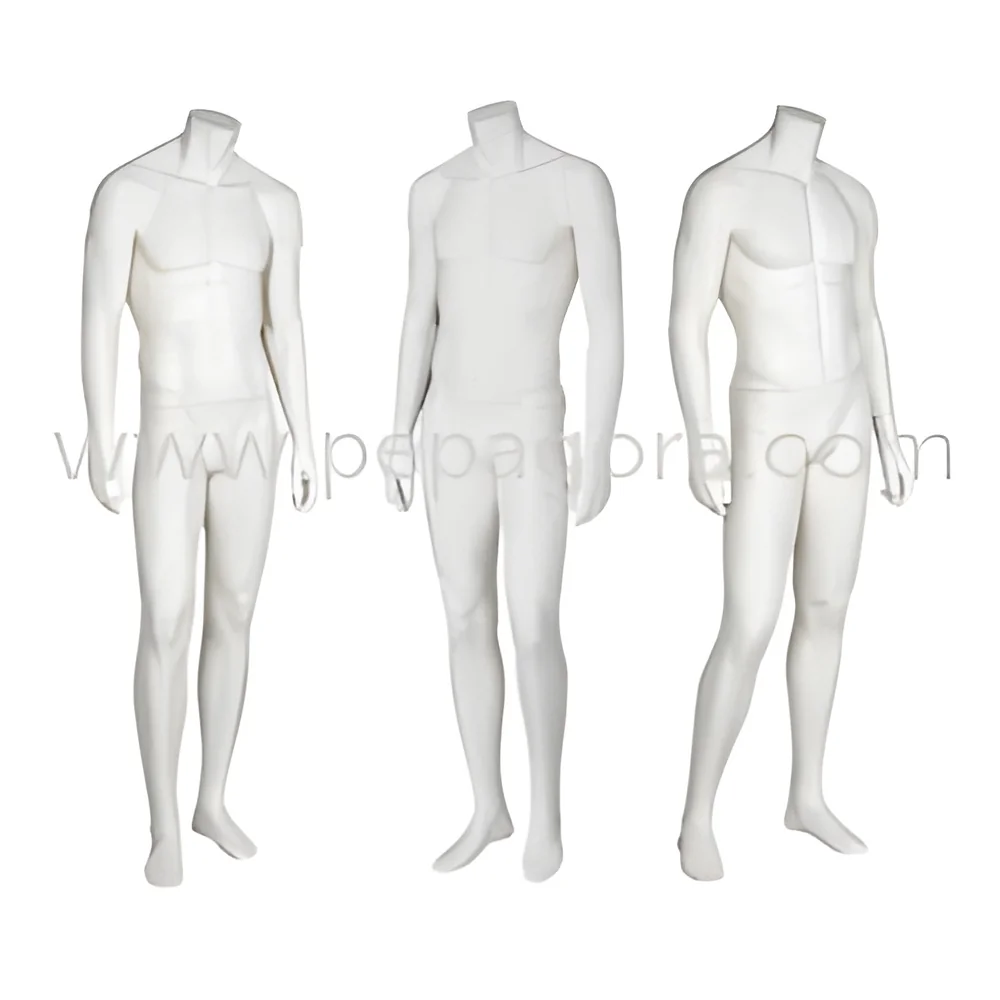
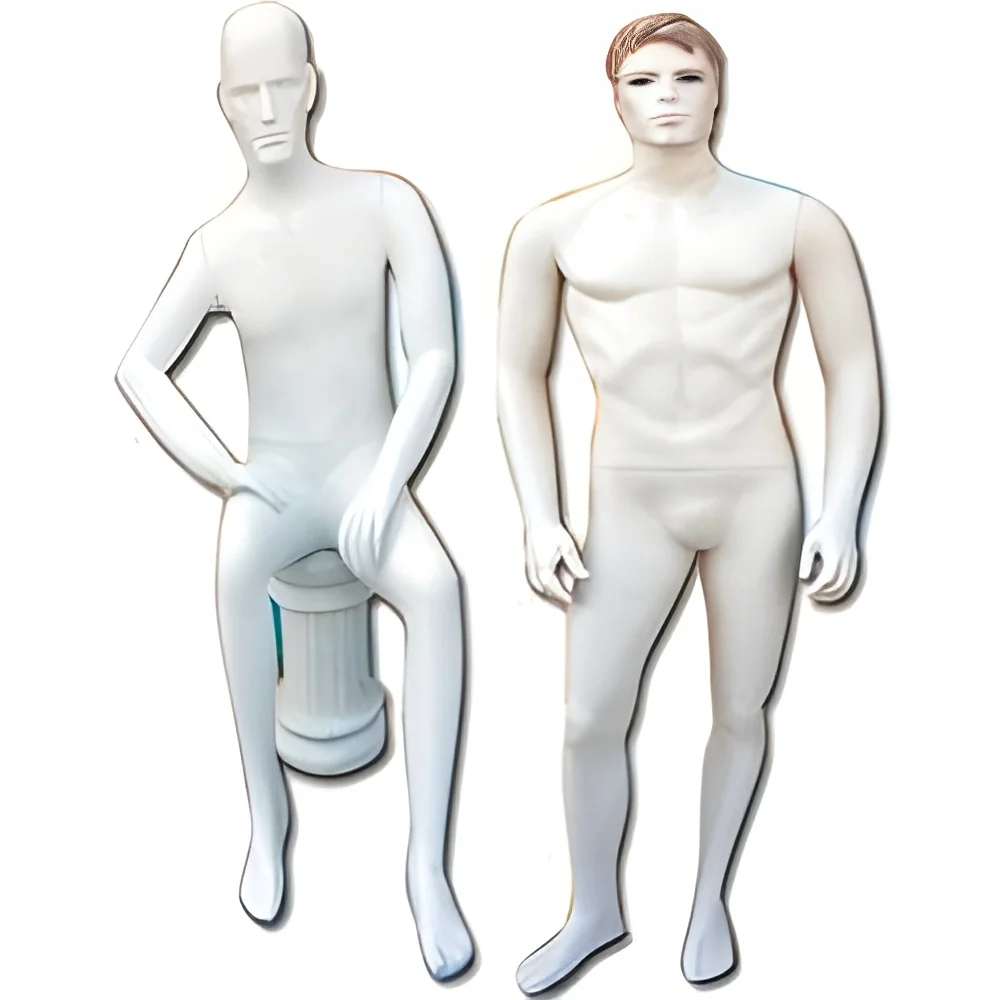
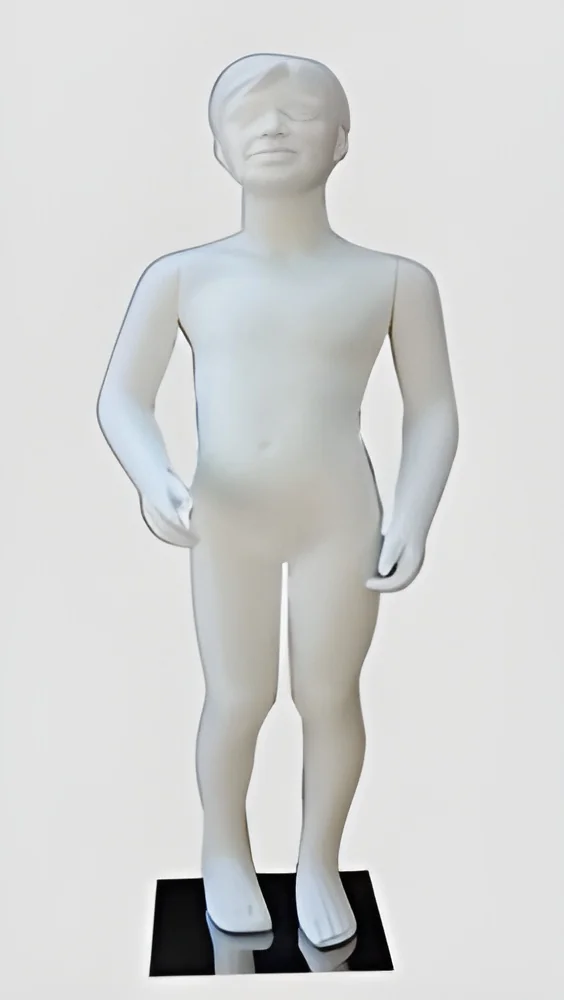
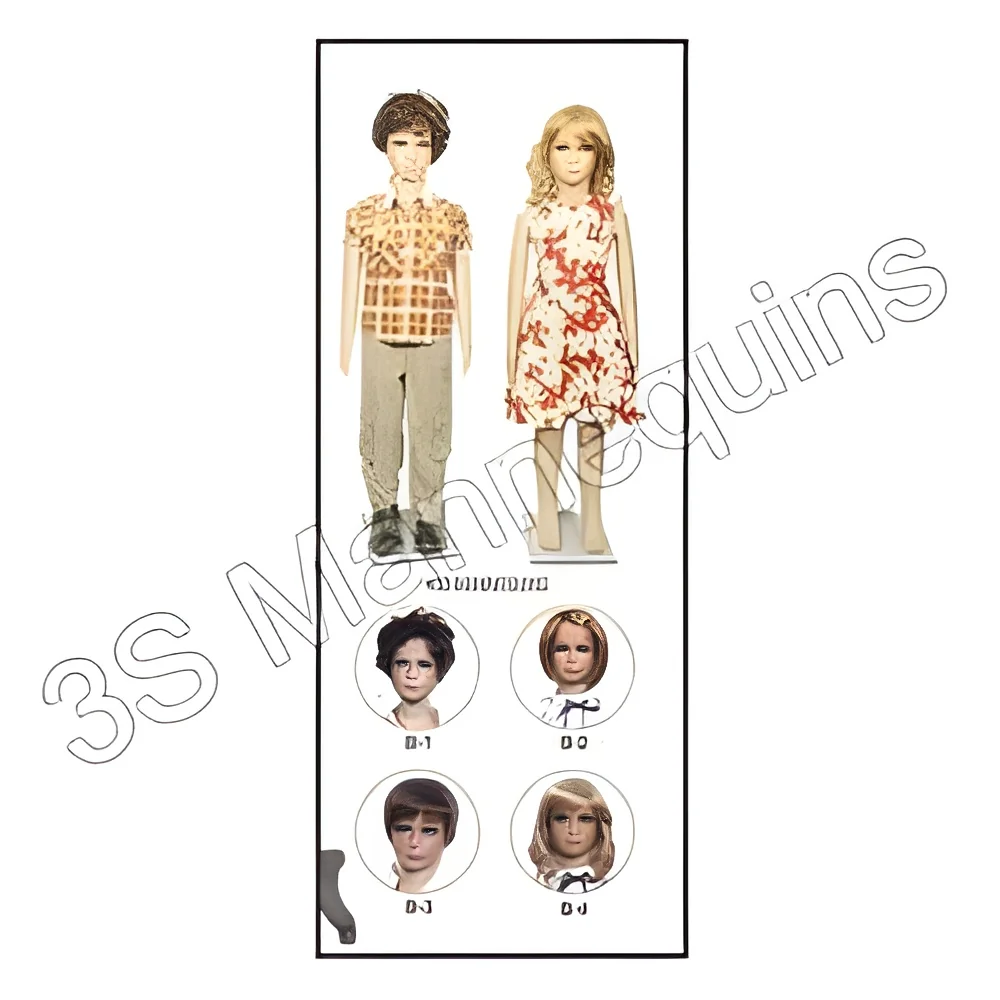
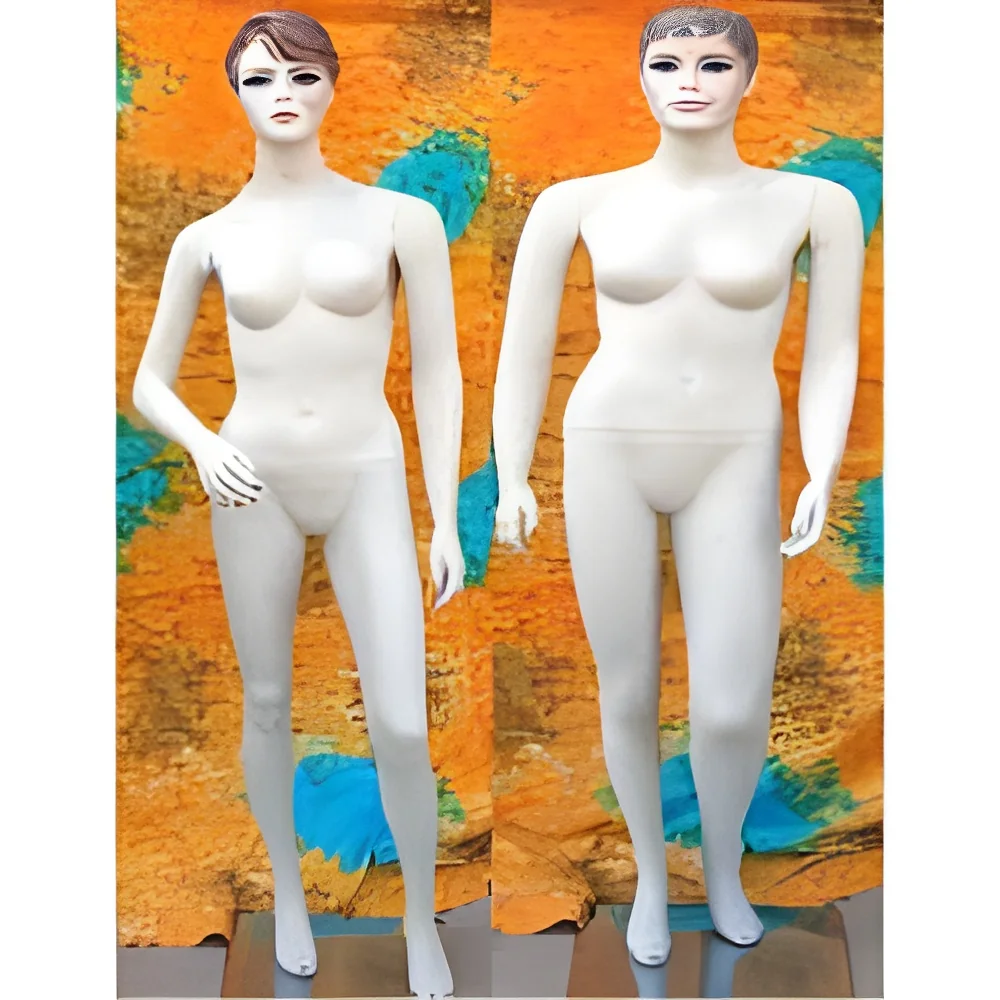
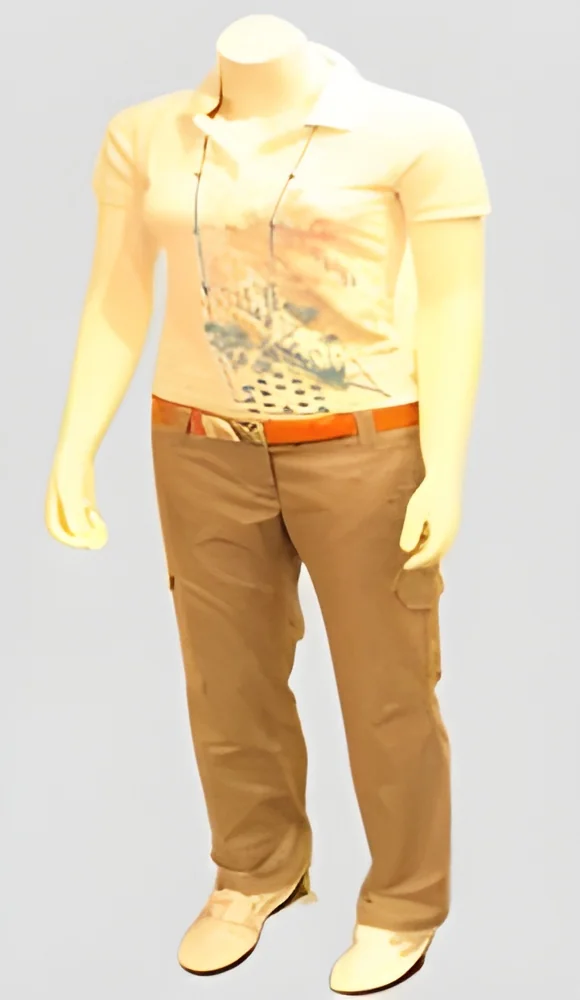
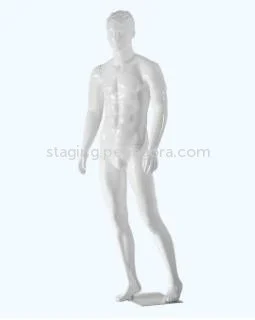
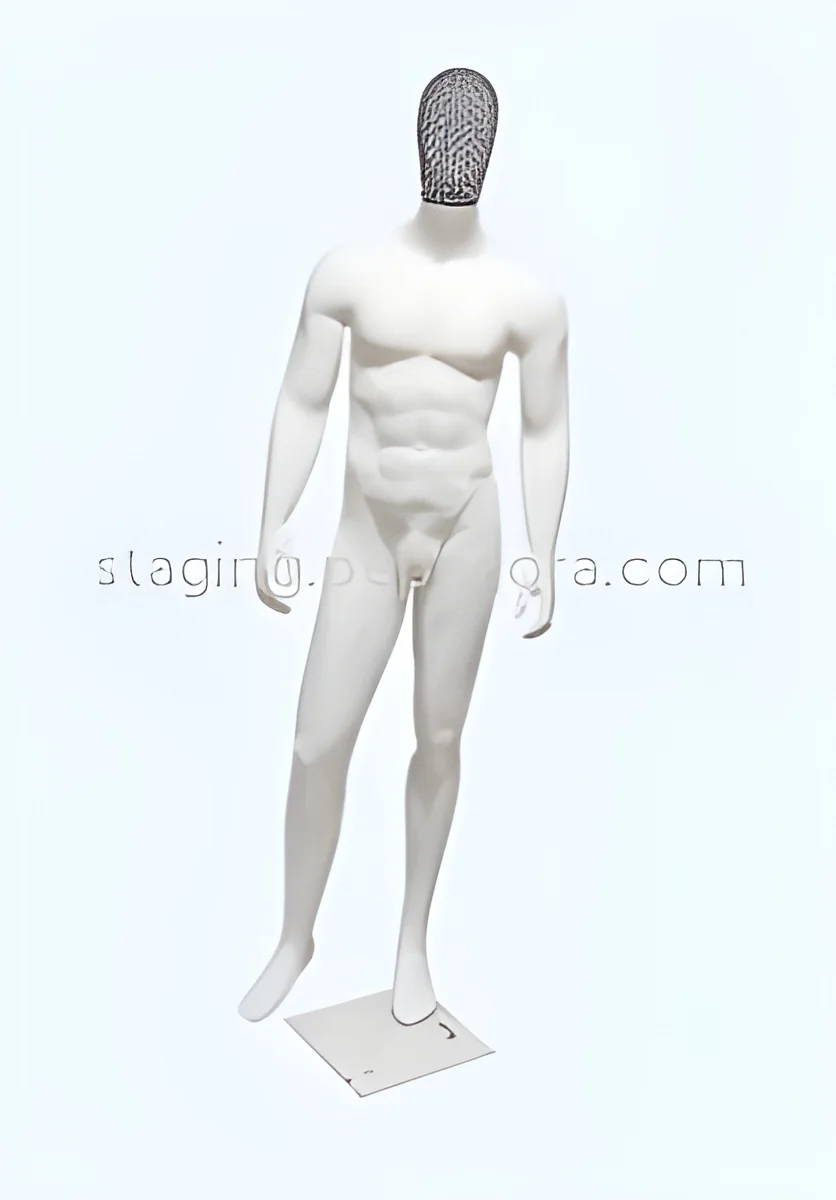
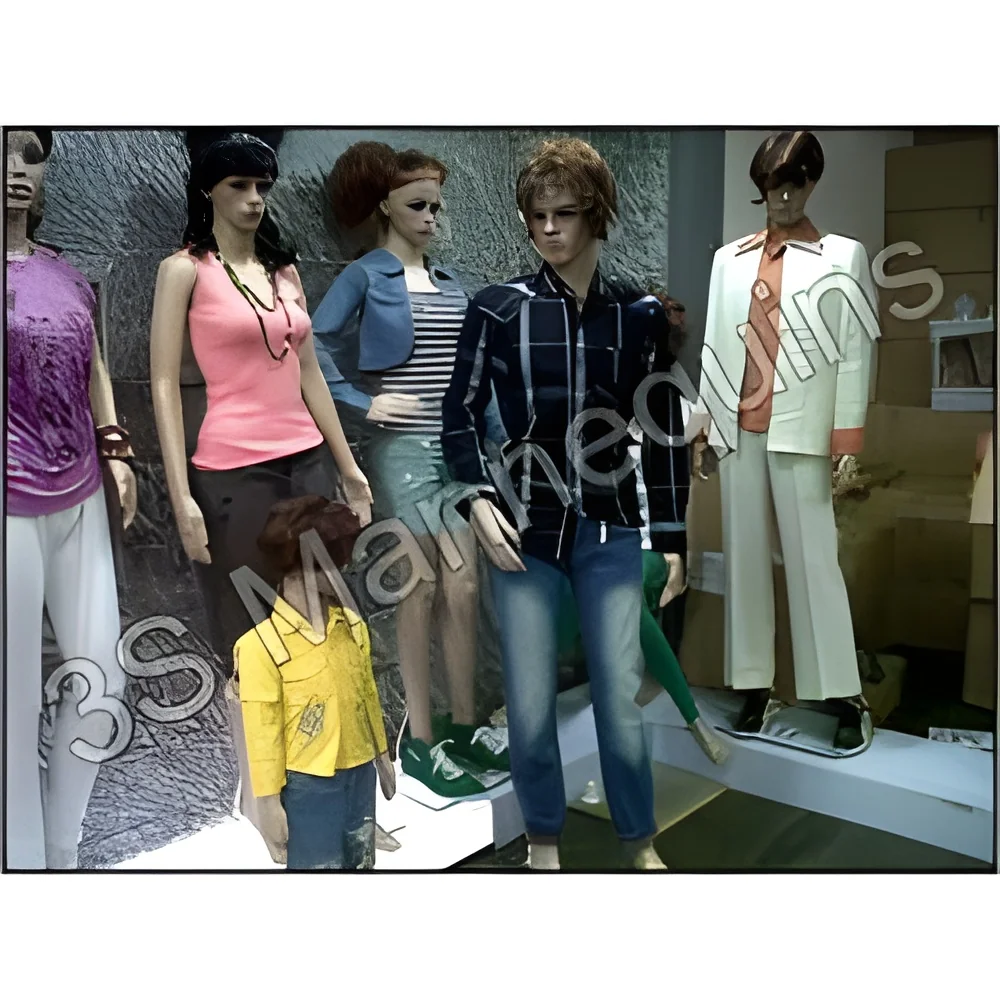
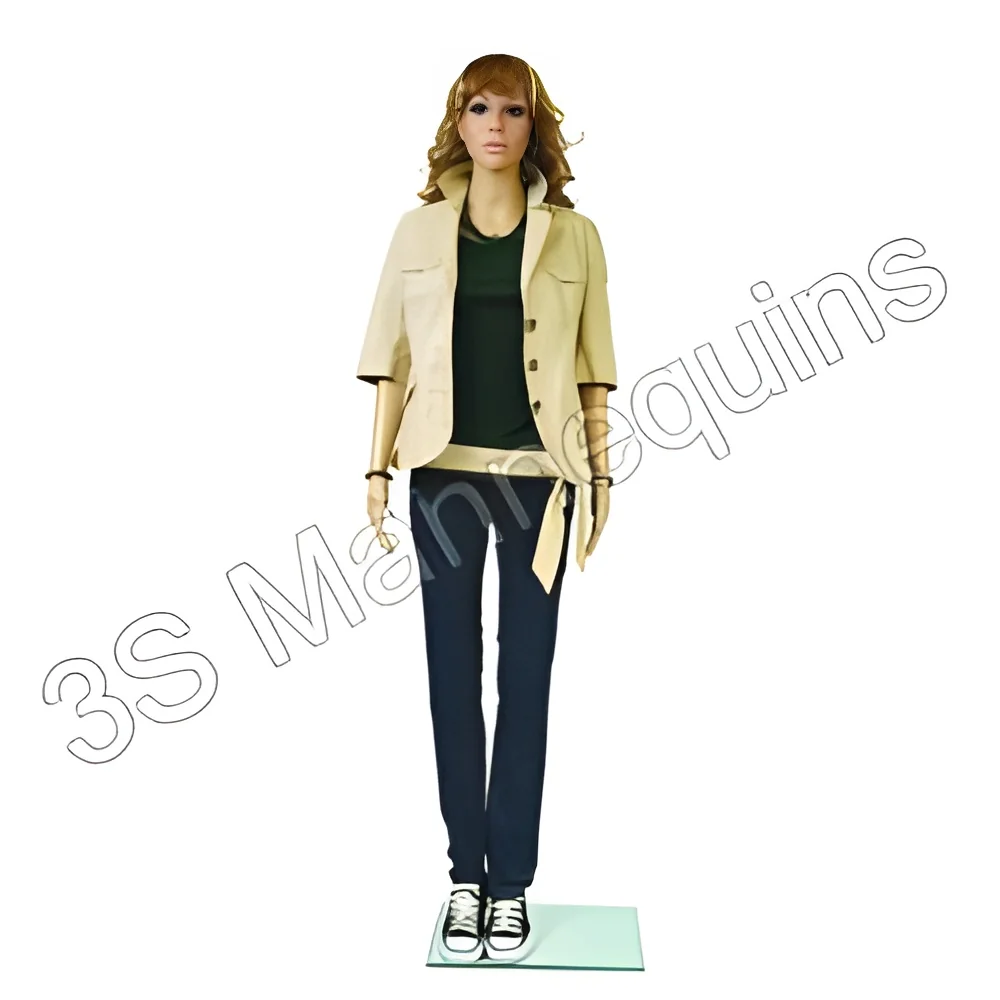
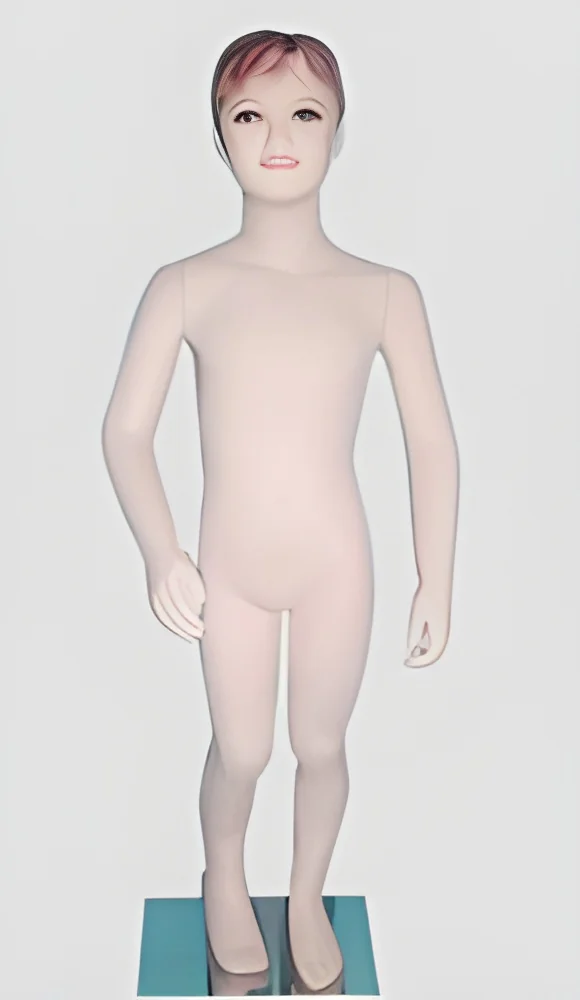
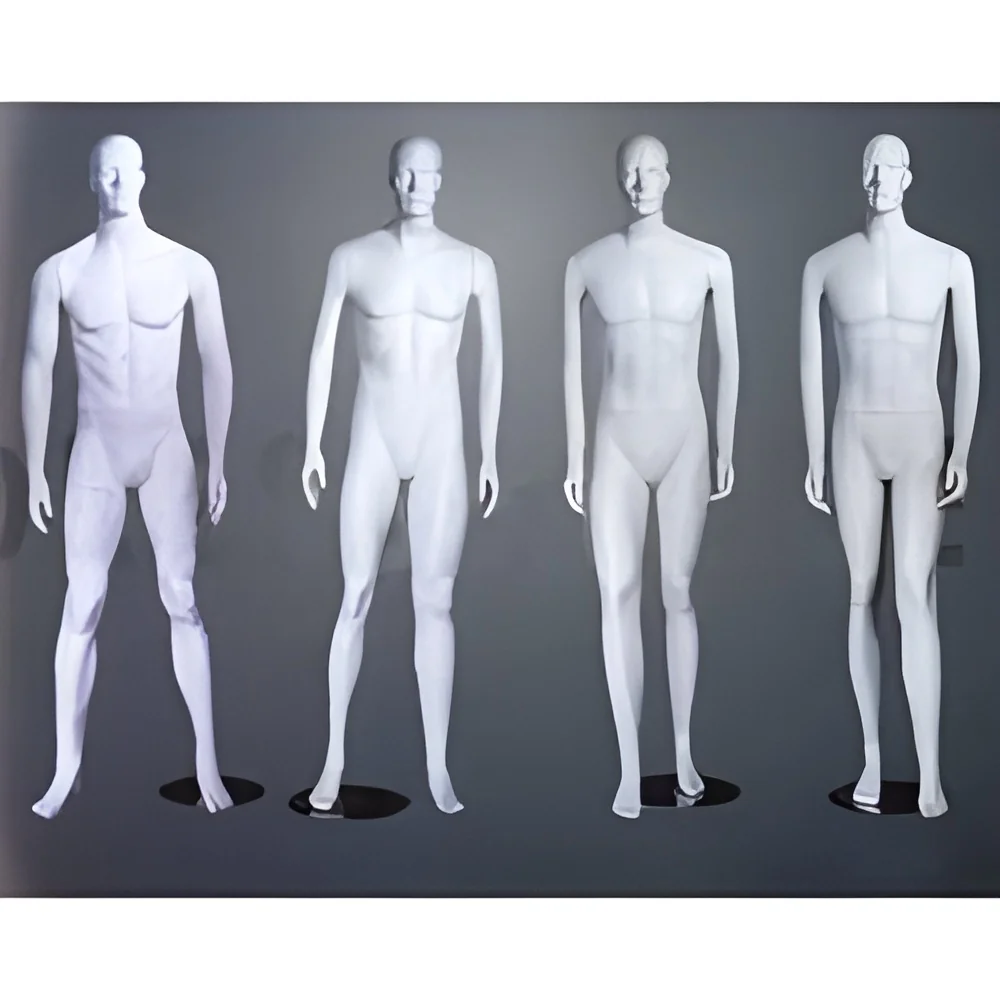
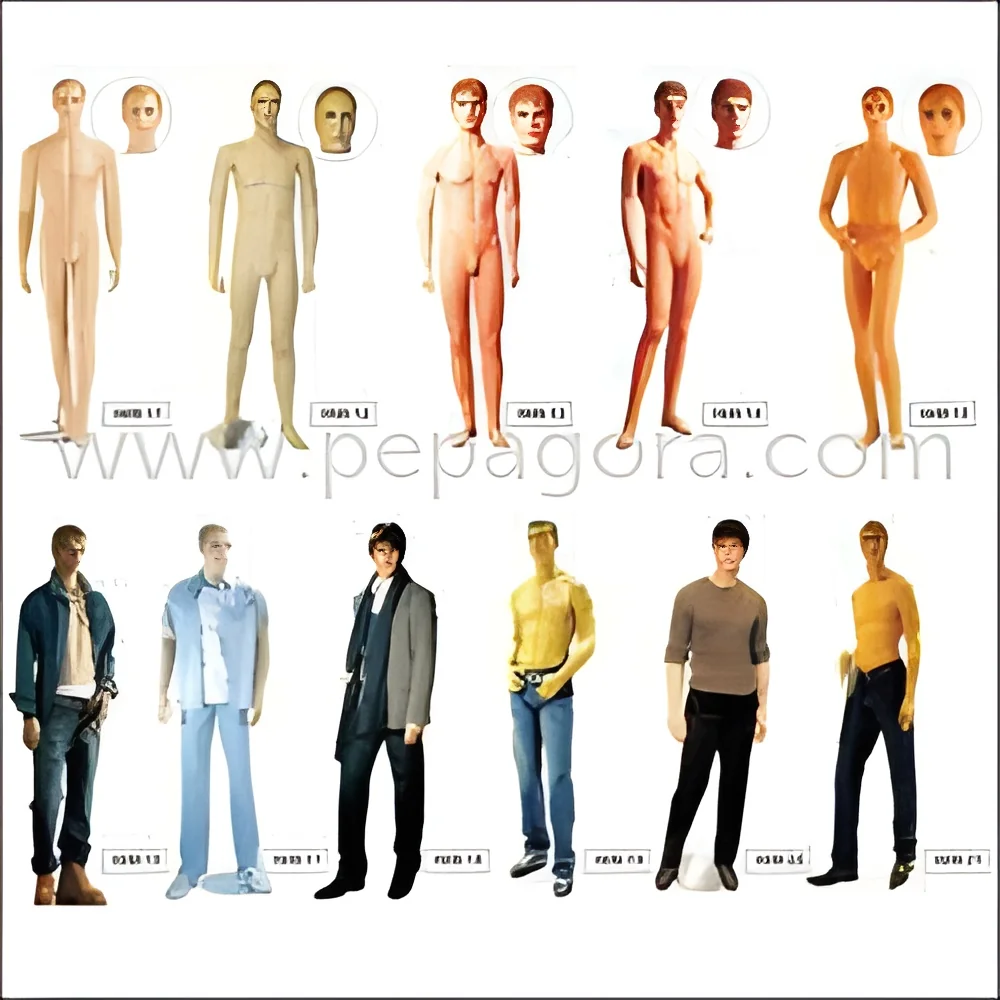
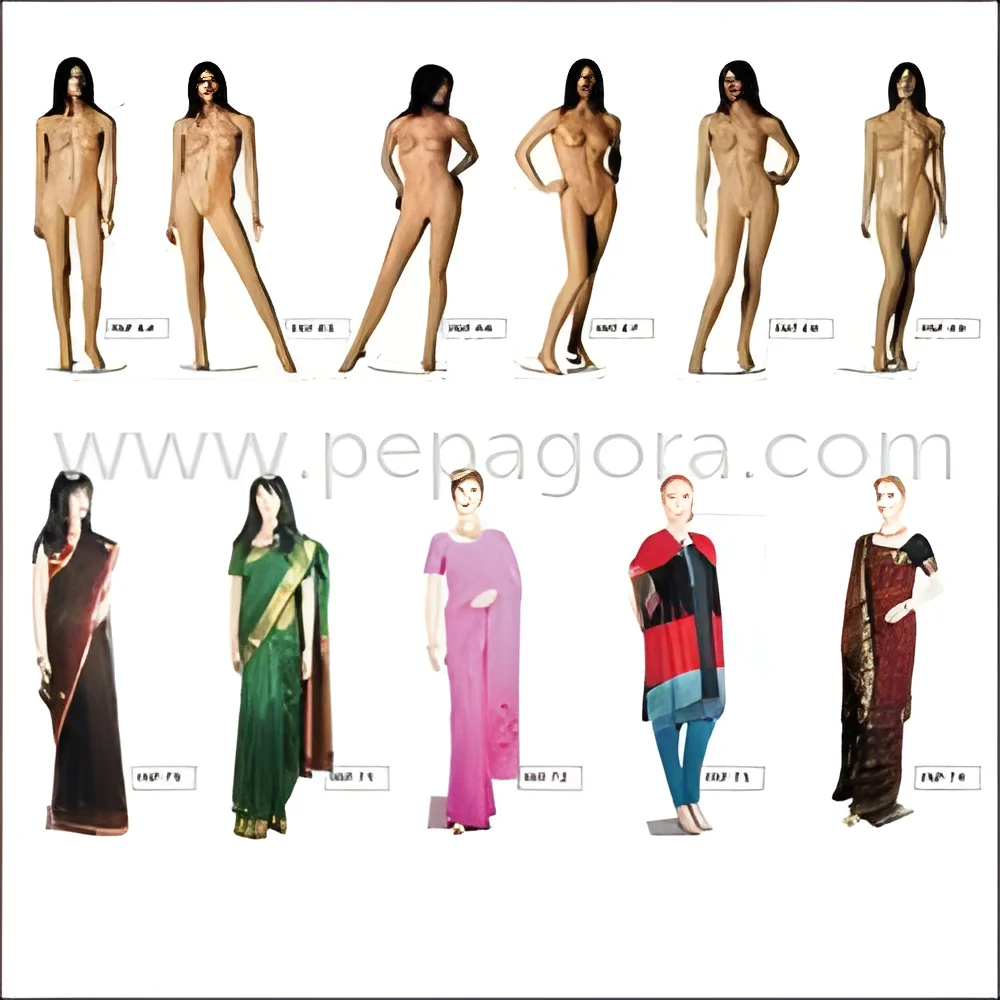
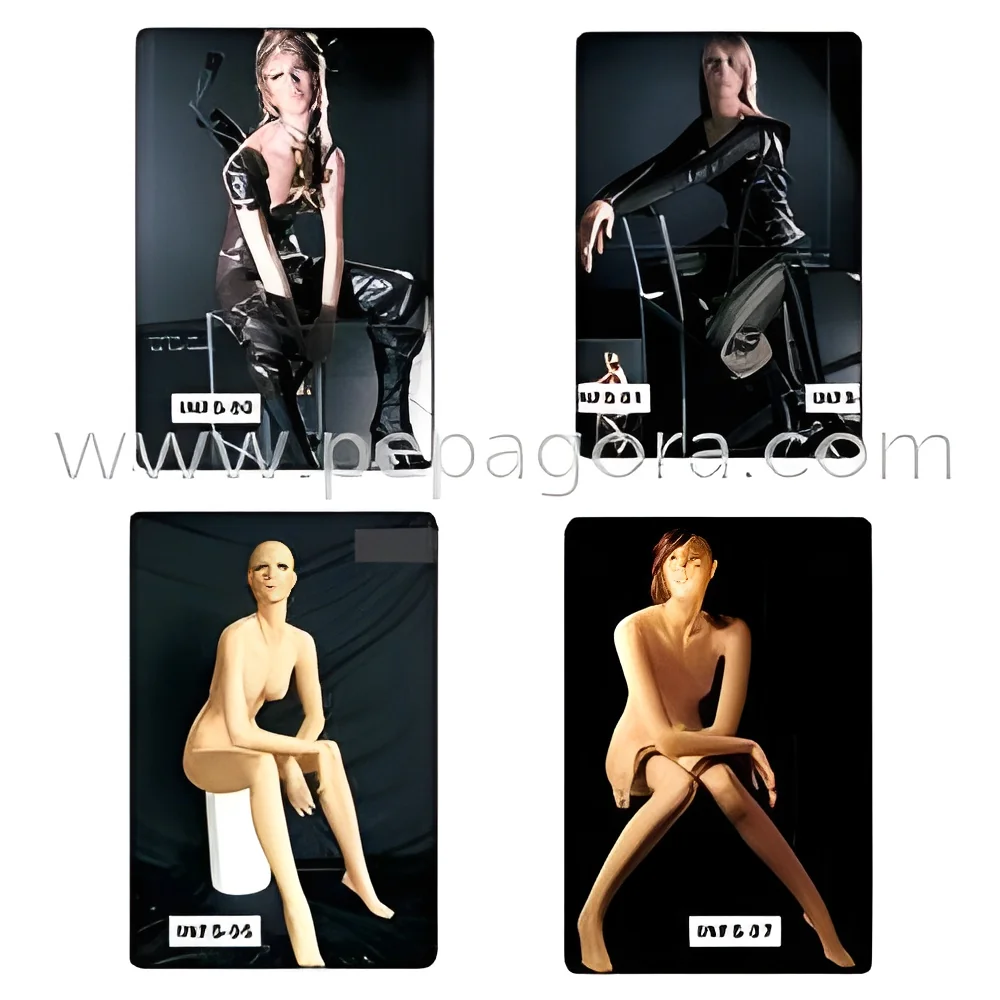
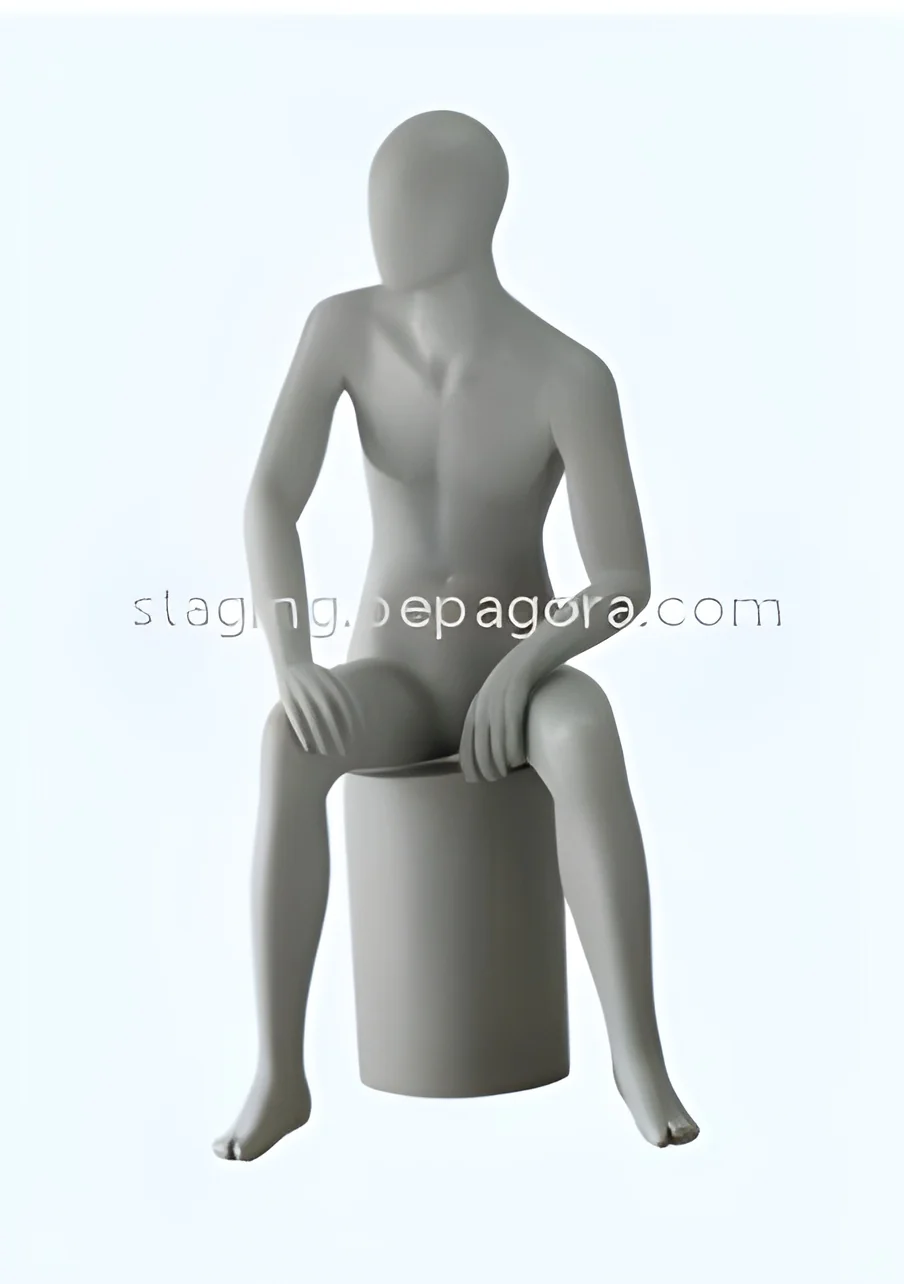
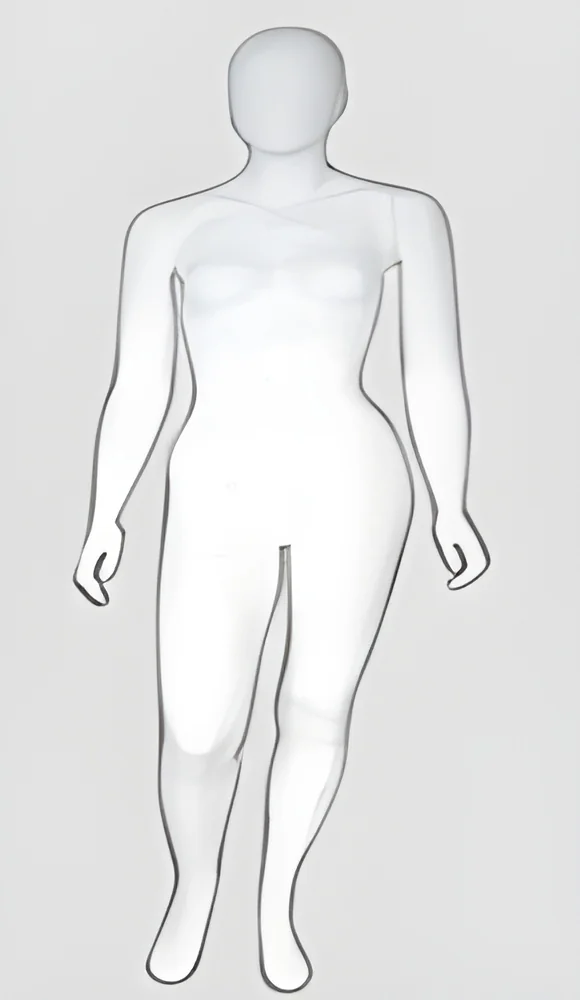
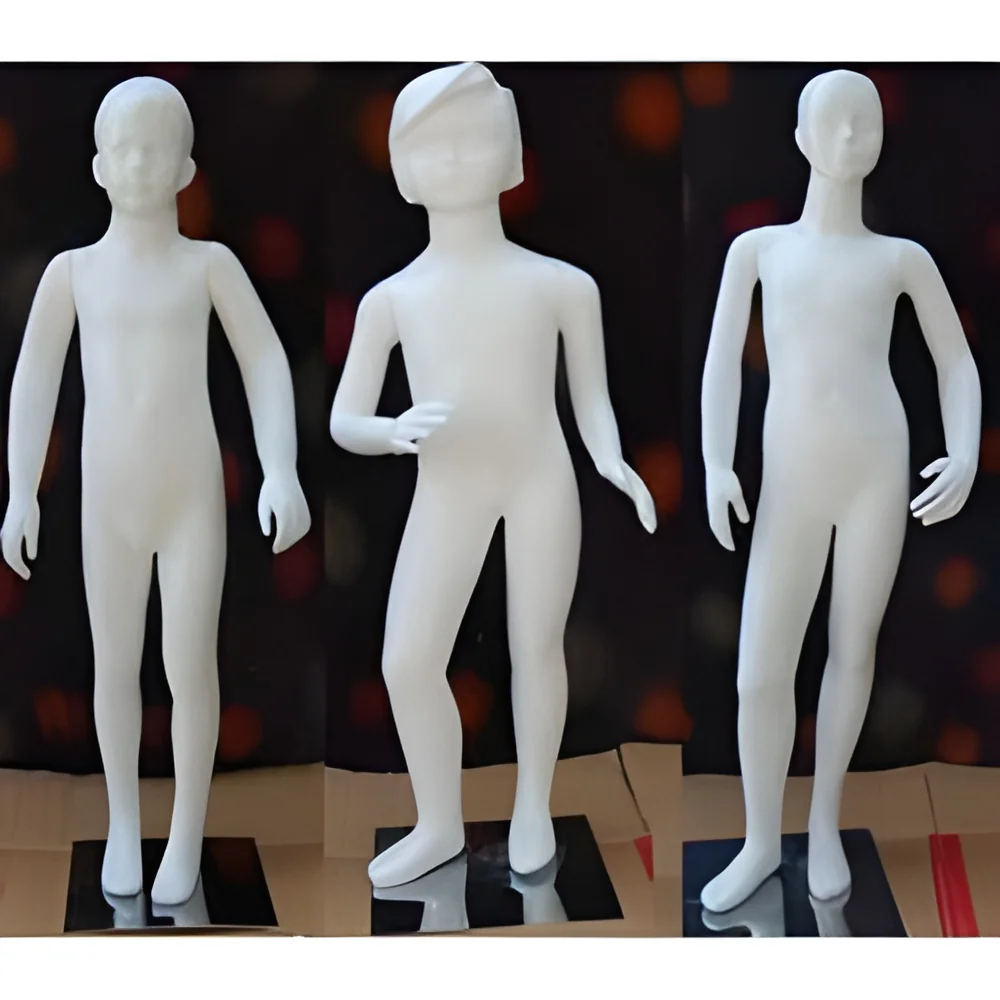
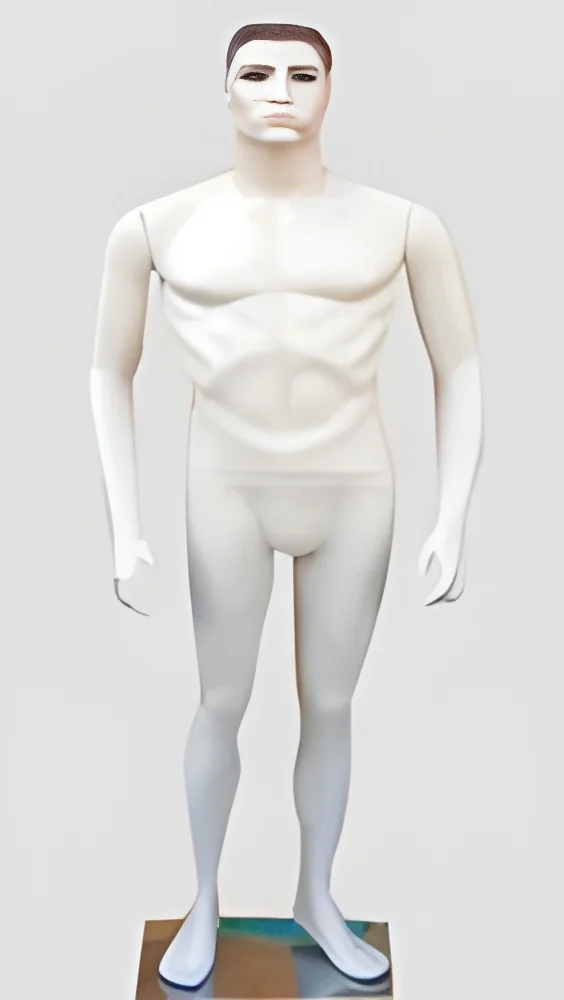
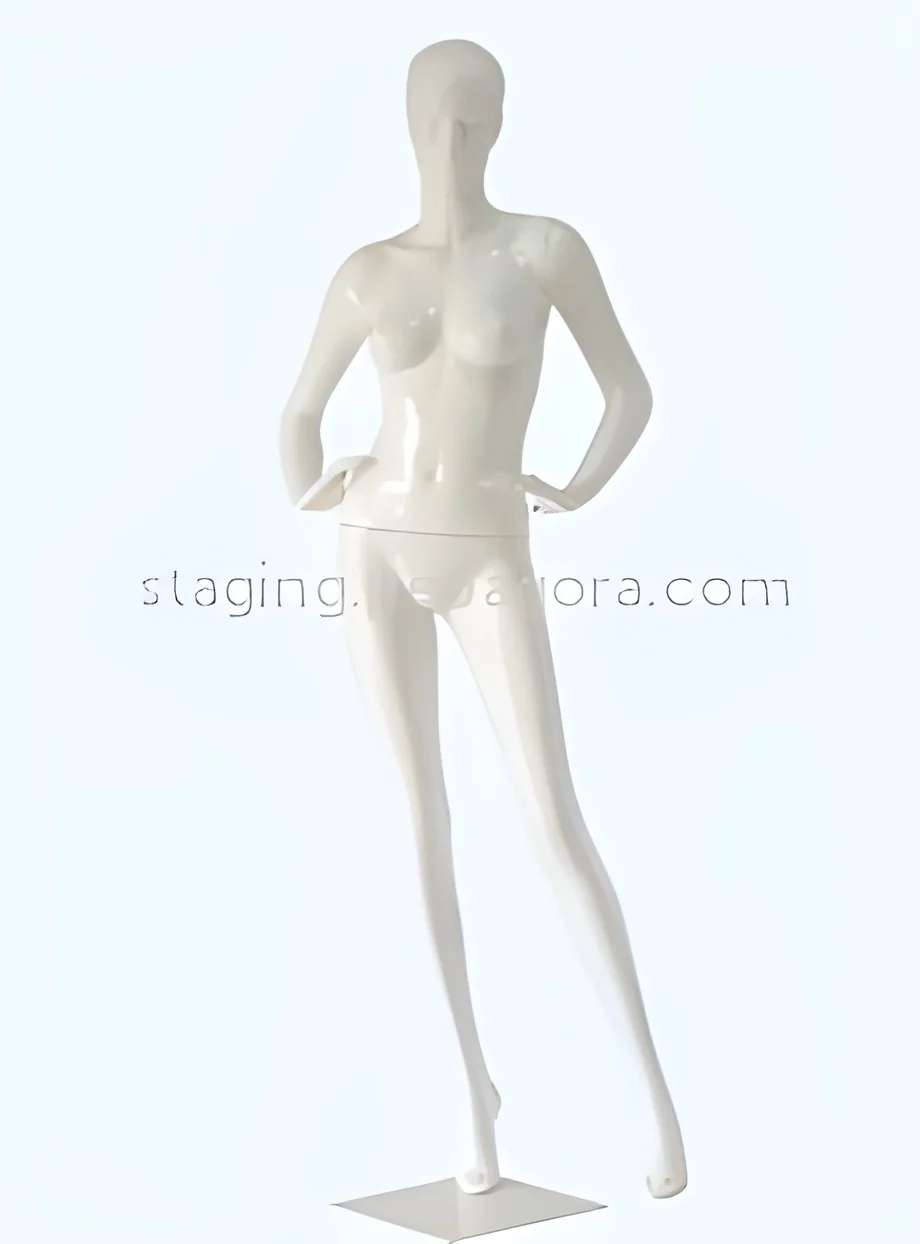
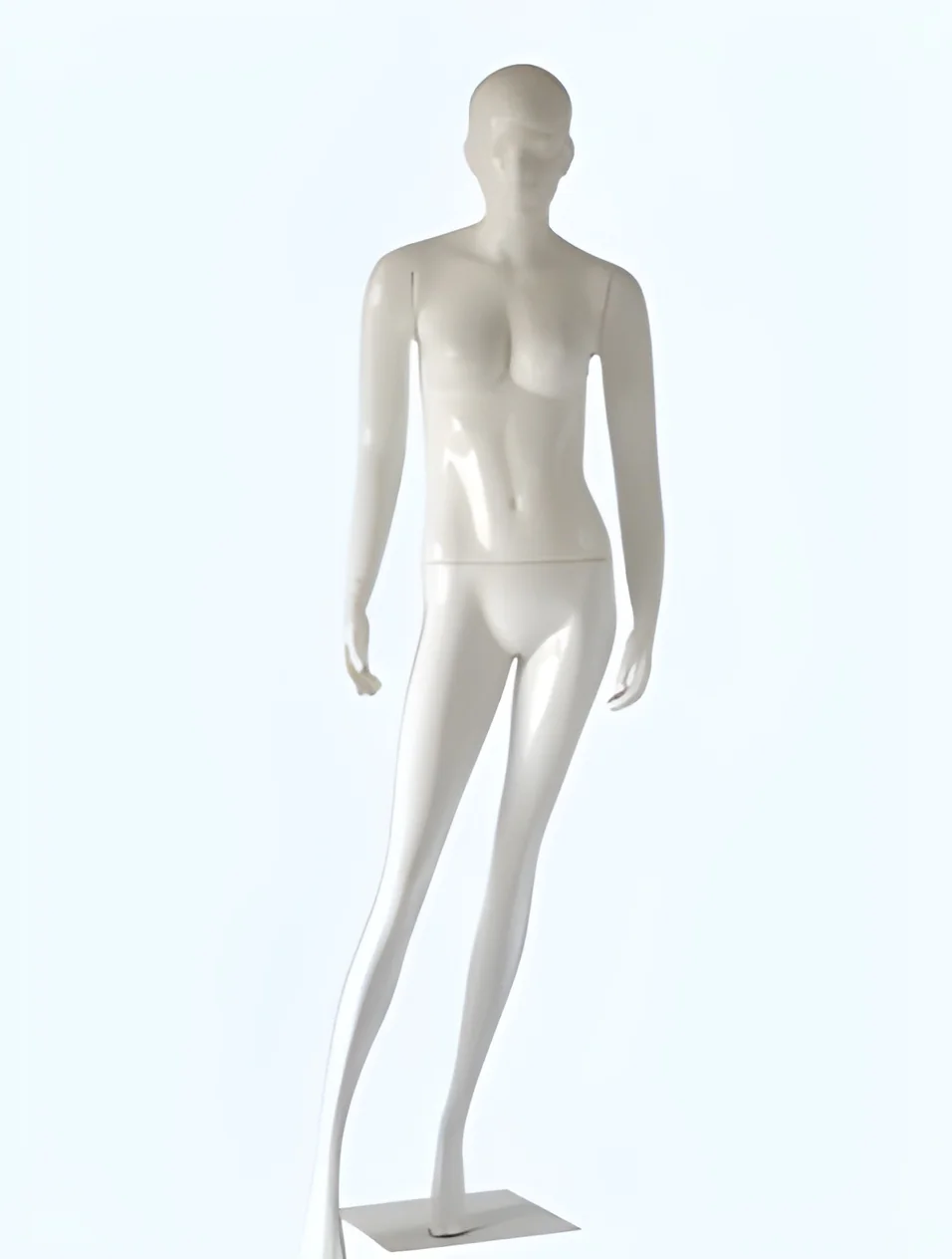
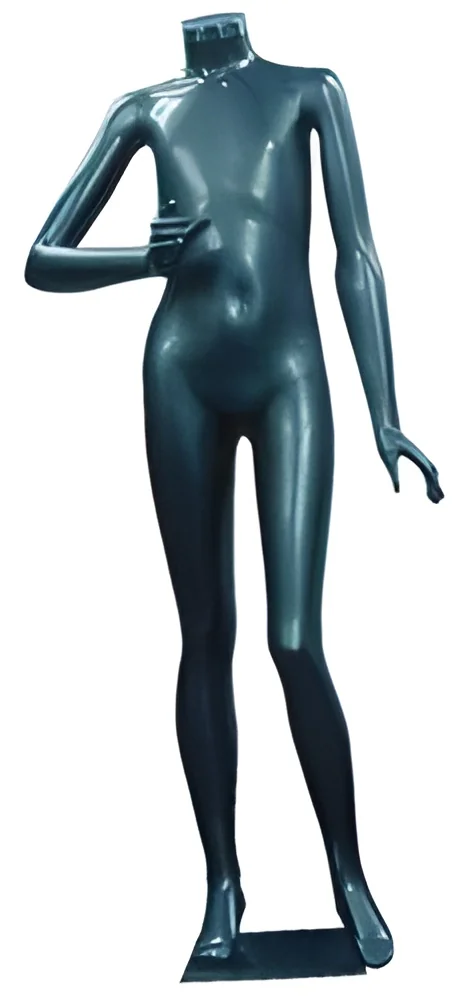
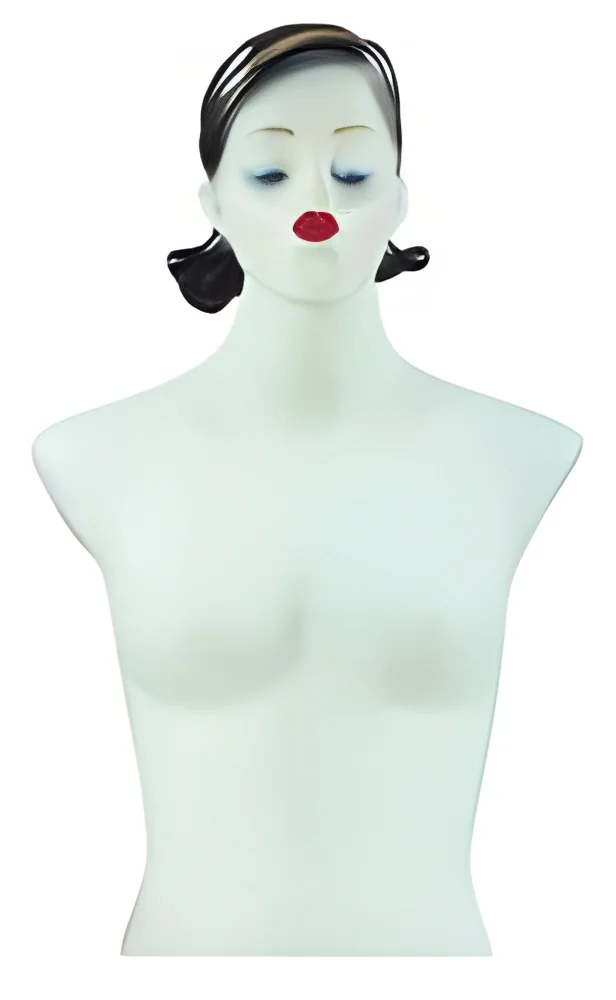
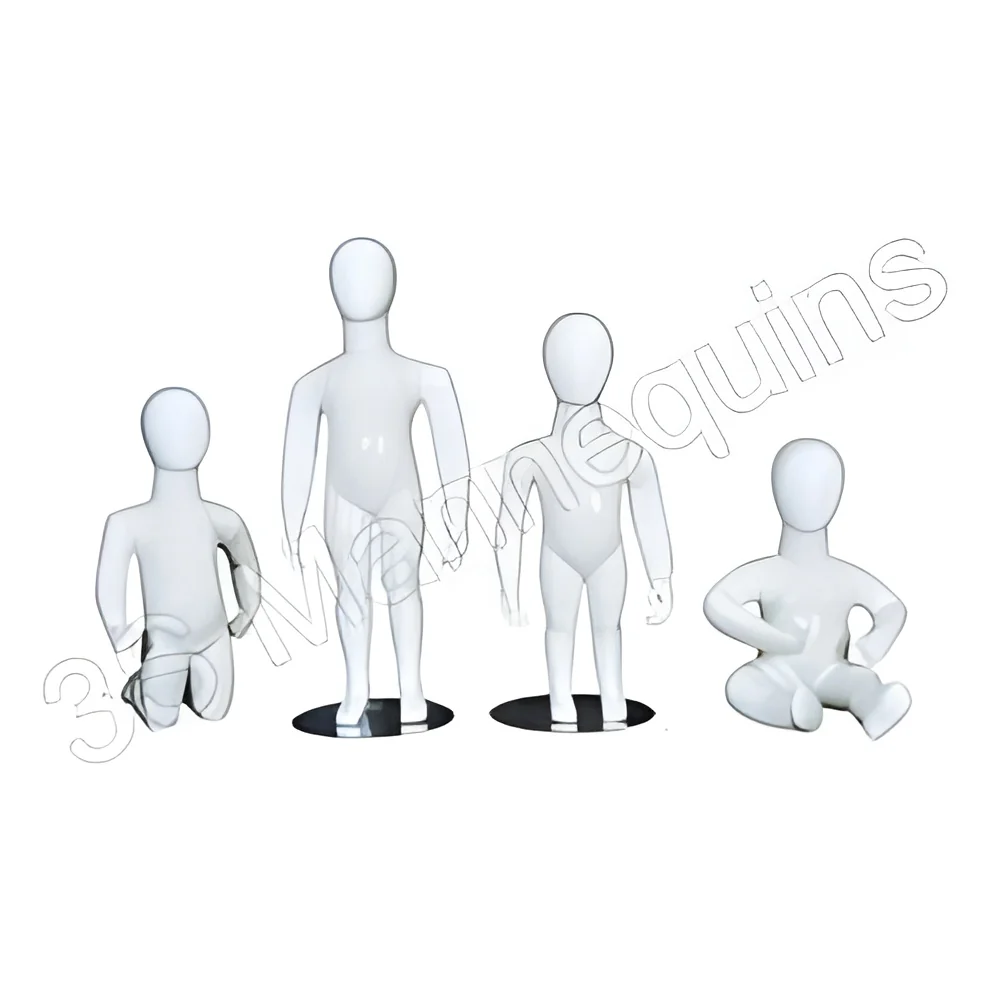
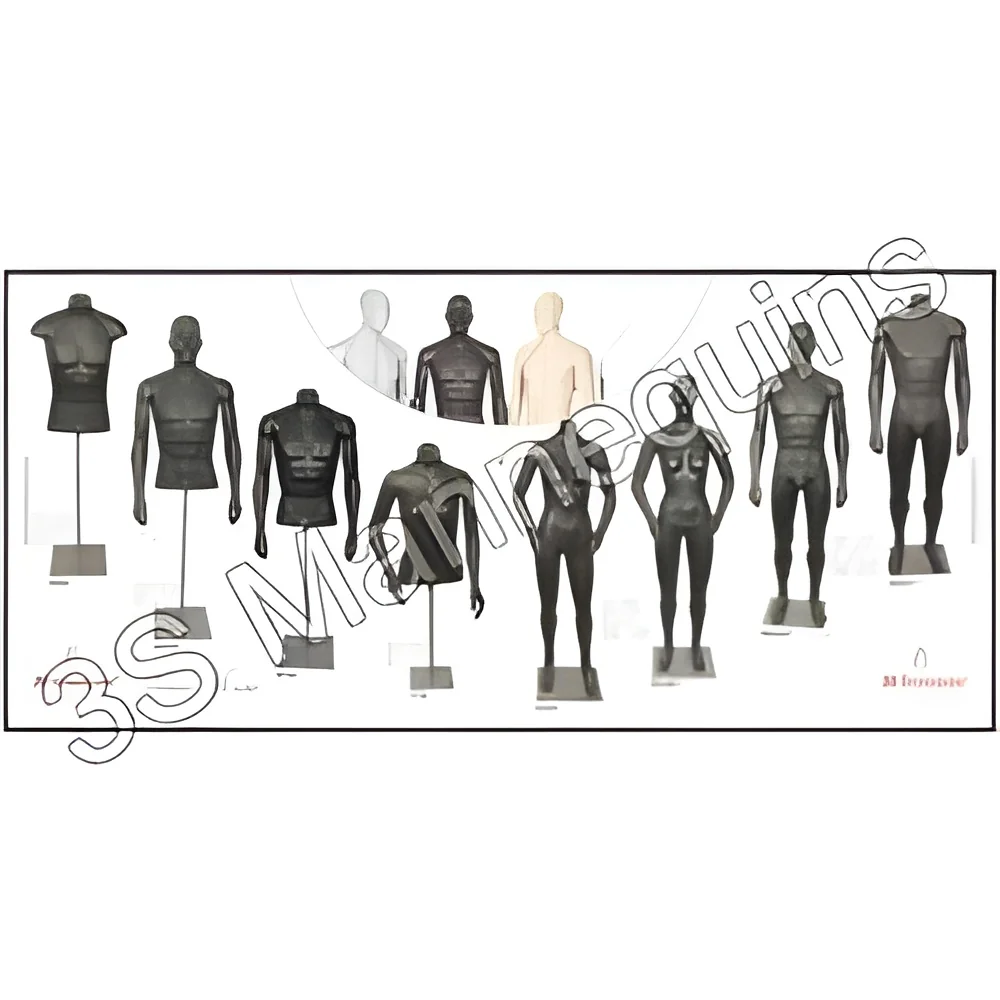
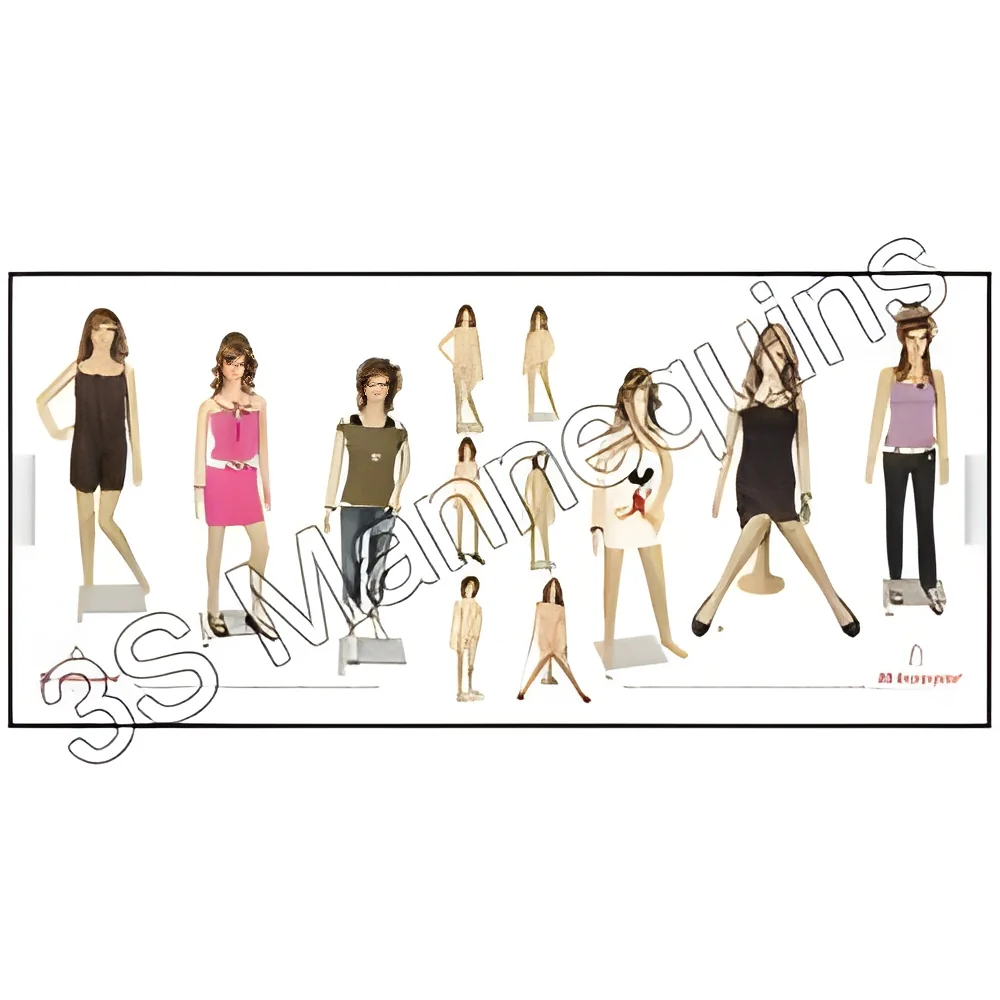
Mannequins
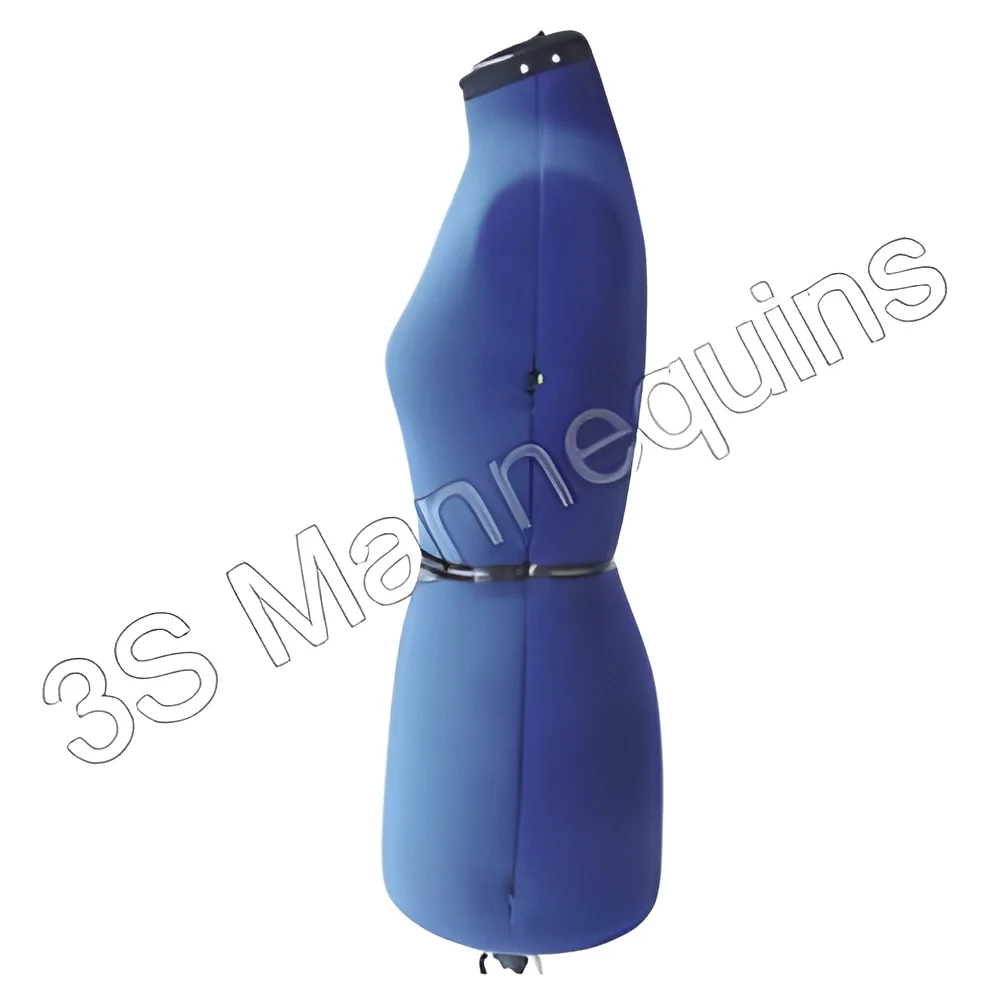
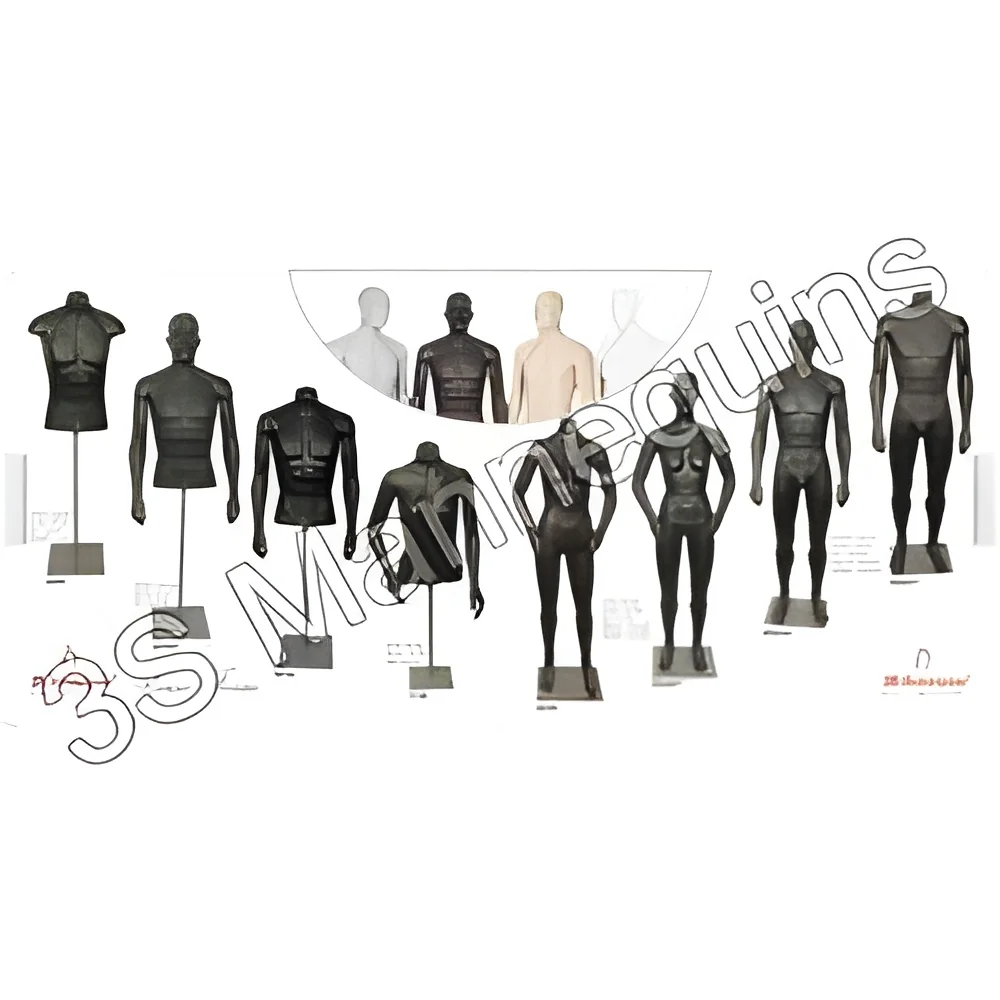
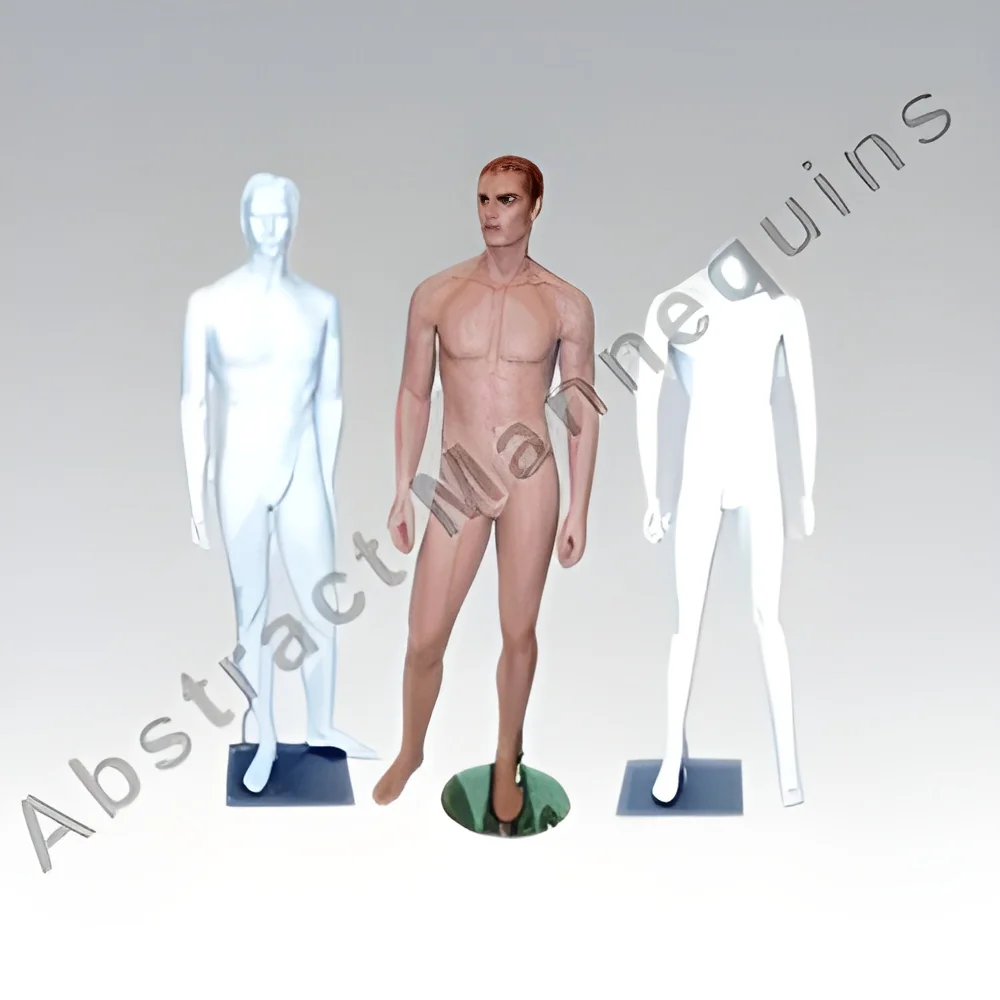
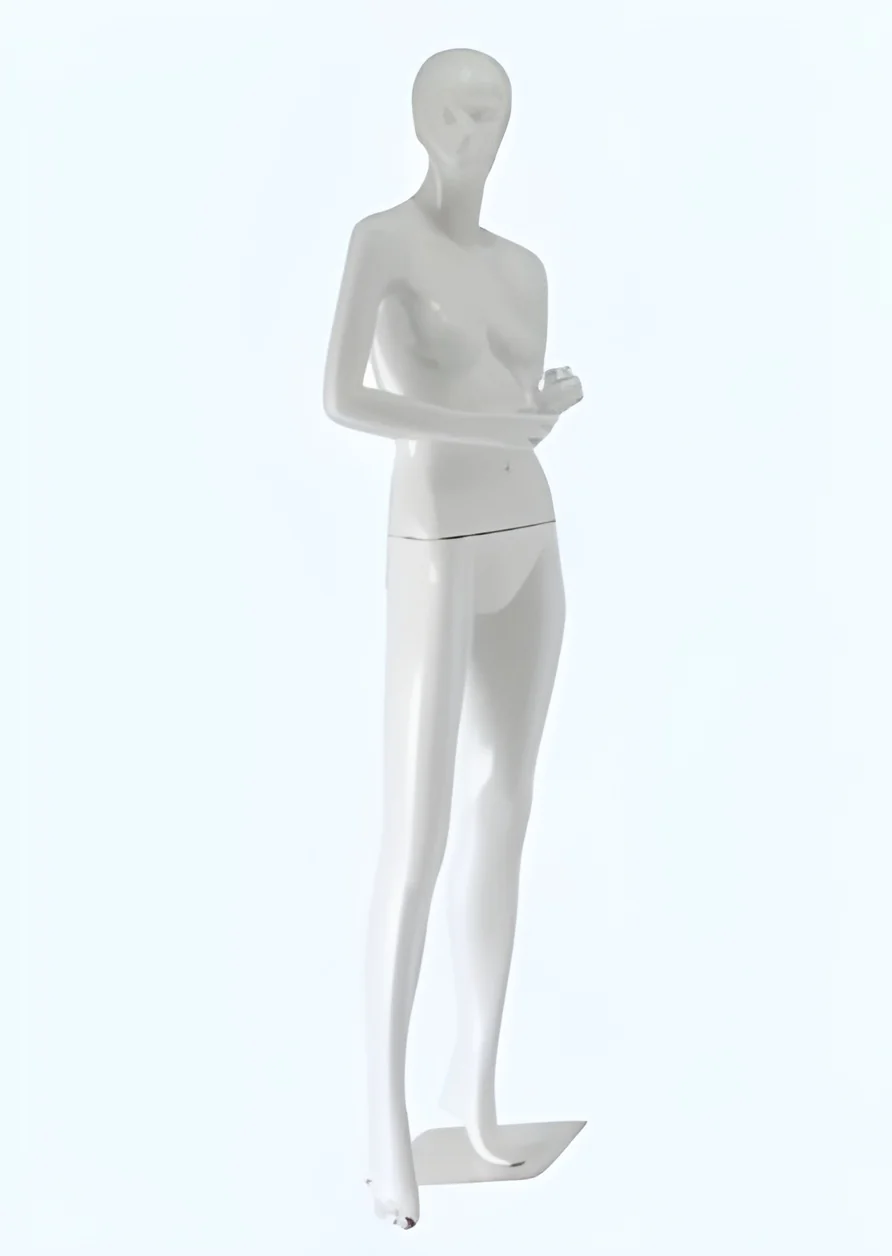
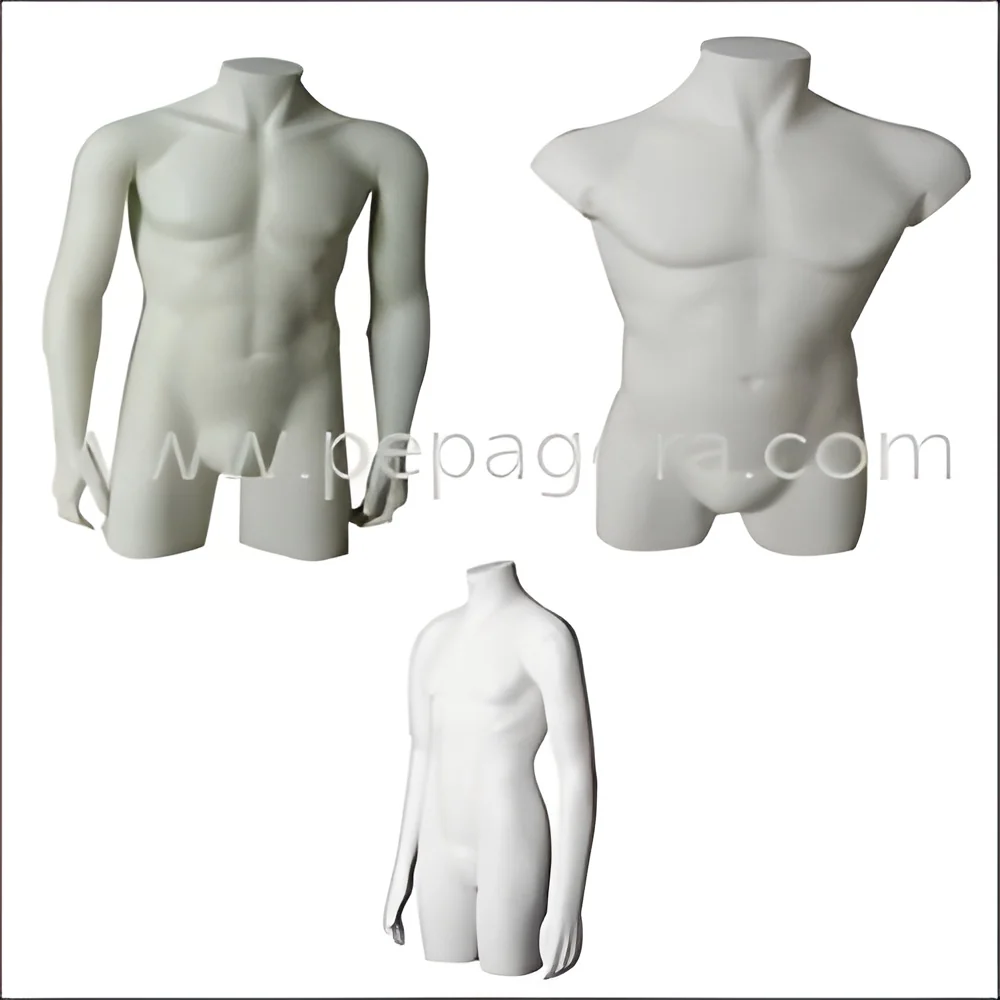
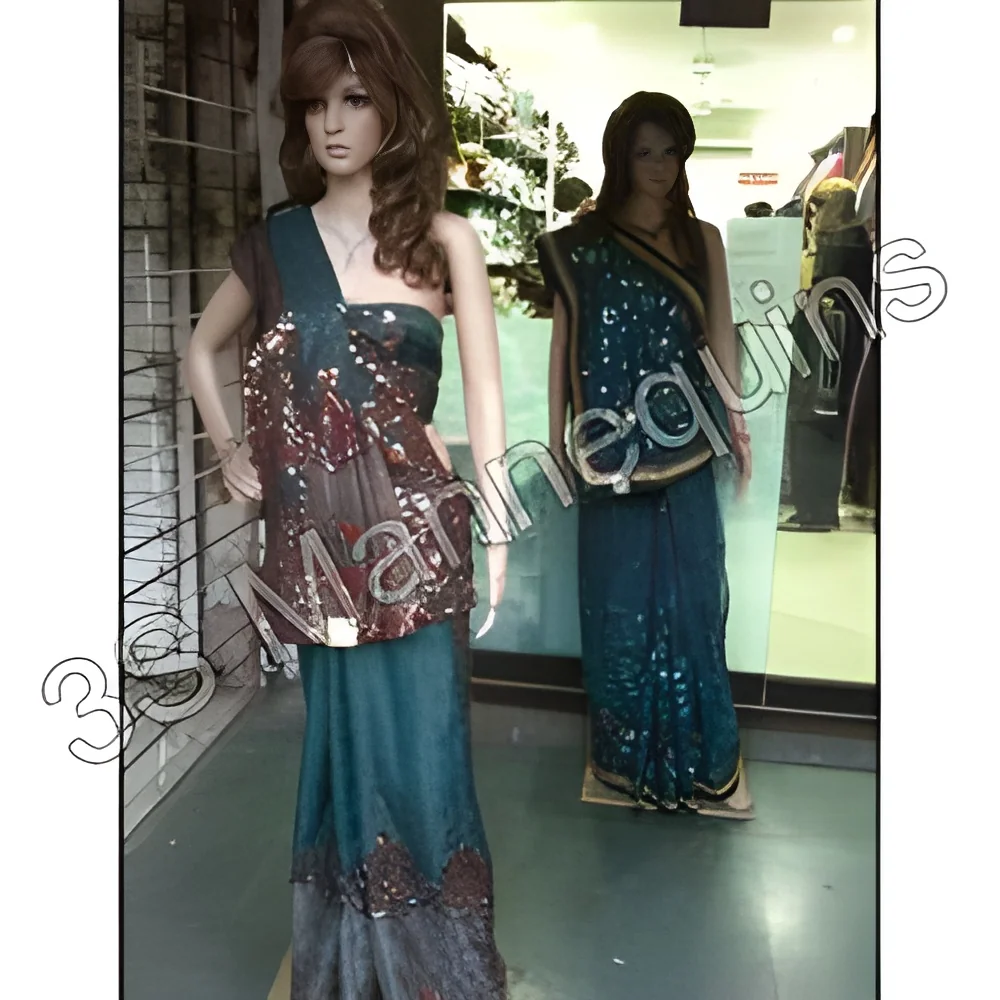
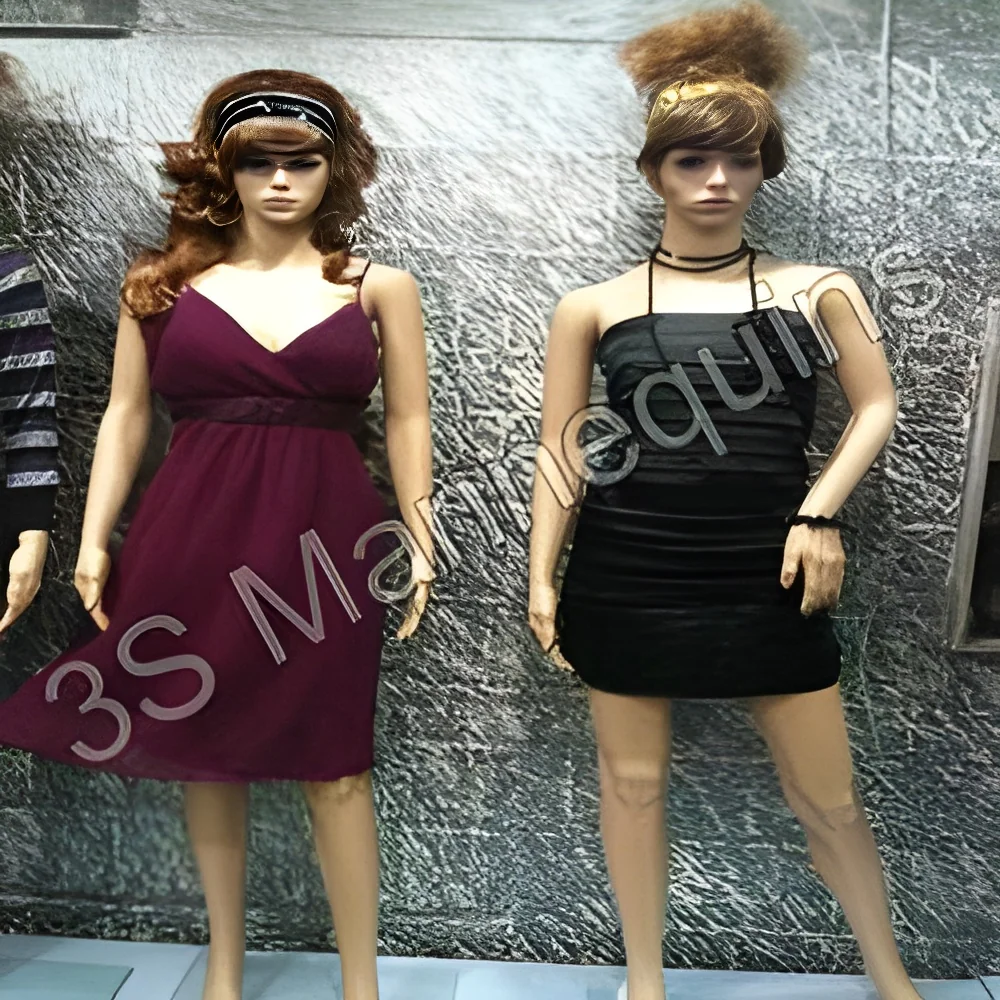
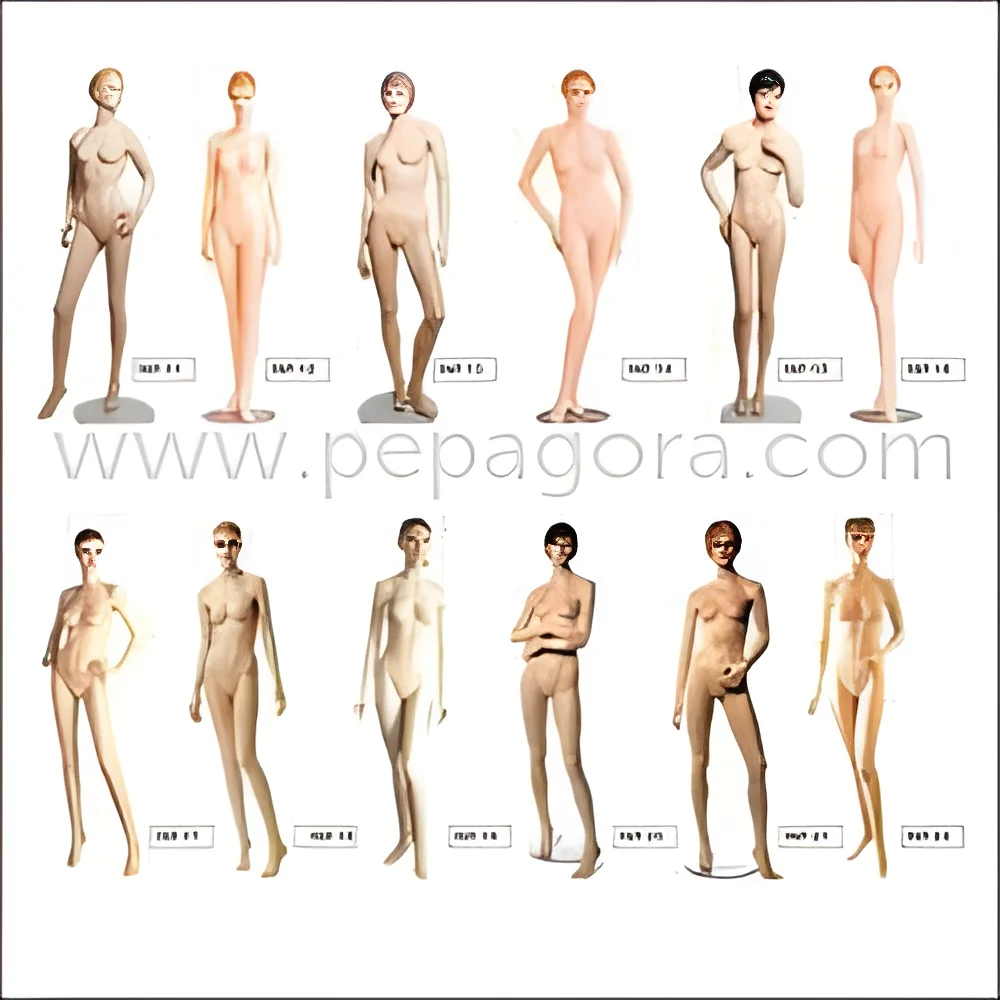
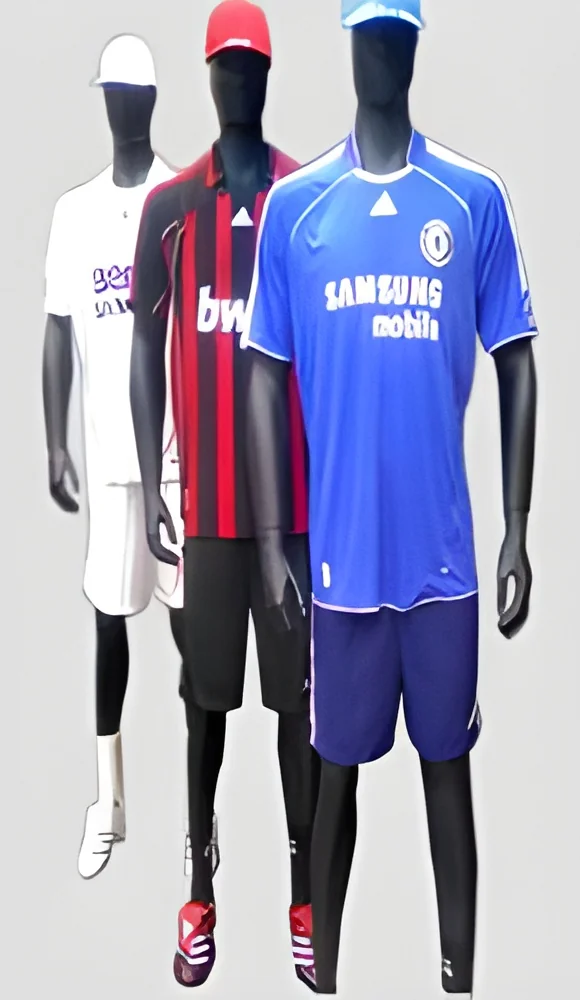
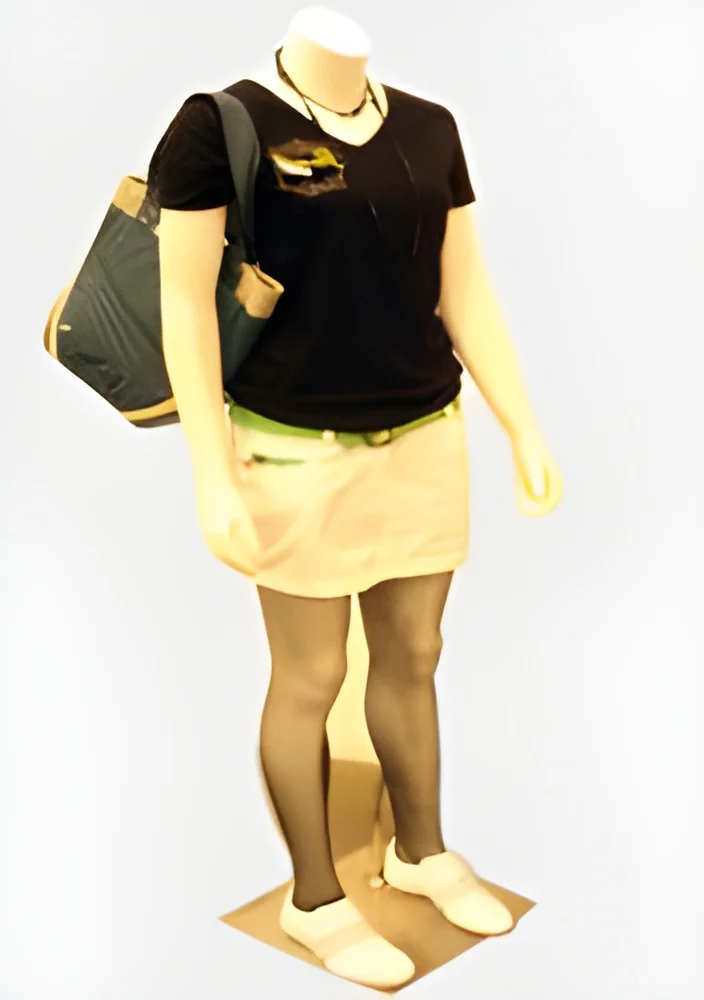
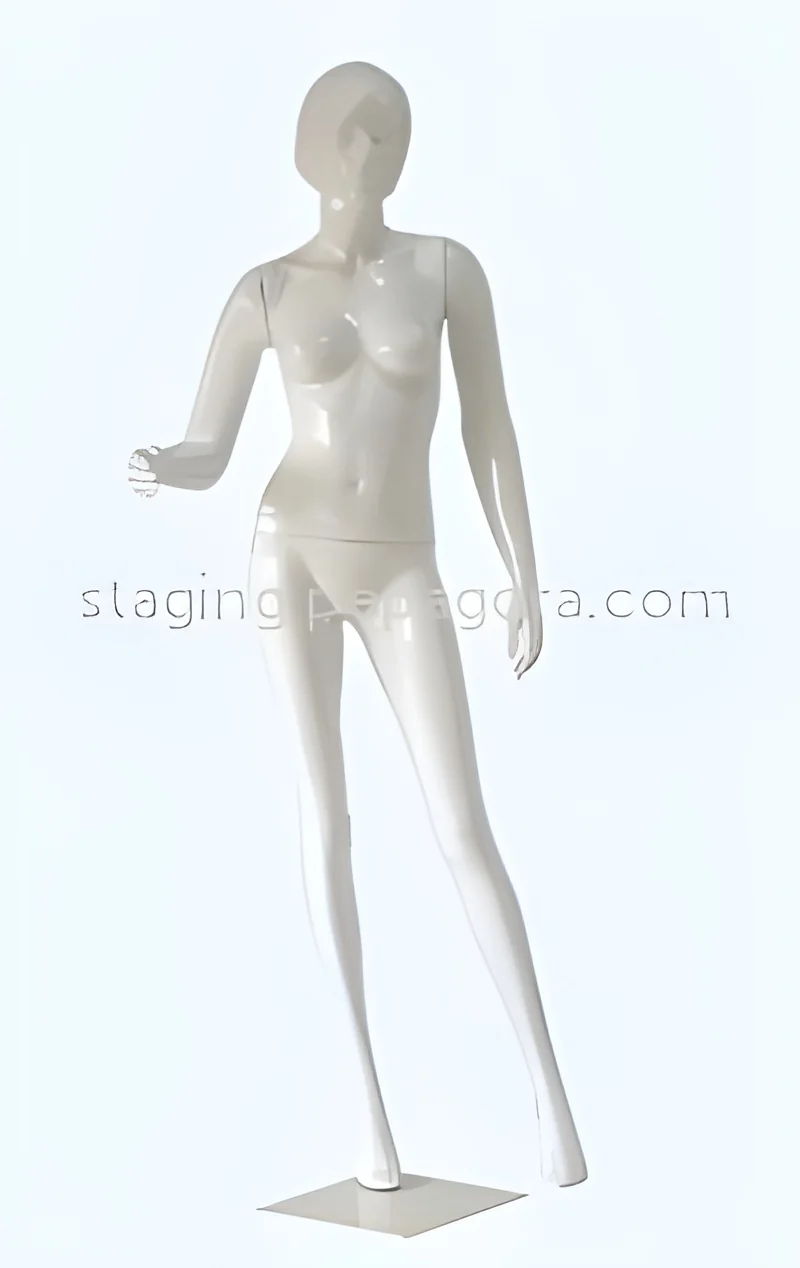
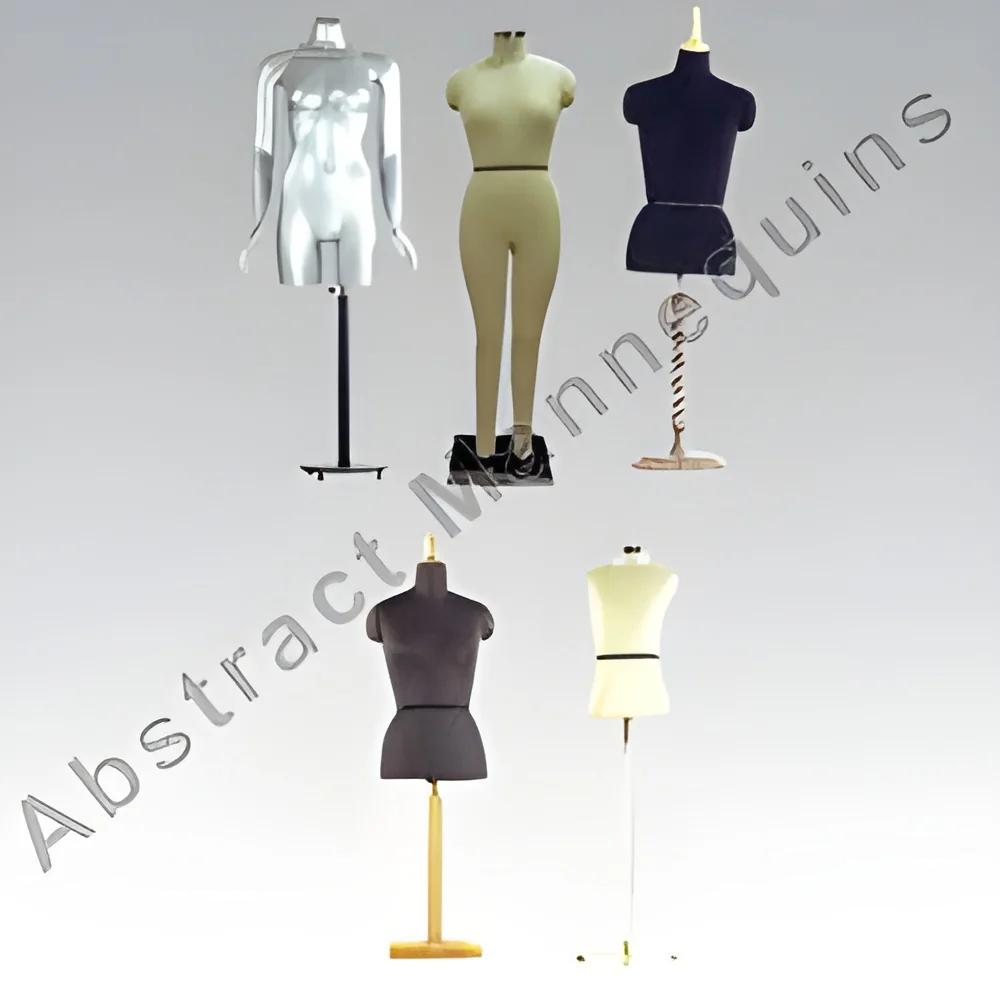
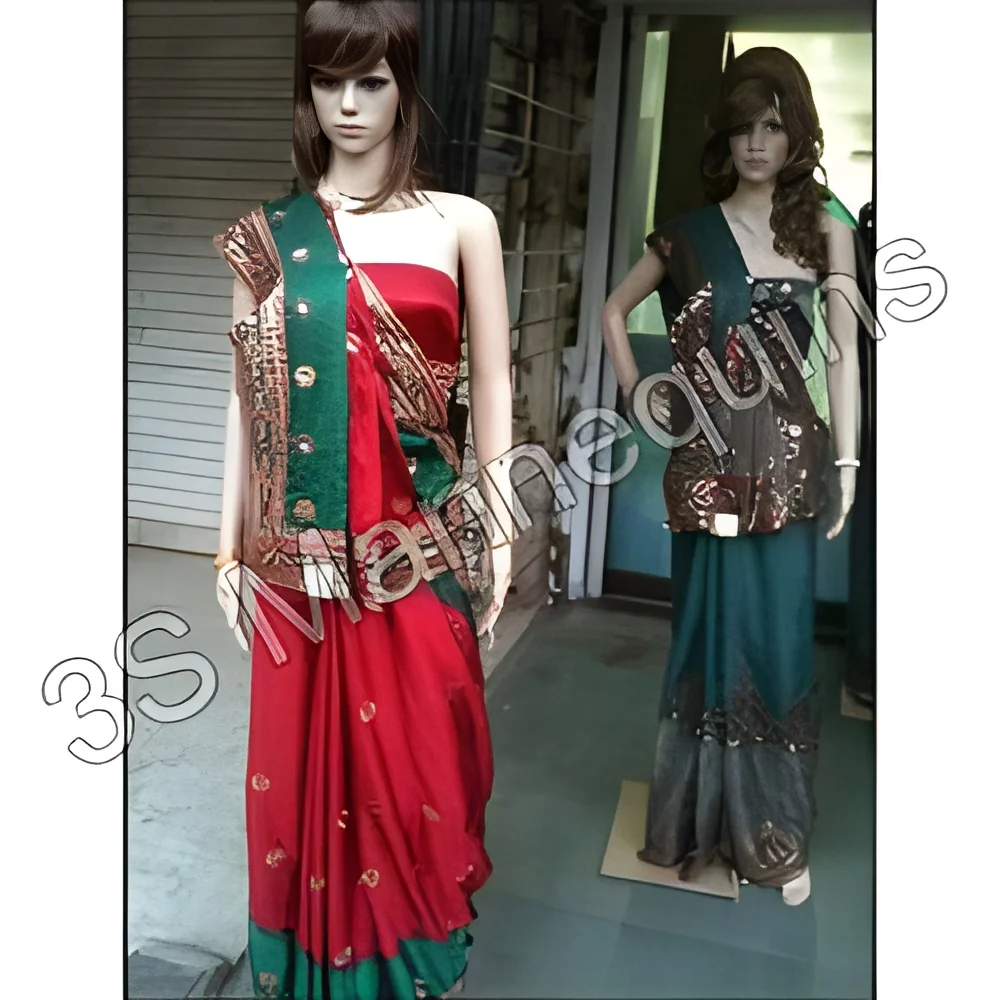
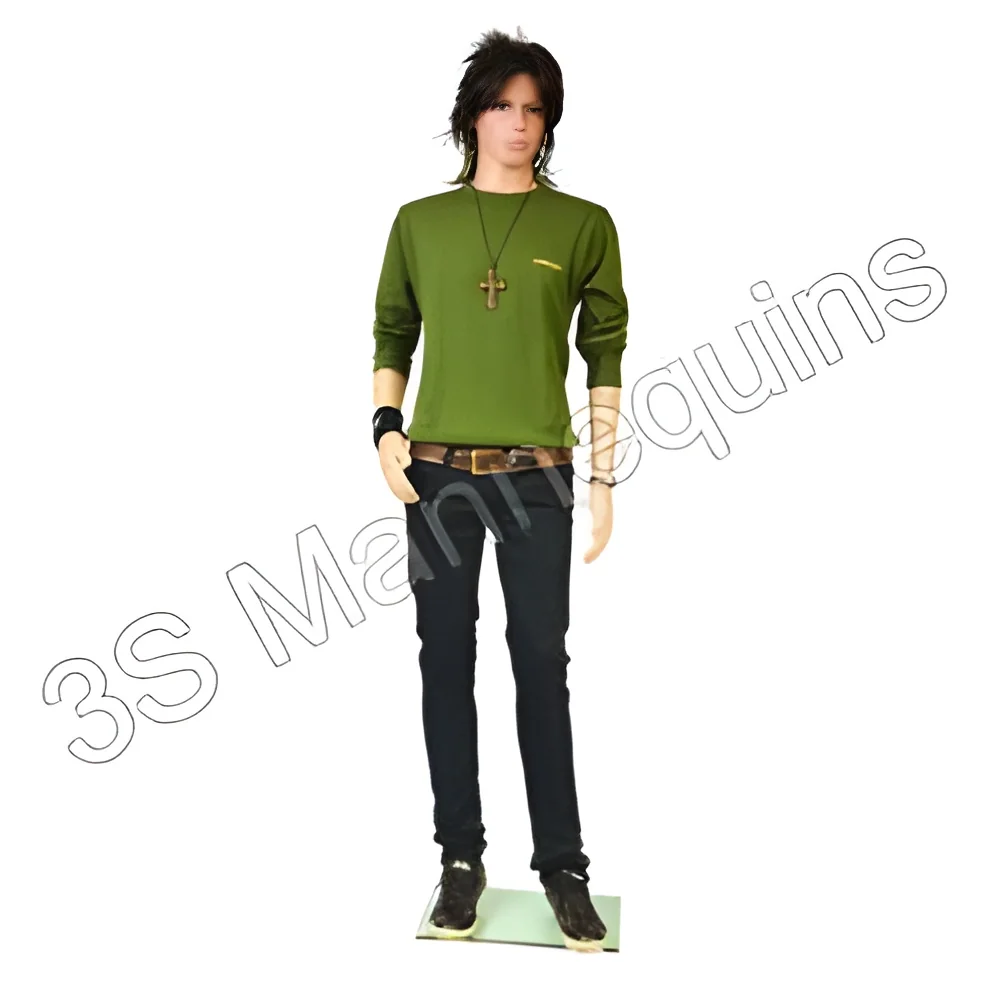
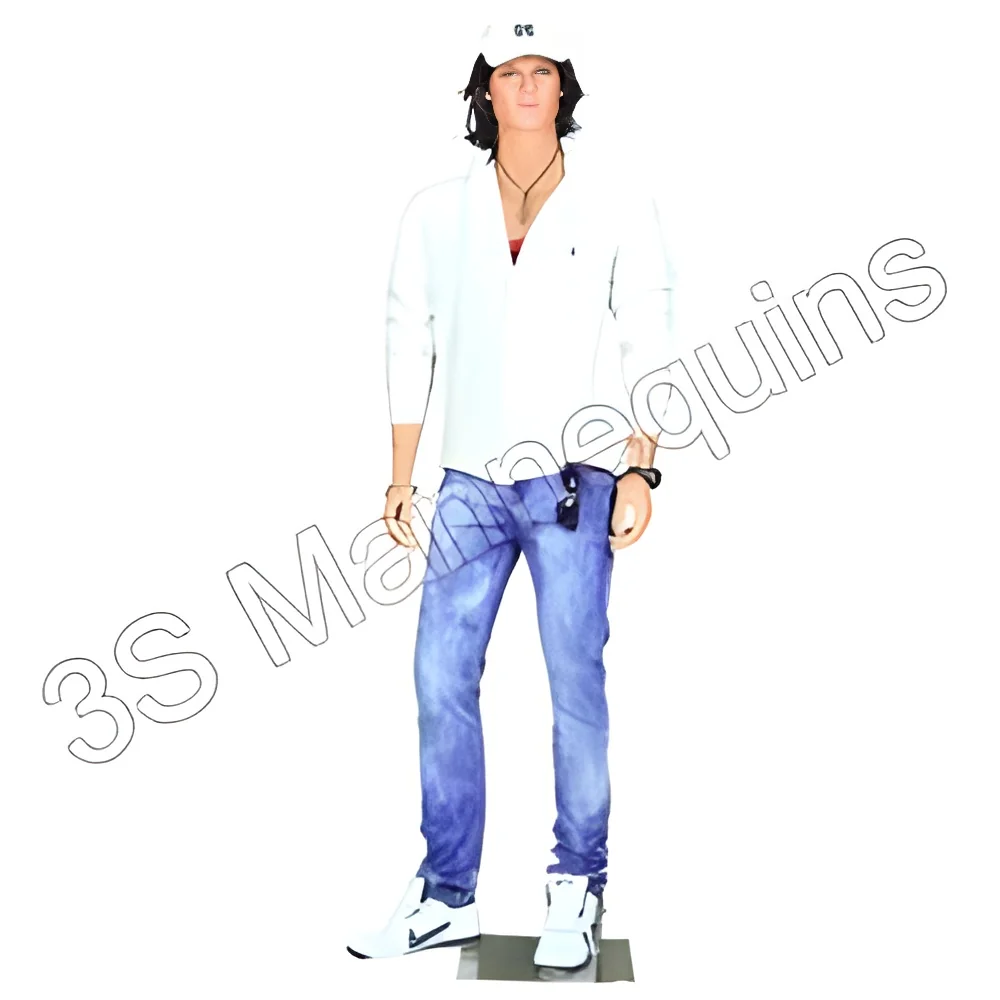
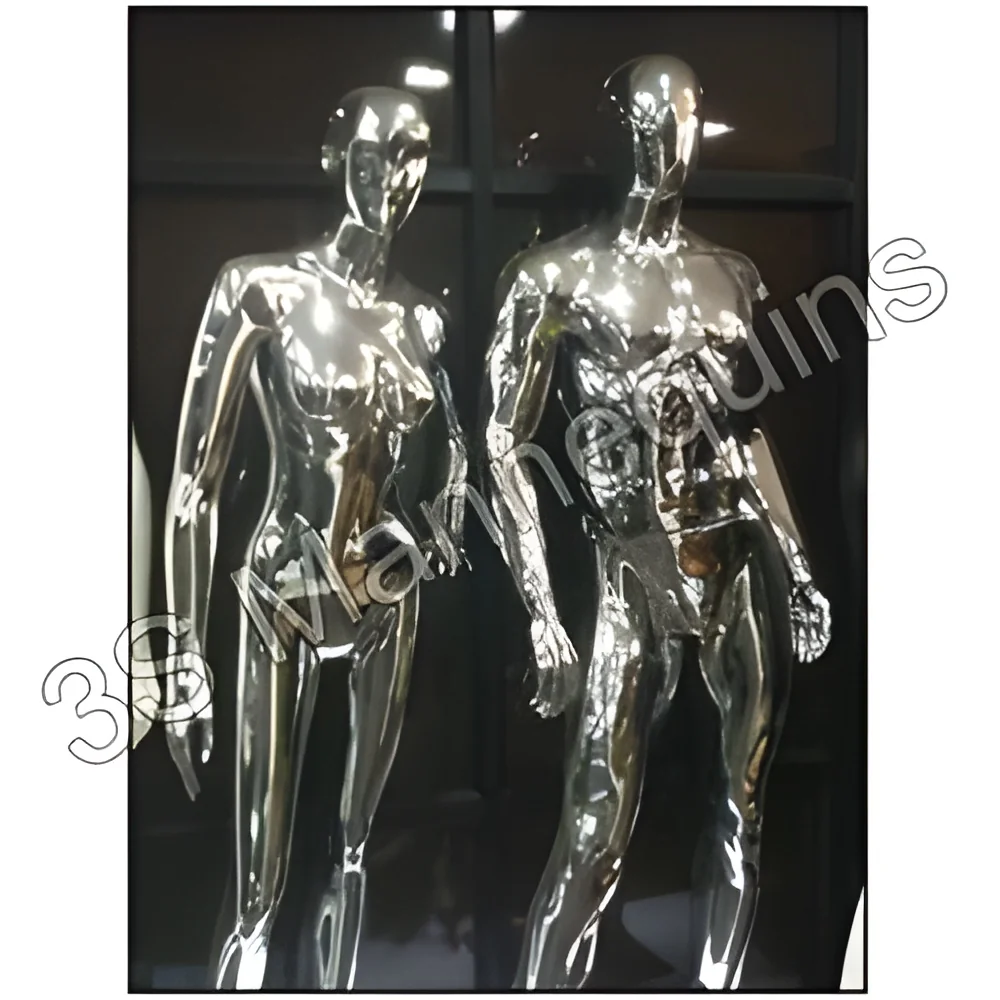
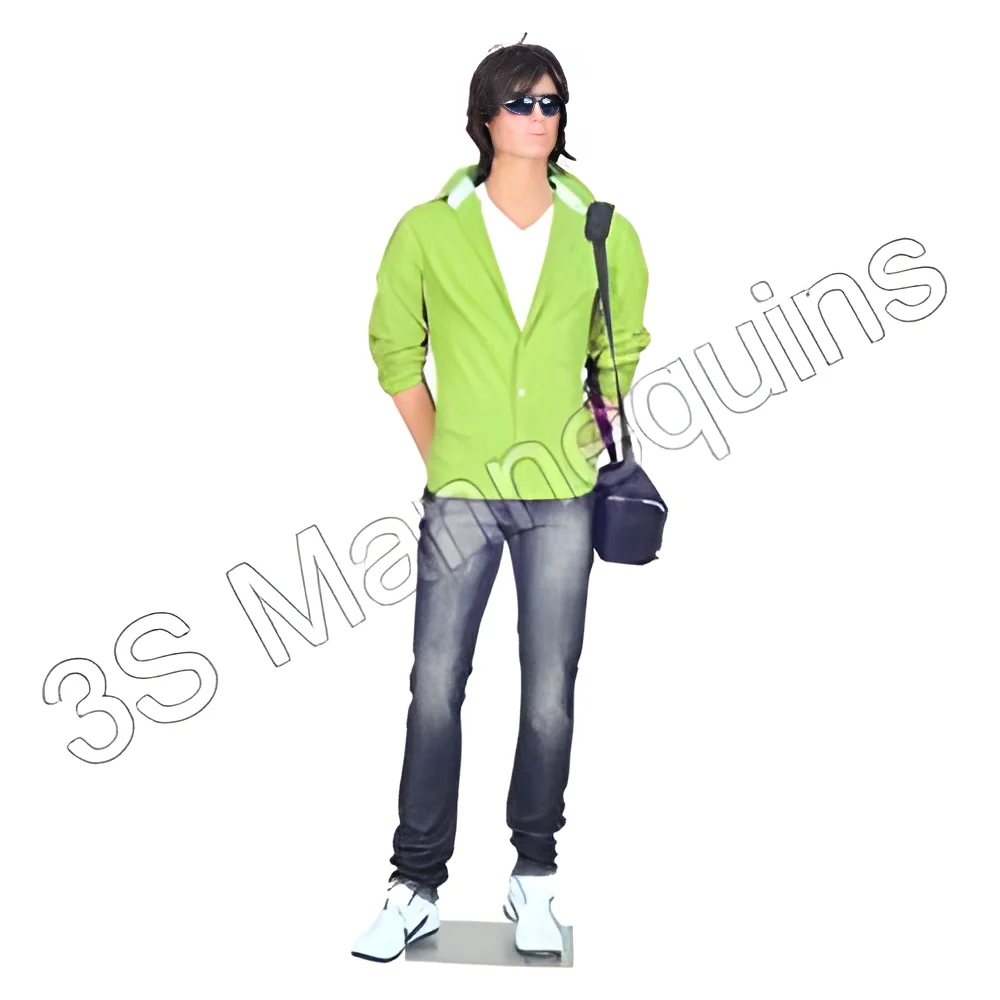
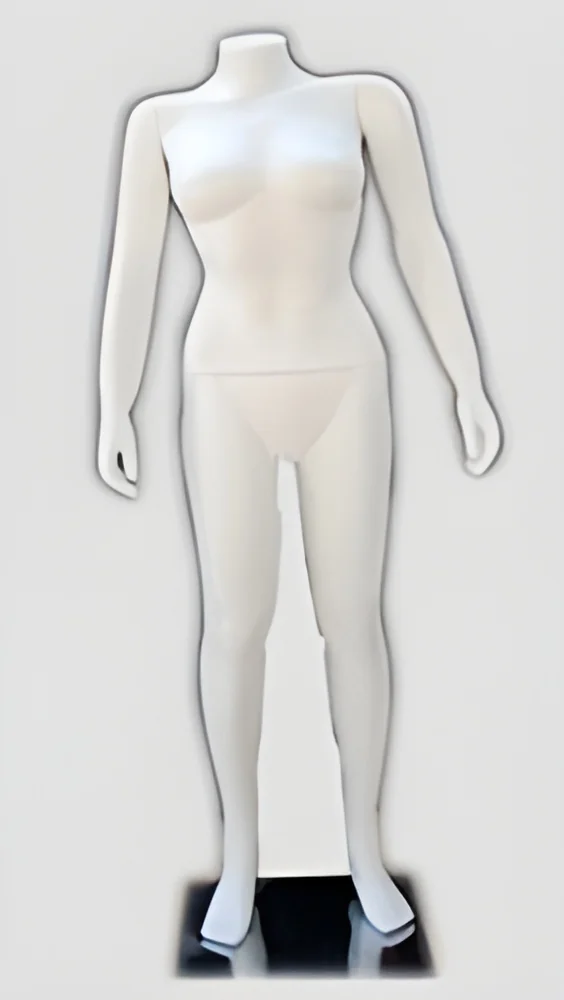
Mannequins are used in fashion retail to display clothing and accessories. They provide a realistic representation of how products will look when worn.
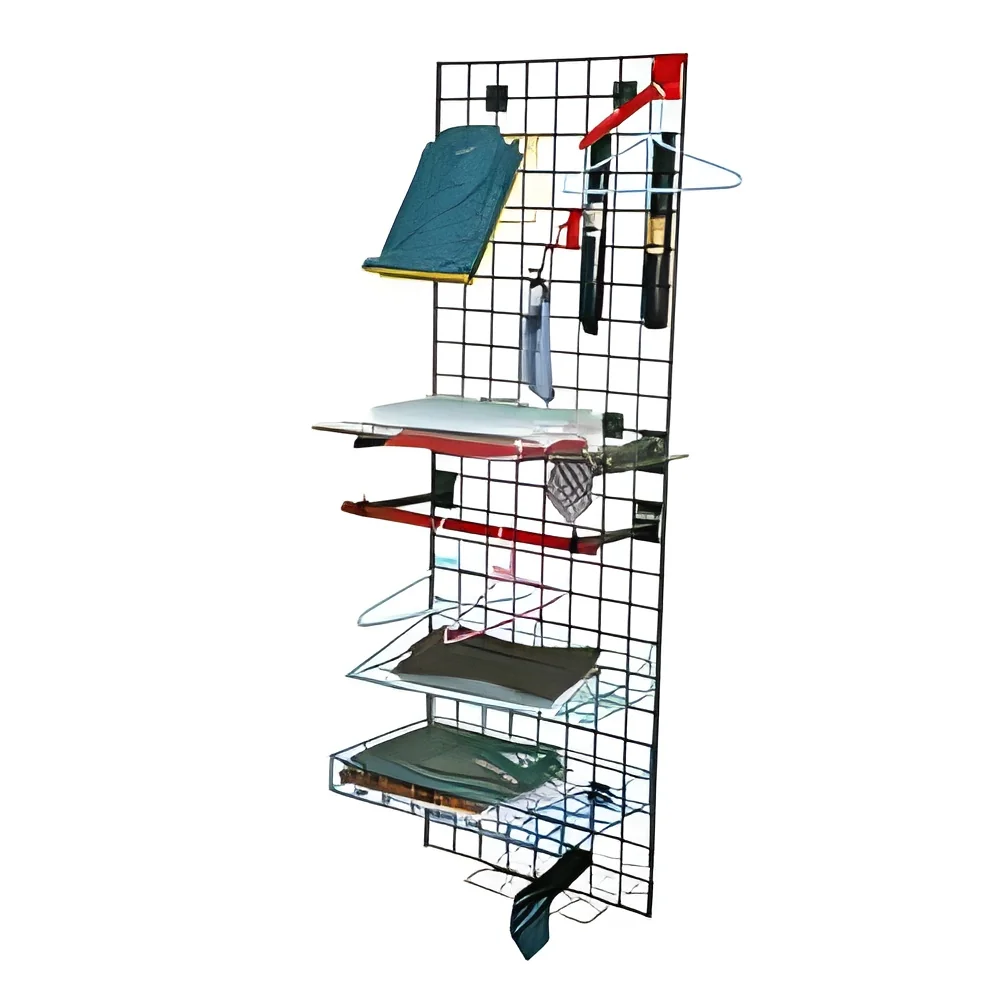
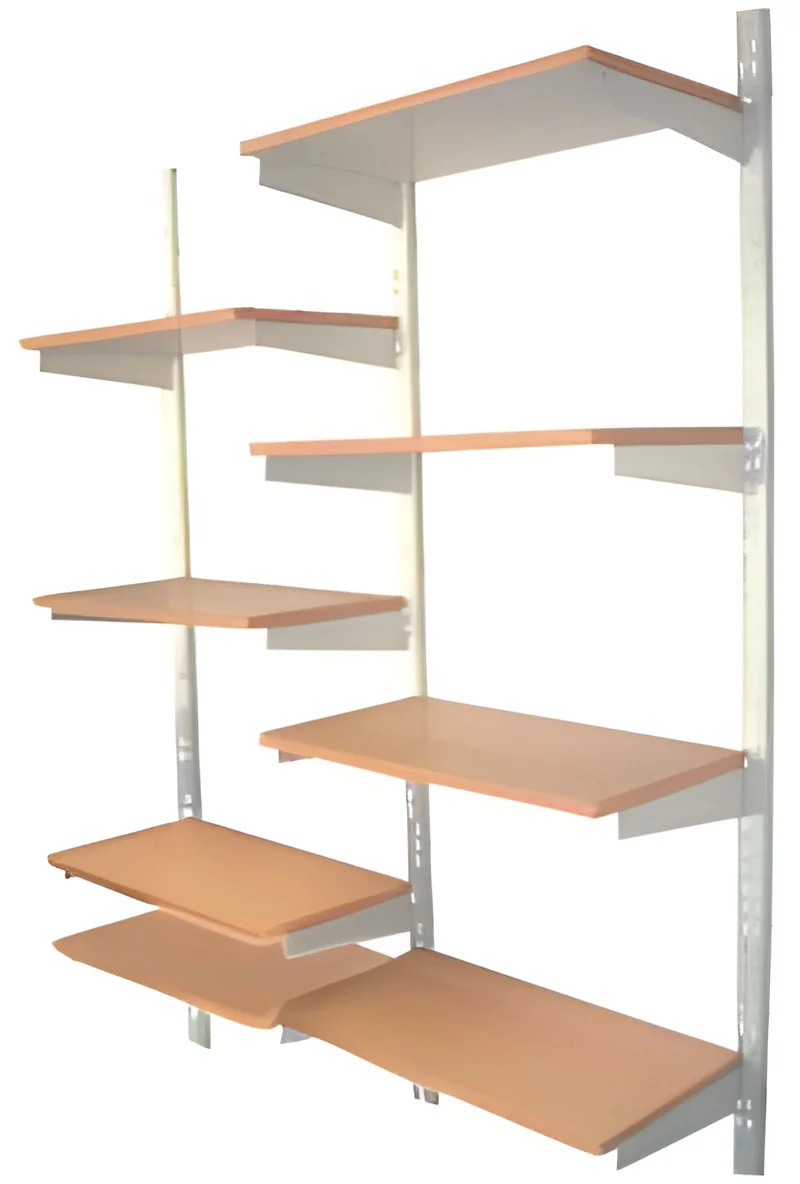
Wall Displays
Wall displays serve to maximize vertical space, showcasing multiple products in an organized manner. They are commonly used in both clothing and accessory retail.
Point of Sale Displays
These displays are installed near checkout areas to promote impulse purchases. They often feature small, high-margin items that encourage last-minute buying.
Digital Displays
Digital displays use technology to showcase promotional content and product information. They can be updated easily and are effective in capturing customer attention.
Benefits and Advantages
Investing in visual merchandising styling offers numerous advantages for retailers looking to enhance their in-store experience.
Key benefits include:
1. Increased Sales: Effective visual merchandising can significantly boost sales by attracting customers and encouraging them to make additional purchases.
2. Brand Differentiation: Unique displays help retailers stand out in a crowded market, fostering brand recognition and customer loyalty.
3. Enhanced Customer Experience: A well-styled store creates an enjoyable shopping environment that encourages exploration and engagement.
4. Seasonal Promotions: Visual merchandising allows retailers to adapt displays easily for seasonal themes, ensuring promotions remain relevant and appealing.
5. Improved Product Visibility: Thoughtful product placement and display design enhance visibility, making it easier for customers to find what they are looking for.
6. Encouragement of Impulse Buying: Attractive displays can stimulate impulse buying behavior, leading to increased overall sales volume.
Buying Guide for B2B Buyers
When sourcing visual merchandising styling for retail, several factors should be considered to ensure optimal results.
1. Quality Assessment: It is essential to evaluate the quality of materials used in visual merchandising displays. Look for durable, aesthetically appealing products that will withstand frequent handling.
2. Supplier Verification: Vet potential suppliers to ensure they have a reliable track record and provide quality products. Research customer reviews and request samples when possible.
3. Pricing and MOQ: Understand the pricing structure and minimum order quantity (MOQ) requirements. Compare options to find a balance between cost-effectiveness and quality.
4. Delivery and Lead Times: Discuss logistics and expected delivery times with suppliers to ensure timely receipt of products for seasonal promotions or events.
5. Compliance Requirements: Ensure that any visual merchandising solutions comply with industry standards and regulations, including safety and environmental considerations.
Compliance and Certifications
Compliance and certification play vital roles in visual merchandising styling for retail, ensuring that products meet necessary standards.
Relevant quality standards, such as ISO 9001, ensure that manufacturers maintain quality management systems. This certification is crucial for consistent product quality and customer satisfaction.
Industry certifications like CE indicate that products comply with European safety standards, providing assurance to buyers regarding the safety and reliability of the displays.
Safety and testing requirements are essential to avoid accidents in retail environments. Products should be tested for stability and durability, ensuring they can withstand the rigors of a retail setting.
Regional compliance considerations may vary, with specific requirements based on local regulations. Retailers should stay informed about these regulations to ensure all displays are compliant.
Why Source Visual Merchandising Styling for Retail from Pepagora?
Pepagora offers a trusted platform for sourcing visual merchandising styling for retail, providing multiple key advantages for businesses.
The verified supplier network ensures that buyers are connected with reputable suppliers who meet stringent quality standards. This reduces the risk of sourcing low-quality products and enhances buyer confidence.
The streamlined RFQ process simplifies the request for quotation, allowing buyers to obtain competitive pricing and terms quickly. This efficiency saves time and resources while fostering better supplier relationships.
Pepagora also offers trade assurance and support, ensuring that buyers have protection throughout the procurement process. This buyer-centric approach creates a secure environment for transactions.
With regional coverage extending across India, the GCC, and Southeast Asia, Pepagora connects buyers with local suppliers, enhancing accessibility and reducing shipping times. This geographic reach allows retailers to tap into diverse markets efficiently.

 IN
IN