IN
INundefined
Vertical Business Cards
0 products available
𝗪𝗵𝗮𝘁 𝗮𝗿𝗲 𝗩𝗲𝗿𝘁𝗶𝗰𝗮𝗹 𝗕𝘂𝘀𝗶𝗻𝗲𝘀𝘀 𝗖𝗮𝗿𝗱𝘀?
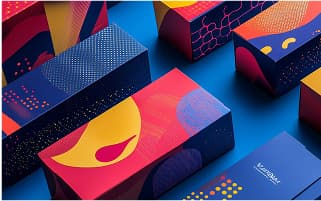
Vertical business cards are a modern alternative to traditional horizontal cards, designed to stand out in a competitive marketplace. These cards are typically oriented in a portrait format, allowing for unique designs and layouts that can showcase a brand's personality. The vertical orientation can help to convey a sense of sophistication and creativity, making them appealing to industries looking to make a memorable impression.
The primary use of vertical business cards is in networking situations, where first impressions are crucial. They are common in industries such as design, technology, and real estate, where creativity and professionalism play a significant role in client engagement. Vertical cards can also serve as marketing tools, allowing businesses to communicate essential information in a visually appealing manner.
In today's market, vertical business cards are gaining popularity as companies seek innovative ways to differentiate themselves. Businesses in creative sectors are particularly drawn to this format, as it allows for greater design flexibility. Additionally, with the rise of digital networking, physical business cards still hold value in personal interactions, making vertical options an attractive choice for professionals.
𝗞𝗲𝘆 𝗙𝗲𝗮𝘁𝘂𝗿𝗲𝘀 𝗮𝗻𝗱 𝗦𝗽𝗲𝗰𝗶𝗳𝗶𝗰𝗮𝘁𝗶𝗼𝗻𝘀
Vertical business cards come with several distinct features that cater to various business needs. These features enhance their usability and effectiveness in conveying information.
Key specifications include:
1. Orientation
- Portrait format for a unique presentation
- Standard sizes typically include 2.5 x 4.5 inches
2. Material
- Commonly printed on cardstock or eco-friendly paper
- Options for glossy, matte, or recycled finishes
3. Printing Quality
- High-resolution printing for clear text and images
- Options for full-color or black-and-white designs
4. Customization
- Available in various styles, including embossed or foil-stamped
- Ability to include QR codes or other technology features
5. Branding Options
- Space for logos and slogans to enhance brand visibility
- Design flexibility to match corporate identity
6. Durability
- Resistant to wear and tear, moisture, and fading
- Long-lasting quality for repeated use in networking
7. Quantity
- Available in bulk for cost-effective distribution
- Minimum order quantities may vary by supplier
8. Pricing
- Competitive pricing based on quantity and customization level
- Discounts often available for larger orders
In summary, vertical business cards provide a range of features that cater to different business needs, making them an effective tool for networking and marketing.
𝗖𝗼𝗺𝗺𝗼𝗻 𝗔𝗽𝗽𝗹𝗶𝗰𝗮𝘁𝗶𝗼𝗻𝘀 𝗮𝗻𝗱 𝗨𝘀𝗲 𝗖𝗮𝘀𝗲𝘀
Vertical business cards find diverse applications across various industries. Their unique format allows professionals to make a notable impression.
1. Creative Industries: In fields such as graphic design or advertising, vertical business cards are used to showcase artistic flair and innovative branding.
2. Real Estate: Agents use these cards to capture attention and provide essential contact information in a visually appealing format.
3. Technology: Tech companies leverage vertical business cards to reflect their forward-thinking approach and modern aesthetics.
4. Hospitality: Hotels and event planners utilize vertical cards to convey professionalism while providing necessary details about services.
5. Fashion: Designers and retail brands use these cards to align their marketing materials with their creative vision and style.
6. Consulting: Consultants often opt for vertical cards to present their brand as unique and tailored to individual client needs.
7. Health and Wellness: Professionals in this sector use vertical business cards to stand out and provide essential information about their services.
𝗣𝗿𝗼𝗱𝘂𝗰𝘁 𝗩𝗮𝗿𝗶𝗮𝗻𝘁𝘀 𝗮𝗻𝗱 𝗦𝘂𝗯𝗰𝗮𝘁𝗲𝗴𝗼𝗿𝗶𝗲𝘀
Vertical business cards come in a variety of styles and finishes, catering to different preferences and branding strategies.
Standard Vertical Business Cards
These are the most common variant, usually printed on high-quality cardstock. They are often customizable with logos, colors, and layouts to reflect a brand's identity.
Eco-Friendly Vertical Business Cards
Made from recycled materials, these cards appeal to environmentally conscious businesses. They maintain quality while promoting sustainability.
Luxury Vertical Business Cards
These cards feature premium materials and finishes such as metallic ink or embossed textures. They are ideal for high-end brands looking to make a strong impression.
Folded Vertical Business Cards
This variant offers additional space for information through a unique fold. They can include more details or a creative design on the inside.
𝗕𝗲𝗻𝗲𝗳𝗶𝘁𝘀 𝗮𝗻𝗱 𝗔𝗱𝘃𝗮𝗻𝘁𝗮𝗴𝗲𝘀
Vertical business cards offer numerous advantages for professionals seeking to enhance their networking efforts.
Key benefits include:
1. Unique Design: The vertical format allows for creative layouts that can stand out in a stack of traditional cards.
2. Increased Visibility: Their distinctive shape makes them more memorable, helping recipients recall the card and its owner.
3. Versatile Branding: The opportunity for customization enables businesses to align their cards with their brand identity effectively.
4. Enhanced Information Display: The additional space can be utilized for QR codes or extra contact information, making networking more efficient.
5. Professionalism: A well-designed vertical business card can convey a sense of innovation and professionalism.
6. Eco-Friendly Options: Availability of sustainable materials appeals to environmentally conscious consumers and businesses.
𝗕𝘂𝘆𝗶𝗻𝗴 𝗚𝘂𝗶𝗱𝗲 𝗳𝗼𝗿 𝗕𝟮𝗕 𝗕𝘂𝘆𝗲𝗿𝘀
When sourcing vertical business cards, B2B buyers should consider several key factors to ensure successful procurement.
1. Quality Assessment: Look for high-quality printing and durable materials. Evaluate samples to ensure they meet your standards.
2. Supplier Verification: Vet suppliers by checking their credentials, past work, and customer reviews to ensure reliability.
3. Pricing and MOQ: Understand the pricing structure, including any minimum order quantities. Compare quotes from multiple suppliers for the best deal.
4. Delivery and Lead Times: Inquire about delivery schedules and lead times to ensure timely receipt of your order.
5. Compliance Requirements: Check for any industry-specific regulations that may apply, particularly if cards will be used in regulated sectors.
𝗖𝗼𝗺𝗽𝗹𝗶𝗮𝗻𝗰𝗲 𝗮𝗻𝗱 𝗖𝗲𝗿𝘁𝗶𝗳𝗶𝗰𝗮𝘁𝗶𝗼𝗻𝘀
Vertical business cards may need to comply with various quality standards and certifications, ensuring they meet industry expectations.
Relevant quality standards such as ISO 9001 emphasize the importance of consistent quality management systems. These standards help ensure that products are manufactured to meet customer requirements effectively.
Industry certifications like CE indicate that the products meet necessary safety and health regulations, providing assurance to buyers about the quality and compliance of the cards.
Additionally, safety and testing requirements may vary by region, necessitating adherence to local regulations for printed materials. It is crucial to understand these requirements to avoid potential compliance issues.
𝗪𝗵𝘆 𝗦𝗼𝘂𝗿𝗰𝗲 𝗩𝗲𝗿𝘁𝗶𝗰𝗮𝗹 𝗕𝘂𝘀𝗶𝗻𝗲𝘀𝘀 𝗖𝗮𝗿𝗱𝘀 𝗳𝗿𝗼𝗺 𝗣𝗲𝗽𝗮𝗴𝗼𝗿𝗮?
Pepagora serves as a trusted platform for sourcing vertical business cards, offering several key advantages to buyers.
Verified Supplier Network: Pepagora features a network of verified suppliers, ensuring that buyers can connect with reliable manufacturers. This helps reduce the risk associated with procurement.
Streamlined RFQ Process: The request for quotation (RFQ) system allows buyers to easily compare offers from multiple suppliers, simplifying the decision-making process.
Trade Assurance and Support: With trade assurance policies in place, buyers can transact securely, knowing they are protected throughout the purchasing journey.
Regional Coverage: Pepagora provides extensive coverage across India, the GCC, and Southeast Asia, connecting businesses with suppliers in these key markets. This regional focus ensures that buyers can find local options that meet their specific needs.
Newly Added
Currently, no products are listed. Explore other categories listed below or post your buying request
Explore Verified Categories
Browse trusted industries powered by verified suppliers.
Recently Added











Why Businesses Trust Pepagora
Thousands of companies trust Pepagora to source smarter and sell faster
Expand Your Sales Globally
25000+Products listed.Get discovered by global buyers
Tools to boost visibility
Build your own catalog

Source Smarter,Grow Faster
4000+Active RFQs
100+ Countries served
Easy Sourcing Tools