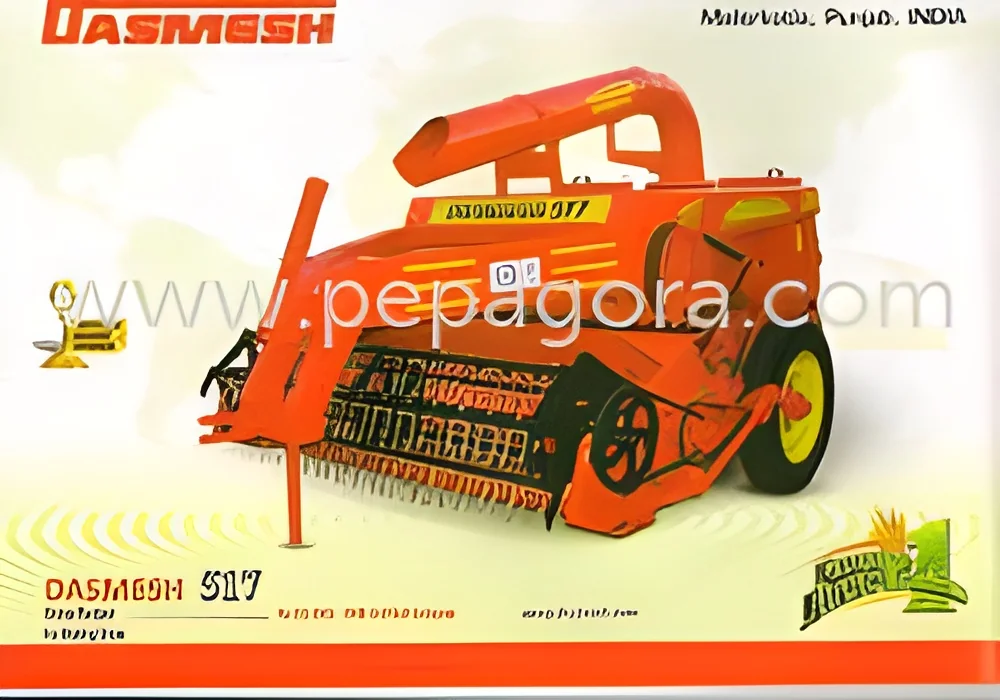
What are Used Agricultural Vehicles?
Used agricultural vehicles are pre-owned machines designed for various farming tasks. These vehicles include tractors, harvesters, sprayers, and other equipment essential for modern agricultural practices. They play a critical role in enhancing productivity and efficiency on farms of all sizes. By utilizing used agricultural vehicles, farmers can access advanced technology and capabilities without the high costs associated with brand-new equipment.
The primary applications of used agricultural vehicles span across crop production, livestock management, and land preparation. They are commonly employed in planting, cultivating, harvesting, and transporting agricultural products. In addition, these vehicles are utilized for tasks such as spraying pesticides and fertilizers, as well as managing soil and water resources. The use of used agricultural vehicles allows businesses to optimize operations while keeping expenses manageable, making them a valuable asset in the agricultural sector.
In the context of the agricultural industry, the market for used agricultural vehicles is significant. With the increasing demand for food production and sustainable farming practices, the availability of reliable used vehicles offers farmers an opportunity to invest in essential equipment without incurring substantial financial burdens. As farmers seek to enhance productivity, the relevance of used agricultural vehicles continues to grow, making them an important consideration for businesses in the agricultural market.
Key Features and Specifications
Used agricultural vehicles are equipped with various features and specifications that cater to the diverse needs of farmers and agricultural businesses. These specifications can vary significantly based on the type of vehicle and its intended application. Understanding the key features can help buyers make informed decisions.
Key specifications include:
1. Engine Power
- Typically measured in horsepower (HP)
- Ranges from 25 HP for smaller tractors to over 300 HP for larger models
2. Transmission Type
- Options include manual, automatic, and hydrostatic
- Affects ease of use and operational efficiency
3. Hydraulic System Capacity
- Measured in gallons per minute (GPM)
- Important for operating attachments and tools
4. Operating Weight
- Influences stability and traction
- Can range from 1,500 lbs for compact tractors to 20,000 lbs for larger units
5. Fuel Type
- Common options include diesel and gasoline
- Affects operational costs and environmental impact
6. Tread Width
- Influences soil compaction and crop safety
- Varies based on vehicle type and application
7. Cab Features
- Options may include air conditioning, heating, and ergonomic seating
- Enhances operator comfort and efficiency
8. Attachments Compatibility
- Ability to connect various tools such as plows, seeders, and trailers
- Increases versatility in agricultural tasks
In summary, understanding these specifications is crucial for buyers as they evaluate the suitability of used agricultural vehicles for their specific needs.
Common Applications and Use Cases
Used agricultural vehicles serve a wide range of industries, supporting various applications essential for modern farming practices.
1. Crop Production: These vehicles are vital for planting, cultivating, and harvesting crops. They help farmers increase productivity and reduce labor costs through mechanization.
2. Livestock Management: Used vehicles are utilized for transporting feed, water, and livestock. They play a critical role in maintaining efficient operations on livestock farms.
3. Horticulture: In horticultural applications, used agricultural vehicles assist with soil preparation, planting, and maintenance of gardens and fruit orchards.
4. Forestry: These vehicles are adapted for tasks such as tree planting, logging, and land clearing, making them essential in forest management.
5. Landscaping: Used agricultural vehicles are often employed by landscaping businesses for tasks like grading, soil management, and planting.
6. Agricultural Research: Research institutions use these vehicles for experimental farming practices, testing new technologies, and teaching purposes.
7. Custom Farming Services: Many businesses offer custom farming services, utilizing used agricultural vehicles to provide specialized equipment to farmers on an as-needed basis.
Product Variants and Subcategories
The market for used agricultural vehicles features a diverse range of products tailored to various applications. This diversity allows buyers to find the right vehicle for their specific agricultural needs.
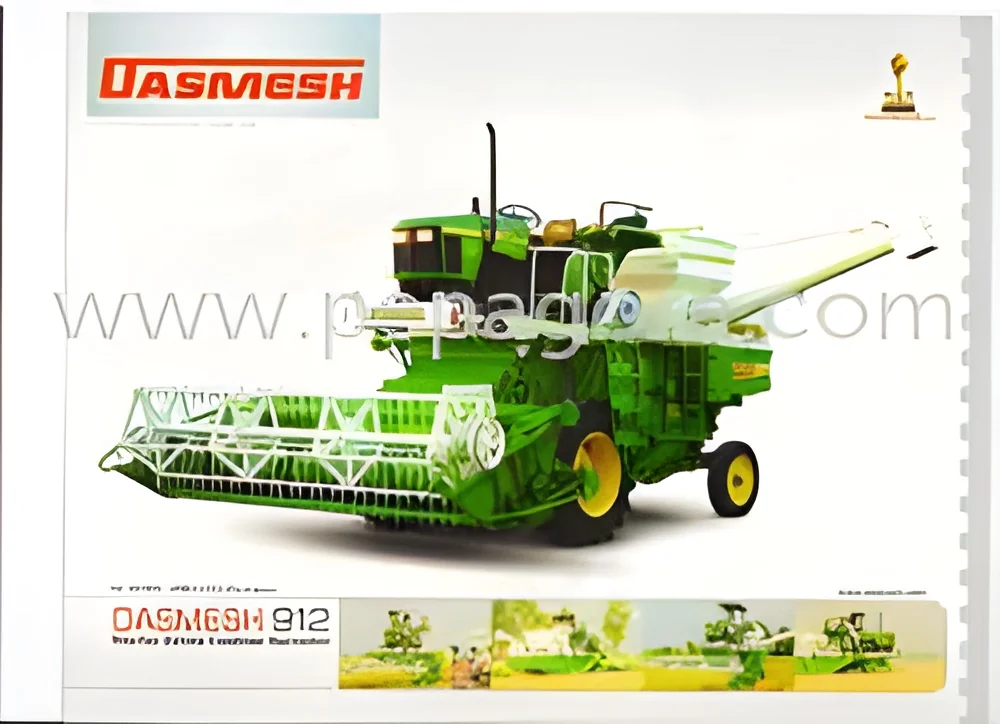
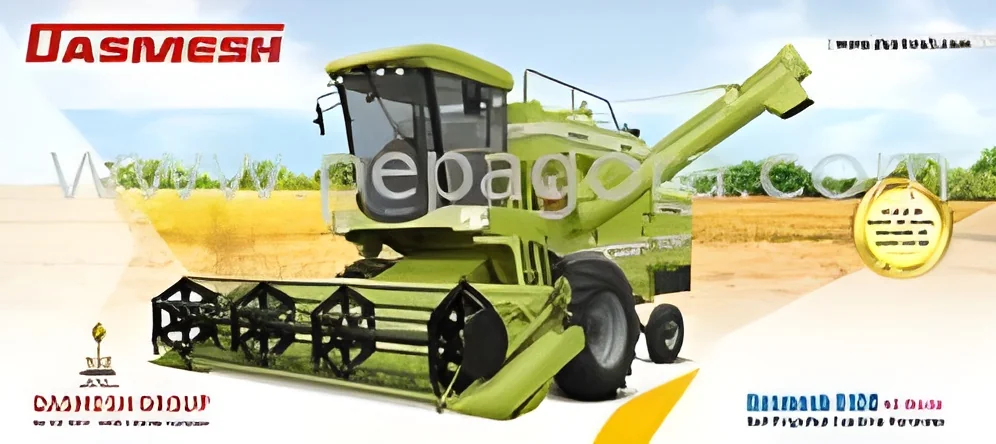
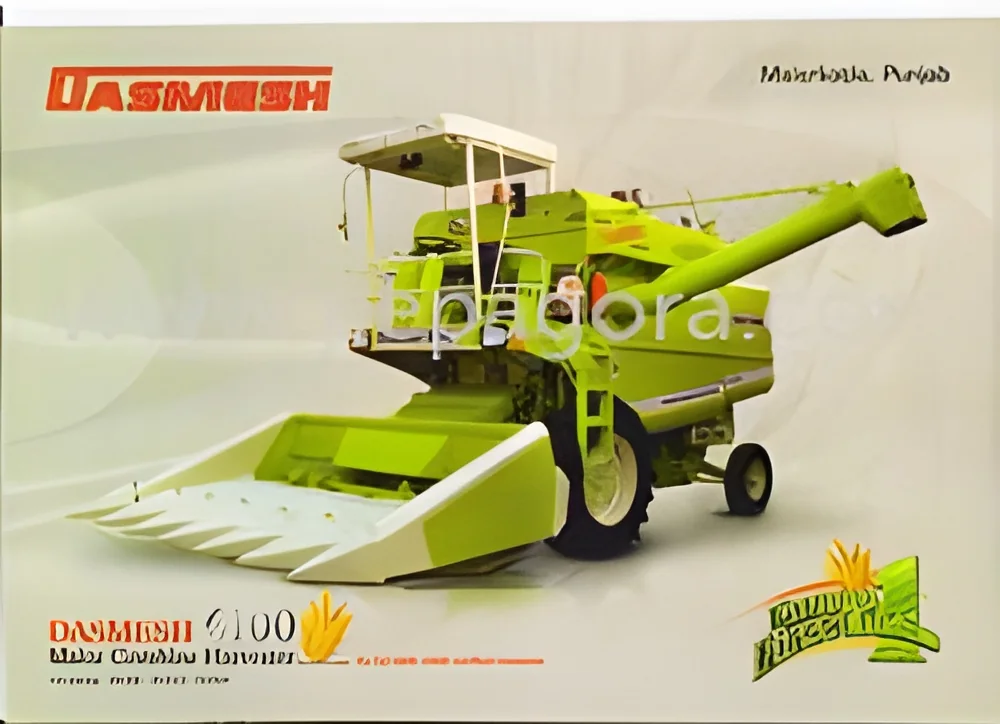
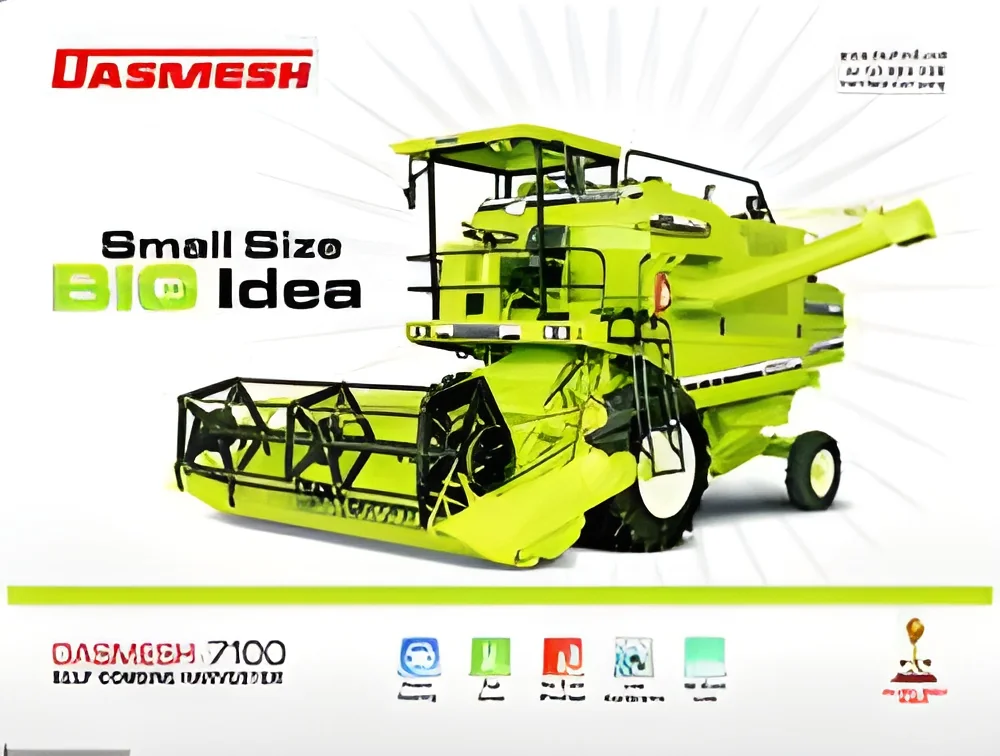
Tractors: These are the backbone of agricultural operations, available in various sizes and horsepower ratings. They are used for tasks like plowing, tilling, and hauling.
Harvesters: Designed for efficient crop gathering, these vehicles are essential during harvest season. They help farmers maximize yield and minimize labor costs.
Sprayers: Used for applying pesticides and fertilizers, sprayers ensure that crops receive the necessary nutrients while managing weed and pest control.
Loaders: These vehicles are equipped with front-end loaders for material handling. They are commonly used for moving soil, feed, and other materials on farms.
Benefits and Advantages
Sourcing used agricultural vehicles offers several advantages that can significantly benefit farmers and agricultural businesses.
1. Cost-Effective: Used agricultural vehicles are generally more affordable than new ones, allowing businesses to save on capital expenditure.
2. Immediate Availability: Often, used vehicles can be purchased and delivered quickly, enabling businesses to address their operational needs without delays.
3. Reduced Depreciation: Buying used equipment means that buyers avoid the steep depreciation that occurs with new vehicles, maximizing their investment.
4. Proven Performance: Many used agricultural vehicles have established track records, allowing buyers to assess reliability and performance based on previous ownership.
5. Access to Advanced Features: Buyers can acquire vehicles that incorporate newer technologies and features without the high price tag of new models.
6. Environmental Benefits: Purchasing used vehicles promotes recycling and sustainability within the agricultural industry, reducing waste and resource consumption.
Buying Guide for B2B Buyers
When sourcing used agricultural vehicles, buyers should consider several critical factors to ensure they make informed decisions.
1. Quality Assessment: Buyers should inspect vehicles for wear and tear, maintenance history, and overall condition. A thorough assessment helps ensure the vehicle's reliability and longevity.
2. Supplier Verification: It is essential to vet suppliers to ensure they provide quality products and services. Check for reviews, testimonials, and industry reputation.
3. Pricing and MOQ: Understand the pricing structure and any minimum order quantities. Negotiating terms can lead to better deals and value for money.
4. Delivery and Lead Times: Clarify delivery schedules and lead times. Timely delivery is crucial for maintaining operational efficiency in agricultural practices.
5. Compliance Requirements: Ensure that the vehicles meet regional compliance standards and certifications. This includes safety regulations and environmental considerations.
Compliance and Certifications
Compliance with quality standards and certifications is critical in the agricultural sector. Used agricultural vehicles must adhere to various regulations to ensure safety and efficiency.
ISO 9001: This standard ensures that organizations meet customer and regulatory requirements while continuously improving processes.
CE Certification: Used agricultural vehicles sold in Europe must have CE marking, indicating compliance with health, safety, and environmental protection standards.
UL Certification: This certification is important for safety and performance, particularly in North America, providing assurance to buyers about the vehicle's reliability.
Safety and Testing Requirements: Regular inspections and testing ensure that vehicles operate safely and efficiently, reducing the risk of accidents and equipment failure.
Regional Compliance Considerations: Different regions may have specific regulations affecting the use of agricultural vehicles. Buyers should familiarize themselves with local laws and standards.
Why Source Used Agricultural Vehicles from Pepagora?
Pepagora offers a trusted platform for sourcing used agricultural vehicles, providing several key advantages to businesses in the agricultural sector.
Verified Supplier Network: Pepagora connects buyers with a network of verified suppliers, ensuring that all listed vehicles meet rigorous quality standards. This verification process instills confidence in buyers.
Streamlined RFQ Process: The request for quotation (RFQ) system simplifies the procurement process, allowing buyers to receive competitive quotes efficiently. This streamlined approach saves time and resources.
Trade Assurance and Support: Pepagora provides trade assurance, protecting buyers against potential issues. The support team is available to assist with any inquiries, ensuring a smooth purchasing experience.
Regional Coverage: With a wide geographic reach, Pepagora serves markets in India, the GCC, and Southeast Asia. This extensive coverage allows buyers to access a diverse range of used agricultural vehicles tailored to their specific regional needs.

 IN
IN