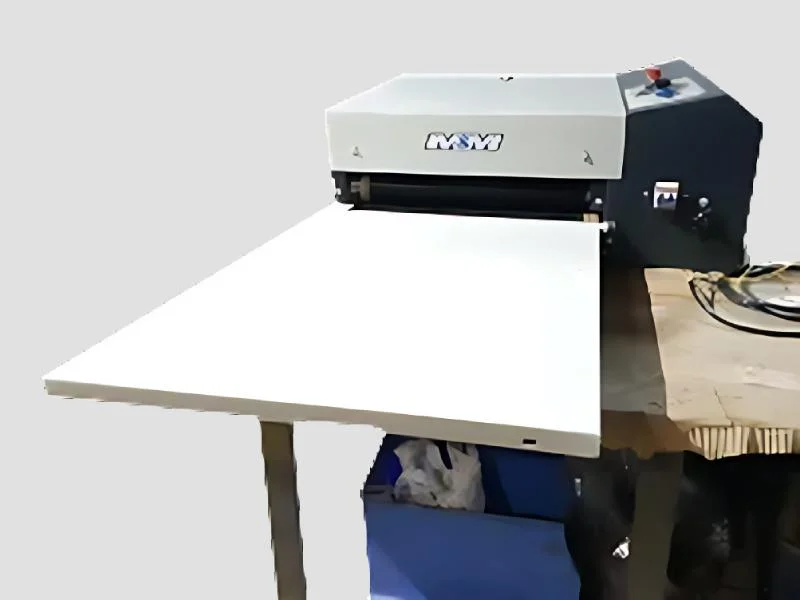
𝗪𝗵𝗮𝘁 𝗮𝗿𝗲 𝗧-𝗦𝗵𝗶𝗿𝘁 𝗣𝗿𝗶𝗻𝘁𝗶𝗻𝗴 𝗠𝗮𝗰𝗵𝗶𝗻𝗲𝘀?
T-Shirt printing machines are specialized devices designed to transfer designs, logos, and images onto fabric, primarily cotton or polyester. These machines utilize various printing techniques including screen printing, direct-to-garment (DTG), and heat transfer printing. They vary in complexity from manual setups to fully automated systems that can handle high volumes of production.
These machines are widely used in custom apparel businesses, promotional item companies, and the fashion industry. They enable businesses to create personalized products for events, merchandising, and branding purposes. As demand for custom clothing continues to grow, T-shirt printing machines have become essential tools for companies aiming to provide unique offerings to their clients.
In the current market, the T-shirt printing industry is experiencing significant growth due to trends in personalization and on-demand printing. Businesses are increasingly seeking efficient and reliable printing solutions that can keep pace with consumer demands. This relevance in the market highlights the importance of investing in high-quality T-shirt printing machines for competitive advantage.
𝗞𝗲𝘆 𝗙𝗲𝗮𝘁𝘂𝗿𝗲𝘀 𝗮𝗻𝗱 𝗦𝗽𝗲𝗰𝗶𝗳𝗶𝗰𝗮𝘁𝗶𝗼𝗻𝘀
T-shirt printing machines come equipped with a range of features that enhance their usability and efficiency. Understanding these specifications is crucial for selecting the right machine for your business needs.
Key specifications include:
1. Printing Technique
- Common methods include screen printing, DTG, and heat transfer.
- Each method has its own set of advantages and limitations.
2. Print Resolution
- Measured in DPI (dots per inch), higher DPI offers better image quality.
- Typical ranges are from 300 to 1200 DPI.
3. Print Area
- The maximum size of the area that can be printed on a T-shirt.
- Standard sizes range from 12x16 inches to 16x24 inches.
4. Speed
- Refers to the number of shirts printed per hour.
- Average speeds can range from 30 to 200 shirts per hour.
5. Ink Type
- Types of ink used can include water-based, plastisol, or specialty inks.
- Each ink type has different characteristics affecting durability and color vibrancy.
6. Power Requirements
- Voltage and wattage specifications necessary for operation.
- Most machines operate on standard electrical outlets but may have specific requirements.
7. Build Quality
- The durability and materials used in construction impact longevity and maintenance.
- Machines may be made from steel, aluminum, or high-grade plastic.
8. Software Integration
- Compatibility with design software for seamless operation.
- Some machines come with proprietary software for enhanced control and features.
In summary, when evaluating T-shirt printing machines, consider these key specifications to ensure the right fit for your production needs.
𝗖𝗼𝗺𝗺𝗼𝗻 𝗔𝗽𝗽𝗹𝗶𝗰𝗮𝘁𝗶𝗼𝗻𝘀 𝗮𝗻𝗱 𝗨𝘀𝗲 𝗖𝗮𝘀𝗲𝘀
T-shirt printing machines find applications across various industries, each utilizing the machines for different purposes.
1. Fashion Industry: Custom apparel brands use these machines to create unique clothing lines, allowing for quick turnarounds on new designs and trends.
2. Promotional Products: Companies utilize T-shirt printing for branded merchandise, creating items for giveaways, events, and corporate gifts.
3. Sports Teams: Many sports teams have custom shirts printed for fans and players, fostering team spirit and identity.
4. Event Management: T-shirt printing is essential for events like marathons and festivals, where organizers need custom apparel for participants and staff.
5. Schools and Universities: Educational institutions often commission custom shirts for clubs, sports teams, and special events, promoting school pride.
6. Non-Profit Organizations: Charities and non-profits frequently use printed T-shirts as part of fundraising efforts, creating awareness through branded apparel.
7. E-commerce: Online platforms offer custom T-shirt printing services, allowing customers to design their own shirts, greatly expanding market reach.
𝗣𝗿𝗼𝗱𝘂𝗰𝘁 𝗩𝗮𝗿𝗶𝗮𝗻𝘁𝘀 𝗮𝗻𝗱 𝗦𝘂𝗯𝗰𝗮𝘁𝗲𝗴𝗼𝗿𝗶𝗲𝘀
T-shirt printing machines come in various types, each designed to meet specific business needs and production levels.
Manual T-Shirt Printing Machine: This variant is typically more affordable and suitable for small businesses or startups. It allows for hands-on control over the printing process and is ideal for low-volume orders.
Automatic T-Shirt Printing Machine: These machines are designed for high-volume production and feature automated processes for increased efficiency. They are ideal for larger businesses that require fast turnaround times.
Direct-to-Garment (DTG) Printer: This variant specializes in printing high-resolution images directly onto garments. It is perfect for complex designs and small batches, accommodating detailed artwork.
Heat Transfer Printing Machine: This type uses heat to transfer designs onto shirts, making it a versatile option for various materials. It is particularly useful for short runs and custom designs.
𝗕𝗲𝗻𝗲𝗳𝗶𝘁𝘀 𝗮𝗻𝗱 𝗔𝗱𝘃𝗮𝗻𝘁𝗮𝗴𝗲𝘀
Investing in T-shirt printing machines offers numerous advantages for businesses looking to enhance their production capabilities.
Key benefits include:
1. Customization Flexibility: Businesses can produce unique designs tailored to customer preferences, enhancing brand loyalty.
2. Cost Efficiency: In-house printing reduces outsourcing costs and allows for better control over production expenses.
3. Quick Turnaround: High-speed machines enable rapid production, allowing businesses to meet tight deadlines and respond to market demands.
4. Quality Control: In-house printing ensures consistency in quality, enabling businesses to maintain high standards for their products.
5. Scalability: As business demand grows, companies can easily scale production by investing in more advanced or additional machines.
6. Diverse Product Range: T-shirt printing machines can be used for various apparel types, allowing businesses to diversify their offerings.
𝗕𝘂𝘆𝗶𝗻𝗴 𝗚𝘂𝗶𝗱𝗲 𝗳𝗼𝗿 𝗕𝟮𝗕 𝗕𝘂𝘆𝗲𝗿𝘀
When sourcing T-shirt printing machines, it is essential to consider several key factors to ensure a successful purchase.
1. Quality Assessment: Evaluate the quality of the machine by considering the materials used, build quality, and manufacturer reputation. Look for customer reviews and performance feedback.
2. Supplier Verification: Vet potential suppliers by checking their credentials, industry experience, and customer support options. A reliable supplier can provide ongoing assistance.
3. Pricing and MOQ: Analyze the pricing structure and minimum order quantities (MOQ) required for bulk purchases. Compare multiple suppliers to find the best deals.
4. Delivery and Lead Times: Understand the logistics involved, including shipping times and delivery schedules. Ensure that the supplier can meet your operational timelines.
5. Compliance Requirements: Familiarize yourself with any regulatory or safety standards that the machines must adhere to. This is crucial for avoiding future compliance issues.
𝗖𝗼𝗺𝗽𝗹𝗶𝗮𝗻𝗰𝗲 𝗮𝗻𝗱 𝗖𝗲𝗿𝘁𝗶𝗳𝗶𝗰𝗮𝘁𝗶𝗼𝗻𝘀
T-shirt printing machines must comply with various industry standards and regulations to ensure quality and safety. Relevant quality standards such as ISO 9001 help ensure consistent quality management in manufacturing processes. This certification indicates that the manufacturing processes meet international quality assurance standards.
In addition, machines often carry industry certifications like CE, which signifies compliance with European health, safety, and environmental protection standards. This certification is important for ensuring that machines are safe for use in various environments.
Safety requirements are also critical, as T-shirt printing machines must undergo rigorous testing to prevent hazards during operation. Manufacturers should provide documentation proving that their products meet safety regulations.
Regional compliance considerations may vary based on the market. Buyers must be aware of local standards and certifications required in their respective regions to ensure lawful operation and market entry.
𝗪𝗵𝘆 𝗦𝗼𝘂𝗿𝗰𝗲 𝗧-𝗦𝗵𝗶𝗿𝘁 𝗣𝗿𝗶𝗻𝘁𝗶𝗻𝗴 𝗠𝗮𝗰𝗵𝗶𝗻𝗲𝘀 𝗳𝗿𝗼𝗺 𝗣𝗲𝗽𝗮𝗴𝗼𝗿𝗮?
Pepagora provides a trusted platform for sourcing T-shirt printing machines with several key advantages that benefit B2B buyers.
Verified Supplier Network: Pepagora ensures that all suppliers within its network are thoroughly vetted for quality and reliability. This gives buyers confidence in their sourcing decisions and helps them find reputable manufacturers.
Streamlined RFQ Process: The request for quotation (RFQ) process on Pepagora is designed to be efficient, allowing buyers to quickly receive quotes from multiple suppliers. This simplifies the comparison process and aids in making informed purchasing choices.
Trade Assurance and Support: Pepagora offers trade assurance, providing protection for buyers against potential issues in transactions. Additionally, their customer support team is available to assist buyers throughout the purchasing process.
Regional Coverage: With a strong presence in markets such as India, the GCC, and Southeast Asia, Pepagora effectively connects buyers with suppliers in these regions. This broad geographic reach helps businesses find suitable machines that meet their specific needs.

 IN
IN