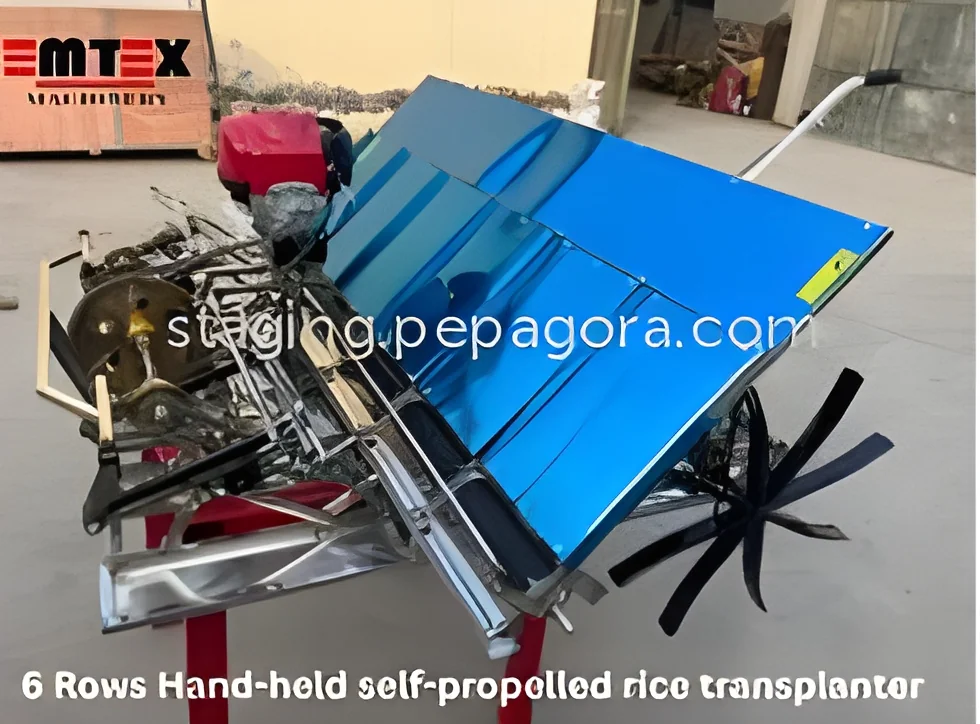
What are Transplanters (Rice, Vegetable)?
Transplanters are specialized agricultural machines designed to automate the process of planting rice and vegetable seedlings. They help in transplanting young plants from a nursery to the main field, ensuring precise spacing and depth for optimal growth. These machines are equipped with features that facilitate the efficient and effective planting of various crops, significantly reducing labor costs and increasing productivity.
In agricultural practices, transplanters play a critical role, especially in regions where manual planting is labor-intensive and time-consuming. Their primary applications include large-scale farming operations, where efficiency and speed are paramount. With advances in technology, modern transplanters enhance planting accuracy and minimize plant shock, contributing to healthier crops. This equipment is relevant in the global market, especially in countries with significant rice and vegetable production, where the adoption of mechanized farming is on the rise.
𝗞𝗲𝘆 𝗙𝗲𝗮𝘁𝘂𝗿𝗲𝘀 𝗮𝗻𝗱 𝗦𝗽𝗲𝗰𝗶𝗳𝗶𝗰𝗮𝘁𝗶𝗼𝗻𝘀
Transplanters come with several key features that enhance their functionality and efficiency. Understanding these specifications is essential for businesses looking to invest in this equipment.
Key specifications include:
1. Planting Depth Control
- Adjustable settings for varying seedling types
- Precision planting from 3 to 10 centimeters
2. Row Spacing Adjustment
- Flexible configurations to suit different crops
- Spacing ranges from 20 to 40 centimeters
3. Seedling Capacity
- Varies based on machine size
- Can handle between 1,500 to 3,000 seedlings per hour
4. Power Source
- Options include diesel and electric models
- Engine power typically ranges from 5 to 15 HP
5. Weight
- Lightweight models for easier maneuverability
- Weight typically between 300 to 600 kilograms
6. Control System
- User-friendly interface for easy operation
- Options for manual and automated control
7. Durability
- Built with high-quality materials for longevity
- Resistant to various environmental conditions
8. Maintenance Requirements
- Low maintenance designs for cost efficiency
- Regular service intervals recommended every 200 hours
In summary, transplanters are equipped with features that enhance planting efficiency and accuracy, making them indispensable in modern agricultural practices.
𝗖𝗼𝗺𝗺𝗼𝗻 𝗔𝗽𝗽𝗹𝗶𝗰𝗮𝘁𝗶𝗼𝗻𝘀 𝗮𝗻𝗱 𝗨𝘀𝗲 𝗖𝗮𝘀𝗲𝘀
Transplanters serve multiple industries with diverse applications.
1. Agriculture: Transplanters are widely used in rice and vegetable farming, improving planting efficiency and crop yields while reducing labor costs.
2. Horticulture: These machines facilitate the planting of ornamental plants and flowers, ensuring proper spacing and care in nurseries and landscaping projects.
3. Organic Farming: Transplanters support organic practices by allowing precise planting without disturbing soil health, thereby promoting sustainable agriculture.
4. Greenhouse Production: In controlled environments, transplanters help in the efficient planting of seedlings, optimizing space and resources.
5. Aquaponics: Integrating transplanters in aquaponic systems enhances the planting process, improving overall system productivity.
6. Community Gardens: These machines can assist community projects in planting large quantities of vegetables, promoting local food production.
7. Research Institutions: Used for experimental planting in agricultural research, transplanters aid in the study of crop performance under various conditions.
𝗣𝗿𝗼𝗱𝘂𝗰𝘁 𝗩𝗮𝗿𝗶𝗮𝗻𝘁𝘀 𝗮𝗻𝗱 𝗦𝘂𝗯𝗰𝗮𝘁𝗲𝗴𝗼𝗿𝗶𝗲𝘀
Transplanters are available in several variants to meet specific agricultural needs.
Manual Transplanters: These are lightweight and require human operation. They are ideal for small farms or gardens where precision is necessary, and labor is readily available.
Mechanical Transplanters: These machines are powered and can handle larger areas quickly. They are suited for commercial farming and can operate efficiently in various soil types.
Transplanters with GPS Technology: These advanced models utilize GPS for precise planting. They are ideal for large-scale operations aiming for maximum efficiency and yield.
Battery-Powered Transplanters: These eco-friendly options reduce emissions and operational costs. They are suitable for urban farming and small-scale operations.
𝗕𝗲𝗻𝗲𝗳𝗶𝘁𝘀 𝗮𝗻𝗱 𝗔𝗱𝘃𝗮𝗻𝘁𝗮𝗴𝗲𝘀
Transplanters offer numerous benefits to agricultural businesses.
1. Increased Efficiency: Automating the planting process significantly reduces time and labor costs, allowing farmers to focus on other essential tasks.
2. Improved Plant Health: Precise planting depth and spacing minimize plant shock, leading to healthier and more vigorous crops.
3. Higher Yields: With accurate planting, crops can grow more uniformly, resulting in better yields at harvest time.
4. Labor Reduction: Transplanters reduce the need for manual labor, addressing labor shortages in the agricultural sector.
5. Versatility: These machines can be adjusted for different crops, making them suitable for various farming operations.
6. Cost-Effectiveness: While the initial investment may be significant, the long-term savings in labor and improved productivity often justify the cost.
𝗕𝘂𝘆𝗶𝗻𝗴 𝗚𝘂𝗶𝗱𝗲 𝗳𝗼𝗿 𝗕𝟮𝗕 𝗕𝘂𝘆𝗲𝗿𝘀
When sourcing transplanters, it is essential to consider several factors to ensure a satisfactory purchase.
1. Quality Assessment: Evaluate the build quality and materials used in the transplanter. Look for reputable brands with proven track records in agricultural equipment.
2. Supplier Verification: Vet potential suppliers by checking their history, customer reviews, and certifications. A verified supplier ensures reliability and quality.
3. Pricing and MOQ: Understand the pricing structure and minimum order quantities required. Compare quotes from different suppliers to find the best deal.
4. Delivery and Lead Times: Confirm delivery timelines and logistics arrangements. Timely delivery is crucial for seasonal planting operations.
5. Compliance Requirements: Ensure that the transplanters meet local regulations and industry standards, including safety certifications.
𝗖𝗼𝗺𝗽𝗹𝗶𝗮𝗻𝗰𝗲 𝗮𝗻𝗱 𝗖𝗲𝗿𝘁𝗶𝗳𝗶𝗰𝗮𝘁𝗶𝗼𝗻𝘀
Transplanters must adhere to various quality standards and certifications to ensure safety and performance.
ISO 9001: This standard demonstrates a commitment to quality management systems, ensuring that the manufacturing processes for transplanters meet international standards.
CE Certification: This certification indicates that the transplanters comply with European health, safety, and environmental protection standards, crucial for international trade.
Safety and Testing Requirements: Regular testing ensures that transplanters are safe for operation and meet performance benchmarks. Manufacturers should provide evidence of compliance with safety regulations.
Regional Compliance Considerations: Different regions may have specific agricultural regulations and standards. It is essential to ensure that the transplanters comply with local laws and practices to avoid legal issues.
Why Source Transplanters (Rice, Vegetable) from Pepagora?
Pepagora offers a trusted platform for sourcing transplanters, featuring several key advantages that appeal to B2B buyers.
Verified Supplier Network: Pepagora connects buyers with a network of verified suppliers, ensuring reliability and quality in sourcing agricultural equipment.
Streamlined RFQ Process: The platform simplifies the request for quotation process, allowing buyers to efficiently compare options and make informed decisions.
Trade Assurance and Support: Pepagora provides buyer protection, including support for resolving disputes and ensuring a smooth transaction process.
Regional Coverage: With extensive geographic reach across India, the GCC, and Southeast Asia, Pepagora enables access to a wide variety of transplanters tailored to diverse agricultural needs.

 IN
IN