
 IN
Trade Show & Exhibition Design
37 products available
What are Trade Show & Exhibition Design?
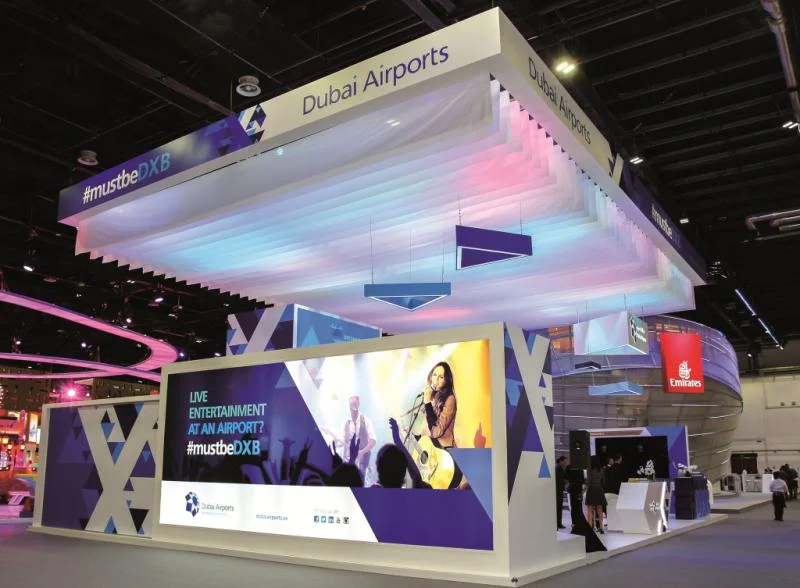
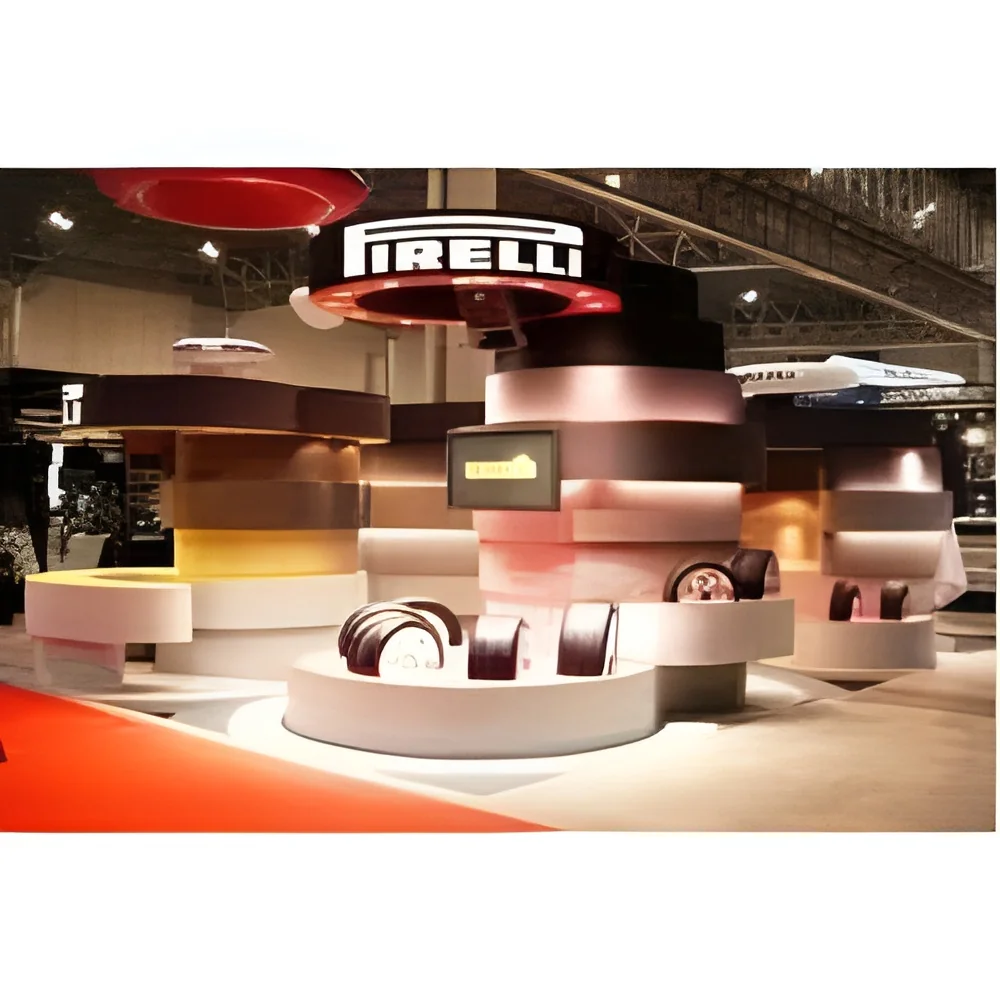
Trade show and exhibition design refers to the strategic planning and creative development of spaces where businesses showcase their products or services to potential clients and partners. This discipline encompasses various elements, including booth design, layout, signage, lighting, and overall aesthetics. The goal is to create an engaging environment that captures attention and facilitates meaningful interactions between exhibitors and attendees.
These designs are primarily utilized at trade shows, conventions, and exhibitions across numerous industries. Businesses leverage these events to enhance brand visibility, generate leads, and establish connections with industry stakeholders. The effectiveness of a trade show or exhibition design can significantly impact a company's success in attracting potential customers and conveying its value proposition. In the competitive landscape of trade shows, innovative and appealing designs are essential to stand out and make a lasting impression.
As industries continue to evolve, the importance of trade show and exhibition design remains relevant. The market for these services is growing, driven by the need for businesses to engage audiences in increasingly creative ways. Companies are investing in high-quality designs to ensure their presence at events translates into tangible business opportunities.
Key Features and Specifications
Trade show and exhibition design incorporates several key features and specifications that enhance the effectiveness of the displays. These specifications guide the creation of engaging and functional exhibition spaces that meet the needs of exhibitors and attendees alike.
Key specifications include:
1. Booth Size and Configuration
- Customizable dimensions to fit various space requirements
- Options for inline, corner, and island configurations
2. Material Quality
- Durable materials suitable for transport and assembly
- Options for eco-friendly materials to promote sustainability
3. Lighting Solutions
- Integrated lighting systems to highlight products
- Adjustable brightness and color temperature settings
4. Technology Integration
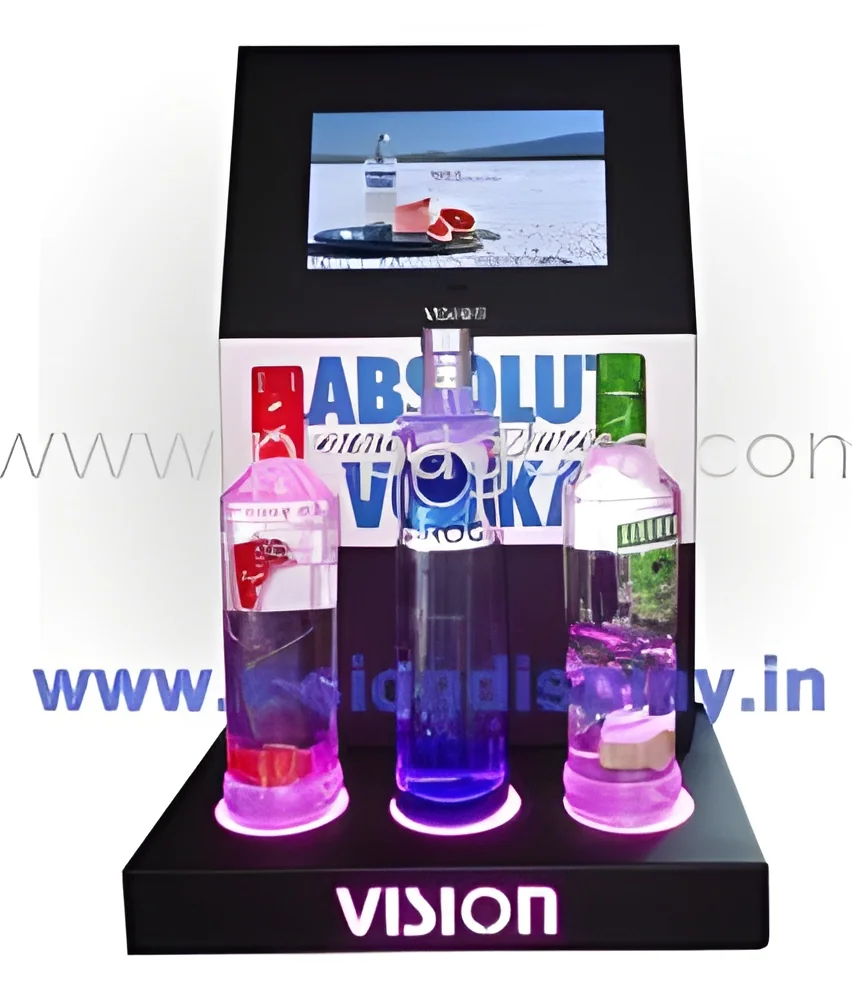
- Spaces for digital displays, interactive kiosks, and virtual reality experiences
- Connectivity for presentations and live demos
5. Branding Opportunities
- Custom graphics and signage to enhance brand visibility
- Options for promotional materials and giveaways
6. Accessibility Features
- Designs accommodating individuals with disabilities
- Clear pathways and signage for easy navigation
7. Storage Solutions
- Built-in storage for promotional items and materials
- Concealed compartments to maintain a clean appearance
8. Setup and Dismantle Efficiency
- Easy assembly and disassembly processes
- Instruction manuals and support for quick setup
In summary, the key specifications of trade show and exhibition design focus on functionality, aesthetic appeal, and brand representation, ensuring an effective showcase for businesses.
Common Applications and Use Cases
Trade show and exhibition design serves a variety of industries, each with unique requirements and applications.
1. Technology: These designs feature interactive displays and product demonstrations, allowing tech companies to showcase innovations and engage potential clients.
2. Healthcare: Exhibits in this sector often highlight medical equipment and services, requiring designs that facilitate discussions and presentations in a professional setting.
3. Automotive: Automotive exhibitions utilize large display areas for vehicles, emphasizing design elements that accommodate extensive layouts and promotional activities.
4. Consumer Goods: Trade shows for consumer products focus on attracting retail buyers, with designs that create immersive experiences showcasing product features.
5. Manufacturing: Exhibits in manufacturing highlight machinery and processes, necessitating designs that convey technical information clearly and attractively.
6. Food and Beverage: This sector often employs sampling stations, with designs that facilitate tastings and chef demonstrations to engage attendees.
7. Education: Educational fairs utilize booths to represent institutions, requiring designs that effectively communicate program offerings and attract potential students.
Product Variants and Subcategories
Trade show and exhibition design encompasses a range of variants, allowing companies to tailor their approach to specific needs and preferences.
Modular Exhibits
These designs are flexible and can be reconfigured for different events. They often feature lightweight materials for easy transport and setup, making them ideal for companies that participate in multiple trade shows.
Custom Builds
Custom-built exhibits are tailored to a company's specific branding and product requirements. These designs allow for unique layouts and features that align closely with a company's marketing objectives.
Portable Displays
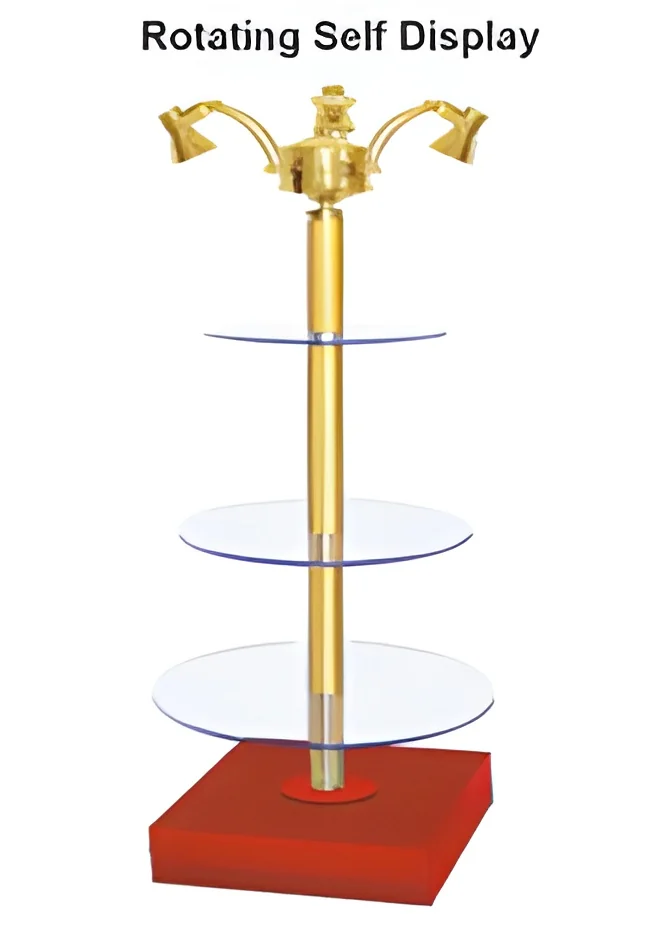
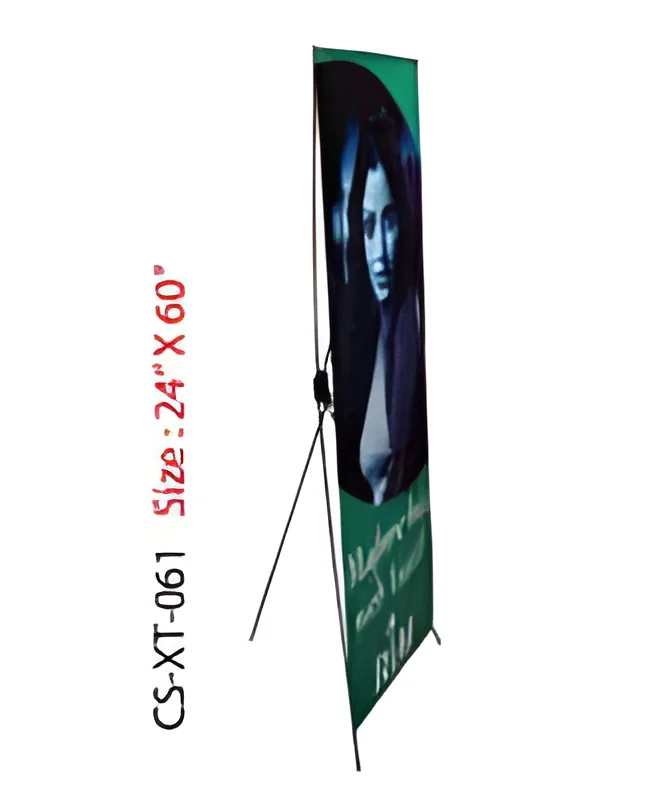
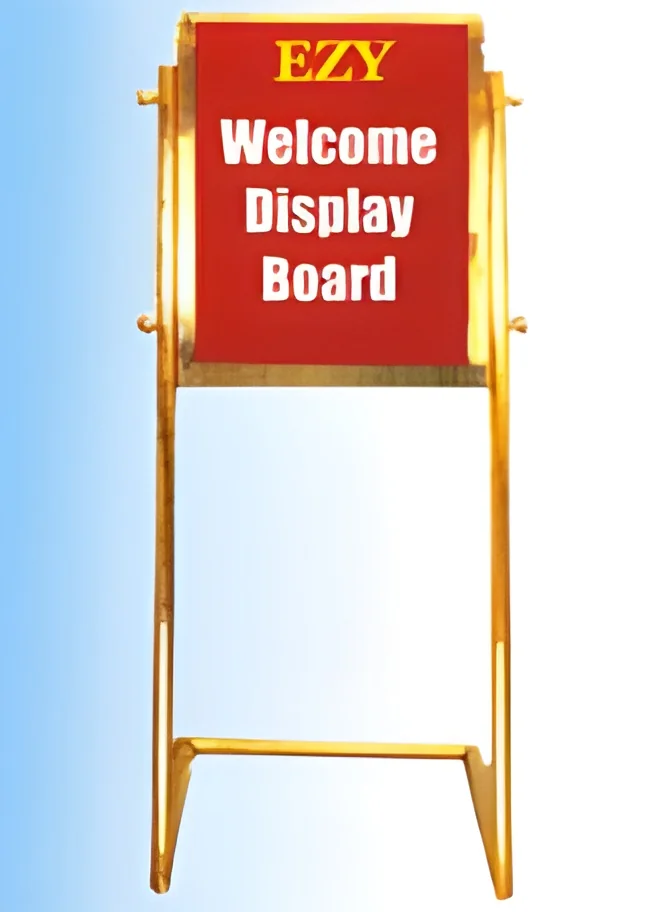
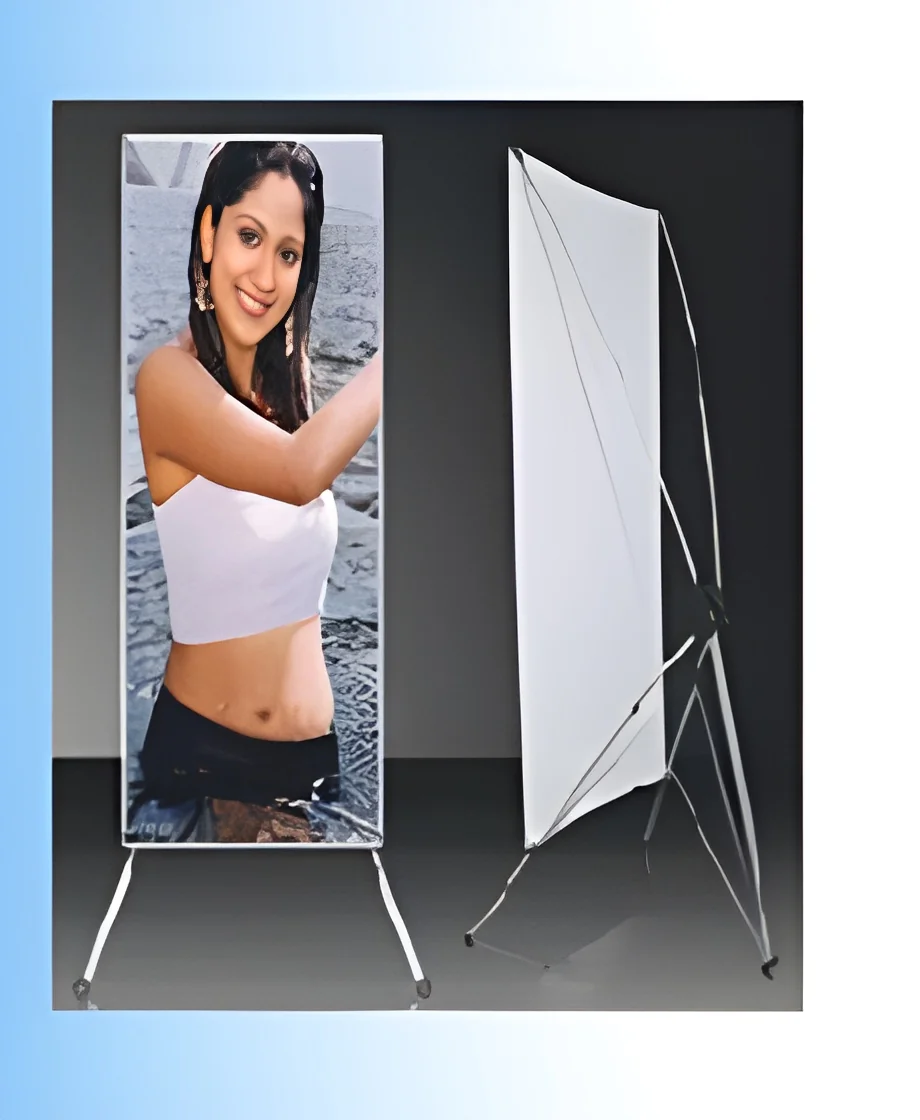
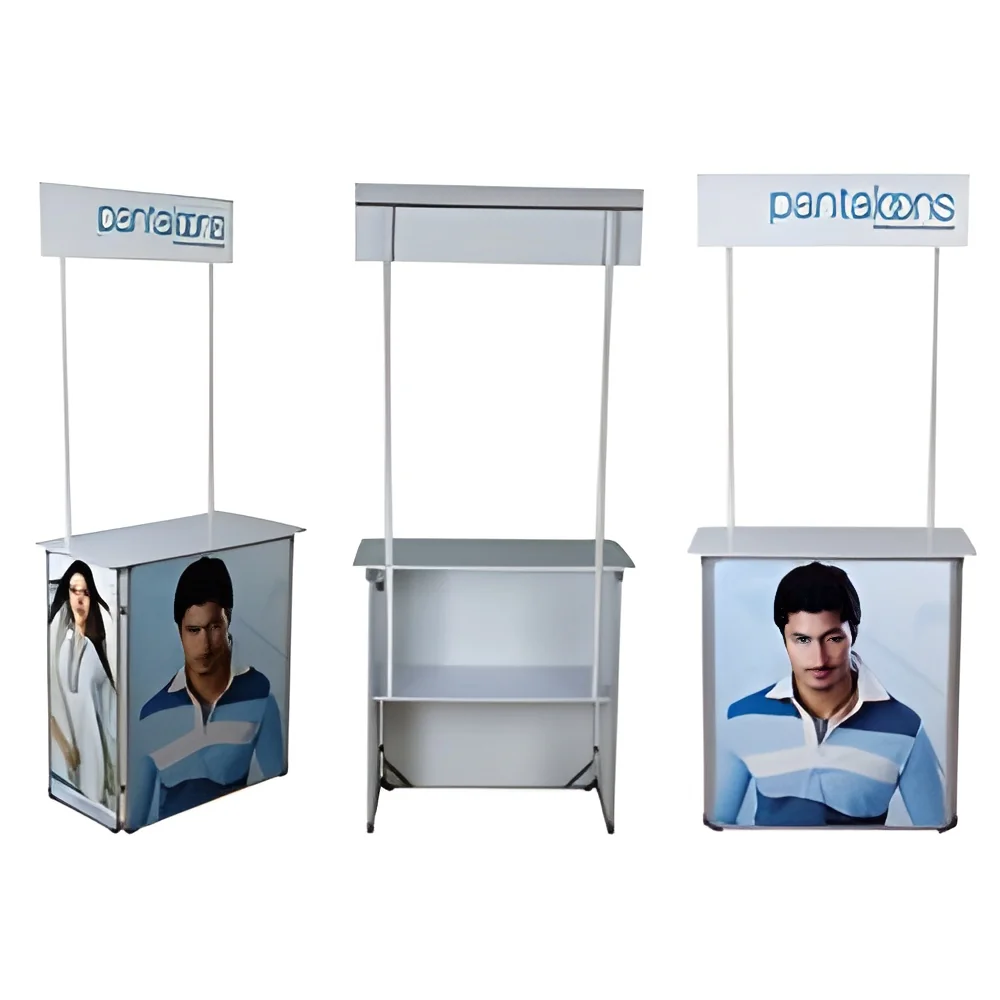
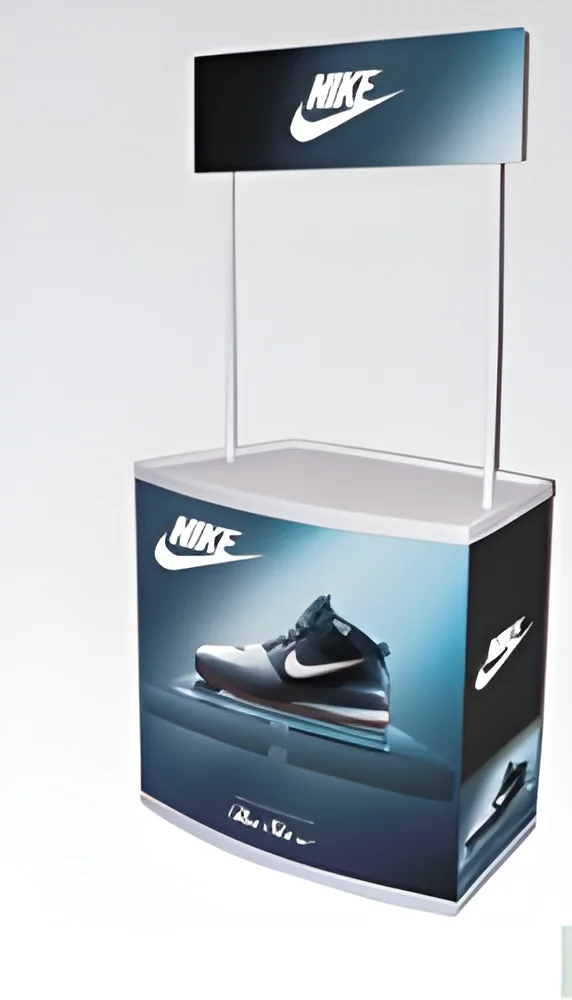
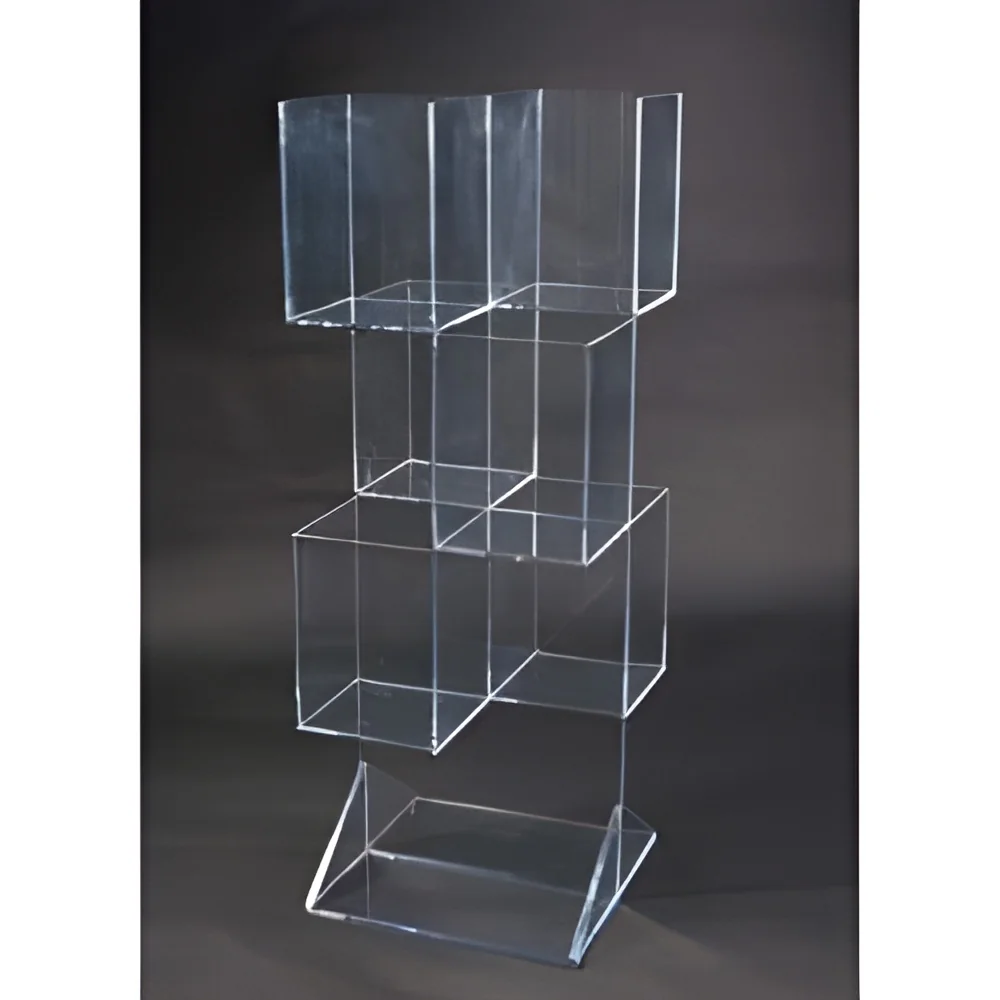
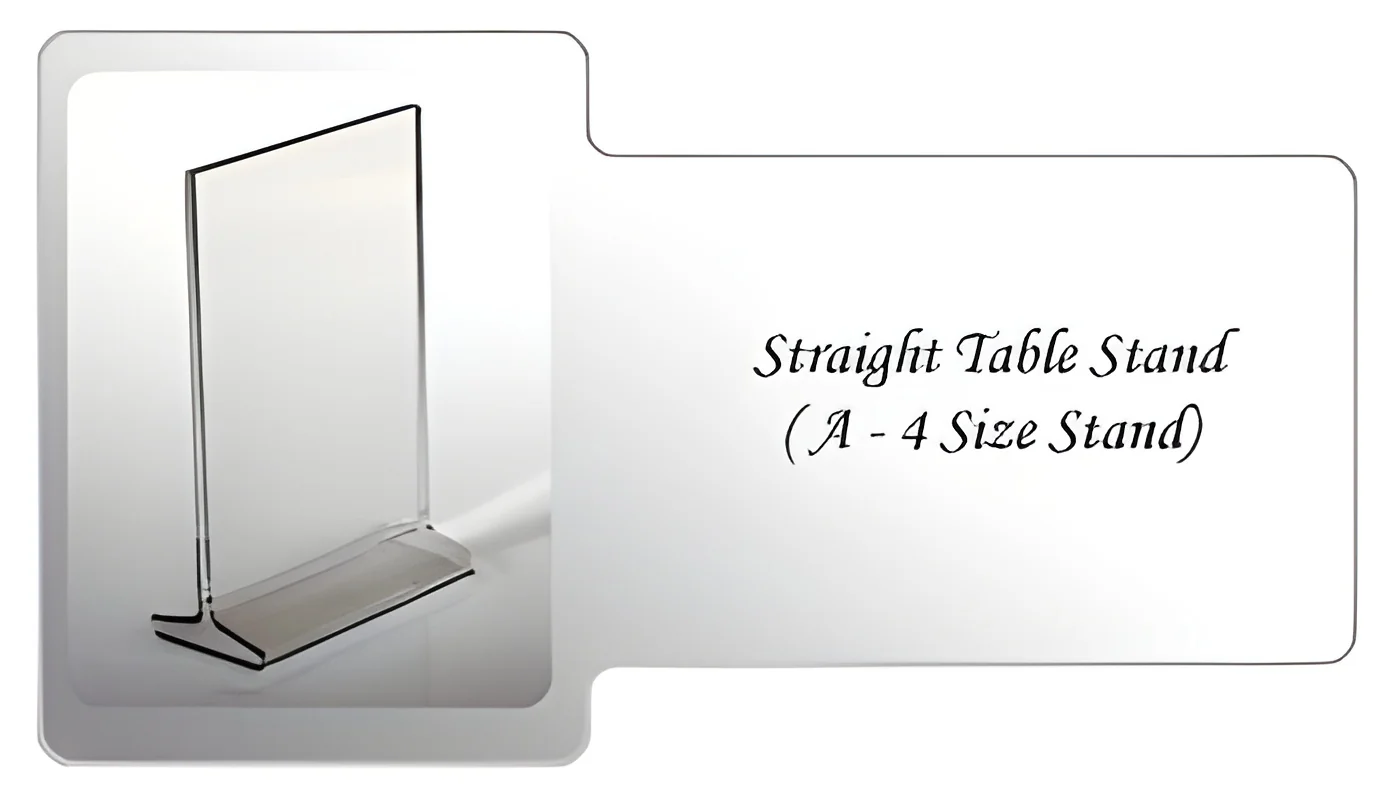
Portable designs are lightweight and easy to transport, making them suitable for smaller events or companies with limited budgets. They often include pop-up banners and table displays that can be set up quickly.
Benefits and Advantages
Investing in trade show and exhibition design offers several key benefits that can enhance a company's market presence.
1. Increased Visibility: Well-designed exhibits capture the attention of attendees, increasing the likelihood of visitor engagement and interaction.
2. Enhanced Brand Perception: Professional and creative designs contribute to a positive brand image, reinforcing a company's commitment to quality and innovation.
3. Lead Generation: Effective displays facilitate connections with potential clients, helping businesses generate valuable leads during trade shows.
4. Competitive Differentiation: Unique and memorable designs set companies apart from competitors, making it easier for attendees to recall their offerings.
5. Audience Engagement: Interactive elements encourage participation and create memorable experiences that resonate with visitors.
6. Return on Investment: A well-executed trade show presence can lead to significant business opportunities, justifying the investment in design and execution.
Buying Guide for B2B Buyers
When sourcing trade show and exhibition design, B2B buyers should consider several critical factors to ensure a successful investment.
1. Quality Assessment: Evaluate the materials and craftsmanship of the designs to ensure durability and aesthetic appeal. Look for suppliers with a reputation for high-quality work.
2. Supplier Verification: Vet potential suppliers by checking references and reviewing past projects. Ensure they have experience in your industry and a solid track record.
3. Pricing and MOQ: Understand the cost structure and minimum order quantities. Compare quotes from different suppliers to find the best value within your budget.
4. Delivery and Lead Times: Confirm lead times for design and production to ensure your exhibit is ready well in advance of the event. Consider logistics for transport and setup.
5. Compliance Requirements: Check for any industry-specific regulations or standards that the designs must meet, ensuring compliance to avoid issues during the event.
Compliance and Certifications
Trade show and exhibition design must adhere to various quality standards and certifications that ensure safety and reliability. While specific standards for trade show design are not universally defined, companies often reference ISO 9001 for quality management systems, which emphasizes continuous improvement and customer satisfaction.
In addition, CE certification is essential for designs incorporating electrical components, ensuring compliance with European health, safety, and environmental protection standards. Safety and testing requirements may vary depending on the materials used and the type of displays being created.
Regional compliance considerations are also crucial, particularly for international events. Different countries may have specific regulations regarding construction, safety, and environmental impact, which must be taken into account during the design process.
Why Source Trade Show & Exhibition Design from Pepagora?
Pepagora offers a trusted platform for sourcing trade show and exhibition design, providing numerous advantages to B2B buyers.
Verified Supplier Network: Pepagora connects buyers with a robust network of verified suppliers, ensuring that businesses can find reliable partners for their exhibition needs. Each supplier undergoes a thorough verification process to guarantee quality and professionalism.
Streamlined RFQ Process: The platform simplifies the request for quotation process, allowing buyers to easily compare prices and services from multiple suppliers. This efficiency saves time and helps businesses make informed decisions.
Trade Assurance and Support: Pepagora offers trade assurance to buyers, protecting investments and ensuring that suppliers meet agreed-upon standards. Dedicated customer support is available to assist with any inquiries or issues that may arise.
Regional Coverage: With a strong presence in India, the GCC, and Southeast Asia, Pepagora provides extensive geographic reach, making it easier for businesses to find local suppliers that understand regional market dynamics and requirements.
By leveraging Pepagora's resources, companies can enhance their trade show presence and achieve their marketing objectives effectively.


 India

 India
 India
 India
 India


 India
 India
 India

 India

 India
 India


Frequently Asked Questions
What are Trade Show & Exhibition Design?
Trade Show & Exhibition Design refers to the process of creating displays and environments for trade shows and exhibitions. This includes the layout, graphics, and overall aesthetic that attract visitors and effectively communicate a brand's message.
What are the different types of Trade Show & Exhibition Design?
There are several types of Trade Show & Exhibition Design, including modular displays, custom-built exhibits, portable displays, and pop-up booths. Each type serves different needs, from flexibility and portability to elaborate custom designs.
How do I choose the right Trade Show & Exhibition Design?
Choosing the right Trade Show & Exhibition Design involves considering your branding, target audience, and budget. It's also important to evaluate the space available at the venue and the overall message you wish to convey.
What are the standard specifications for Trade Show & Exhibition Design?
Standard specifications for Trade Show & Exhibition Design typically include dimensions, weight limits, material quality, and lighting requirements. Additionally, designs should comply with venue guidelines and safety regulations.
What is the price range for Trade Show & Exhibition Design?
The price range for Trade Show & Exhibition Design can vary significantly based on complexity, materials, and size, typically ranging from a few thousand to several lakhs of Indian Rupees. Custom designs generally cost more than modular or portable options.
What quality standards apply to Trade Show & Exhibition Design?
Quality standards for Trade Show & Exhibition Design include durability of materials, safety regulations, and adherence to design specifications. Manufacturers often follow industry standards to ensure that their designs are effective and long-lasting.
Where can I find Trade Show & Exhibition Design suppliers in India?
You can find Trade Show & Exhibition Design suppliers in India through B2B marketplaces like Pepagora, industry exhibitions, and trade directories. Online platforms often provide a comprehensive list of manufacturers and service providers.
Can Trade Show & Exhibition Design be customized?
Yes, Trade Show & Exhibition Design can be customized to meet specific branding and functional requirements. Many suppliers offer tailored solutions that incorporate unique graphics, layouts, and features.
What is the typical minimum order quantity for Trade Show & Exhibition Design?
The typical minimum order quantity (MOQ) for Trade Show & Exhibition Design varies by supplier and design type. Custom designs may have a higher MOQ than standard modular displays.
What is the typical lead time for Trade Show & Exhibition Design?
The typical lead time for Trade Show & Exhibition Design can range from a few weeks to several months, depending on the complexity of the design and the supplier's workload. It's advisable to plan ahead and discuss timelines with your chosen manufacturer.
Why Businesses Trust Pepagora
Thousands of companies trust Pepagora to source smarter and sell faster
Expand Your Sales Globally

Source Smarter,Grow Faster
