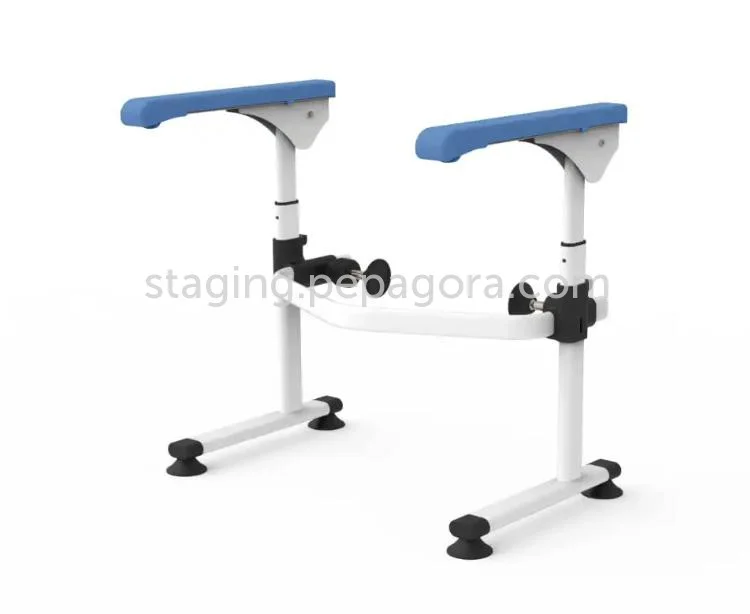
𝗪𝗵𝗮𝘁 𝗮𝗿𝗲 𝗧𝗼𝗶𝗹𝗲𝘁 𝗦𝗮𝗳𝗲𝘁𝘆 𝗥𝗮𝗶𝗹𝘀?
Toilet safety rails are supportive devices designed to assist individuals with mobility challenges when using the restroom. They provide stability and support, making it easier for users to sit down and stand up safely. Typically installed next to the toilet, these rails can accommodate various user needs, including the elderly, disabled individuals, or those recovering from surgery.
The primary applications of toilet safety rails are found in healthcare facilities, residential care homes, and private residences. They are crucial in promoting independence and enhancing safety for individuals who may struggle with balance or strength. In a broader market context, as the aging population increases, the demand for such assistive devices is also expected to rise, highlighting their significance within the healthcare and wellness industries.
𝗞𝗲𝘆 𝗙𝗲𝗮𝘁𝘂𝗿𝗲𝘀 𝗮𝗻𝗱 𝗦𝗽𝗲𝗰𝗶𝗳𝗶𝗰𝗮𝘁𝗶𝗼𝗻𝘀
Toilet safety rails come equipped with features designed for user safety and convenience. These features vary by model, but common specifications ensure that the products meet the necessary safety standards and usability requirements.
Key specifications include:
1. Material Composition
- Typically made from durable materials such as stainless steel or high-strength plastic.
- Ensures longevity and resistance to corrosion.
2. Weight Capacity
- Most models support weights of up to 300 pounds.
- Important for ensuring user safety and stability.
3. Mounting Options
- Available as wall-mounted or free-standing models.
- Offers flexibility based on installation needs.
4. Adjustable Height
- Some rails feature adjustable height settings for customization.
- Enhances comfort and usability for different users.
5. Grip Design
- Ergonomically designed grips for better hold.
- Reduces the risk of slipping or losing balance.
6. Surface Finish
- Smooth surfaces to prevent injury from sharp edges.
- Easy to clean and maintain.
7. Compliance
- Many products meet CE certification standards for safety.
- Ensures reliability and consumer confidence.
In summary, toilet safety rails combine essential features that prioritize user safety, comfort, and convenience, making them vital tools for many individuals.
𝗖𝗼𝗺𝗺𝗼𝗻 𝗔𝗽𝗽𝗹𝗶𝗰𝗮𝘁𝗶𝗼𝗻𝘀 𝗮𝗻𝗱 𝗨𝘀𝗲 𝗖𝗮𝘀𝗲𝘀
Toilet safety rails are versatile and find applications in various industries.
1. Healthcare: Hospitals and rehabilitation centers use toilet safety rails to support patients during recovery and enhance their safety while using restrooms.
2. Senior Living Facilities: Assisted living and nursing homes implement these rails to aid residents with mobility issues, promoting independence and reducing fall risks.
3. Home Care: Families caring for elderly or disabled members install safety rails in their homes to enhance safety and provide support during restroom visits.
4. Public Restrooms: Many public facilities are equipped with toilet safety rails to accommodate individuals with disabilities, ensuring better accessibility.
5. Hospitality: Hotels may offer rooms with safety features, including toilet safety rails, to cater to guests with specific needs.
6. Educational Institutions: Schools with special education programs may incorporate safety rails in restrooms to assist students requiring additional support.
7. Government Facilities: Public buildings often comply with accessibility regulations, including the installation of toilet safety rails for broader inclusivity.
𝗣𝗿𝗼𝗱𝘂𝗰𝘁 𝗩𝗮𝗿𝗶𝗮𝗻𝘁𝘀 𝗮𝗻𝗱 𝗦𝘂𝗯𝗰𝗮𝘁𝗲𝗴𝗼𝗿𝗶𝗲𝘀
Toilet safety rails come in various designs to meet different user needs.
Wall-Mounted Safety Rails
These models are secured to the wall, saving space while providing reliable support. They are ideal for smaller restrooms where floor space is limited.
Free-Standing Safety Rails
These are portable and can be moved as needed. They offer flexibility for users who may require assistance in different locations.
Height-Adjustable Safety Rails
These provide customizable height options, allowing for a perfect fit for users of varying heights and preferences.
𝗕𝗲𝗻𝗲𝗳𝗶𝘁𝘀 𝗮𝗻𝗱 𝗔𝗱𝘃𝗮𝗻𝘁𝗮𝗴𝗲𝘀
Toilet safety rails offer numerous benefits that enhance safety and independence for users.
1. Enhanced Safety: Providing physical support reduces the risk of falls, making restrooms safer for individuals with mobility challenges.
2. Increased Independence: Users can navigate the restroom with confidence, fostering a sense of autonomy.
3. Versatility: Available in various designs, these rails can be used in multiple settings, from homes to public facilities.
4. Easy Installation: Many models are user-friendly and can be easily installed with basic tools.
5. Compliance with Regulations: Ensuring these rails meet safety standards aids in compliance with building codes and regulations.
6. Cost-Effective Solution: Investing in toilet safety rails can lead to fewer accidents and injuries, ultimately saving costs related to healthcare and liability.
𝗕𝘂𝘆𝗶𝗻𝗴 𝗚𝘂𝗶𝗱𝗲 𝗳𝗼𝗿 𝗕𝟮𝗕 𝗕𝘂𝘆𝗲𝗿𝘀
When sourcing toilet safety rails, several factors should be considered to ensure the right selection.
1. Quality Assessment: Evaluate materials and construction quality to ensure durability and safety. Look for products that meet industry standards and certifications.
2. Supplier Verification: Vet suppliers carefully to confirm their reliability and reputation in the market. Check for customer reviews and industry certifications.
3. Pricing and MOQ: Understand the pricing structure and minimum order quantities. Compare quotes from multiple suppliers to secure the best deal.
4. Delivery and Lead Times: Inquire about logistics, including shipping times and delivery options to ensure timely procurement.
5. Compliance Requirements: Ensure that the products meet any relevant safety and regulatory standards specific to your industry or region.
𝗖𝗼𝗺𝗽𝗹𝗶𝗮𝗻𝗰𝗲 𝗮𝗻𝗱 𝗖𝗲𝗿𝘁𝗶𝗳𝗶𝗰𝗮𝘁𝗶𝗼𝗻𝘀
Compliance and certifications are critical aspects of toilet safety rails. These products typically adhere to various quality standards, ensuring user safety and product reliability.
ISO 9001 is a quality management standard that guarantees organizations consistently provide products that meet customer and regulatory requirements.
CE certification indicates that the product meets European safety, health, and environmental protection standards. This is particularly relevant for products sold in the European market.
Safety and testing requirements often include evaluations for structural integrity, load capacity, and usability. Manufacturers must conduct these tests to comply with industry standards.
Regional compliance considerations may vary, so it is essential to understand local regulations regarding assistive devices in the healthcare and public sectors.
𝗪𝗵𝘆 𝗦𝗼𝘂𝗿𝗰𝗲 𝗧𝗼𝗶𝗹𝗲𝘁 𝗦𝗮𝗳𝗲𝘁𝘆 𝗥𝗮𝗶𝗹𝘀 𝗳𝗿𝗼𝗺 𝗣𝗲𝗽𝗮𝗴𝗼𝗿𝗮?
Pepagora provides a trusted platform for sourcing toilet safety rails, offering several key advantages to B2B buyers.
Verified Supplier Network: Pepagora connects buyers with a comprehensive network of verified suppliers. This ensures that businesses can find reliable partners who provide high-quality products.
Streamlined RFQ Process: The request for quotation (RFQ) system is designed for efficiency. Buyers can easily obtain multiple quotes, making the procurement process faster and more straightforward.
Trade Assurance and Support: Buyers benefit from trade assurance, which protects their transactions and provides peace of mind. Customer support is available to guide buyers through the sourcing process.
Regional Coverage: Pepagora serves a diverse geographic area, including India, the GCC, and Southeast Asia. This broad reach allows buyers to find local suppliers and navigate logistics effectively.

 IN
IN