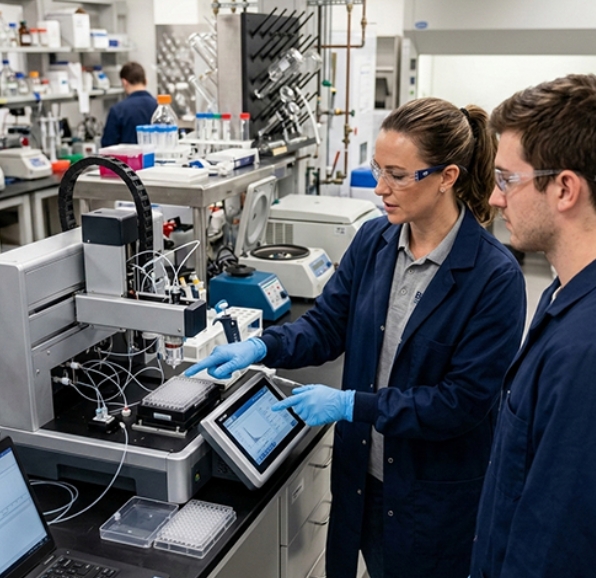
What are Technical Support Services?
Technical Support Services refer to a range of support options provided to businesses to help them resolve technical issues related to their products or systems. These services typically include troubleshooting, maintenance, and guidance on the use of equipment or software. The goal is to ensure that products operate smoothly, minimizing downtime and maximizing productivity. Support can be provided through various channels, such as phone, email, or remote access, allowing for quick resolution of issues.
Businesses use Technical Support Services in various ways, including installation assistance, system updates, and troubleshooting. These services are vital for companies that rely on complex machinery or software to operate efficiently. By having reliable support, organizations can focus on their core activities without getting bogged down by technical problems. The relevance of these services spans multiple industries, making them a critical component of modern business operations as technology continues to evolve and integrate into everyday processes.
Key Features and Specifications
Technical Support Services come with several key features that enhance their effectiveness. These features ensure that businesses receive timely and efficient assistance. The following specifications highlight the essential elements of these services.
Key specifications include:
1. Response Time
- The average time taken to respond to a service request.
- Typically ranges from immediate to several hours based on service level agreements.
2. Availability
- The hours during which support is available.
- Commonly available 24/7 or during standard business hours.
3. Communication Channels
- Various methods through which support can be accessed.
- Includes phone support, email, and live chat options.
4. Service Level Agreements (SLAs)
- Contracts that define the expected service standards.
- Outlines response times, resolution times, and support scope.
5. Remote Support Capabilities
- Ability to access and troubleshoot systems remotely.
- Enables quick fixes without the need for on-site visits.
6. Expertise Level
- Qualifications and experience of support staff.
- Staff often have certifications in relevant technologies or systems.
7. Customization Options
- Availability of tailored support packages to meet specific business needs.
- Can include specialized services or prioritized support.
8. Reporting and Documentation
- Provision of detailed reports on issues, resolutions, and system performance.
- Helps in tracking support history and identifying recurring problems.
In summary, Technical Support Services are structured to provide efficient and effective assistance to businesses, ensuring that they can operate with minimal technical interruptions.
Common Applications and Use Cases
Technical Support Services are applicable across various sectors, providing crucial support for different operational needs.
1. Manufacturing: Technical support is essential for maintaining machinery and production lines, helping to resolve breakdowns swiftly and minimize downtime.
2. Information Technology: IT support services assist companies in managing software applications, network issues, and cybersecurity challenges, ensuring systems run smoothly.
3. Telecommunications: Support services help maintain communication networks and resolve issues related to connectivity, ensuring uninterrupted service for users.
4. Healthcare: Technical support in healthcare settings ensures that medical devices and electronic health records systems operate without disruption, which is critical for patient care.
5. Retail: In retail environments, support services can troubleshoot point-of-sale systems and inventory management software, preventing disruptions in sales operations.
6. Transportation: Technical support assists in maintaining logistics systems and fleet management software, ensuring efficient operation of transportation services.
7. Education: Educational institutions rely on technical support for managing learning management systems and online platforms, enabling effective teaching and learning experiences.
Product Variants and Subcategories
Technical Support Services can vary significantly to meet the diverse needs of businesses. These variations allow companies to select the most suitable support options based on their specific requirements.
Standard Support Services
This variant offers basic troubleshooting and guidance for products. It is suitable for companies with straightforward technical needs and typically includes email and phone support.
Premium Support Services
This variant provides advanced technical support, including 24/7 availability and dedicated account managers. It is ideal for businesses that require immediate assistance and proactive monitoring of their systems.
Custom Support Packages
Custom packages can be tailored to meet unique business requirements. They may include specialized services, such as on-site support or integration assistance for complex systems.
Benefits and Advantages
Engaging Technical Support Services offers numerous advantages that can enhance business operations and efficiency.
Key benefits include:
1. Reduced Downtime: Quick resolution of technical issues minimizes operational interruptions, allowing businesses to maintain productivity.
2. Expert Guidance: Access to knowledgeable professionals ensures that businesses can leverage technology effectively and efficiently.
3. Cost Savings: Preventative maintenance and efficient troubleshooting can reduce long-term operational costs associated with equipment failure.
4. Enhanced Customer Satisfaction: Reliable technical support contributes to improved product performance, leading to better customer experiences.
5. Scalability: Support services can be adjusted to meet growing business needs, ensuring that companies have the necessary resources as they expand.
6. Focus on Core Competencies: By outsourcing technical support, businesses can concentrate on their primary activities without being sidetracked by technical issues.
Buying Guide for B2B Buyers
When considering Technical Support Services, businesses should evaluate several critical factors to ensure they select the right provider.
1. Quality Assessment: Look for providers with a proven track record of delivering high-quality support. Evaluate customer reviews and case studies to gauge their effectiveness.
2. Supplier Verification: Vet potential suppliers by checking their credentials and certifications. Ensure they have the necessary expertise and experience in your industry.
3. Pricing and MOQ: Understand the pricing structure and any minimum order quantities. Compare costs among different providers to find the best value for your needs.
4. Delivery and Lead Times: Inquire about the expected response times for support requests. Ensure that the provider can meet your timelines for urgent issues.
5. Compliance Requirements: Check that the support services comply with relevant industry regulations and standards. This is particularly important in highly regulated sectors like healthcare and finance.
Compliance and Certifications
Technical Support Services must adhere to various compliance standards and certifications to ensure quality and reliability. Relevant quality standards such as ISO 9001 help guarantee that services meet international quality management criteria. Compliance with HACCP and GDP standards is essential for businesses in food and pharmaceuticals, ensuring that support services align with health and safety regulations.
Industry certifications, such as CE, are crucial as they indicate that the services meet European safety and performance standards. Additionally, companies should consider regional compliance requirements, which may vary based on local regulations. Ensuring that Technical Support Services are compliant helps mitigate risks and enhances overall operational integrity.
Why Source Technical Support Services from Pepagora?
Pepagora provides a trusted platform for sourcing Technical Support Services, offering several key advantages to businesses.
Verified Supplier Network: Pepagora ensures that all suppliers within its network are thoroughly vetted and verified, providing peace of mind that businesses are engaging with reliable partners.
Streamlined RFQ Process: The platform simplifies the request for quotation process, enabling businesses to receive competitive bids from multiple suppliers efficiently.
Trade Assurance and Support: With trade assurance policies in place, Pepagora protects buyers, ensuring that transactions are secure and that support services are delivered as promised.
Regional Coverage: Pepagora boasts a broad geographical reach, with service offerings available in India, the GCC, and Southeast Asia. This extensive coverage allows businesses to find the right support services regardless of their location.

 IN
IN