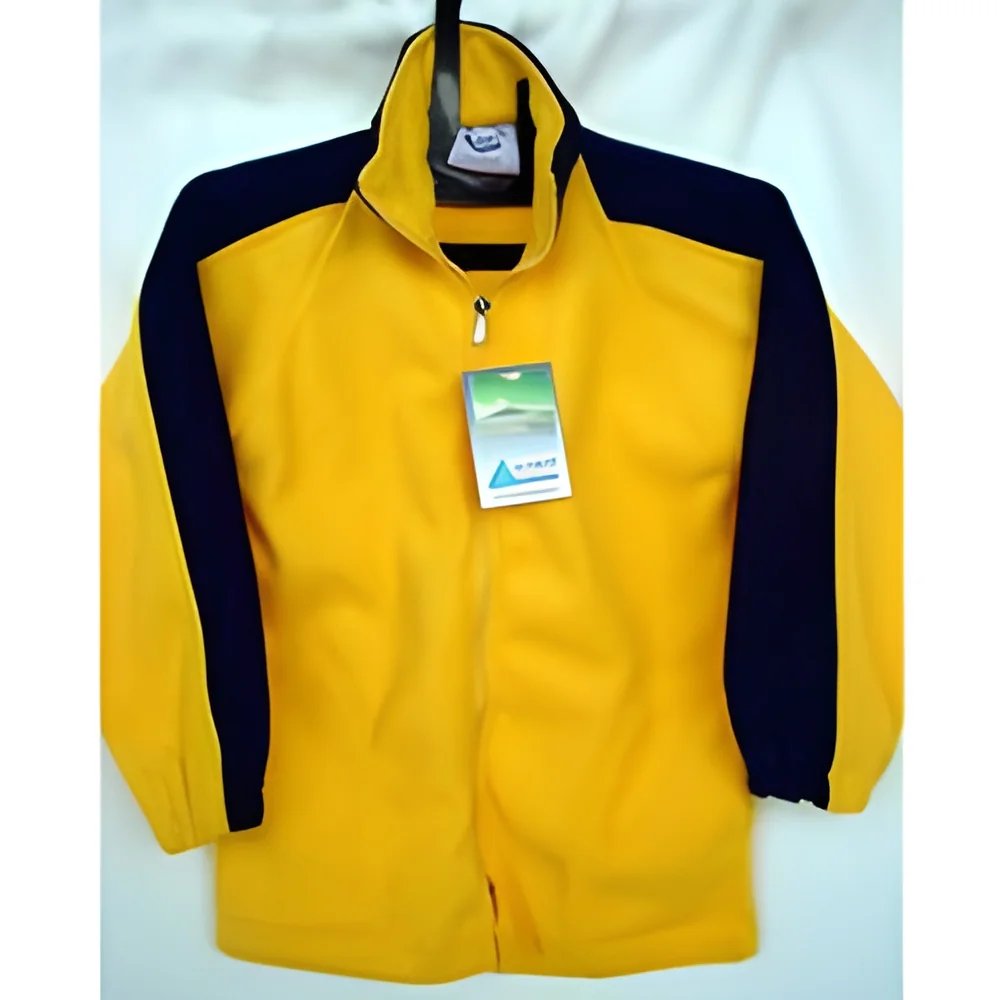
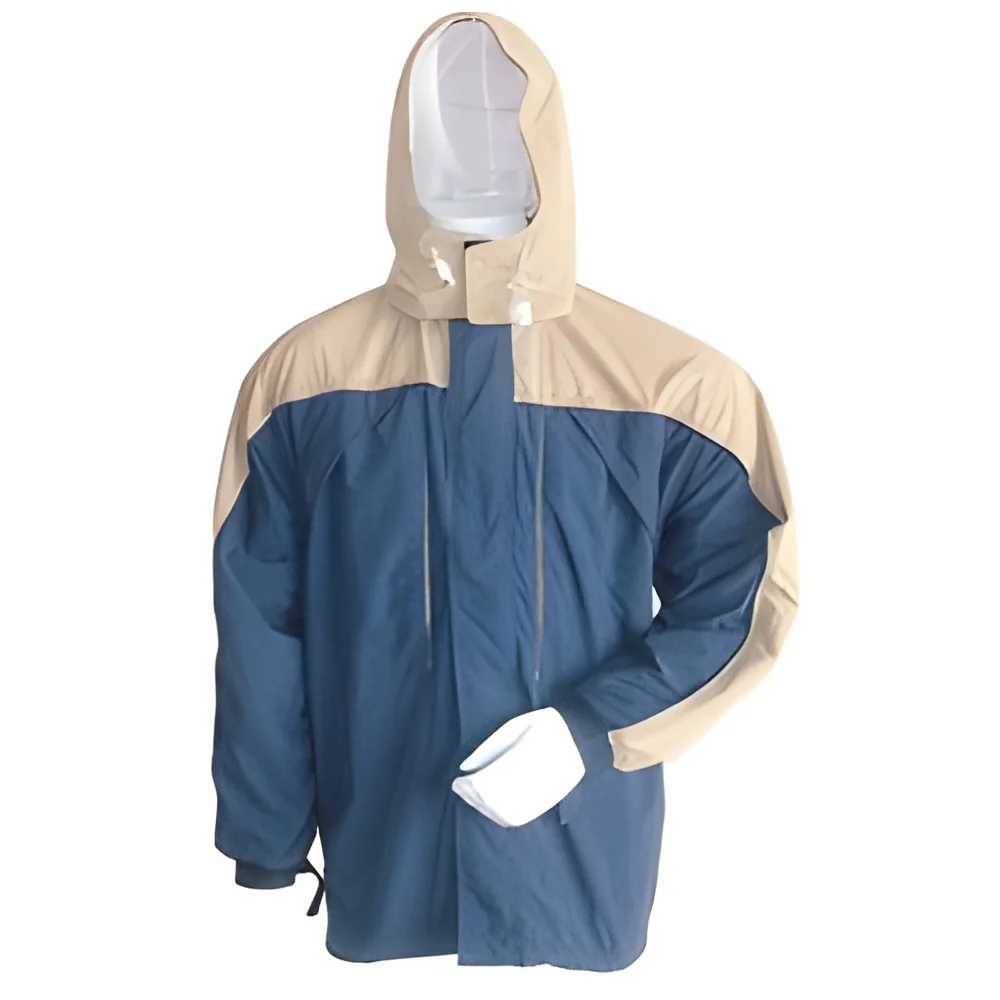
What are Sportswear for Cold Weather?
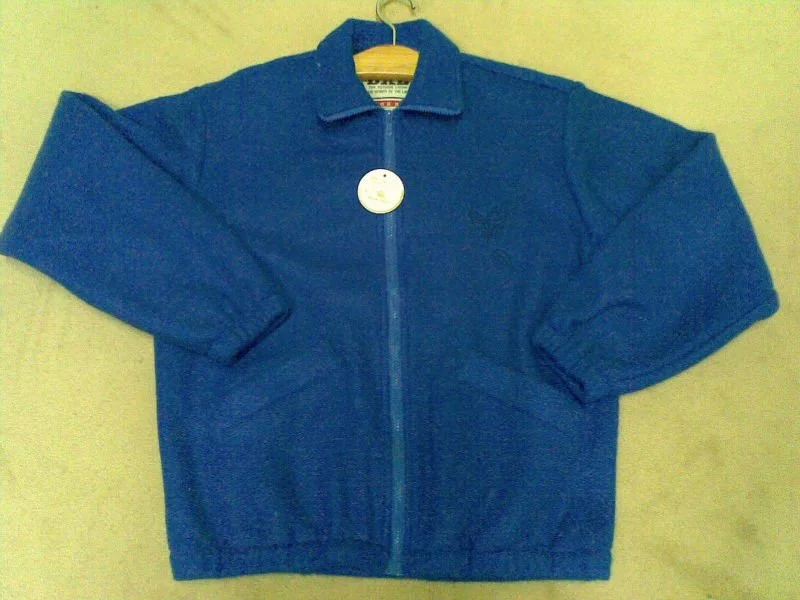
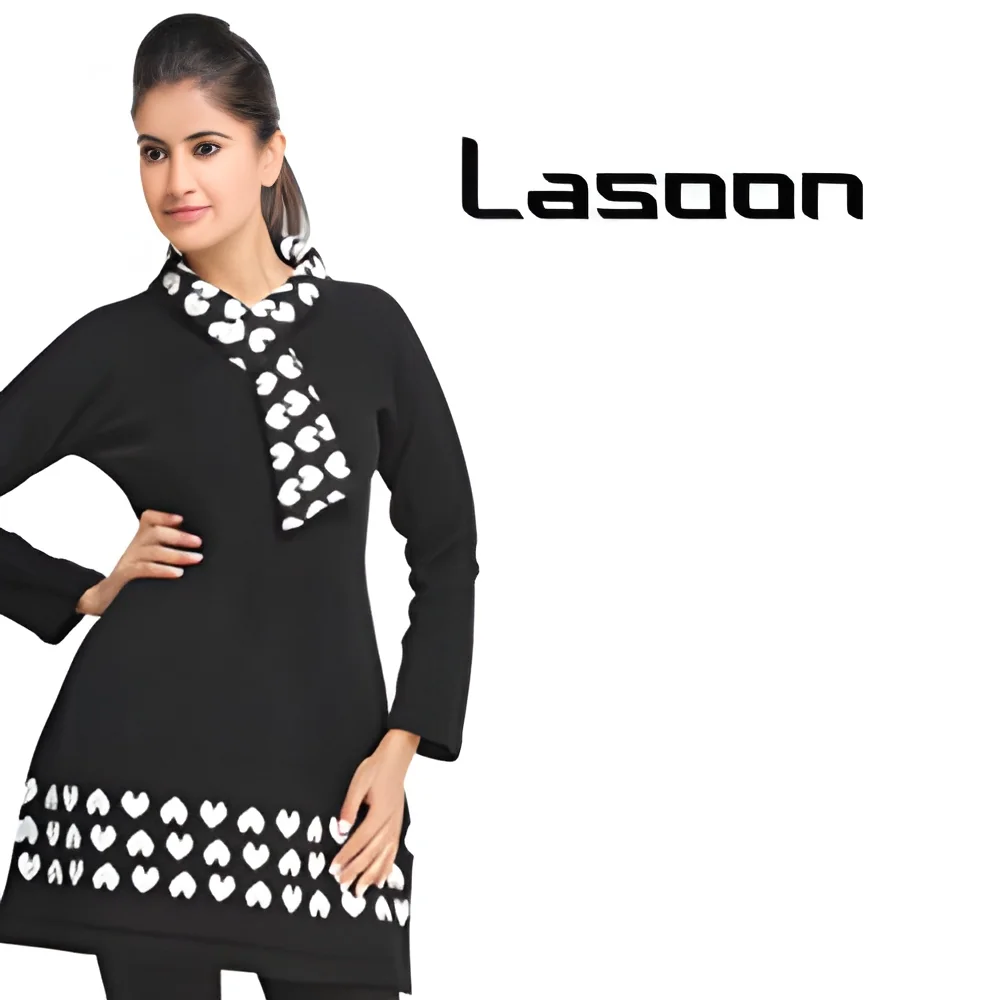
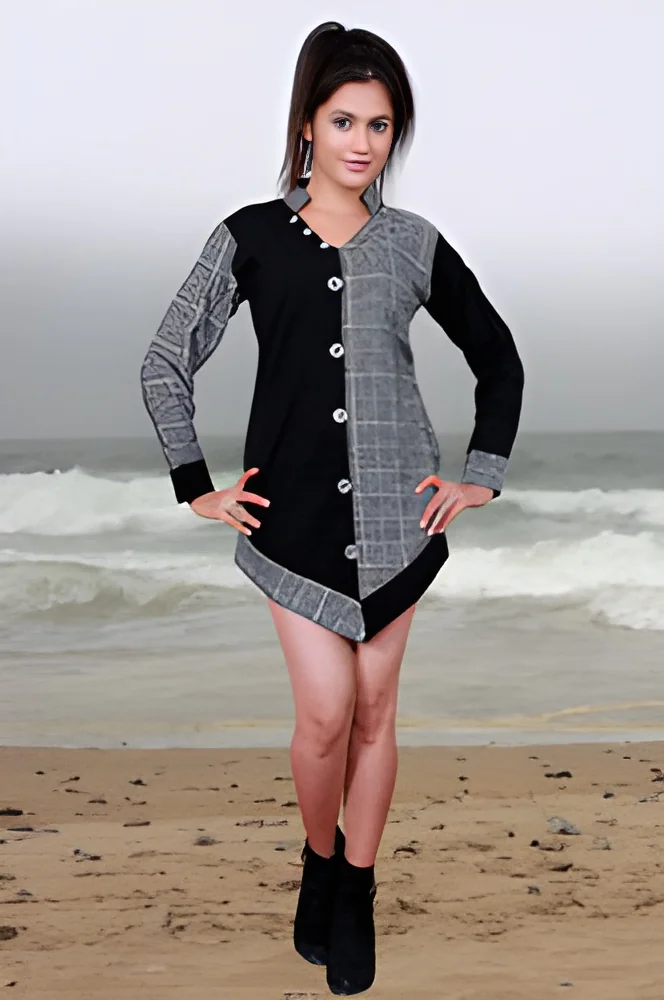
Sportswear for cold weather refers to specialized athletic apparel designed to provide warmth and comfort during outdoor activities in low temperatures. This type of clothing typically incorporates advanced materials and technologies that enhance insulation, moisture management, and flexibility. The primary purpose is to keep athletes and outdoor enthusiasts warm while allowing them to perform at their best, even in harsh weather conditions.
These garments are widely used in various sectors, including sports, outdoor recreation, and even industrial applications where outdoor work is required in colder climates. Businesses often utilize this type of sportswear for team uniforms, employee safety, and promotional purposes. The growing awareness of fitness and outdoor activities has led to an increased demand for cold weather sportswear in the market, making it a relevant segment within the broader apparel industry.
The relevance of cold weather sportswear extends beyond performance to include health and safety considerations. As more people engage in winter sports and outdoor exercises, the need for suitable apparel becomes critical. This growing market represents opportunities for manufacturers and suppliers to offer innovative solutions tailored to the needs of consumers and businesses alike.
Key Features and Specifications
Cold weather sportswear is characterized by a variety of features designed to enhance performance and comfort. These features often include thermal insulation, moisture-wicking fabrics, and breathability. When selecting sportswear for cold weather, it is essential to consider several specifications that can affect performance and comfort.
Key specifications include:
1. Thermal Insulation
- Provides warmth without bulkiness
- Typically made from materials such as fleece or synthetic insulation
2. Moisture Management
- Wicks sweat away from the body to keep the wearer dry
- Often achieved through specialized fabric treatments
3. Breathability
- Allows air circulation to prevent overheating
- Important for maintaining comfort during physical activity
4. Stretch and Flexibility
- Enables a full range of motion during athletic performance
- Commonly found in materials like spandex or elastane blends
5. Wind Resistance
- Protects against cold winds that can lead to heat loss
- Often integrated into outer layers of the clothing
6. Water Resistance
- Prevents moisture from penetrating the fabric
- Ideal for activities in snowy or rainy conditions
7. Ergonomic Fit
- Designed to conform to the body's natural shape
- Enhances comfort and performance during movement
8. Reflective Elements
- Provides visibility during low-light conditions
- Essential for safety in outdoor environments
The combination of these features makes cold weather sportswear a vital component for anyone engaging in outdoor activities during colder months.
Common Applications and Use Cases
Cold weather sportswear serves a variety of industries and applications, making it a versatile choice for businesses.
1. Sports Teams: Many athletic organizations use specialized cold weather sportswear for training and competition, ensuring their athletes remain warm and focused during outdoor events.
2. Outdoor Recreation: Brands catering to hikers, skiers, and climbers utilize cold weather sportswear to enhance performance and safety while participating in winter sports.
3. Industrial Work: Companies with outdoor laborers, such as construction and maintenance crews, rely on cold weather sportswear to ensure employee safety and comfort in cold environments.
4. Fitness Centers: Gyms and fitness studios may offer cold weather sportswear as part of their merchandise, appealing to clients who engage in outdoor fitness activities.
5. Promotional Events: Companies often use custom cold weather sportswear as promotional items during winter events, helping to increase brand visibility.
6. Military and Law Enforcement: Specialized cold weather sportswear is utilized by military personnel and law enforcement officers to provide comfort and protection in extreme conditions.
7. Emergency Services: First responders and rescue teams use cold weather sportswear to ensure they can operate effectively in adverse weather during critical situations.
Product Variants and Subcategories
Cold weather sportswear is available in various designs and styles to meet diverse needs. Each variant is tailored to specific activities and user preferences.
Base Layers
These garments are designed to be worn directly against the skin, providing moisture-wicking properties and thermal insulation. Ideal for layering, they help regulate body temperature and keep the wearer dry during physical activities.
Mid Layers
Mid layers offer additional insulation and are typically worn over base layers. Materials like fleece or insulated fabrics provide warmth without compromising breathability, making them suitable for various outdoor activities.
Outer Layers
Outer layers are designed to protect against wind, rain, and snow. They often feature water-resistant and windproof materials, making them essential for any outdoor enthusiast facing harsh conditions.
Accessories
Cold weather sportswear also includes accessories such as gloves, hats, and neck gaiters. These items provide added warmth and protection for extremities, ensuring overall comfort during outdoor activities.
Benefits and Advantages
Investing in sportswear for cold weather offers several advantages for both individual users and businesses.
Key benefits include:
1. Enhanced Performance: Proper cold weather sportswear helps athletes maintain optimal body temperature, allowing them to perform better during outdoor activities.
2. Increased Comfort: Advanced materials provide moisture management and insulation, ensuring wearers remain comfortable in varying weather conditions.
3. Improved Safety: Quality cold weather sportswear protects against the elements, reducing the risk of hypothermia and other cold-related injuries.
4. Versatility: Designed for a range of activities, cold weather sportswear can be used for sports, outdoor recreation, and even everyday wear in cold climates.
5. Customization Options: Many manufacturers offer customization for branding purposes, making it an excellent choice for businesses looking to promote their brand.
6. Long-lasting Durability: High-quality cold weather sportswear is built to withstand harsh conditions, ensuring that investments last for multiple seasons.
Buying Guide for B2B Buyers
When sourcing sportswear for cold weather, businesses should consider several critical factors to ensure they make informed purchasing decisions.
1. Quality Assessment: Evaluate the materials and construction of the garments to ensure they meet performance standards. Look for reputable brands known for their quality.
2. Supplier Verification: Conduct thorough research on suppliers to confirm their reliability and reputation in the industry. Check for customer reviews and ratings.
3. Pricing and MOQ: Understand the pricing structure and minimum order quantities (MOQ) required by suppliers to align with budgetary constraints.
4. Delivery and Lead Times: Discuss logistics with suppliers to determine expected delivery times and ensure that products arrive when needed.
5. Compliance Requirements: Be aware of any regulatory requirements and industry standards that the sportswear must meet, such as safety certifications.
Compliance and Certifications
In the production of cold weather sportswear, compliance with industry standards and certifications is essential for ensuring quality and safety.
Relevant quality standards include ISO 9001, which outlines requirements for a quality management system, ensuring consistent product quality. Other important standards may include HACCP for food safety and GDP for good distribution practices, although specific applicability may vary by product type.
Industry certifications like CE mark are crucial for indicating compliance with European safety standards. This certification ensures that products meet rigorous safety and performance criteria, providing buyers with confidence in their purchases.
Safety and testing requirements must also be met to ensure that the sportswear is suitable for its intended use. Testing for thermal insulation, moisture management, and durability is essential for maintaining performance standards.
Additionally, regional compliance considerations may apply depending on where the sportswear will be sold or used. Understanding these requirements can help businesses avoid legal issues and ensure the safety of their products.
Why Source Sportswear for Cold Weather from Pepagora?
Pepagora is a trusted platform for sourcing sportswear for cold weather, offering several key advantages for B2B buyers.
Verified Supplier Network: Pepagora provides access to a wide network of verified suppliers, ensuring that businesses can find reliable partners for their sourcing needs. This verification process helps build trust and minimize risks associated with procurement.
Streamlined RFQ Process: The platform features an efficient request for quotation (RFQ) system, allowing buyers to easily compare offers from different suppliers. This streamlined process saves time and facilitates informed decision-making.
Trade Assurance and Support: Pepagora offers trade assurance for buyers, providing protection against potential risks in transactions. This support enhances buyer confidence and fosters long-term partnerships.
Regional Coverage: With a strong presence in regions such as India, the GCC, and Southeast Asia, Pepagora enables businesses to access a diverse range of suppliers and products. This geographic reach facilitates sourcing tailored to specific local markets and needs.

 IN
IN

 India
India