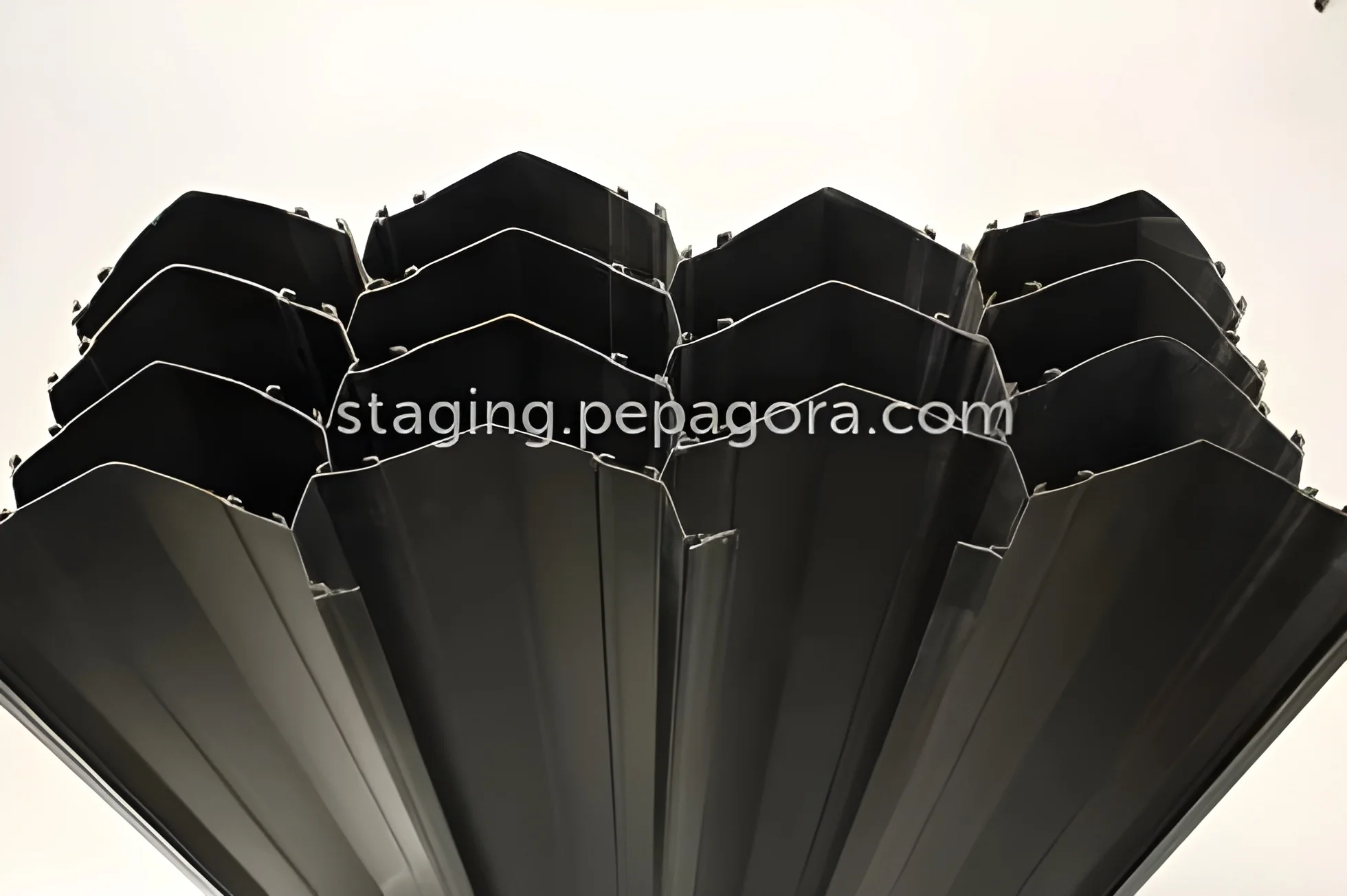
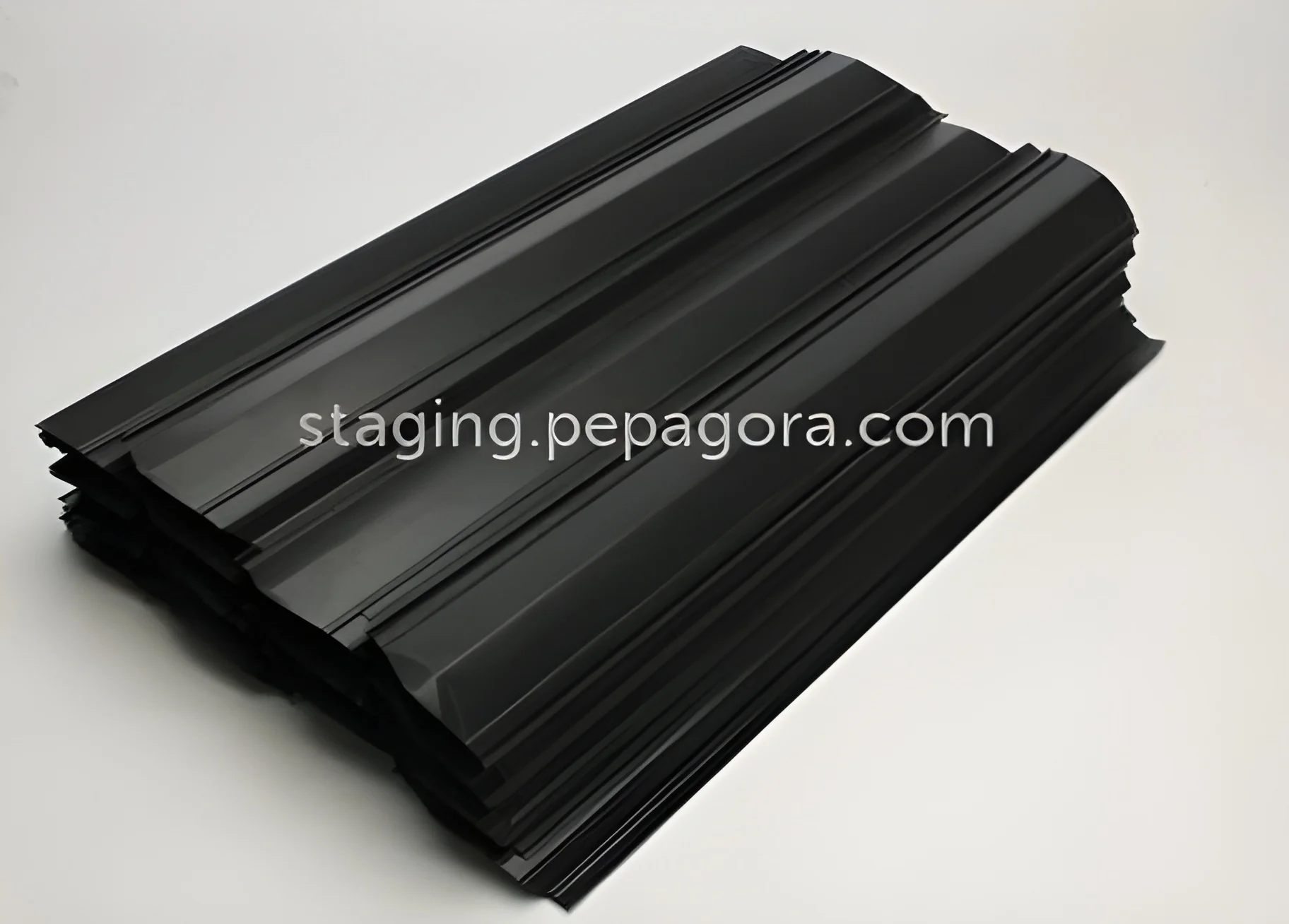
𝗪𝗵𝗮𝘁 𝗮𝗿𝗲 𝗦𝗼𝗹𝗶𝗱 𝗪𝗮𝘀𝘁𝗲 𝗦𝗲𝘁𝘁𝗹𝗲𝗿𝘀?
Solid Waste Settlers are specialized equipment designed to facilitate the separation and settling of solid waste materials in various industrial and municipal applications. These devices utilize gravity to allow heavier particles to settle at the bottom of a treatment chamber, while lighter materials can be skimmed off the surface. This process is essential for effective waste management, enabling the efficient treatment of waste and reducing the overall volume of material that requires further processing or disposal.
The primary uses of Solid Waste Settlers span across multiple sectors, including wastewater treatment plants, food processing facilities, and recycling operations. By effectively separating solids from liquids, these settlers improve the efficiency of waste treatment processes and enhance the quality of the effluent produced. In addition to their role in waste management, Solid Waste Settlers are crucial in industries where sediment control is necessary, thus contributing to environmental sustainability and compliance with regulatory standards.
In the current market context, the demand for Solid Waste Settlers is growing due to increasing environmental regulations and the push for sustainable waste management practices. Industries are recognizing the importance of effective solid waste separation to minimize landfill use and maximize resource recovery. As a result, Solid Waste Settlers are becoming a vital component of modern waste management solutions.
𝗞𝗲𝘆 𝗙𝗲𝗮𝘁𝘂𝗿𝗲𝘀 𝗮𝗻𝗱 𝗦𝗽𝗲𝗰𝗶𝗳𝗶𝗰𝗮𝘁𝗶𝗼𝗻𝘀
Solid Waste Settlers come equipped with several key features that enhance their performance and efficiency. These specifications ensure that the equipment meets industry standards and operates effectively across different applications.
Key specifications include:
1. Settling Area
- The total area available for settling, which influences the efficiency of solid separation.
- Typically ranges from small units for localized applications to large systems for industrial use.
2. Flow Rate Capacity
- Refers to the volume of wastewater that can be processed per unit time.
- Capacities can vary widely depending on the size and design of the settler.
3. Construction Material
- Solid Waste Settlers are often constructed from corrosion-resistant materials such as stainless steel or high-density polyethylene.
- This ensures durability and longevity in harsh environments.
4. Dimensions
- Size specifications, including height, width, and depth, are important for installation and operational fit.
- Available dimensions vary depending on the design and application requirements.
5. Inlet and Outlet Sizes
- The dimensions of inlet and outlet ports affect the flow dynamics and settling efficiency.
- Standard sizes are typically designed to accommodate various pipe diameters.
6. Sludge Removal Mechanism
- Settlers may include automatic or manual systems for sludge removal.
- This feature enhances the operational efficiency and reduces maintenance needs.
7. Design Type
- Common designs include rectangular, circular, and inclined plate settlers.
- Each design type has specific advantages based on the application.
8. Compliance Certifications
- Many Solid Waste Settlers are certified to meet industry standards such as CE.
- Compliance with these certifications ensures that the products adhere to safety and performance regulations.
These specifications play a crucial role in the selection process, ensuring that the right Solid Waste Settler is chosen for specific applications.
𝗖𝗼𝗺𝗺𝗼𝗻 𝗔𝗽𝗽𝗹𝗶𝗰𝗮𝘁𝗶𝗼𝗻𝘀 𝗮𝗻𝗱 𝗨𝘀𝗲 𝗖𝗮𝘀𝗲𝘀
Solid Waste Settlers are versatile and find applications across various industries.
1. Wastewater Treatment: In municipal wastewater treatment plants, Solid Waste Settlers are used to separate solids from liquids, improving the quality of treated water before discharge.
2. Food Processing: In the food industry, these settlers help in clarifying wastewater generated from processing activities, ensuring compliance with environmental regulations.
3. Mining: Mining operations utilize Solid Waste Settlers to manage tailings and reduce the environmental impact of waste by facilitating effective solid-liquid separation.
4. Pulp and Paper: The pulp and paper industry employs these systems to treat process water, allowing for the recovery of valuable fibers and minimizing waste.
5. Chemical Manufacturing: In chemical plants, Solid Waste Settlers assist in separating solid by-products from liquid effluents, thus enhancing process efficiency.
6. Construction: Construction sites use settlers to manage sediment-laden runoff, preventing pollution of nearby water bodies.
7. Landfills: Solid Waste Settlers are utilized in landfill operations to treat leachate, helping to mitigate environmental hazards associated with waste disposal.
𝗣𝗿𝗼𝗱𝘂𝗰𝘁 𝗩𝗮𝗿𝗶𝗮𝗻𝘁𝘀 𝗮𝗻𝗱 𝗦𝘂𝗯𝗰𝗮𝘁𝗲𝗴𝗼𝗿𝗶𝗲𝘀
Solid Waste Settlers are available in various designs to meet different operational needs. This diversity enables businesses to select the right type based on their specific applications.
Variant 1: Circular Settlers
Circular Settlers are designed for efficient flow dynamics, allowing for effective solid-liquid separation. These units are ideal for large-scale wastewater treatment facilities and can handle high flow rates.
Variant 2: Rectangular Settlers
Rectangular Settlers provide a compact design suitable for smaller operations. They offer ease of installation and maintenance, making them ideal for food processing and industrial applications.
Variant 3: Inclined Plate Settlers
Inclined Plate Settlers maximize settling efficiency by using inclined plates to increase the surface area for sedimentation. They are particularly effective in applications where space is limited.
𝗕𝗲𝗻𝗲𝗳𝗶𝘁𝘀 𝗮𝗻𝗱 𝗔𝗱𝘃𝗮𝗻𝘁𝗮𝗴𝗲𝘀
Solid Waste Settlers offer significant benefits that enhance operational efficiency and environmental sustainability.
1. Improved Waste Management: By effectively separating solids from liquids, these settlers enhance the overall waste treatment process.
2. Compliance with Regulations: Utilizing Solid Waste Settlers helps businesses meet environmental regulations, reducing the risk of penalties.
3. Enhanced Resource Recovery: Effective solid-liquid separation allows for the recovery of valuable materials, promoting sustainability.
4. Reduced Maintenance Costs: Many modern settlers are designed with automatic sludge removal systems, minimizing the need for manual maintenance.
5. Versatility: Solid Waste Settlers can be customized for a wide range of applications across various industries.
6. Increased Operational Efficiency: By streamlining the waste treatment process, these settlers contribute to faster and more efficient operations.
𝗕𝘂𝘆𝗶𝗻𝗴 𝗚𝘂𝗶𝗱𝗲 𝗳𝗼𝗿 𝗕𝟮𝗕 𝗕𝘂𝘆𝗲𝗿𝘀
When sourcing Solid Waste Settlers, it is crucial to consider several factors to ensure the right choice for your business needs.
1. Quality Assessment: Evaluate the quality of materials and construction to ensure durability and longevity. Look for certifications that indicate compliance with industry standards.
2. Supplier Verification: Vet suppliers carefully to ensure they have a proven track record and can provide reliable products. Check customer reviews and references.
3. Pricing and MOQ: Understand the pricing structure and minimum order quantity (MOQ) requirements to align with your budget and project needs.
4. Delivery and Lead Times: Inquire about delivery timelines to ensure that the settlers can be installed when needed. Consider logistics and any potential delays.
5. Compliance Requirements: Ensure that the Solid Waste Settlers meet any relevant regulatory compliance standards for your industry, including safety and environmental regulations.
𝗖𝗼𝗺𝗽𝗹𝗶𝗮𝗻𝗰𝗲 𝗮𝗻𝗱 𝗖𝗲𝗿𝘁𝗶𝗳𝗶𝗰𝗮𝘁𝗶𝗼𝗻𝘀
Compliance and certifications are fundamental aspects of Solid Waste Settlers, ensuring that these products meet industry standards for safety and performance.
Many Solid Waste Settlers adhere to quality standards such as ISO 9001, which focuses on quality management systems, and HACCP, which emphasizes food safety. These certifications ensure that the products are designed and manufactured to high standards, providing reliability and safety in their applications.
Additionally, industry certifications like CE indicate that the products comply with European safety regulations. This certification is crucial for businesses operating in regions where compliance with safety standards is mandatory.
Furthermore, safety and testing requirements must be met to ensure that the Solid Waste Settlers perform effectively without posing risks to personnel or the environment. Regional compliance considerations may also vary, highlighting the importance of understanding local regulations when sourcing these products.
𝗪𝗵𝘆 𝗦𝗼𝘂𝗿𝗰𝗲 𝗦𝗼𝗹𝗶𝗱 𝗪𝗮𝘀𝘁𝗲 𝗦𝗲𝘁𝘁𝗹𝗲𝗿𝘀 𝗳𝗿𝗼𝗺 𝗣𝗲𝗽𝗮𝗴𝗼𝗿𝗮?
Pepagora provides a trusted platform for sourcing Solid Waste Settlers, offering several key advantages that benefit B2B buyers.
Verified Supplier Network: Pepagora has a comprehensive network of verified suppliers, ensuring that buyers have access to quality products from reputable manufacturers. This verification process includes a thorough background check and assessment of supplier capabilities.
Streamlined RFQ Process: The platform features a user-friendly request for quotation (RFQ) system, allowing buyers to easily solicit quotes from multiple suppliers. This efficiency helps businesses compare options and make informed purchasing decisions.
Trade Assurance and Support: With Pepagora, buyers benefit from trade assurance measures that protect their purchases. The platform provides support throughout the buying process, ensuring that any issues are addressed promptly.
Regional Coverage: Pepagora's geographic reach extends across India, the GCC, and Southeast Asia, making it easier for businesses in these regions to procure Solid Waste Settlers. This broad coverage enhances accessibility and simplifies logistics for buyers looking to source these essential products.

 IN
IN