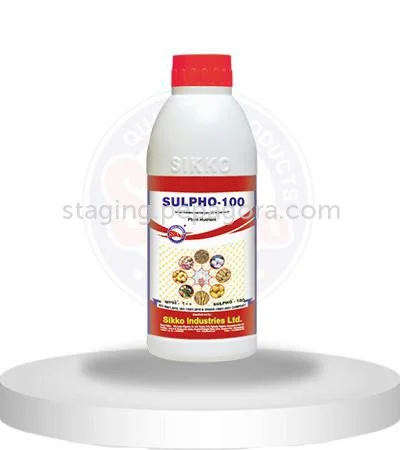
𝗪𝗵𝗮𝘁 𝗮𝗿𝗲 𝗦𝗼𝗶𝗹 𝗽𝗛 𝗥𝗲𝗴𝘂𝗹𝗮𝘁𝗼𝗿𝘀?
Soil pH Regulators are specialized products designed to adjust and maintain the pH levels of soil. These regulators play a crucial role in ensuring optimal soil conditions for plant growth by either raising or lowering the pH level. Proper pH levels are essential because they influence nutrient availability, microbial activity, and overall soil health.
The primary uses of Soil pH Regulators are found in agriculture, horticulture, and landscaping. Businesses in these sectors utilize these products to create an ideal environment for crops and plants, which can lead to increased yields and improved quality. By managing soil pH, companies can enhance their production efficiency and reduce the risk of crop failure due to nutrient deficiencies or toxicities. The market for Soil pH Regulators continues to grow as more industries recognize the importance of soil health in sustainable practices.
As the demand for high-quality agricultural products increases, Soil pH Regulators are becoming increasingly relevant across various sectors. The shift towards sustainable farming practices and the use of organic fertilizers also highlights the need for effective soil management solutions. This growing awareness contributes to the expansion of the market for Soil pH Regulators, making them a critical component in modern agricultural practices.
𝗞𝗲𝘆 𝗙𝗲𝗮𝘁𝘂𝗿𝗲𝘀 𝗮𝗻𝗱 𝗦𝗽𝗲𝗰𝗶𝗳𝗶𝗰𝗮𝘁𝗶𝗼𝗻𝘀
Soil pH Regulators come with various features that cater to the needs of different industries. Understanding these specifications is essential for businesses looking to make informed purchasing decisions.
Key specifications include:
1. Composition
- Typically made from natural or synthetic materials designed to alter soil acidity or alkalinity.
- Common components may include lime, sulfur, or organic acids.
2. Application Method
- Can be applied in granular, liquid, or powder form.
- Each method has specific usage instructions and effectiveness based on soil type.
3. pH Range Adjustment
- Capable of adjusting soil pH to a specific target range.
- Generally effective within a range of 4.0 to 8.5, depending on the product.
4. Coverage Area
- Varies by product, indicating how much area can be treated with a given quantity.
- Typically expressed in square feet or acres per unit.
5. Solubility
- The rate at which the regulator dissolves in soil or water.
- Influences how quickly the pH change occurs.
6. Longevity of Effect
- Duration of pH regulation effectiveness before reapplication is needed.
- Can range from a few weeks to several months.
7. Environmental Impact
- Assessments of how the product affects soil biology and overall ecosystem health.
- Many products are designed to be environmentally friendly.
In summary, understanding the key features and specifications of Soil pH Regulators helps businesses select the most suitable products for their specific needs.
𝗖𝗼𝗺𝗺𝗼𝗻 𝗔𝗽𝗽𝗹𝗶𝗰𝗮𝘁𝗶𝗼𝗻𝘀 𝗮𝗻𝗱 𝗨𝘀𝗲 𝗖𝗮𝘀𝗲𝘀
Soil pH Regulators are versatile products applicable across various industries.
1. Agriculture: Farmers use Soil pH Regulators to optimize their soil conditions for crops, ensuring that essential nutrients are available for maximum growth and yield.
2. Horticulture: Garden centers and nurseries apply these regulators to maintain ideal pH levels for ornamental plants, enhancing their health and aesthetic appeal.
3. Landscaping: Landscape professionals utilize Soil pH Regulators to adjust soil conditions for new installations, ensuring that plants thrive in their new environment.
4. Golf Courses: Superintendents manage soil pH on golf greens to promote healthy grass growth and maintain playing conditions.
5. Environmental Remediation: Soil pH Regulators are used in projects aimed at restoring contaminated soils by adjusting pH to support microbial activity.
6. Research Institutions: Universities and agricultural research facilities utilize these products in studies related to soil health and crop productivity.
7. Organic Farming: Organic farmers apply Soil pH Regulators to maintain soil health without synthetic chemicals, supporting sustainable agricultural practices.
𝗣𝗿𝗼𝗱𝘂𝗰𝘁 𝗩𝗮𝗿𝗶𝗮𝗻𝘁𝘀 𝗮𝗻𝗱 𝗦𝘂𝗯𝗰𝗮𝘁𝗲𝗴𝗼𝗿𝗶𝗲𝘀
Soil pH Regulators come in a variety of formulations, each suited for different applications and environments.
Granular Soil pH Regulator: This variant is easy to apply and provides a slow-release option for long-lasting pH adjustment. It is often used in large agricultural settings where uniform distribution is key.
Liquid Soil pH Regulator: This formulation allows for quick application and rapid pH changes in the soil. It is particularly useful for smaller operations or when immediate results are needed.
Powdered Soil pH Regulator: Ideal for precise applications, powdered regulators can be mixed with water or soil for targeted treatments. They are commonly used in greenhouse settings.
𝗕𝗲𝗻𝗲𝗳𝗶𝘁𝘀 𝗮𝗻𝗱 𝗔𝗱𝘃𝗮𝗻𝘁𝗮𝗴𝗲𝘀
Soil pH Regulators offer several advantages for businesses seeking to enhance soil health and productivity.
1. Improved Nutrient Availability: Regulating soil pH ensures that essential nutrients are accessible to plants, promoting healthier growth.
2. Enhanced Crop Yields: By creating optimal soil conditions, these regulators can significantly increase agricultural productivity.
3. Environmental Sustainability: Many Soil pH Regulators are formulated to be environmentally friendly, supporting sustainable farming practices.
4. Cost-Effectiveness: Investing in Soil pH Regulation can reduce the need for additional fertilizers, leading to long-term cost savings.
5. Versatility: Applicable in various industries, these products can be tailored to different soil types and plant requirements.
6. User-Friendly Application: Many formulations are easy to apply, making them accessible for businesses of all sizes.
𝗕𝘂𝘆𝗶𝗻𝗴 𝗚𝘂𝗶𝗱𝗲 𝗳𝗼𝗿 𝗕𝟮𝗕 𝗕𝘂𝘆𝗲𝗿𝘀
When sourcing Soil pH Regulators, B2B buyers should consider several important factors to ensure they select the right product.
1. Quality Assessment: Buyers should evaluate the quality of Soil pH Regulators by reviewing product specifications, sourcing materials, and performance data to ensure effectiveness.
2. Supplier Verification: It is critical to verify suppliers by checking their credibility, seeking testimonials, and reviewing their compliance with industry standards.
3. Pricing and MOQ: Understanding the pricing structure and minimum order quantities (MOQ) is important for budgeting and ensuring the purchase aligns with operational needs.
4. Delivery and Lead Times: Buyers should inquire about delivery schedules and lead times to ensure products arrive when needed, avoiding disruptions in operations.
5. Compliance Requirements: Familiarity with regulatory requirements for Soil pH Regulators, including safety and environmental standards, is essential for compliance and quality assurance.
𝗖𝗼𝗺𝗽𝗹𝗶𝗮𝗻𝗰𝗲 𝗮𝗻𝗱 𝗖𝗲𝗿𝘁𝗶𝗳𝗶𝗰𝗮𝘁𝗶𝗼𝗻𝘀
Soil pH Regulators must adhere to various quality standards and certifications to ensure safety and effectiveness. Standards such as ISO 9001, which focuses on quality management systems, are essential for manufacturers to demonstrate their commitment to quality production processes.
Industry certifications like CE and UL provide assurance that products meet specific safety and performance criteria. These certifications are crucial for buyers who need to comply with regulatory requirements in their respective industries.
Additionally, safety and testing requirements must be met to ensure that Soil pH Regulators do not pose risks to human health or the environment. Regional compliance considerations may vary, so it is important for buyers to verify that products meet local regulations.
𝗪𝗵𝘆 𝗦𝗼𝘂𝗿𝗰𝗲 𝗦𝗼𝗶𝗹 𝗽𝗛 𝗥𝗲𝗴𝘂𝗹𝗮𝘁𝗼𝗿𝘀 𝗳𝗿𝗼𝗺 𝗣𝗲𝗽𝗮𝗴𝗼𝗿𝗮?
Pepagora offers a reliable platform for sourcing Soil pH Regulators with numerous advantages for B2B buyers.
Verified Supplier Network: Pepagora features a network of verified suppliers, ensuring that buyers can access high-quality products from reputable sources. This reduces the risk associated with purchasing from unknown vendors.
Streamlined RFQ Process: The platform facilitates a streamlined Request for Quotation (RFQ) process, allowing buyers to quickly gather competitive offers from multiple suppliers. This efficiency helps businesses make informed purchasing decisions.
Trade Assurance and Support: Pepagora provides trade assurance and support to protect buyers throughout the procurement process. This includes assistance with negotiations and order fulfillment, enhancing buyer confidence.
Regional Coverage: With a strong presence in regions like India, the GCC, and Southeast Asia, Pepagora is well-positioned to serve diverse markets. This geographic reach enables buyers to source Soil pH Regulators tailored to their specific regional needs.
In summary, Pepagora’s platform simplifies the sourcing of Soil pH Regulators, providing access to verified suppliers, competitive pricing, and comprehensive support for businesses in various industries.

 IN
IN