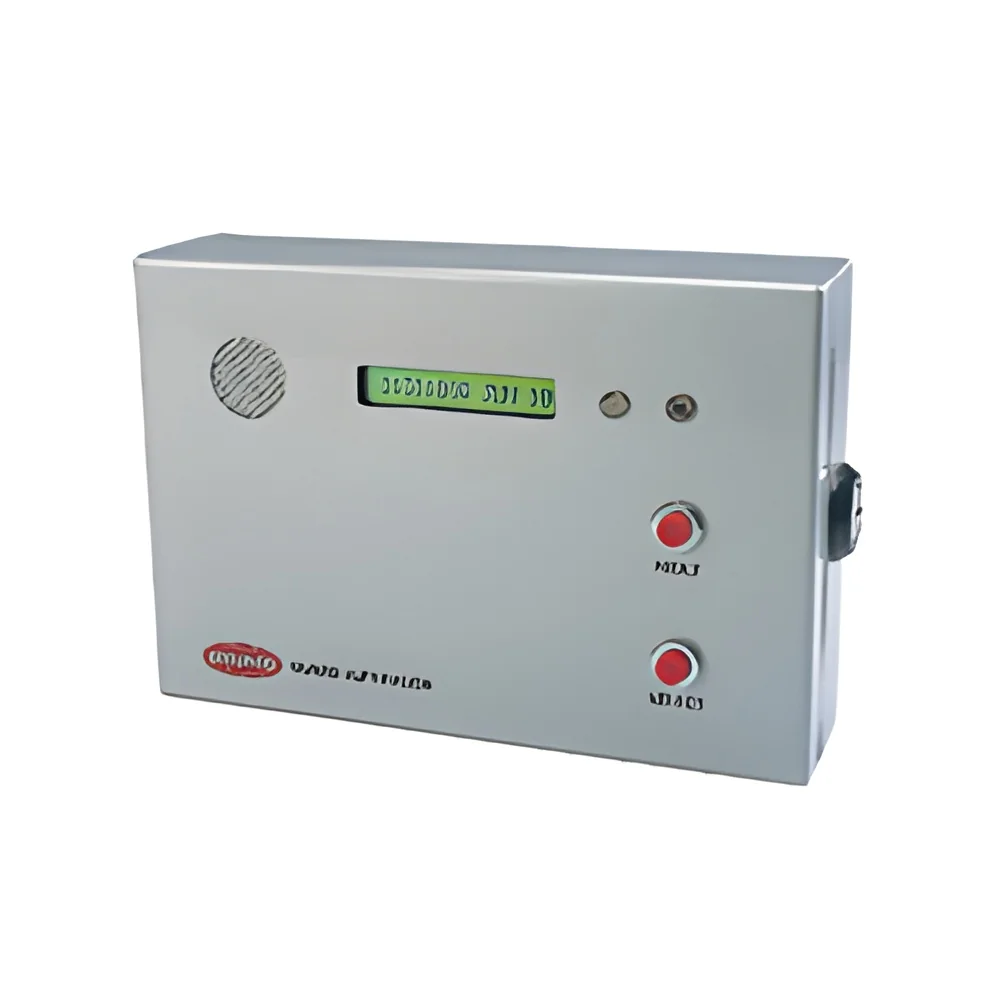
What are Security Information & Event Management (SIEM)?
Security Information and Event Management (SIEM) is a comprehensive approach to cybersecurity that combines security information management and security event management into one unified solution. SIEM systems collect, analyze, and store security data from across an organization's IT infrastructure. This includes logs from servers, databases, network devices, and applications. By aggregating this data, SIEM solutions provide real-time visibility into an organization’s security posture.
The primary uses of SIEM include threat detection, compliance management, and incident response. Businesses leverage SIEM technology to monitor security events and identify potential threats before they escalate into significant attacks. SIEM solutions also help organizations meet regulatory compliance requirements by maintaining detailed logs and audit trails. In today’s digital landscape, where cyber threats are increasingly sophisticated, SIEM plays a crucial role in safeguarding sensitive information and maintaining operational integrity.
In the current market context, SIEM solutions are vital across various industries, including finance, healthcare, and government. As companies face a growing number of cyber threats, the demand for effective SIEM solutions continues to rise. Organizations are investing in SIEM technology to enhance their security frameworks, mitigate risks, and ensure business continuity.
𝗞𝗲𝘆 𝗙𝗲𝗮𝘁𝘂𝗿𝗲𝘀 𝗮𝗻𝗱 𝗦𝗽𝗲𝗰𝗶𝗳𝗶𝗰𝗮𝘁𝗶𝗼𝗻𝘀
SIEM solutions come equipped with a range of features designed to enhance security monitoring and incident response capabilities. Key specifications provide insights into the operational effectiveness of these systems.
Key specifications include:
1. Log Collection and Management
- Facilitates the aggregation of logs from multiple sources
- Supports diverse log formats and protocols
2. Real-Time Monitoring
- Provides continuous surveillance of security events
- Alerts security teams to potential threats instantaneously
3. Threat Intelligence Integration
- Incorporates external threat intelligence feeds for enhanced context
- Helps in identifying known vulnerabilities and attack patterns
4. Incident Response Capabilities
- Automates response actions to mitigate threats
- Offers tools for forensic analysis and investigation
5. Reporting and Compliance
- Generates detailed reports for regulatory compliance
- Customizable dashboards for visualizing security metrics
6. User Behavior Analytics
- Monitors user activity to detect anomalous behavior
- Enhances insider threat detection capabilities
7. Scalability
- Adapts to the growing data needs of an organization
- Supports deployment in cloud, on-premises, or hybrid environments
8. Data Retention
- Configurable retention policies for historical data
- Ensures compliance with data protection regulations
In summary, SIEM solutions offer critical features that empower organizations to detect and respond to security incidents effectively while ensuring compliance with industry regulations.
𝗖𝗼𝗺𝗺𝗼𝗻 𝗔𝗽𝗽𝗹𝗶𝗰𝗮𝘁𝗶𝗼𝗻𝘀 𝗮𝗻𝗱 𝗨𝘀𝗲 𝗖𝗮𝘀𝗲𝘀
Security Information and Event Management (SIEM) technology serves various industries, providing tailored solutions to meet specific security needs.
1. Finance: In the financial sector, SIEM is crucial for detecting fraudulent activities and ensuring regulatory compliance. It helps institutions monitor transactions and user behavior in real time, thereby minimizing risks.
2. Healthcare: SIEM solutions in healthcare are employed to protect sensitive patient data. They help track unauthorized access and ensure compliance with regulations such as HIPAA.
3. Government: Government agencies utilize SIEM to safeguard national security infrastructures. These systems play a vital role in detecting and responding to cyber threats in real time.
4. Retail: In retail, SIEM monitors customer transactions and payment processes. This helps prevent data breaches and ensures that customer information remains secure.
5. Manufacturing: SIEM in manufacturing helps protect intellectual property and operational technology systems from cyber threats. It also aids in maintaining compliance with industry standards.
6. Education: Educational institutions leverage SIEM to protect student and faculty data. These systems help track access and usage patterns to enhance security.
7. Telecommunications: SIEM is used in telecommunications to monitor network traffic and detect anomalies that could indicate potential attacks or service disruptions.
𝗣𝗿𝗼𝗱𝘂𝗰𝘁 𝗩𝗮𝗿𝗶𝗮𝗻𝘁𝘀 𝗮𝗻𝗱 𝗦𝘂𝗯𝗰𝗮𝘁𝗲𝗴𝗼𝗿𝗶𝗲𝘀
While specific variants of Security Information and Event Management (SIEM) may not be available, the diversity within the SIEM market allows businesses to choose solutions that best fit their needs.
Cloud-Based SIEM
This variant offers the flexibility of deployment in the cloud. It is ideal for organizations seeking to minimize on-premises infrastructure costs. Cloud-based SIEM solutions often provide scalability and ease of integration with other cloud services.
On-Premises SIEM
On-premises solutions are deployed within the organization’s infrastructure. These are suitable for businesses that require full control over their data and security processes. They offer robust customization options to meet specific security requirements.
Managed SIEM
Managed SIEM services provide outsourced monitoring and management of security events. This variant is beneficial for organizations with limited internal resources, allowing them to leverage expert services while focusing on core business functions.
𝗕𝗲𝗻𝗲𝗳𝗶𝘁𝘀 𝗮𝗻𝗱 𝗔𝗱𝘃𝗮𝗻𝘁𝗮𝗴𝗲𝘀
Implementing a Security Information and Event Management (SIEM) solution offers numerous benefits to organizations.
Key benefits include:
1. Enhanced Threat Detection: SIEM solutions provide real-time monitoring, allowing organizations to identify and respond to potential threats swiftly.
2. Improved Incident Response: Automation features enable quicker response to security incidents, minimizing damage and recovery time.
3. Regulatory Compliance: SIEM assists organizations in maintaining compliance with various regulations by providing necessary reporting and audit trails.
4. Comprehensive Visibility: SIEM provides a centralized view of an organization’s security posture, enabling better decision-making.
5. Cost-Effective Security: By consolidating security tools and processes, SIEM can reduce overall security management costs.
6. Customizable Reporting: Organizations can generate tailored reports that meet specific compliance or operational needs, enhancing transparency and accountability.
𝗕𝘂𝘆𝗶𝗻𝗴 𝗚𝘂𝗶𝗱𝗲 𝗳𝗼𝗿 𝗕𝟮𝗕 𝗕𝘂𝘆𝗲𝗿𝘀
When sourcing Security Information and Event Management (SIEM) solutions, several factors should be considered to ensure effective selection.
1. Quality Assessment: Evaluate the quality of the SIEM solution by considering its performance metrics, user reviews, and case studies. Look for solutions that demonstrate proven effectiveness in real-world applications.
2. Supplier Verification: Conduct thorough vetting of suppliers. Check for certifications, industry experience, and customer references to ensure reliability and trustworthiness.
3. Pricing and MOQ: Understand the pricing structure of the SIEM solutions and inquire about minimum order quantities. This helps in budgeting and ensuring alignment with organizational needs.
4. Delivery and Lead Times: Assess the supplier's logistics capabilities, including delivery timelines and support for installation and setup.
5. Compliance Requirements: Ensure that the selected SIEM solution meets relevant regulatory and industry compliance standards. This is crucial for maintaining legal and operational integrity.
𝗖𝗼𝗺𝗽𝗹𝗶𝗮𝗻𝗰𝗲 𝗮𝗻𝗱 𝗖𝗲𝗿𝘁𝗶𝗳𝗶𝗰𝗮𝘁𝗶𝗼𝗻𝘀
Compliance and certifications are essential aspects of Security Information and Event Management (SIEM) solutions. These ensure that the systems meet industry standards and regulatory requirements.
Organizations seeking SIEM solutions should consider compliance with relevant quality standards such as ISO 9001. This standard emphasizes quality management systems that enhance customer satisfaction and operational efficiency.
Additionally, SIEM solutions often hold industry certifications like CE, which demonstrates compliance with European health, safety, and environmental protection standards. These certifications reflect the credibility and reliability of the solutions.
Safety and testing requirements are integral to SIEM deployment. Organizations must ensure that the solutions undergo rigorous testing to validate their performance and security functionalities.
Lastly, regional compliance considerations are vital, especially for organizations operating in multiple jurisdictions. Understanding local regulations helps in selecting SIEM solutions that meet specific regional requirements.
Why Source Security Information & Event Management (SIEM) from Pepagora?
Pepagora provides a trusted platform for sourcing Security Information and Event Management (SIEM) solutions, offering several key advantages to B2B buyers.
Verified Supplier Network: Pepagora connects businesses with a network of verified suppliers. This ensures that all listed vendors have undergone rigorous vetting, providing peace of mind for buyers.
Streamlined RFQ Process: The platform features an efficient Request for Quotation (RFQ) system. This allows buyers to receive competitive quotes from multiple suppliers, facilitating informed decision-making.
Trade Assurance and Support: Pepagora offers trade assurance, protecting buyers throughout the purchasing process. This includes support for dispute resolution and guarantees on product quality.
Regional Coverage: With a strong presence in regions like India, GCC, and Southeast Asia, Pepagora ensures that businesses can find local suppliers that meet their specific needs and requirements. This regional focus helps streamline logistics and enhance service delivery.