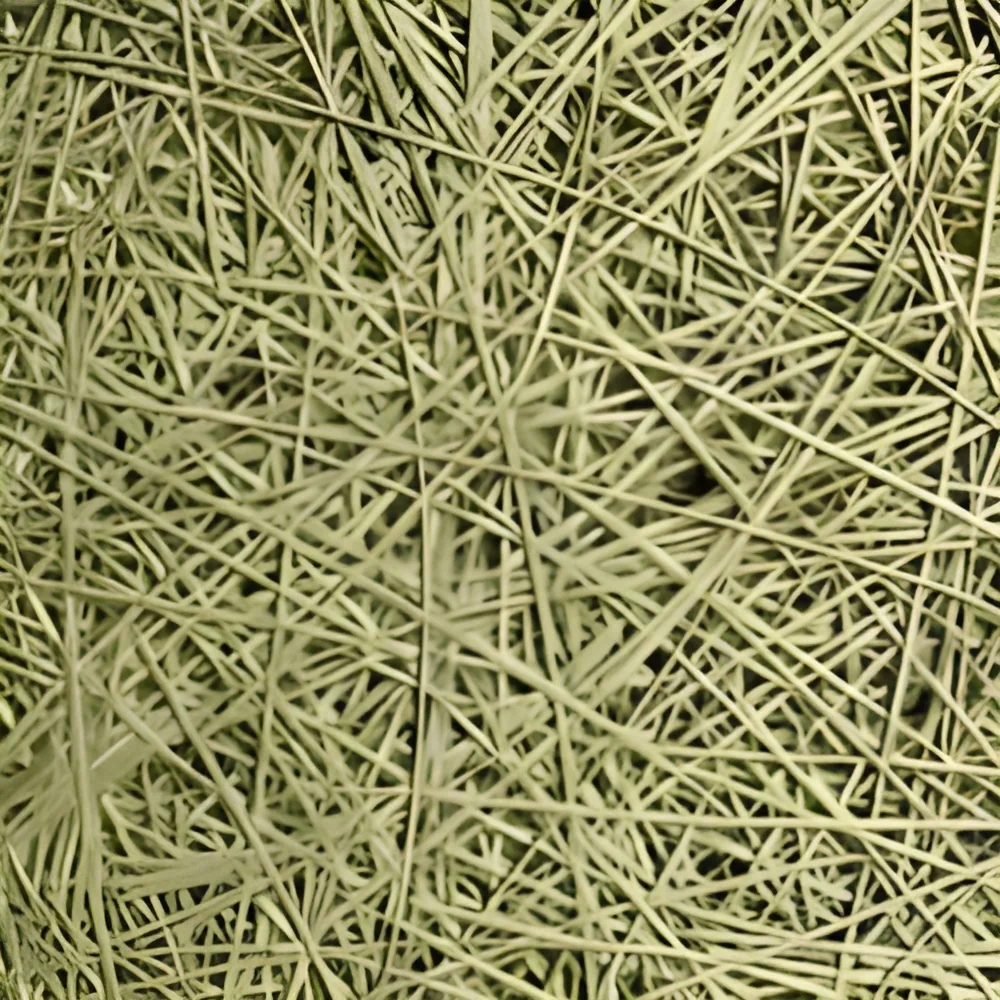
𝗪𝗵𝗮𝘁 𝗮𝗿𝗲 𝗦𝗰𝗿𝗮𝗽 𝗪𝗼𝗼𝗱 & 𝗦𝗮𝘄𝗱𝘂𝘀𝘁?
Scrap wood and sawdust are by-products from woodworking processes, including lumber mills, furniture manufacturing, and construction activities. Scrap wood refers to leftover pieces of wood that are too small or deemed unusable for primary manufacturing purposes. Sawdust, on the other hand, consists of fine wood shavings produced during cutting, grinding, or sanding operations. Both scrap wood and sawdust are often considered waste materials, but they can be repurposed for various applications.
The primary uses of scrap wood and sawdust include biomass fuel, animal bedding, composite materials, and landscaping mulch. Businesses can find value in these materials by recycling them into products that serve a functional purpose. For instance, sawdust can be compressed into pellets for heating, while scrap wood can be transformed into furniture or building materials. The growing emphasis on sustainability has further increased the relevance of these by-products in various industries.
In the current market context, the demand for eco-friendly materials is rising, leading to a significant interest in scrap wood and sawdust. Companies engaged in sustainable practices are increasingly recognizing the potential of these materials to reduce waste and lower production costs. This trend not only benefits the environment but also provides economic opportunities for businesses that effectively utilize these resources.
𝗞𝗲𝘆 𝗙𝗲𝗮𝘁𝘂𝗿𝗲𝘀 𝗮𝗻𝗱 𝗦𝗽𝗲𝗰𝗶𝗳𝗶𝗰𝗮𝘁𝗶𝗼𝗻𝘀
Scrap wood and sawdust come with a variety of features and specifications that make them suitable for diverse applications. Understanding these specifications is essential for businesses looking to source these materials effectively.
Key specifications include:
1. Material Type
- Scrap wood can include hardwood, softwood, or engineered wood.
- Sawdust can vary based on the type of wood processed.
2. Moisture Content
- Ideal moisture levels for biomass fuel range from 10% to 15%.
- Higher moisture can affect combustion efficiency.
3. Particle Size
- Sawdust can range from fine particles to larger shavings.
- Standard sizes may vary based on processing equipment.
4. Density
- Scrap wood density can vary widely, affecting its use in composite materials.
- Sawdust density typically influences its suitability for pellet production.
5. Contaminants
- Scrap wood should be free of metal, chemicals, and other foreign materials.
- Sawdust quality can be affected by the presence of bark or other impurities.
6. Availability
- Seasonal availability may affect sourcing, especially in regions with high construction activity.
- Consistent supply is often required for larger-scale operations.
In summary, understanding the key features and specifications of scrap wood and sawdust is crucial for businesses aiming to optimize their procurement processes and utilize these materials effectively.
𝗖𝗼𝗺𝗺𝗼𝗻 𝗔𝗽𝗽𝗹𝗶𝗰𝗮𝘁𝗶𝗼𝗻𝘀 𝗮𝗻𝗱 𝗨𝘀𝗲 𝗖𝗮𝘀𝗲𝘀
Scrap wood and sawdust find applications across various industries, each leveraging these materials for distinct purposes.
1. Construction: Scrap wood is often used for temporary structures, formwork, and pallets. It helps reduce waste and provides a cost-effective solution for construction projects.
2. Energy Production: Sawdust and scrap wood can be processed into biomass fuel. They serve as a renewable energy source for heating and electricity generation.
3. Agriculture: Sawdust is commonly used as bedding for livestock. It absorbs moisture and provides comfort, enhancing animal welfare in farming operations.
4. Manufacturing: Manufacturers utilize scrap wood to produce engineered wood products, such as particleboard and oriented strand board, promoting recycling in the industry.
5. Landscaping: Both scrap wood and sawdust can be used as mulch or composting material. They help retain moisture in soil and improve plant health.
6. Crafting: Artisans and hobbyists often use scrap wood for DIY projects, furniture making, and other creative applications, showcasing the versatility of these materials.
7. Packaging: Scrap wood can be transformed into crates and pallets for shipping goods, further extending its utility in logistics.
𝗣𝗿𝗼𝗱𝘂𝗰𝘁 𝗩𝗮𝗿𝗶𝗮𝗻𝘁𝘀 𝗮𝗻𝗱 𝗦𝘂𝗯𝗰𝗮𝘁𝗲𝗴𝗼𝗿𝗶𝗲𝘀
Scrap wood and sawdust come in various forms, catering to different industrial needs. While specific subcategories may not be available, the diversity of these products allows for tailored applications.
Biomass Pellets: These are compressed sawdust and wood fibers used as an alternative energy source. They offer high energy density and are easy to handle and transport.
Wood Chips: Often derived from larger scrap wood pieces, wood chips are used in landscaping, erosion control, and as a biomass fuel source. Their size and uniformity make them suitable for various applications.
Sawdust Bricquettes: These are compacted sawdust used as an eco-friendly heating option. They provide a cleaner burning option compared to traditional firewood.
𝗕𝗲𝗻𝗲𝗳𝗶𝘁𝘀 𝗮𝗻𝗱 𝗔𝗱𝘃𝗮𝗻𝘁𝗮𝗴𝗲𝘀
Sourcing scrap wood and sawdust offers numerous benefits that can positively impact businesses.
1. Cost-Effectiveness: Utilizing scrap wood and sawdust can significantly reduce material costs. Businesses can repurpose waste materials instead of purchasing new resources.
2. Environmental Sustainability: By recycling scrap wood and sawdust, companies can contribute to waste reduction efforts and promote eco-friendly practices.
3. Versatility: These materials can be used across various industries, allowing companies to diversify their applications and tap into different markets.
4. Energy Efficiency: Especially in biomass applications, scrap wood and sawdust can provide a renewable energy source, reducing reliance on fossil fuels.
5. Improved Product Quality: High-quality scrap wood can be transformed into engineered products, enhancing durability and performance in manufacturing.
6. Enhanced Brand Image: Companies that prioritize sustainability and recycling can improve their brand reputation and attract environmentally conscious customers.
𝗕𝘂𝘆𝗶𝗻𝗴 𝗚𝘂𝗶𝗱𝗲 𝗳𝗼𝗿 𝗕𝟮𝗕 𝗕𝘂𝘆𝗲𝗿𝘀
When sourcing scrap wood and sawdust, businesses should consider several key factors to ensure they make informed purchasing decisions.
1. Quality Assessment: It is essential to evaluate the quality of scrap wood and sawdust. Look for materials that are free from contaminants and meet industry standards to ensure optimal performance.
2. Supplier Verification: Vet suppliers to ensure they have a reliable track record. Checking references and certifications can help identify trustworthy partners.
3. Pricing and MOQ: Understand the price range for scrap wood and sawdust. Inquire about minimum order quantities to align with your operational needs and budget.
4. Delivery and Lead Times: Discuss logistics with suppliers to ensure timely delivery. Knowing lead times can help in planning your production schedules effectively.
5. Compliance Requirements: Be aware of any regulatory standards that apply to scrap wood and sawdust. Compliance with local and international regulations is crucial for maintaining quality and safety.
𝗖𝗼𝗺𝗽𝗹𝗶𝗮𝗻𝗰𝗲 𝗮𝗻𝗱 𝗖𝗲𝗿𝘁𝗶𝗳𝗶𝗰𝗮𝘁𝗶𝗼𝗻𝘀
Compliance and certification are critical aspects of sourcing scrap wood and sawdust. Relevant quality standards include ISO 9001, which focuses on quality management systems, ensuring that suppliers maintain high levels of quality throughout their processes.
Industry certifications such as CE mark indicate that the product meets European safety, health, and environmental protection standards. This certification can enhance buyer confidence in the quality and safety of the materials sourced.
Safety and testing requirements also play a vital role. Suppliers should conduct regular testing to ensure that scrap wood and sawdust are free from harmful contaminants and meet health standards.
Regional compliance considerations may vary. It is essential to understand the local regulations governing the use and disposal of wood by-products to ensure adherence to legal requirements.
𝗪𝗵𝘆 𝗦𝗼𝘂𝗿𝗰𝗲 𝗦𝗰𝗿𝗮𝗽 𝗪𝗼𝗼𝗱 & 𝗦𝗮𝘄𝗱𝘂𝘀𝘁 𝗳𝗿𝗼𝗺 𝗣𝗲𝗽𝗮𝗴𝗼𝗿𝗮?
Pepagora offers a trusted platform for sourcing scrap wood and sawdust, providing several key advantages to B2B buyers.
Verified Supplier Network: Pepagora features a network of verified suppliers, ensuring that buyers can source high-quality materials with confidence. Each supplier undergoes rigorous vetting to maintain industry standards.
Streamlined RFQ Process: The platform simplifies the request for quotation process, allowing buyers to receive competitive pricing from multiple suppliers efficiently. This streamlining helps businesses save time and resources.
Trade Assurance and Support: Pepagora offers trade assurance features that protect buyers throughout the transaction process. This buyer protection fosters trust and encourages smoother business relationships.
Regional Coverage: With a geographic reach that includes India, GCC, and Southeast Asia, Pepagora connects buyers with suppliers across various regions. This broad coverage enhances sourcing options and accessibility for businesses looking for scrap wood and sawdust.

 IN
IN