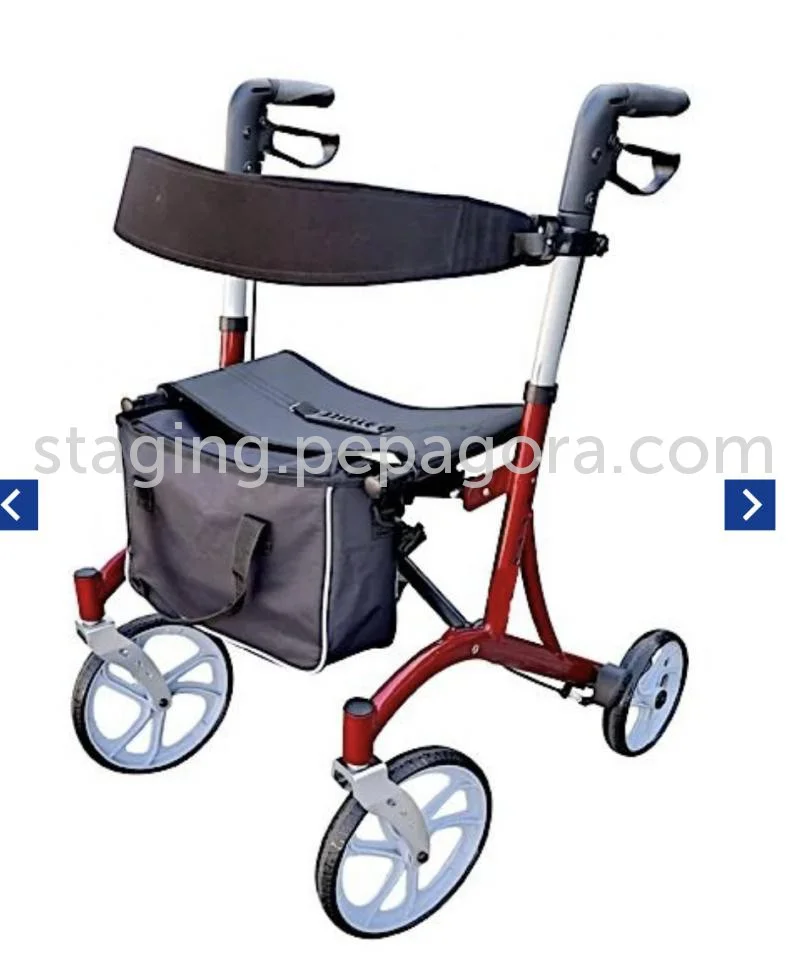
𝗪𝗵𝗮𝘁 𝗮𝗿𝗲 𝗥𝗼𝗹𝗹𝗮𝘁𝗼𝗿𝘀 𝘄𝗶𝘁𝗵 𝗦𝗲𝗮𝘁𝘀?
Rollators with seats are mobility aids designed to assist individuals with limited mobility or those recovering from surgery. These devices combine the functions of a walker and a chair, allowing users to walk safely and rest whenever needed. The rollator typically features wheels for ease of movement and a built-in seat for resting, making it a versatile tool for navigating various environments.
These products find primary use in healthcare settings, such as hospitals and rehabilitation centers, as well as in home care environments. They enable users to maintain independence while providing support and stability. Businesses in the healthcare, senior care, and mobility sectors recognize the importance of rollators with seats in enhancing patient comfort and promoting mobility.
The relevance of rollators with seats in today's market is significant, especially with an aging population. As the demand for mobility aids continues to grow, manufacturers are innovating designs to improve usability and comfort. This trend emphasizes the need for high-quality rollators that meet safety standards and user expectations.
𝗞𝗲𝘆 𝗙𝗲𝗮𝘁𝘂𝗿𝗲𝘀 𝗮𝗻𝗱 𝗦𝗽𝗲𝗰𝗶𝗳𝗶𝗰𝗮𝘁𝗶𝗼𝗻𝘀
Rollators with seats come with several essential features that enhance their usability and functionality. Understanding these specifications is crucial for businesses looking to procure such products.
Key specifications include:
1. Frame Material
- Typically made from lightweight aluminum or steel.
- Offers durability and ease of transport.
2. Weight Capacity
- Commonly supports between 250 to 400 pounds.
- Ensures safety and stability for a variety of users.
3. Wheel Size
- Usually features wheels ranging from 6 to 10 inches in diameter.
- Larger wheels facilitate smoother movement over rough terrain.
4. Seat Dimensions
- Seat width often averages 16 to 20 inches.
- Provides comfort during rest periods.
5. Height Adjustment
- Most models allow for height adjustments.
- Accommodates users of varying heights.
6. Braking System
- Typically includes hand brakes for added safety.
- Ensures secure stopping when seated.
7. Storage Options
- Many rollators come with under-seat storage or baskets.
- Ideal for carrying personal items.
8. Foldable Design
- Most models can be easily folded for storage or transport.
- Enhances convenience during travel.
In summary, understanding the features and specifications of rollators with seats is essential for making informed purchasing decisions. These specifications ensure that the product meets user needs and industry standards.
𝗖𝗼𝗺𝗺𝗼𝗻 𝗔𝗽𝗽𝗹𝗶𝗰𝗮𝘁𝗶𝗼𝗻𝘀 𝗮𝗻𝗱 𝗨𝘀𝗲 𝗖𝗮𝘀𝗲𝘀
Rollators with seats serve a variety of industries, enhancing mobility and comfort for users in different settings.
1. Healthcare: In hospitals and clinics, rollators with seats are used for patient mobility, enabling individuals to move around while having access to a resting space.
2. Senior Living Facilities: Many assisted living communities utilize rollators to help residents maintain independence and participate in activities while ensuring safety and comfort.
3. Rehabilitation Centers: Rollators are crucial in physical therapy settings, aiding patients in regaining strength and mobility following surgery or injury.
4. Home Care: Caregivers often use rollators with seats to assist clients in their homes, providing support for walking and a place to rest.
5. Retail Environments: Some stores cater to customers with mobility challenges by allowing the use of rollators, enhancing the shopping experience.
6. Outdoor Activities: Rollators designed for outdoor use enable individuals to enjoy parks and public spaces, offering both mobility and resting options.
7. Travel: Portable rollators are increasingly popular for travelers, providing convenience and comfort during excursions.
𝗣𝗿𝗼𝗱𝘂𝗰𝘁 𝗩𝗮𝗿𝗶𝗮𝗻𝘁𝘀 𝗮𝗻𝗱 𝗦𝘂𝗯𝗰𝗮𝘁𝗲𝗴𝗼𝗿𝗶𝗲𝘀
Rollators with seats come in a range of variants to suit different user needs and environments.
Standard Rollators
These are the most common type, typically featuring a simple design with wheels, brakes, and a seat. They are suitable for indoor and outdoor use and provide essential mobility support.
Heavy-Duty Rollators
Designed for users who require higher weight capacity and durability, heavy-duty rollators often feature reinforced frames and wider seats. They are ideal for individuals needing extra support.
Lightweight Rollators
This variant focuses on portability, designed for users who prioritize easy transport. Lightweight materials make these rollators ideal for travel and daily use.
Compact Rollators
These models are designed for smaller spaces and feature a more compact frame. They are suitable for users who need a rollator primarily for indoor use.
𝗕𝗲𝗻𝗲𝗳𝗶𝘁𝘀 𝗮𝗻𝗱 𝗔𝗱𝘃𝗮𝗻𝘁𝗮𝗴𝗲𝘀
Investing in rollators with seats provides numerous benefits to users and healthcare providers alike.
1. Enhanced Mobility: Rollators enable users with limited mobility to move independently, promoting a sense of freedom and reducing reliance on caregivers.
2. Safety and Stability: With features like hand brakes and sturdy frames, rollators offer users the security they need while walking or resting.
3. Comfort: The built-in seat allows users to take breaks as needed, making it easier to navigate longer distances without fatigue.
4. Versatility: Rollators with seats are suitable for various environments, including homes, healthcare facilities, and outdoor spaces, making them adaptable to user needs.
5. Improved Quality of Life: By enabling greater mobility and independence, these devices can significantly enhance the overall quality of life for users.
6. Support for Rehabilitation: In therapy settings, rollators assist patients in regaining strength and confidence as they recover from injuries or surgeries.
𝗕𝘂𝘆𝗶𝗻𝗴 𝗚𝘂𝗶𝗱𝗲 𝗳𝗼𝗿 𝗕𝟮𝗕 𝗕𝘂𝘆𝗲𝗿𝘀
When sourcing rollators with seats, businesses should consider several critical factors to ensure they make the right choice.
1. Quality Assessment: Examine the materials, construction, and design to assess the overall quality of the rollator. High-quality products are crucial for user safety and satisfaction.
2. Supplier Verification: Vet suppliers by checking their reputation, customer reviews, and industry certifications. Reliable suppliers ensure consistent product quality.
3. Pricing and MOQ: Understand the pricing structure and minimum order quantities to align with budget constraints and inventory needs.
4. Delivery and Lead Times: Consider the supplier's logistics capabilities and lead times for delivery to prevent disruptions in supply.
5. Compliance Requirements: Ensure that the rollators meet relevant safety and regulatory standards specific to the geographical region of operation.
𝗖𝗼𝗺𝗽𝗹𝗶𝗮𝗻𝗰𝗲 𝗮𝗻𝗱 𝗖𝗲𝗿𝘁𝗶𝗳𝗶𝗰𝗮𝘁𝗶𝗼𝗻𝘀
Rollators with seats must adhere to various quality standards and regulatory requirements to ensure safety and efficacy.
Compliance with ISO 9001 guidelines is crucial for manufacturers, indicating they maintain a high level of quality management. This standard enhances trust in product consistency and reliability.
Additionally, rollators with seats should have CE certification, which demonstrates compliance with European health, safety, and environmental protection standards. This certification is essential for products sold in Europe.
Safety and testing requirements play a significant role in the design and manufacturing processes of rollators. Regular testing ensures that products can withstand expected use and meet user safety expectations.
Regional compliance considerations may vary depending on the target market. It is essential to stay informed about local regulations to ensure all products are compliant and safe for users.
𝗪𝗵𝘆 𝗦𝗼𝘂𝗿𝗰𝗲 𝗥𝗼𝗹𝗹𝗮𝘁𝗼𝗿𝘀 𝘄𝗶𝘁𝗵 𝗦𝗲𝗮𝘁𝘀 𝗳𝗿𝗼𝗺 𝗣𝗲𝗽𝗮𝗴𝗼𝗿𝗮?
Pepagora offers a reliable platform for sourcing rollators with seats, providing several advantages for B2B buyers.
Verified Supplier Network: Pepagora connects buyers with a network of verified suppliers, ensuring that all products meet high-quality standards and compliance requirements. This network helps build confidence in purchasing decisions.
Streamlined RFQ Process: The platform features an efficient request for quotation (RFQ) system, allowing buyers to easily compare prices and specifications from multiple suppliers. This process saves time and simplifies procurement.
Trade Assurance and Support: Pepagora provides trade assurance, protecting buyers from potential issues during transactions. This support fosters a secure purchasing environment.
Regional Coverage: With a focus on regions like India, the GCC, and Southeast Asia, Pepagora ensures that buyers can access a wide range of products and suppliers tailored to their specific market needs. This geographic reach enhances sourcing opportunities and accessibility for businesses.

 IN
IN