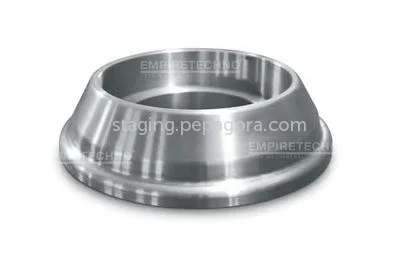
𝗪𝗵𝗮𝘁 𝗮𝗿𝗲 𝗥𝗲𝘁𝗿𝗲𝗮𝗱𝗶𝗻𝗴 𝗠𝗼𝗹𝗱𝘀 & 𝗠𝗮𝘁𝗿𝗶𝗰𝗲𝘀?
Retreading molds and matrices are specialized tools used in the tire retreading process. They are designed to shape and cure new tread rubber onto used tires, effectively extending their life and performance. These molds and matrices are critical in ensuring that the retreaded tires meet safety and quality standards. The process involves applying a new layer of tread material, which is then cured in a mold to form a durable bond between the old tire casing and the new tread.
The primary uses of retreading molds and matrices include the retreading of truck tires, passenger car tires, and specialty tires used in various industries. Businesses involved in tire manufacturing and repair rely on these essential tools to produce high-quality retreaded tires that are both cost-effective and environmentally friendly. The retreading process not only helps reduce waste but also offers significant savings for fleet operators and tire retailers. As the demand for sustainable practices grows, the relevance of retreading molds and matrices in the tire industry continues to increase.
𝗞𝗲𝘆 𝗙𝗲𝗮𝘁𝘂𝗿𝗲𝘀 𝗮𝗻𝗱 𝗦𝗽𝗲𝗰𝗶𝗳𝗶𝗰𝗮𝘁𝗶𝗼𝗻𝘀
Retreading molds and matrices come with a variety of features and specifications tailored to meet industry demands. These specifications ensure that the molds perform reliably under various conditions, providing high-quality retreaded tires.
Key specifications include:
1. Material Composition
- Typically made from high-quality steel or aluminum.
- Ensures durability and resistance to wear and tear.
2. Size and Dimensions
- Available in various sizes to accommodate different tire types.
- Custom dimensions can be provided based on specific needs.
3. Temperature Resistance
- Designed to withstand high curing temperatures.
- Essential for effective bonding of tread rubber.
4. Humidity Control Features
- Some molds include features to manage humidity during curing.
- Helps maintain optimal conditions for the retreading process.
5. Surface Finish
- Smooth or textured finishes available.
- Affects the final appearance and performance of the retread.
6. Design Variability
- Molds can be designed for specific tread patterns.
- Offers versatility in producing various tire types.
7. Easy Maintenance
- Designed for ease of cleaning and maintenance.
- Prolongs the life of the mold and ensures consistent performance.
These specifications contribute to the effectiveness and efficiency of the tire retreading process.
𝗖𝗼𝗺𝗺𝗼𝗻 𝗔𝗽𝗽𝗹𝗶𝗰𝗮𝘁𝗶𝗼𝗻𝘀 𝗮𝗻𝗱 𝗨𝘀𝗲 𝗖𝗮𝘀𝗲𝘀
Retreading molds and matrices serve various industries, providing essential support in tire manufacturing and maintenance.
1. Commercial Transportation: Molds are extensively used in the commercial vehicle sector, ensuring that truck tires are retreaded to meet rigorous performance standards.
2. Passenger Vehicle Services: Many automotive service centers utilize these molds to retread passenger car tires, promoting cost savings for consumers.
3. Aviation: Specialized molds are used for retreading aircraft tires, which require strict adherence to safety standards.
4. Agriculture: Retreading molds support the agricultural sector by extending the life of tires used in heavy machinery, reducing operational costs.
5. Mining and Construction: Heavy-duty molds are crucial for retreading tires used in mining and construction equipment, where durability is paramount.
6. Recycling Initiatives: Retreading molds contribute to sustainability efforts by enabling the recycling of used tires, reducing landfill waste.
𝗣𝗿𝗼𝗱𝘂𝗰𝘁 𝗩𝗮𝗿𝗶𝗮𝗻𝘁𝘀 𝗮𝗻𝗱 𝗦𝘂𝗯𝗰𝗮𝘁𝗲𝗴𝗼𝗿𝗶𝗲𝘀
Retreading molds and matrices encompass a diverse range of products to cater to various needs in the industry.
Standard Molds
These are the most commonly used molds designed for general tire retreading. They offer a balance of quality and affordability, making them suitable for a wide range of applications.
Custom Molds
Custom molds are tailored to specific tire designs and tread patterns. Businesses that require unique specifications find these molds beneficial for their specialized needs.
Multi-Purpose Molds
These molds can accommodate different tire sizes and tread patterns, providing flexibility for companies that handle a variety of tire types.
𝗕𝗲𝗻𝗲𝗳𝗶𝘁𝘀 𝗮𝗻𝗱 𝗔𝗱𝘃𝗮𝗻𝘁𝗮𝗴𝗲𝘀
Retreading molds and matrices provide several advantages for businesses in the tire industry.
1. Cost-Effectiveness: Retreading tires is significantly cheaper than purchasing new ones, helping businesses save on operational costs.
2. Environmental Sustainability: Retreading reduces waste by extending the life of tires, contributing to more sustainable business practices.
3. Enhanced Performance: Quality molds ensure that retreaded tires meet safety and performance standards, maintaining reliability on the road.
4. Customization Opportunities: The ability to create custom molds allows businesses to cater to specific market demands and trends.
5. Quick Turnaround: Efficient retreading processes facilitated by high-quality molds lead to faster service delivery for customers.
6. Improved Tire Lifespan: Properly retreaded tires can perform as well as new ones, offering excellent value over time.
𝗕𝘂𝘆𝗶𝗻𝗴 𝗚𝘂𝗶𝗱𝗲 𝗳𝗼𝗿 𝗕𝟮𝗕 𝗕𝘂𝘆𝗲𝗿𝘀
When sourcing retreading molds and matrices, it is essential to consider various factors that influence the purchase decision.
1. Quality Assessment: Ensure that the molds meet industry standards and are made from durable materials to withstand repeated use.
2. Supplier Verification: Vet suppliers thoroughly to ensure they have a proven track record of providing high-quality molds and reliable service.
3. Pricing and MOQ: Evaluate the pricing structure and minimum order quantities to align with your business budget and needs.
4. Delivery and Lead Times: Understand the logistics involved, including delivery times, to ensure timely availability of molds.
5. Compliance Requirements: Check for adherence to relevant industry certifications and safety standards to avoid regulatory issues.
𝗖𝗼𝗺𝗽𝗹𝗶𝗮𝗻𝗰𝗲 𝗮𝗻𝗱 𝗖𝗲𝗿𝘁𝗶𝗳𝗶𝗰𝗮𝘁𝗶𝗼𝗻𝘀
Compliance and certifications play a crucial role in the manufacturing and use of retreading molds and matrices. Adhering to quality standards such as ISO 9001 ensures that products meet international quality management requirements. Additionally, compliance with the CE certification indicates that the molds meet European safety, health, and environmental protection standards.
Safety and testing requirements are vital, especially in industries like aviation and commercial transportation, where the performance and safety of retreaded tires are paramount. Regional compliance considerations may also apply, depending on the markets where the molds will be used. Ensuring that products meet these compliance standards is essential for maintaining quality and safety in tire retreading.
𝗪𝗵𝘆 𝗦𝗼𝘂𝗿𝗰𝗲 𝗥𝗲𝘁𝗿𝗲𝗮𝗱𝗶𝗻𝗴 𝗠𝗼𝗹𝗱𝘀 & 𝗠𝗮𝘁𝗿𝗶𝗰𝗲𝘀 𝗳𝗿𝗼𝗺 𝗣𝗲𝗽𝗮𝗴𝗼𝗿𝗮?
Pepagora provides a trusted platform for sourcing retreading molds and matrices, offering several key advantages to B2B buyers.
Verified Supplier Network: Pepagora connects buyers with a network of verified suppliers, ensuring that all products meet high-quality standards. This network helps businesses find reliable partners for their retreading needs.
Streamlined RFQ Process: The request for quotation (RFQ) process is designed to be efficient, allowing buyers to obtain competitive quotes from multiple suppliers quickly. This feature simplifies the procurement process and saves time.
Trade Assurance and Support: Pepagora offers trade assurance, providing buyers with protection throughout the purchasing process. This support helps mitigate risks associated with sourcing industrial products.
Regional Coverage: With a strong presence in India, the GCC, and Southeast Asia, Pepagora ensures broad geographic reach, making it easier for businesses to access quality retreading molds and matrices in their regions.

 IN
IN