
 IN
Regulatory Compliance Consulting
5 products available
What are Regulatory Compliance Consulting?
Regulatory compliance consulting involves advising businesses on how to adhere to relevant laws, regulations, and standards applicable to their industry. This service helps companies navigate the complex landscape of compliance requirements, which can vary significantly across different regions and sectors. Consultants typically possess extensive knowledge of regulatory frameworks and can offer tailored solutions to ensure businesses meet legal obligations while minimizing risks.
The primary use of regulatory compliance consulting is to support organizations in achieving and maintaining compliance with numerous regulations. These can include environmental laws, safety standards, and industry-specific requirements. Effective compliance consulting helps businesses avoid penalties, enhance their reputation, and foster a culture of compliance within their operations. It is particularly relevant in sectors such as manufacturing, healthcare, and finance, where the consequences of non-compliance can be severe.
In the current market context, regulatory compliance consulting is increasingly vital as regulations continually evolve. Companies face mounting pressure from regulators and stakeholders to demonstrate compliance and ethical practices. As globalization increases, businesses must also consider international regulations, making expert guidance essential for operational success.
Key Features and Specifications
Regulatory compliance consulting offers a range of features designed to help businesses effectively manage compliance obligations. These features ensure that organizations can operate smoothly while meeting regulatory standards.
Key specifications include:
1. Regulatory Analysis
- Comprehensive evaluation of relevant laws and regulations
- Identification of compliance gaps and risks
2. Compliance Strategy Development
- Tailored compliance plans based on industry standards
- Roadmaps for implementation and monitoring
3. Training and Workshops
- Educational programs for staff on compliance practices
- Skills development in regulatory awareness
4. Audit and Assessment Services
- Regular compliance audits to ensure adherence
- Assessment reports detailing findings and recommendations
5. Document Preparation
- Assistance in preparing necessary documentation for compliance
- Support in regulatory submissions and notifications
6. Ongoing Support and Updates
- Continuous monitoring of regulatory changes
- Updates to compliance strategies as regulations evolve
7. Risk Management
- Strategies to mitigate compliance-related risks
- Development of contingency plans
8. Reporting and Communication
- Clear reporting structures for compliance status
- Communication plans for stakeholders regarding compliance efforts
In summary, regulatory compliance consulting provides structured support to ensure businesses remain compliant while offering various features that address specific compliance needs.
Common Applications and Use Cases
Regulatory compliance consulting serves a diverse range of industries, each with unique compliance requirements.
1. Manufacturing: In this sector, consulting helps companies adhere to safety and environmental regulations, ensuring products meet quality standards and legal obligations.
2. Healthcare: Regulatory compliance is critical in healthcare, where consulting services assist organizations in navigating patient safety regulations and data protection laws.
3. Finance: Financial institutions rely on compliance consulting to meet stringent regulations related to anti-money laundering and consumer protection.
4. Food and Beverage: Consulting services help businesses comply with health and safety standards, as well as labeling and ingredient regulations.
5. Pharmaceuticals: This industry requires strict adherence to regulatory guidelines for product safety and efficacy, making compliance consulting essential.
6. Energy: Companies in the energy sector benefit from consulting in environmental regulations and sustainability standards.
7. Telecommunications: Regulatory compliance consulting supports telecom companies in meeting licensing requirements and consumer protection laws.
Product Variants and Subcategories
Regulatory compliance consulting is a diverse service that can be tailored to various business needs. While subcategories are not specifically available, the consulting can be customized based on industry and regulatory requirements.
Compliance Assessment Services: This variant focuses on evaluating existing compliance frameworks within an organization. It includes gap analysis and risk assessment to identify areas needing improvement.
Compliance Training Programs: Tailored training sessions designed to educate employees about relevant regulations and compliance practices. These programs can be industry-specific or cover general compliance principles.
Compliance Documentation Services: This variant offers assistance in preparing necessary compliance documents, ensuring that businesses meet all regulatory submission requirements.
Benefits and Advantages
Engaging in regulatory compliance consulting offers numerous benefits to businesses.
1. Risk Mitigation: Consulting helps identify potential compliance risks and develop strategies to mitigate them, reducing the likelihood of penalties.
2. Enhanced Reputation: A strong compliance record enhances a company's reputation, fostering trust among customers and stakeholders.
3. Cost Savings: By avoiding fines and penalties, businesses can save significant costs associated with non-compliance issues.
4. Improved Operational Efficiency: Compliance consulting streamlines processes, leading to greater operational efficiency and productivity.
5. Tailored Solutions: Consultants provide customized strategies that align with specific industry requirements, ensuring relevance and effectiveness.
6. Increased Employee Awareness: Training and workshops raise awareness among employees about compliance, fostering a culture of accountability.
Buying Guide for B2B Buyers
When sourcing regulatory compliance consulting, businesses should consider several important factors to make informed decisions.
1. Quality Assessment: Evaluate the credentials and experience of consulting firms. Look for proven track records in relevant industries and client testimonials.
2. Supplier Verification: Ensure that consulting providers have the necessary qualifications and certifications. It's important to vet suppliers to confirm their expertise and reliability.
3. Pricing and MOQ: Understand the pricing structure and minimum order quantities for consulting services. Comparing quotes from different providers can help find the best value.
4. Delivery and Lead Times: Assess how quickly consulting firms can deliver their services. Timely compliance support is crucial to avoid disruptions in operations.
5. Compliance Requirements: Ensure that the consulting firm is knowledgeable about the specific regulations that apply to your industry and region. This ensures relevant and effective guidance.
Compliance and Certifications
Regulatory compliance consulting is governed by various quality standards and industry certifications. These standards ensure that consulting services meet established benchmarks for quality and effectiveness.
Relevant quality standards include ISO 9001, which focuses on quality management systems, and HACCP, which is essential for food safety management. Compliance with these standards assures clients of the consulting firm's commitment to quality.
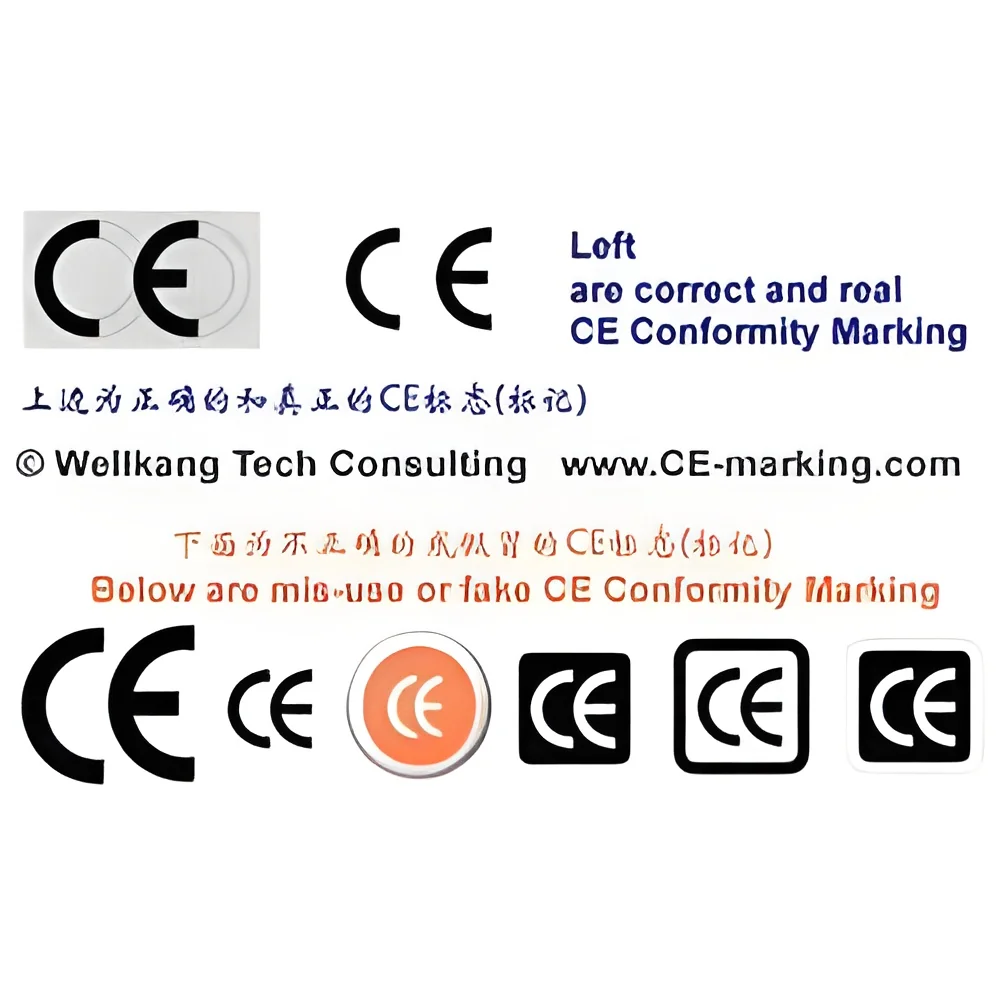
Industry certifications such as CE and UL signify adherence to safety and performance standards, especially in manufacturing and product development. These certifications are critical for businesses aiming to enter international markets or enhance their credibility.
Additionally, compliance consulting must address safety and testing requirements applicable to specific industries. Regional compliance considerations are also vital, as regulations differ across geographical areas, necessitating localized expertise.
Why Source Regulatory Compliance Consulting from Pepagora?
Pepagora provides a trusted platform for sourcing regulatory compliance consulting, offering several key advantages to businesses.
Verified Supplier Network: Pepagora ensures that all consulting providers are thoroughly vetted, guaranteeing expertise and reliability. This network of verified suppliers allows businesses to choose partners they can trust.
Streamlined RFQ Process: The platform features an efficient request for quotation (RFQ) process that enables businesses to receive tailored proposals from multiple consultants quickly. This simplifies the selection process.
Trade Assurance and Support: Pepagora offers trade assurance measures to protect buyers during the sourcing process. This includes support in case of disputes, ensuring a secure transaction environment.
Regional Coverage: With a geographic focus on India, GCC, and Southeast Asia, Pepagora provides comprehensive access to consulting services tailored to regional compliance needs. This ensures that businesses can find expert guidance relevant to their location and industry.




Frequently Asked Questions
What are Regulatory Compliance Consulting?
Regulatory Compliance Consulting refers to the professional services that assist businesses in adhering to laws, regulations, and guidelines applicable to their operations. These consultants provide expertise in navigating complex regulatory environments to ensure compliance and mitigate risks.
What are the different types of Regulatory Compliance Consulting?
There are several types of Regulatory Compliance Consulting, including environmental compliance, financial compliance, health and safety compliance, and industry-specific compliance consulting. Each type focuses on specific regulations and standards that businesses must follow in their respective sectors.
How do I choose the right Regulatory Compliance Consulting?
To choose the right Regulatory Compliance Consulting, consider factors such as the consultant's experience in your industry, their track record with similar clients, and their understanding of the specific regulations you need to comply with. It is also beneficial to seek recommendations and assess their communication and responsiveness.
What are the standard specifications for Regulatory Compliance Consulting?
Standard specifications for Regulatory Compliance Consulting may include adherence to relevant legal frameworks, thorough documentation practices, and regular compliance audits. Additionally, consultants should provide tailored strategies that align with your organization's goals and compliance requirements.
What is the price range for Regulatory Compliance Consulting?
The price range for Regulatory Compliance Consulting can vary significantly based on the complexity of the services required and the consultant's expertise. Typically, fees may range from a few thousand to several lakhs of Indian Rupees, depending on the scope and duration of the project.
What quality standards apply to Regulatory Compliance Consulting?
Quality standards for Regulatory Compliance Consulting often include adherence to international ISO standards, compliance with local laws, and the implementation of best practices in consulting. It is essential that consultants maintain high ethical standards and deliver accurate, actionable advice.
Where can I find Regulatory Compliance Consulting suppliers in India?
You can find Regulatory Compliance Consulting suppliers in India through online B2B marketplaces like Pepagora, industry associations, and professional networks. Additionally, trade shows and industry conferences can provide valuable connections to reputable consultants.
Can Regulatory Compliance Consulting be customized?
Yes, Regulatory Compliance Consulting can be customized to meet the specific needs of your business. Consultants typically assess your unique operational requirements and regulatory challenges to develop tailored compliance strategies and solutions.
What is the typical minimum order quantity for Regulatory Compliance Consulting?
Regulatory Compliance Consulting services do not usually have a minimum order quantity, as they are typically offered on a project basis. However, some consultants may require a minimum engagement duration or fee to ensure effective service delivery.
What is the typical lead time for Regulatory Compliance Consulting?
The typical lead time for Regulatory Compliance Consulting can vary depending on the project's complexity and the consultant's availability. Generally, initial consultations may be scheduled within a few days, while comprehensive compliance audits and strategies could take several weeks to complete.
Why Businesses Trust Pepagora
Thousands of companies trust Pepagora to source smarter and sell faster
Expand Your Sales Globally

Source Smarter,Grow Faster
