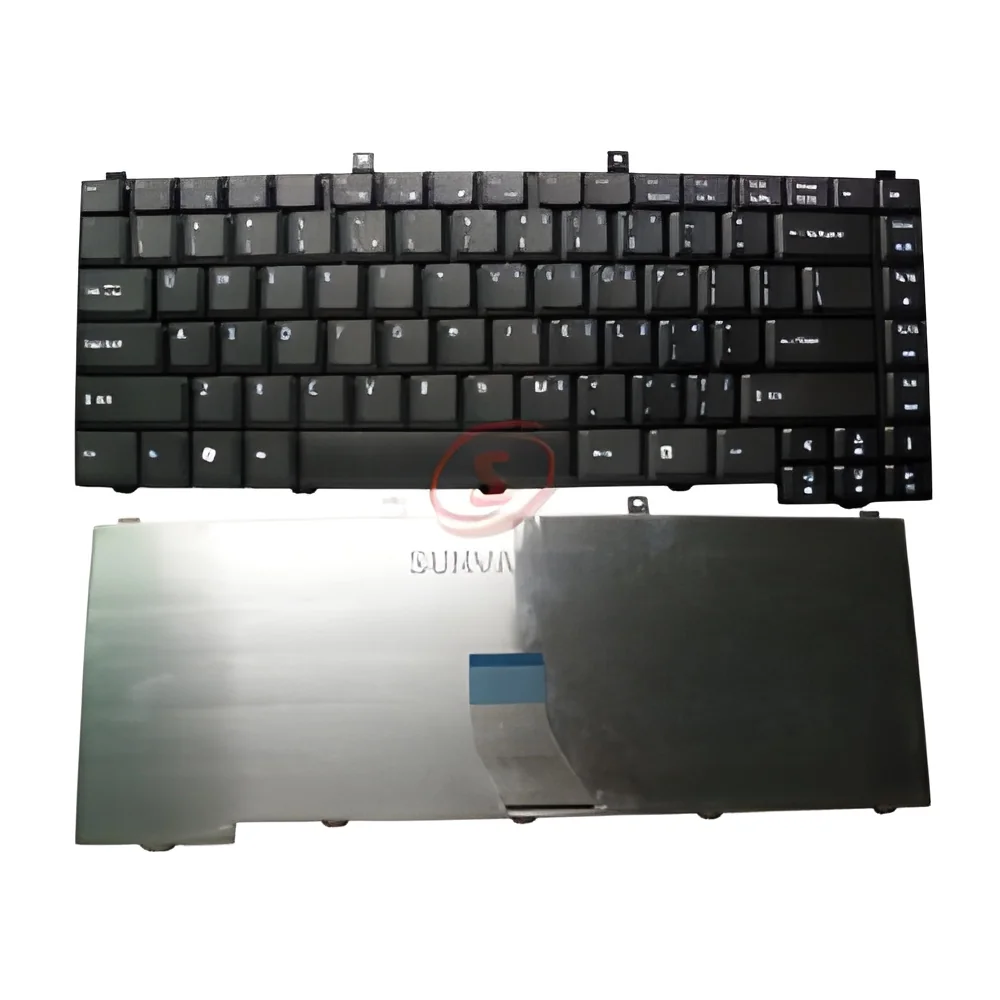
𝗪𝗵𝗮𝘁 𝗮𝗿𝗲 𝗥𝗲𝗳𝘂𝗿𝗯𝗶𝘀𝗵𝗲𝗱 𝗘𝗹𝗲𝗰𝘁𝗿𝗼𝗻𝗶𝗰 𝗖𝗼𝗺𝗽𝗼𝗻𝗲𝗻𝘁𝘀?
Refurbished electronic components are previously used parts that have been restored to a like-new condition. This process typically includes cleaning, repairing, and testing the components to ensure they meet original specifications. These components can include circuit boards, semiconductors, and other essential electronic parts. The refurbishment process allows these components to be reused, offering an economical and sustainable alternative to new products.
These components find primary uses in various sectors, including telecommunications, consumer electronics, automotive, and industrial machinery. Businesses often prefer refurbished components to manage costs while maintaining quality and performance levels. Refurbished electronic components are especially valuable in industries where rapid technological advancement can lead to surplus parts, allowing companies to leverage existing resources and reduce waste.
In the current market, the demand for refurbished electronic components is rising due to the increasing focus on sustainability and cost-efficiency. As businesses seek to innovate while managing budgets, refurbished components provide a viable option that supports both goals. The relevance of these products is further enhanced by advancements in refurbishment technologies that ensure high quality and reliability, making them a competitive choice in the electronic components market.
𝗞𝗲𝘆 𝗙𝗲𝗮𝘁𝘂𝗿𝗲𝘀 𝗮𝗻𝗱 𝗦𝗽𝗲𝗰𝗶𝗳𝗶𝗰𝗮𝘁𝗶𝗼𝗻𝘀
Refurbished electronic components come with a variety of features and specifications that cater to different business needs. Understanding these specifications is crucial for making informed purchasing decisions.
Key specifications include:
1. Quality Assurance
- Refurbished components undergo rigorous testing and certification processes to ensure they meet industry standards. This includes functionality tests and quality inspections.
2. Warranty Period
- Most refurbished components come with a warranty that guarantees performance over a specific duration, providing buyers with peace of mind.
3. Compatibility
- These components are often designed to be compatible with standard systems and frameworks, ensuring seamless integration into existing setups.
4. Environmental Impact
- The refurbishment process significantly reduces electronic waste, contributing to sustainability goals and minimizing the environmental footprint.
5. Cost Savings
- Refurbished components are typically priced lower than new equivalents, allowing companies to reduce expenditure without compromising on quality.
6. Availability
- A wide range of refurbished components are available, catering to diverse industrial needs, which can help to minimize lead times for businesses.
7. Performance Standards
- Refurbished components are tested to meet or exceed original manufacturer performance standards, ensuring reliability and efficiency.
In summary, key features and specifications of refurbished electronic components focus on quality, compatibility, and cost-effectiveness, making them an attractive choice for a variety of applications.
𝗖𝗼𝗺𝗺𝗼𝗻 𝗔𝗽𝗽𝗹𝗶𝗰𝗮𝘁𝗶𝗼𝗻𝘀 𝗮𝗻𝗱 𝗨𝘀𝗲 𝗖𝗮𝘀𝗲𝘀
Refurbished electronic components are utilized across numerous industries, reflecting their versatility and economic benefits.
1. Telecommunications: Refurbished components are commonly used in network equipment, such as routers and switches, helping to maintain communication infrastructure at lower costs.
2. Consumer Electronics: Devices like smartphones and laptops often incorporate refurbished parts, allowing manufacturers to offer competitive pricing while maintaining quality.
3. Automotive: Refurbished electronic components are essential in vehicle electronics, such as control units and sensors, contributing to efficient production processes.
4. Industrial Machinery: Many industrial systems rely on refurbished components for automation and control systems, enhancing operational efficiency at reduced costs.
5. Aerospace: The aerospace industry utilizes refurbished components to maintain aircraft systems, ensuring safety and reliability without excessive spending.
6. Medical Devices: Refurbished parts are used in medical equipment, allowing healthcare providers to access vital technologies while managing budgets effectively.
7. Energy: In renewable energy applications, refurbished components can be used in power generation systems, contributing to sustainability initiatives.
𝗣𝗿𝗼𝗱𝘂𝗰𝘁 𝗩𝗮𝗿𝗶𝗮𝗻𝘁𝘀 𝗮𝗻𝗱 𝗦𝘂𝗯𝗰𝗮𝘁𝗲𝗴𝗼𝗿𝗶𝗲𝘀
Refurbished electronic components offer a diverse range of products to meet different needs. Each variant is tailored to specific applications and industries.
Circuit Boards
Refurbished circuit boards are extensively tested and certified for reliability. They are used in various electronic devices, ensuring compatibility with existing systems.
Semiconductors
Refurbished semiconductors provide essential functionalities in electronic circuits. Their refurbishment ensures they perform at high standards, making them suitable for critical applications.
Power Supplies
Refurbished power supplies are ideal for industrial and consumer electronics, providing reliable power delivery while reducing overall costs.
Connectors
Refurbished connectors are used in numerous electronic and electrical applications, ensuring secure and efficient connections between components.
𝗕𝗲𝗻𝗲𝗳𝗶𝘁𝘀 𝗮𝗻𝗱 𝗔𝗱𝘃𝗮𝗻𝘁𝗮𝗴𝗲𝘀
Sourcing refurbished electronic components presents several advantages for businesses looking to optimize their operations.
Key benefits include:
1. Cost Efficiency: Refurbished components typically cost significantly less than new ones, allowing businesses to save on procurement budgets.
2. Sustainability: Utilizing refurbished parts helps reduce electronic waste and supports environmental initiatives, enhancing corporate responsibility.
3. Quick Availability: Refurbished components can often be sourced faster than new parts, helping businesses meet project deadlines and minimize downtime.
4. Reliability: Refurbished components undergo thorough testing, ensuring they meet performance standards and can be trusted in critical applications.
5. Versatility: A broad range of refurbished components are available, making it easier for businesses to find solutions tailored to their specific needs.
6. Support for Innovation: By using refurbished components, companies can allocate more resources toward innovation and development rather than just purchasing new parts.
𝗕𝘂𝘆𝗶𝗻𝗴 𝗚𝘂𝗶𝗱𝗲 𝗳𝗼𝗿 𝗕𝟮𝗕 𝗕𝘂𝘆𝗲𝗿𝘀
When sourcing refurbished electronic components, businesses should consider several key factors to ensure they make informed decisions.
1. Quality Assessment: It's essential to verify that the refurbished components have undergone rigorous testing and meet the necessary performance standards.
2. Supplier Verification: Vetting suppliers is critical. Look for those with a proven track record in the refurbishment industry and positive customer reviews.
3. Pricing and MOQ: Understand the pricing structure and minimum order quantities (MOQ) to ensure they align with your budget and procurement needs.
4. Delivery and Lead Times: Assess the supplier's logistics capabilities, including delivery times and reliability, to avoid operational disruptions.
5. Compliance Requirements: Ensure that the refurbished components meet industry regulations and standards, which may vary by region and application.
𝗖𝗼𝗺𝗽𝗹𝗶𝗮𝗻𝗰𝗲 𝗮𝗻𝗱 𝗖𝗲𝗿𝘁𝗶𝗳𝗶𝗰𝗮𝘁𝗶𝗼𝗻𝘀
Compliance and certifications play a vital role in the reliability and safety of refurbished electronic components.
Relevant quality standards include ISO 9001, which sets out criteria for a quality management system, ensuring that products meet customer and regulatory requirements.
Additionally, the CE marking indicates compliance with European safety and environmental standards, assuring buyers of the components' safety and performance.
Safety and testing requirements are crucial in the refurbishment process. Components must undergo thorough evaluations to ensure they are safe for use in various applications.
Finally, regional compliance considerations must be taken into account, as different regions may have specific regulations governing the use of electronic components. Ensuring compliance with these standards not only enhances product reliability but also builds trust with customers.
𝗪𝗵𝘆 𝗦𝗼𝘂𝗿𝗰𝗲 𝗥𝗲𝗳𝘂𝗿𝗯𝗶𝘀𝗵𝗲𝗱 𝗘𝗹𝗲𝗰𝘁𝗿𝗼𝗻𝗶𝗰 𝗖𝗼𝗺𝗽𝗼𝗻𝗲𝗻𝘁𝘀 𝗳𝗿𝗼𝗺 𝗣𝗲𝗽𝗮𝗴𝗼𝗿𝗮?
Pepagora provides a trusted platform for sourcing refurbished electronic components, offering several key advantages that set it apart from competitors.
Verified Supplier Network: Pepagora ensures that all suppliers in its network are thoroughly vetted, providing buyers with confidence in the quality and reliability of the components they are purchasing.
Streamlined RFQ Process: The platform features an efficient request for quotation (RFQ) process, allowing buyers to quickly obtain pricing and availability information from multiple suppliers, simplifying the procurement process.
Trade Assurance and Support: Pepagora offers trade assurance to protect buyers throughout the purchasing process. This includes support for any disputes or issues that may arise, ensuring a smooth transaction.
Regional Coverage: With a geographic reach that spans India, the Gulf Cooperation Council (GCC), and Southeast Asia, Pepagora is well-positioned to serve a diverse range of customers and meet their specific needs in sourcing refurbished electronic components.

 IN
IN