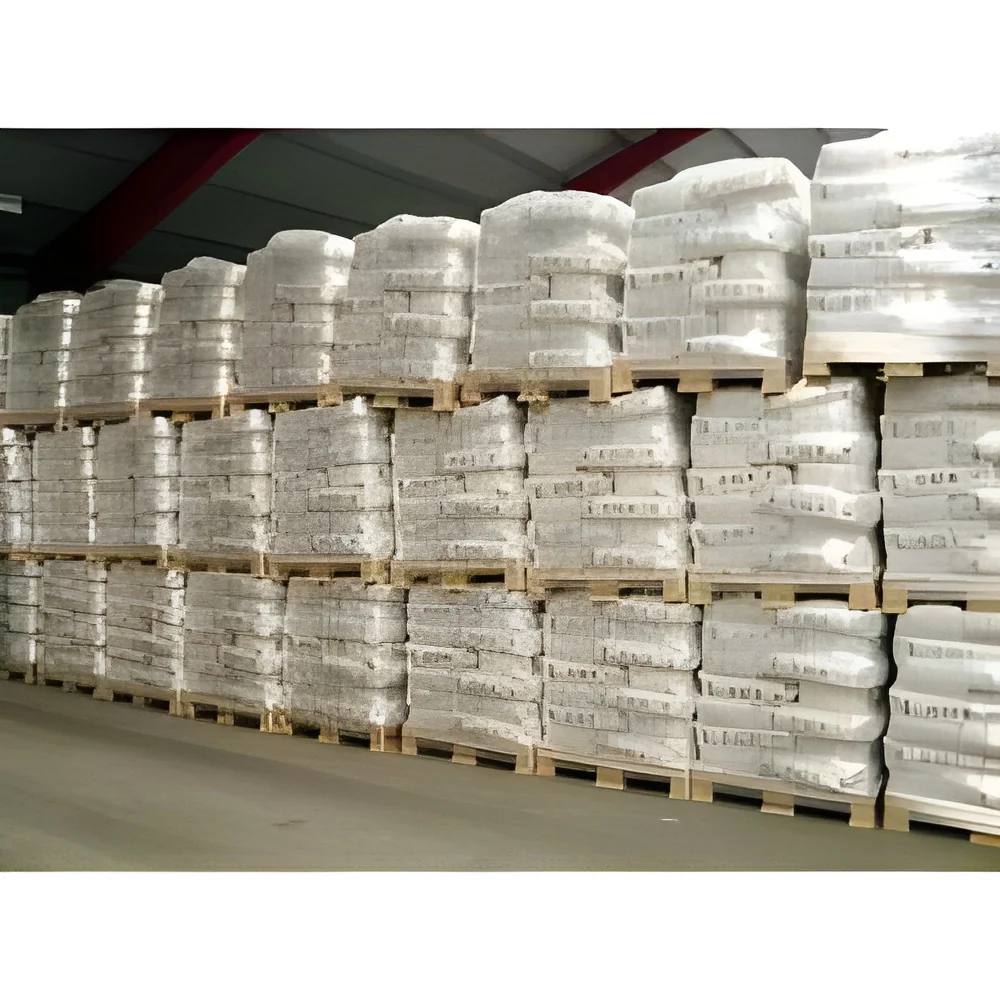
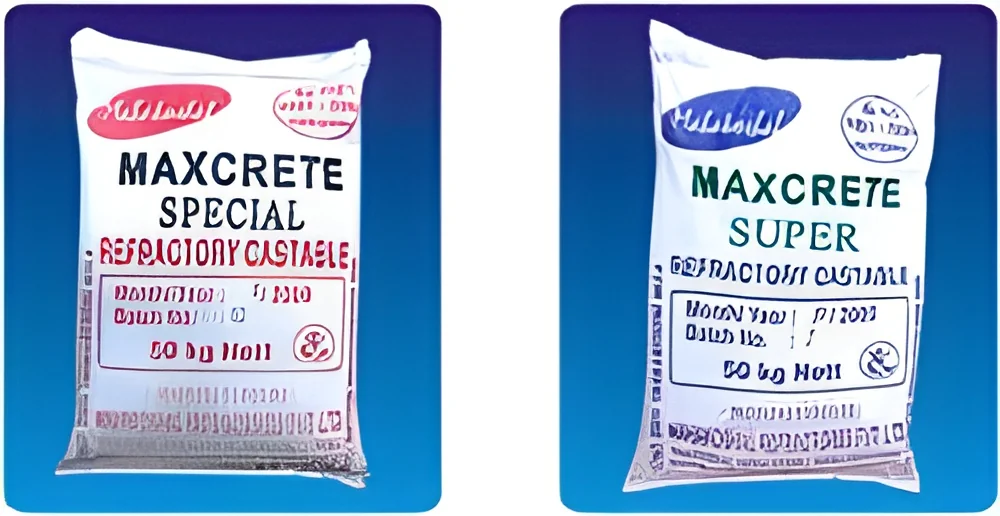
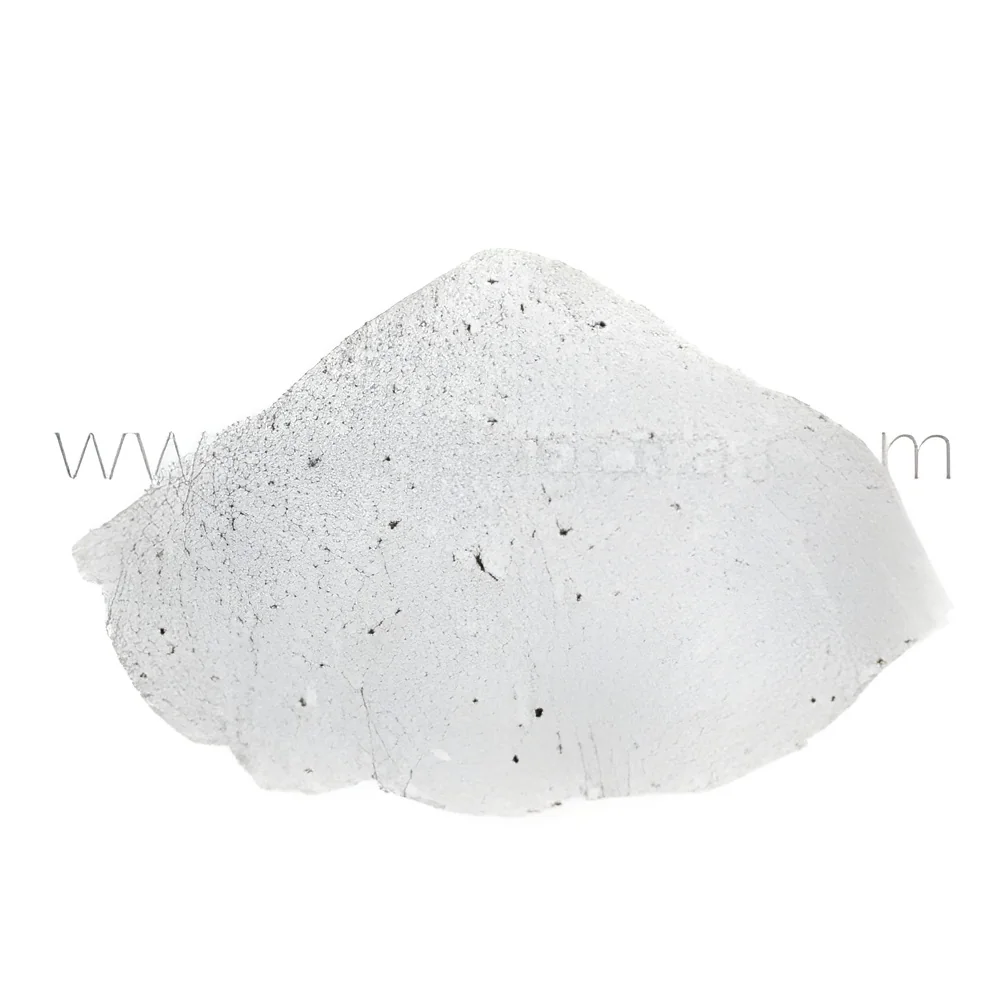
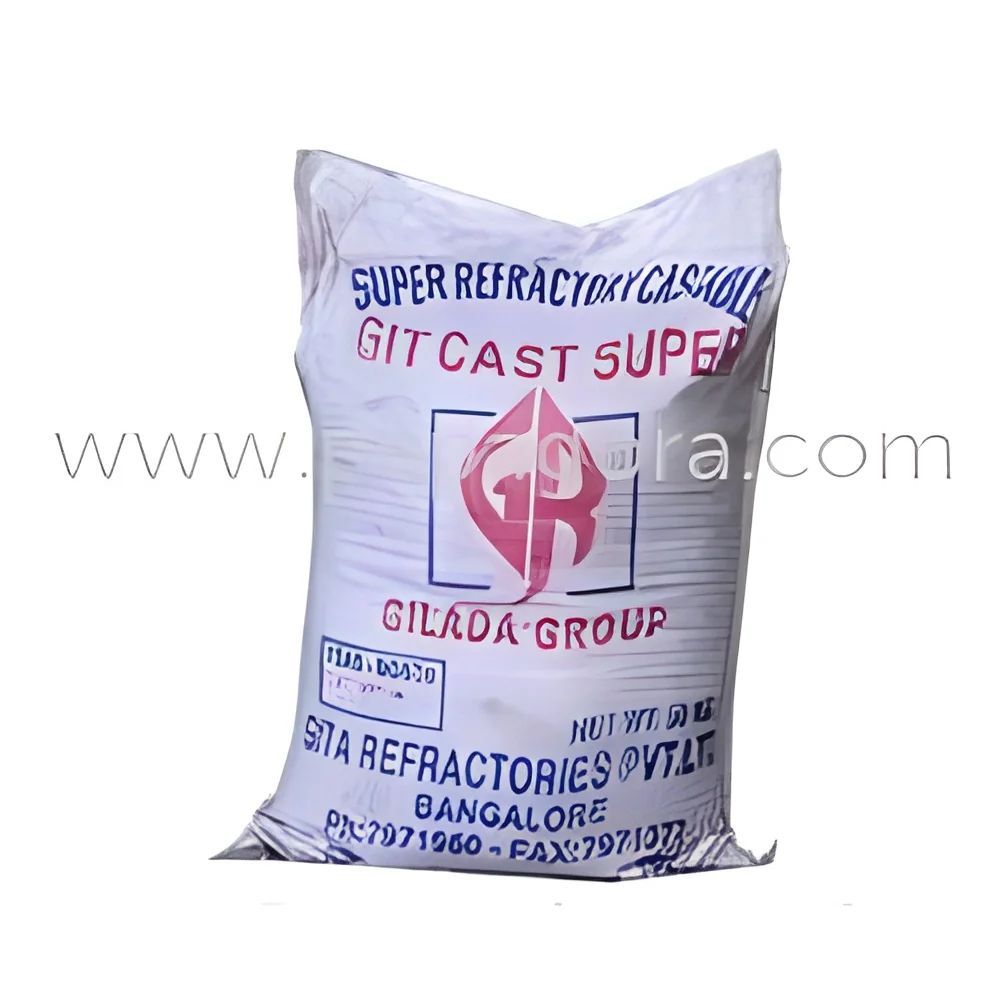
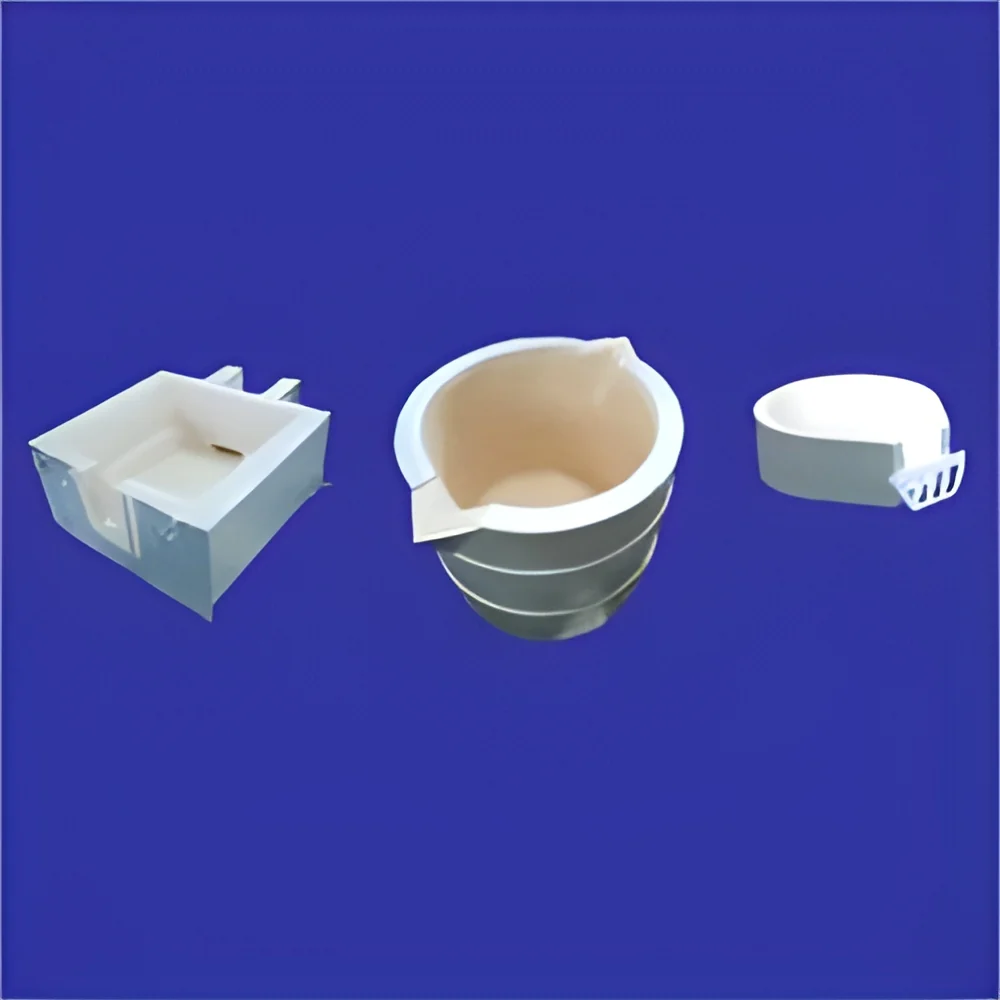
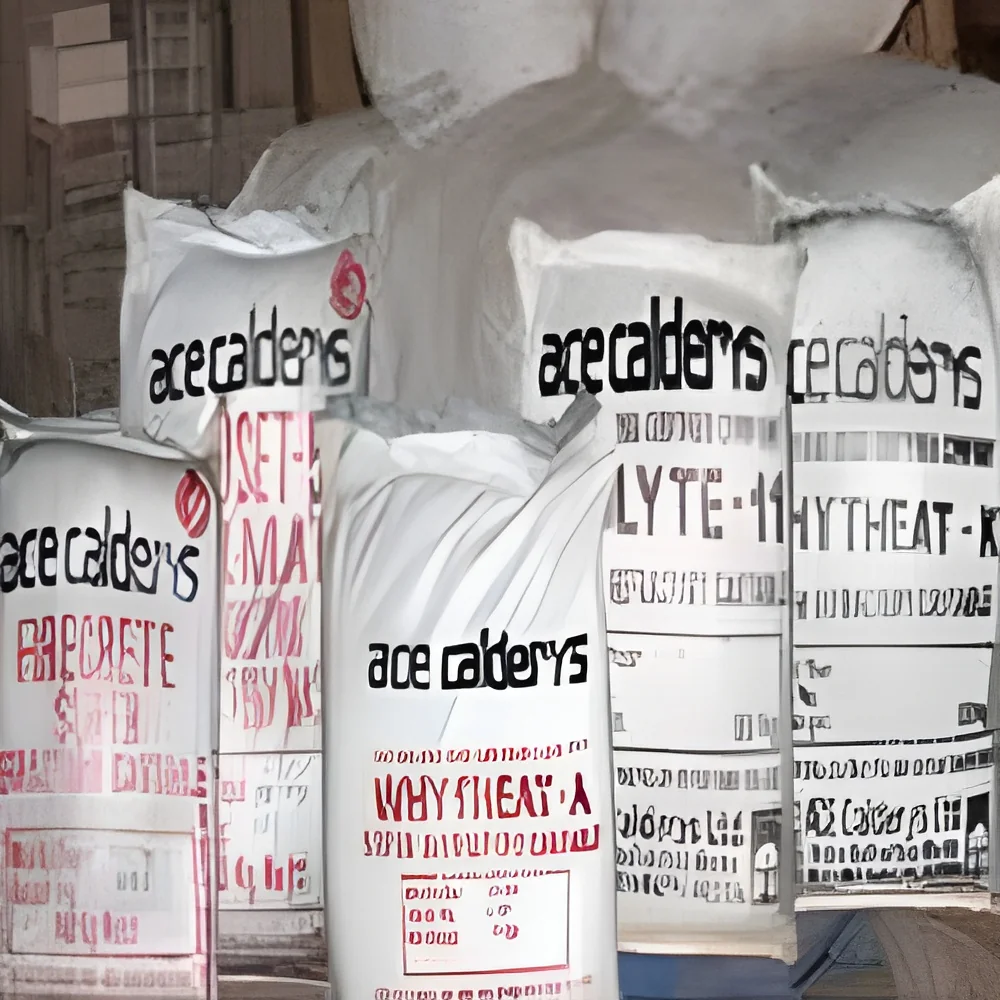
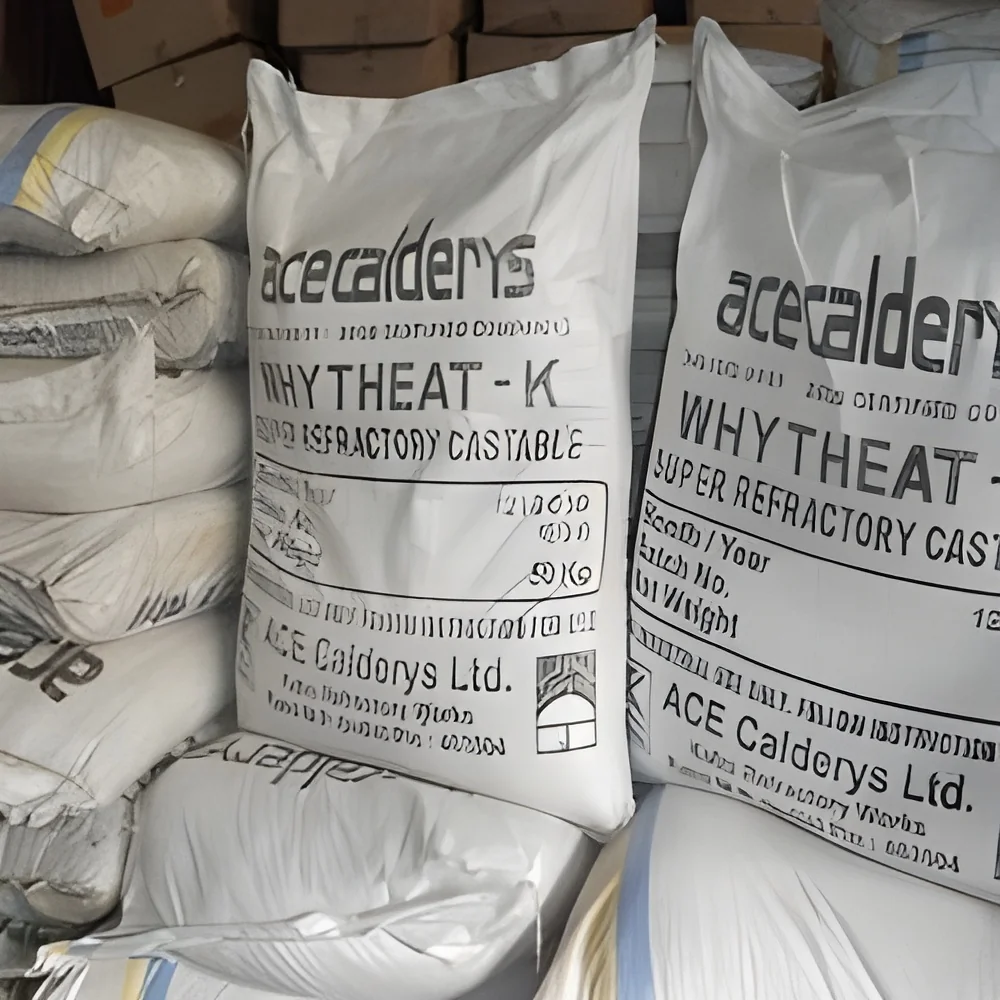
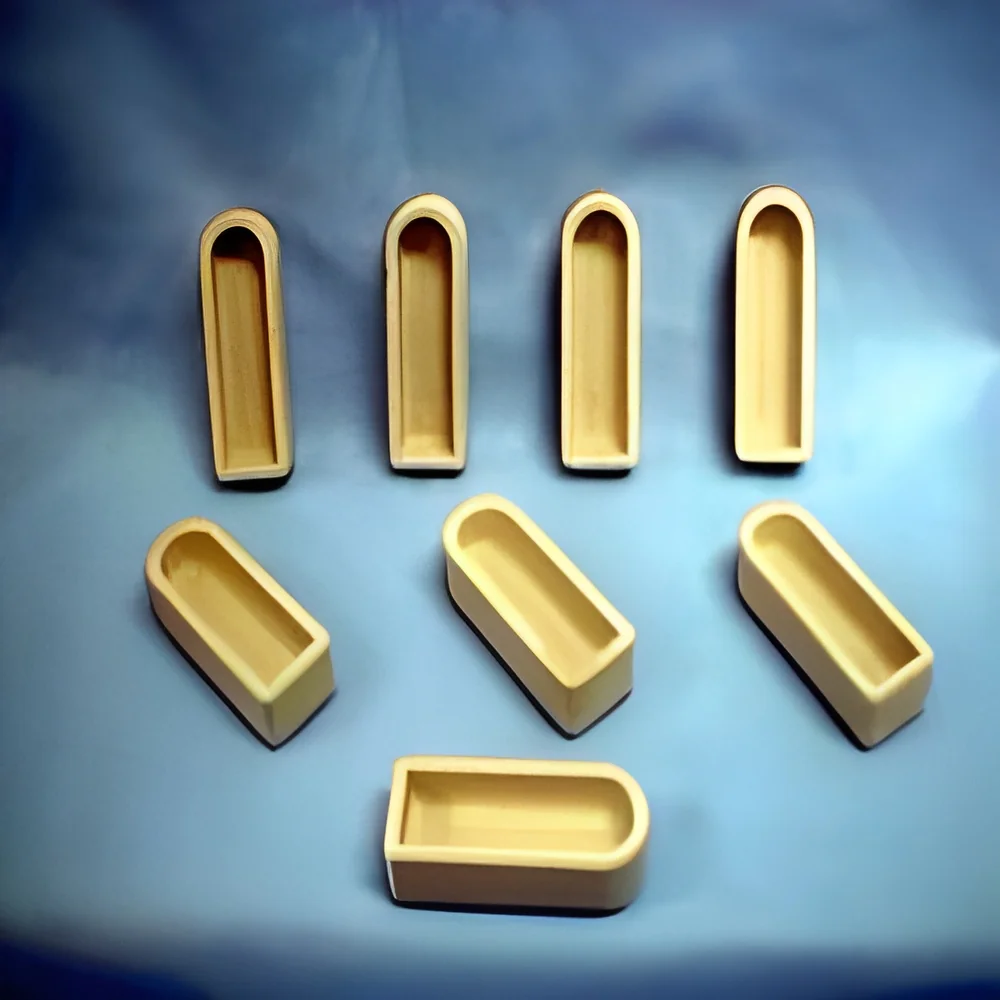
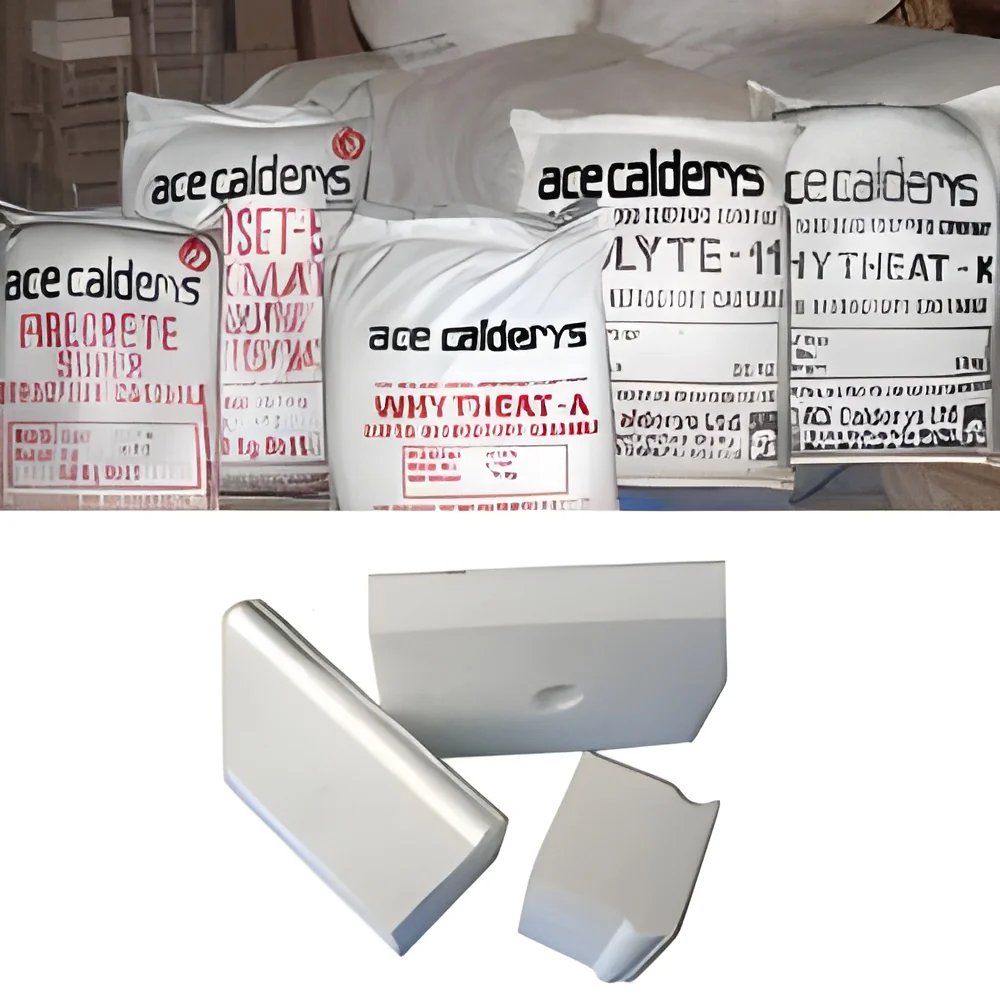
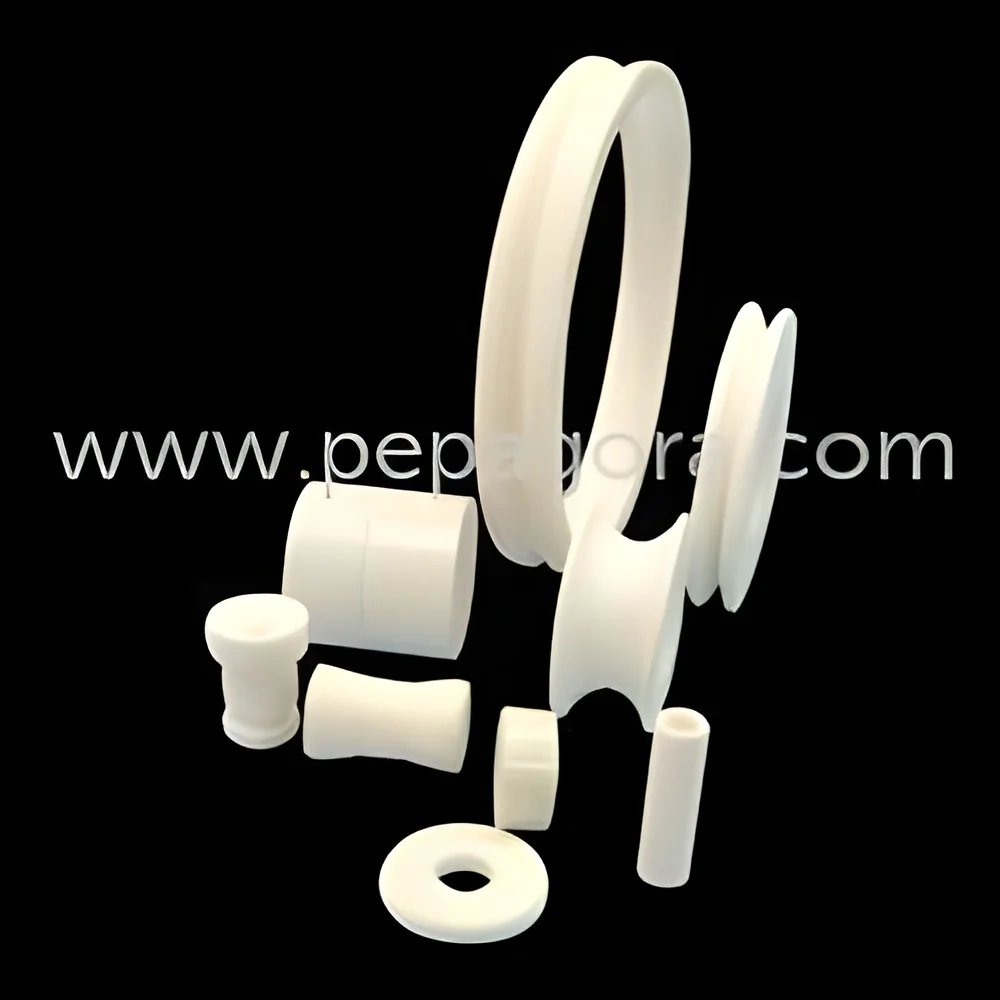
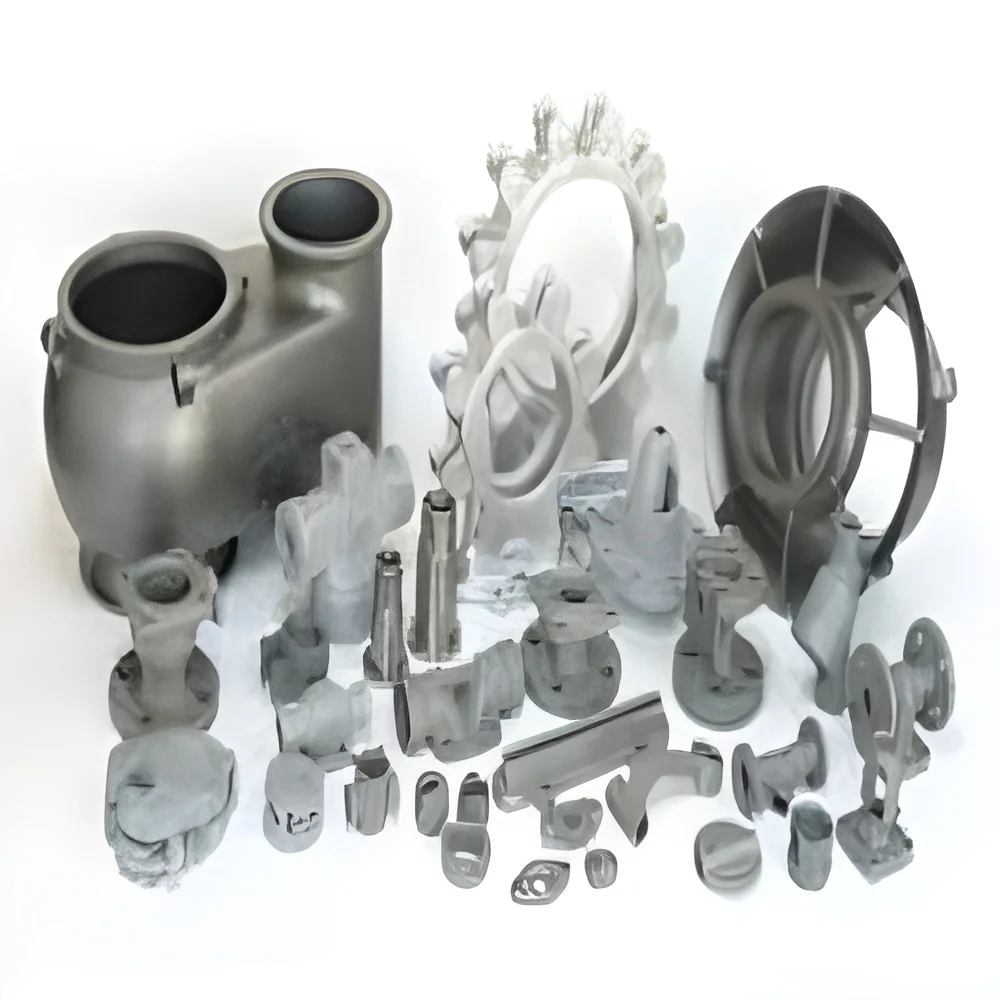
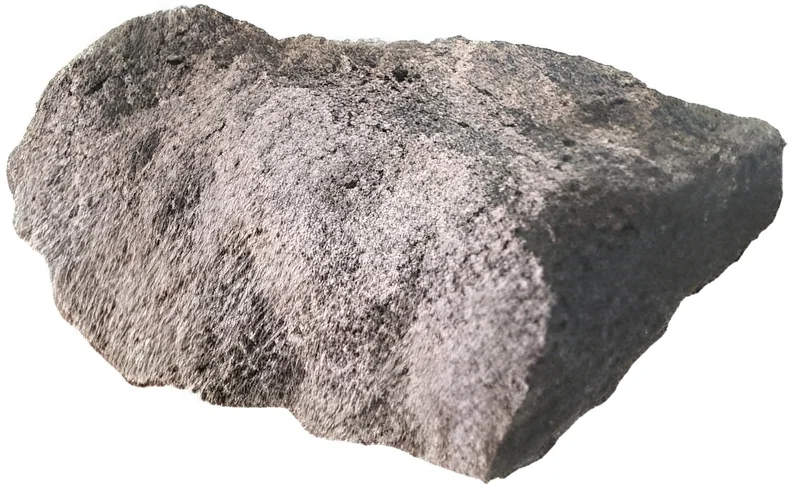
What are Refractory Castables?
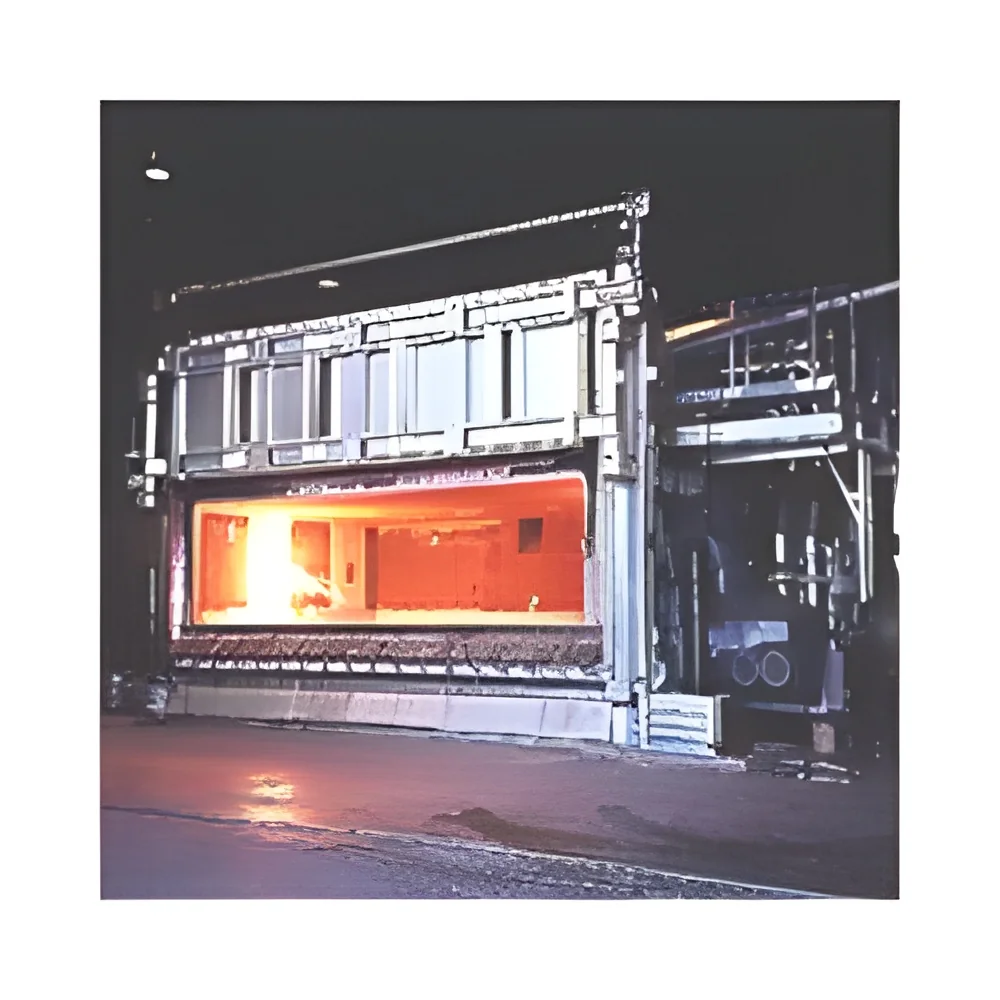
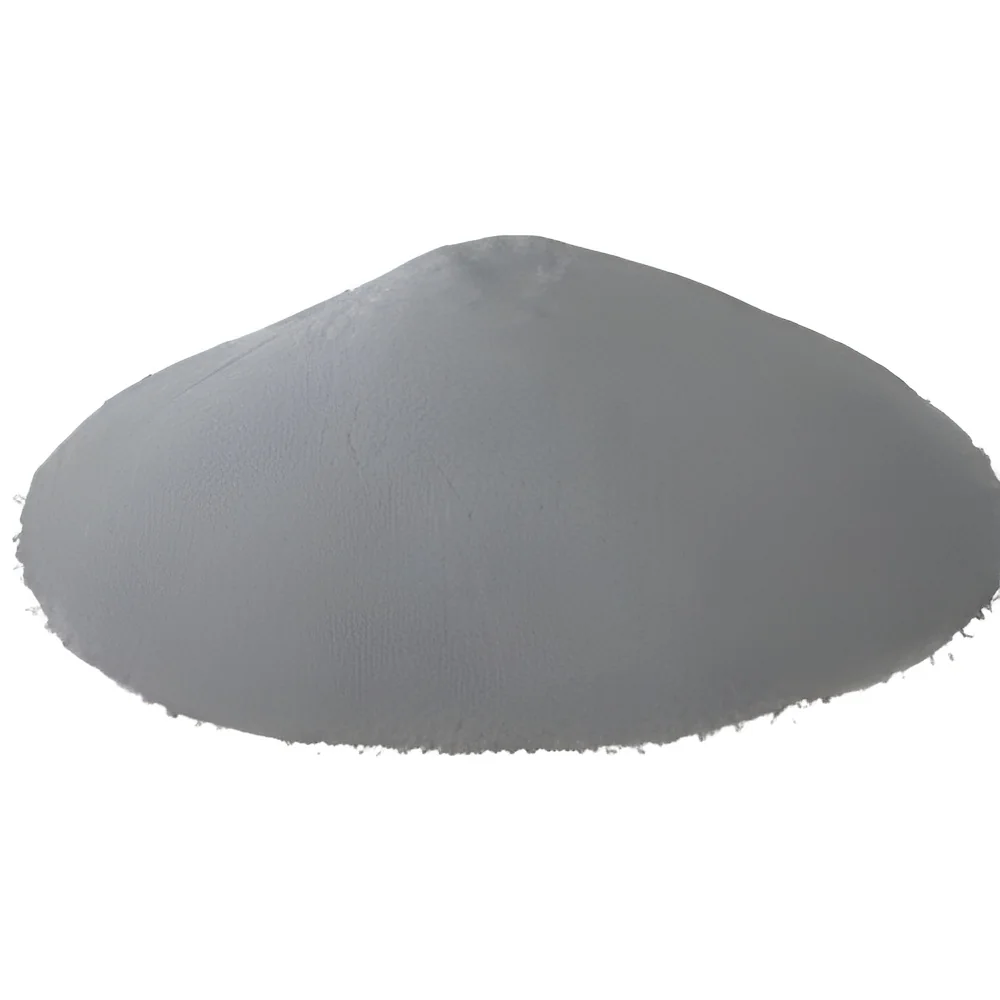
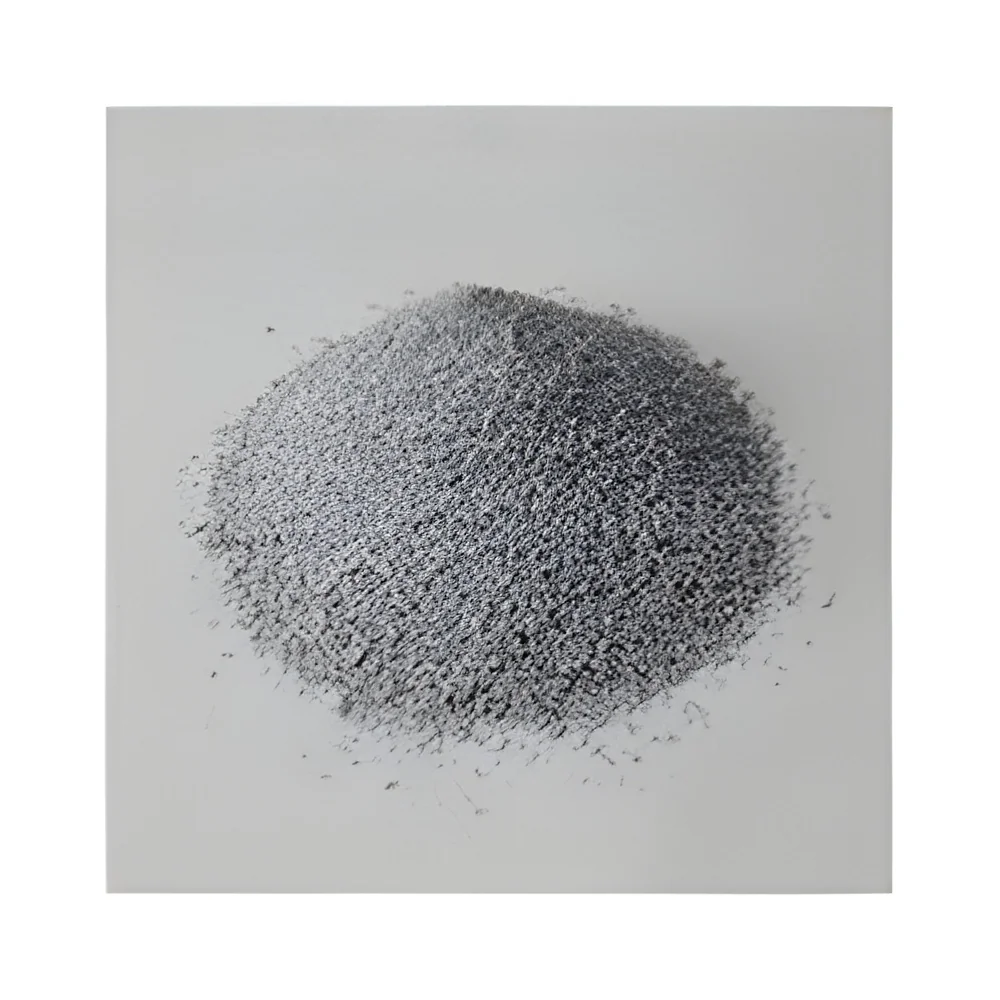
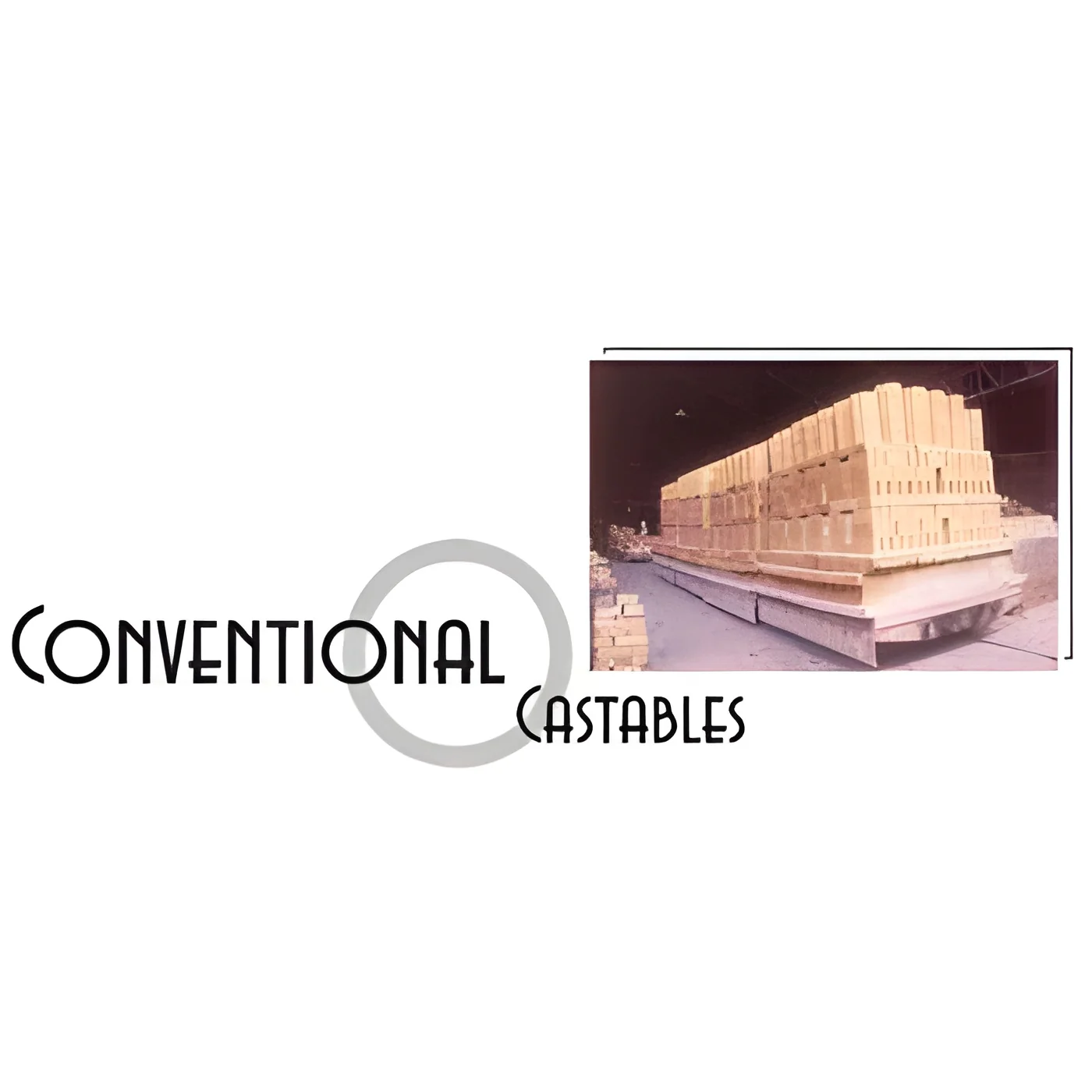
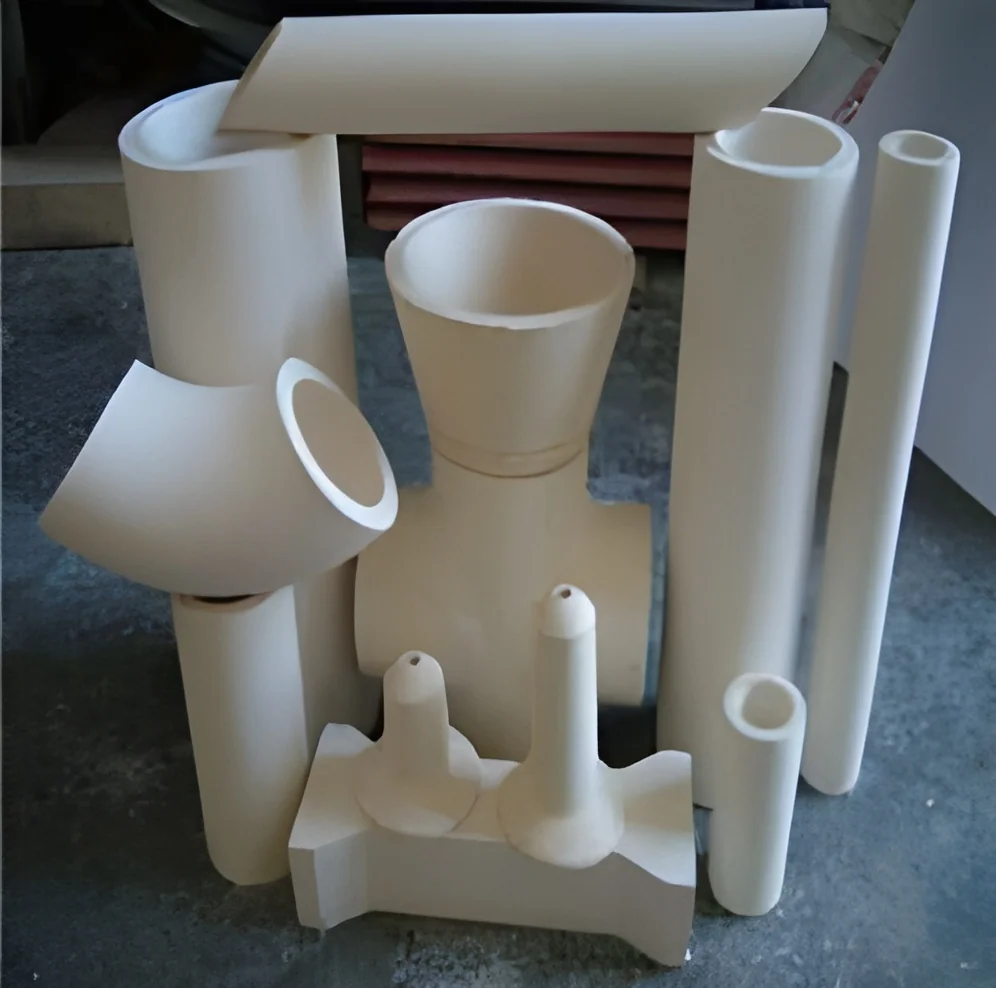
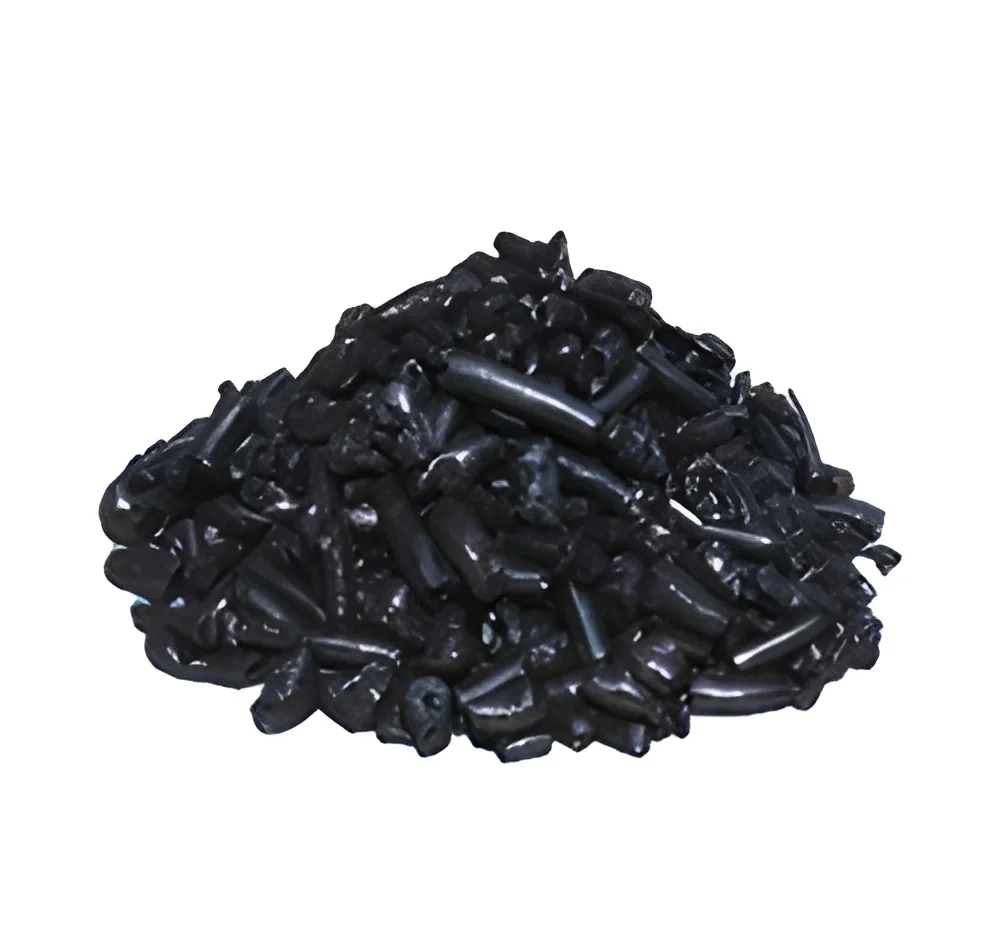
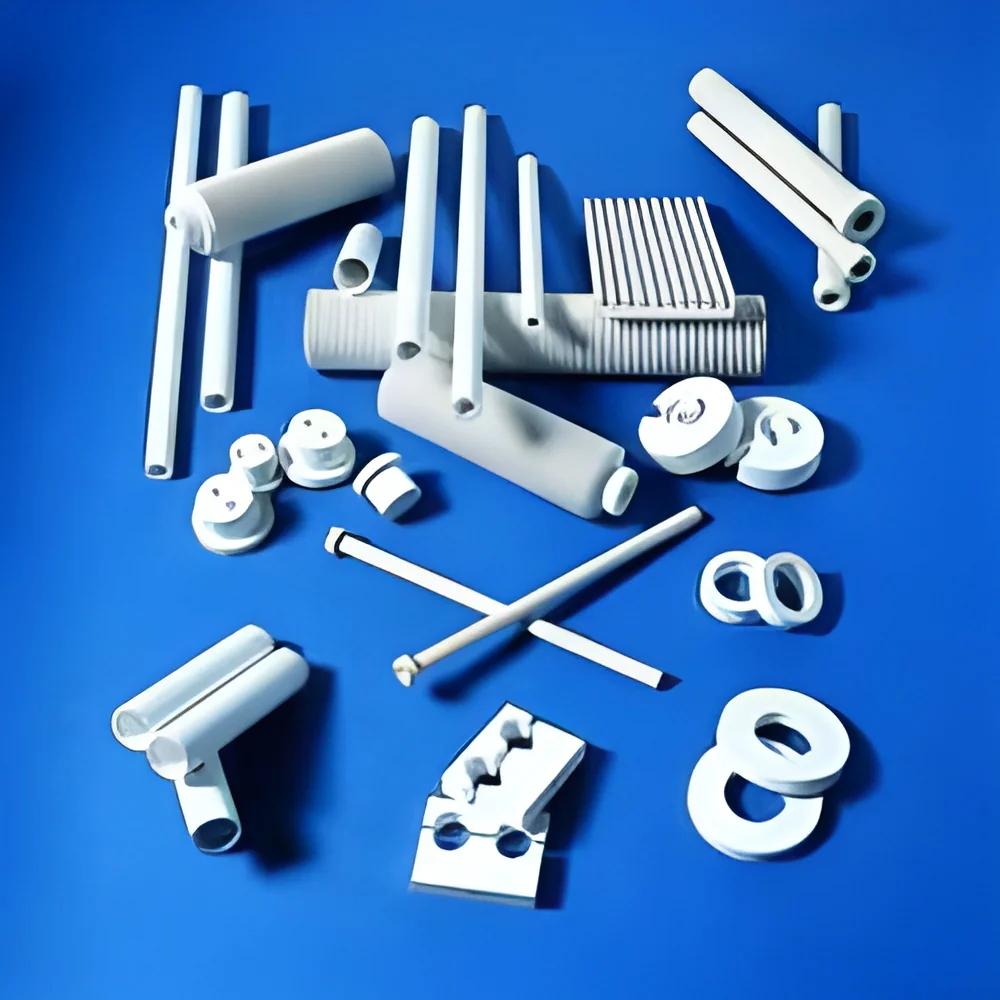
Refractory castables are a type of advanced material composed of aggregates, bonding agents, and additives that can withstand high temperatures and harsh environments. They are typically used to create linings in industrial furnaces, kilns, and reactors, where they provide thermal insulation and protect structural components from damage. Unlike traditional bricks, refractory castables can be molded into complex shapes, making them highly versatile for various applications.
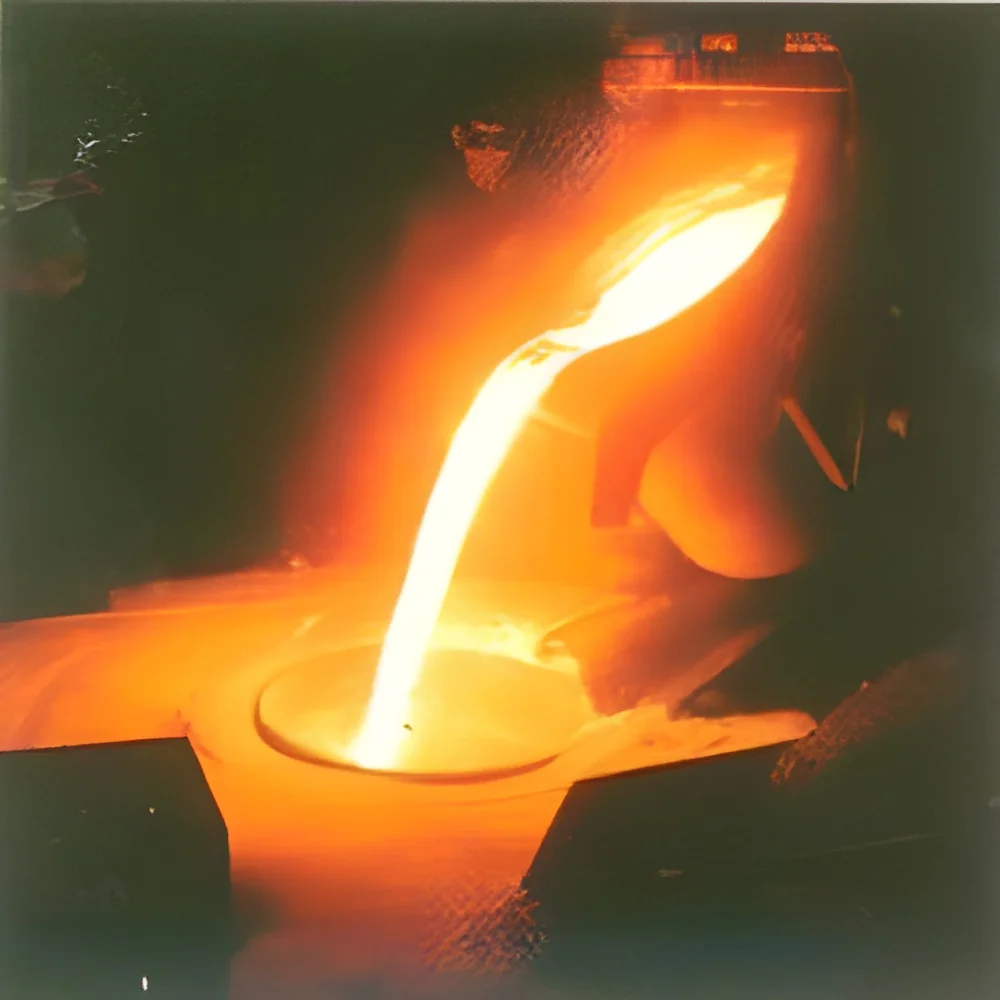
These materials find primary use in industries such as metallurgy, cement production, and petrochemicals. Their ability to endure extreme heat and resist chemical erosion makes them essential for processes that involve molten metals and aggressive environments. With the increasing demand for energy-efficient and sustainable production methods, refractory castables play a crucial role in enhancing operational efficiency and reducing maintenance costs.
In the current market, the demand for refractory castables is driven by advancements in industrial processes and an emphasis on energy conservation. As industries continue to innovate, the need for reliable and high-performance refractory solutions remains critical. Manufacturers are increasingly focused on developing castables that meet both performance and regulatory standards, ensuring long-term reliability in demanding applications.
Key Features and Specifications
Refractory castables are characterized by several features that enhance their performance in high-temperature applications. Understanding these specifications is vital for selecting the right product for specific industrial needs.
Key specifications include:
1. Temperature Resistance
- Capable of withstanding temperatures typically ranging from 1,200°C to 1,800°C.
- Designed for use in environments that experience extreme heat.
2. Compressive Strength
- Offers high compressive strength, usually exceeding 30 MPa.
- Ensures structural integrity under mechanical loads.
3. Thermal Conductivity
- Low thermal conductivity values to minimize heat loss.
- Generally ranges from 0.5 to 2.5 W/m·K.
4. Density
- Available in various densities to suit different applications, from lightweight to dense formulations.
- Typical density ranges from 1.5 to 3.0 g/cm³.
5. Bonding Mechanism
- Utilizes hydraulic or non-hydraulic bonding agents for superior adhesion.
- Enhances durability and longevity in service.
6. Chemical Resistance
- Excellent resistance to a variety of chemicals, including acids and alkalis.
- Suitable for environments exposed to reactive substances.
7. Workability
- Easy to mix and apply, allowing for efficient installation processes.
- Can be poured or cast into molds for custom shapes.
8. Setting Time
- Quick setting times, often within a few hours, facilitating rapid repairs and installations.
- Enhances operational efficiency by reducing downtime.
In summary, the key features and specifications of refractory castables make them essential materials for a wide range of high-temperature applications, ensuring durability and reliability under challenging conditions.
Common Applications and Use Cases
Refractory castables serve various industries by providing essential thermal protection and durability in high-heat environments.
1. Metallurgy: In the metallurgy industry, refractory castables are used to line furnaces and ladles for melting and holding molten metals. Their ability to withstand extreme temperatures and resist thermal shock is critical for efficient metal production.
2. Cement Production: Refractory castables are essential for kiln linings in cement plants. They protect equipment from the harsh conditions of cement manufacturing, contributing to improved energy efficiency and reduced maintenance costs.
3. Petrochemical Industry: In petrochemical plants, refractory castables are applied in reactors and distillation columns where high temperatures and corrosive substances are common. They ensure the integrity of equipment and help maintain process efficiency.
4. Power Generation: Refractory castables are used in coal-fired power plants for boiler linings and flue gas ducts. Their high-temperature resistance is essential for handling combustion gases and maintaining operational safety.
5. Glass Manufacturing: In glass production, refractory castables line furnaces and melting tanks. Their thermal stability and chemical resistance are vital for achieving quality glass products.
6. Waste Incineration: Refractory castables are employed in incinerators to manage high temperatures and corrosive byproducts from waste materials. Their durability ensures long-term performance in challenging conditions.
7. Aerospace: In aerospace applications, refractory castables are utilized in thermal protection systems for rocket engines. They help protect critical components from extreme heat during launch.
Product Variants and Subcategories
Refractory castables come in various formulations to meet specific needs, offering flexibility in application across different industries.
High-Alumina Castables: These castables are formulated with a high percentage of alumina, making them suitable for applications requiring superior thermal resistance and mechanical strength. They are commonly used in metal processing and glass industries.
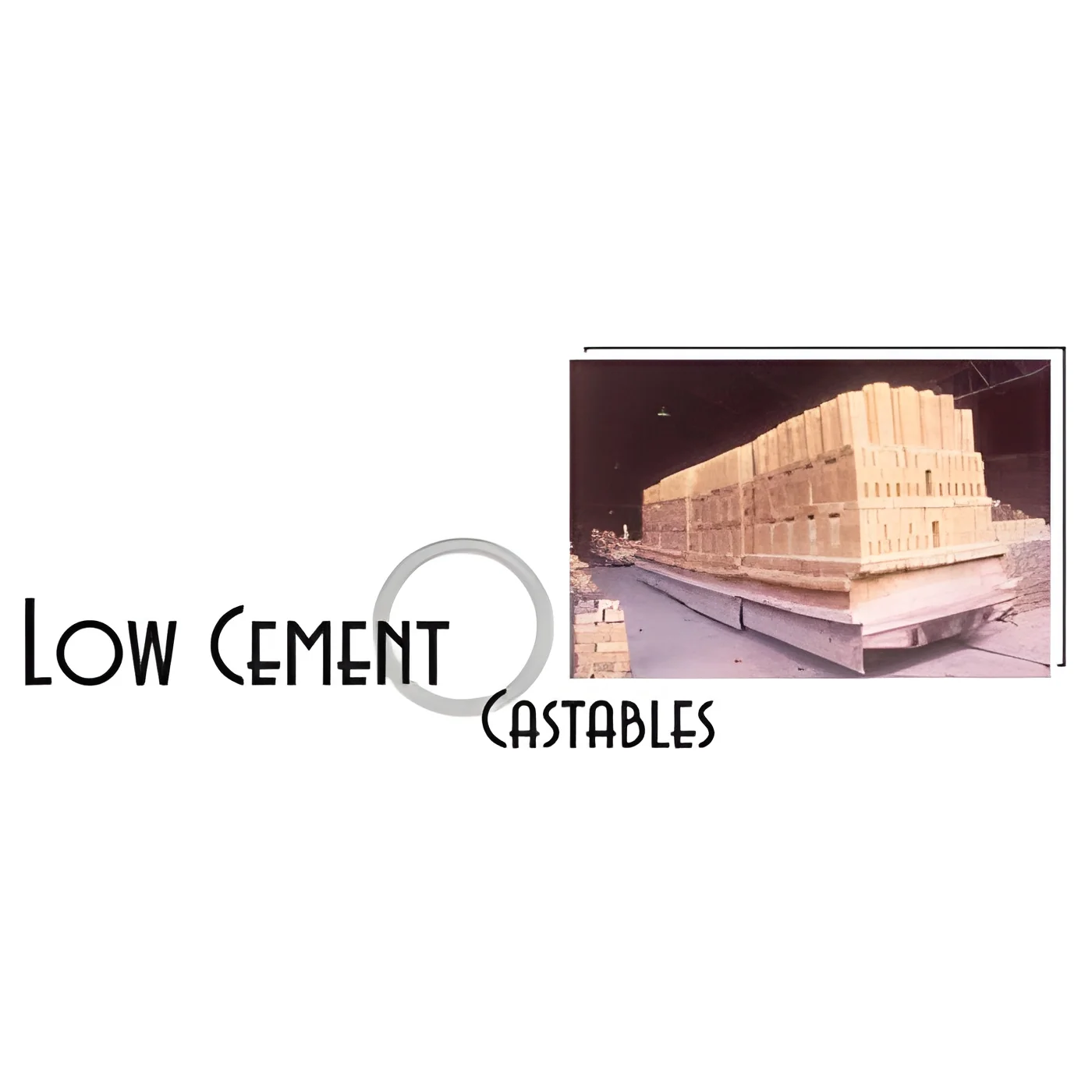
Low-Cement Castables: Designed for applications that require reduced cement content, these castables provide enhanced thermal shock resistance and lower porosity. They are ideal for environments exposing materials to rapid temperature changes.
Insulating Castables: These lightweight castables are specifically designed to provide thermal insulation while maintaining structural integrity. They are typically used in applications where heat retention is critical.
Self-Leveling Castables: These variants are formulated for easy application, allowing for a smooth finish without manual leveling. They are suitable for intricate installations and repairs in various industrial settings.
Benefits and Advantages
Choosing refractory castables offers several significant benefits that enhance operational performance and efficiency.
1. High Thermal Resistance: Refractory castables are engineered to withstand extreme temperatures, ensuring that industrial processes can continue without interruption.
2. Versatility: Their ability to be molded into various shapes allows for customized solutions tailored to specific industrial applications.
3. Reduced Maintenance: The durability of refractory castables minimizes the need for frequent repairs, leading to lower operational costs and downtime.
4. Chemical Resistance: These materials provide excellent resistance to corrosive substances, ensuring equipment longevity and reliability.
5. Quick Installation: Many refractory castables offer fast-setting properties, allowing for rapid repairs and installations that minimize production disruptions.
6. Energy Efficiency: By maintaining temperature stability, refractory castables contribute to overall energy savings in industrial processes.
Buying Guide for B2B Buyers
When sourcing refractory castables, it is essential to consider several key factors to ensure the right selection for your industrial needs.
1. Quality Assessment: Evaluate the quality of refractory castables through performance testing and certifications. Look for products that meet industry standards to ensure reliability.
2. Supplier Verification: Vet suppliers to confirm their credibility and reputation in the market. Check for customer reviews and previous project references to assess their reliability.
3. Pricing and MOQ: Consider pricing structures and minimum order quantities. Ensure that the costs align with your budget while maintaining quality standards.
4. Delivery and Lead Times: Discuss delivery options and lead times with suppliers to ensure timely availability of products for your operations.
5. Compliance Requirements: Verify that the refractory castables meet necessary compliance and regulatory requirements in your industry, including safety and environmental standards.
Compliance and Certifications
Refractory castables are subject to various industry standards and certifications to ensure quality and safety. Relevant quality standards include ISO 9001, which focuses on quality management systems, and CE certification, indicating compliance with European safety and performance criteria.
Additionally, manufacturers must adhere to safety and testing requirements that ensure the materials can withstand operational demands. These tests often include assessments of thermal shock resistance, chemical stability, and mechanical strength.
In various regions, compliance considerations may differ. It is crucial for manufacturers and buyers to understand local regulations governing the use of refractory materials to ensure that all products meet applicable safety and operational standards.
Why Source Refractory Castables from Pepagora?
Pepagora provides a trusted platform for sourcing refractory castables, offering several key advantages for B2B buyers.
Verified Supplier Network: Pepagora features a network of verified suppliers, ensuring that buyers can access high-quality refractory castables from reputable manufacturers. This verification process helps mitigate risks associated with sourcing.
Streamlined RFQ Process: The platform offers a straightforward request-for-quote (RFQ) system, allowing buyers to easily compare pricing and specifications from multiple suppliers. This efficiency helps buyers make informed purchasing decisions.
Trade Assurance and Support: Pepagora offers trade assurance, providing buyers with protection throughout the transaction process. This support fosters confidence in sourcing decisions and ensures a smoother procurement experience.
Regional Coverage: With a strong presence in markets such as India, the GCC, and Southeast Asia, Pepagora connects buyers to suppliers in key industrial regions. This geographic reach enhances sourcing opportunities and supports various industrial needs.

 IN
IN

 India
India