๐ช๐ต๐ฎ๐ ๐ฎ๐ฟ๐ฒ ๐ฅ๐ฒ๐ฎ๐ฝ๐ฒ๐ฟ๐ & ๐๐ถ๐ป๐ฑ๐ฒ๐ฟ๐?
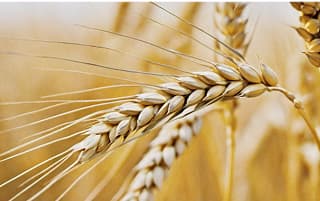
Reapers and binders are essential agricultural machinery used primarily for harvesting crops. A reaper is designed to cut and collect crops like wheat, barley, and oats from the field, while a binder gathers the cut crops and ties them into neat bundles, or sheaves. These machines significantly enhance the efficiency of the harvesting process, saving time and labor compared to manual methods.
The primary applications of reapers and binders include large-scale farming operations, where they facilitate the quick and efficient harvesting of crops. They are particularly valuable in regions that rely heavily on grain farming, such as the Midwest in the United States or parts of India. The use of these machines not only boosts productivity but also helps maintain the quality of the harvested crops by minimizing damage during collection.
In the context of the agricultural industry, reapers and binders play a vital role in meeting the growing demand for food production. As global populations increase, the efficiency and effectiveness of harvesting methods become increasingly important. The market for these machines is growing, driven by advancements in technology and a push for more sustainable farming practices.
๐๐ฒ๐ ๐๐ฒ๐ฎ๐๐๐ฟ๐ฒ๐ ๐ฎ๐ป๐ฑ ๐ฆ๐ฝ๐ฒ๐ฐ๐ถ๐ณ๐ถ๐ฐ๐ฎ๐๐ถ๐ผ๐ป๐
Reapers and binders come with a variety of features designed to enhance their performance and reliability. Understanding these key specifications is crucial for selecting the right equipment for specific agricultural needs.
Key specifications include:
1. Cutting Width
- The width of the reaping mechanism, typically ranging from 2 to 4 meters, allowing for efficient coverage of crop fields.
2. Engine Power
- The power of the engine, usually between 20 to 50 horsepower, which determines the machine's efficiency and speed in the field.
3. Weight
- The total weight of the machinery, impacting mobility and stability, generally between 500 kg to 1500 kg.
4. Fuel Type
- The type of fuel used, commonly diesel or petrol, ensuring compatibility with available resources.
5. Harvesting Capacity
- The amount of crop that can be harvested per hour, generally ranging from 1 to 4 acres, depending on conditions.
6. Tying Mechanism
- The method used for binding crops, with options for manual or automatic tying systems.
7. Durability Features
- Construction materials and design elements that enhance resistance to wear and tear, ensuring longevity.
8. Safety Features
- Various safety elements such as emergency stop buttons and protective guards to ensure operator safety.
Choosing the right specifications is essential for maximizing productivity and ensuring the longevity of the equipment.
๐๐ผ๐บ๐บ๐ผ๐ป ๐๐ฝ๐ฝ๐น๐ถ๐ฐ๐ฎ๐๐ถ๐ผ๐ป๐ ๐ฎ๐ป๐ฑ ๐จ๐๐ฒ ๐๐ฎ๐๐ฒ๐
Reapers and binders are utilized across various agricultural sectors, enhancing productivity and efficiency.
1. Grain Farming: In grain farming, reapers and binders are indispensable for harvesting cereals like wheat and barley, allowing for rapid collection and binding of crops for storage.
2. Vegetable Farming: In some vegetable farming applications, these machines can be adapted for crops like soybeans and corn, streamlining the harvesting process.
3. Agro-industrial Use: Large agro-industrial operations use reapers and binders to manage extensive fields, ensuring timely harvesting to meet market demands.
4. Organic Farming: Organic farms increasingly rely on these machines for efficient harvesting without the use of chemicals, preserving crop integrity.
5. Research Institutions: Agricultural research facilities use reapers and binders for trials and studies, providing essential data on crop yields under different conditions.
6. Cooperative Farming: Farming cooperatives benefit from shared reapers and binders, maximizing resource efficiency among multiple farmers.
7. Export-oriented Agriculture: Farmers engaged in export-oriented agriculture utilize these machines to meet strict timelines and quality standards required for international markets.
๐ฃ๐ฟ๐ผ๐ฑ๐๐ฐ๐ ๐ฉ๐ฎ๐ฟ๐ถ๐ฎ๐ป๐๐ ๐ฎ๐ป๐ฑ ๐ฆ๐๐ฏ๐ฐ๐ฎ๐๐ฒ๐ด๐ผ๐ฟ๐ถ๐ฒ๐
Reapers and binders come in various configurations and designs to cater to diverse agricultural needs.
Manual Reaper
This variant is operated by hand and is ideal for small farms where larger machinery is not feasible. It offers portability and ease of use.
Self-Propelled Reaper
Designed for larger fields, this variant is equipped with its own engine, allowing for greater efficiency and speed in harvesting.
Combined Harvester-Binder
This advanced machine combines the functions of harvesting and binding in a single operation, offering a highly efficient solution for large-scale farming.
Tractor-mounted Reaper
This variant attaches to a tractor, leveraging its power to enhance cutting speed and efficiency, suitable for larger agricultural operations.
๐๐ฒ๐ป๐ฒ๐ณ๐ถ๐๐ ๐ฎ๐ป๐ฑ ๐๐ฑ๐๐ฎ๐ป๐๐ฎ๐ด๐ฒ๐
Investing in reapers and binders offers numerous advantages for agricultural operations.
1. Increased Efficiency: These machines significantly reduce the time and labor required for harvesting, allowing farmers to complete tasks faster.
2. Reduced Crop Loss: By minimizing handling and damage during collection, reapers and binders help maintain higher crop quality and yield.
3. Labor Savings: With automated processes, these machines decrease reliance on manual labor, addressing labor shortages in the agricultural sector.
4. Versatility: Reapers and binders can be used for various crop types, providing flexibility for farmers with diverse agricultural practices.
5. Enhanced Profitability: By improving harvesting efficiency, farmers can increase overall productivity, leading to higher profits.
6. Environmentally Friendly: Modern designs focus on sustainability, reducing fuel consumption and emissions during operation.
๐๐๐๐ถ๐ป๐ด ๐๐๐ถ๐ฑ๐ฒ ๐ณ๐ผ๐ฟ ๐๐ฎ๐ ๐๐๐๐ฒ๐ฟ๐
When sourcing reapers and binders, it is essential for B2B buyers to consider several critical factors.
1. Quality Assessment: Evaluate the quality of machinery based on construction materials, performance reviews, and manufacturer reputation to ensure long-lasting investment.
2. Supplier Verification: Conduct thorough background checks on suppliers to verify their credibility, including reviews, certifications, and previous client testimonials.
3. Pricing and MOQ: Understand the price range of reapers and binders and inquire about minimum order quantities to align purchasing decisions with budget constraints.
4. Delivery and Lead Times: Discuss logistics with suppliers to ensure timely delivery, especially during peak harvesting seasons when machines are needed most.
5. Compliance Requirements: Ensure that the selected equipment meets local regulatory standards and safety requirements, including any necessary certifications.
๐๐ผ๐บ๐ฝ๐น๐ถ๐ฎ๐ป๐ฐ๐ฒ ๐ฎ๐ป๐ฑ ๐๐ฒ๐ฟ๐๐ถ๐ณ๐ถ๐ฐ๐ฎ๐๐ถ๐ผ๐ป๐
Reapers and binders must adhere to specific quality standards and certifications to ensure reliability and safety in agricultural practices.
Relevant quality standards include ISO 9001, which outlines standards for quality management systems, ensuring that products meet customer and regulatory requirements.
Industry certifications such as CE indicate compliance with European health, safety, and environmental protection standards, providing assurance of product quality for buyers.
Safety and testing requirements are critical, necessitating thorough evaluations to confirm that machinery operates safely in various agricultural settings.
Additionally, regional compliance considerations may vary, making it essential for buyers to understand local regulations governing agricultural equipment.
๐ช๐ต๐ ๐ฆ๐ผ๐๐ฟ๐ฐ๐ฒ ๐ฅ๐ฒ๐ฎ๐ฝ๐ฒ๐ฟ๐ & ๐๐ถ๐ป๐ฑ๐ฒ๐ฟ๐ ๐ณ๐ฟ๐ผ๐บ ๐ฃ๐ฒ๐ฝ๐ฎ๐ด๐ผ๐ฟ๐ฎ?
Pepagora provides a trusted platform for sourcing reapers and binders, ensuring buyers access to top-quality products and services.
Verified Supplier Network: Pepagora features a network of verified suppliers, providing buyers with confidence in the quality and reliability of machinery offered.
Streamlined RFQ Process: The platform offers a streamlined Request for Quotation (RFQ) process, simplifying communication between buyers and suppliers for efficient negotiations.
Trade Assurance and Support: Buyers benefit from trade assurance programs that protect their investments, offering support throughout the purchasing process.
Regional Coverage: Pepagora's extensive reach includes India, the Gulf Cooperation Council (GCC), and Southeast Asia, connecting buyers with suitable suppliers in diverse markets.