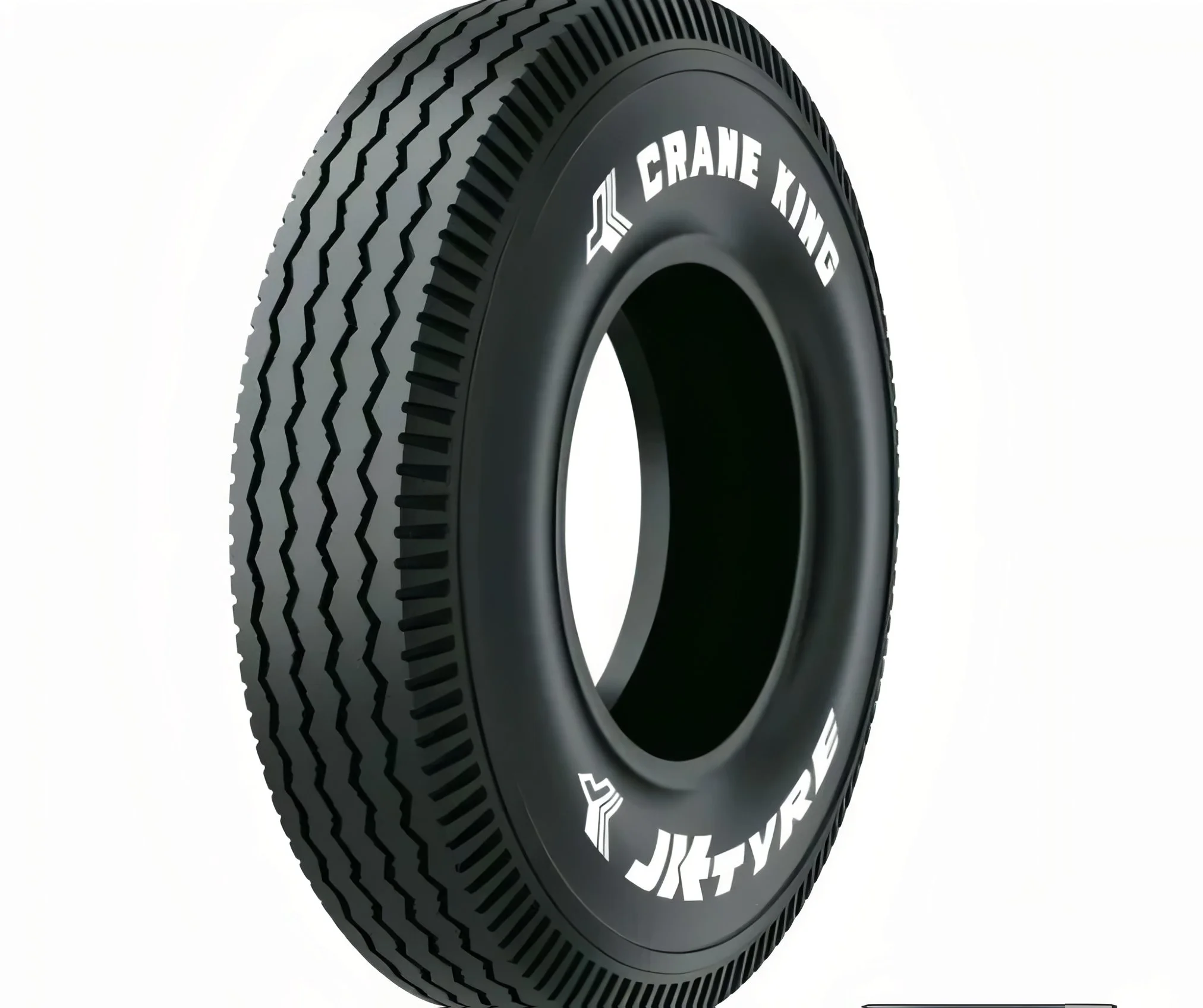
𝗪𝗵𝗮𝘁 𝗮𝗿𝗲 𝗥𝗮𝗱𝗶𝗮𝗹 𝗧𝘆𝗿𝗲𝘀?
Radial tyres are a type of tyre construction in which the internal layers of fabric or steel belts run radially from the center of the tyre, providing superior strength and flexibility compared to traditional bias-ply tyres. This construction method enhances the tyre's performance characteristics, including better fuel efficiency, improved wear resistance, and enhanced handling and stability at high speeds. The radial design allows for a more uniform contact patch with the road, leading to reduced rolling resistance and prolonged tyre life.
These tyres are extensively used in various sectors, including automotive, commercial, and industrial applications. They are suitable for passenger vehicles, trucks, buses, and specialized machinery. Businesses often prefer radial tyres due to their durability and performance, which translate into lower operational costs and better safety on the road. As the global market for radial tyres continues to grow, manufacturers are focusing on innovative technologies to meet the increasing demands for efficiency and sustainability in transportation.
𝗞𝗲𝘆 𝗙𝗲𝗮𝘁𝘂𝗿𝗲𝘀 𝗮𝗻𝗱 𝗦𝗽𝗲𝗰𝗶𝗳𝗶𝗰𝗮𝘁𝗶𝗼𝗻𝘀
Radial tyres boast a range of features that make them a preferred choice in the industry. Their construction and design lead to various technical specifications that cater to different applications and performance requirements.
Key specifications include:
1. Load Index
- Indicates the maximum load a tyre can support.
- Typical ranges vary based on tyre size and type, ensuring suitability for various vehicles.
2. Speed Rating
- Represents the maximum speed a tyre can safely sustain.
- Ratings can range from L (120 km/h) to Y (300 km/h).
3. Tread Depth
- Affects traction, handling, and wear characteristics.
- Standard depths vary, with performance tyres generally having shallower treads for better grip.
4. Sidewall Strength
- Determines the tyre's ability to withstand impacts and loads.
- Strength is categorized into various grades based on construction materials.
5. Rolling Resistance
- Affects fuel efficiency and overall performance.
- Lower rolling resistance is a desirable characteristic for reducing fuel consumption.
6. Wet Grip Performance
- Measures how well a tyre performs in wet conditions.
- Grading is typically done on a scale to help consumers choose based on safety needs.
7. Noise Levels
- Refers to the sound produced while the tyre is in motion.
- Lower decibel levels are preferred for comfort and reduced environmental noise.
8. Durability Rating
- Indicates the expected lifespan of the tyre under normal usage conditions.
- Varies based on construction materials and design features.
In summary, radial tyres offer a balance of performance, safety, and longevity, making them suitable for a wide range of applications.
𝗖𝗼𝗺𝗺𝗼𝗻 𝗔𝗽𝗽𝗹𝗶𝗰𝗮𝘁𝗶𝗼𝗻𝘀 𝗮𝗻𝗱 𝗨𝘀𝗲 𝗖𝗮𝘀𝗲𝘀
Radial tyres are utilized in multiple industries due to their versatility and performance characteristics.
1. Automotive: Passenger cars benefit from radial tyres, which enhance fuel efficiency and handling, making them ideal for everyday use.
2. Commercial Transport: Trucks and buses rely on radial tyres for their durability and ability to carry heavy loads over long distances, contributing to operational efficiency.
3. Agriculture: Farming vehicles utilize radial tyres for improved traction and stability on uneven terrain, which is crucial for efficient farming operations.
4. Construction: Heavy machinery, such as excavators and bulldozers, use radial tyres to enhance grip and durability on rugged job sites.
5. Mining: In the mining sector, radial tyres are essential for large vehicles that require robust construction to handle challenging terrains and heavy loads.
6. Industrial: Forklifts and other material handling equipment often use radial tyres for their stability and reduced wear in warehouse settings.
7. Off-Road Vehicles: Radial tyres designed for off-road applications provide superior performance in rough conditions, making them suitable for recreational and utility vehicles.
𝗣𝗿𝗼𝗱𝘂𝗰𝘁 𝗩𝗮𝗿𝗶𝗮𝗻𝘁𝘀 𝗮𝗻𝗱 𝗦𝘂𝗯𝗰𝗮𝘁𝗲𝗴𝗼𝗿𝗶𝗲𝘀
Radial tyres come in various types, each designed for specific applications and performance requirements.
All-Terrain Radial Tyres
These tyres are designed to perform well on both paved roads and off-road conditions. They offer a versatile tread pattern that provides traction in various environments, making them suitable for SUVs and light trucks.
High-Performance Radial Tyres
Tailored for sports cars and high-speed vehicles, these tyres offer exceptional grip and handling. They are engineered to perform at high speeds while maintaining stability and safety.
Mud-Terrain Radial Tyres
Ideal for off-road enthusiasts, these tyres feature aggressive tread patterns that enhance grip on mud and loose surfaces. They are perfect for vehicles that navigate rugged terrains.
High-Capacity Radial Tyres
Designed for commercial vehicles, these tyres can handle heavy loads while ensuring fuel efficiency. They are commonly used in logistics and transportation industries.
𝗕𝗲𝗻𝗲𝗳𝗶𝘁𝘀 𝗮𝗻𝗱 𝗔𝗱𝘃𝗮𝗻𝘁𝗮𝗴𝗲𝘀
Radial tyres offer numerous benefits that make them a preferred choice for many businesses.
Key benefits include:
1. Enhanced Fuel Efficiency: The design of radial tyres reduces rolling resistance, contributing to lower fuel consumption for vehicles.
2. Improved Safety: Better grip and handling characteristics lead to safer driving experiences, especially in adverse weather conditions.
3. Longer Lifespan: Radial tyres typically have a longer service life compared to traditional tyres, reducing the frequency of replacements.
4. Greater Comfort: The flexible design of radial tyres minimizes vibrations and noise, providing a smoother ride for drivers and passengers.
5. Versatility: Radial tyres can be used across a wide range of vehicles and applications, making them a versatile choice for businesses.
6. Better Heat Dissipation: The construction of radial tyres allows for improved heat dissipation, reducing the risk of blowouts and enhancing overall safety.
𝗕𝘂𝘆𝗶𝗻𝗴 𝗚𝘂𝗶𝗱𝗲 𝗳𝗼𝗿 𝗕𝟮𝗕 𝗕𝘂𝘆𝗲𝗿𝘀
When sourcing radial tyres, it is essential for businesses to consider several key factors to ensure they make informed purchasing decisions.
1. Quality Assessment: Evaluate the quality of tyres by looking for certifications and compliance with industry standards. High-quality tyres often come from reputable manufacturers with a track record of reliability.
2. Supplier Verification: Vet suppliers by reviewing their background, customer feedback, and production capabilities. A reliable supplier can provide consistent quality and timely deliveries.
3. Pricing and MOQ: Understand pricing structures and minimum order quantities (MOQ) to ensure they align with your business needs. Comparing multiple suppliers can help find the best deals.
4. Delivery and Lead Times: Consider the logistics involved, including delivery times and transportation costs. Timely delivery is crucial for maintaining operations and avoiding downtime.
5. Compliance Requirements: Check for any regulatory compliance requirements that may affect your purchase. This includes safety standards and certifications relevant to your industry.
𝗖𝗼𝗺𝗽𝗹𝗶𝗮𝗻𝗰𝗲 𝗮𝗻𝗱 𝗖𝗲𝗿𝘁𝗶𝗳𝗶𝗰𝗮𝘁𝗶𝗼𝗻𝘀
Radial tyres must meet specific quality standards and regulations to ensure safety and performance.
Key standards include ISO 9001, which focuses on quality management systems, ensuring that manufacturers maintain high-quality production processes. Compliance with industry-specific regulations, such as CE certification, is also crucial, as it signifies that the tyres meet safety and performance requirements set by European directives.
Safety and testing requirements for radial tyres involve rigorous assessments to determine their performance in various conditions, including wet and dry traction, durability, and resistance to wear.
Regional compliance considerations may vary, so it is essential for businesses to be aware of local regulations that govern tyre specifications and safety standards.
𝗪𝗵𝘆 𝗦𝗼𝘂𝗿𝗰𝗲 𝗥𝗮𝗱𝗶𝗮𝗹 𝗧𝘆𝗿𝗲𝘀 𝗳𝗿𝗼𝗺 𝗣𝗲𝗽𝗮𝗴𝗼𝗿𝗮?
Pepagora offers a trusted platform for sourcing radial tyres, backed by several key advantages that cater to B2B buyers.
Verified Supplier Network: Pepagora connects businesses with a network of verified suppliers, ensuring that all listed manufacturers meet stringent quality and reliability standards. This verification process helps mitigate risks in the procurement process.
Streamlined RFQ Process: The platform simplifies the request for quotation (RFQ) process, allowing buyers to easily compare prices and specifications from multiple suppliers. This efficiency saves time and aids in making informed purchasing decisions.
Trade Assurance and Support: Pepagora provides trade assurance measures to protect buyers, ensuring that transactions are secure and that support is available throughout the buying process. This added layer of protection builds trust between buyers and suppliers.
Regional Coverage: With a strong presence in India, the Gulf Cooperation Council (GCC), and Southeast Asia, Pepagora offers extensive geographic reach, making it easier for businesses to find suitable suppliers in their regions. This regional focus helps cater to local market needs effectively.

 IN
IN