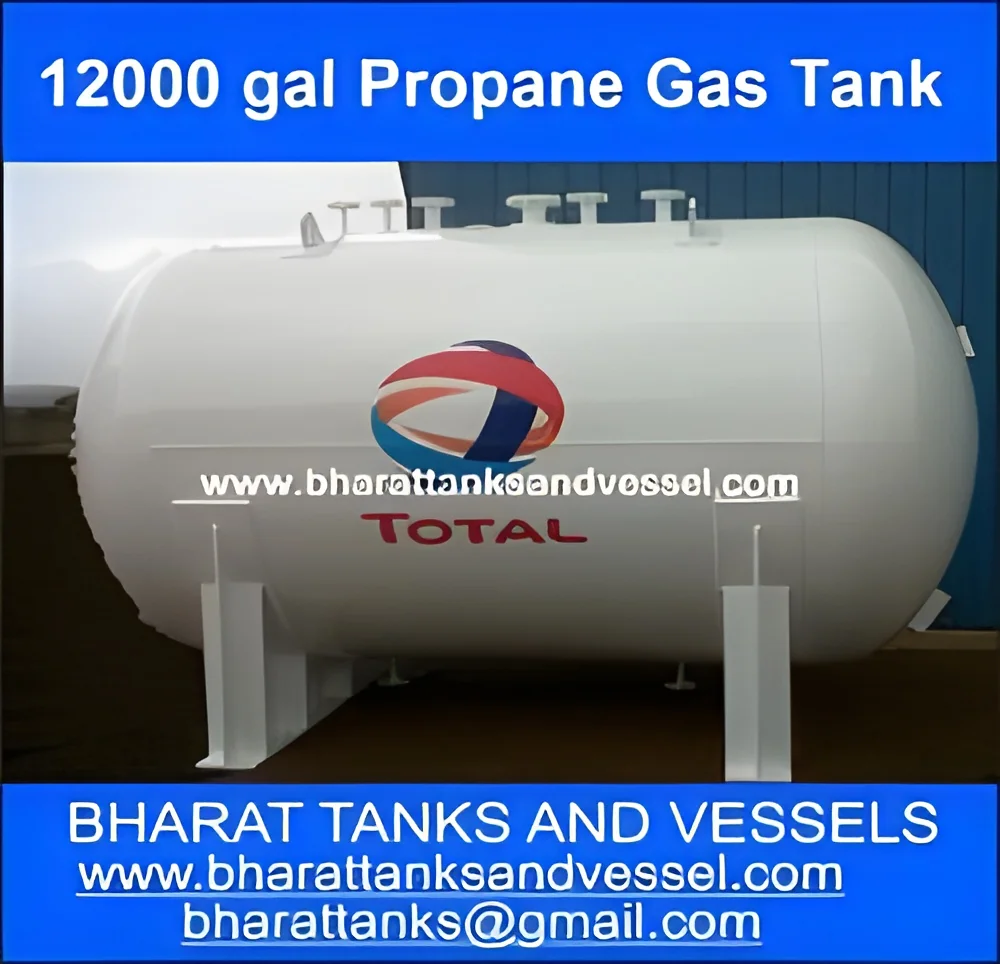
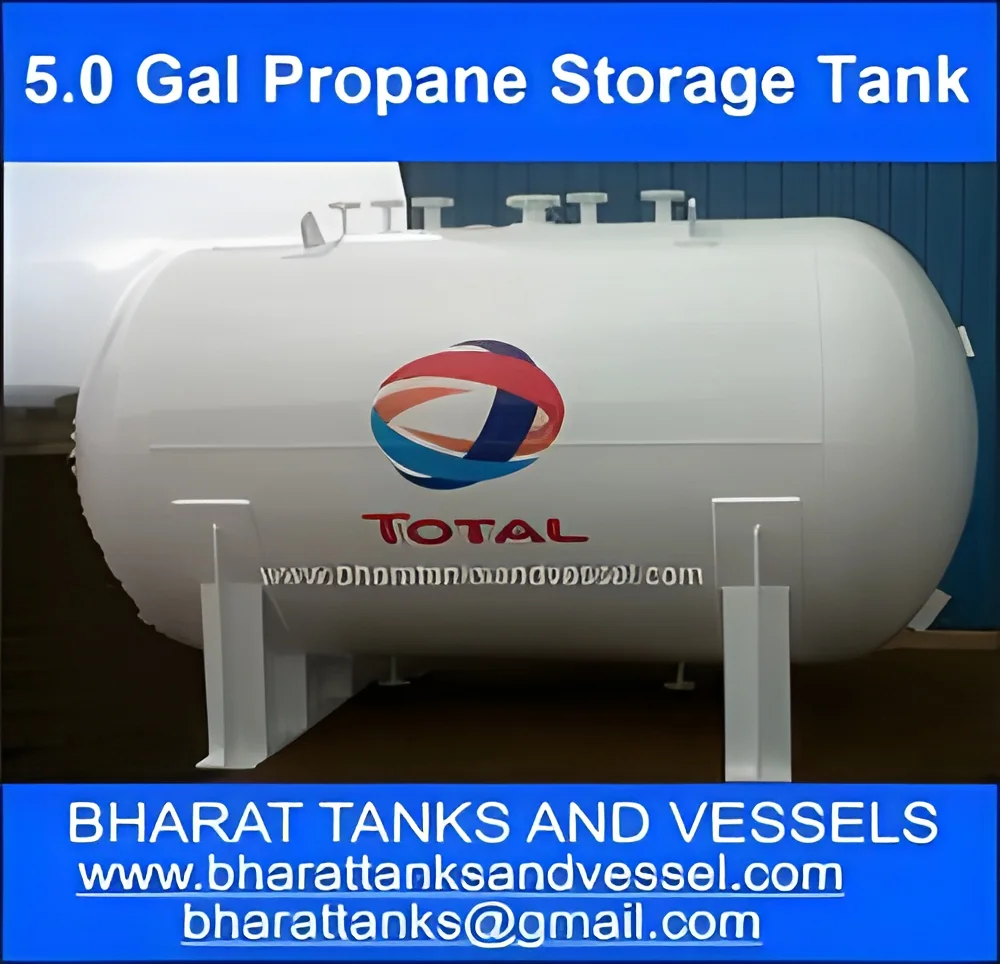
𝗪𝗵𝗮𝘁 𝗮𝗿𝗲 𝗣𝗿𝗼𝗽𝗮𝗻𝗲 𝗚𝗮𝘀?
Propane gas, also known as liquefied petroleum gas (LPG), is a colorless, odorless hydrocarbon that is widely used as an energy source in various applications. It is derived from both natural gas processing and petroleum refining. Propane is stored under pressure in liquid form in tanks and vaporizes when released, making it an efficient fuel source for heating, cooking, and powering equipment.
In the business context, propane gas is utilized in various sectors including agriculture, construction, and manufacturing. It serves as a reliable fuel for heating, powering vehicles, and running machinery. Its versatility and efficiency make it a popular choice among businesses looking for sustainable energy solutions. As industries seek cleaner alternatives to traditional fuels, the demand for propane is increasing, positioning it as a key player in the energy market.
𝗞𝗲𝘆 𝗙𝗲𝗮𝘁𝘂𝗿𝗲𝘀 𝗮𝗻𝗱 𝗦𝗽𝗲𝗰𝗶𝗳𝗶𝗰𝗮𝘁𝗶𝗼𝗻𝘀
Propane gas offers several features that make it suitable for industrial applications. Understanding its specifications is crucial for businesses looking to utilize this energy source effectively.
Key specifications include:
1. Composition
- Propane is primarily composed of propane molecules (C3H8).
- It may contain small amounts of other hydrocarbons.
2. Boiling Point
- The boiling point of propane is -42 degrees Celsius.
- This allows it to vaporize quickly at room temperature.
3. Energy Content
- Propane has a high energy content of approximately 91,500 BTU per gallon.
- This makes it efficient for heating and powering equipment.
4. Storage Conditions
- Propane must be stored in well-ventilated areas.
- It is typically stored in pressurized tanks to maintain its liquid state.
5. Combustion Properties
- Propane burns cleanly with a blue flame.
- It produces minimal carbon emissions compared to other fossil fuels.
6. Flammability Limits
- The flammability range of propane is 2.1% to 9.5% in air.
- This range indicates the concentration of propane needed for combustion.
7. Odorization
- Propane is odorized with ethyl mercaptan for safety purposes.
- This allows for the detection of leaks.
8. Delivery Pressure
- Standard delivery pressure for propane can range from 5 to 10 psi.
- Proper pressure regulation is essential for safe usage.
In summary, propane gas is characterized by its high energy content, clean combustion properties, and specific storage requirements, making it suitable for various industrial applications.
𝗖𝗼𝗺𝗺𝗼𝗻 𝗔𝗽𝗽𝗹𝗶𝗰𝗮𝘁𝗶𝗼𝗻𝘀 𝗮𝗻𝗱 𝗨𝘀𝗲 𝗖𝗮𝘀𝗲𝘀
Propane gas is utilized across a range of industries, showcasing its versatility and effectiveness as an energy source.
1. Agriculture: Propane is used for heating greenhouses, drying crops, and fueling farm equipment. It provides a reliable energy source for various agricultural processes.
2. Construction: Many construction sites utilize propane for heating, powering tools, and running equipment. Its portability and efficiency make it ideal for this environment.
3. Manufacturing: In the manufacturing sector, propane is used as a fuel source for industrial ovens, furnaces, and boilers. It helps in maintaining consistent temperatures for production processes.
4. Hospitality: Restaurants and hotels frequently use propane for cooking and heating. Its efficiency contributes to energy savings in culinary operations.
5. Transportation: Propane is employed as an alternative fuel for vehicles, particularly in fleet operations. It enhances environmental sustainability while reducing fuel costs.
6. Residential Heating: Many homes rely on propane for heating systems, water heaters, and cooking appliances. Its availability makes it a popular choice for residential energy needs.
7. Recreational Vehicles: Propane is commonly used in RVs for heating, cooking, and powering appliances, providing convenience for travelers.
𝗣𝗿𝗼𝗱𝘂𝗰𝘁 𝗩𝗮𝗿𝗶𝗮𝗻𝘁𝘀 𝗮𝗻𝗱 𝗦𝘂𝗯𝗰𝗮𝘁𝗲𝗴𝗼𝗿𝗶𝗲𝘀
While there are no specific subcategories of propane gas, it is important to recognize the varied applications that propane can support.
Propane for Industrial Use
This variant is tailored for industrial applications, providing high energy output for powering machinery and equipment. It is formulated to meet the rigorous demands of manufacturing and construction.
Propane for Residential Use
Designed for home heating and cooking, this variant offers a reliable and efficient energy source for everyday household needs. It is widely used in rural areas where natural gas is not accessible.
𝗕𝗲𝗻𝗲𝗳𝗶𝘁𝘀 𝗮𝗻𝗱 𝗔𝗱𝘃𝗮𝗻𝘁𝗮𝗴𝗲𝘀
Propane gas offers several advantages that make it a preferred energy source across industries.
1. High Efficiency: Propane provides a high energy output, making it efficient for heating and powering equipment. This efficiency translates to lower consumption and cost savings.
2. Clean Burning: Propane burns more cleanly than other fossil fuels, resulting in lower emissions. This makes it an environmentally friendly choice for businesses aiming to reduce their carbon footprint.
3. Versatility: Propane can be used for various applications, from heating to fuel for vehicles. Its versatility allows businesses to streamline their energy sources.
4. Cost-Effective: Propane is often less expensive than electricity or other fuels, providing a cost-effective solution for businesses and homeowners alike.
5. Easy Storage: Propane is easily stored in portable tanks, allowing for flexibility in usage across different locations.
6. Safety: With its odorization and well-established safety protocols, propane can be handled safely, minimizing risks associated with fuel usage.
𝗕𝘂𝘆𝗶𝗻𝗴 𝗚𝘂𝗶𝗱𝗲 𝗳𝗼𝗿 𝗕𝟮𝗕 𝗕𝘂𝘆𝗲𝗿𝘀
When sourcing propane gas, businesses should consider several key factors to ensure they make informed decisions.
1. Quality Assessment: Assess the quality of propane by reviewing supplier certifications and product samples. High-quality propane should meet industry standards for purity and performance.
2. Supplier Verification: Vet potential suppliers to ensure reliability and reputation. Look for suppliers with a track record of on-time delivery and consistent product quality.
3. Pricing and MOQ: Understand pricing structures and minimum order quantities (MOQ) to ensure alignment with your budget and usage needs. This will help in negotiating favorable terms.
4. Delivery and Lead Times: Consider logistics when selecting a supplier. Delivery times and lead times can impact operations, so choose a supplier that can meet your schedule.
5. Compliance Requirements: Ensure that the propane you source meets all regulatory and safety standards. This includes checking for certifications and adherence to regional regulations.
𝗖𝗼𝗺𝗽𝗹𝗶𝗮𝗻𝗰𝗲 𝗮𝗻𝗱 𝗖𝗲𝗿𝘁𝗶𝗳𝗶𝗰𝗮𝘁𝗶𝗼𝗻𝘀
Compliance and certifications are essential aspects of sourcing propane gas. Industry standards such as ISO 9001 ensure that suppliers maintain quality management systems. Additionally, certifications like CE demonstrate compliance with European safety standards.
Safety and testing requirements are critical in ensuring that propane gas is handled and stored safely. Regular testing for purity and performance helps maintain the quality of the product.
Regional compliance considerations vary, and businesses must be aware of local regulations governing the use and distribution of propane gas. This ensures that all operations are conducted legally and safely.
𝗪𝗵𝘆 𝗦𝗼𝘂𝗿𝗰𝗲 𝗣𝗿𝗼𝗽𝗮𝗻𝗲 𝗚𝗮𝘀 𝗳𝗿𝗼𝗺 𝗣𝗲𝗽𝗮𝗴𝗼𝗿𝗮?
Pepagora provides a trusted platform for sourcing propane gas, offering several key advantages to businesses.
Verified Supplier Network: Pepagora connects buyers with a network of verified suppliers, ensuring that you find reliable sources for high-quality propane gas. This verification process helps mitigate risks associated with sourcing from untested suppliers.
Streamlined RFQ Process: The platform simplifies the request for quotation (RFQ) process, allowing businesses to easily compare prices and terms from multiple suppliers. This efficiency saves time and resources.
Trade Assurance and Support: Pepagora offers trade assurance to protect buyers throughout the purchasing process. This support includes assistance with negotiations and dispute resolution, ensuring a smooth transaction.
Regional Coverage: With a strong presence in India, the GCC, and Southeast Asia, Pepagora can facilitate propane gas sourcing across these regions. This geographic reach allows businesses to access a diverse range of suppliers and competitive pricing.
Through these advantages, Pepagora stands out as a reliable partner for businesses seeking to source propane gas effectively and efficiently.

 IN
IN