IN
INundefined
Private Label Nutrition Foods
0 products available
𝗪𝗵𝗮𝘁 𝗮𝗿𝗲 𝗣𝗿𝗶𝘃𝗮𝘁𝗲 𝗟𝗮𝗯𝗲𝗹 𝗡𝘂𝘁𝗿𝗶𝘁𝗶𝗼𝗻 𝗙𝗼𝗼𝗱𝘀?
Private label nutrition foods refer to products that are manufactured by one company but are sold under another company's brand name. This arrangement allows businesses to offer tailored nutrition solutions without investing heavily in production facilities. Private label products can include a wide range of items such as protein powders, meal replacements, snacks, and supplements, all designed to meet specific dietary needs and preferences.
These products are primarily used by retailers, wholesalers, and online marketplaces looking to expand their product offerings. By opting for private label nutrition foods, businesses can enhance their brand's identity while providing customers with quality nutrition options. This strategy not only helps in capturing market share but also in building customer loyalty through exclusive product lines. The private label market has been growing steadily as consumers increasingly seek personalized nutrition products that align with their health and wellness goals.
The relevance of private label nutrition foods in the current market context cannot be overstated. With an increasing focus on health and wellness, these products cater to diverse consumer demands, from vegan and gluten-free options to high-protein and low-carb solutions. The rise of e-commerce also fuels this growth, as online retailers can easily showcase their private label offerings to a broader audience.
𝗞𝗲𝘆 𝗙𝗲𝗮𝘁𝘂𝗿𝗲𝘀 𝗮𝗻𝗱 𝗦𝗽𝗲𝗰𝗶𝗳𝗶𝗰𝗮𝘁𝗶𝗼𝗻𝘀
Private label nutrition foods come with several key features that make them attractive to businesses. Understanding these specifications is vital for making informed purchasing decisions.
Key specifications include:
1. Custom Formulations
- Tailored to meet specific dietary needs.
- Includes options for vegan, gluten-free, and allergen-free products.
2. Quality Ingredients
- Use of high-quality, natural ingredients.
- Sourced from reputable suppliers to ensure safety and efficacy.
3. Packaging Options
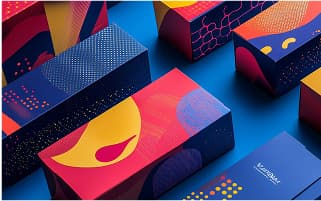
- Variety of packaging styles including pouches, tubs, and single-serving packets.
- Custom branding options available for businesses.
4. Nutritional Profiles
- Detailed nutritional information provided for each product.
- Compliance with dietary guidelines and regulations.
5. Shelf Life
- Extended shelf life to ensure product freshness.
- Typically ranges from 12 to 36 months depending on the product.
6. Compliance with Regulations
- Adherence to food safety and labeling laws.
- Certification options available, such as CE certification.
7. Minimum Order Quantities (MOQ)
- Flexible MOQ to accommodate different business sizes.
- Often ranges from 100 to 500 units based on product type.
8. Pricing Structures
- Competitive pricing models to suit various budget needs.
- Discounts available for bulk orders.
Private label nutrition foods offer a versatile and customizable solution for businesses looking to expand their offerings. The wide range of specifications allows for flexibility in meeting diverse market demands.
𝗖𝗼𝗺𝗺𝗼𝗻 𝗔𝗽𝗽𝗹𝗶𝗰𝗮𝘁𝗶𝗼𝗻𝘀 𝗮𝗻𝗱 𝗨𝘀𝗲 𝗖𝗮𝘀𝗲𝘀
Private label nutrition foods have diverse applications across various industries. Their adaptability makes them suitable for a range of uses.
1. Retail: Supermarkets and health food stores can stock private label nutrition foods to attract health-conscious consumers looking for high-quality options.
2. Fitness Centers: Gyms and fitness studios often use these products to provide members with nutrition solutions that complement their training programs.
3. E-commerce: Online retailers can leverage private label nutrition foods to create exclusive product lines that enhance their brand presence and customer loyalty.
4. Meal Delivery Services: Companies offering meal kits can include private label nutrition foods to provide balanced, convenient meal options.
5. Corporate Wellness Programs: Businesses can incorporate these products into employee wellness initiatives, promoting healthier lifestyles among staff.
6. Nutritional Supplements: Health practitioners and nutritionists can recommend private label products to clients seeking specific dietary goals.
7. Specialty Diets: Restaurants and cafes focusing on vegan, paleo, or keto diets can use private label nutrition foods to diversify their menus.
𝗣𝗿𝗼𝗱𝘂𝗰𝘁 𝗩𝗮𝗿𝗶𝗮𝗻𝘁𝘀 𝗮𝗻𝗱 𝗦𝘂𝗯𝗰𝗮𝘁𝗲𝗴𝗼𝗿𝗶𝗲𝘀
Private label nutrition foods encompass a wide range of variants to meet different consumer preferences and dietary needs.
Protein Powders
These are popular among fitness enthusiasts and athletes. Protein powders come in various formulations such as whey, casein, soy, and pea protein. They can be flavored or unflavored and are used for muscle recovery and meal supplementation.
Meal Replacement Bars
These convenient snacks are designed to offer balanced nutrition in a portable format. They typically contain a mix of protein, carbohydrates, and healthy fats, catering to busy consumers who need quick meal options.
Snacks
Private label snacks include options like protein chips, nut mixes, and energy bites. These products are crafted to provide a nutritious alternative to traditional snacks, appealing to health-conscious consumers.
Supplements
Private label vitamins and minerals allow brands to offer essential nutrients tailored to specific health needs. These can include multivitamins, omega-3 oils, and herbal supplements to support overall wellness.
𝗕𝗲𝗻𝗲𝗳𝗶𝘁𝘀 𝗮𝗻𝗱 𝗔𝗱𝘃𝗮𝗻𝘁𝗮𝗴𝗲𝘀
Sourcing private label nutrition foods offers numerous advantages for businesses.
Key benefits include:
1. Brand Customization: Private label products allow businesses to create unique offerings that reflect their brand identity.
2. Cost-Effective Solutions: Investing in private label nutrition foods can be more economical than developing proprietary products from scratch.
3. Customer Loyalty: Exclusive products can help build a loyal customer base, as consumers are drawn to unique offerings that meet their needs.
4. Flexibility: Businesses can quickly adapt their product lines to meet changing consumer preferences and market trends.
5. Quality Control: Companies can work closely with manufacturers to ensure high-quality standards and compliance with regulations.
6. Competitive Edge: Offering private label nutrition foods can distinguish businesses from competitors in a crowded market.
𝗕𝘂𝘆𝗶𝗻𝗴 𝗚𝘂𝗶𝗱𝗲 𝗳𝗼𝗿 𝗕𝟮𝗕 𝗕𝘂𝘆𝗲𝗿𝘀
When sourcing private label nutrition foods, several factors should be considered to ensure a successful purchasing experience.
1. Quality Assessment: Evaluate the quality of ingredients and manufacturing processes to ensure product safety and efficacy. Look for certifications that validate quality standards.
2. Supplier Verification: Vet potential suppliers thoroughly. Check their reputation, customer reviews, and compliance with industry regulations.
3. Pricing and MOQ: Assess pricing structures and minimum order quantities. Ensure they align with your budget and operational needs.
4. Delivery and Lead Times: Discuss logistics with suppliers, including delivery timelines and shipping options. Timely delivery is crucial for maintaining inventory levels.
5. Compliance Requirements: Understand regulatory needs related to nutrition labeling, safety standards, and certifications to avoid legal issues.
𝗖𝗼𝗺𝗽𝗹𝗶𝗮𝗻𝗰𝗲 𝗮𝗻𝗱 𝗖𝗲𝗿𝘁𝗶𝗳𝗶𝗰𝗮𝘁𝗶𝗼𝗻𝘀
Private label nutrition foods must adhere to various compliance standards to ensure safety and quality.
Relevant quality standards include ISO 9001, which focuses on quality management systems, and HACCP (Hazard Analysis Critical Control Point), which emphasizes food safety. These standards help in maintaining high production quality and minimizing risks.
Industry certifications such as CE are essential for products sold within certain markets, indicating conformity with health, safety, and environmental protection standards.
Safety and testing requirements should also be met to ensure products are free from contaminants and safe for consumer consumption. Regular testing for allergens and other harmful substances is critical.
Regional compliance considerations may vary depending on the target market. Businesses should be aware of local regulations that govern food products to ensure compliance and avoid penalties.
𝗪𝗵𝘆 𝗦𝗼𝘂𝗿𝗰𝗲 𝗣𝗿𝗶𝘃𝗮𝘁𝗲 𝗟𝗮𝗯𝗲𝗹 𝗡𝘂𝘁𝗿𝗶𝘁𝗶𝗼𝗻 𝗙𝗼𝗼𝗱𝘀 𝗳𝗿𝗼𝗺 𝗣𝗲𝗽𝗮𝗴𝗼𝗿𝗮?
Pepagora provides an exceptional platform for sourcing private label nutrition foods, offering several key advantages that benefit B2B buyers.
Verified Supplier Network: Pepagora connects businesses with a network of verified suppliers. This ensures that buyers can trust the quality and reliability of the products they purchase.
Streamlined RFQ Process: The platform features a streamlined request for quotation (RFQ) process, making it easy for buyers to request pricing and product details from multiple suppliers efficiently.
Trade Assurance and Support: Pepagora offers trade assurance, providing buyers with protection and support throughout the purchasing process. This adds an extra layer of security when sourcing products.
Regional Coverage: With a strong presence in regions such as India, the Gulf Cooperation Council (GCC), and Southeast Asia, Pepagora can facilitate connections between buyers and suppliers across various geographic areas, ensuring a broader selection of private label nutrition foods.
In conclusion, sourcing private label nutrition foods through Pepagora can lead to a successful partnership, offering quality products, dependable suppliers, and comprehensive support.
Newly Added
Currently, no products are listed. Explore other categories listed below or post your buying request
Explore Verified Categories
Browse trusted industries powered by verified suppliers.
Recently Added













Why Businesses Trust Pepagora
Thousands of companies trust Pepagora to source smarter and sell faster
Expand Your Sales Globally
25000+Products listed.Get discovered by global buyers
Tools to boost visibility
Build your own catalog

Source Smarter,Grow Faster
4000+Active RFQs
100+ Countries served
Easy Sourcing Tools