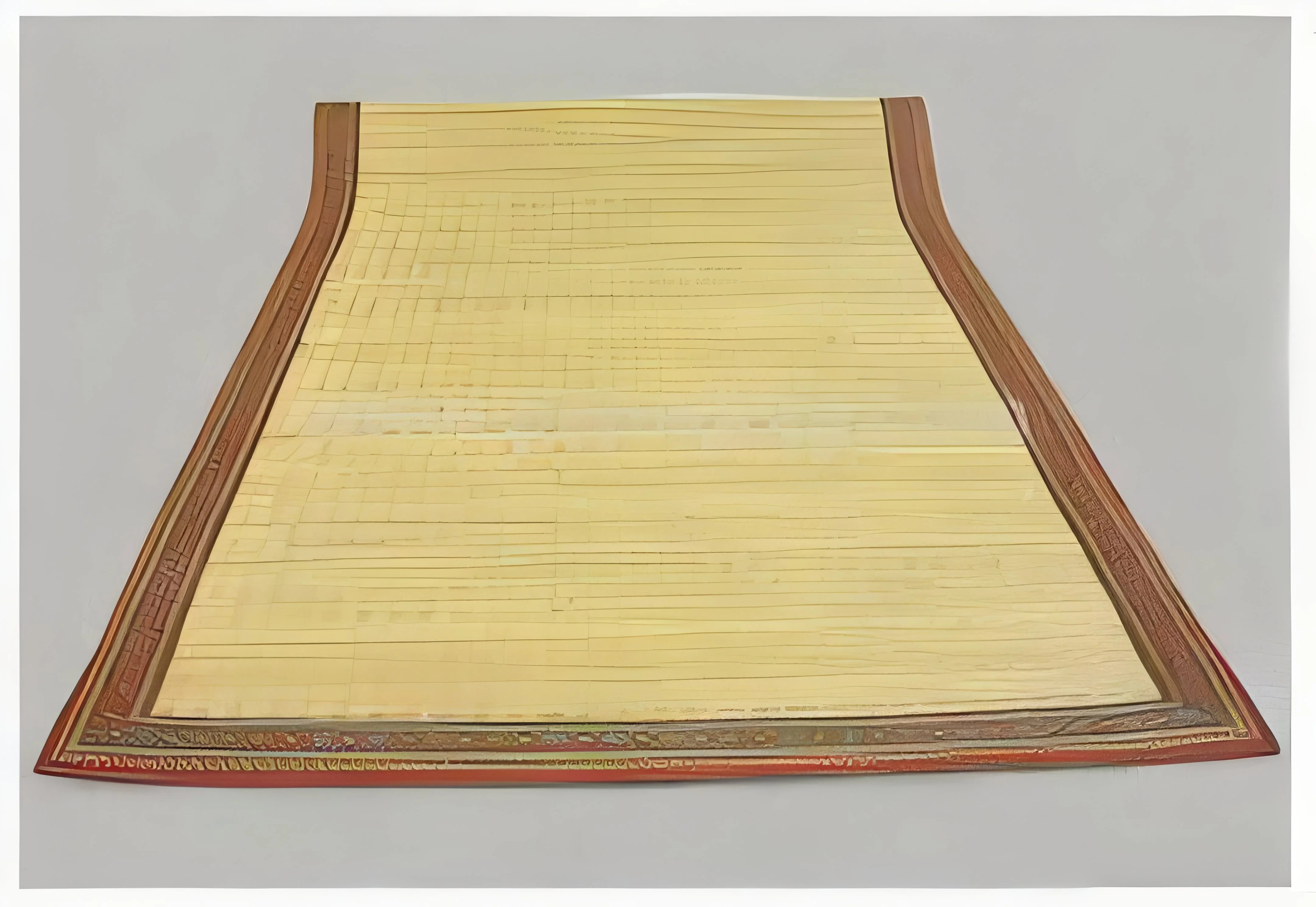
What are Printed Floor Mats?
Printed floor mats are specialized matting solutions designed to enhance both functionality and aesthetics in various commercial and industrial settings. These mats can feature custom designs, branding, and messages, making them an effective tool for promoting a business or ensuring safety. They are typically made from durable materials that can withstand heavy foot traffic and are often treated to be resistant to wear and tear, moisture, and stains.
The primary uses of printed floor mats include branding, advertising, and safety. Businesses utilize them in entryways, lobbies, and high-traffic areas to create a welcoming atmosphere while simultaneously ensuring cleanliness. Additionally, they serve practical purposes, such as reducing slips and falls by providing traction. In an increasingly competitive market, printed floor mats offer businesses the opportunity to make a lasting impression on customers while promoting their brand identity.
Industries such as retail, hospitality, healthcare, and manufacturing have recognized the value of printed floor mats. As companies seek to enhance their customer experience and workplace safety, the demand for these products continues to grow. This market context highlights the relevance of printed floor mats in various business applications, making them a valuable investment for many organizations.
Key Features and Specifications
Printed floor mats come with a range of features and specifications that make them suitable for various applications. These specifications ensure that the mats meet quality and performance standards essential for different environments.
Key specifications include:
1. Material Composition
- Most printed floor mats are made from high-quality materials like rubber, vinyl, and nylon.
- These materials provide durability and resistance to wear and fading.
2. Customization Options
- Businesses can choose from various design options, including logos, colors, and graphics.
- Customization enhances brand visibility and personalization.
3. Size Variability
- Printed floor mats are available in multiple sizes to fit different spaces.
- Common dimensions include standard sizes like 2x3 feet, 3x5 feet, and custom dimensions.
4. Safety Features
- Many mats are designed with slip-resistant backing to improve safety.
- They may also include features like anti-microbial treatments.
5. Maintenance Requirements
- Most printed floor mats are easy to clean and maintain.
- They can often be machine-washed or cleaned with standard cleaning solutions.
6. Weight and Thickness
- Mats typically vary in weight and thickness, which can affect stability and comfort.
- Standard thickness ranges from 1/4 inch to 1/2 inch.
7. Environmental Considerations
- Some mats are made from eco-friendly materials and are recyclable.
- This can be an important factor for environmentally conscious businesses.
8. Warranty and Lifespan
- Many manufacturers offer warranties that reflect the expected lifespan of the mats.
- Typical lifespans range from 1 to 5 years depending on usage and material.
In summary, printed floor mats are versatile products with a variety of features that make them suitable for numerous business applications. Understanding these specifications can help buyers make informed decisions tailored to their specific needs.
Common Applications and Use Cases
Printed floor mats serve various industries, providing unique solutions for specific requirements.
1. Retail: Retailers use printed floor mats at entry points to greet customers and promote sales or special offers. They enhance the shopping experience while keeping floors clean.
2. Hospitality: Hotels and restaurants utilize printed mats in lobbies and dining areas to create a welcoming atmosphere. Customized designs can reflect the brand and ambiance.
3. Healthcare: Hospitals and clinics use printed floor mats to convey important safety messages and maintain hygiene. They can feature signage for hand sanitizing stations or directional arrows.
4. Manufacturing: In industrial settings, printed mats can indicate safety zones and instructions, helping to prevent accidents. Their durability suits high-traffic and heavy equipment environments.
5. Education: Schools and universities employ printed mats in hallways and classrooms to promote events or school spirit. They can also serve as reminders for safety protocols.
6. Trade Shows: Businesses attending trade shows often use printed floor mats to attract attention to their booths. Custom designs can help create a memorable presence.
7. Office Spaces: Corporations may use printed mats to reinforce company branding in reception areas or conference rooms. They can also provide comfort and safety in high-traffic areas.
Product Variants and Subcategories
Printed floor mats come in various types to accommodate different needs and settings. Each variant offers unique features and applications.
Indoor Printed Floor Mats
These mats are designed for use in indoor environments such as offices and retail spaces. They often feature vibrant colors and graphics to enhance branding and aesthetics.
Outdoor Printed Floor Mats
Outdoor variants are made from weather-resistant materials, suitable for entryways and outdoor events. They are designed to withstand the elements while maintaining visibility and safety.
Logo Mats
Logo mats are specifically designed to showcase a company's logo or branding. They are commonly used in commercial spaces to reinforce brand identity and create a professional appearance.
Safety Mats
Safety mats emphasize traction and slip resistance. They are ideal for industrial settings where safety is a priority, helping reduce accidents and injuries.
Eco-Friendly Mats
These mats are made from sustainable materials, appealing to environmentally conscious businesses. They offer the same benefits as traditional mats while minimizing environmental impact.
Benefits and Advantages
Investing in printed floor mats offers several benefits for businesses looking to enhance their environment and branding.
1. Brand Promotion: Printed mats serve as a constant reminder of your brand, promoting visibility in high-traffic areas.
2. Safety Enhancement: Many mats feature slip-resistant surfaces, reducing the risk of accidents and ensuring a safer environment for employees and customers.
3. Aesthetic Appeal: Custom designs can enhance the visual appeal of a space, creating a welcoming atmosphere that reflects the company's values.
4. Hygiene Maintenance: Printed floor mats help trap dirt and moisture, contributing to a cleaner environment and improved hygiene standards.
5. Cost-Effectiveness: Durable materials and easy maintenance lead to lower replacement costs over time, making printed floor mats a wise investment.
6. Customization Flexibility: Businesses can tailor designs to match their branding, ensuring that mats serve both functional and promotional purposes.
Buying Guide for B2B Buyers
When sourcing printed floor mats, it is essential for B2B buyers to consider several factors to ensure they make informed decisions.
1. Quality Assessment: Buyers should evaluate the material quality and durability of the mats. Consider factors like wear resistance and ease of cleaning to ensure longevity.
2. Supplier Verification: It is crucial to vet suppliers for reliability and reputation. Look for reviews and testimonials from previous clients to gauge their service quality.
3. Pricing and MOQ: Understanding the pricing structure and minimum order quantities (MOQ) is vital for budgeting. Compare prices among suppliers while considering quality differences.
4. Delivery and Lead Times: Buyers should inquire about delivery schedules and lead times to ensure timely availability of mats for their needs.
5. Compliance Requirements: It is important to verify that the mats meet any relevant regulatory standards or industry-specific requirements to ensure safety and quality.
Compliance and Certifications
Printed floor mats must meet several quality standards and certifications to ensure their suitability for various applications. Relevant standards include ISO 9001, which focuses on quality management systems that enhance product consistency and customer satisfaction.
Additionally, certain mats may carry certifications such as CE, indicating compliance with European safety standards. These certifications assure buyers of the product's safety and performance capabilities.
Safety and testing requirements are also critical when sourcing printed floor mats. Manufacturers should provide documentation demonstrating compliance with relevant safety regulations, especially in environments where slips and falls are a concern.
Regional compliance considerations may vary, so buyers should ensure that the mats meet local regulations based on their geographic location. This can include environmental regulations related to materials used in manufacturing.
Why Source Printed Floor Mats from Pepagora?
Pepagora provides a trusted platform for sourcing printed floor mats with numerous advantages for B2B buyers.
With a verified supplier network, Pepagora ensures that buyers have access to reputable manufacturers, reducing the risk associated with sourcing products. This verification process helps businesses find reliable suppliers who meet quality and safety standards.
The streamlined RFQ process simplifies the quotation system, allowing buyers to receive multiple quotes from different suppliers quickly. This efficiency enables businesses to compare options and make informed purchasing decisions.
Trade assurance and support are key features offered by Pepagora. Buyers can feel secure knowing that their transactions are protected, adding an extra layer of confidence when sourcing printed floor mats.
Finally, Pepagora's regional coverage extends to India, the GCC, and Southeast Asia, making it easier for businesses in these regions to access high-quality printed floor mats tailored to their specific needs. This geographic reach ensures that buyers can find suitable products without the complexities of international sourcing.

 IN
IN