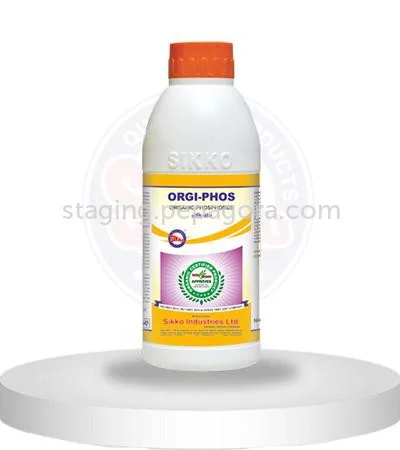
What are Phosphate Solubilizing Bacteria (PSB)?
Phosphate Solubilizing Bacteria (PSB) are a group of beneficial microorganisms that play a crucial role in the solubilization of phosphate in the soil. These bacteria convert insoluble forms of phosphate, which are not readily accessible to plants, into soluble forms that can be easily absorbed by plant roots. This process enhances the availability of phosphorus, an essential nutrient for plant growth, thus promoting better agricultural yields.
PSB are primarily utilized in agriculture to improve soil fertility and crop productivity. They are often incorporated into biofertilizers, which can be applied directly to crops or soil. By increasing the availability of phosphorus, PSB help in sustaining healthy plant growth and improving overall soil quality. The rising demand for sustainable agricultural practices and organic farming has led to a growing market for PSB, making them increasingly relevant in the agricultural sector.
The global market for Phosphate Solubilizing Bacteria is expanding as more agricultural businesses seek environmentally friendly solutions. With the need for improved crop yields and sustainable farming practices, PSB are becoming essential in various agricultural applications. Their use aligns with the industry's shift towards biological inputs, reducing reliance on chemical fertilizers and contributing to a more sustainable future.
𝗞𝗲𝘆 𝗙𝗲𝗮𝘁𝘂𝗿𝗲𝘀 𝗮𝗻𝗱 𝗦𝗽𝗲𝗰𝗶𝗳𝗶𝗰𝗮𝘁𝗶𝗼𝗻𝘀
Phosphate Solubilizing Bacteria (PSB) come with several key features that make them effective as biofertilizers. Their ability to solubilize phosphate is the primary characteristic that distinguishes them from other microbial products. The specifications of PSB vary based on their strains and intended applications.
Key specifications include:
1. Solubilization Efficiency
- Ability to convert insoluble phosphate to soluble forms
- Measured by the amount of phosphate solubilized in a given time frame
2. Growth Temperature Range
- Optimal growth conditions for PSB
- Typically range from 25 to 35 degrees Celsius
3. pH Tolerance
- Range of pH levels in which PSB can effectively operate
- Generally between 5.5 and 8.0
4. Shelf Life
- Duration for which PSB remain viable
- Typically ranges from 6 months to 2 years under proper storage conditions
5. Application Method
- Various application techniques such as soil drenching or seed treatment
- Adaptable to different agricultural practices
6. Compatibility with Other Inputs
- Ability to be used alongside other fertilizers and pesticides
- Ensures no adverse interactions occur
7. Concentration of Active Cells
- Measure of the number of viable PSB cells per unit volume
- Generally ranges from 10^6 to 10^8 cells per milliliter
8. Strain Diversity
- Availability of different strains for specific soil and crop types
- Allows for targeted application based on regional needs
In summary, Phosphate Solubilizing Bacteria possess unique features that enhance their effectiveness as biofertilizers, contributing significantly to agricultural productivity.
𝗖𝗼𝗺𝗺𝗼𝗻 𝗔𝗽𝗽𝗹𝗶𝗰𝗮𝘁𝗶𝗼𝗻𝘀 𝗮𝗻𝗱 𝗨𝘀𝗲 𝗖𝗮𝘀𝗲𝘀
Phosphate Solubilizing Bacteria (PSB) are utilized across various sectors and applications due to their beneficial properties. They are especially relevant in sustainable agriculture.
1. Agriculture: PSB are widely applied in crop production to enhance phosphorus availability in the soil, improving plant health and yield.
2. Horticulture: In nurseries and greenhouses, PSB are used to promote the growth of ornamental plants and vegetables by improving nutrient uptake.
3. Organic Farming: PSB play a vital role in organic farming systems by reducing the need for chemical fertilizers and promoting soil health.
4. Soil Restoration: PSB are employed in soil remediation efforts to rehabilitate degraded lands and restore their fertility.
5. Landscaping: In landscaping projects, PSB are used to ensure healthy plant growth and establishment by enhancing soil nutrient profiles.
6. Turf Management: PSB contribute to the health of turf in sports fields and golf courses by improving nutrient availability.
7. Aquaculture: PSB are also gaining attention in aquaculture for their potential to enhance water quality and improve feed efficiency.
𝗣𝗿𝗼𝗱𝘂𝗰𝘁 𝗩𝗮𝗿𝗶𝗮𝗻𝘁𝘀 𝗮𝗻𝗱 𝗦𝘂𝗯𝗰𝗮𝘁𝗲𝗴𝗼𝗿𝗶𝗲𝘀
Phosphate Solubilizing Bacteria (PSB) come in various formulations and variants tailored to different agricultural needs. Each variant offers unique features suitable for specific applications.
Biofertilizer Blend
This variant combines PSB with other beneficial microbes to enhance soil fertility and promote plant growth. It is ideal for general agricultural use.
Liquid Formulation
This variant is designed for easy application through irrigation systems. It allows for efficient distribution and quick uptake by plants.
Granular Formulation
This formulation provides a slow-release option suitable for long-term applications. It is beneficial for sustaining nutrient availability over an extended period.
Powdered Formulation
This variant is concentrated and can be mixed with water or other fertilizers for application. It is adaptable for various farming practices.
𝗕𝗲𝗻𝗲𝗳𝗶𝘁𝘀 𝗮𝗻𝗱 𝗔𝗱𝘃𝗮𝗻𝘁𝗮𝗴𝗲𝘀
Phosphate Solubilizing Bacteria (PSB) offer several benefits that make them a valuable addition to agricultural practices.
Key benefits include:
1. Increased Nutrient Availability: PSB enhance phosphorus solubility, making it more accessible to plants, thus improving growth and yield.
2. Sustainable Farming: The use of PSB reduces reliance on chemical fertilizers, promoting eco-friendly farming practices.
3. Soil Health Improvement: PSB contribute to better soil structure and fertility, leading to long-term agricultural sustainability.
4. Enhanced Crop Quality: By improving nutrient uptake, PSB can lead to healthier crops with higher nutritional value.
5. Cost-Effective Solutions: Utilizing PSB can reduce fertilizer costs, making them a cost-effective option for farmers.
6. Increased Biological Diversity: The introduction of PSB promotes a diverse microbial ecosystem in the soil, which is beneficial for overall soil health.
𝗕𝘂𝘆𝗶𝗻𝗴 𝗚𝘂𝗶𝗱𝗲 𝗳𝗼𝗿 𝗕𝟮𝗕 𝗕𝘂𝘆𝗲𝗿𝘀
When sourcing Phosphate Solubilizing Bacteria (PSB), B2B buyers should consider several important factors to ensure they make informed decisions.
1. Quality Assessment: It is essential to evaluate the quality of PSB by checking for viable cell counts and effectiveness in phosphate solubilization. Look for products that provide clear specifications and lab results.
2. Supplier Verification: Vetting suppliers is crucial. Buyers should seek suppliers that have a proven track record, industry certifications, and positive customer feedback.
3. Pricing and MOQ: Understanding the pricing structure and minimum order quantities (MOQ) is vital. Buyers should compare prices from multiple suppliers to ensure they receive competitive offers.
4. Delivery and Lead Times: Buyers need to inquire about delivery schedules and lead times to ensure timely availability of products for their operations.
5. Compliance Requirements: Ensure that the PSB products comply with relevant agricultural regulations and standards. This may include certifications for organic use or other local regulations.
𝗖𝗼𝗺𝗽𝗹𝗶𝗮𝗻𝗰𝗲 𝗮𝗻𝗱 𝗖𝗲𝗿𝘁𝗶𝗳𝗶𝗰𝗮𝘁𝗶𝗼𝗻𝘀
Phosphate Solubilizing Bacteria (PSB) are subject to various compliance standards and certifications that ensure product quality and safety.
Relevant quality standards include ISO 9001, which outlines requirements for quality management systems, ensuring consistent quality in production. Additionally, HACCP and GDP principles may apply to maintain safety and efficacy throughout the production and distribution processes.
Industry certifications, such as CE marking, indicate compliance with European health, safety, and environmental protection standards. This certification helps buyers ensure that the products meet necessary regulatory requirements.
Safety and testing requirements are paramount for PSB, particularly in agricultural applications. Regular testing for microbial viability and effectiveness is crucial to maintain product integrity.
Regional compliance considerations may vary based on local agricultural regulations. Buyers should be aware of specific requirements in their region to ensure compliance and safe use of PSB.
Why Source Phosphate Solubilizing Bacteria (PSB) from Pepagora?
Pepagora offers a reliable platform for sourcing Phosphate Solubilizing Bacteria (PSB) with distinct advantages for B2B buyers.
Verified Supplier Network: Pepagora connects buyers with a network of verified suppliers, ensuring that all products meet stringent quality standards. This network helps businesses source PSB from reputable manufacturers.
Streamlined RFQ Process: The request for quotation (RFQ) process on Pepagora is designed to be efficient. Buyers can easily submit their requirements and receive competitive quotes from multiple suppliers, simplifying the decision-making process.
Trade Assurance and Support: Pepagora provides trade assurance, offering protection for buyers throughout the purchasing process. This includes support for any disputes that may arise, ensuring a secure transaction.
Regional Coverage: With a broad geographic reach across India, the GCC, and Southeast Asia, Pepagora is well-positioned to serve diverse markets. This regional coverage allows buyers to access PSB tailored to their specific agricultural needs, enhancing their operations.

 IN
IN