๐ช๐ต๐ฎ๐ ๐ฎ๐ฟ๐ฒ ๐ฃ๐ฒ๐ฟ๐๐ผ๐ป๐ฎ๐น ๐ช๐ฒ๐ถ๐ด๐ต๐ถ๐ป๐ด ๐ฆ๐ฐ๐ฎ๐น๐ฒ๐?
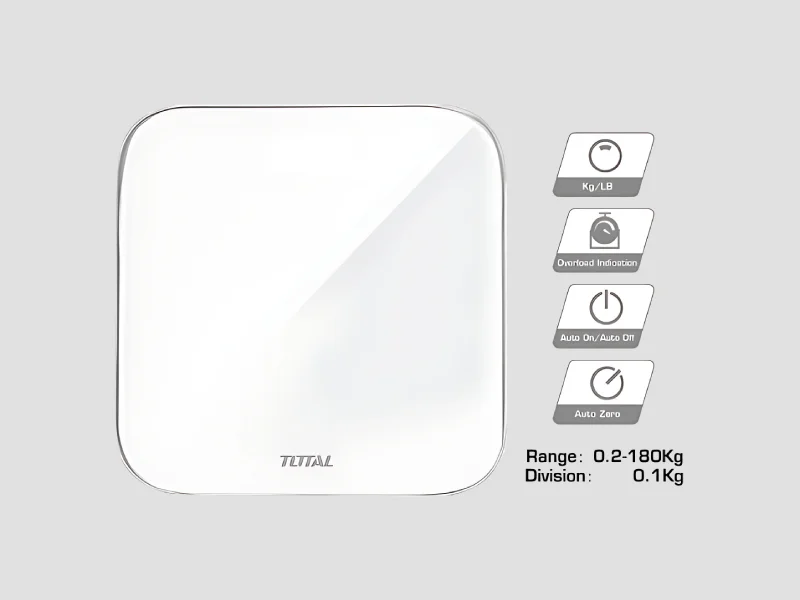
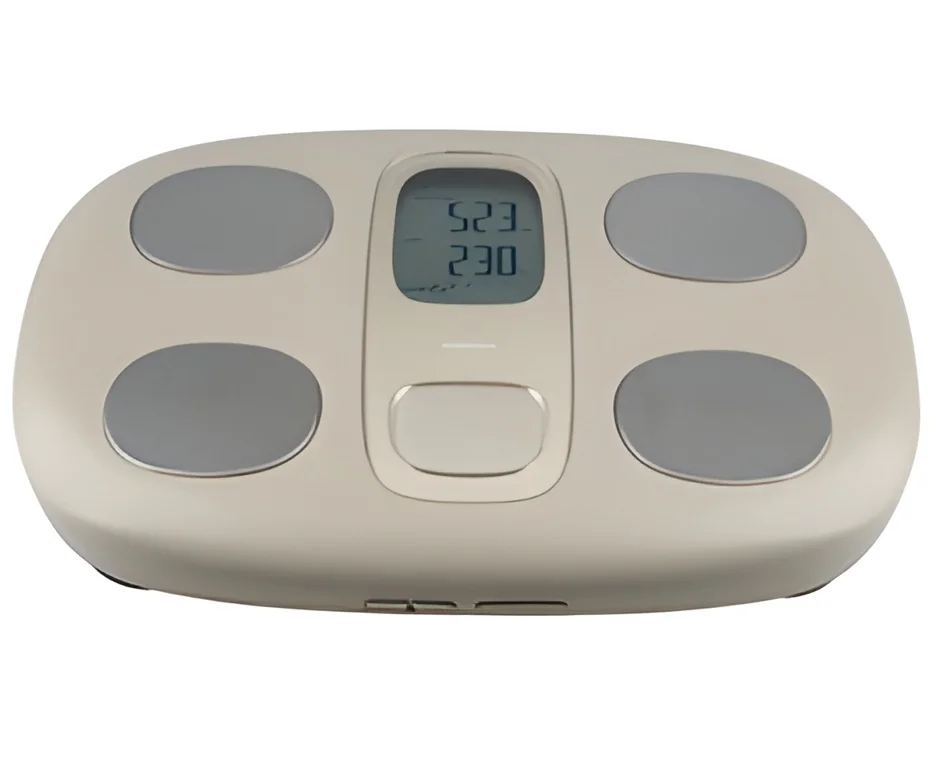
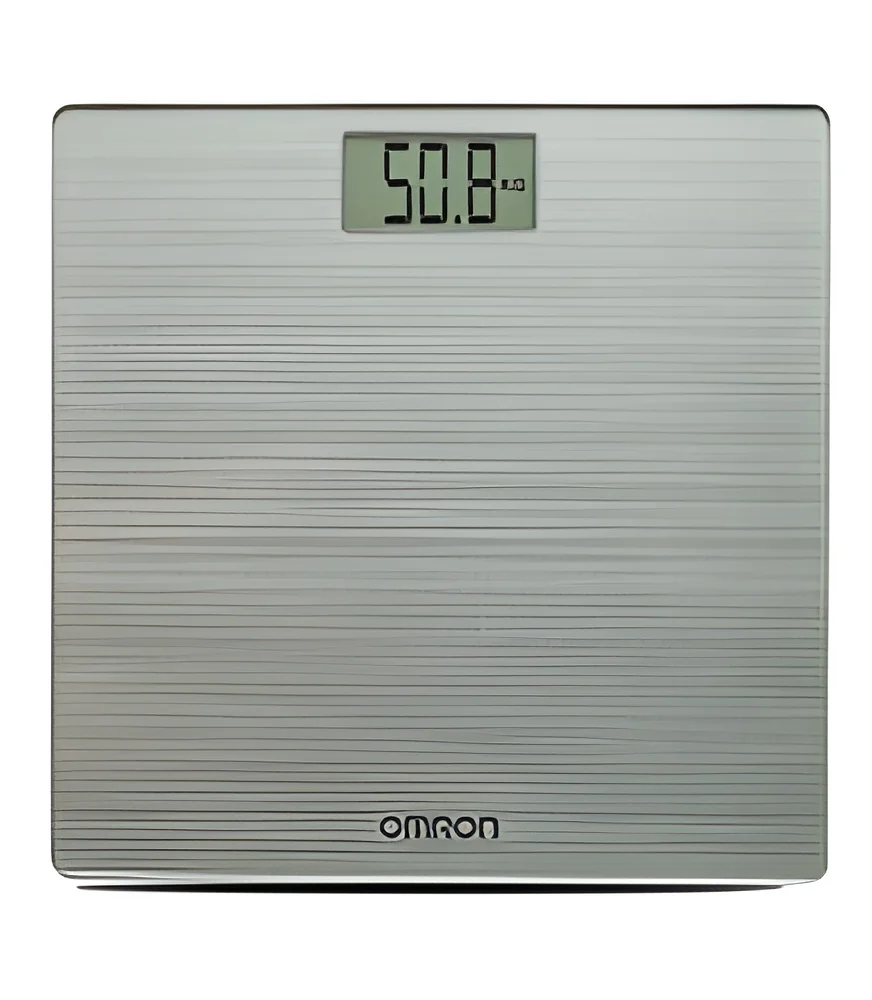
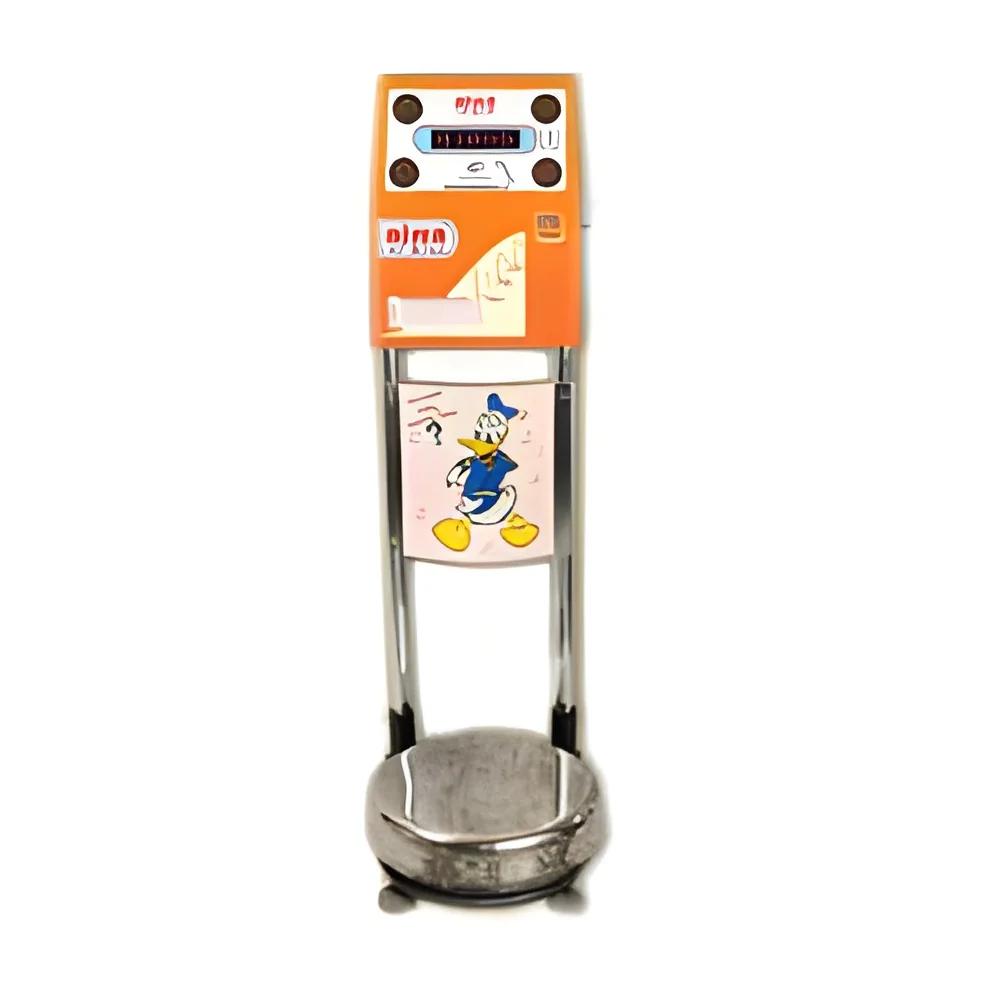
Personal weighing scales are devices used to measure an individual's weight. They are commonly found in both personal and commercial settings such as gyms, fitness centers, hospitals, and laboratories. These scales can be mechanical or digital and are designed for accuracy and ease of use. Personal weighing scales help users track weight changes over time, which can be critical for health and wellness monitoring.
In a business context, personal weighing scales are essential tools for various applications. They are widely used in healthcare for monitoring patient weight, in fitness facilities for tracking client progress, and in research settings for data collection. The importance of accurate weight measurement is underscored by its relevance in obesity management, nutrition, and overall health.
The market for personal weighing scales has been expanding due to the increasing focus on health and fitness. With rising health consciousness among consumers, the demand for reliable weighing solutions is on the rise. Companies are investing in advanced technologies to enhance the accuracy and functionality of their products, making personal weighing scales an integral part of the health and wellness industry.
๐๐ฒ๐ ๐๐ฒ๐ฎ๐๐๐ฟ๐ฒ๐ ๐ฎ๐ป๐ฑ ๐ฆ๐ฝ๐ฒ๐ฐ๐ถ๐ณ๐ถ๐ฐ๐ฎ๐๐ถ๐ผ๐ป๐
When selecting personal weighing scales for B2B applications, it is crucial to consider various features and specifications that ensure reliability and performance.
Key specifications include:
1. Measurement Range
- Scales typically measure weight from 0 to 200 kg or more.
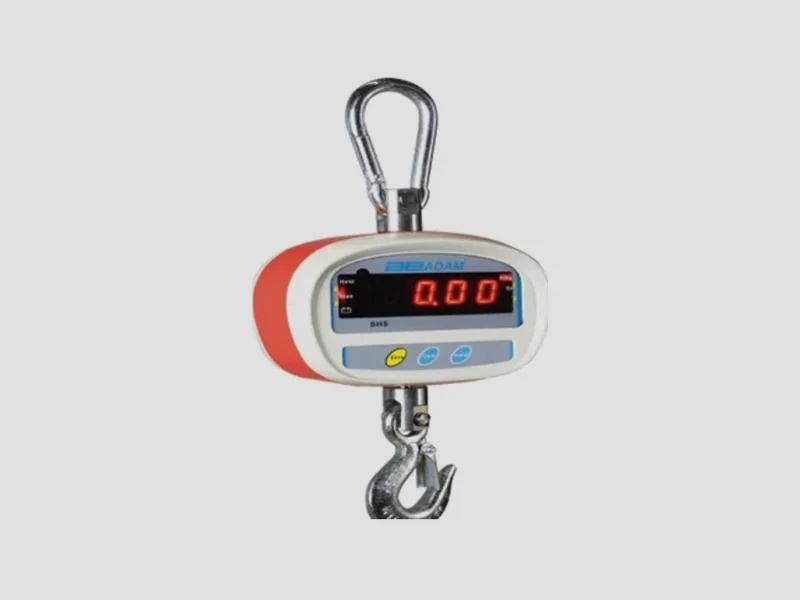
- High-capacity scales are available for industrial applications.
2. Display Type
- Digital displays provide easy readability.
- Some scales feature backlit displays for use in low-light conditions.
3. Accuracy
- Precision can range from 100 grams to 1 kilogram depending on the model.
- Calibration options are often available to maintain accuracy over time.
4. Power Source
- Many scales operate on batteries, while others may use AC power.
- Rechargeable options are also available for convenience.
5. Material and Build Quality
- Scales are typically made from durable materials like glass or stainless steel.
- Anti-slip surfaces enhance user safety.
6. Additional Features
- Some models include BMI calculation and memory functions for tracking multiple users.
- Wireless connectivity options may be available for data integration with health apps.
In summary, understanding these key specifications helps businesses choose the right personal weighing scales that meet their operational needs.
๐๐ผ๐บ๐บ๐ผ๐ป ๐๐ฝ๐ฝ๐น๐ถ๐ฐ๐ฎ๐๐ถ๐ผ๐ป๐ ๐ฎ๐ป๐ฑ ๐จ๐๐ฒ ๐๐ฎ๐๐ฒ๐
Personal weighing scales are utilized across a variety of industries.
1. Healthcare: In hospitals and clinics, scales are essential for monitoring patient weight as part of routine check-ups and treatment plans.
2. Fitness: Gyms and personal training facilities use scales to track client progress and help them achieve their fitness goals.
3. Research: In laboratories, accurate weight measurements are critical for experiments and data collection in studies related to health and nutrition.
4. Retail: Some stores use scales for weighing products, particularly in the health food sector.
5. Home Use: Many individuals use personal weighing scales at home to monitor their weight for health management purposes.
๐ฃ๐ฟ๐ผ๐ฑ๐๐ฐ๐ ๐ฉ๐ฎ๐ฟ๐ถ๐ฎ๐ป๐๐ ๐ฎ๐ป๐ฑ ๐ฆ๐๐ฏ๐ฐ๐ฎ๐๐ฒ๐ด๐ผ๐ฟ๐ถ๐ฒ๐
Personal weighing scales come in various forms to cater to different needs and preferences.
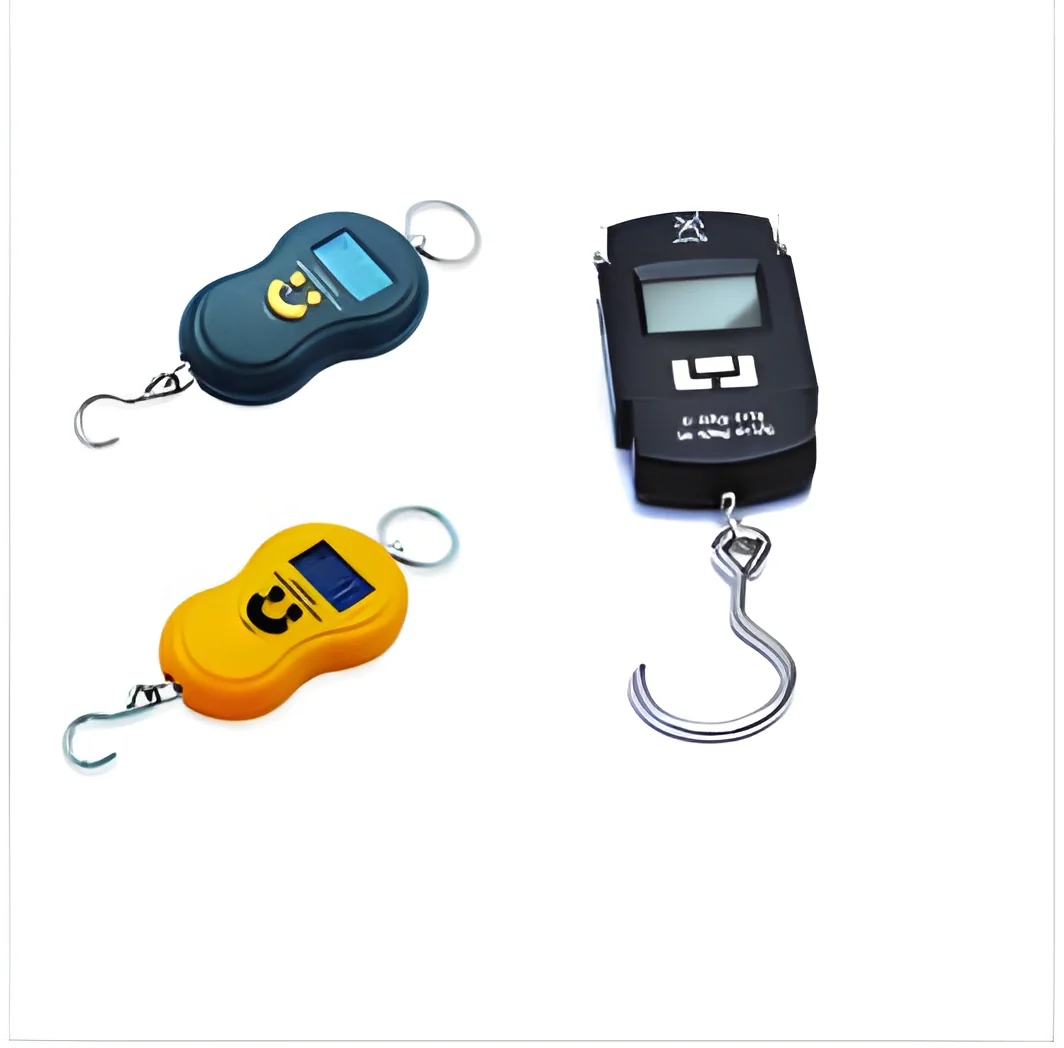
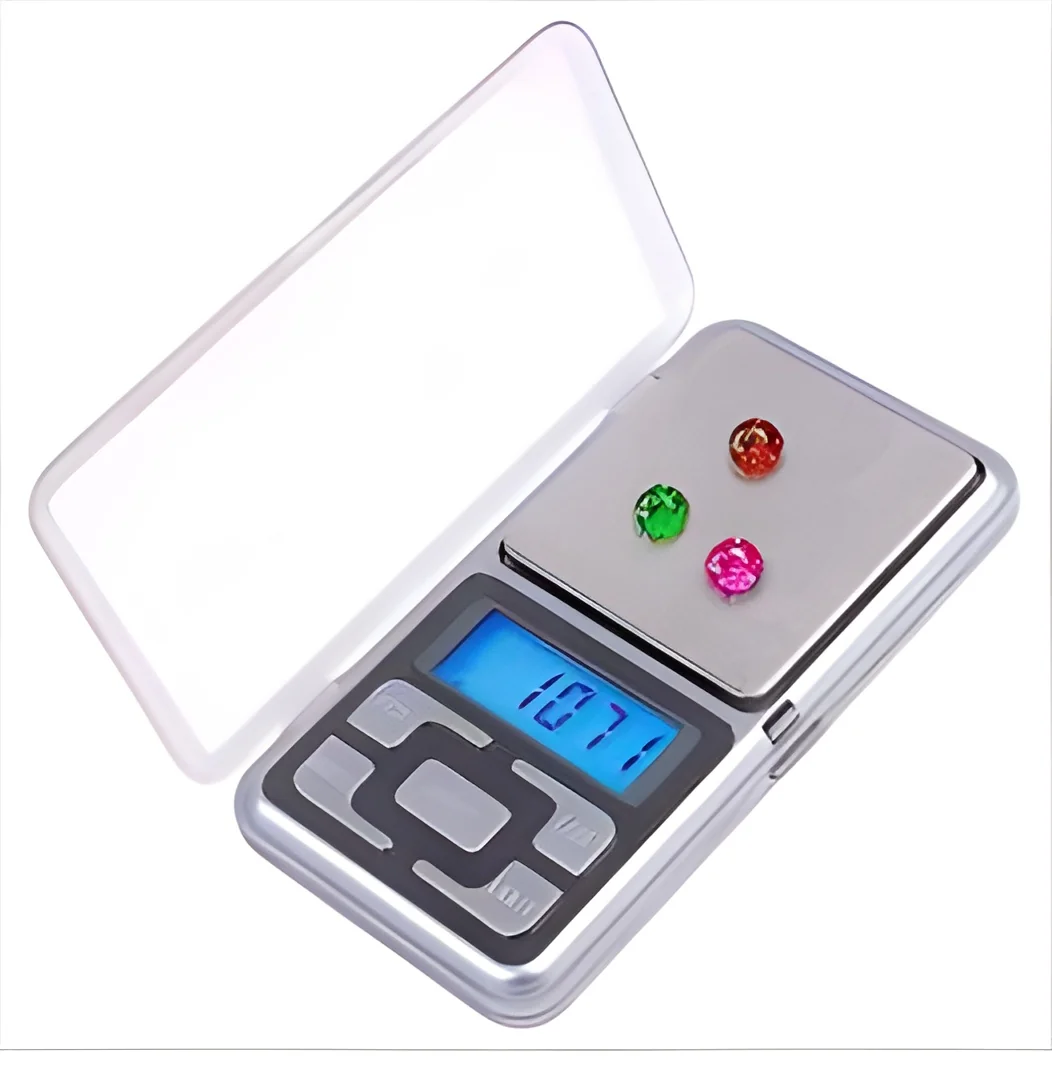
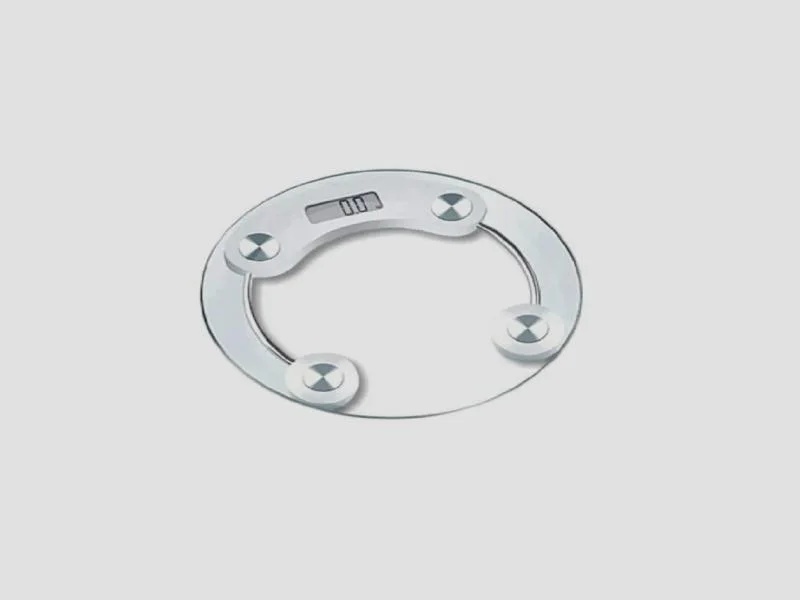
Digital Personal Weighing Scales: These scales provide a digital readout of weight, making them easy to read. They often come with additional features like BMI tracking and memory storage.
Mechanical Personal Weighing Scales: These traditional scales use a dial to display weight. They are known for their durability and do not require batteries, making them a reliable option for consistent use.
Smart Personal Weighing Scales: These advanced scales connect to smartphones and applications to track weight and provide health insights. They often feature Wi-Fi or Bluetooth connectivity for data synchronization.
๐๐ฒ๐ป๐ฒ๐ณ๐ถ๐๐ ๐ฎ๐ป๐ฑ ๐๐ฑ๐๐ฎ๐ป๐๐ฎ๐ด๐ฒ๐
Investing in personal weighing scales offers several advantages for businesses.
1. Enhanced Health Monitoring: Regular weight tracking supports proactive health management, which is crucial in healthcare and fitness industries.
2. Improved Accuracy: High-quality scales ensure precise measurements, reducing errors in weight data.
3. User-Friendly Design: Many scales are designed for ease of use, allowing users to operate them without technical expertise.
4. Versatility: Personal weighing scales are suitable for various applications across multiple industries, enhancing their value.
5. Cost-Effective: Reliable scales can lead to long-term savings by reducing the need for frequent replacements or recalibrations.
6. Data Integration: Smart scales offer the ability to integrate with health apps, allowing for comprehensive health tracking and analysis.
๐๐๐๐ถ๐ป๐ด ๐๐๐ถ๐ฑ๐ฒ ๐ณ๐ผ๐ฟ ๐๐ฎ๐ ๐๐๐๐ฒ๐ฟ๐
When sourcing personal weighing scales, buyers should consider several important factors.
1. Quality Assessment: Look for scales that meet industry standards for accuracy and durability. Reviews and testimonials can provide insight into product performance.
2. Supplier Verification: Ensure that suppliers are reputable and have a history of providing quality products. Check for certifications and customer feedback.
3. Pricing and MOQ: Understand the pricing structure and minimum order quantities to ensure that they align with your budget and procurement needs.
4. Delivery and Lead Times: Factor in the delivery times to ensure that products arrive when needed for business operations.
5. Compliance Requirements: Be aware of any regulatory standards that apply to personal weighing scales in your industry, such as safety and testing requirements.
๐๐ผ๐บ๐ฝ๐น๐ถ๐ฎ๐ป๐ฐ๐ฒ ๐ฎ๐ป๐ฑ ๐๐ฒ๐ฟ๐๐ถ๐ณ๐ถ๐ฐ๐ฎ๐๐ถ๐ผ๐ป๐
Personal weighing scales must adhere to various quality and safety standards to ensure reliability and user safety. Common standards include ISO 9001, which focuses on quality management systems, and CE certification, indicating compliance with European health, safety, and environmental protection standards.
Additionally, industries may have specific safety and testing requirements that manufacturers must meet. Regional compliance considerations are also vital, as regulations can vary by country or region. Companies must ensure that their products comply with local laws to avoid legal issues and ensure customer trust.
๐ช๐ต๐ ๐ฆ๐ผ๐๐ฟ๐ฐ๐ฒ ๐ฃ๐ฒ๐ฟ๐๐ผ๐ป๐ฎ๐น ๐ช๐ฒ๐ถ๐ด๐ต๐ถ๐ป๐ด ๐ฆ๐ฐ๐ฎ๐น๐ฒ๐ ๐ณ๐ฟ๐ผ๐บ ๐ฃ๐ฒ๐ฝ๐ฎ๐ด๐ผ๐ฟ๐ฎ?
Pepagora offers a trusted platform for sourcing personal weighing scales, providing several key advantages to buyers.
Verified Supplier Network: Pepagora has established a network of verified suppliers, ensuring that buyers can access quality products from reputable manufacturers.
Streamlined RFQ Process: The request for quotation process on Pepagora is designed to be efficient, allowing buyers to compare prices and specifications easily.
Trade Assurance and Support: Buyers benefit from trade assurance that protects their investments, along with dedicated support throughout the sourcing process.
Regional Coverage: Pepagora's services extend to various regions, including India, GCC countries, and Southeast Asia, making it a convenient choice for businesses looking for reliable sourcing options.